Steam Mop Myths That Still Confuse First-Time Buyers
Steam mops promise spotless floors, but myths about damage, cleaning power, and maintenance still confuse first-time buyers. This is what actually matters before spending your money.
Steam Mop Myths That Still Confuse First-Time Buyers
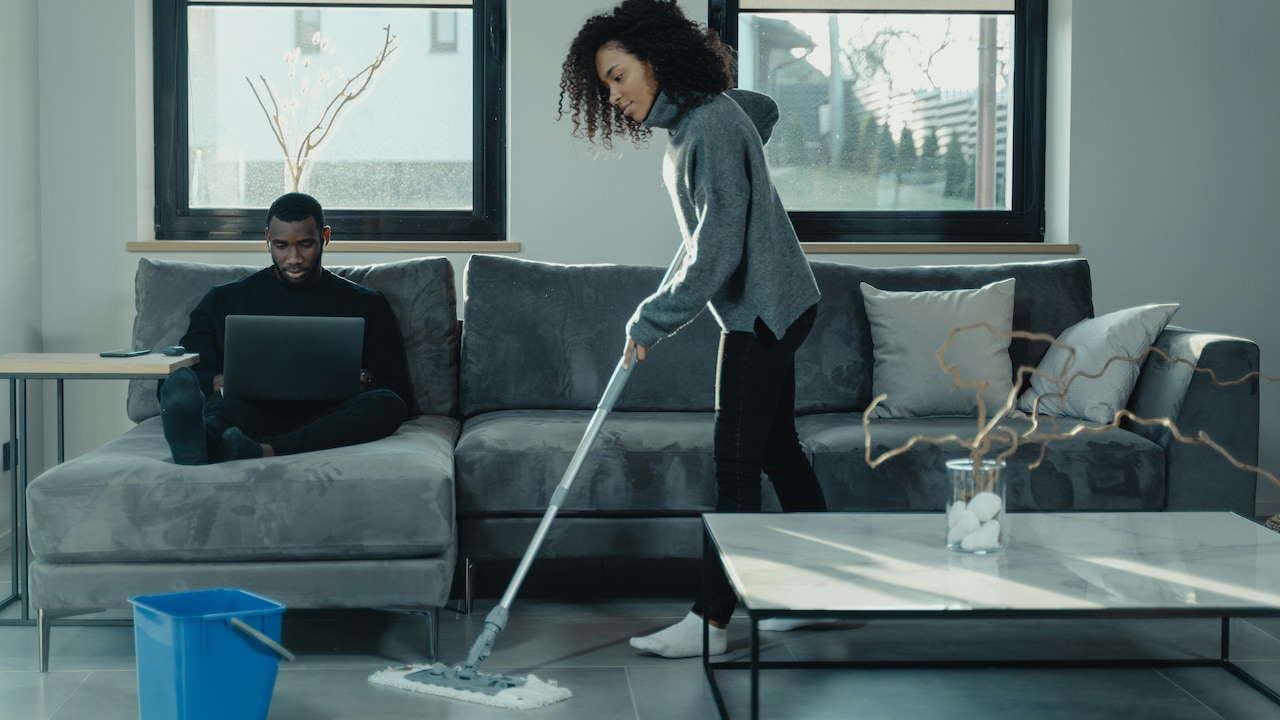
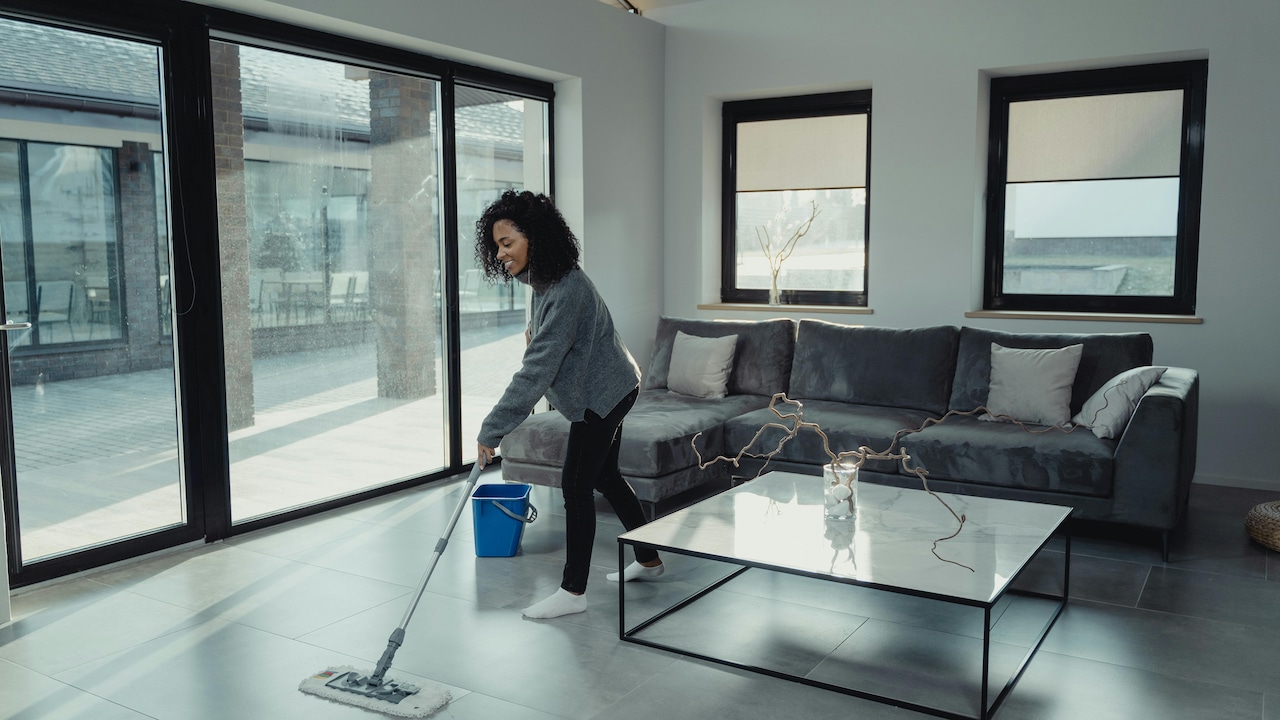
Few household gadgets create as much confusion as the humble steam mop. One minute, a glossy advertisement shows spotless floors shining like a five-star hotel lobby. The next minute, an aunt warns that steam will crack tiles and ruin wooden floors forever. Somewhere in between stands the confused buyer, staring at online reviews while wondering whether a bucket and an old cotton pocha still make more sense. Steam mops have become popular because modern homes deal with endless dust, sticky footprints, spilt chai, muddy monsoon mess, and the occasional mysterious kitchen stain nobody wants to identify. Traditional mopping works, but it often spreads dirty water around like gossip during wedding season. Steam mops promise quicker cleaning with less effort and fewer chemicals. Naturally, expectations shoot through the roof.
Steam Mop Myths That Still Confuse First-Time Buyers
Photo Credit: Pexels
The problem begins when myths spread faster than facts. Friends pass along exaggerated stories. Social media turns one bad experience into a national warning. Salespeople throw technical jargon around like confetti. Soon, buyers stop understanding what steam mops actually do.
A steam mop can absolutely make cleaning easier. Yet it cannot perform miracles, replace every cleaning tool, or survive careless use forever. Understanding the reality behind these common myths saves money, prevents frustration, and helps buyers choose a model that actually suits their homes.
Common Steam Mop Myths First-Time Buyers Still Believe
Steam Mops Damage Every Type Of Flooring
This myth scares many first-time buyers away before they even touch the appliance section at the store. The truth feels far less dramatic. Steam mops do not destroy every floor. Problems usually appear when people ignore the flooring type, steam level, or manufacturer's instructions.
Tiles, sealed ceramic surfaces, and stone floors generally handle steam cleaning quite well. These surfaces tolerate moisture and heat better than many people assume. In fact, steam often cleans tile grout more effectively than endless scrubbing with harsh chemicals. The issue begins with unsealed wood, delicate laminate, or damaged flooring that already traps moisture underneath.
Some buyers assume all wooden flooring behaves the same way. That belief causes trouble. Properly sealed hardwood can often manage controlled steam cleaning occasionally. Cheap laminate with weak sealing, however, may swell faster than dough during monsoon humidity. The mop rarely causes the damage alone. Poor flooring quality and excessive steam usually play equal roles.
Another common mistake involves holding the mop still in one place. Steam mops work best when kept moving steadily. Leaving hot steam concentrated on one patch for too long stresses the surface unnecessarily.
The safest approach always involves checking flooring recommendations first instead of trusting random online horror stories. A good steam mop used correctly behaves more like a careful helper than a flooring villain.
Steam Mops Remove Every Stain Instantly
Advertising deserves partial blame for this fantasy. Commercials often show steam mops gliding over ancient stains that vanish within seconds. Real homes, unfortunately, do not operate like edited television clips.
Steam helps loosen dirt, grease, and grime remarkably well. Sticky kitchen floors respond especially nicely because heat softens oily residue. Fresh spills disappear quickly, too. Yet deeply set stains require patience, repeated passes, or occasional pre-treatment. Expecting one swipe perfection only leads to disappointment.
Consider turmeric stains in the kitchen. Anyone who cooks regularly knows haldi behaves like an artist determined to leave permanent signatures everywhere. Steam can reduce staining significantly, but old marks may still need dedicated cleaning solutions. Similarly, dried muddy footprints from rainy evenings often require a little manual effort first.
Another misunderstanding involves sanitisation. Steam kills many germs because of high heat, but dead bacteria do not magically evaporate. Dirt still needs removal. That means the mop pad matters enormously. A dirty pad simply drags loosened grime around after a point.
The best mindset treats a steam mop as a powerful cleaning tool rather than a magical wand. It reduces effort dramatically compared with traditional mopping, especially in busy households. Yet realistic expectations matter. Floors become cleaner, fresher, and more hygienic, but no machine can erase years of neglect within five minutes.
Expensive Steam Mops Always Perform Better
Price tags often fool buyers into believing premium models guarantee flawless cleaning. While expensive steam mops may include advanced features, the highest price does not automatically mean the best fit for every home.
Many households purchase oversized premium models loaded with attachments they never use. Three months later, the machine sits forgotten because carrying it upstairs feels like dragging luggage through a railway station. Meanwhile, a simpler mid-range model could have handled daily cleaning perfectly well.
Performance depends heavily on practical details. Steam consistency matters. Mop head design matters. Water tank size matters. Cord length matters even more in larger homes where plug points mysteriously hide behind furniture. A ₹6,000 steam mop with good manoeuvrability may outperform a ₹16,000 machine that feels awkward and heavy.
Marketing also creates confusion by pushing fancy extras. Buyers suddenly feel they need digital displays, fragrance dispensers, and twenty different cleaning modes. In reality, many people only need reliable steam output and washable mop pads.
Durability depends more on maintenance than price alone. Even premium machines suffer when owners fill them with hard tap water regularly without cleaning mineral buildup. Meanwhile, budget models often last years with proper care.
A smart purchase focuses on lifestyle instead of showroom glamour. Smaller flats may benefit from compact, lightweight models. Larger homes with pets and children may need stronger steam power and larger tanks. The ideal steam mop solves cleaning problems comfortably without turning every mopping session into a gym workout.
Steam Cleaning Uses Too Much Electricity
This concern pops up frequently whenever people discuss home appliances. Rising electricity bills already cause enough stress without adding another machine into the mix. Thankfully, steam mops usually consume less power than people imagine.
Most steam mops heat water quickly and operate for relatively short cleaning sessions. Unlike air conditioners or water heaters running for hours, steam mops typically stay active for twenty to thirty minutes during regular use. For many households, that translates into manageable electricity consumption rather than shocking monthly bills.
Ironically, steam mops may even reduce other household expenses over time. Many families spend heavily on floor cleaners, disinfectants, stain removers, and scented liquids every month. Steam cleaning cuts dependence on chemical products because heat handles much of the sanitising work naturally.
Water usage also drops significantly. Traditional mopping often involves multiple buckets of water, especially after messy gatherings or festival cleaning sessions. Steam mops use surprisingly little water because they convert small amounts into concentrated steam.
Of course, extremely cheap models sometimes struggle with energy efficiency. They may heat slowly or lose steam pressure quickly, forcing longer cleaning sessions. Choosing a reliable machine from a known brand generally improves performance and efficiency together.
The larger issue often involves perception rather than actual consumption. People see steam and automatically imagine industrial-level power usage. In reality, a steam mop behaves more like a practical household helper than an electricity-hungry monster waiting to ambush the next utility bill.
Steam Mops Replace Vacuum Cleaners Completely
Many first-time buyers assume steam mops eliminate the need for sweeping or vacuuming altogether. That misunderstanding creates frustration almost immediately.
Steam mops work brilliantly on surface grime and sanitising floors, but they struggle with loose dry debris. Hair, crumbs, dust, and biscuit pieces still need removal beforehand. Otherwise, the mop pad simply pushes debris around awkwardly. Nobody enjoys chasing soggy namkeen crumbs across the kitchen floor.
Think of steam mops as the second stage of cleaning rather than the entire process. Vacuum cleaners or brooms handle dry dirt first. Steam then tackles sticky residue, bacteria, and lingering grime. Together, they form a much more effective cleaning routine.
This myth becomes especially problematic in homes with pets. Fur accumulates rapidly, and steam alone cannot collect floating hair effectively. Likewise, after festivals or family gatherings, floors often carry dry particles that need sweeping first before steam cleaning can shine properly.
Some newer hybrid machines combine vacuuming and steam functions. While convenient, they usually cost more and may require additional maintenance. Buyers should consider whether they genuinely need an all-in-one machine or simply want faster cleaning routines.
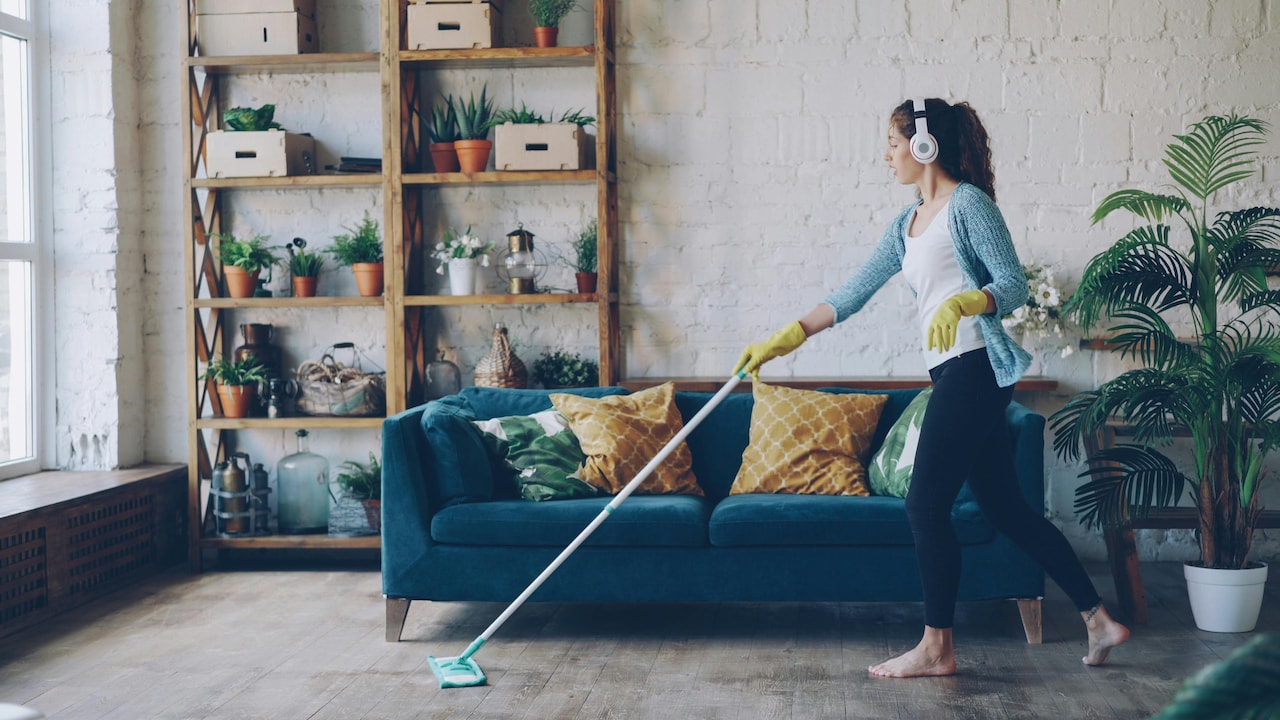
The good news involves overall effort reduction. Once dry debris disappears, steam mops clean efficiently and leave floors feeling fresher compared with ordinary mopping. They reduce sticky residue beautifully, particularly in kitchens and dining areas where traditional mops sometimes leave dull streaks behind.
Steam Mop Myths That Still Confuse First-Time Buyers
Photo Credit: Pexels
Steam Mops Need Chemical Cleaners To Work Properly
The idea of adding strong cleaners to every machine comes from years of traditional mopping habits. People often assume powerful smells equal powerful cleaning. Steam mops challenge that belief quite effectively.
Most steam mops actually work best with plain water. Heat performs the heavy lifting by loosening grime and killing many germs naturally. Adding random cleaning chemicals may damage internal components, clog steam vents, or shorten the machine's lifespan considerably.
Manufacturers usually warn against mixing floor cleaners directly into the water tank. Yet some users ignore instructions because they crave stronger fragrance or faster stain removal. Unfortunately, that decision often leads to repairs that cost more than the original cleaning solution.
Another interesting psychological factor appears here. Floors cleaned with steam sometimes lack the overpowering lemon or floral smell people associate with cleanliness. As a result, some assume the machine failed. In reality, the absence of heavy fragrance simply means fewer chemical residues remain on the floor.
For tougher spots, spot treatment works better than pouring chemicals into the steam mop itself. A little manual cleaning before steaming usually handles stubborn stains safely without harming the appliance.
Homes with children or pets often appreciate this chemical-free advantage most. Floors dry faster, surfaces feel cleaner, and fewer residues linger where toddlers crawl, or pets nap lazily in afternoon sunlight. Steam cleaning may not smell like a supermarket cleaning aisle, but effective cleaning rarely needs dramatic perfume clouds anyway.
Bigger Water Tanks Always Mean Better Cleaning
Large water tanks sound impressive during shopping comparisons. Nobody enjoys frequent refilling, so bigger naturally feels better. Yet tank size alone does not determine cleaning quality.
Oversized tanks increase machine weight significantly. Once filled with water, some steam mops become tiring to push around, especially during longer cleaning sessions. Buyers often discover this problem only after dragging the machine across multiple rooms for the first time.
Smaller and medium-sized tanks suit many homes perfectly well because steam mops use water efficiently. Most regular cleaning sessions finish comfortably before refilling becomes necessary. In compact flats, giant tanks often create more inconvenience than benefit.
Weight distribution matters too. A poorly designed machine with a heavy tank may strain wrists and shoulders unnecessarily. Elderly users especially benefit from lightweight models that move smoothly instead of demanding constant effort.
There is also the issue of storage. Bulky machines occupy valuable space in homes where storage already feels tighter than local train compartments during rush hour. Compact designs often encourage more regular use because they feel less intimidating to handle.
That said, larger homes with extensive tiled flooring may genuinely benefit from bigger tanks. Frequent refills can interrupt the cleaning rhythm in such cases. The key lies in balancing capacity with comfort rather than blindly chasing maximum size.
A practical steam mop should feel manageable during everyday cleaning. The goal involves easier maintenance, not turning household chores into endurance training disguised as floor care.
Also Read: Top 5 Storage Boxes For Gadgets Under ₹500
Steam Mops Leave Floors Soaking Wet
Anyone raised around traditional mopping often expects buckets of water and endlessly damp floors. Steam mops operate differently, which surprises many first-time users.
A properly functioning steam mop releases controlled moisture rather than flooding the floor. Surfaces usually dry within minutes because steam uses minimal water. In fact, many users appreciate walking across freshly cleaned floors sooner without leaving footprints everywhere.
Problems arise when mop pads become overly saturated or when users select excessive steam levels unnecessarily. Beginners sometimes assume maximum steam equals maximum cleanliness. Instead, too much moisture may create streaks or damp patches, particularly on sensitive flooring.
Pad maintenance also matters enormously. Dirty or overloaded pads stop absorbing moisture efficiently. As a result, floors may feel wetter than expected. Regular washing keeps performance consistent and prevents unpleasant smells from developing over time.
Humidity plays a role, too. During monsoon season, even lightly steamed floors may dry more slowly because the surrounding air already carries excessive moisture. That does not mean the machine malfunctioned. The weather simply refuses to cooperate.
Compared with traditional bucket mopping, steam cleaning generally leaves far less residual water behind. This faster drying time proves especially useful in busy households where children sprint through hallways seconds after cleaning finishes.
A quality steam mop should leave floors clean, lightly damp, and quickly dry rather than resembling a freshly washed courtyard after heavy rain.
Steam Mops Work Perfectly Without Maintenance
Many buyers treat steam mops like indestructible superheroes straight out of the box. Plug in, clean forever, never worry again. Reality behaves differently.
Like most appliances involving heat and water, steam mops require basic maintenance to perform well consistently. Ignoring upkeep often causes weak steam output, unpleasant odours, or blocked nozzles over time.
Hard water creates one of the biggest problems. Mineral deposits gradually build inside the machine, particularly in areas where water quality feels rougher than old sandpaper. Using filtered or distilled water occasionally helps reduce scaling and extends appliance life considerably.
Mop pads deserve attention, too. Reusing filthy pads repeatedly spreads dirt instead of removing it. Thankfully, most washable pads clean easily in regular laundry cycles. Keeping spare pads proves surprisingly useful during major cleaning sessions.
Storage habits matter more than people realise. Leaving water sitting inside the tank for days encourages unpleasant smells and residue buildup. Emptying and drying the machine after use keeps things hygienic and prevents unnecessary wear.
Another common mistake involves yanking the power cord carelessly during storage. Over time, damaged cords become both inconvenient and unsafe. A few extra seconds of proper handling save future headaches.
Steam mops simplify cleaning beautifully, but they still need occasional care. Treating the machine responsibly ensures reliable performance instead of dramatic mid-cleaning breakdowns right before guests arrive unexpectedly.
Steam Mops Are Only Useful For Floors
This myth quietly limits how much value buyers actually receive from their purchase. Many steam mops offer far more versatility than people realise.
Several models include detachable handheld units or specialised attachments for mirrors, bathroom tiles, kitchen counters, upholstery, and even stubborn stove grease. Steam tackles greasy surfaces particularly well because heat softens residue effectively without aggressive scrubbing.
Bathroom cleaning becomes noticeably easier, too. Steam helps loosen soap scum around tiles and taps, reducing the endless battle against water stains. Kitchen exhaust areas also benefit from occasional steaming, especially after heavy cooking sessions involving oil splatters.
Families with young children often use steam for sanitising play areas, mattresses, or fabric surfaces carefully. Pet owners appreciate freshening up corners where furry companions spend most of their time. During allergy season, steam cleaning certain surfaces may also help reduce dust accumulation.
Of course, not every attachment works brilliantly. Some accessories feel more gimmicky than genuinely useful. Buyers should focus on features they realistically plan to use rather than collecting a box full of forgotten plastic tools.
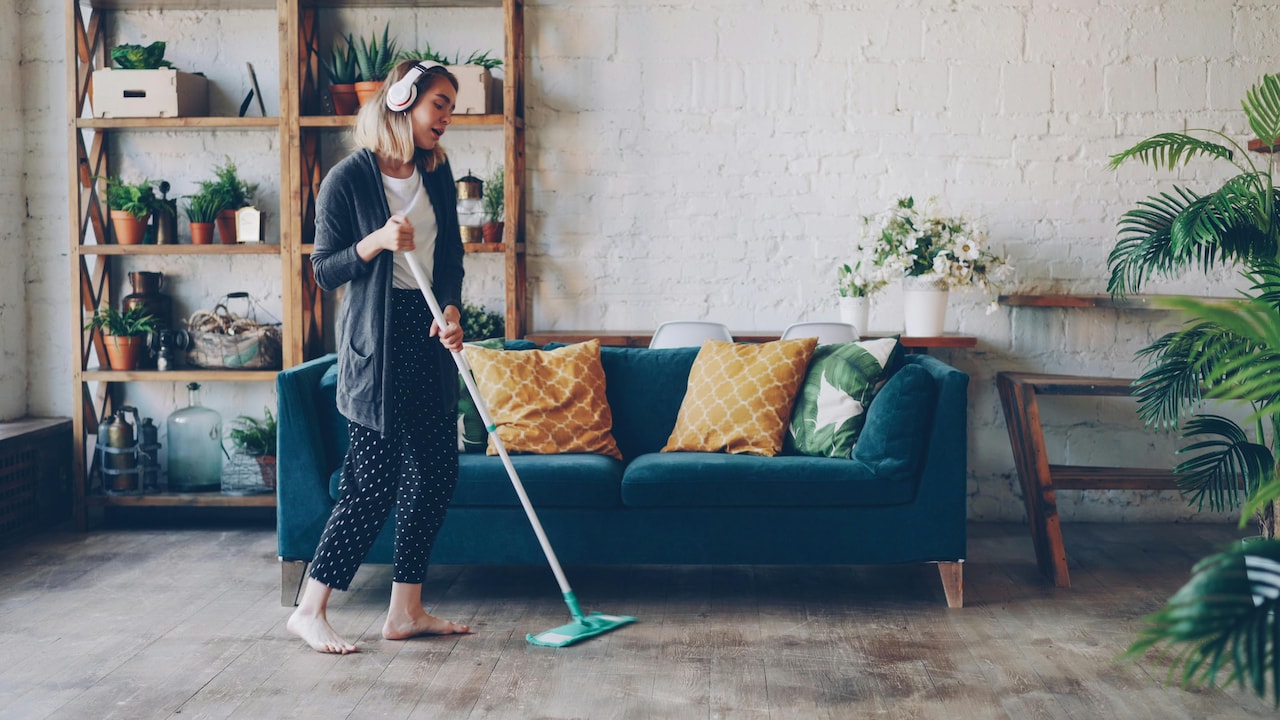
Understanding the machine's capabilities transforms it from a single-purpose floor cleaner into a practical multi-use appliance. Suddenly, the purchase feels less like an expensive experiment and more like a genuinely helpful addition to everyday household life.
Steam Mop Myths That Still Confuse First-Time Buyers
Photo Credit: Pexels
Products Related To This Article
1. Shark Steam & Scrub S8201IN Steam Mop
2. SEZNIK All in One Wet and Dry Vacuum Cleaner for Home
3. Nexlev Steam Mop Floor Cleaner
4. Domestica Steamo 10-In-1 Steam Cleaner For Home Cleaning With 2 Steam Modes
5. Shark Steam & Scrub S8201IN Steam Mop
6. SEZNIK Vacuum Cleaner for Home Use Wet and Dry
7. Hoover Steam Fresh Combi 2 in 1 Multi-Surface Powerful Steam Mop
Steam mops often arrive surrounded by confusion, exaggerated promises, and dramatic warnings passed around like family folklore. One person claims steam ruined their flooring forever. Another insists the machine cleaned an entire home within ten minutes without lifting a finger. The reality sits comfortably in the middle.
A good steam mop can absolutely simplify household cleaning. It handles sticky messes well, reduces dependence on chemical cleaners, and leaves floors feeling fresher with less effort. Yet it also comes with limitations, maintenance needs, and a learning curve many advertisements conveniently ignore.
The smartest buyers avoid extremes. They neither expect miracles nor fear disaster. Instead, they choose machines suited to their flooring, home size, and daily routine. They understand that steam mops complement cleaning habits rather than replacing every other tool instantly.
Most importantly, they separate myths from practical reality. That alone prevents wasted money, unnecessary frustration, and awkward conversations that begin with, “This thing looked much better in the advertisement.”
In the end, steam mops work best when expectations stay grounded. A little knowledge, sensible use, and regular maintenance turn them into genuinely useful household companions instead of expensive corner decorations collecting dust beside forgotten fitness equipment.
(Disclaimer: This article may include references to or features of products and services made available through affiliate marketing campaigns. NDTV Convergence Limited (“NDTV”) strives to maintain editorial independence while participating in such campaigns. NDTV does not assume responsibility for the performance or claims of any featured products or services.)