Straightening Hair Daily? Top 10 Heat Protection Tips That Can Save Hair From Breakage
Daily hair straightening can leave strands dry, brittle, and full of split ends. These 10 simple heat protection tips help reduce breakage, lock in moisture and keep hair smooth without long-term damage.
Straightening Hair Daily? Top 10 Heat Protection Tips That Can Save Hair From Breakage
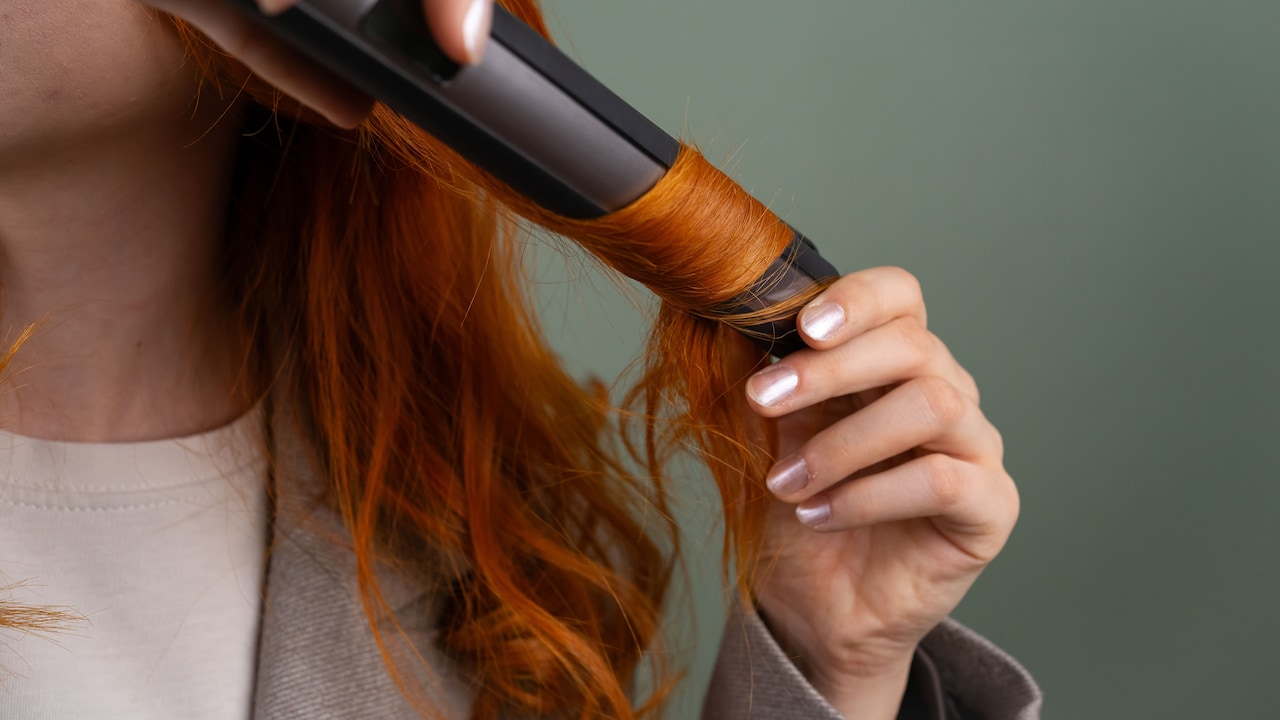
Silky straight hair has become part of everyday styling for many people. A quick pass with a straightener before college, office meetings, dinner plans, or weddings often feels harmless. Yet over time, those few extra minutes in front of the mirror can quietly damage hair from root to tip. The warning signs usually appear slowly. A little frizz here, rough ends there, and suddenly the once-soft strands begin snapping like dry noodles. Heat styling tools work by altering the structure of hair. While that creates the sleek finish everyone loves, too much heat strips away moisture and weakens the outer layer. Add humid weather, pollution, hard water, and hectic schedules into the mix, and hair barely gets a chance to recover.
Straightening Hair Daily? Top 10 Heat Protection Tips That Can Save Hair From Breakage
Photo Credit: Pexels
The good news is that daily straightening does not always have to end in breakage. Small changes in routine can protect hair far better than expensive salon treatments. A few smart habits, the right products, and some patience can help maintain smooth hair without turning it into a frizzy disaster during the festive season. Here are ten practical heat protection tips that genuinely help.
Top 10 Heat Protection Tips To Prevent Hair Breakage From Daily Straightening
Never Skip A Heat Protectant Spray
Skipping heat protectant is a bit like walking barefoot on hot pavement in May. Hair needs a protective barrier before facing direct heat. A quality heat protectant coats the strands and reduces moisture loss while straightening. It also helps smooth frizz and gives hair a softer finish.
Many people spray it unevenly and rush straight to styling. That defeats the purpose. Hair should absorb the product properly before the straightener touches it. Focus especially on the mid-lengths and ends because those sections suffer the most damage.
There is no need to splurge on salon-only products costing ₹2,500. Plenty of affordable options from pharmacy shelves work beautifully when used correctly. The trick lies in consistency rather than fancy packaging.
Another common mistake involves applying heat protectant to soaking wet hair. It works best on towel-dried or completely dry strands, depending on the formula. Otherwise, hair may steam under the iron, which sounds exactly as scary as it is.
A good heat protectant may not transform hair overnight, but over months, it can significantly reduce breakage and dullness.
Lower The Temperature Setting
Many straighteners now heat up like industrial machinery. While the highest setting may seem tempting during rushed mornings, hair rarely needs such extreme temperatures. Fine or chemically treated hair often straightens perfectly well at lower heat settings.
Using maximum heat daily gradually weakens the hair shaft. Eventually, strands lose elasticity and snap easily while brushing or tying a ponytail. That annoying pile of hair near the bathroom drain often starts here.
A moderate setting between 160°C and 180°C suits most hair types. Thick or curly textures may need slightly higher temperatures occasionally, but not every single day. Think of heat like spice in biryani. Too little feels disappointing, but too much ruins the entire dish.
Modern straighteners with adjustable temperature controls offer far more protection than older versions with one scorching setting. Ceramic plates also distribute heat more evenly and reduce hot spots that fry sections of hair.
Lower temperatures may take an extra few minutes, but healthy hair always looks better than burnt strands pretending to behave.
Straighten Only Completely Dry Hair
Hair and heat share a complicated relationship. Straightening damp hair creates a sizzling sound that many mistake for effectiveness. In reality, it signals moisture rapidly evaporating from inside the strand. That weakens the structure and causes severe damage over time.
Wet hair remains fragile because the cuticle stays lifted. Applying direct heat at this stage increases breakage dramatically. Even expensive straighteners cannot protect against that kind of stress.
Air-drying hair partially before using a blow dryer helps reduce unnecessary heat exposure. During monsoon season, when drying takes forever, patience matters more than perfection. A rushed styling session often leads to rough texture and split ends later.
Checking hidden sections near the scalp is equally important. Hair may feel dry on the surface while remaining damp underneath. Those areas suffer the worst damage because they trap heat longer.
Completely dry hair not only straightens more effectively but also holds the style better. That means fewer touch-ups during the day and less repeated heat exposure. Sometimes the healthiest hair tip sounds incredibly simple because it genuinely is.
Invest In A Good Quality Straightener
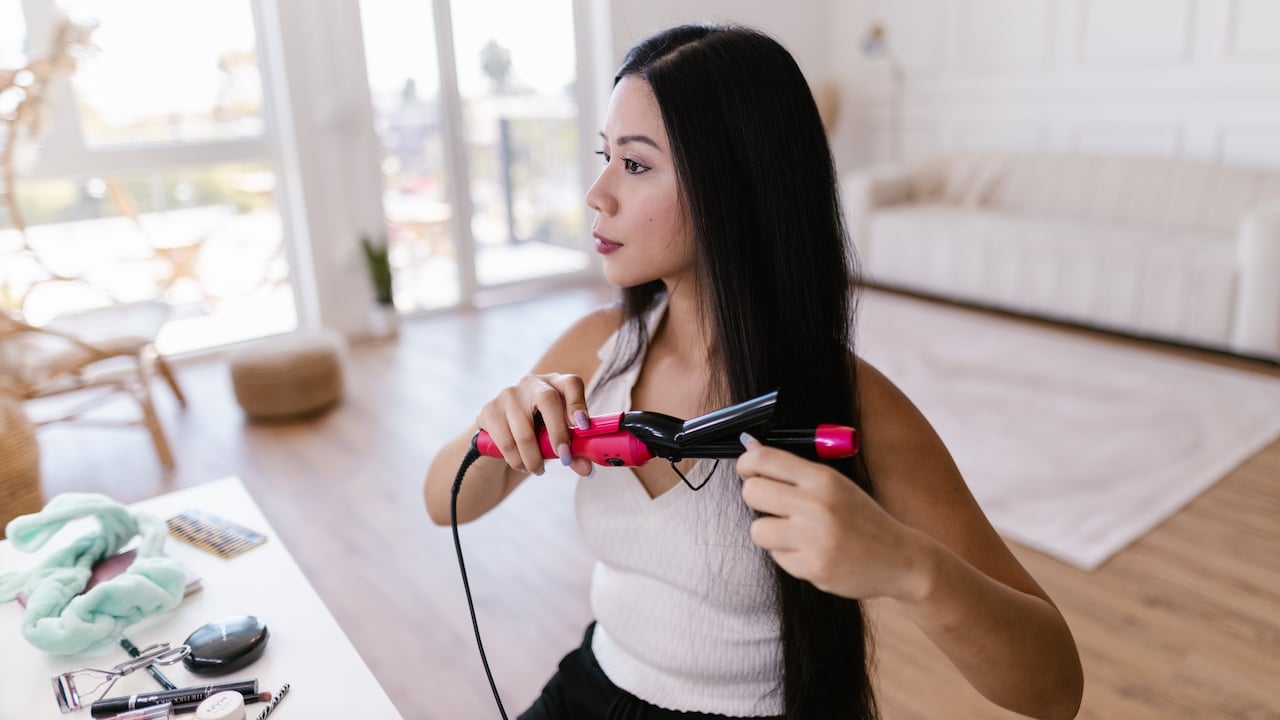
A poor-quality straightener can destroy hair faster than daily styling itself. Cheap tools often heat unevenly, snag strands, and force repeated passes over the same section. Hair ends up looking flat yet strangely frizzy at the same time.
Investing in a reliable straightener may feel expensive initially, but it saves money on endless repair products and salon treatments later. Good tools maintain a consistent temperature and glide smoothly without pulling hair.
Ceramic and tourmaline plates usually work well because they distribute heat evenly and reduce static. Wider plates suit thick hair while narrower plates offer better control for shorter styles or curtain bangs.
Many people continue using damaged straighteners with chipped plates for years. That habit quietly harms hair during every styling session. If the plates no longer close properly or create uneven results, replacement becomes necessary.
A decent straightener does not need celebrity endorsements or flashy packaging. It simply needs stable heat settings and smooth plates. Think of it as choosing cookware. Even the best ingredients struggle inside a terrible pan.
Healthy styling often begins with the tools sitting quietly on the dressing table.
Also Read: Top 7 Blow Dryers For Curly Hair That Reduce Frizz Without Flattening Volume
Use Nourishing Hair Masks Weekly
Daily heat styling slowly drains moisture from hair. Without replenishment, strands become rough, stiff, and prone to snapping. A nourishing hair mask acts like a reset button after a stressful week of heat exposure.
Weekly masking restores softness and helps strengthen weakened areas. Ingredients such as argan oil, keratin, coconut oil, and shea butter work particularly well for dry hair. Homemade masks with curd and aloe vera also remain surprisingly effective, especially during harsh summers.
The key lies in allowing enough time for the mask to work. Applying it for three rushed minutes before showering rarely delivers visible results. Hair needs proper absorption, ideally around twenty to thirty minutes.
Many people focus only on shampoo and ignore deeper conditioning altogether. Unfortunately, shampoo alone cannot repair damage caused by repeated heat styling.
Consistent masking improves shine, reduces frizz, and makes hair easier to straighten with less effort. That indirectly cuts down heat exposure too. Softer hair usually cooperates better instead of behaving like it has unresolved personal issues.
A good mask once a week often creates more visible improvement than buying five trendy styling serums.
Straightening Hair Daily? Top 10 Heat Protection Tips That Can Save Hair From Breakage
Photo Credit: Pexels
Avoid Straightening The Same Section Repeatedly
Repeatedly running a straightener over the same section causes unnecessary stress on hair. Yet many people do exactly that while chasing ultra-sleek perfection. One pass becomes three, then five, and suddenly the ends resemble dry broom bristles.
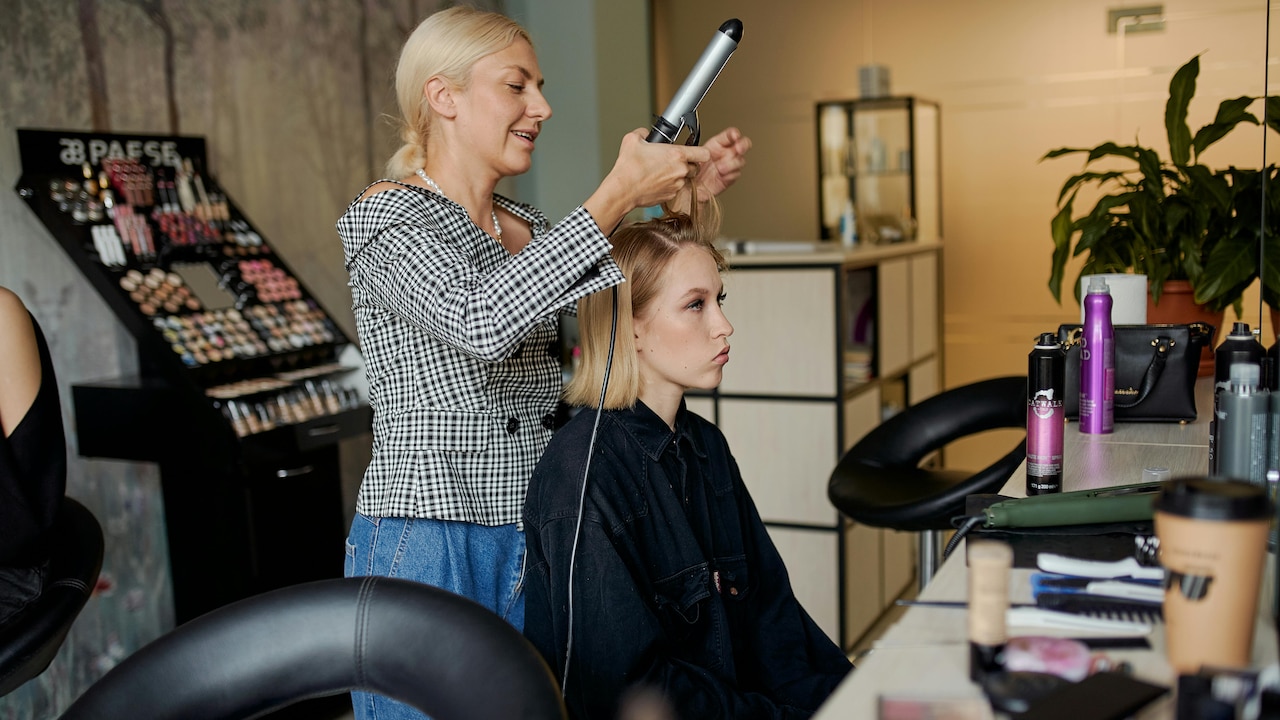
Working with smaller, neatly divided sections improves results significantly. Hair straightens more evenly, reducing the temptation for constant touch-ups. Using a comb while gliding the straightener also helps distribute strands properly.
Trying to style large chunks at once usually leads to uneven texture. Some sections remain wavy while others become overly flat. Frustration kicks in, followed by repeated heat exposure.
Professional hairstylists often achieve smooth results quickly because they section hair carefully rather than aggressively reworking everything. Technique matters more than brute force.
Daily straightening already places stress on hair, so minimising unnecessary passes becomes essential. Hair should look soft and natural, not pressed like festival clothes waiting inside an iron shop.
Less heat almost always translates into healthier strands over time. Hair may not become perfectly pin-straight every day, but it will certainly remain stronger and shinier.
Protect Hair From Sun Exposure
Heat damage does not come only from styling tools. Harsh sunlight also weakens hair and strips moisture, especially during peak summer afternoons. Combining sun exposure with daily straightening often doubles the stress on strands.
Many people carefully protect their skin outdoors while leaving their hair completely exposed. Unfortunately, UV rays can fade colour, increase dryness, and worsen split ends. Straightened hair becomes particularly vulnerable because heat styling already weakens the protective outer layer.
Scarves, hats, and UV-protection hair sprays help reduce damage considerably. A loose braid during outdoor travel also prevents tangling and friction. Even simple habits like avoiding direct afternoon sun can make a noticeable difference.
Those long bike rides through traffic may look cinematic in slow-motion reels, but pollution and heat together create chaos for hair health. By evening, strands often feel rough and dehydrated.
Hydration matters internally, too. Drinking enough water supports scalp health and keeps hair from becoming excessively dry. Sometimes beauty routines fail because basic habits get ignored.
Hair protection should continue even after switching off the straightener. Otherwise, recovery becomes much harder.
Trim Split Ends Regularly
Split ends rarely fix themselves. No serum, oil, or overnight miracle treatment can permanently seal damaged ends once they begin splitting. Ignoring them only allows the damage to travel further upwards.
Regular trims help maintain healthier-looking hair and prevent excessive breakage. Even a small trim every six to eight weeks keeps ends manageable and smoother during styling.
Many people avoid trims while trying to grow longer hair. Ironically, damaged ends often make hair appear thinner and shorter because of constant breakage. Healthy trims usually support better growth in the long run.
Straightened hair especially benefits from fresh ends because damaged tips become more visible after styling. Frayed edges catch light differently and create that uneven, tired appearance.
Salon visits need not become luxury experiences involving endless upselling and dramatic hair lectures. A simple maintenance trim often costs far less than repairing severe heat damage later.
Freshly trimmed hair also straightens faster and looks naturally polished with less effort. That means lower heat exposure overall.
Sometimes, healthier hair does not require complicated routines. It simply needs letting go of what no longer serves it, including those stubborn split ends hanging on for dear life.
Straightening Hair Daily? Top 10 Heat Protection Tips That Can Save Hair From Breakage
Photo Credit: Pexels
Sleep On A Silk Or Satin Pillowcase
Night-time friction quietly damages hair more than most people realise. Cotton pillowcases absorb moisture and create rough movement while sleeping. Straightened hair often wakes up tangled, frizzy, and flattened in strange directions.
Silk or satin pillowcases reduce friction significantly. Hair glides more smoothly across the surface instead of rubbing harshly throughout the night. That helps preserve styling and minimises breakage.
The difference becomes especially noticeable for long hair. Morning brushing feels easier and strands appear shinier with fewer knots. It also reduces the need for excessive heat touch-ups before heading out.
A satin pillowcase costs far less than repeated salon repair treatments and lasts for months. Sometimes the smartest beauty investments are surprisingly simple.
Loose braids or soft buns before sleeping offer extra protection too. Tight hairstyles overnight often pull at the roots and weaken strands gradually.
Good hair care does not stop after skincare routines and late-night scrolling sessions. Hair continues reacting to its environment while sleeping. Creating a gentler surface allows strands to recover instead of battling friction for eight hours straight.
It may sound dramatic, but hair often behaves far better after a decent night's sleep too.
Give Hair Heat-Free Days
Hair needs occasional breaks from styling tools. Daily straightening without pause eventually weakens even naturally strong hair. Heat-free days allow strands to recover moisture and regain flexibility.
That does not mean embracing complete chaos. Simple styles like loose buns, braids, claw clips, or natural waves can still look polished and stylish. Many people actually discover their hair texture looks far better than expected once they stop fighting it constantly.
Weekend breaks from heat styling help reduce cumulative damage over time. Hair feels softer, looks shinier, and becomes easier to manage overall.
Social media often creates unrealistic pressure for perfectly sleek hair every single day. In reality, slightly imperfect hair rarely ruins anyone's appearance. Confident styling matters far more than rigid perfection.
Heat-free days also save time during busy mornings. Sometimes the straightener truly deserves a day off, too.
Healthy hair usually reflects balance rather than extreme routines. A little flexibility keeps strands stronger and styling more enjoyable in the long run.
After all, hair should feel like part of personal style, not a daily battle against humidity and exhaustion.
Products Related To This Article
1. Philips Hair Straightener BHS216/00 with Ceramic Plates
2. Ikonic Me Black Beauty Hair Iron Straightener with Ceramic Coated Floating Plates
3. Morphy Richards Estella HS1000 Hair Straightener
4. Havells HS4404 Argan Revitalizer Hair Straightener
5. VEGA Diva Shine Hair Straightener With 5 Temperature Settings & Quick Heat Up
6. Agaro Elite Hair Straightener with Keratin Infused Ceramic Coated Plate
7. NOVA Temperature Control Professional NHS-900 Hair Straightener
Straightening hair daily may feel like second nature, but repeated heat exposure slowly chips away at hair health. Breakage, split ends, dryness, and frizz rarely appear overnight. They build gradually through small habits repeated every day.
Fortunately, protecting hair does not require complicated routines or outrageously priced products. Consistency matters more than perfection. Using heat protectant properly, lowering temperatures, trimming damaged ends, and allowing occasional heat-free days can transform hair health over time.
Healthy hair still shines, moves naturally, and styles beautifully. The goal is not to fear straighteners altogether but to use them wisely. Sleek hair should never come at the cost of strength and softness. Because no one wants hair that looks fabulous in selfies but sheds dramatically the moment a comb appears.
(Disclaimer: This article may include references to or features of products and services made available through affiliate marketing campaigns. NDTV Convergence Limited (“NDTV”) strives to maintain editorial independence while participating in such campaigns. NDTV does not assume responsibility for the performance or claims of any featured products or services.)