Cordless Vacuum Cleaners: Freedom Or Battery Anxiety Waiting To Happen?
Cordless vacuum cleaners promise effortless cleaning, but limited battery life can disrupt the experience. Are they truly convenient, or do they replace one hassle with another?

Cordless Vacuum Cleaners: Freedom Or Battery Anxiety Waiting To Happen?
There was a time when cleaning meant dragging a bulky vacuum across rooms, wrestling with stubborn cords, and hunting for plug points like a treasure map gone wrong. Then came cordless vacuum cleaners, sleek and futuristic, promising liberation from tangled wires and heavy lifting. Suddenly, cleaning felt less like a chore and more like a quick swipe between phone calls or before guests arrived unannounced.
Yet, as with most modern conveniences, this freedom carries its own quiet tension. The promise of effortless cleaning often collides with the reality of battery life, charging cycles, and performance dips at the most inconvenient moments. A half-cleaned living room and a blinking battery light can quickly turn enthusiasm into frustration.
This article explores whether cordless vacuum cleaners truly redefine home cleaning or simply replace one inconvenience with another. Through everyday experiences, relatable scenarios, and a closer look at technology, the answer may not be as straightforward as it first appears.
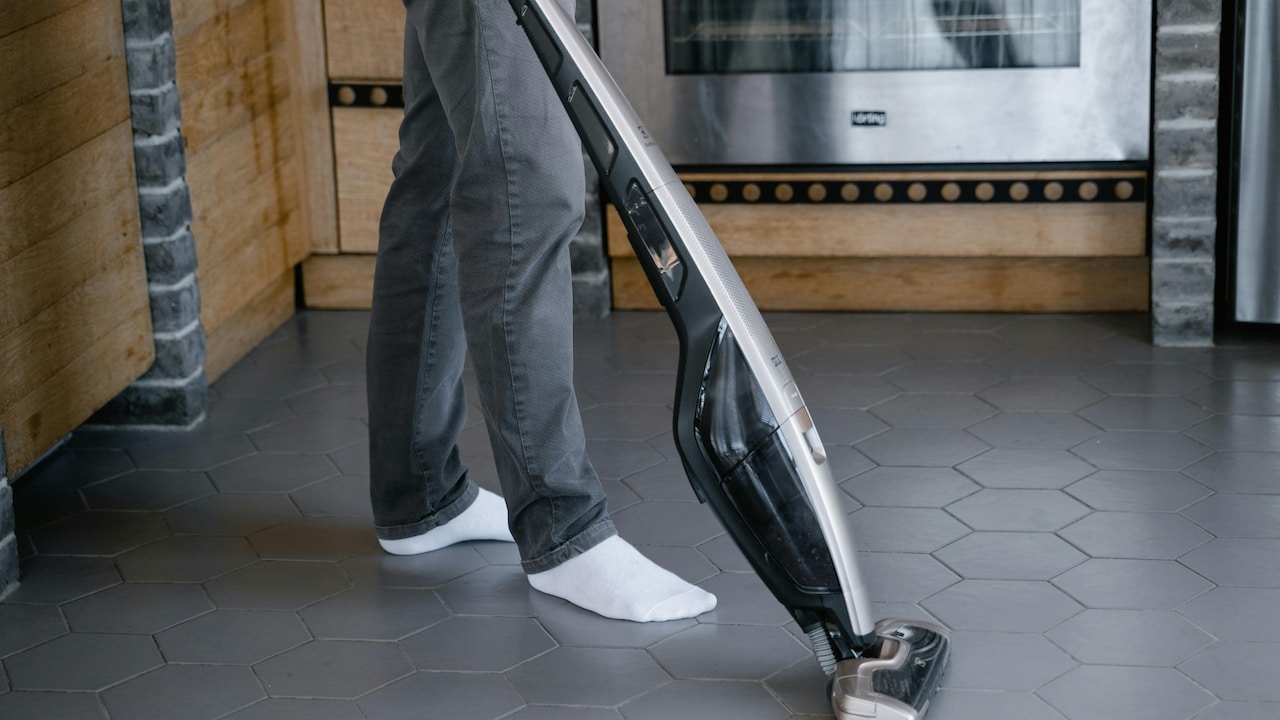
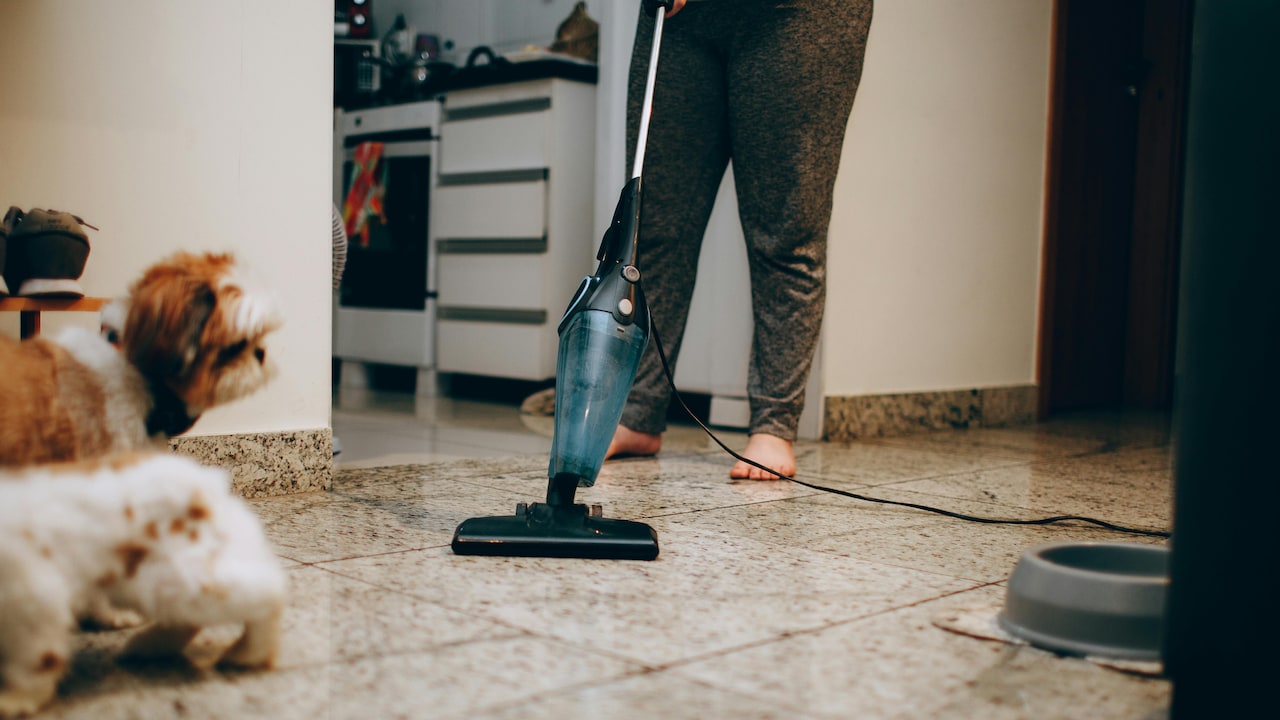
Cordless Vacuum Cleaners: Freedom Or Battery Anxiety Waiting To Happen?; Photo Credit: Pexels
Understanding The Pros And Pitfalls Of Cordless Vacuum Cleaners
The Allure Of Cord-Free Convenience
The appeal of cordless vacuum cleaners is immediate and almost irresistible. No cords to untangle, no searching for sockets, and no interruptions mid-cleaning. The freedom to move from room to room without constraints feels like a small but meaningful upgrade to daily life.
In many homes, especially those with compact layouts or multiple floors, this convenience becomes a genuine advantage. A quick clean after a snack spill or muddy footprints no longer feels like a task that needs planning. Instead, it becomes something that fits seamlessly into the day.
However, convenience often creates new habits. When cleaning becomes easier, expectations shift. What once felt acceptable now feels incomplete. The spotless corner that was previously ignored suddenly demands attention. This subtle shift highlights an interesting truth: convenience does not reduce effort; it often raises the standard.
The Rise Of Battery Anxiety
Battery anxiety is not a new phenomenon. It already exists in phones, laptops, and even electric vehicles. Cordless vacuum cleaners simply bring that same tension into another corner of everyday life.
The issue rarely appears during the first few uses. A fully charged vacuum glides through rooms effortlessly, creating an impression of reliability. Over time, however, the battery's limitations become more noticeable. A cleaning session that once lasted comfortably may begin to feel rushed.
There is a peculiar frustration in planning cleaning around battery life. It turns a simple activity into a timed exercise. Instead of focusing on cleanliness, attention shifts to the blinking indicator light. The question is no longer “Is the house clean?” but “Will the vacuum last long enough?”
This shift, though subtle, changes the entire experience. It introduces a layer of unpredictability that traditional corded models never had.
Also Read: Top 5 Game-Changing Cordless Cleaning Tools Under ₹2000 That Actually Work
Performance Versus Portability
Cordless vacuums excel in portability, but performance often sparks debate. While modern models have improved significantly, there remains a noticeable difference when compared to high-powered corded machines.
For light cleaning, such as dust, crumbs, or pet hair on hard floors, cordless vacuums perform admirably. They shine in quick, everyday tasks. However, deeper cleaning, especially on thick carpets, can reveal their limitations.
This trade-off becomes a deciding factor for many households. Is portability worth sacrificing some degree of power? For some, the answer is yes, especially in homes where heavy-duty cleaning is not a daily requirement.
Yet, expectations matter. Marketing often paints cordless vacuums as complete replacements, while in reality, they may function better as complementary tools. Understanding this distinction can prevent disappointment and lead to more practical use.
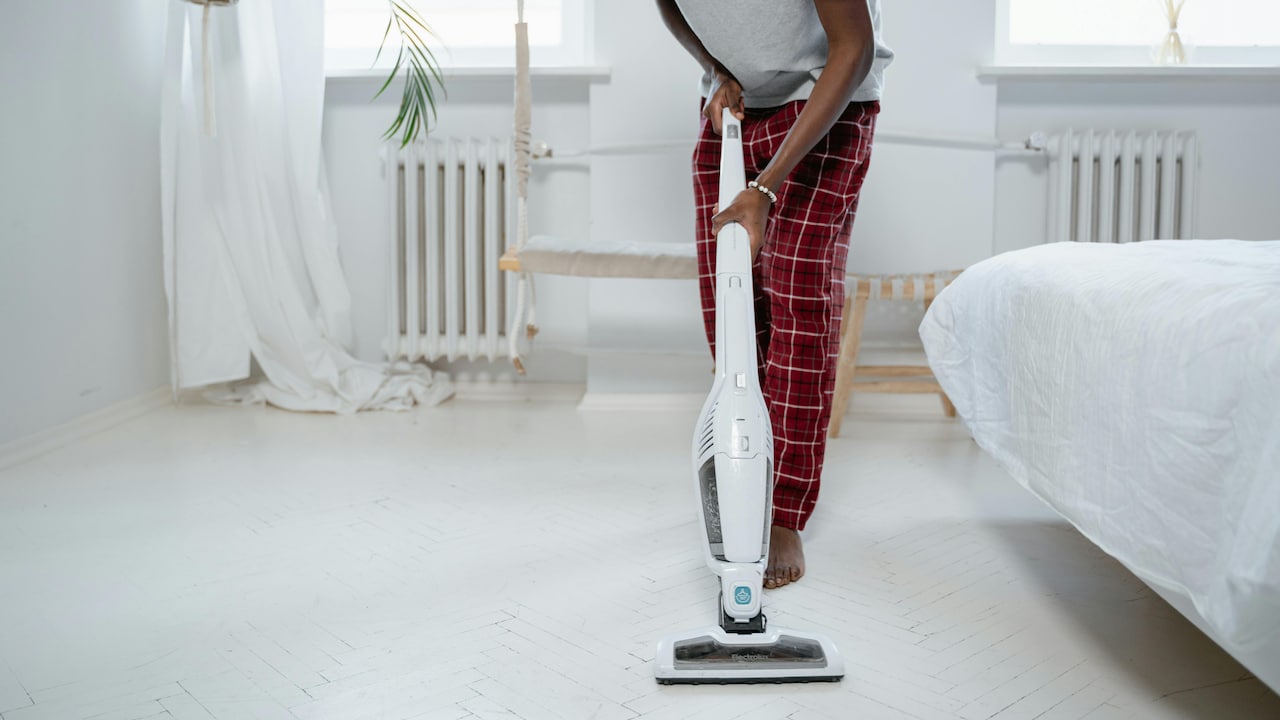
Cordless Vacuum Cleaners: Freedom Or Battery Anxiety Waiting To Happen?; Photo Credit: Pexels
Charging Time And Daily Routine
Charging time introduces another dimension to the cordless experience. Unlike traditional vacuums that are always ready, cordless models require planning.
A vacuum left uncharged overnight can disrupt the next day's routine. This may seem minor, but in busy households, even small disruptions can feel significant. The need to remember charging schedules adds a layer of responsibility to what should be a straightforward task.
Some households adapt by creating charging habits, much like charging a phone. Others find this requirement inconvenient, especially when multiple devices already compete for charging space.
The relationship between user and appliance shifts here. The vacuum is no longer just a tool; it becomes something that demands attention and care. For some, this feels manageable. For others, it feels like an unnecessary complication.
Cost Versus Value Proposition
Cordless vacuum cleaners often come with a higher price tag. Premium models can cost anywhere between ₹15,000 and ₹60,000, depending on features and brand.
This raises an important question: does the convenience justify the cost? For many buyers, the initial excitement can overshadow long-term considerations. The sleek design and promise of ease make it tempting to invest.
However, value extends beyond purchase price. Battery replacement costs, maintenance, and durability all play a role. A vacuum that performs well for a year but declines rapidly may not offer the best return.
On the other hand, for those who prioritise convenience and time-saving, the investment can feel worthwhile. The key lies in aligning expectations with actual usage. A mismatch here often leads to regret rather than satisfaction.
The Role Of Technology And Innovation
Technology continues to shape cordless vacuum cleaners in fascinating ways. Improved battery efficiency, smarter sensors, and lightweight designs are pushing the boundaries of what these devices can achieve.
Some models now adjust suction power automatically based on surface type. Others offer app connectivity, providing cleaning reports and maintenance alerts. These features add a layer of sophistication that appeals to tech-savvy users.
Yet, innovation can sometimes feel excessive. Not every feature translates into a real-world benefit. A vacuum cleaner, at its core, needs to clean effectively. Beyond that, additional features should enhance rather than complicate the experience.
The challenge for manufacturers lies in balancing innovation with practicality. Users, meanwhile, must decide which features genuinely matter and which are simply attractive extras.
Everyday Use And Real-Life Scenarios
Real-life usage often tells a different story from product advertisements. In daily life, cordless vacuums become tools for quick clean-ups rather than full-scale cleaning sessions.
A spill in the kitchen, dust under the sofa, or crumbs after a snack, these are the moments where cordless vacuums shine. Their ease of use encourages frequent cleaning, which can actually lead to a cleaner home overall.
However, for larger cleaning tasks, limitations become evident. Battery life, dust capacity, and suction power can all influence the experience. Users may find themselves switching between tools, using cordless for convenience and corded for thorough cleaning.
This dual approach may not be ideal, but it reflects reality. Understanding how a cordless vacuum fits into everyday life can help set realistic expectations and avoid frustration.
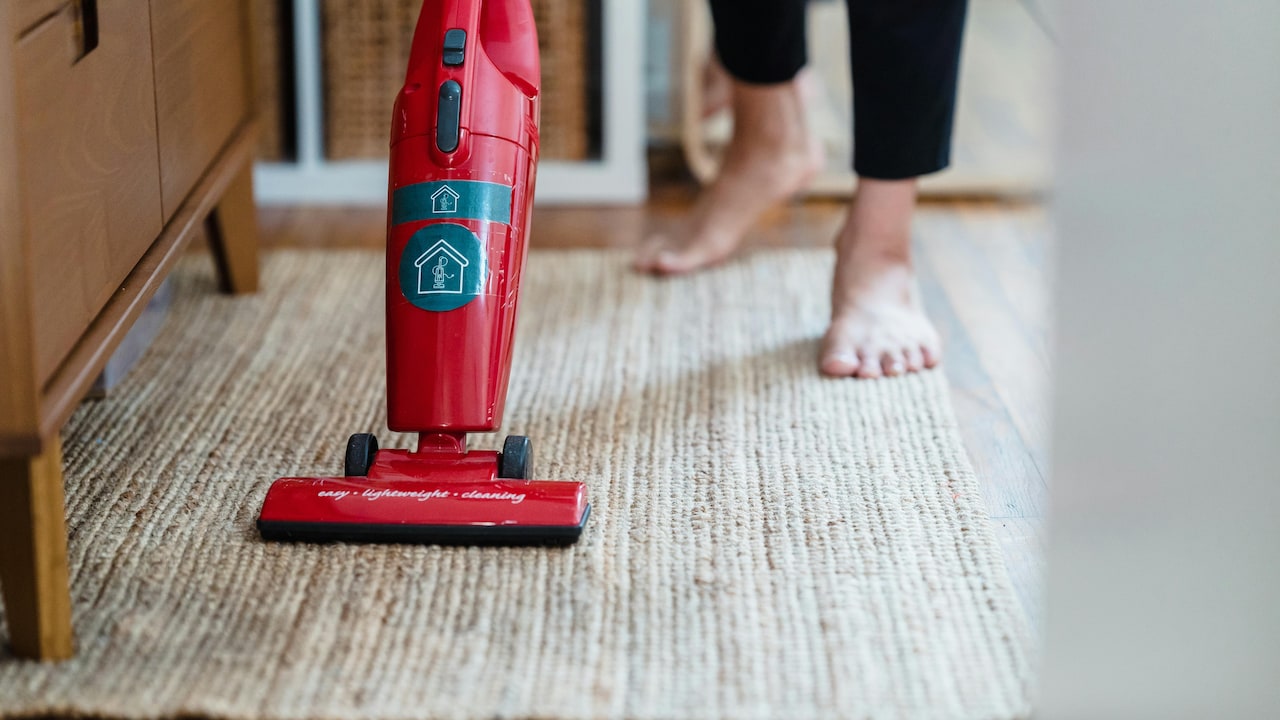
Cordless Vacuum Cleaners: Freedom Or Battery Anxiety Waiting To Happen?; Photo Credit: Pexels
Environmental And Longevity Concerns
Battery-powered devices raise important environmental questions. Lithium-ion batteries, while efficient, have a limited lifespan and require proper disposal.
Frequent battery replacements can add to electronic waste, making sustainability a concern. Consumers are becoming more aware of this aspect, often factoring it into purchasing decisions.
Durability also plays a role. A well-built vacuum that lasts several years reduces waste and offers better value. Conversely, a product that fails early contributes to both financial and environmental costs.
Manufacturers are gradually addressing these concerns through improved battery technology and recycling programmes. However, awareness among users remains crucial. Responsible usage and disposal can make a meaningful difference.
Psychological Impact Of Modern Convenience
Convenience, while appealing, often comes with hidden psychological effects. The ease of cordless cleaning can create an expectation of constant tidiness.
This may sound positive, but it can also lead to subtle pressure. The idea that cleaning should always be quick and effortless can make even small delays feel frustrating.
Battery anxiety adds to this dynamic. The uncertainty of whether the vacuum will last through a task introduces a level of stress that traditional tools did not have.
Interestingly, this reflects a broader trend in modern life. As technology simplifies tasks, tolerance for inconvenience decreases. What once felt normal now feels inefficient.
Recognising this shift can help users approach cordless technology with a balanced perspective, appreciating its benefits without expecting perfection.
The Future Of Cordless Cleaning
The future of cordless vacuum cleaners looks promising. Advances in battery technology, such as faster charging and longer life, are likely to address many current concerns.
Design improvements may further enhance usability, making these devices even more intuitive and efficient. As competition increases, prices may also become more accessible, broadening their appeal.
However, the core question will remain: can cordless vacuums truly replace traditional models, or will they continue to coexist as complementary tools?
The answer may lie in user preference rather than technological capability. Different households have different needs, and no single solution fits all.
Products Related To This Article
1. NUUK REN PRO Stick Cordless Vacuum Cleaner
2. Tineco Floor ONE i5 Stretch Plus 2 Smart Cordless Wet & Dry Vacuum Cleaner
3. EzyShade 2 in 1 Portable Mini Car Vacuum Cleaner
4. KENT Zoom Plus Vacuum Cleaner
5. AGARO Supreme Cordless Stick Vacuum Cleaner
Cordless vacuum cleaners represent a significant shift in how cleaning is approached. They offer undeniable convenience, making everyday tasks quicker and more manageable. The freedom from cords feels liberating, especially in fast-paced households.
Yet, this freedom comes with its own set of challenges. Battery anxiety, performance limitations, and maintenance requirements introduce new considerations. What appears effortless on the surface often involves careful planning beneath.
Ultimately, cordless vacuums are neither a perfect solution nor a passing trend. They are a reflection of modern living, efficient, innovative, and occasionally imperfect. The key lies in understanding their strengths and limitations, using them where they excel, and accepting where they fall short.
In the end, the choice is less about technology and more about lifestyle. For some, the convenience outweighs the concerns. For others, the reliability of traditional options still holds strong.
Perhaps the real question is not whether cordless vacuum cleaners bring freedom or anxiety, but whether they strike the right balance for the way life is lived today.
(Disclaimer: This article may include references to or features of products and services made available through affiliate marketing campaigns. NDTV Convergence Limited (“NDTV”) strives to maintain editorial independence while participating in such campaigns. NDTV does not assume responsibility for the performance or claims of any featured products or services.)