Why Dryer Settings Ruin Your T-Shirts: And How To Fix It Without Air-Drying Everything
Your dryer might be quietly ruining your T-shirts. From shrinkage to fading, the wrong settings do real damage. This is how to fix it without giving up the convenience of using a dryer.
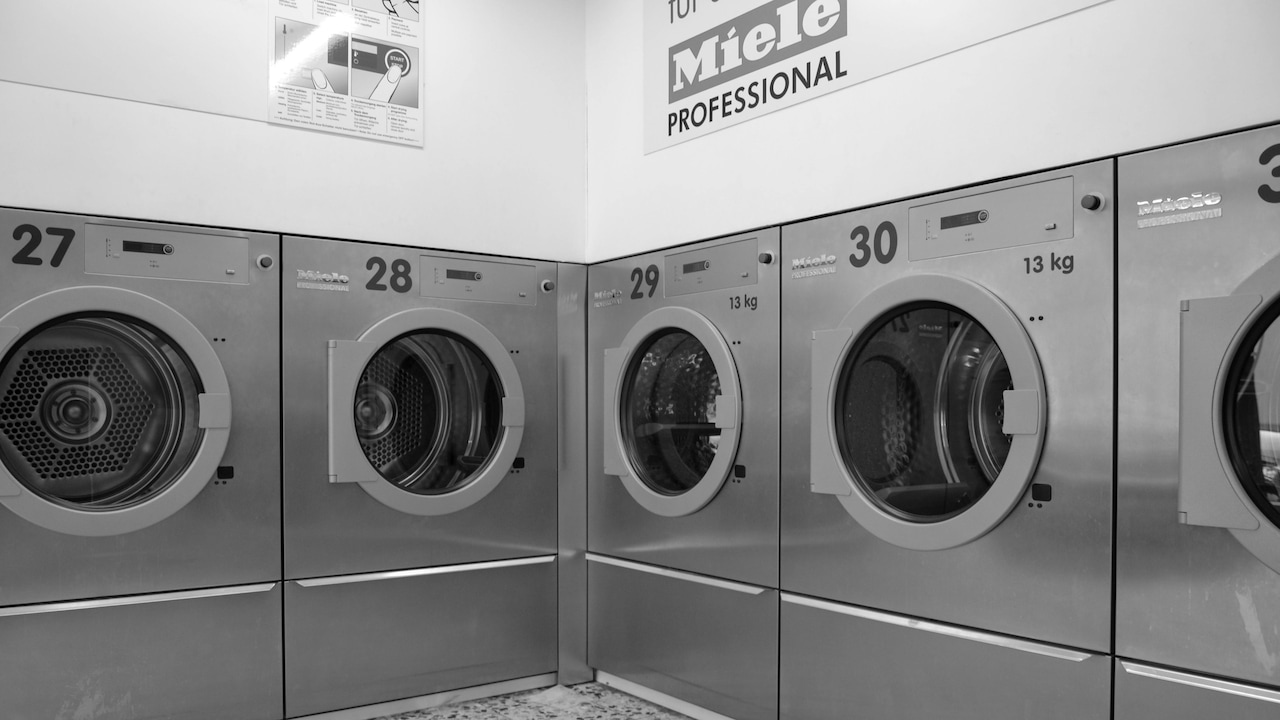
Stop Ruining Your T-Shirts: The Right Dryer Settings You Need To Use
There is something quietly tragic about pulling a beloved cotton T-shirt out of the dryer only to find it two sizes smaller, slightly twisted, and somehow older than it was just an hour ago. It happens in homes across the country, especially during humid months when outdoor drying feels like a gamble against unpredictable weather.
Modern dryers promise convenience. They save time, avoid the chaos of sudden rain, and keep laundry moving. Yet, hidden behind that convenience lies a set of controls that often get ignored. Those little knobs and digital presets carry more power than expected. A wrong choice can turn soft cotton into something stiff and tired.
T-shirts, in particular, take the hardest hit. They are often worn, washed frequently, and rarely treated with care. But the problem is not just wear and tear. It is the science of heat, motion, and moisture working against the fabric.
Understanding dryer settings is less about technical jargon and more about everyday wisdom. A few adjustments can make a noticeable difference. No need to give up dryers entirely or string clothes across balconies like a scene from an old neighbourhood. The trick lies in using the machine smarter, not harder.
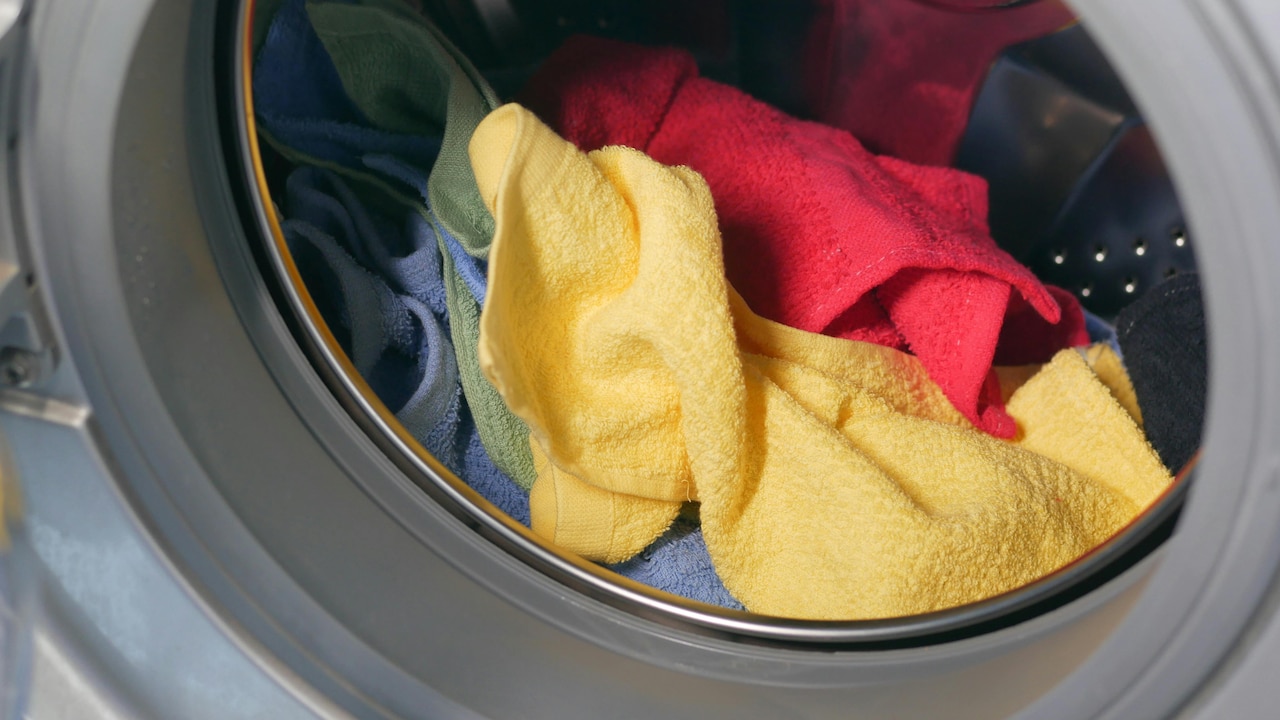
Stop Ruining Your T-Shirts: The Right Dryer Settings You Need To Use; Photo Credit: Pexels
The Hidden Reasons Your T-Shirts Don't Survive The Dryer
The Heat Setting Is Not As Innocent As It Looks
Heat feels like the obvious choice when trying to dry clothes quickly. After all, higher temperature means faster drying, right? That assumption quietly destroys T-shirts over time. Cotton fibres react strongly to heat. They contract, tighten, and lose flexibility, especially when exposed repeatedly.
Most dryers come with settings like “High”, “Medium”, and “Low”. The temptation to use “High” remains strong, especially when dealing with a pile of laundry after a long week. However, high heat causes microscopic damage. Fibres shrink unevenly, leading to that awkward fit where sleeves feel tighter while the body looks shorter.
Even blends, such as cotton-polyester mixes, do not escape harm. Polyester may resist shrinkage, but it can trap heat, causing cotton portions to warp. Over time, the fabric loses its smooth finish and begins to look tired.
Choosing medium or low heat extends the life of T-shirts significantly. It may add a few extra minutes, but the payoff becomes visible after just a few washes. Clothes retain shape, colours stay vibrant, and the dreaded “tight collar” syndrome becomes less frequent.
Also Read: Top 7 Washing Machine Features Rarely Used While Doing Laundry
Overdrying Quietly Ages Your Clothes
Dryers do not just dry clothes. They can overdo it without warning. Many people wait until garments feel completely dry, almost crisp. That feeling often signals overdrying, not efficiency.
When T-shirts stay in the dryer too long, moisture disappears entirely. Fabric becomes brittle. Cotton fibres lose elasticity, making them more prone to cracking and fading. It is similar to leaving a chapati on the pan too long; the texture changes, and the softness disappears.
Modern machines often include sensors, but they are not foolproof. Overloading or mixing different fabrics confuses these sensors. As a result, the dryer keeps running longer than needed.
Removing T-shirts while they are slightly damp helps preserve softness. They can finish drying naturally within minutes indoors. This small habit prevents fibre stress and keeps the fabric feeling comfortable against the skin.
The difference becomes noticeable over time. A T-shirt treated gently retains its original feel for months, while an overdried one starts to look worn out after just a few cycles.
Spin Cycles Play A Bigger Role Than Expected
Drying damage does not begin in the dryer. It starts in the washing machine. High-speed spin cycles remove water efficiently, but they also twist and stretch fabric. T-shirts often emerge slightly distorted even before reaching the dryer.
That distortion worsens under heat. When fibres are already strained, heat locks in those irregular shapes. This leads to warped seams and uneven hems.
Reducing spin speed can feel counterproductive, especially when trying to cut drying time. However, a gentler spin keeps fibres aligned. T-shirts maintain their structure, making them less vulnerable during drying.
This adjustment proves particularly useful for graphic tees or printed designs. Excessive spinning can crack prints, and heat only amplifies that damage.
Balancing spin speed with dryer settings creates a protective routine. Clothes enter the dryer in better condition and exit looking closer to their original form. It is less about slowing down the process and more about treating each step as part of a system.
Stop Ruining Your T-Shirts: The Right Dryer Settings You Need To Use; Photo Credit: Pexels
Fabric Type Matters More Than Labels Suggest
Most people glance at care labels once and then forget them entirely. Yet, those tiny instructions hold crucial clues about how fabrics behave under heat and movement.
Cotton T-shirts shrink easily. Blended fabrics react unpredictably. Performance fabrics, often used in gym wear, can degrade quickly under high temperatures. Each material responds differently, and treating them all the same leads to unnecessary damage.
Sorting laundry by fabric type, rather than just colour, changes the outcome dramatically. Lightweight cotton should not share a cycle with heavy towels. The difference in drying time confuses the machine and leads to uneven results.
Drying similar fabrics together allows for more accurate settings. The dryer works efficiently, and clothes avoid unnecessary exposure to heat.
It may feel like an extra step, but it saves money in the long run. Replacing worn-out T-shirts frequently adds up, especially when a good quality tee can cost anywhere between ₹500 and ₹1,500.
The Myth Of “More Clothes Saves Time”
Stuffing the dryer to its limit seems like a clever time-saving trick. One cycle instead of two sounds efficient. In reality, overcrowding creates more problems than it solves.
When T-shirts do not have enough space to tumble freely, hot air cannot circulate properly. Some areas remain damp while others overheat. This uneven drying stresses the fabric.
The result often includes twisted seams, damp patches, and that unpleasant musty smell that refuses to leave even after another cycle.
Running smaller loads allows better airflow. Clothes dry evenly and require less time overall. It may seem like doing more work, but it actually reduces the need for repeat cycles.
There is also less friction between garments. T-shirts rub against each other less, preserving both fabric and colour.
Efficiency does not always mean doing everything at once. Sometimes, giving clothes a little breathing room makes all the difference.
Dryer Balls Are Not Just A Gimmick
Dryer balls often get dismissed as unnecessary add-ons. However, they play a surprisingly useful role in protecting T-shirts.
These small tools help separate clothes during the drying process. By creating space between garments, they improve airflow and reduce drying time. This means less exposure to heat overall.
They also soften fabric naturally. Instead of relying on chemical softeners, which can coat fibres and reduce breathability, dryer balls keep T-shirts feeling light and comfortable.
For those dealing with static cling, especially during cooler months, dryer balls offer a simple solution. They reduce friction and prevent that annoying crackle when pulling clothes apart.
The investment remains minimal, often around ₹300 to ₹800 for a set, and they last for years. Compared to the cost of replacing damaged T-shirts, this small addition feels like a practical upgrade.
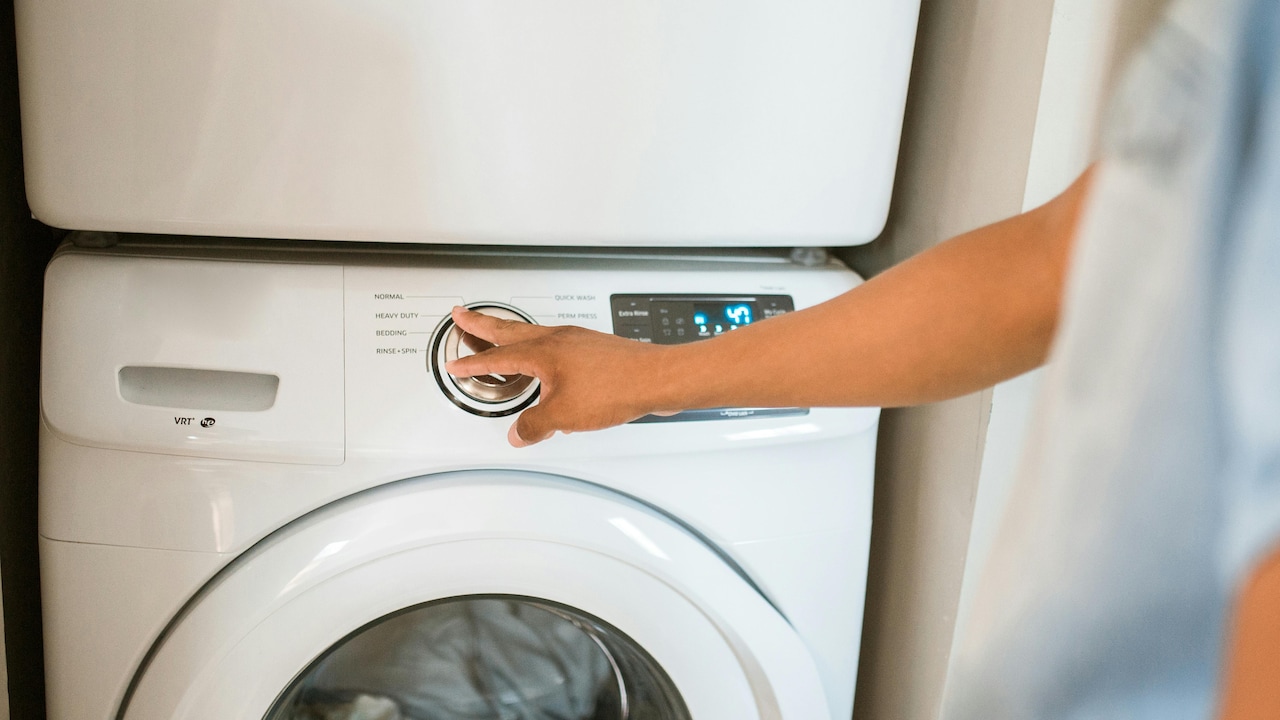
Stop Ruining Your T-Shirts: The Right Dryer Settings You Need To Use; Photo Credit: Pexels
Timing Your Cycle Makes A Difference
Laundry often gets squeezed into busy schedules. Clothes go into the dryer and stay there until someone remembers them. This delay may seem harmless, but it affects fabric quality.
Leaving T-shirts in a hot drum after the cycle ends traps residual heat. Fibres continue to cook slightly, leading to stiffness and wrinkles.
Removing clothes promptly prevents this. A quick shake and fold while they are still warm helps maintain shape and reduces the need for ironing.
This habit also prevents odours. Damp clothes left sitting in a closed space can develop a stale smell, especially in humid conditions.
Timing may not seem like a major factor, but it influences the final result. A small adjustment in routine keeps T-shirts looking fresher without extra effort.
Low Heat Does Not Mean Longer Drying Forever
There is a common belief that low heat settings take forever. While they may extend drying time slightly, the difference is often exaggerated.
Modern dryers are designed to optimise airflow. Even at lower temperatures, they can dry clothes efficiently when loads are managed properly.
The key lies in pairing low heat with the right load size and spin setting. Together, they create a balanced drying environment.
Over time, this approach saves energy. Lower heat uses less electricity, which reflects on monthly bills. It also reduces wear on the machine itself, extending its lifespan.
Switching to low heat may require a brief adjustment period. However, once the routine settles, it becomes second nature. The benefits, both for clothes and energy savings, make it worthwhile.
Pre-Drying Tricks That Change Everything
A few small steps before using the dryer can significantly reduce damage. Shaking out T-shirts after washing helps untangle fibres and remove wrinkles early.
Another useful trick involves partial air drying. Hanging T-shirts for just 20 to 30 minutes before placing them in the dryer removes excess moisture. This shortens dryer time without relying entirely on air drying.
This method works well during monsoon months when full air drying becomes unreliable. It combines convenience with care.
Even adjusting how clothes are placed in the dryer matters. Spreading them evenly instead of tossing them in a heap ensures better airflow.
These small habits may seem insignificant, but they create a noticeable difference. T-shirts emerge softer, better shaped, and less stressed.
Understanding When To Skip The Dryer
Despite all the adjustments, there are moments when skipping the dryer remains the best option. Delicate fabrics, printed designs, and expensive T-shirts deserve extra care.
However, skipping the dryer does not always mean traditional air drying on crowded lines. Indoor racks, fans, or well-ventilated spaces offer alternatives that balance convenience and fabric care.
The goal is not to eliminate dryers completely but to recognise when they are not the best tool. Treating each garment differently ensures better results.
This approach also builds awareness. Instead of following a fixed routine, laundry becomes a flexible process that adapts to fabric needs.
Over time, this mindset reduces waste, saves money, and keeps wardrobes looking fresh without constant replacements.
Products Related To This Article
1. Bosch 7 kg 5 Star Front Load Fully-Automatic Washing Machine, Antibacterial Tech
2. Samsung 7 kg, 5 Star, AI Control, Wi-Fi, Digital Inverter
3. LG Smart Choice, 9 Kg, 5 Star, AI Direct Drive Technology
4. IFB 11 Kg 5 Star, DeepClean®, AI Powered, WiFi
5. Whirlpool 8 Kg 5 Star Inverter Supreme Care Front Load Fully Automatic Washing Machine with In-Built Heater
Washing machine Dryers are not the enemy. Misusing them is. T-shirts, being everyday essentials, often bear the consequences of rushed decisions and overlooked settings. Shrinkage, fading, and stiffness are not inevitable outcomes but signals that something in the process needs adjusting.
A few thoughtful changes can transform laundry routines. Lower heat, balanced loads, timely removal, and a touch of patience go a long way. These small habits protect fabric, preserve fit, and extend the life of favourite pieces.
There is a quiet satisfaction in pulling out a T-shirt that still feels new after months of use. It speaks less about expensive brands and more about mindful care.
Convenience does not have to come at the cost of quality. With the right approach, dryers can remain part of daily life without quietly ruining the clothes that matter most.
(Disclaimer: This article may include references to or features of products and services made available through affiliate marketing campaigns. NDTV Convergence Limited (“NDTV”) strives to maintain editorial independence while participating in such campaigns. NDTV does not assume responsibility for the performance or claims of any featured products or services.)