Air Purifier Running All Day But Still Sneezing? Here’s What CADR Ratings Don’t Tell You
Air purifier running nonstop, but allergies persist? CADR ratings don’t tell the full story. From room size to filters and airflow, this is why your purifier may not be working as expected.
Why Your Air Purifier Does Not Work: The Truth About CADR Ratings
There's something oddly frustrating about doing everything “right” and still dealing with the same problem. An air purifier runs all day, filters get replaced on time, and windows stay shut during peak pollution hours. Yet, the sneezing continues, eyes itch, and mornings begin with a stuffy nose.
Many people trust CADR ratings as the ultimate benchmark for air purifiers. After all, a higher number must mean better performance, right? That assumption has led countless households to spend ₹10,000, ₹20,000, or even more on devices that promise fresh air but deliver mixed results.
The truth is less straightforward. CADR, or Clean Air Delivery Rate, tells only part of the story. Real-world air quality depends on a range of overlooked factors, from room size to filter quality, airflow patterns, and even daily habits.
What follows is a closer look at why that purifier might not be doing its job, and what those glossy product labels don't mention.
Why Your Air Purifier Does Not Work: The Truth About CADR Ratings; Photo Credit: Pexels
Why Your Air Purifier Isn't Working As Expected
CADR Measures Speed, Not Effectiveness
CADR sounds technical and reassuring, but it focuses mainly on how quickly an air purifier can clean air under controlled conditions. It measures airflow multiplied by filtration efficiency for specific particle sizes like dust, pollen, and smoke. On paper, that sounds comprehensive.
However, real homes are not controlled labs. Doors open, people move around, cooking releases particles, and outside air seeps in through gaps. In such dynamic environments, a high CADR number does not guarantee consistent purification.
Think of it like a ceiling fan on full speed. It moves air quickly, but that doesn't mean the room becomes cooler if hot air keeps entering. Similarly, a purifier with a high CADR might circulate air rapidly without effectively capturing all contaminants.
Many households assume that a higher CADR automatically means cleaner air throughout the day. In reality, it simply means the machine can process air faster under ideal conditions, not necessarily better in everyday life.
Room Size Matters More Than You Think
One of the most common mistakes involves mismatching the purifier's capacity with the room size. A device designed for a small bedroom struggles in a large living area, no matter how impressive its specifications appear.
CADR ratings often correspond to recommended room sizes, but these guidelines are easy to overlook. A purifier meant for 150 square feet will not effectively handle a 300 square foot space, especially if ceilings are high or the room has multiple openings.
In many homes, a single purifier is expected to serve an entire flat. That expectation sets the device up for failure. Air purifiers are not central air systems; they work best within defined zones.
Even placement plays a role. A purifier tucked behind a sofa or placed near a wall limits airflow, reducing its ability to circulate clean air evenly. The result? Clean air near the machine, but lingering pollutants elsewhere.
Matching the purifier's capacity to the actual room size often makes a bigger difference than simply chasing higher CADR numbers.
Also Read: 10 Best Air Purifier Features You Should Check Before Buying For Your Home
Filters Do The Real Work, Not CADR
Behind every air purifier sits its most critical component: the filter. While CADR gets the spotlight, filter quality determines what actually gets removed from the air.
A true HEPA filter captures particles as small as 0.3 microns with high efficiency. Cheaper alternatives or “HEPA-like” filters may not perform as well, despite similar marketing claims. Activated carbon filters help tackle odours and gases, but their effectiveness depends on thickness and quality.
Over time, filters clog with dust and pollutants. When that happens, airflow reduces, and efficiency drops. Even a high-CADR purifier becomes less effective if the filter is overdue for replacement.
Many households delay replacing filters to save money, especially when replacements cost ₹2,000 or more. That delay often leads to poor air quality despite the purifier running continuously.
In short, CADR might bring attention to a product, but filters determine its real-world performance. Ignoring them is like expecting a car to run smoothly without changing the oil.
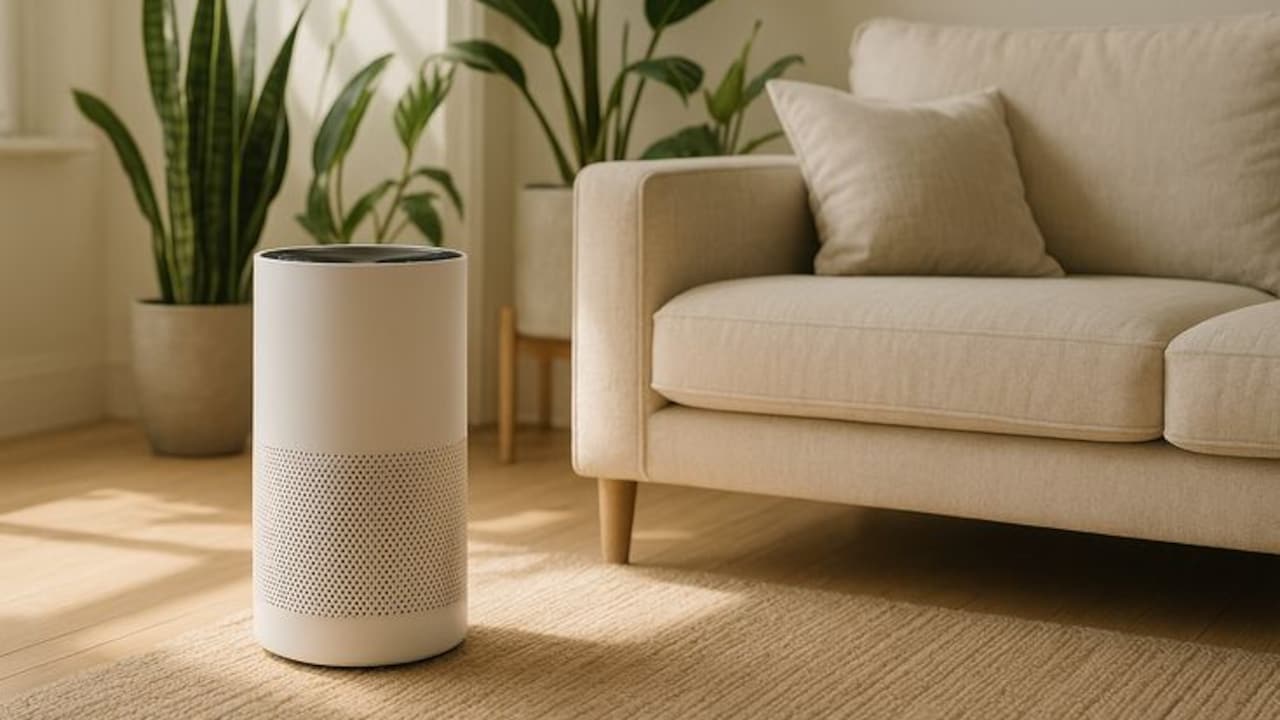
Why Your Air Purifier Does Not Work: The Truth About CADR Ratings; Photo Credit: Pexels
Indoor Pollution Sources Often Go Unnoticed
An air purifier cannot solve problems it cannot keep up with. Many indoor pollution sources remain hidden in plain sight, constantly releasing particles into the air.
Cooking, especially frying or using certain spices, releases fine particles that linger for hours. Incense sticks, scented candles, and even mosquito coils contribute significantly to indoor pollution levels. Add dust from carpets, pet dander, and furniture fibres, and the load increases further.
In such environments, the purifier works continuously but struggles to maintain clean air because pollutants keep getting added faster than they are removed.
Simple habits, like opening windows during low-pollution hours or using an exhaust fan while cooking, can reduce the burden on the purifier. Without addressing these sources, even the most advanced machine will feel inadequate.
Understanding where pollution comes from inside the home often explains why sneezing persists despite constant purification.
Airflow And Circulation Are Often Ignored
Air purifiers do not magically clean every corner of a room. They rely on airflow to pull in contaminated air and push out cleaner air. Poor circulation can leave pockets of polluted air untouched.
In rooms with awkward layouts or heavy furniture, airflow can become uneven. Curtains, wardrobes, and partitions block the movement of air, preventing the purifier from doing its job effectively.
Even ceiling fans influence how air circulates. Running a fan at low speed can help distribute clean air more evenly, but strong airflow might disrupt the purifier's intake pattern.
Placement matters here as well. A centrally located purifier performs better than one hidden in a corner. It needs space around it to draw in air freely.
Ignoring airflow is like expecting a single streetlight to illuminate an entire neighbourhood. Without proper circulation, the benefits remain limited to a small area.
CADR Doesn't Cover Gases And Odours Properly
CADR primarily measures the removal of particles, not gases or volatile organic compounds (VOCs). Yet, many indoor irritants fall into this category.
Paint fumes, cleaning products, and cooking emissions release gases that standard filters may not capture effectively. Activated carbon filters help, but their capacity varies widely across models.
A purifier with a high CADR for dust might still struggle with odours or chemical pollutants. This mismatch often surprises users who expect comprehensive purification.
For households dealing with strong smells or chemical exposure, focusing solely on CADR leads to disappointment. The type and quality of filtration matter far more in such cases.
Understanding this limitation helps set realistic expectations and encourages more informed choices when selecting a purifier.
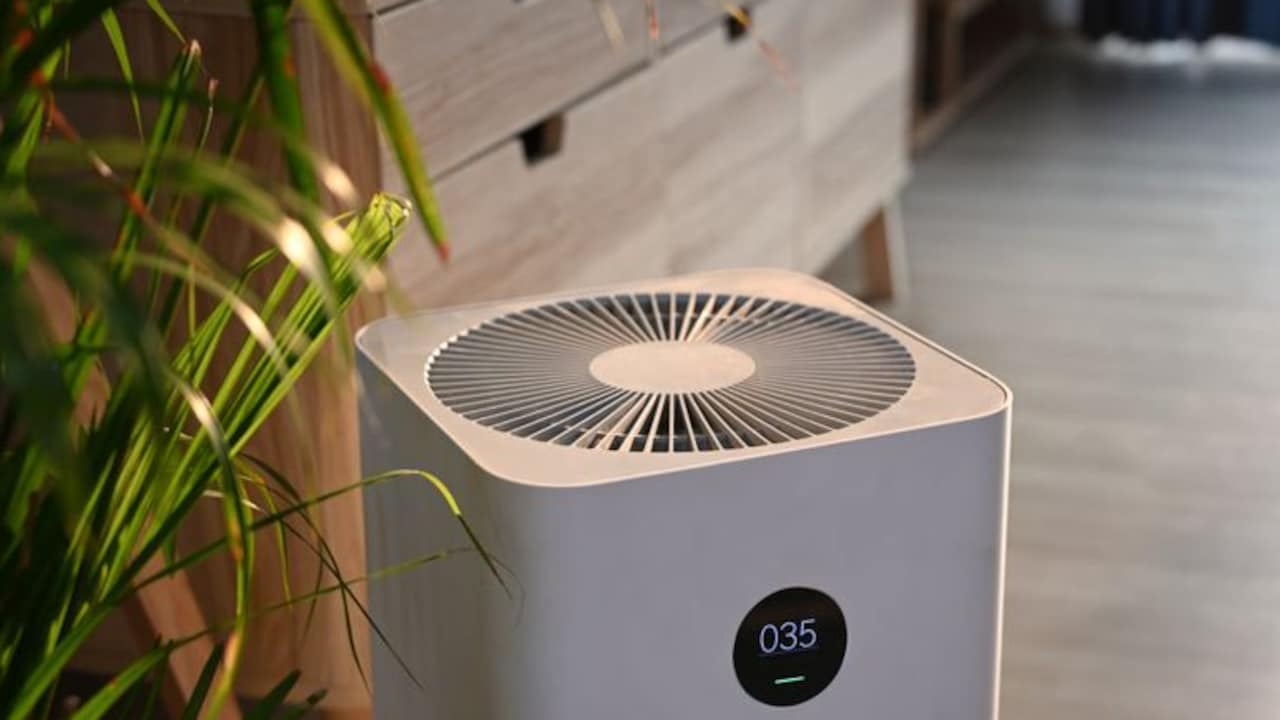
Why Your Air Purifier Does Not Work: The Truth About CADR Ratings; Photo Credit: Pexels
Maintenance Habits Affect Performance Dramatically
Even the best air purifier loses efficiency without proper maintenance. Dust accumulates on pre-filters, reducing airflow. Internal components gather grime over time, affecting performance.
Many people switch on their purifiers and forget about them, assuming they will work flawlessly for years. In reality, regular cleaning and timely filter replacement are essential.
Neglecting maintenance often explains why a purifier seems less effective after a few months. The machine hasn't changed, but its ability to function has.
A simple routine, cleaning the pre-filter every few weeks and replacing filters as recommended, can restore performance significantly.
Maintenance might feel like a chore, but it often makes the difference between persistent sneezing and noticeable relief.
Noise Levels Influence Usage Patterns
A purifier might have an impressive CADR, but if it sounds like a small engine, it rarely runs at full speed. Noise levels influence how people actually use their devices.
Many users switch to lower settings at night to avoid disturbance. While this reduces noise, it also lowers purification efficiency. As a result, air quality drops during the very hours when people spend the most time indoors.
Manufacturers often highlight maximum CADR without emphasising how noisy that setting can be. The gap between advertised performance and real usage becomes evident over time.
Choosing a purifier with a balance between performance and quiet operation ensures consistent use. After all, a slightly less powerful purifier running continuously often outperforms a high-powered one used sparingly.
Seasonal Changes Alter Air Quality Needs
Air quality is not constant throughout the year. Dust levels rise during dry seasons, while humidity increases during monsoons. Winter often brings higher pollution levels in many cities.
A purifier that performs well in one season might struggle in another. Increased pollutants demand higher filtration capacity, while closed windows reduce natural ventilation.
Adjusting purifier settings based on seasonal changes helps maintain consistent air quality. Ignoring these variations often leads to frustration when performance seems inconsistent.
Understanding that air purification needs are dynamic encourages more flexible usage rather than relying on a single fixed setting year-round.
Expectations Often Exceed Reality
Marketing creates the impression that an air purifier can eliminate all air-related problems. In reality, it is just one part of a broader solution.
Sneezing can result from multiple factors, including allergies, humidity levels, and even bedding materials. While a purifier helps reduce airborne particles, it cannot address every trigger.
Expecting instant and complete relief often leads to disappointment. Instead, combining air purification with other measures, cleaning routines, proper ventilation, and lifestyle adjustments, yields better results.
Understanding the limits of what a purifier can do allows for more realistic expectations and better outcomes.
Products Related To This Article
1. Qubo Smart Air Purifier Q400 for Home by Hero Group
2. Coway Airmega AIM (AP-0623B) Air Purifier For Home
3. Honeywell Air Purifier for Home & Office
4. Winix Premium 4 Stage Air Purifier,Kills Virus&Bacteria
5. LEVOIT Core Mini Air Purifier For Coverage Area
That persistent sneezing, despite a constantly running air purifier, is not a mystery; it's a reminder that clean air depends on more than a single number printed on a box.
CADR offers a useful starting point, but it does not capture the full picture. Room size, filter quality, airflow, maintenance, and everyday habits all play equally important roles.
An air purifier is a helpful ally, not a magic fix. When used thoughtfully and combined with practical changes, it can make a noticeable difference. Without that balance, even the most expensive device risks becoming just another humming appliance in the corner.
The next time the urge arises to check CADR ratings alone, it might be worth pausing and looking at the bigger picture. Cleaner air is not just about numbers; it's about understanding how those numbers fit into real life.
(Disclaimer: This article may include references to or features of products and services made available through affiliate marketing campaigns. NDTV Convergence Limited (“NDTV”) strives to maintain editorial independence while participating in such campaigns. NDTV does not assume responsibility for the performance or claims of any featured products or services.)