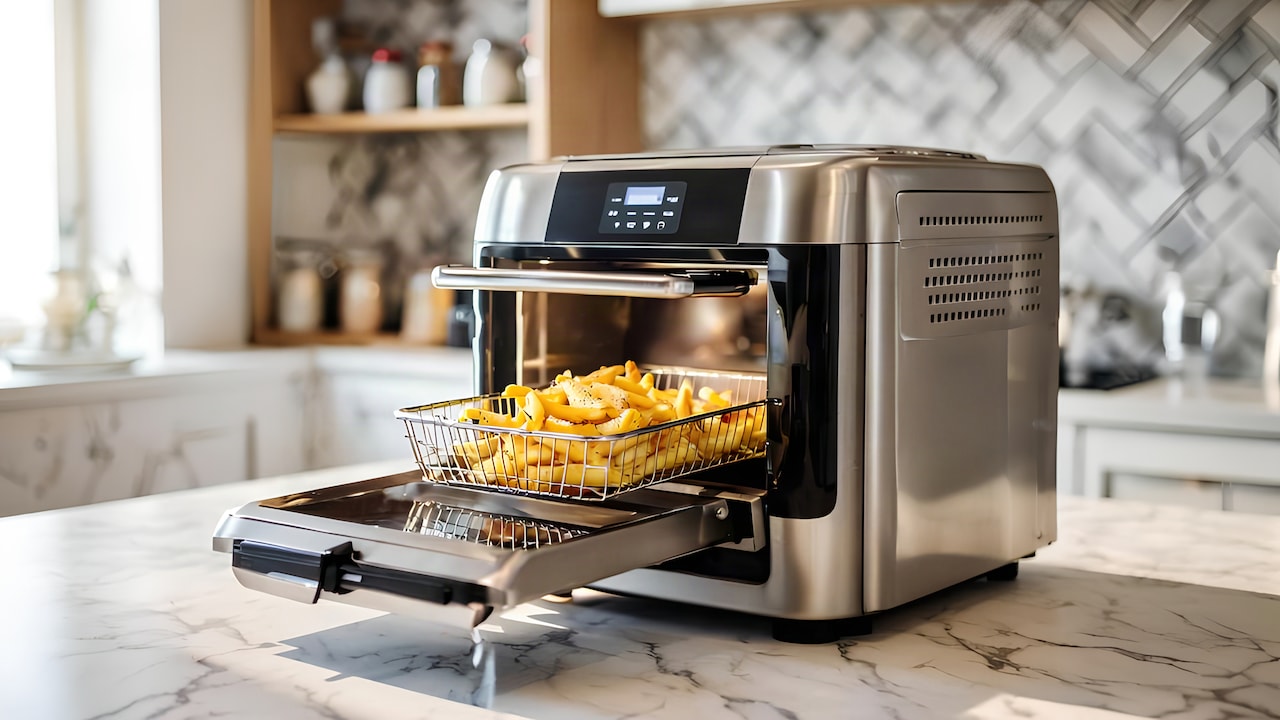
OTG vs Air Fryer vs Microwave: Which One Makes The Crispiest Food?
OTG, air fryer or microwave, who actually makes food crispy? This quick guide compares crunch, speed and real-life results so you can pick the right appliance for snacks, leftovers and daily cooking.
Things to know when choosing between an air fryer, and OTG, and a microwave.
Every home has at least one appliance that gets used with big hopes and small patience. Someone buys an OTG thinking they'll bake brownies every weekend. Someone buys an air fryer because the internet promised guilt-free pakoras. Someone sticks with a microwave because it's fast, familiar, and doesn't demand “preheating” like it's a royal ceremony.
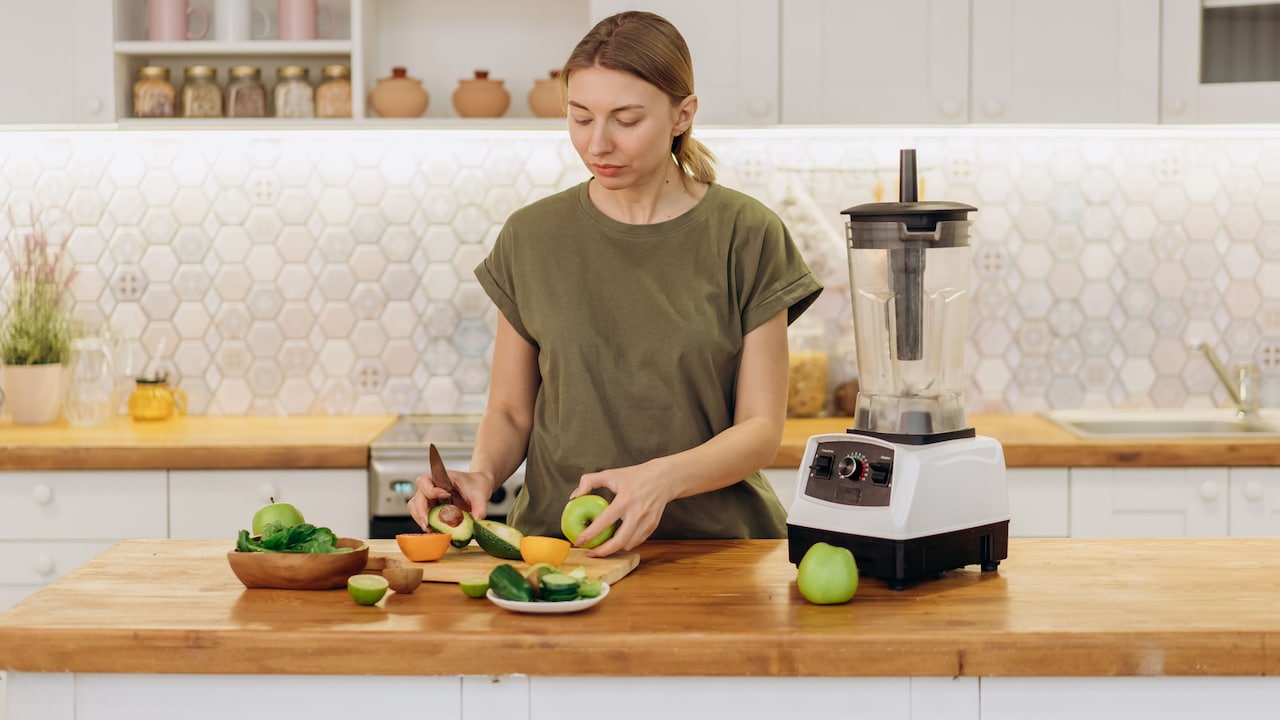
Learn the important differences between an OTG, air fryer, and microwave ; Photo Credit: Freepik
But when it comes to crispiness, not all kitchen appliances play fair. Crisp food needs dry heat, good airflow, and enough intensity to brown the surface. Some appliances nail that. Others… politely warm things up and call it a day.
So, which one wins? The answer depends on what you're cooking, how much time you have, and how emotionally attached you are to crunch. Let's settle this like grown-ups, with logic, masala toast examples, and a tiny bit of judgment.
Also Read: 5 Smart Appliances For The Modern Kitchen
Let's Settle It: Which One Actually Makes Food Crispy?
1) Crispiness 101: What Makes Food Actually Crunchy?
Before comparing machines, it helps to know what crispiness really needs. Crunch happens when moisture leaves the surface and heat browns it. This browning is the magic zone: it's where the outside turns golden, and flavour goes from “cooked” to “wow”.
Moisture is the enemy of crisp. That's why fried food goes soft when packed in foil, and why reheated pizza turns sad in a microwave. To stay crispy, food needs heat that dries and browns, not heat that steams.
Airflow also matters. Hot air moving around food helps remove surface moisture faster. Think of it like standing under a fan after a shower. Without airflow, food can cook, but won't crisp evenly.
Lastly, the temperature range matters. Crisp food usually needs higher heat than simple warming. Around 180°C to 230°C is where the crunch starts showing up. Anything lower can still cook food, but it struggles to create that crunchy finish.
So, when choosing between OTG, air fryer, and microwave, the question becomes simple: which one removes moisture and browns best?
2) OTG: The Classic “Proper Cooking” Machine
An OTG (Oven-Toaster-Griller) feels like the most “serious” appliance in this comparison. It sits there like a disciplined teacher. It doesn't rush. It doesn't do shortcuts. It expects you to preheat, place trays properly, and occasionally rotate things like you're running a small bakery.
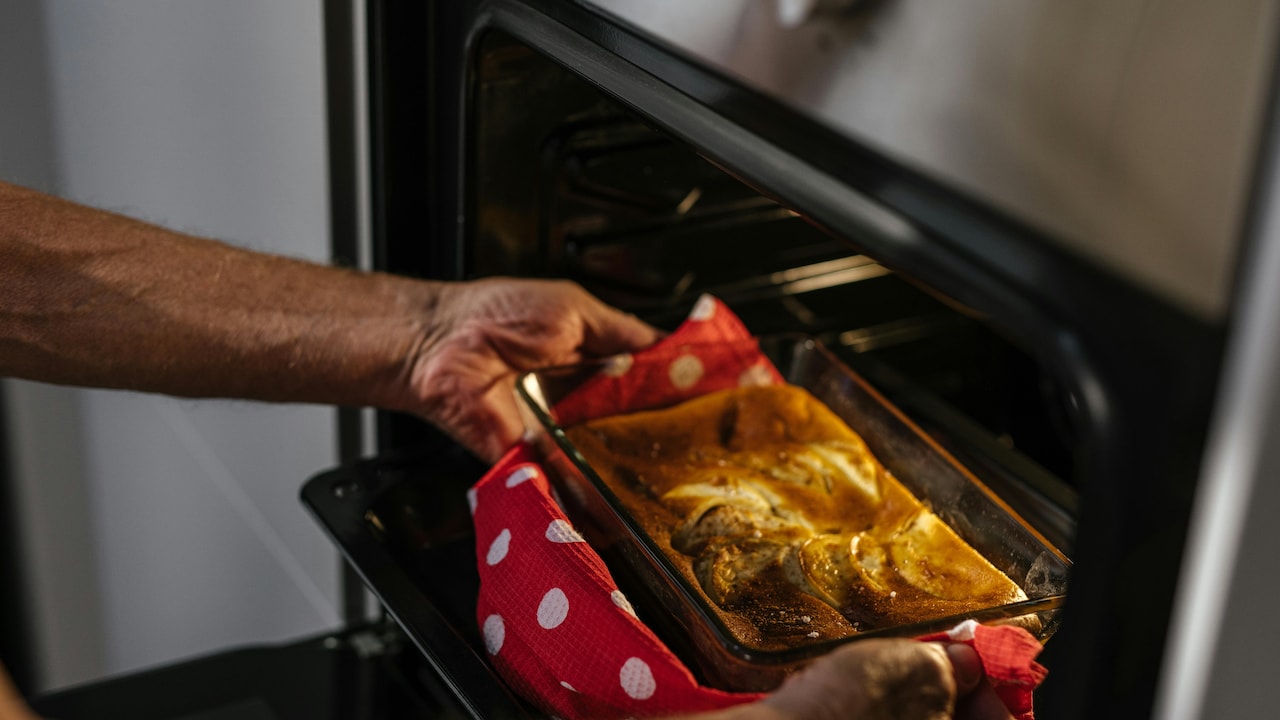
The OTG creates crispiness mainly through dry radiant heat. Heating rods warm up and toast the surface of food. This works beautifully for things that need browning: garlic bread, paneer tikka, cookies, roasted vegetables, and even grilled chicken.
However, OTGs don't always circulate air aggressively. Many basic models rely more on heat than airflow. That means crispiness can be excellent, but not always quick. Also, OTGs can create uneven browning unless the tray position is managed well.
For crisp food, the OTG's biggest strength is control. You can use the top rod to brown, the bottom rod to bake, or both for roasting. It's a flexible machine, especially for people who like their food properly cooked and not just “heated”.
Downside? It's slower. And for small portions, it can feel like calling an entire wedding band to perform for one person.
3) Air Fryer: The Crunch Machine That Loves Drama
Air fryers have one main personality trait: they want everything to become crispy. It doesn't matter if it's French fries, leftover bread pakora, or frozen nuggets. The air fryer sees food and thinks, “Let's make this crunchy and loud.”
An air fryer works like a compact convection oven. It blasts hot air around the food at high speed. That airflow dries the surface quickly, which helps crispiness happen faster than in many OTGs.
This is why air fryers shine with snacks and small portions. A batch of frozen fries can turn golden in 12–18 minutes. Reheated samosas become crunchy again without the oily mess. Even roasted peanuts come out like they've been sun-dried by a strict auntie.
But air fryers have limits. Their basket size can feel insulting during family tea time. Also, some foods can dry out if left too long, especially things like kebabs or fish. Crisp outside, but the inside can become chewy.
Another truth: air fryers don't “fry” in the traditional sense. They mimic frying's crisp effect using dry heat and airflow. So if someone expects the exact crunch of deep-fried kachori, reality will arrive quickly and without mercy.
Still, for everyday crispiness, the air fryer is the most consistently crunchy appliance of the three.
4) Microwave: Fast, Useful, and Terrible at Crispiness
Microwaves are brilliant for speed. They reheat dal in two minutes. They melt butter like magic. They warm milk without complaining. They can even cook vegetables quickly. For daily life, they are a dependable friend.
But crispiness? That's not their thing.
Microwaves heat food by exciting water molecules. That means they create heat inside the food first. It's efficient, yes. But it also produces steam. And steam is basically a crispiness assassin.
That's why reheated pakoras become soft, bread turns rubbery, and pizza crust goes limp. The microwave doesn't dry the surface properly, and it rarely browns the top.
Now, microwaves with convection mode change the game slightly. Convection microwaves include a heating element and a fan, so they can bake and brown better than solo microwaves. But even then, they often don't crisp as aggressively as an air fryer.
For crisp food, a microwave's best use is step one: heating the inside quickly. Then step two needs another appliance to crisp the outside. Many people do this combo without realising it: microwave the leftover cutlet for a minute, then toss it on a tawa or into an air fryer.
So, while the microwave wins in convenience, it loses badly in crunch.
5) Best for Snacks: Samosa, Pakora, Spring Roll, and Cutlets
Snack time is where this battle gets serious. Because nothing tests crispiness like a leftover samosa.
The OTG can crisp snacks well, especially if the top heating rod is used near the end. A samosa in an OTG gets that toasted, bakery-style finish. But it takes time. Preheat, then bake, then flip. It's crisp, but it's a slow romance.
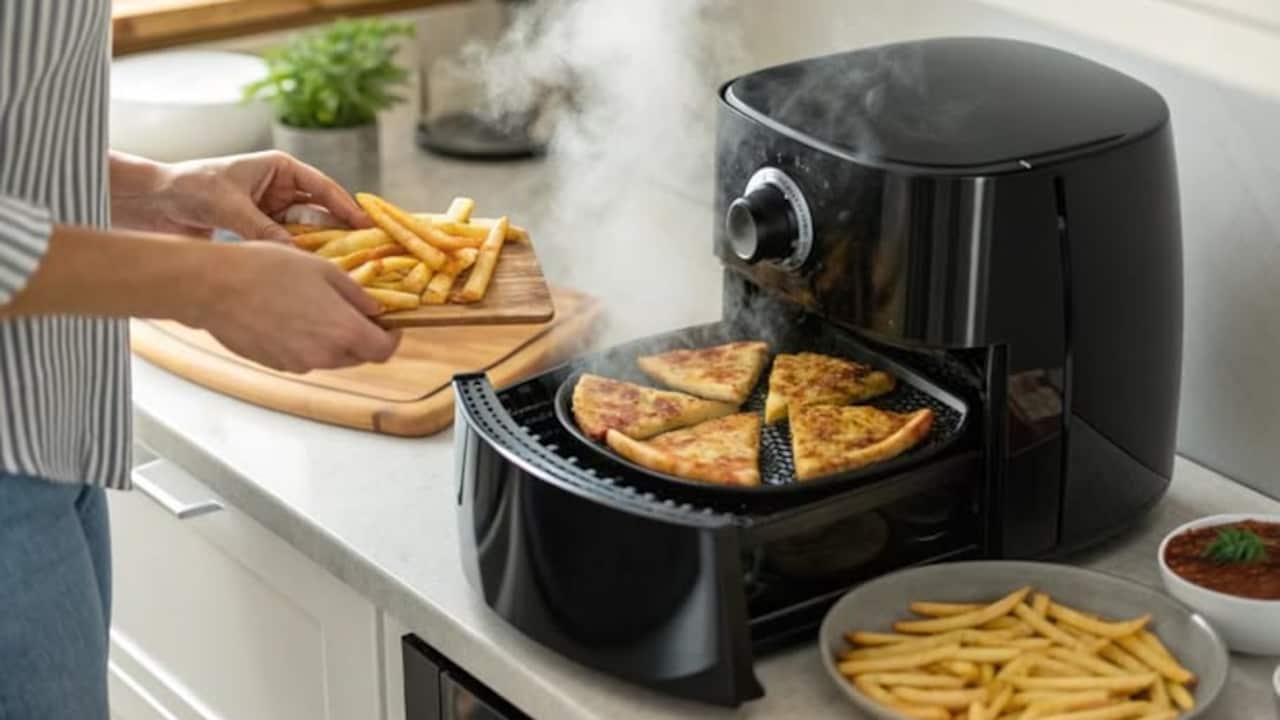
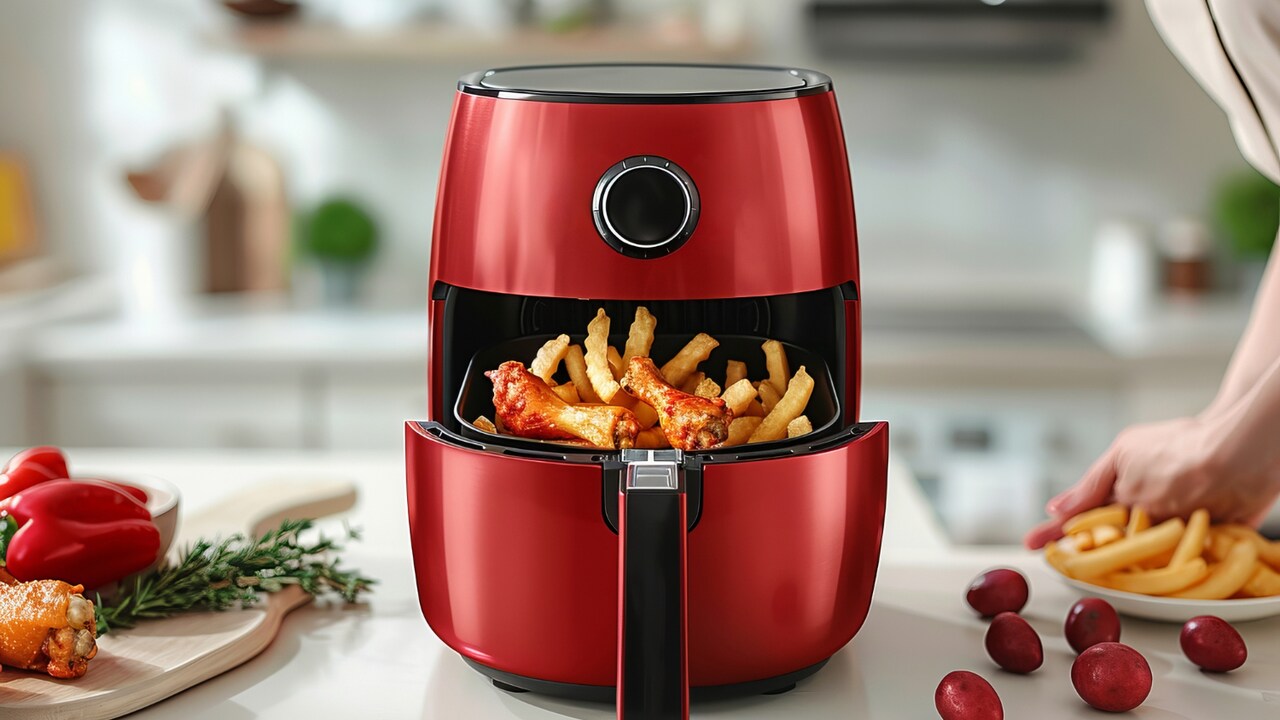
The air fryer, on the other hand, behaves like a snack specialist. It reheats samosas and spring rolls quickly and brings back crunch without extra oil. The outside becomes crisp again, and the inside stays warm. It's the closest thing to “freshly fried” without actually frying.
The microwave is the weakest here. A samosa becomes hot but soft. A pakora becomes warm but sad. A spring roll becomes chewy. Unless you enjoy disappointment with your tea, it's not ideal.
For quick evening snacks, the air fryer wins. For bigger batches, an OTG can work better. The microwave stays useful only for warming chutney or tea-water, not crisping snacks.
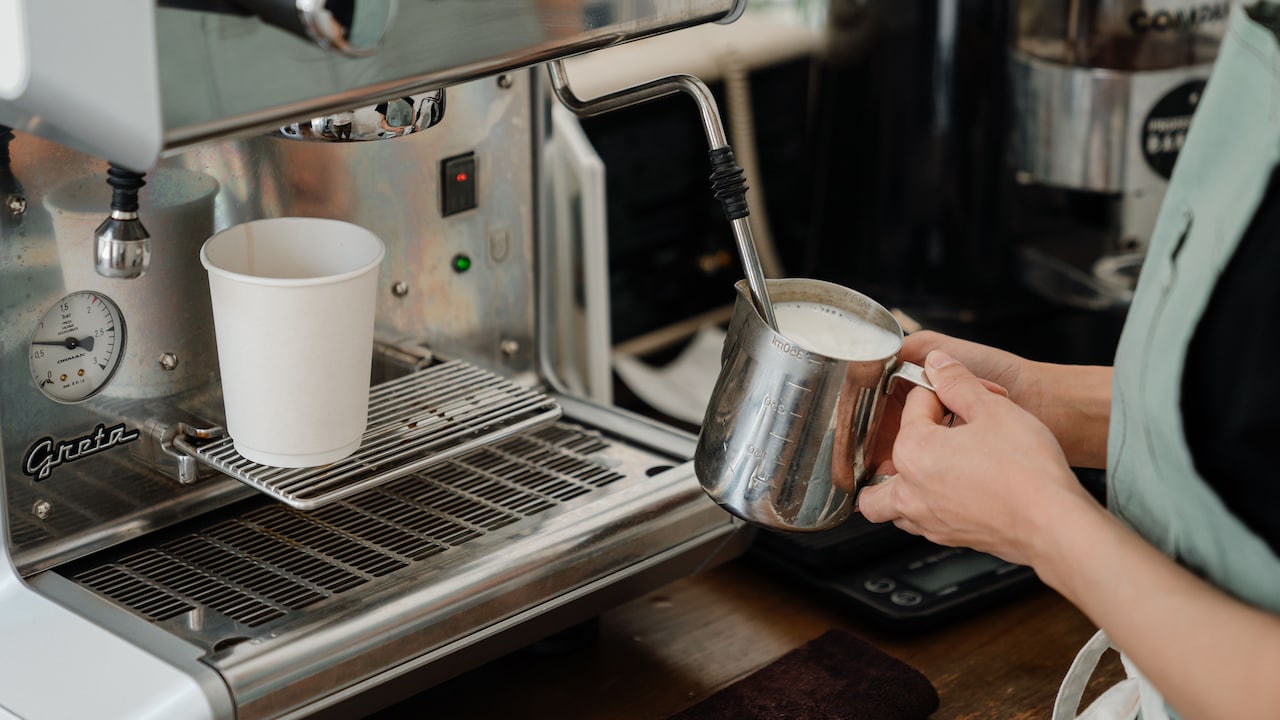
While a microwave helps with reheating, an air fryer acts like a snack specialist; Photo Credit: Pexels
6) Best for Bread Things: Toast, Garlic Bread, Pizza, and Pav
Bread-based foods demand browning. Not just heating. Browning.
An OTG is excellent for this category. It gives toast a proper crunch and makes garlic bread golden. Pizza bakes nicely, especially if the base needs firmness. Pav can be toasted evenly. It's the appliance that understands bread's emotional need to become crisp.
The air fryer also does well here, especially with smaller portions. Garlic bread becomes crunchy fast. Pizza slices reheat beautifully, often better than an OTG for single slices because the airflow prevents sogginess. Pav can toast well too, but it may become too dry if overdone.
Microwaves struggle with bread. Toast becomes chewy. Pizza becomes soft. Pav becomes rubbery. It's the classic microwave crime.
If the goal is crisp bread edges and a crunchy base, OTG and air fryers both perform strongly. The difference comes down to quantity. OTG suits bigger trays and family portions. Air fryer suits quick single-serve cravings.
Microwave stays in the corner, pretending it never wanted to be included.
7) Best for Full Meals: Tikka, Roast Veggies, Chicken, and Fish
For full meals, crispiness isn't just about crunch. It's about browning, texture, and that roasted flavour.
The OTG shines here. Paneer tikka gets that grilled edge. Vegetables roast beautifully with caramelised corners. Chicken can brown properly, especially if marinated well. Fish can bake evenly without turning into rubber. The OTG's space also allows a better layout, which helps with even cooking.
Air fryers do a great job with roasted vegetables and small portions of tikka or chicken. The crisp edges come faster, and the texture can be excellent. But the small basket means food often overlaps, which can reduce crispiness. Overcrowding is the enemy of airflow. When the basket gets packed, the food steams instead of crisping.
Microwaves are not built for roasting. Convection microwaves can bake and roast decently, but they still may not deliver the same grill-like browning as an OTG. Standard microwaves simply cook food from the inside and don't create a roasted finish.
For proper meal-style crisping and roasting, OTG wins. Air fryer is strong for smaller servings. Microwave is better as a supporting actor.
8) Reheating Leftovers: Biryani, Parathas, Fries, and Fried Snacks
Leftovers are a daily reality, and crispiness often disappears overnight. The question is: who brings it back?
For biryani, crispiness is not the goal. Moist heat works well. So the microwave actually performs beautifully here. It reheats quickly, keeps rice soft, and doesn't dry it out. Add a little water and cover it, and it stays fluffy.
But for parathas, fries, and fried snacks, the microwave fails. A paratha becomes limp. Fries become soft. Cutlets become chewy. It's not a fair fight.
The air fryer is the king of leftover crisp. Fries become crisp again. Parathas can regain their edge. Fried snacks revive surprisingly well. It's like the appliance specialises in second chances.
The OTG also reheats leftovers well, especially larger batches. It brings back crunch, but slower than the air fryer. Also, OTG reheating works best when food is spread out on a tray.
So the ideal setup is this: microwave for moist leftovers like rice and curries, air fryer or OTG for crispy leftovers like snacks and breads.
Crisp food deserves the right kind of reheating, not emotional damage.
9) Cost, Power Use, and Everyday Practicality in Real Kitchens
Now for the practical side. Crispiness is lovely, but so is not crying over electricity bills.
Microwaves are generally energy-efficient for reheating and quick cooking because they work fast. They also fit easily into daily routines. For most homes, a microwave feels like a basic tool, like a pressure cooker's modern cousin.
Air fryers sit in the middle. They use decent power, but cooking times are shorter than OTGs for small portions. For daily snacks, quick roasting, and reheating, they offer good value. Many people buy one expecting it to replace frying completely. That expectation can be unrealistic. But as a crisp-maker, it earns its place.
OTGs often consume more power because they take longer and require preheating. They also occupy more space. But they offer versatility for baking and grilling, and they handle larger quantities better. For people who love making cakes, naan-style breads, or grilled dishes, an OTG is worth it.
Budget matters too. Microwaves can start around ₹6,000–₹8,000. Air fryers commonly range from ₹4,000 to ₹12,000. OTGs vary widely, often ₹3,000–₹15,000 depending on size and features.
The best appliance is the one that matches how people actually cook, not how they imagine they will cook on a fresh Monday morning.
10) Final Verdict: Which One Makes the Crispiest Food?
If the only goal is crispiness, the air fryer takes the crown most of the time. Its high-speed hot air dries surfaces quickly and creates crunch with minimal effort. For snacks, reheating fried food, and small portions, it consistently delivers.
The OTG comes in a close second, and in some cases, it even wins. For baking, grilling, and large trays of food, an OTG can create a deeper, more even browning. It produces that “proper roasted” finish that feels like restaurant-style cooking. It just takes longer and demands more attention.
The microwave, unless it has a strong convection and grill function, is not built for crispiness. It excels at heating and convenience, not crunch. It's the appliance for soft foods, quick meals, and reheating curries. Expecting it to make crispy food is like expecting a ceiling fan to replace a hair dryer.
So the crispiest appliance overall? Air fryer.
The most versatile for crispy + baked + grilled food? OTG.
The fastest for everyday reheating? Microwave.
And honestly, many kitchens don't need to pick just one. They need the right tool for the right craving. Because cravings don't negotiate.
Products Related To This Article
1. Pigeon Electric Oven (12383) 20 Liters OTG with Grill and Rotisserie
2. Nutricook 5L Air Fryer Slim (2025) with 100% Toxin-Free Ceramic Coating
3. Morphy Richards 20R Otg Oven For Kitchen
4. PHILIPS Air Fryer NA120/00, uses up to 90% less fat
5. AGARO Marvel Oven Toaster Griller, 25 Litres, Motorised Rotisserie
Crispy food is more than texture. It's comfort. It's that tiny thrill when something crackles under your teeth. And while all three appliances have their place, they don't all chase crunch equally.
The air fryer is the crisp specialist. It brings back life to leftovers and turns snacks into crunchy victories with almost zero fuss. The OTG is the slow-and-steady performer. It browns, grills, bakes, and handles family portions with confidence. The microwave is the speed champion, but it simply wasn't designed to make food crisp.
So if crispiness sits at the top of the wishlist, choose the air fryer. If cooking feels like a hobby and baking is on the agenda, choose the OTG. If daily convenience matters most, keep the microwave close.
Either way, one thing stays true: crunchy food makes people happier. And in a world full of chaos, that's a perfectly reasonable kitchen goal.
(Disclaimer: This article may include references to or features of products and services made available through affiliate marketing campaigns. NDTV Convergence Limited (“NDTV”) strives to maintain editorial independence while participating in such campaigns. NDTV does not assume responsibility for the performance or claims of any featured products or services.)