Epilator Buying Guide: How to Choose the Right Epilator for Safe, Long-Lasting Hair Removal
Choosing the right epilator depends on skin type, settings and comfort features. This guide explains how epilators work, who they suit best and what to check before buying for safe, effective hair removal.
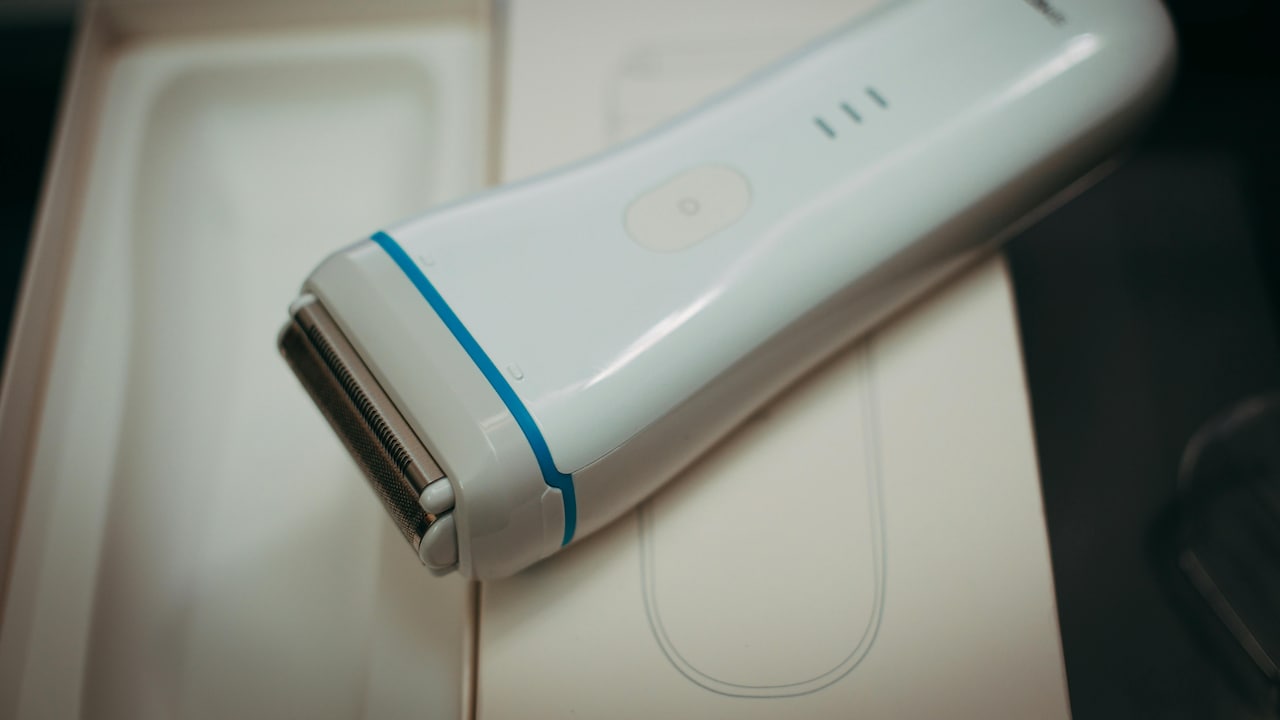
Epilator Buying Guide: Know All About Safe, Effective Hair Removal From Settings To Skin Compatibility.
Hair removal remains a personal ritual for many households. Some prefer a quick shave before heading out, while others chase longer-lasting smoothness without constant upkeep. Epilators sit neatly between razors and salon waxing, offering weeks of hair-free skin with a single device.
Yet, the first encounter with an epilator can raise doubts. Will it hurt? Does it suit sensitive skin? Can it handle thick hair on legs and finer hair on the face? These questions matter, especially when comfort and safety come first.
This guide unpacks the essentials in a simple, no-nonsense way. From understanding how epilators work to choosing the right speed, head design and skin compatibility, each section addresses a common concern. Think of it as a friendly conversation over chai, with honest advice, small laughs and practical tips that actually help.
Epilator Buying Guide: Settings, Top Skin Type Compatibility And Features
Photo Credit: Pexels
Key Factors That Matter When Choosing An Epilator
1. Understanding How Epilators Work
An epilator removes hair from the root using rotating tweezers or discs. These tiny mechanisms grab multiple hairs at once and pull them out cleanly. Unlike shaving, which cuts hair at the surface, epilation slows regrowth and leaves skin smooth for up to four weeks.
The first use can feel intense, similar to waxing, but regular sessions reduce discomfort as hair grows back finer. Many users notice a smoother texture over time, which feels rewarding.
Modern epilators come with clever tweaks. Some feature ceramic discs for better grip, while others add massage rollers to ease the sensation. Wet-and-dry models allow use in the shower, where warm water relaxes skin and reduces sting.
Understanding this basic function helps set realistic expectations. Epilation demands patience at first, but it rewards consistency. It suits those who value long-term results over instant fixes, especially when busy schedules leave little room for salon visits.
2. Choosing the Right Speed and Settings
Speed settings play a crucial role in comfort and effectiveness. Most epilators offer two or three speeds. A slower speed suits beginners or sensitive areas, as it pulls hair gently and with more control. Faster speeds work well on larger areas like legs, where hair grows thicker, and sessions need to finish quickly.
Adjustable settings allow the device to match skin tolerance. Rushing at top speed on day one often leads to unnecessary discomfort. Starting slow builds confidence and helps skin adjust.
Some advanced models include smart pressure sensors. These guide hand movement and alert when pressing too hard. Such features protect skin from irritation and broken hair.
Choosing flexible settings feels like choosing a seat that reclines just right on a long train journey. Comfort matters. A device that adapts to personal needs always feels more rewarding than one that forces a fixed pace.
3. Skin Type Compatibility Matters More Than Price
Not all skin reacts the same way to epilation. Dry skin may show redness quickly, while sensitive skin demands extra care. Choosing a model designed for specific skin types prevents regret later.
Look for epilators with hypoallergenic materials and rounded edges. These reduce friction and lower the chance of tiny cuts. Massage caps or cooling gloves also help soothe skin during use.
Those prone to bumps or ingrown hairs benefit from devices with exfoliation attachments. These gently remove dead skin and free trapped hair.
Spending ₹3,000 on the right epilator often brings more satisfaction than spending ₹6,000 on a feature-heavy model that irritates skin. Compatibility beats price every time. Healthy skin feels priceless, especially when grooming becomes a routine rather than a dreaded task.
4. Wet vs Dry Epilators: Which One Fits the Routine
Wet-and-dry epilators offer flexibility that suits modern lifestyles. Using an epilator under running water or in a warm shower softens hair and relaxes skin. This reduces discomfort, especially for beginners.
Dry epilation, on the other hand, offers precision. It works well for quick touch-ups and allows better visibility. Many prefer dry sessions before stepping out, as skin stays dry and ready for moisturiser.
Waterproof models also simplify cleaning. A quick rinse under the tap keeps the device hygienic. This matters in humid climates where moisture invites bacteria.
Choosing between wet and dry depends on routine and patience. Those who enjoy relaxed self-care moments may prefer wet use. Those racing against time often stick to dry epilation. Both methods work well when matched with personal habits.
5. Attachments That Truly Add Value
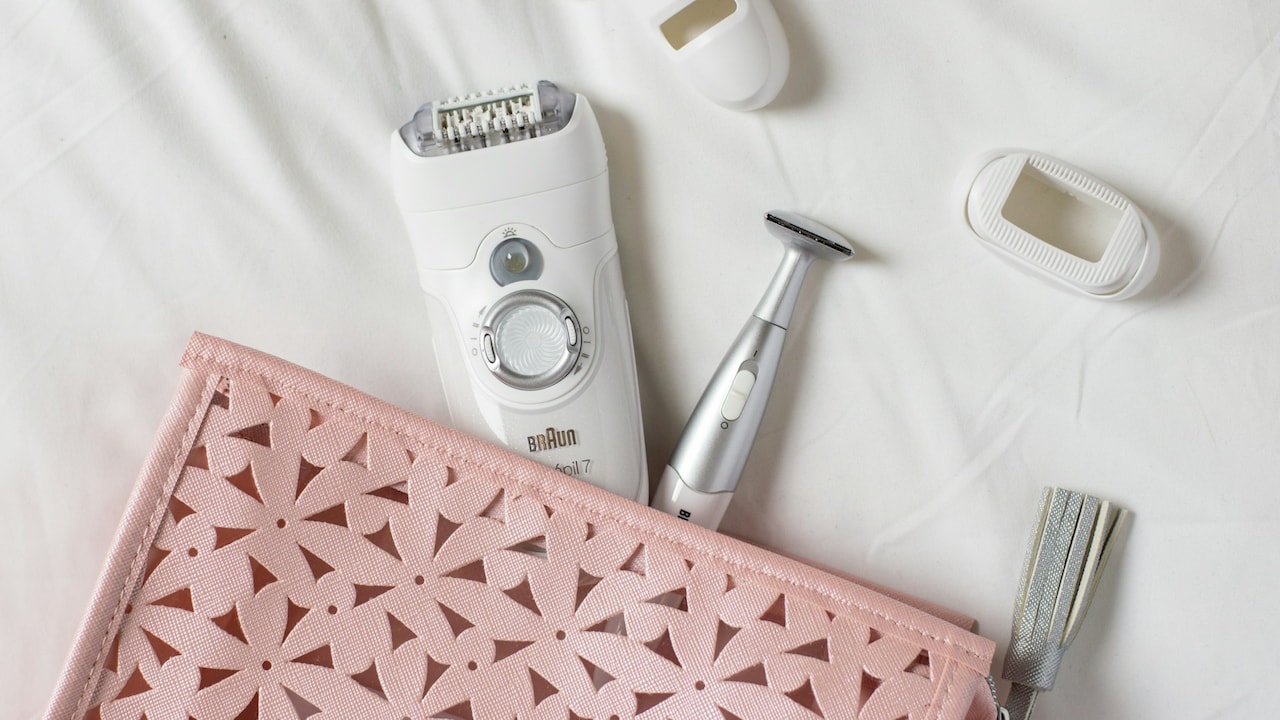
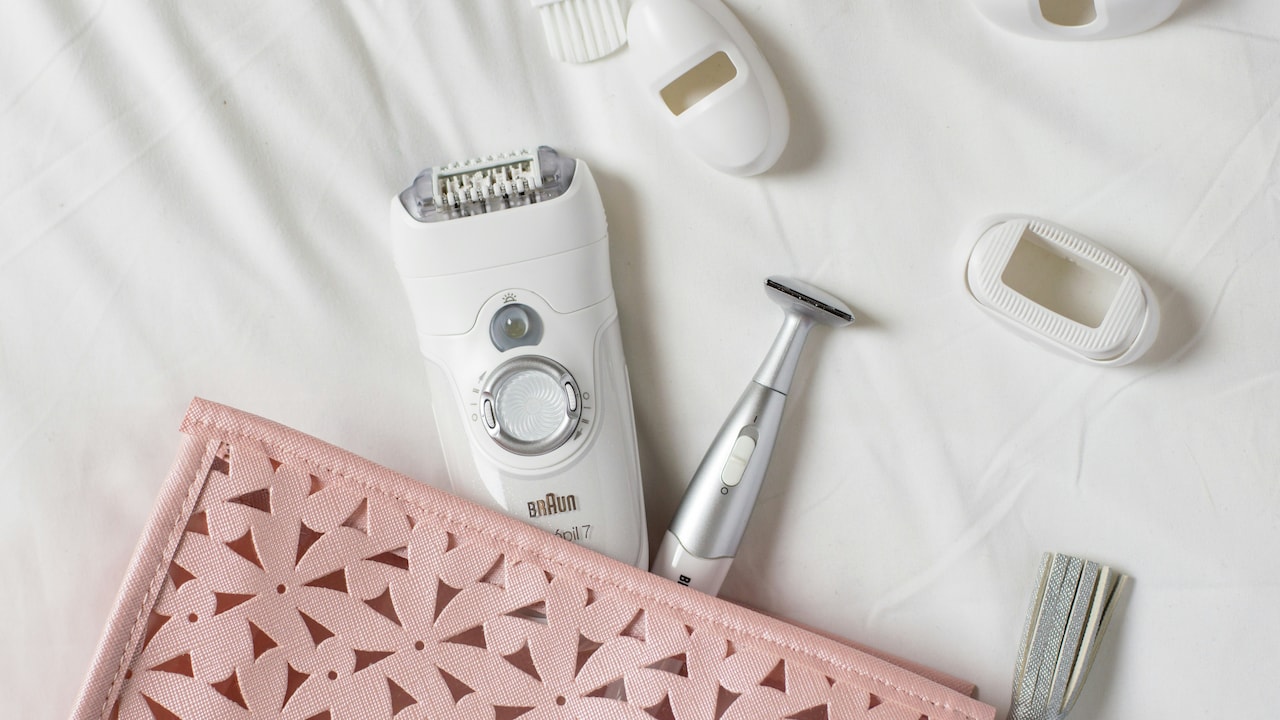
Attachments can feel like accessories that inflate the price, but some truly earn their place. A facial cap allows safe removal of fine hair on the upper lip or chin. A bikini trimmer helps maintain shape without irritation.
Massage rollers reduce discomfort by stimulating nerves around the hair follicle. Exfoliation brushes help prevent ingrown hairs, which often trouble first-time users.
However, not every attachment sees regular use. A bulky box of extras may gather dust. Choosing a model with practical, well-designed attachments beats one with countless unused pieces.
Think of attachments like kitchen tools. A sharp knife and sturdy pan matter more than ten gadgets that never leave the drawer. Practicality always wins.
Also Read: Epilator Pain Explained: Myths, Facts, And What To Expect Before You Start
6. Corded vs Cordless: Power and Freedom
Cordless epilators offer freedom of movement. They work well in bathrooms with limited plug points and suit travel needs. Rechargeable batteries now last longer, with some models offering up to 40 minutes of use.
Corded epilators deliver consistent power. They suit long sessions without worrying about battery drain. These models often cost less and last longer due to simpler design.
Choosing between the two depends on habits. Those who prefer relaxed grooming sessions at home may value uninterrupted power. Frequent travellers or minimalists often lean towards cordless options.
Battery life and charging time deserve attention. A device that takes eight hours to charge but runs for twenty minutes can frustrate. Always check these details before buying.
7. Managing Pain and Skin Comfort
Pain remains the biggest concern with epilators. The good news lies in simple tricks that make a real difference. Exfoliating a day before use reduces resistance and frees trapped hair.
Warm showers open pores and relax skin. Holding skin taut during epilation reduces tugging and discomfort. Using the device at a 90-degree angle improves grip and efficiency.
Aftercare matters just as much. A soothing gel or aloe-based lotion calms redness and prevents dryness. Avoid heavy creams that clog pores immediately after use.
With time, discomfort reduces significantly. Many users compare the first session to learning to ride a bicycle. Wobbly at first, smooth and confident later.
Epilator Buying Guide: Settings, Top Skin Type Compatibility And Features
Photo Credit: Unsplash
8. Cleaning, Maintenance and Hygiene
A clean epilator lasts longer and performs better. Hair and dead skin build-up affect grip and efficiency. Most modern models include washable heads, which simplify cleaning.
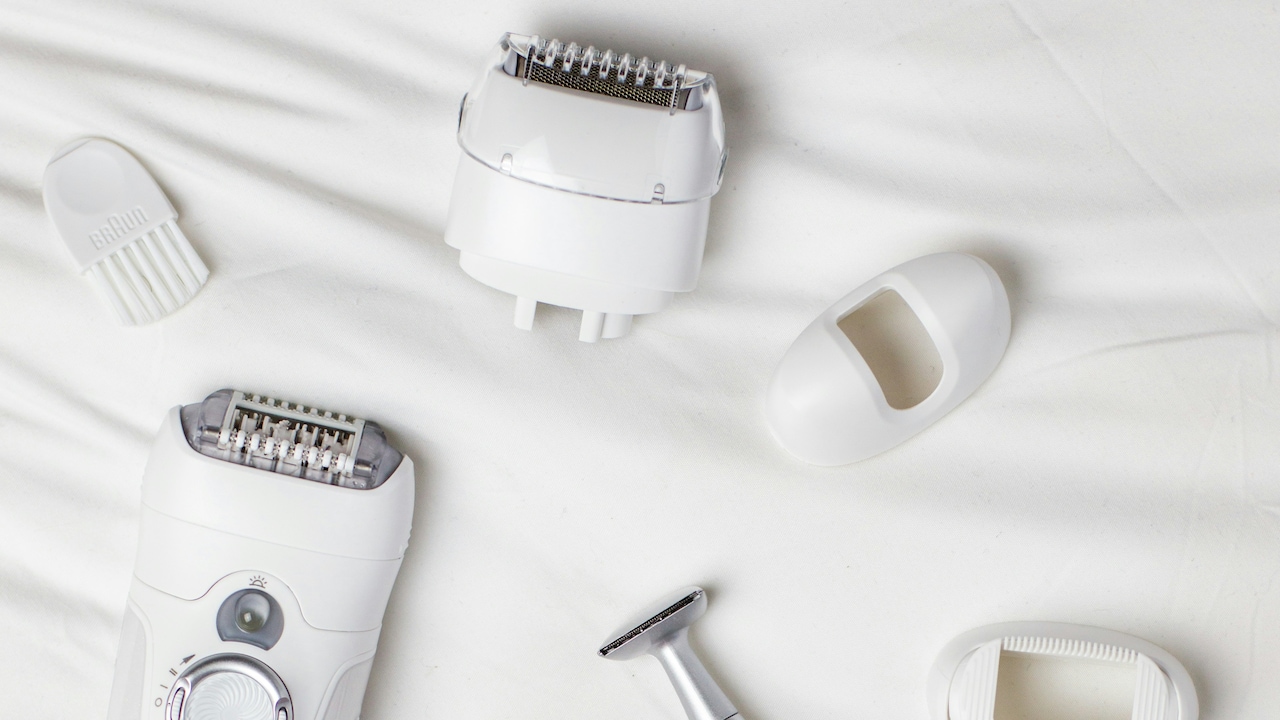
After each session, removing loose hair and rinsing the head keeps the device fresh. Using the cleaning brush provided helps dislodge fine strands.
Regular maintenance also protects skin. A dirty epilator may cause irritation or break hair unevenly. Hygiene feels especially important during humid months when sweat and bacteria thrive.
Storing the device in a dry pouch or case prevents moisture damage. Treating the epilator with care ensures it remains a reliable companion rather than a short-lived purchase.
9. Budgeting Smartly Without Compromising Safety
Epilators range from ₹1,500 to over ₹8,000. Higher prices often reflect advanced features, stronger motors and durable materials. However, safe and effective models exist at mid-range prices.
Focus on core needs first. Skin type compatibility, adjustable speeds and washable heads matter more than flashy displays. Paying extra for unnecessary features rarely improves results.
Warranty and service support deserve attention. A reliable brand with accessible service centres saves stress later.
A smart purchase feels satisfying long after the bill fades from memory. Balancing budget with quality ensures value without compromise.
10. Who Should Consider an Epilator and Who Should Not
Epilators suit those seeking long-lasting smoothness and are willing to invest time initially. They work well for legs, arms and underarms. Regular users enjoy finer regrowth and fewer sessions over time.
However, epilators may not suit everyone. Extremely sensitive skin, certain skin conditions or very low pain tolerance may call for alternative methods. Consulting a dermatologist helps when unsure.
Teenagers often benefit from gentler models with beginner-friendly settings. Busy professionals appreciate the freedom from frequent salon visits.
Knowing personal limits prevents disappointment. An epilator feels empowering when chosen thoughtfully, not impulsively.
Products Related To This Article
1. Winston Rechargeable Body Epilator and Shaver for Women Facial Hair Remover Machine
2. Braun Face Mini Hair Remover FS1000
3. Philips BRE245/00 Corded Compact Epilator
4. PROTOUCH All Rounder All-in-1 Women's Trimmer & Epilator for Face
5. Bombae 6-in-1 Sensitive
An epilator offers more than hair removal. It offers control, convenience and confidence. Choosing the right one depends on understanding skin needs, comfort levels and daily routines.
From speed settings to attachments and hygiene, every detail shapes the experience. Patience during early sessions pays off with smoother skin and longer gaps between grooming.
When chosen wisely, an epilator becomes a trusted part of self-care. Smooth skin then feels less like a chore and more like a quiet, satisfying win.
(Disclaimer: This article may include references to or features of products and services made available through affiliate marketing campaigns. NDTV Convergence Limited (“NDTV”) strives to maintain editorial independence while participating in such campaigns. NDTV does not assume responsibility for the performance or claims of any featured products or services.)