Epilator Pain Explained: Myths, Facts, And What To Expect Before You Start
Epilators are often feared for the pain they’re said to cause. This article breaks down common epilator pain myths, explains what really hurts, what doesn’t, and why the experience is often easier than expected.
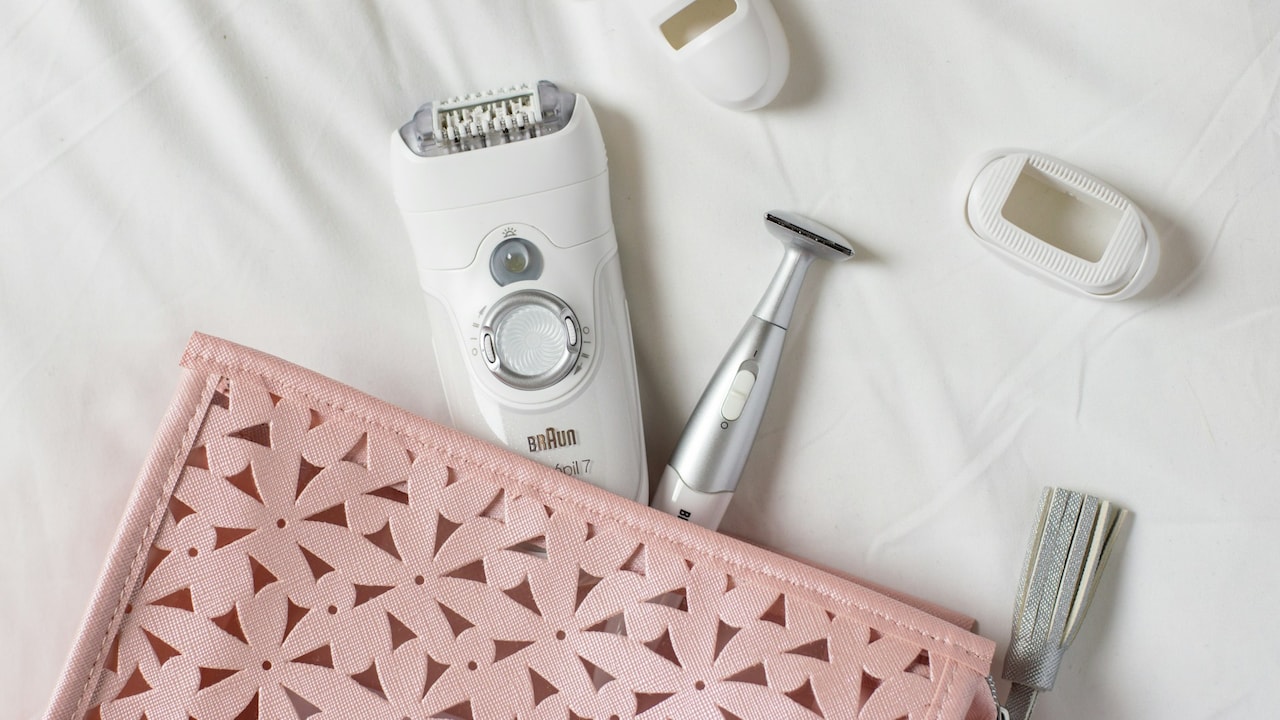
Epilator Pain Myths: What Hurts, What Doesn't, And Why - Explore These Points Before Using It.
Hair removal has always sparked strong opinions. Some swear by waxing, others defend shaving like a loyal friend, and then there is the epilator, often misunderstood and unfairly judged. Its buzzing sound alone can make first-timers nervous. Pain myths thrive because epilation involves pulling hair from the root. That sounds intense, no doubt. But pain rarely works in absolutes. It shifts with body area, hair type, timing, and even mood. This article explores 10 epilator pain myths - what hurts, what doesn't, and why. Some myths crumble easily. Others hold a grain of truth but need context.
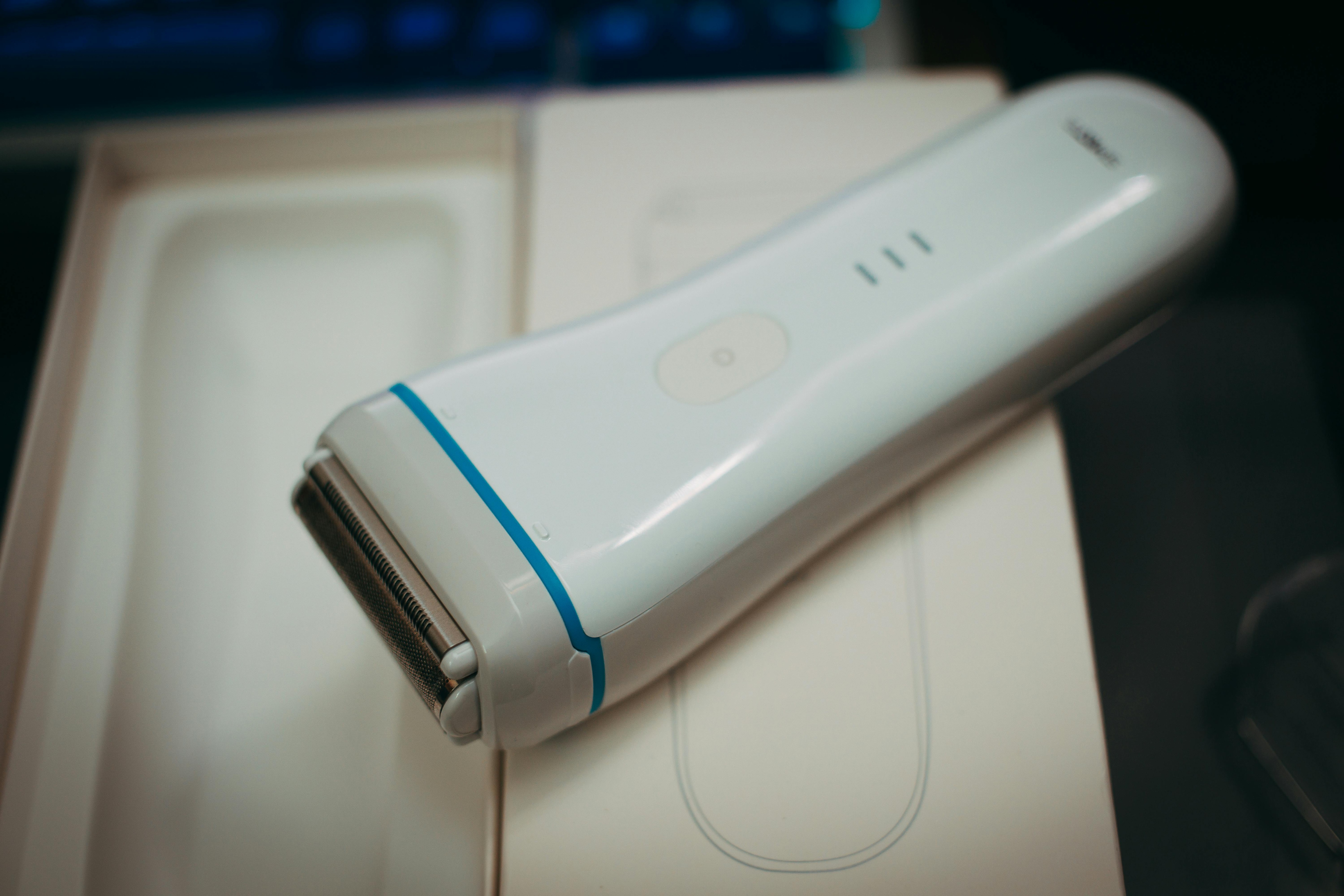
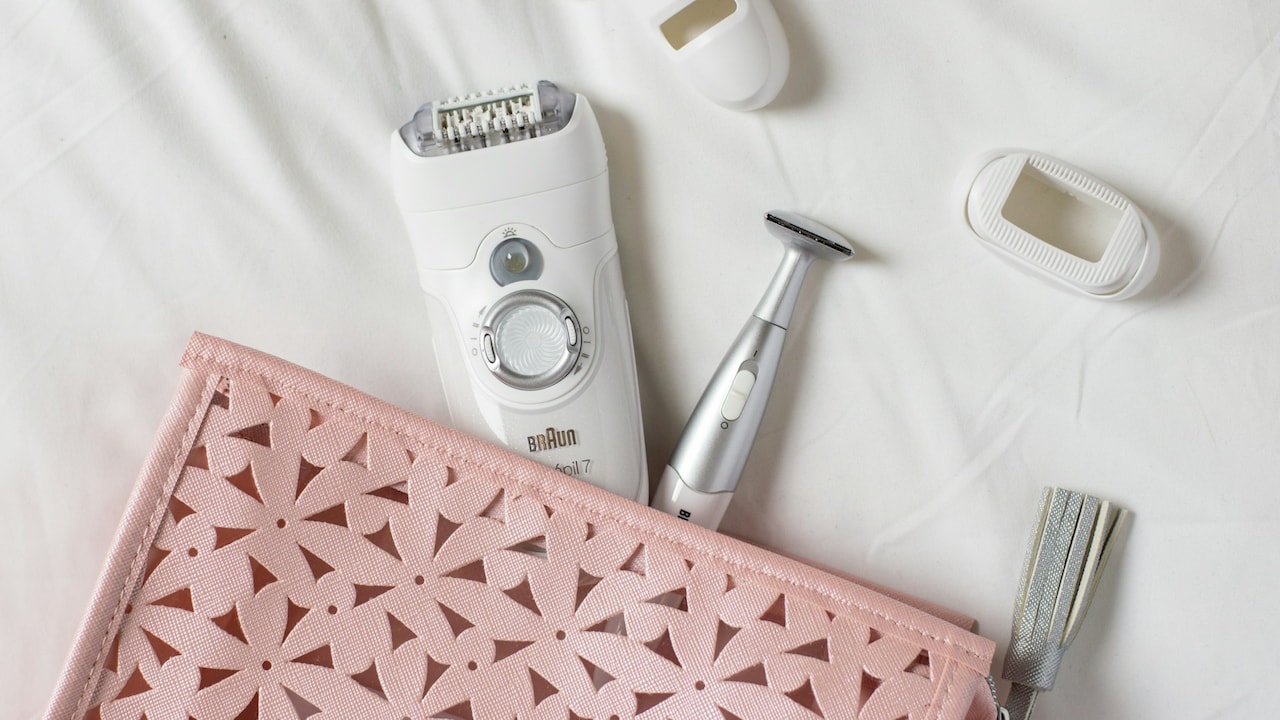
Here are some common epilator pain myths you should know about before using one; Photo Credit: Pexels
Expect clarity, practical tips, and a few familiar moments that feel close to home. No drama, no scare tactics, just honest insight into what hurts, what doesn't, and why.
Also Read: Top 5 Epilators That Remove Hair From the Root and Save You Salon Trips
Why Epilator Pain Deserves A Reality Check
1. Myth: Epilators Hurt More Than Waxing
This belief tops every list, yet reality tells a softer story. Waxing removes a large patch of hair in one dramatic pull. Epilators work gradually, plucking multiple hairs in quick succession. That difference matters. Waxing delivers one sharp jolt, while epilation spreads sensation over time. Some describe it as repetitive pinching rather than a single shock.
Pain perception also changes with familiarity. Many first-time users compare epilation to waxing because both target the root. Over time, though, epilation often feels more manageable. Hair grows back finer, spacing increases, and sessions shorten. Waxing resets the cycle each visit.
Cost plays a quiet role too. Salon waxing for full legs can cost ₹1,500 or more every month. Epilators demand patience upfront but save money long-term. When discomfort comes with control, privacy, and savings, tolerance tends to rise naturally.
2. Myth: Epilators Are Only for High Pain Tolerance
This myth scares away people who handle discomfort just fine in daily life. Truthfully, epilators suit a wide range of pain thresholds. Modern devices include speed settings, massage rollers, and cooling caps. These features soften the sensation significantly.
Pain also depends on how sessions begin. Starting with areas like calves builds confidence. Moving slowly helps skin adjust. Rushing through sensitive zones on day one causes unnecessary discomfort and reinforces fear.
Many users compare epilation pain to threading eyebrows, uncomfortable but familiar. Breathing steadily, keeping skin taut, and working in small sections reduces strain. Pain tolerance rarely defines success. Technique and pacing matter far more.
3. Myth: All Body Areas Hurt the Same
This myth collapses quickly. The body does not respond uniformly. Areas with dense hair, thinner skin, or more nerve endings feel sharper sensations. Ankles, underarms, and bikini lines often sting more than arms or legs.
Legs usually feel easiest. Hair grows straighter, skin remains thicker, and surface area allows better control. Underarms feel sensitive at first, yet improve quickly with regular sessions. Consistency trains the skin and nerves to adapt.
Timing helps too. Epilating after a warm shower opens pores slightly and softens hair. That small change makes a noticeable difference. Ignoring body variation leads to unrealistic expectations and avoidable disappointment.
4. Myth: Epilation Pain Never Gets Better
First sessions can feel discouraging, no denying that. However, pain rarely remains constant. Hair regrowth becomes finer and sparser over time. Epilators grip thinner hair more gently, reducing pull strength.
Skin also adapts. Nerve endings become less reactive with repeated exposure. This explains why seasoned users often epilate while watching television or chatting on the phone, something unimaginable during the first attempt.
Skipping sessions prolongs discomfort. Long gaps allow hair to thicken again, increasing resistance. Regular maintenance keeps sensations manageable and sessions shorter. Improvement may not feel dramatic, but it happens steadily.
5. Myth: Epilators Cause Severe Skin Damage
Redness often follows epilation, leading many to assume damage. In reality, mild redness signals increased blood flow, not injury. It fades within hours for most people.
Problems arise when skin care gets ignored. Dry skin grips hair more tightly, increasing discomfort and irritation. Gentle exfoliation a day before prevents ingrown hairs. A soothing gel after the session calms skin effectively.
Cheap devices with poor grip or blunt tweezers cause more irritation. Quality matters. Spending ₹3,000–₹5,000 on a reliable epilator reduces long-term issues. Treating skin kindly before and after sessions keeps reactions minimal.

Epilators may cause mild irritation and redness on the skin; Photo Credit: Pexels
6. Myth: Epilators Always Hurt More Than Shaving
Shaving rarely hurts, so this comparison seems unfair at first glance. However, shaving trades pain for frequency. Smooth skin lasts a day or two at best. Stubble appears quickly, often thicker and darker.
Epilators remove hair from the root, delivering weeks of smoothness. Pain concentrates during the session, not daily upkeep. Many prefer one slightly uncomfortable session every fortnight over constant razor burns and nicks.
Over time, epilation sessions shorten as hair growth reduces. Shaving never offers that advantage. The choice becomes less about pain and more about long-term convenience and skin health.
7. Myth: Epilation Pain Means Something Is Wrong
Pain often triggers alarm, but sensation alone does not signal harm. Epilation involves mechanical hair removal, so some discomfort remains normal. Sharp, lingering pain or swelling, however, deserves attention.
Technique mistakes cause most issues. Pressing too hard irritates skin. Moving against hair growth too quickly increases tugging. Holding skin taut reduces pulling pressure significantly.
Listening to the body matters. Short breaks help reset sensitivity. Applying cold compresses afterwards soothes nerves. Pain becomes informative rather than frightening when understood correctly.
8. Myth: Epilators Suit Only Women
Hair removal conversations often centre around women, but epilators serve anyone seeking long-lasting results. Many men use them on chests, arms, and legs. Initial sessions feel intense due to thicker hair, but results improve quickly.
Athletes and swimmers often prefer epilation for smoothness without daily shaving. Back and shoulder areas require help or specialised attachments, but results remain effective.
This myth persists due to marketing rather than reality. Hair texture, not gender, influences sensation. Anyone willing to learn technique and manage sessions benefits equally.
9. Myth: Epilation Pain Depends Only on the Device
The device matters, but experience depends on more than machinery. Environment, timing, and mindset play strong roles. Epilating when stressed amplifies discomfort. Calm settings reduce perceived pain.
Evening sessions allow skin to recover overnight. Avoiding sessions during menstruation reduces sensitivity spikes. Hydration helps too; well-hydrated skin responds better.
Background music, warm lighting, and unhurried pacing transform the experience. Pain perception links closely to mental state. Ignoring that connection fuels unnecessary fear.
10. Myth: Epilators Are Outdated and Not Worth the Effort
This myth ignores technological progress. Modern epilators operate quieter, faster, and more gently. Wet-and-dry models allow use in showers, where warm water reduces sensation.
Compared to recurring salon costs, epilators offer long-term value. One purchase often lasts years. Convenience matters in busy routines, especially when appointments feel like chores.
Effort decreases with practice. What starts as a careful ritual becomes routine maintenance. Dismissing epilators as outdated overlooks how quietly effective they remain.
Products Related To This Article
1. SDMS Body Epilator & Shaver with Smooth Glide Technology
2. WINSTON Women Rechargeable 2-in-1 Body Epilator & Shaver with Smooth Glide Technology
3.VGR V-722 2-In-1 Epilator & Shaver- Pink
4. Braun Silk-epil 3 Epilator 3-420 with 2 Extra Corded Epilator
5. Philips BRE285/00 Corded Compact Epilator
Epilator pain myths thrive on fear and half-truths. Reality paints a more balanced picture. Epilation does involve discomfort, but rarely the unbearable agony often described. Pain shifts with technique, timing, and consistency. Understanding what hurts and why removes much of the anxiety. Hair removal remains personal. No method suits everyone. Yet epilators deserve fair consideration, free from exaggerated horror stories.
(Disclaimer: This article may include references to or features of products and services made available through affiliate marketing campaigns. NDTV Convergence Limited (“NDTV”) strives to maintain editorial independence while participating in such campaigns. NDTV does not assume responsibility for the performance or claims of any featured products or services.)