Epilator Pain Issues Explained: How Speed, Angle And Timing Reduce Discomfort
Epilator pain often comes from poor technique, not the device. Learn how speed, angle, and timing affect discomfort, and discover practical ways to epilate with less pain and better results.
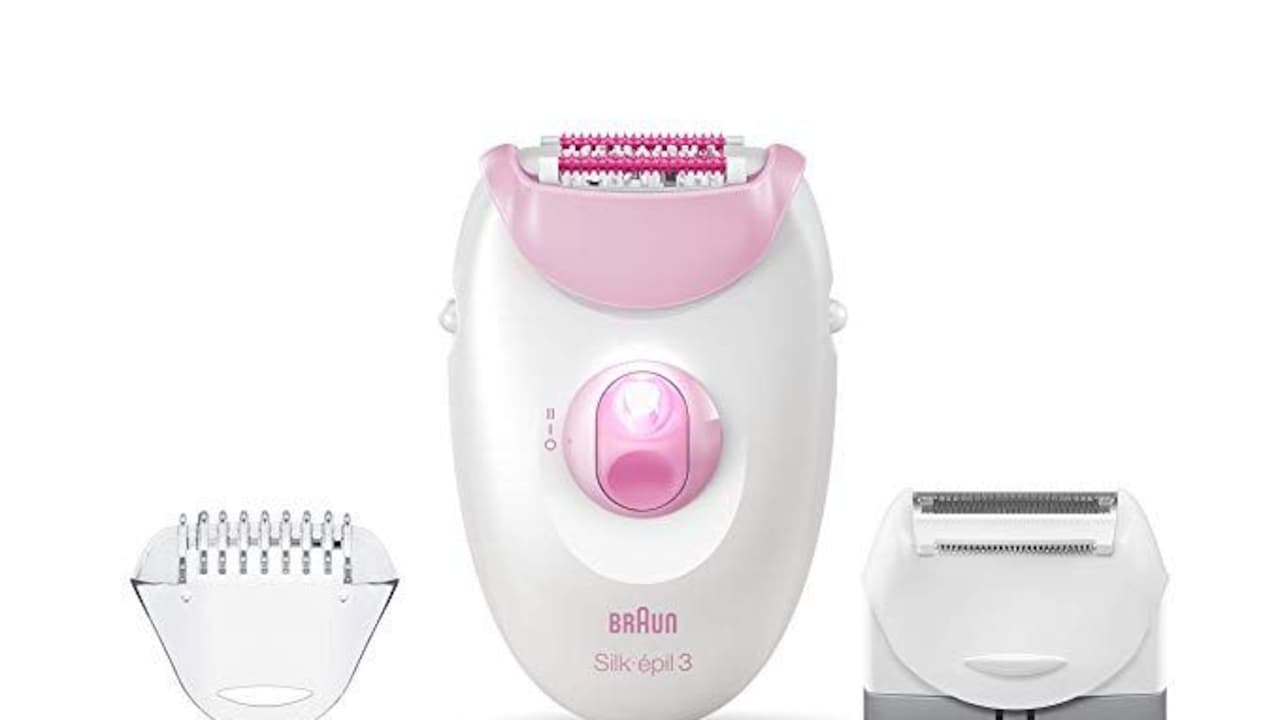
Epilator Pain Issues Explained: How Tweaking Speed, Angle And Timing Can Dramatically Reduce Discomfort.
An epilator promises weeks of hair-free skin without salon visits or recurring costs. Yet the first experience often feels shocking. The sharp pinch, the buzzing sound, and the red skin can scare anyone away. Pain during epilation does not mean the device fails. It often signals small mistakes in speed, angle, or timing.
Daily life leaves little room for elaborate beauty rituals. Power cuts, humid weather, and packed schedules shape grooming habits. That makes it vital to use tools wisely. Epilation rewards patience and technique. Once the body adjusts, discomfort drops sharply. This article explores 10 practical points that reduce pain and boost results.
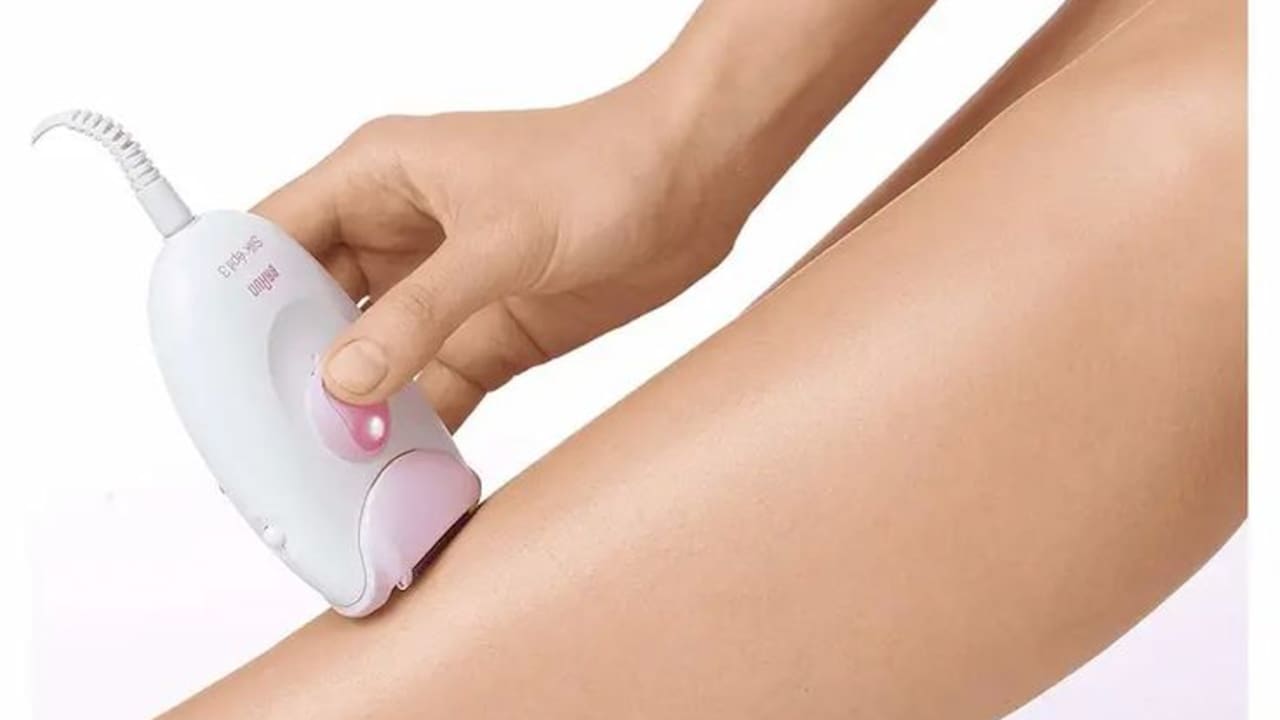
Epilator Pain Issues Explained: How Tweaking Speed, Angle And Timing Can Dramatically Reduce Discomfort.; Photo Credit: Pexels
How Speed, Angle, And Timing Shape The Epilation Experience
1. Understanding Why Epilators Hurt
Pain often feels like the main flaw of epilators, yet the device simply pulls hair from the root. That action mirrors waxing but without sticky strips. The skin reacts because nerves sense the tug. Thick hair, dry skin, and tension make the feeling worse.
Many users rush through the process. That rush increases pain. Hair breaks instead of coming out cleanly. The skin then feels sore for longer. Awareness helps here. Pain reduces when expectations stay realistic. The first few sessions always hurt more. Over time, hair grows back finer. The pull softens.
Hydration plays a role, too. Dry skin grips hair tightly. Moist skin lets hair slide out more smoothly. That single detail changes comfort levels. Stress also matters. A tense body magnifies discomfort. Calm breathing relaxes muscles and nerves.
Think of epilation as training, not torture. Each session teaches the skin to cope better. Understanding this cycle builds patience and confidence.
2. Choosing the Right Speed Setting
Speed affects pain more than many realise. Most epilators offer at least two speeds. Beginners often jump to the faster option to finish quickly. That choice backfires. High speed yanks hair abruptly. The skin barely gets time to adjust.
A slower speed works best at the start. It pulls fewer hairs at once. The sensation feels sharper but shorter. Control improves, too. The hand guides the device gently rather than fighting it.
Faster speeds suit experienced users and finer hair. Legs often tolerate higher speeds after a few sessions. Underarms and sensitive areas rarely do. Switching speeds during one session helps. Start slow, then increase once the skin warms up.
Patience saves pain. Ten extra minutes at low speed saves hours of soreness. Speed also links to accuracy. A controlled pace avoids repeated passes over the same patch. That alone reduces redness and irritation.
Also Read: Top 5 Epilators That Remove Hair From the Root and Save You Salon Trips
3. Holding the Correct Angle
Angle sounds technical, yet it makes a simple difference. Many users press the epilator flat against the skin. That pressure increases pain and causes hair. The correct angle keeps the head slightly tilted, around ninety degrees to the skin.
This position allows the tweezers to grip hair cleanly. The pull feels firm but not harsh. Pressing harder never helps. It only drags skin into the device, which hurts and causes redness.
Light contact works best. Let the epilator glide rather than dig. Stretching the skin with the free hand also helps. Taut skin lets hair stand upright. The device then works efficiently.
Angle matters more in curved areas like knees and ankles. Adjust the wrist gently. Small movements beat rushed strokes. With practice, the hand learns the right tilt instinctively. Pain drops because the device stops fighting the skin.
4. Timing Hair Length Perfectly
Hair length often gets ignored, yet it controls comfort. Very short hair slips from the tweezers. The device then grabs skin instead. Very long hair pulls painfully and may snap.
The ideal length sits between three and five millimetres. That length gives the tweezers a good grip without excessive tug. Checking hair growth before epilation saves discomfort. A quick trim with scissors helps when hair grows too long.
Regular sessions keep hair within this range. Waiting too long between sessions resets the pain cycle. Consistency trains hair to grow finer and sparser. That change reduces future pain.
Timing also includes growth cycles. Hair grows in phases. Epilating regularly catches hair at different stages. Over time, fewer hairs grow back together. The pull feels lighter. Comfort improves naturally.
Epilator Pain Issues Explained: How Tweaking Speed, Angle And Timing Can Dramatically Reduce Discomfort.; Photo Credit: Pexels
5. Picking the Best Time of Day
Timing affects pain more than expected. Skin sensitivity changes through the day. Many find evenings work best. The body feels relaxed after daily tasks. Muscles loosen, and nerves calm down.
Morning sessions often hurt more. The body feels stiff. Rushing before work increases tension. Stress heightens pain perception. Choosing a calm window matters.
Evenings also allow recovery time. Redness fades overnight. Skin looks calmer by morning. That suits busy routines and social plans.
Avoid epilation during hormonal shifts. The days before periods increase sensitivity. Pain tolerance drops then. Waiting a few days makes a noticeable difference.
A warm shower before epilation helps too. Heat opens pores and softens hair. That simple step reduces the sting significantly.
6. Preparing Skin the Right Way
Preparation sets the tone for the entire session. Clean skin reduces friction and irritation. Washing with warm water removes sweat and oil. That helps the epilator grip hair, not grime.
Exfoliation the day before works wonders. It lifts trapped hair and removes dead skin. That step prevents ingrown hair and reduces repeated passes. Gentle scrubs or a loofah do the job well.
Avoid heavy creams right before epilation. Slippery skin confuses the tweezers. Dry skin works best, unless the device supports wet use. In that case, follow the manufacturer's advice.
Cooling gels or aloe after epilation soothe the skin. They calm redness and reduce lingering soreness. Preparation and aftercare form a team. Together, they cut pain and improve results.
7. Managing Sensitive Areas Carefully
Not all skin reacts the same way. Underarms, bikini lines, and inner thighs feel more sensitive. Nerve endings cluster there. Extra care becomes essential.
Use the lowest speed for these areas. Short strokes work better than long sweeps. Stretch the skin firmly but gently. That reduces the pinch.
Breaking the session into parts helps too. Pause between sections. Let the skin settle. Rushing through sensitive zones increases pain and regret.
Some prefer numbing creams, though results vary. Cold packs before epilation can dull sensation slightly. Avoid strong pressure at all costs. Gentle technique always wins.
Confidence grows with experience. What feels unbearable at first often becomes manageable within a few sessions. Respect the skin's limits while building tolerance.
Epilator Pain Issues Explained: How Tweaking Speed, Angle And Timing Can Dramatically Reduce Discomfort.; Photo Credit: Pexels
8. Breathing and Body Position
Pain perception links closely to breathing. Shallow breaths tighten muscles. That tension amplifies discomfort. Slow, deep breathing relaxes the body. The pull feels less intense.
Body position matters as well. Sitting comfortably reduces strain. Awkward poses increase sensitivity. Good lighting also helps. Seeing clearly avoids repeated passes.
Music or a favourite show distracts the mind. Distraction lowers pain awareness. The session then feels shorter and easier.
Small habits like these sound simple, yet they shape the experience. A relaxed body responds better to epilation. Pain fades faster when the mind stays calm.
9. Frequency and Consistency
Infrequent epilation keeps pain high. Long gaps allow hair to grow thick and dense. The next session then hurts more. Regular sessions break this cycle.
Epilating every two to three weeks works well for most. Hair stays finer and sparser. The device removes fewer hairs at once. Pain reduces naturally.
Consistency also shortens sessions. Less hair means less time. That saves effort and discomfort. Skipping sessions resets progress.
Building a routine takes discipline. Setting a reminder helps. Once the habit forms, epilation feels like any other grooming task. Predictable and manageable.
10. Knowing When to Stop
Pushing through pain never pays off. Skin sends clear signals. Excessive redness, bleeding, or burning sensations mean stop. Continuing risks of irritation and infection.
Short sessions work better than marathon attempts. Dividing the task across days protects the skin. There is no prize for endurance.
Listening to the body builds trust. The goal is smooth skin, not suffering. Some days simply feel more sensitive. Accepting that reality prevents frustration.
Comfort improves with time, but only when treated with respect. Knowing when to stop ensures epilation stays sustainable and safe.
Products Related To This Article
1. PROTOUCH All Rounder All-in-1 Women's Trimmer & Epilator for Face
2. Braun Silk-epil 7 SE7041 Epilator for Women
3. Winston Rechargeable Body Epilator and Shaver for Women Facial Hair Remover Machine
4. Bombae 6-in-1 Sensitive | Trimmer for Women
5. Philips OneBlade Intimate Trimmer & Electric Razor
Epilator pain often stems from technique rather than the device itself. Speed, angle, and timing shape the entire experience. Small adjustments transform discomfort into control. Preparation, patience, and consistency make a visible difference.
Smooth skin should feel empowering, not intimidating. With the right approach, epilation fits seamlessly into everyday life. Pain fades, confidence grows, and the routine becomes second nature. The journey may start with a pinch, but it ends with mastery.
(Disclaimer: This article may include references to or features of products and services made available through affiliate marketing campaigns. NDTV Convergence Limited (“NDTV”) strives to maintain editorial independence while participating in such campaigns. NDTV does not assume responsibility for the performance or claims of any featured products or services.)