Thinking Of Buying A Food Processor? This Is How To Know If It'll Save Time Or Just Eat Shelf Space
Thinking of buying a food processor? Before spending ₹5,000 or more, find out whether it will actually save time in your kitchen or simply take up space you don’t have to spare.
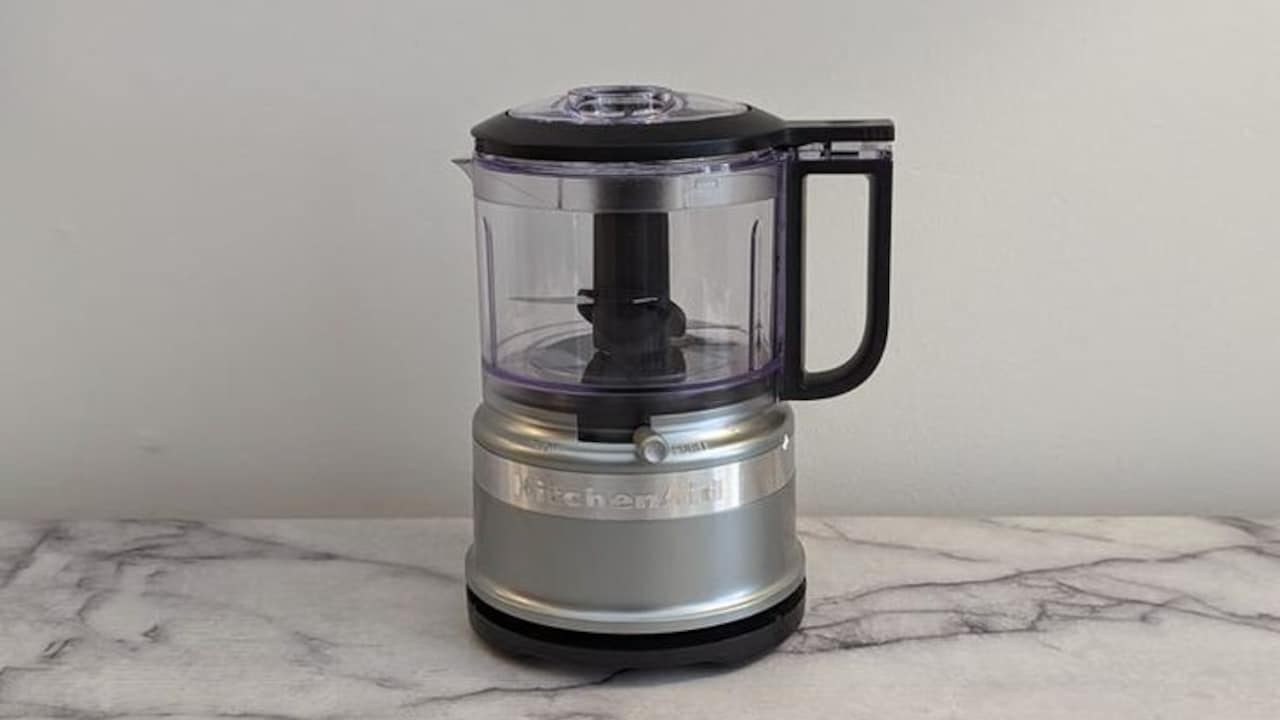
Food Processor Buying Guide: How To Know If It Will Save Time Or Not
The idea feels tempting: effortless chopping, smooth pastes, quick dough, and less time standing over a cutting board. A food processor seems like the answer to busy mornings and elaborate dinners alike. Walk into any appliance store, and the gleaming machines almost sell themselves, promising efficiency and ease.
Yet, the reality often looks different. Many homes feature a food processor tucked into a cabinet, brought out only during festival cooking or large family gatherings. The gap between expectation and daily use usually comes down to lifestyle rather than features.
Before spending ₹4,000 to ₹15,000 or more, the real question isn't what the machine can do. The better question asks whether it fits into everyday routines. Does it align with cooking habits, kitchen space, and the kind of meals prepared regularly?
This article explores exactly that. With ten practical angles, it helps determine whether a food processor will become a reliable helper or simply another item that looks impressive but rarely earns its place.
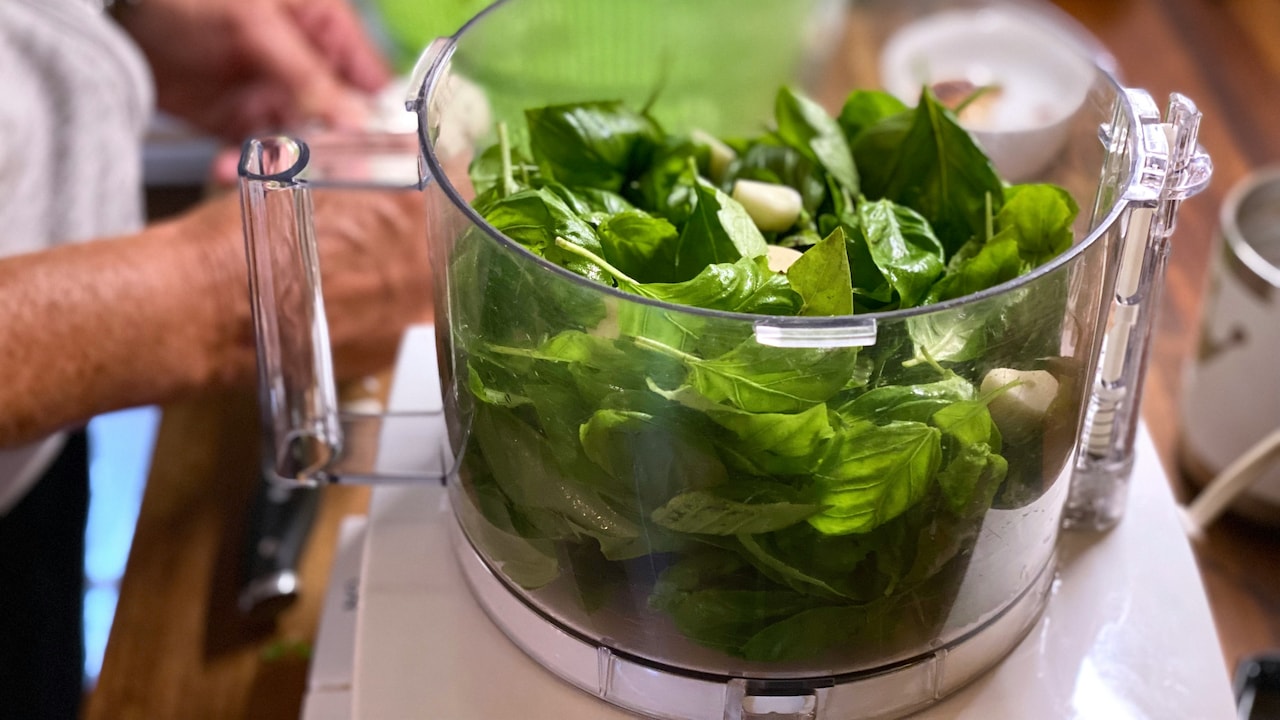
Food Processor Buying Guide: How To Know If It Will Save Time Or Not; Photo Credit: Pexels
How To Decide If A Food Processor Truly Fits Your Kitchen
Understanding Your Cooking Style
Every kitchen tells a story. Some revolve around quick meals between meetings, while others thrive on elaborate weekend cooking. A food processor fits beautifully into some of these stories but feels unnecessary in others.
Consider how often ingredients require chopping, grinding, or blending. If cooking frequently involves preparing masalas from scratch, kneading dough, or making chutneys, a processor could become indispensable. However, if meals usually lean towards simple stir-fries, one-pot dishes, or ready-made pastes, the need shrinks dramatically.
There's also the rhythm of cooking to consider. Some people enjoy the tactile process of chopping vegetables or grinding spices. For them, a machine might feel more like an interruption than a convenience.
The key lies in honesty. Not the aspirational version of cooking, but the actual daily routine. A food processor serves best when it supports habits that already exist, not when it tries to create new ones. Otherwise, it risks becoming a shiny reminder of intentions that never quite materialised.
Frequency Of Use Matters More Than Features
A common trap lies in getting swayed by features. Multiple blades, attachments, and settings often look impressive, but they rarely determine long-term satisfaction. What matters more is how often the machine gets used.
Think of the appliance in terms of frequency. Daily, weekly, or occasional? If the answer leans towards occasional, perhaps only during festive cooking, it may not justify the cost or storage space.
A frequently used appliance earns its keep. It saves time, reduces effort, and becomes part of the cooking flow. In contrast, an occasionally used one often feels like extra work: taking it out, assembling parts, and cleaning everything afterwards.
Sometimes, a simpler tool does the job better. A sharp knife or a compact mixer grinder might already handle most tasks efficiently.
Before buying, it helps to imagine a typical week. Not a special occasion, but a regular one. If the food processor fits naturally into that routine several times, it likely proves useful. If not, it may quietly fade into the background.
Also Read: Best Food Processor Under 5000: Powerful, Versatile And Perfect For Every Kitchen
The Reality Of Prep And Clean-Up Time
A food processor promises speed, but the story doesn't end with chopping or grinding. Preparation and cleaning often take more time than expected.
Setting up the machine involves assembling parts, selecting the right blade, and ensuring everything locks properly. For small tasks, this process can feel longer than simply using a knife or mortar and pestle.
Then comes cleaning. Multiple parts require rinsing, drying, and careful storage. Sticky ingredients or oily masalas can make this step particularly tedious. Over time, this extra effort discourages frequent use.
Speed matters most when cooking in large quantities. For smaller meals, the difference may not feel significant enough to justify the hassle.
The decision often boils down to balance. If the time saved during cooking outweighs the effort of cleaning, the appliance proves valuable. If not, it becomes another chore.
Convenience isn't just about performance. It includes everything before and after the actual cooking.
Kitchen Space: The Silent Deal-Breaker
Modern kitchens rarely have spare space. Every appliance competes for room, and a food processor demands a fair share.
Unlike compact gadgets, it isn't something that slips easily into a drawer. It often requires a dedicated spot, either on the counter or in a cabinet. If stored away, frequent use becomes less likely simply because taking it out feels inconvenient.
Visual clutter also plays a role. A crowded counter can make a kitchen feel chaotic, even if everything serves a purpose.
Before purchasing, it helps to identify exactly where the processor will live. Not in theory, but in reality. Will it stay within easy reach, or will it end up hidden behind other items?
An appliance that's easy to access gets used more often. One that requires effort to retrieve tends to stay forgotten.
Space may seem like a small consideration, but it often determines whether a food processor becomes essential or irrelevant.
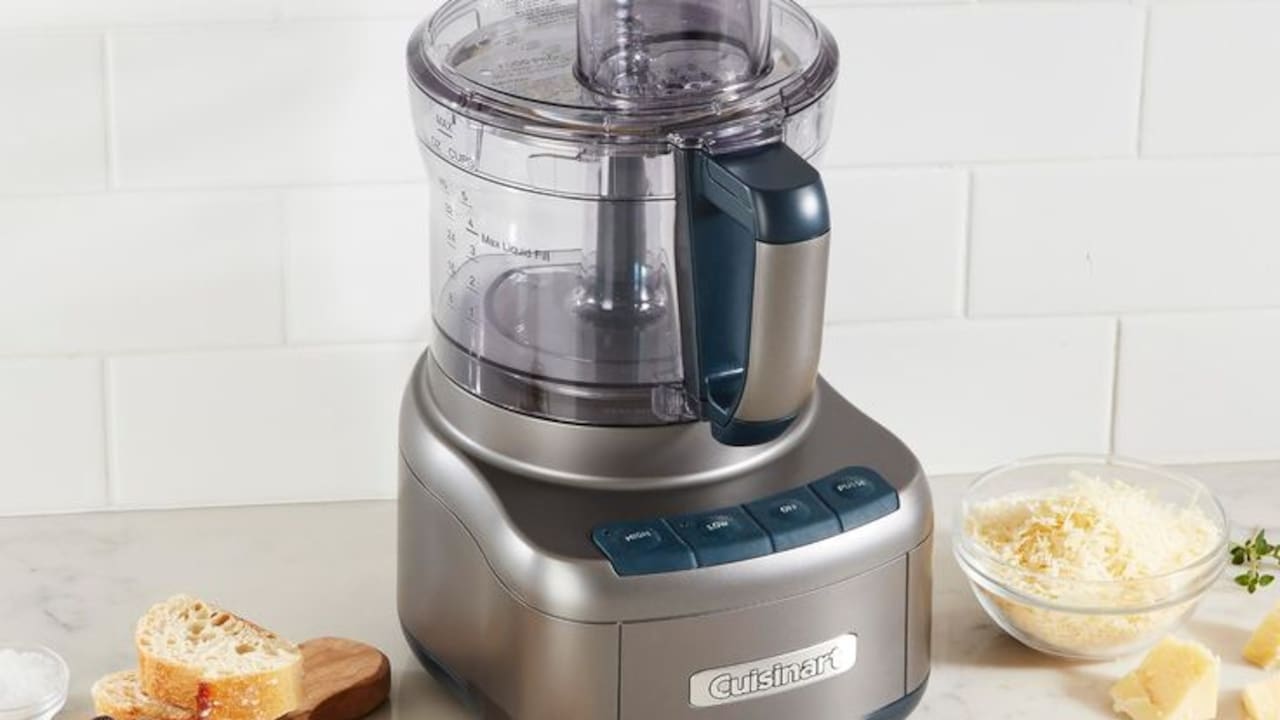
Food Processor Buying Guide: How To Know If It Will Save Time Or Not; Photo Credit: Pexels
Cost Versus Value Over Time
The price tag often sparks hesitation. Spending several thousand rupees on a single appliance invites careful thought.
However, value isn't just about initial cost. It's about how much use the appliance delivers over time. A processor used several times a week quickly justifies its price. One used occasionally feels expensive, regardless of how affordable it seemed initially.
Durability also matters. A sturdy machine with reliable performance can last years, spreading its cost over countless meals. Cheaper models that struggle or break down early may end up costing more in the long run.
There's also the question of alternatives. If existing tools already handle most tasks effectively, the added value of a food processor diminishes.
Spending wisely means looking beyond the purchase moment. It involves imagining months and years of use, or lack of it. The right decision often becomes clearer when viewed through that lens.
Are You Cooking For One Or Many?
Cooking volume plays a significant role in determining usefulness. Preparing meals for a larger family often involves repetitive tasks, chopping kilos of vegetables, grinding spices, and kneading dough in bulk. A food processor excels in such scenarios.
For smaller households or solo cooking, the equation changes. The effort of setting up the machine may outweigh the benefits when dealing with minimal quantities.
Batch cooking also influences this decision. Those who prepare meals in advance for the week can benefit from the speed and consistency a processor offers.
On the other hand, cooking fresh meals in small portions daily might not require such a tool.
The number of people at the table shapes the kitchen workflow. Understanding this dynamic helps clarify whether a food processor will simplify cooking or complicate it.
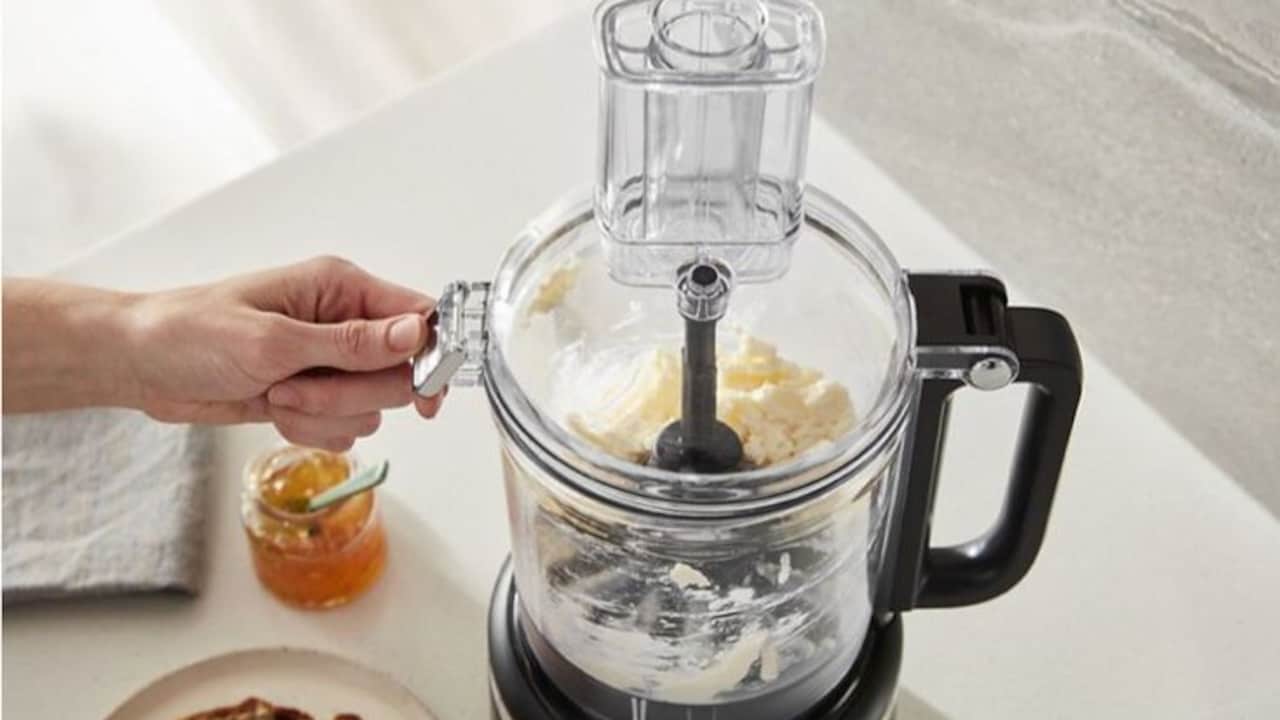
Food Processor Buying Guide: How To Know If It Will Save Time Or Not; Photo Credit: Pexels
The Appeal Of Multi-Functionality
One of the biggest selling points of a food processor lies in its versatility. It chops, slices, grinds, kneads, and sometimes even juices.
While this sounds appealing, it's worth considering how many of these functions will actually be used. Many households end up relying on just one or two features, leaving the rest untouched.
A multi-functional appliance works best when it replaces multiple tools. If it can take over the roles of a chopper, grinder, and dough maker, it earns its space.
However, if other appliances already handle these tasks effectively, the added functionality may feel redundant.
Versatility should translate into practicality, not just potential. The goal isn't to have more options but to make cooking easier.
Understanding which functions align with daily needs helps determine whether the processor's versatility becomes an advantage or simply an unused promise.
Emotional Factors And Buying Triggers
Purchasing decisions rarely rely on logic alone. Emotions often play a quiet but powerful role.
A new appliance can symbolise efficiency, modern living, or even a fresh start in the kitchen. Festive offers, discounts, and recommendations from friends can further influence the decision.
There's also the aspirational aspect. The idea of cooking more elaborate meals or saving time often drives purchases.
However, reality tends to settle in after the excitement fades. The processor becomes just another tool, judged by its everyday usefulness.
Recognising these emotional triggers helps bring clarity. It prevents impulsive decisions and encourages thoughtful choices.
Buying an appliance should feel like solving a problem, not creating a new one. When logic and emotion align, the decision usually feels right and stays right.
Maintenance And Longevity Considerations
Every appliance demands some level of care, and a food processor is no exception.
Regular cleaning, careful handling of blades, and proper storage all contribute to its lifespan. Neglecting these aspects can lead to dull blades, motor issues, or reduced efficiency.
Spare parts and servicing also matter. Availability of replacement components ensures the appliance remains functional over time.
Ease of maintenance often determines whether the processor stays in regular use. A machine that feels complicated or fragile may discourage frequent handling.
Durability builds trust. When an appliance performs reliably without constant attention, it becomes a natural part of the kitchen routine.
Choosing a model known for longevity can make a significant difference. It transforms the purchase from a short-term experiment into a long-term investment.
When A Food Processor Truly Shines
Despite all the considerations, there are situations where a food processor proves invaluable.
Large-scale cooking, festive preparations, and recipes that involve multiple steps benefit greatly from its efficiency. Tasks like making smooth pastes, evenly slicing vegetables, or kneading dough become faster and more consistent.
It also supports experimentation. Trying new recipes often feels less daunting when preparation becomes easier.
For those who enjoy cooking but dislike repetitive prep work, a food processor strikes the perfect balance.
Ultimately, its value lies in solving specific problems. When it addresses real needs, it becomes more than just an appliance. It becomes a dependable partner in the kitchen.
Products Related To This Article
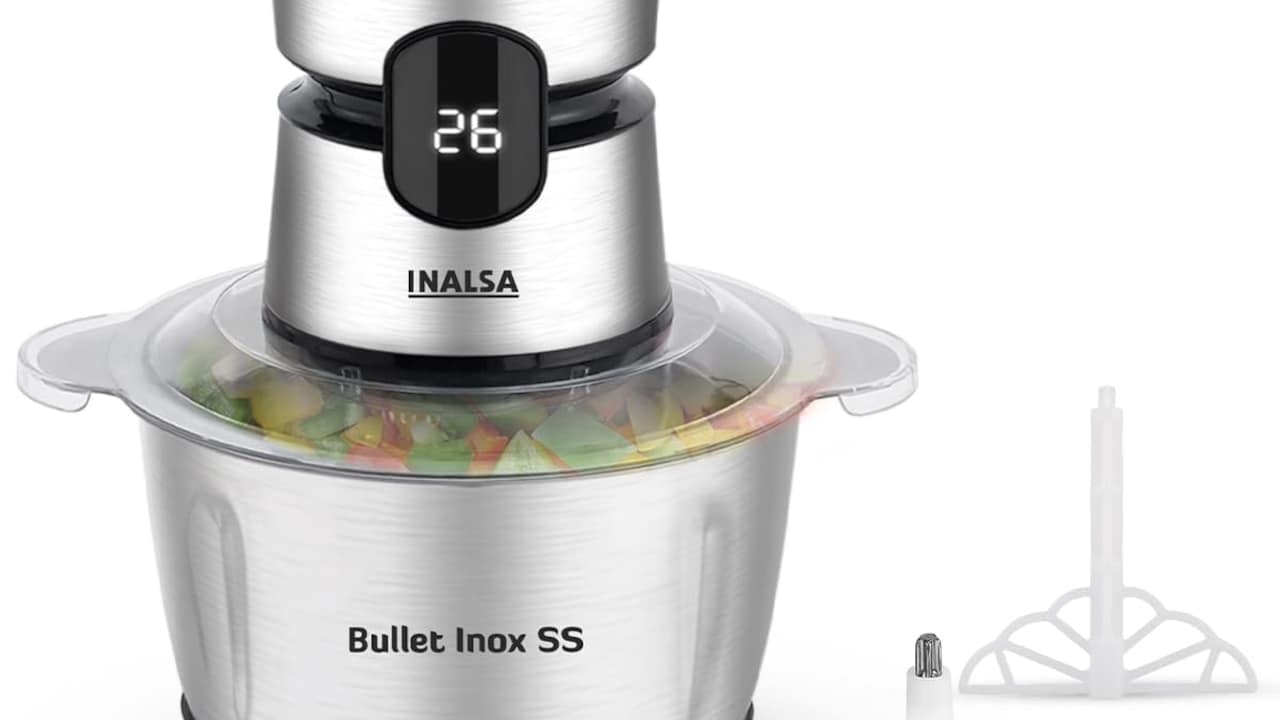
1. INALSA Food Processor with Atta Kneader 800 Watts
2. Philips Stainless Steel Mixer Grinder + Food Processor
3. Preethi Zodiac MG-218 mixer grinder
4. Crompton Duro Grand Plus Food Processor
5. Bosch MCM3501M 800 Watts Food Processor, Black
A food processor isn't a universal necessity. For some kitchens, it becomes an everyday essential. For others, it quietly fades into the background.
The difference lies in alignment. Alignment with cooking habits, kitchen space, and daily routines. When these factors match, the appliance delivers genuine convenience. When they don't, it risks becoming an occasional tool at best.
The decision doesn't require technical expertise. It simply requires honest reflection. How often will it be used? Does it simplify existing tasks? Is there space for it, both physically and practically?
Answering these questions brings clarity. And with clarity comes confidence.
In the end, the best kitchen isn't the one with the most appliances. It's the one where every tool earns its place.
(Disclaimer: This article may include references to or features of products and services made available through affiliate marketing campaigns. NDTV Convergence Limited (“NDTV”) strives to maintain editorial independence while participating in such campaigns. NDTV does not assume responsibility for the performance or claims of any featured products or services.)