Hair Dryers With Diffusers vs Without: What Actually Reduces Frizz For Thick Hair?
Do diffusers really reduce frizz for thick hair, or is a regular dryer enough? Discover how airflow, heat, and technique impact your hair, and which option actually delivers smoother, more manageable results.
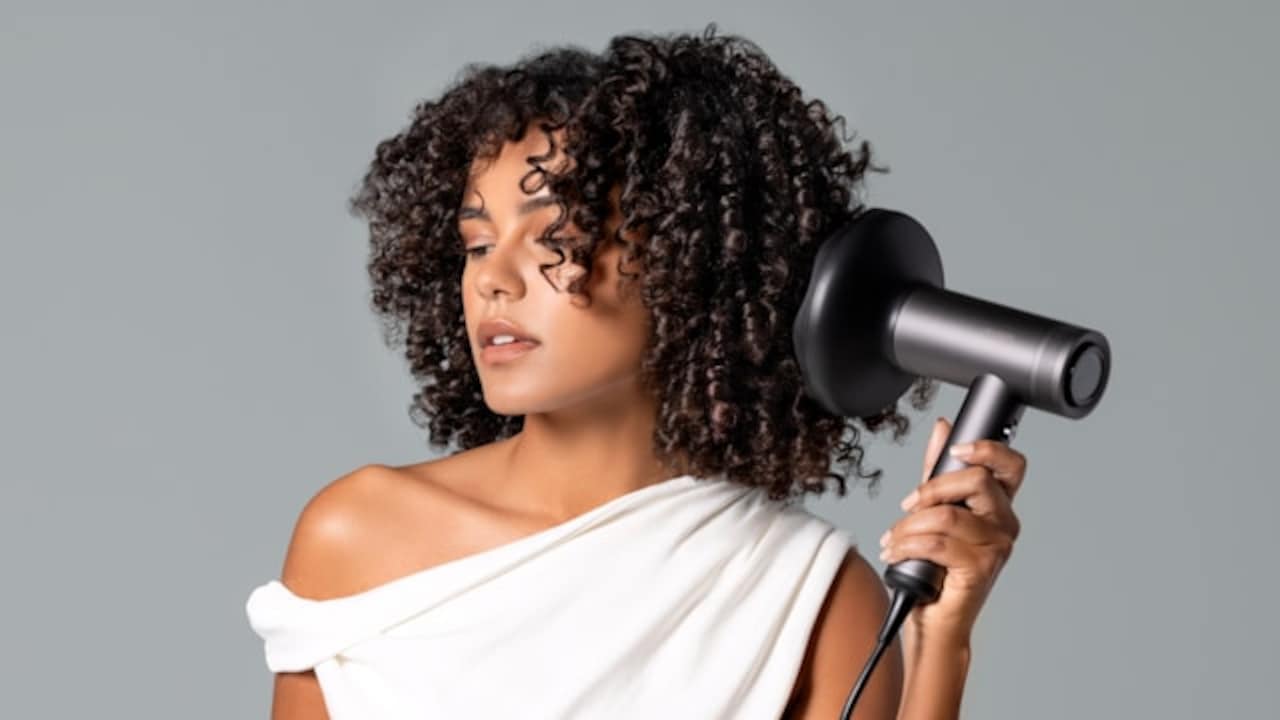
How to choose between hair dryer and diffuser for curly hair
Every thick-haired person knows the struggle. The moment hair meets humidity, it seems to expand like a monsoon cloud. Add a regular hair dryer into the mix, and things can quickly spiral into a frizzy mess. It's frustrating, especially when time is short, and the goal is simple: smooth, manageable hair.
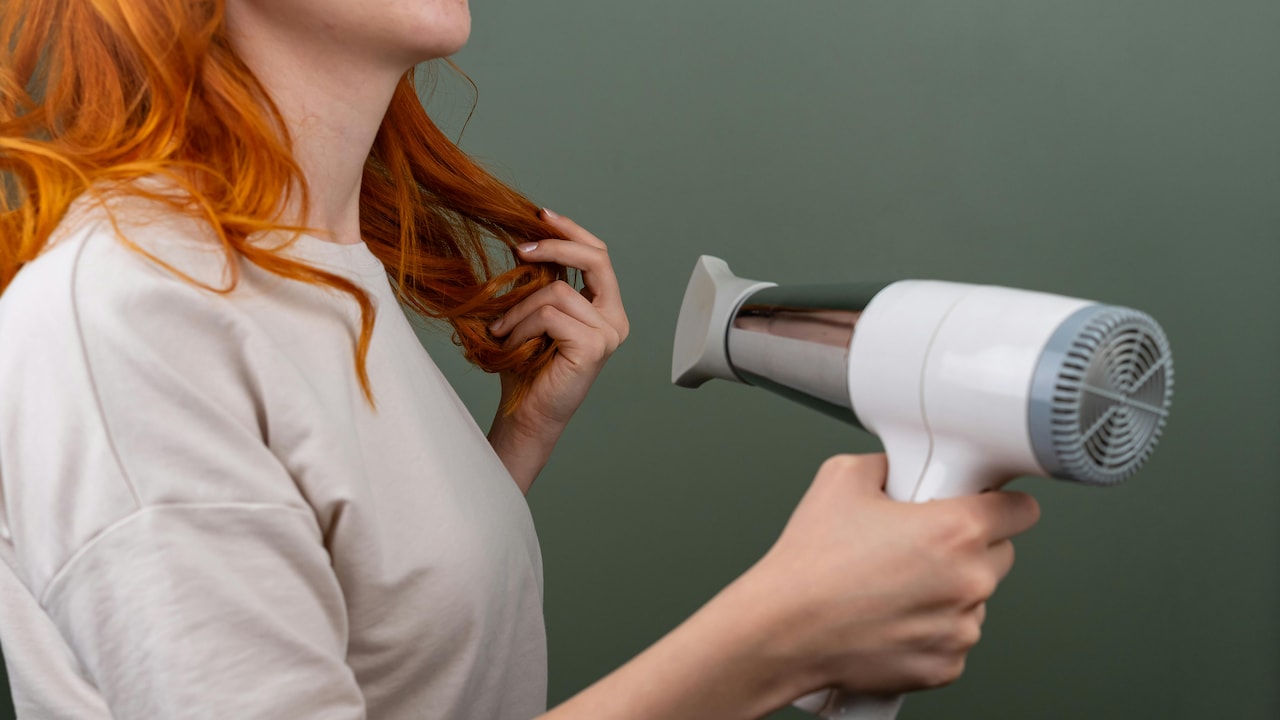
Hair dryer vs diffuser what works better for curly hair; Photo Credit: Pexels
Walk into any electronics shop or browse online, and diffusers appear everywhere. Promises of “defined curls” and “reduced frizz” sound tempting, but do they actually deliver? Or is technique more important than tools?
The answer lies somewhere in between. Hair texture, airflow, heat distribution, and even drying habits all play a role. Understanding how diffusers work, and how they differ from standard dryer nozzles, can change the entire hair game. The following sections break it down in a way that feels practical, not preachy, so thick hair can finally feel less like a chore and more like an asset.
Also Read: Top 5 Hair Dryers for Curly and Frizz-Free Hair Under ₹2000
Key Differences Between Hair Dryers With Diffusers And Without For Frizz Control
Understanding Why Thick Hair Gets Frizzy So Easily
Thick hair might look like a blessing, and it is, but it comes with its own set of challenges. Each strand tends to be coarser and more porous, which means it absorbs moisture from the air quickly. During humid weather, especially in coastal cities, that moisture causes strands to swell and lose shape.
Frizz isn't just about dryness, though. It often stems from uneven moisture levels across the hair shaft. When one part of the strand dries faster than another, it twists and lifts the cuticle, creating that familiar halo of flyaways.
Hair dryers can either worsen or manage this effect. Strong, direct heat strips moisture too quickly, leaving the cuticle rough. On the other hand, controlled airflow allows hair to dry evenly, keeping the cuticle flatter.
That's where the debate begins. A standard dryer nozzle directs heat in a concentrated stream, while a diffuser spreads it out. For thick hair, which already takes longer to dry, the way heat interacts with each strand matters more than most people realise.
What Exactly Does A Diffuser Do?
A diffuser looks like a round attachment with prongs, almost like a shallow bowl. It clips onto the front of a hair dryer and changes how air flows through the hair.
Instead of blasting hot air in one direction, a diffuser disperses it gently across a wider surface area. This reduces the intensity of airflow, which helps maintain the natural shape of curls and waves. For thick hair, this slower, more controlled drying process can make a noticeable difference.
The prongs also lift the hair slightly away from the scalp. This creates space for air to circulate without disturbing the hair pattern too much. It's particularly useful for those who want volume without frizz.
Using a diffuser feels less aggressive. There's no whipping of strands or sudden heat blasts. It's more like a warm breeze rather than a hot gust. For thick hair, which can easily become unruly under strong airflow, that subtle shift can change the outcome entirely.
How Regular Hair Dryers Without Diffusers Behave
A standard hair dryer without a diffuser focuses airflow in a direct, concentrated stream. This design helps speed up drying time, which sounds appealing, especially during rushed mornings.
However, that speed comes at a cost. The strong airflow tends to separate hair strands unevenly. As thick hair dries quickly on the surface but remains damp underneath, it leads to inconsistent texture. Some sections appear smooth, while others puff up.
There's also the issue of heat intensity. Without a diffuser, heat hits specific areas more directly, which can raise the hair cuticle. Once the cuticle lifts, frizz becomes almost inevitable.
That said, regular dryers aren't entirely the villain. With the right technique, such as using a nozzle attachment and directing airflow downward, they can still produce sleek results. Many salons rely on this method for blowouts.
The key difference lies in control. Without a diffuser, the user needs to manage airflow manually. With a diffuser, the tool does much of that work automatically.
The Science Behind Frizz Reduction
Frizz control isn't magic; it's science. The outer layer of each hair strand, called the cuticle, plays a crucial role. When the cuticle lies flat, hair appears smooth and shiny. When it lifts, hair looks rough and frizzy.
Heat and airflow directly affect the cuticle. High, concentrated heat can damage or lift it, especially when hair dries too quickly. On the other hand, gentle heat helps the cuticle settle smoothly.
Diffusers excel in this area because they reduce airflow speed. This prevents the hair from being tossed around, which keeps the cuticle aligned. The slower drying process also allows moisture to distribute evenly.
Regular dryers can achieve similar results, but only with careful technique. Without that, the risk of uneven drying increases.
For thick hair, which already takes longer to dry, maintaining consistent moisture levels becomes essential. A diffuser naturally supports this balance, making it a strong contender for frizz control.
Drying Time: Faster Or Better?
Time often dictates hair routines. On busy mornings, the quickest option usually wins. Regular hair dryers without diffusers clearly have the advantage here. They can cut drying time significantly, especially for dense hair.
However, faster doesn't always mean better. Quick drying can leave hair partially damp beneath the surface, leading to frizz later in the day. It may look fine initially but loses shape as time passes.
Diffusers, by contrast, take longer. The airflow is gentler, and the process feels slower. Yet, the results often last longer. Hair dries more evenly, which helps maintain its texture throughout the day.
It's a classic trade-off. Speed versus longevity. For those who can spare a few extra minutes, diffusers often reward patience with smoother, more controlled hair.
In situations where time is limited, combining both methods, starting with a regular dryer and finishing with a diffuser, can offer a balanced approach.
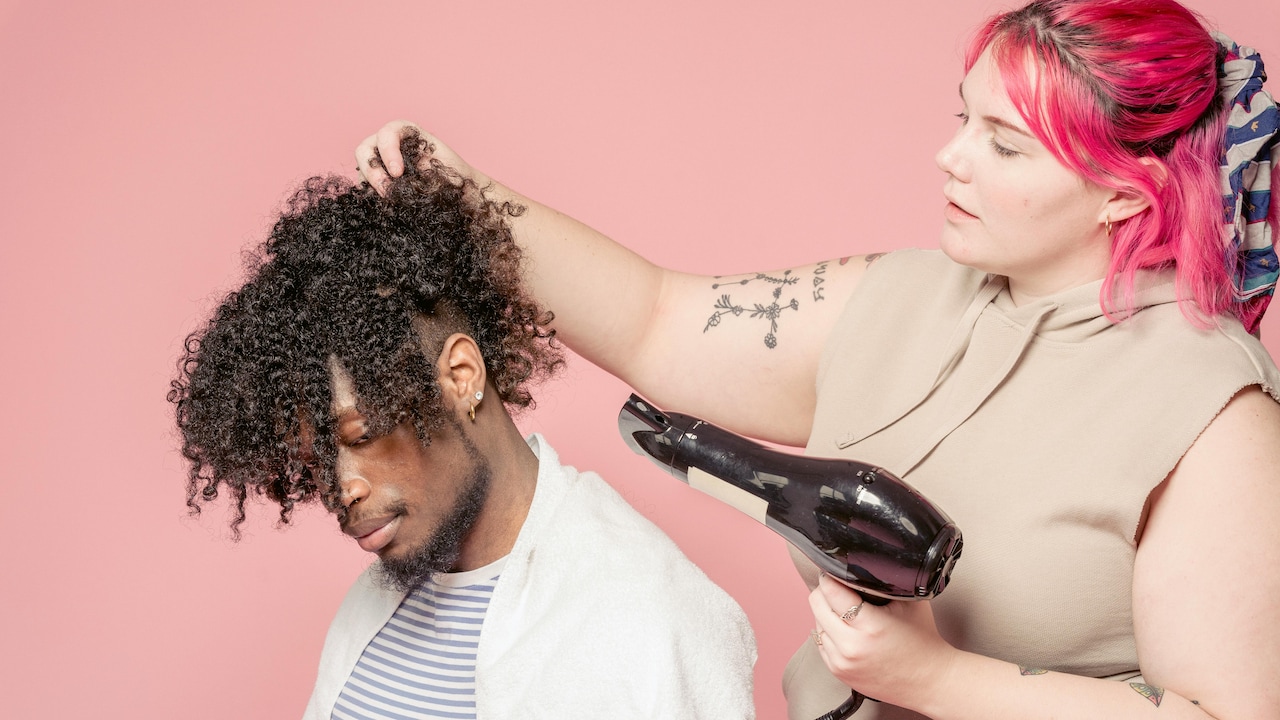
Diffuser takes longer than hair dryers and can be more gentle on curly hair; Photo Credit: Pexels
Impact On Natural Texture And Volume
Thick hair often comes with natural waves or curls. Preserving that texture can be tricky when using heat tools. Regular dryers tend to disrupt natural patterns, especially when airflow is strong.
Hair gets stretched, pulled, and reshaped in unintended ways. This leads to a loss of definition and an increase in frizz. It's the reason many people end up with hair that looks both straight and puffy at the same time.
Diffusers shine in this area. They support natural texture rather than fighting it. By cradling the hair and drying it gently, they help curls and waves form more clearly.
Volume also behaves differently. Regular dryers create volume through force, lifting hair with strong airflow. Diffusers create volume more naturally, allowing hair to expand without disruption.
For thick hair, which already has plenty of body, this softer approach often looks more polished and less chaotic.
Heat Damage And Long-Term Hair Health
Repeated exposure to high heat can weaken hair over time. Thick hair might feel resilient, but it isn't immune to damage. Split ends, dryness, and dullness can creep in slowly.
Regular dryers, when used on high heat, can accelerate this process. The direct exposure can strip moisture quickly, leaving hair brittle.
Diffusers reduce this risk by distributing heat more evenly. The lower intensity allows hair to retain some of its natural moisture. Over time, this can lead to healthier-looking strands.
That doesn't mean diffusers eliminate damage entirely. Heat is still involved. However, the gentler approach makes a noticeable difference in the long run.
Pairing either method with a heat protectant is essential. It acts as a shield, reducing the impact of high temperatures and keeping hair healthier.
Ease Of Use And Everyday Practicality
Convenience matters. Not everyone has the patience to master complex techniques before stepping out.
Regular dryers are straightforward. Point, switch on, and dry. They require minimal effort, making them ideal for quick routines.
Diffusers need a bit more involvement. Hair often needs to be placed into the diffuser bowl and lifted gently towards the scalp. The process can feel unfamiliar at first, especially for beginners.
However, once the technique becomes second nature, it feels almost therapeutic. The slower pace can turn a rushed routine into a more relaxed experience.
Cost also plays a role. Many dryers come with diffusers included, but higher-quality ones can cost anywhere between ₹1,500 and ₹5,000 or more. Still, considering the long-term benefits, many find it a worthwhile investment.
Weather And Environment Make A Difference
Climate plays a bigger role in hair behaviour than most people expect. In humid conditions, even the best styling techniques can struggle.
Regular dryers often exacerbate the problem by roughing up the hair cuticle. Once exposed to humidity, frizz returns quickly.
Diffusers, by promoting even drying, help hair resist moisture better. The smoother cuticle acts as a barrier, reducing the impact of humidity.
In drier regions, the difference might feel less dramatic. Both methods can work well, provided heat settings are controlled.
Adapting the drying method based on weather can improve results significantly. During monsoon months, a diffuser often becomes the preferred choice for maintaining control over thick hair.
So, Which One Actually Reduces Frizz?
The answer isn't as simple as picking one over the other. Both tools have their strengths, but diffusers generally offer better frizz control for thick hair.
They create a balanced environment where heat and airflow work together gently. This helps maintain the hair's natural structure while reducing disruption.
Regular dryers can still achieve smooth results, but they demand more precision. Without careful handling, they can easily lead to frizz.
For everyday use, especially in humid conditions, diffusers tend to provide more consistent outcomes. They may take longer, but the payoff is noticeable.
Ultimately, the best choice depends on lifestyle, patience, and hair goals. For those prioritising smoothness and definition, diffusers often come out ahead.
Products Related To This Article
1. AGARO HD-1120 2000W AC Professional Hair Dryer with Comb
2. Havells 1000W Foldable Hair Dryer | 2 Heat Settings
3. BEARDO Studio Professional Tornado Hair Dryer With 2000 Watts Power
4. Pigeon Hair Dryer| 1000 Watts| 2 Speed & Temperature
5. Winston Turbo Smart Hair Dryer 2200W for Men and Women with Diffuser
6. Philips India's No.1 Hair Styling Brand -Hair Dryer 1000W
7. Havells Styling Hair Dryer | Hypersonic Motor
Thick hair doesn't have to feel like a daily struggle. The right tools and techniques can turn it into a defining feature rather than a source of frustration.
Diffusers bring a gentler approach to drying, one that respects the natural behaviour of hair. They reduce frizz, enhance texture, and promote healthier strands over time. Regular hair dryers, while faster, require a bit more skill to achieve similar results.
There's no one-size-fits-all solution, but understanding how each method works makes the choice easier. Sometimes, the difference between a frizzy day and a good hair day comes down to something as simple as an attachment.
In the end, it's less about perfection and more about finding a routine that feels manageable, and leaves hair looking just the way it should: full, smooth, and effortlessly under control.
(Disclaimer: This article may include references to or features of products and services made available through affiliate marketing campaigns. NDTV Convergence Limited (“NDTV”) strives to maintain editorial independence while participating in such campaigns. NDTV does not assume responsibility for the performance or claims of any featured products or services.)