Can Robot Vacuums Handle Indian Dust Properly? What Buyers Usually Learn Too Late
Robot vacuums promise effortless cleaning, but fine dust, clutter, and daily mess often expose their limits. Here’s what buyers usually realise only after spending ₹15,000 or more.
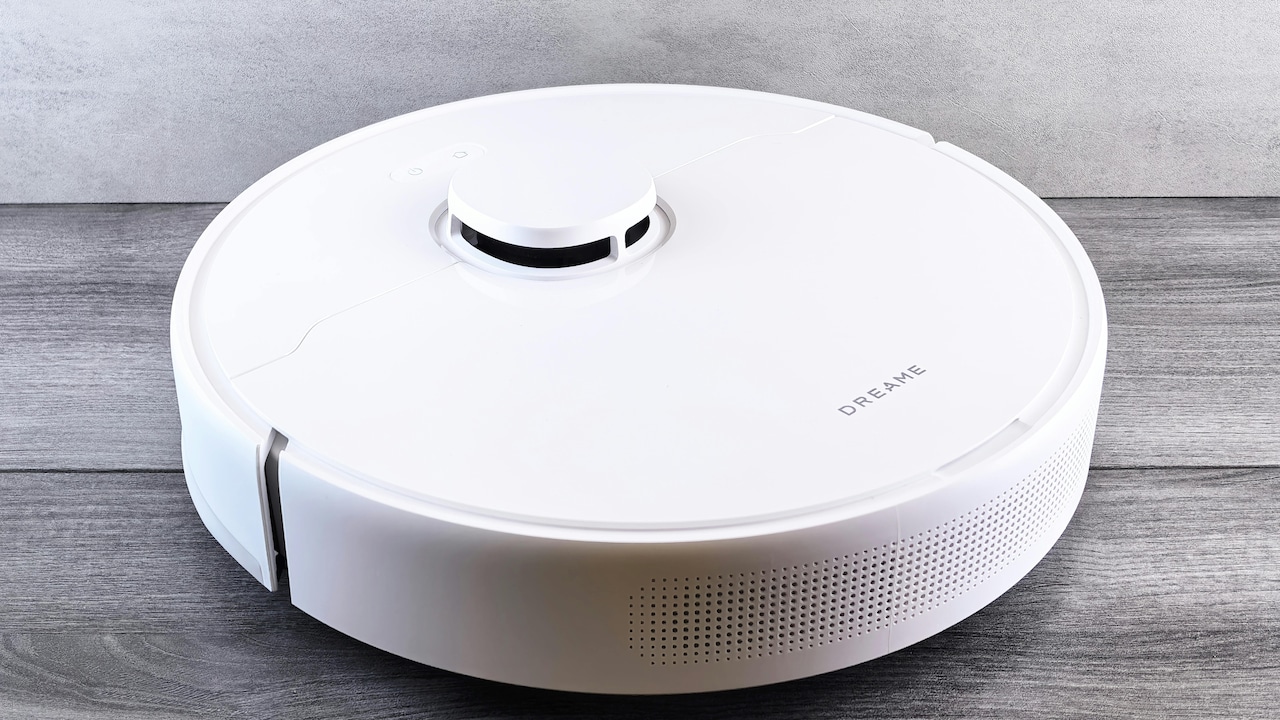
Thinking Of Buying A Robot Vacuum? Hidden Drawbacks Buyers Notice Later
The idea feels irresistible. A small, quiet machine glides across the floor, collecting dust while life carries on uninterrupted. No bending, no sweeping, no nagging thoughts about chores piling up. Just tap a button, or better yet, set a schedule, and let the robot do the rest.
But homes here are not showroom floors. They deal with a mix of fine dust, open windows, footwear habits, and the occasional trail of crumbs from a hurried snack. Add in hair, uneven surfaces, and furniture that seems designed to confuse machines, and things start to look less effortless.
Robot vacuums have improved massively over the years. Smarter navigation, better suction, app controls, and even voice assistants. Yet, beneath all that technology lies a simple question: can they actually handle the kind of dust that settles every single day?
Many buyers only find the answer after the purchase, when expectations meet reality. And that gap can feel surprisingly wide.
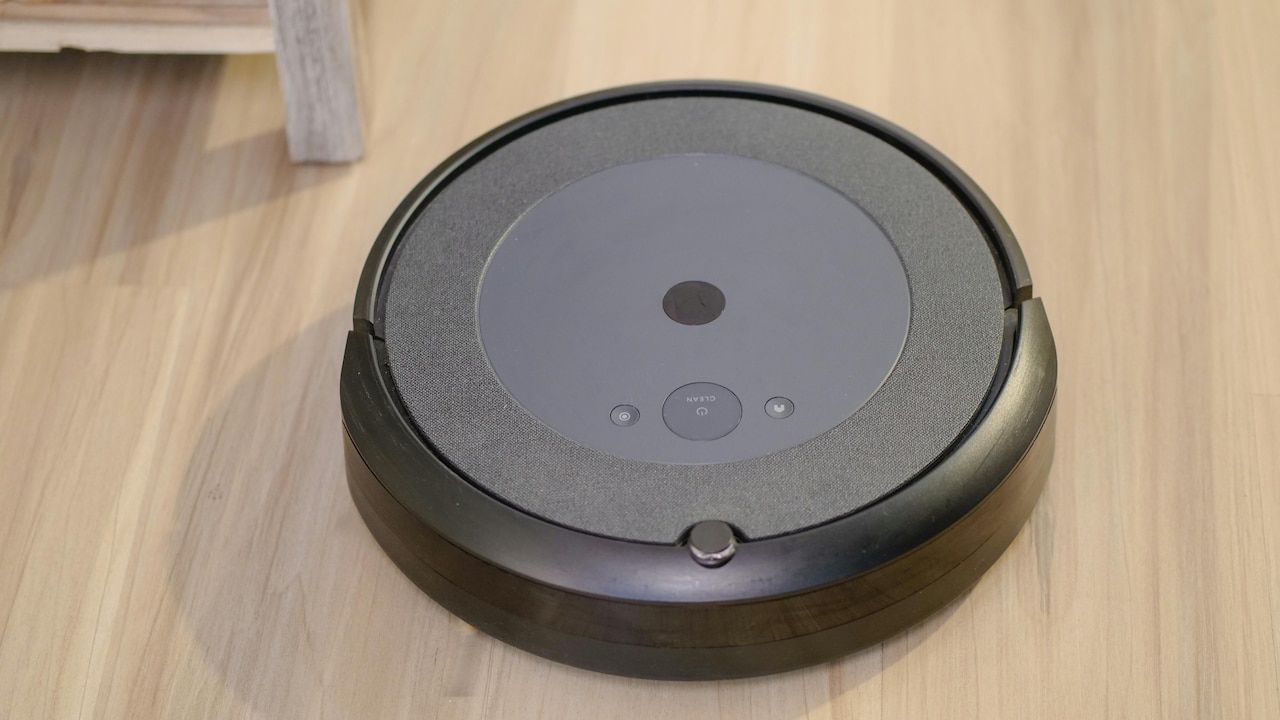
Can Robot Vacuums Handle Indian Dust Properly? What Buyers Usually Learn Too Late
Photo Credit: Pexels
What Most Buyers Only Realise After Bringing One Home
The Reality Of Fine Dust That Settles Everywhere
Dust in local homes has a personality of its own. It is not just visible dirt or large debris that one can sweep away in seconds. Instead, it often appears as a fine, almost powdery layer that quietly settles on every surface, including floors. Robot vacuums, especially entry-level ones, tend to struggle with this type of dust because it requires consistent suction and proper filtration.
Many buyers expect the machine to leave floors completely spotless after one run. What often happens instead is a decent first pass, followed by a faint layer that still lingers. This happens because fine particles slip past weaker suction systems or get redistributed rather than fully captured. The result feels underwhelming, especially when compared to manual sweeping, which tends to gather everything in one go.
Over time, this becomes a pattern. The robot keeps things under control but rarely achieves that deep-clean satisfaction. For households that deal with heavy dust accumulation, this can feel like a compromise rather than a solution. Expectations shift from “replacement” to “maintenance tool” quite quickly.
Floors That Are Not Exactly Robot-Friendly
Most promotional videos show smooth, clutter-free floors. Reality looks quite different. Many homes feature uneven tiles, small thresholds between rooms, rugs with raised edges, or even slightly sloped surfaces. These seemingly minor details can disrupt a robot vacuum's movement.
When a robot encounters uneven flooring, it may slow down, skip certain areas, or repeatedly attempt to cross the same spot. Rugs can become barriers rather than surfaces to clean. Some machines climb them easily, while others hesitate or get stuck halfway, leading to incomplete cleaning.
Buyers often assume advanced navigation will solve everything. In truth, physical limitations still matter. Wheels can only do so much when surfaces vary. Over time, this results in patches of uncleaned space that require manual intervention.
The realisation usually comes after a few weeks of use. Instead of fully automated cleaning, there is still a need to guide the robot or adjust the environment. Furniture rearrangement becomes a habit, not a one-time effort.
The Challenge Of Corners And Edges
Corners have always been the weak spot of automated cleaning. Robot vacuums, by design, are round. That shape helps them move easily, but it creates a gap when it comes to reaching tight edges.
Most models include side brushes to sweep dust from corners into the main suction path. While this works to an extent, it rarely delivers a perfectly clean edge. Fine dust tends to accumulate in corners, especially in rooms with frequent airflow from windows or fans.
Over time, these untouched areas become noticeable. A quick glance reveals clean centre floors but dusty edges, creating a contrast that feels incomplete. Buyers often end up using a handheld broom or vacuum to fix these spots.
This dual approach defeats the initial promise of total automation. The robot handles the bulk of cleaning, but the finishing touches still demand manual effort. For some, this is acceptable. For others, it feels like an unexpected limitation.
Also Read: Best Vacuum Cleaners To Simplify Everyday Home Cleaning
Furniture: The Silent Complication
Furniture adds another layer of complexity. Beds, sofas, chairs, and tables create obstacles that the robot must navigate around or under. While many models claim to map rooms intelligently, real-life layouts often challenge these systems.
Low-clearance furniture can block access entirely. The robot either avoids those areas or gets stuck trying to squeeze underneath. Dining chairs, especially when not neatly arranged, can confuse navigation patterns, leading to missed spots.
Over time, buyers learn to “prepare” the house before each cleaning cycle. Chairs get lifted, cables get tucked away, and small objects are cleared from the floor. This preparation reduces the convenience factor significantly.
Instead of pressing a button and walking away, there is a routine involved. It is not difficult, but it is not effortless either. The dream of a hands-free cleaning system slowly evolves into a semi-managed process.
Hair And Debris That Tangle Easily
Hair, whether from family members or pets, presents a unique challenge. It tends to wrap around brushes and rollers, reducing efficiency over time. Robot vacuums can pick up hair effectively during a session, but the maintenance that follows often surprises new users.
Brushes need regular cleaning. If ignored, performance drops noticeably. The robot may still run, but suction becomes less effective, and debris starts to accumulate rather than disappear.
Buyers often underestimate this upkeep. The expectation is minimal involvement, but the reality includes periodic cleaning sessions that take a few minutes each time. It is not a deal-breaker, but it adds to the overall effort required.
In homes with heavy hair shedding, this maintenance becomes more frequent. What seemed like a time-saving device starts to demand its own share of attention.
Dustbins That Fill Faster Than Expected
Robot vacuums come with compact dustbins. This makes sense for their size, but it also means frequent emptying. In environments with high dust levels, these bins can fill up after just one or two cleaning cycles.
Many buyers expect to empty the bin once every few days. Instead, they find themselves doing it almost daily. Ignoring this step leads to reduced suction and poorer cleaning results.
Some premium models offer self-emptying stations, but these come at a higher price point, often above ₹40,000. For most buyers, this feature remains out of reach, making manual emptying a regular chore.
The process itself is simple, but it breaks the illusion of complete automation. The robot can clean independently, but it still depends on human intervention to stay effective.
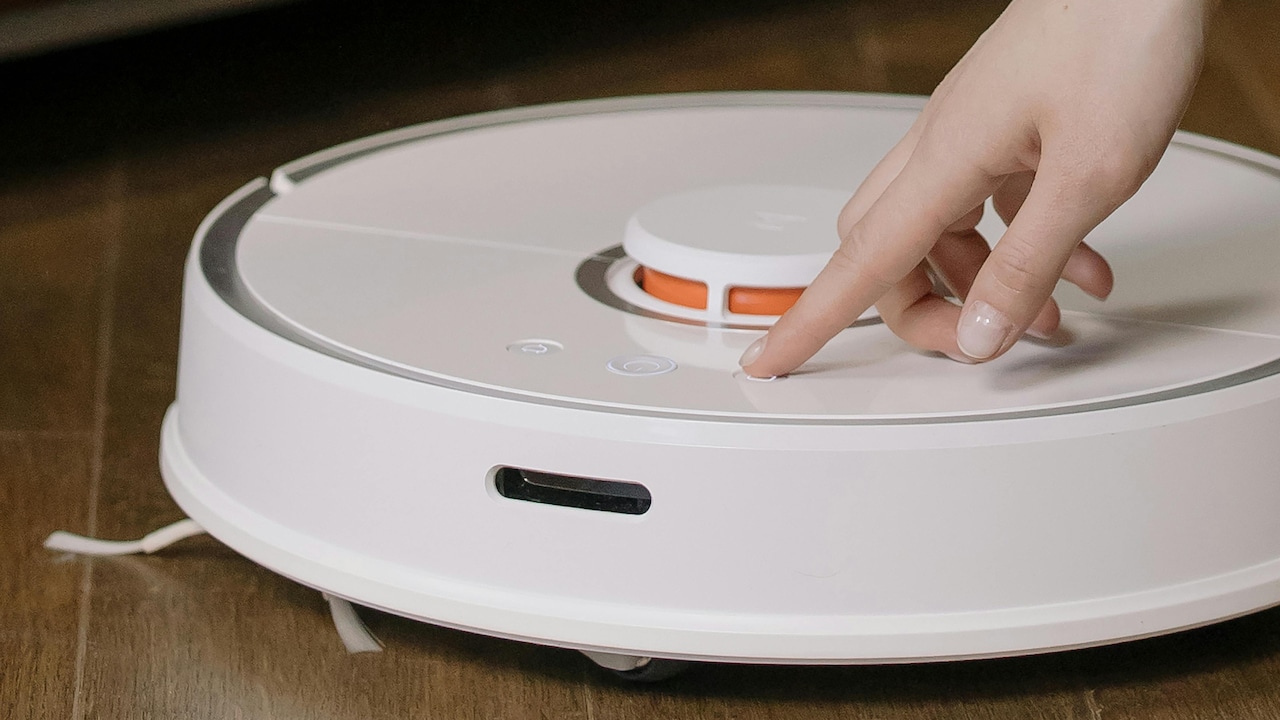
Can Robot Vacuums Handle Indian Dust Properly? What Buyers Usually Learn Too Late
Photo Credit: Pexels
Mopping Features That Feel Underwhelming
Many robot vacuums now include mopping functions, promising a two-in-one solution. On paper, this sounds ideal. In practice, the results can feel modest.
The mopping feature usually involves a damp cloth dragged across the floor. It works well for light cleaning and removing surface dust, but it struggles with stains or sticky spots. Unlike manual mopping, it lacks pressure and precision.
Buyers often expect a freshly mopped finish. What they get instead is a mild refresh. It helps maintain cleanliness but does not replace traditional mopping entirely.
This becomes clear after a few uses. The robot keeps floors tidy, but periodic manual mopping remains necessary. The convenience is real, but it comes with limitations that are easy to overlook during the buying stage.
Navigation That Is Smart But Not Perfect
Modern robot vacuums use sensors and mapping technology to navigate homes. They create layouts, avoid obstacles, and plan efficient cleaning paths. While impressive, these systems are not flawless.
Occasional glitches occur. The robot may miss a room, repeat certain areas, or get confused by sudden changes in layout. Moving furniture, leaving doors partially closed, or introducing new objects can disrupt its understanding of the space.
Buyers often expect flawless consistency. Instead, they encounter small inconsistencies that require manual correction. Restarting a cycle or guiding the robot becomes part of the experience.
Despite these hiccups, navigation technology continues to improve. However, the expectation of perfection often leads to disappointment. Accepting minor imperfections makes the experience far more satisfying.
Noise Levels And Daily Disruptions
Robot vacuums are quieter than traditional vacuums, but they are not silent. The sound can become noticeable, especially in smaller homes or during quiet hours.
Running the robot during the day works well for many households. However, scheduled cleaning during early mornings or late evenings can feel intrusive. The hum of the motor and movement across floors can disrupt sleep or concentration.
Buyers often plan to run the robot while away. This works in theory, but real-life schedules do not always align perfectly. Unexpected returns home or changes in routine can make the noise more noticeable.
Over time, households adjust by choosing specific cleaning times. The robot becomes part of the daily rhythm, but it is not entirely invisible or silent.
Cost Versus Long-Term Value
The price of robot vacuums ranges widely, from around ₹10,000 to well above ₹50,000. Buyers often justify the expense by expecting significant time savings and convenience.
The value depends heavily on expectations. Those who see the robot as a helper tend to feel satisfied. It reduces daily effort and keeps floors consistently clean. However, those expecting a complete replacement for manual cleaning often feel let down.
Maintenance, occasional troubleshooting, and supplementary cleaning all play a role in the overall experience. The robot adds convenience, but it does not eliminate effort entirely.
Over time, the perception of value stabilises. The device becomes a useful tool rather than a magical solution. Understanding this distinction before buying can prevent disappointment later.
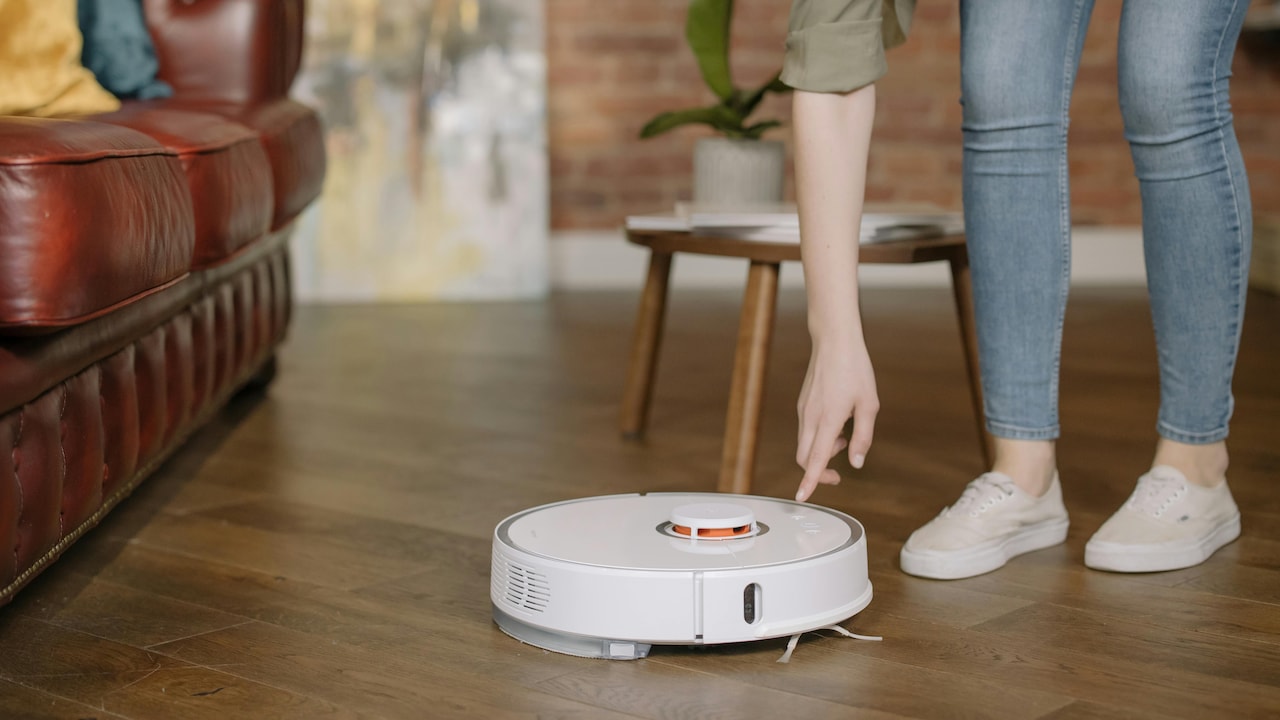
Can Robot Vacuums Handle Indian Dust Properly? What Buyers Usually Learn Too Late
Photo Credit: Pexels
Products Related To This Article
1. ECOVACS DEEBOT N30 White 2 in 1 Robot Vacuum Cleaner & Mop, 2025 New Launch
2. DREAME D20 Ultra Robot Vacuum Cleaner
3. ILIFE V20 Robot Vacuum Cleaner with SoF Laser Navigation
4. Eureka Forbes SmartClean Home Mapping Turbo
5. NARWAL Freo X Ultra Robot Vacuum & Mop Combo
Robot vacuums bring a certain charm to daily life. They move quietly, handle routine cleaning, and offer a glimpse of a more automated future. For many homes, they genuinely reduce effort and keep floors looking presentable.
Yet, they are not miracle workers. Fine dust, uneven surfaces, furniture layouts, and daily wear all challenge their capabilities. What buyers often learn too late is that these machines excel at maintenance, not perfection.
The lies in balanced expectations. Treat the robot as a reliable assistant rather than a replacement for traditional cleaning. Use it to maintain cleanliness, not to achieve it entirely on its own.
With that mindset, the experience shifts. Instead of frustration, there is appreciation. The robot does its part, and the home stays cleaner with less effort overall.
And perhaps that is the real promise, not spotless floors every single time, but one less chore to worry about on a busy day.
(Disclaimer: This article may include references to or features of products and services made available through affiliate marketing campaigns. NDTV Convergence Limited (“NDTV”) strives to maintain editorial independence while participating in such campaigns. NDTV does not assume responsibility for the performance or claims of any featured products or services.)