Garment Steamer Vs. Iron Which Is Best For Wrinkle Removal Without Damaging Fabrics
Garment steamer or iron? Here's everything you need to know about efficacy, handling of delicate fabrics and quality of finish. This guide will help you choose the right appliance for crisp, damage-free clothes.
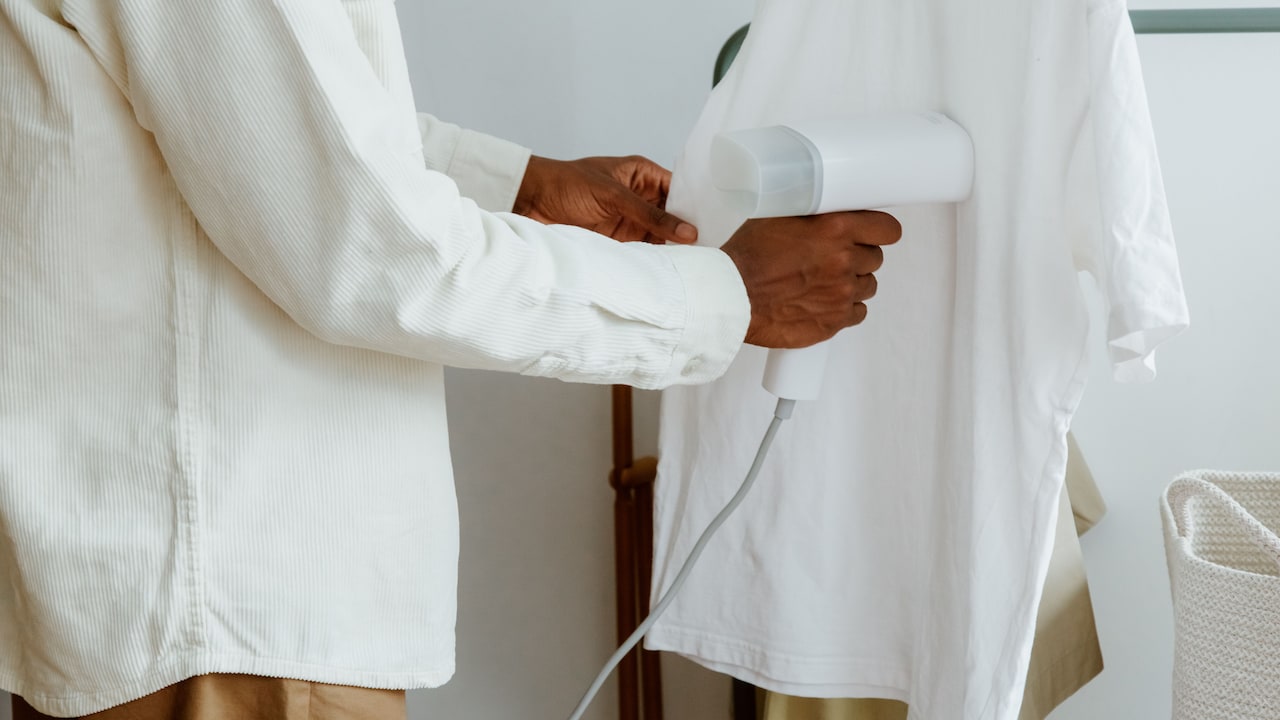
Consider Fabric, Finish, Delicacy, And More When Choosing Between An Iron And A Fabric Steamer
Wrinkles have a strange sense of timing. They appear on the white shirt right before a meeting, across a linen kurta before a festive dinner, and along the pleats of a saree when everyone else seems ready to leave. At that moment, the question becomes simple: should the iron come out, or will the garment steamer save the day? For years, the iron ruled homes with full authority. It sat on the ironing table, heavy and dependable, flattening collars, cuffs, uniforms, and cotton sarees. Then came garment steamers, promising quick results without the drama of scorch marks, shiny patches, or stubborn fold lines. They looked modern, light, and almost too easy.
Garment Steamer Vs Iron: Which One Fixes Wrinkles Without Damaging Fabric?
Photo Credit: Pexels
Yet convenience alone cannot win the fabric-care battle. Some clothes need firm pressure. Others need a soft cloud of steam. A blazer may love the steamer, while a cotton shirt may demand the iron. A silk dupatta may forgive steam but punish direct heat.
The real winner depends on fabric, wrinkle type, time, and technique. Let's settle the steamer versus iron debate with everyday sense, not showroom excitement.
Key Differences Between A Garment Steamer And An Iron
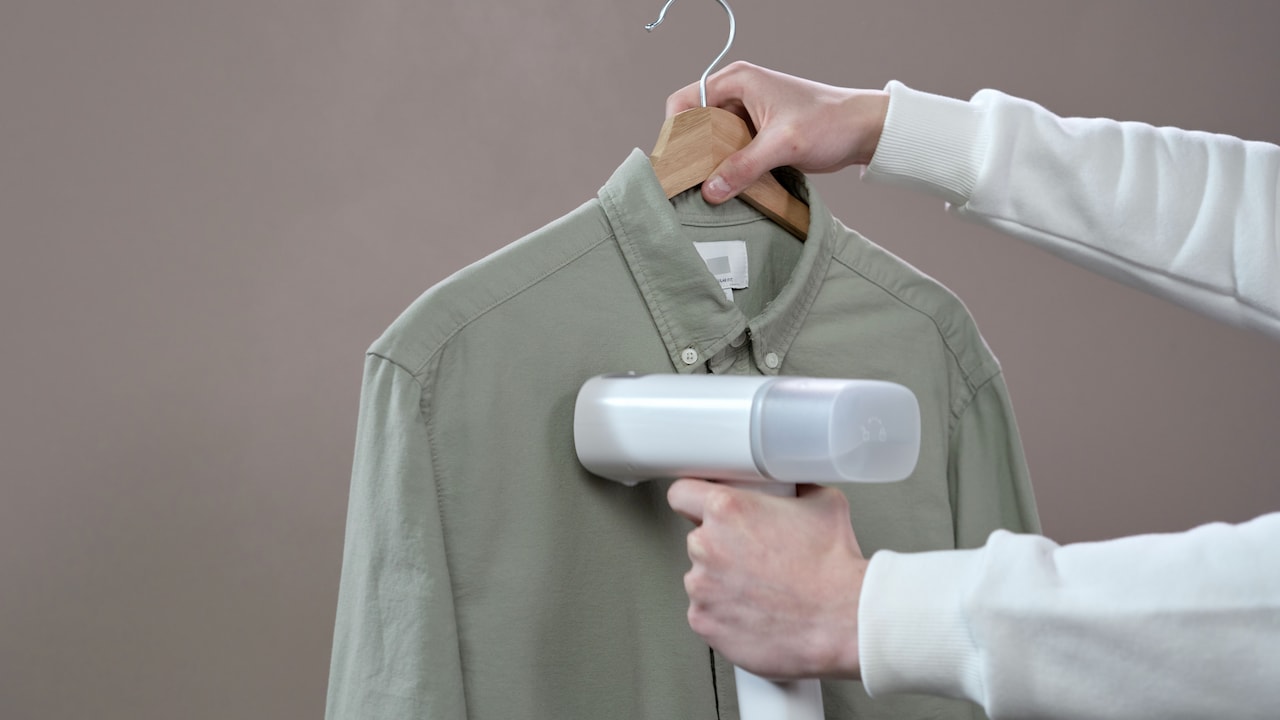
How A Garment Steamer Works On Wrinkles
A garment steamer relaxes fabric fibres with hot steam. It does not press the cloth flat. Instead, it loosens wrinkles so the garment falls more naturally. Think of it as coaxing the fabric into behaving rather than forcing it into discipline.
This gentle method suits clothes that do not enjoy direct contact with heat. Silk, georgette, chiffon, velvet, embellished blouses, and delicate dupattas often respond well to steam. The steamer hovers near the garment, so there is less risk of burning, crushing embroidery, or creating those odd shiny patches that make dark trousers look tired.
Steamers also refresh clothes that have been sitting in a cupboard. A kurta worn once for two hours may not need washing, but it may need life. A few passes with steam can remove light creases and faint odours. That makes steamers useful during wedding season, when outfits move from suitcase to hanger to function with barely a pause.
However, steamers do not create sharp lines. They soften. They do not sculpt. For crisp collars or knife-like pleats, they may feel too polite.
How An Iron Works On Wrinkles
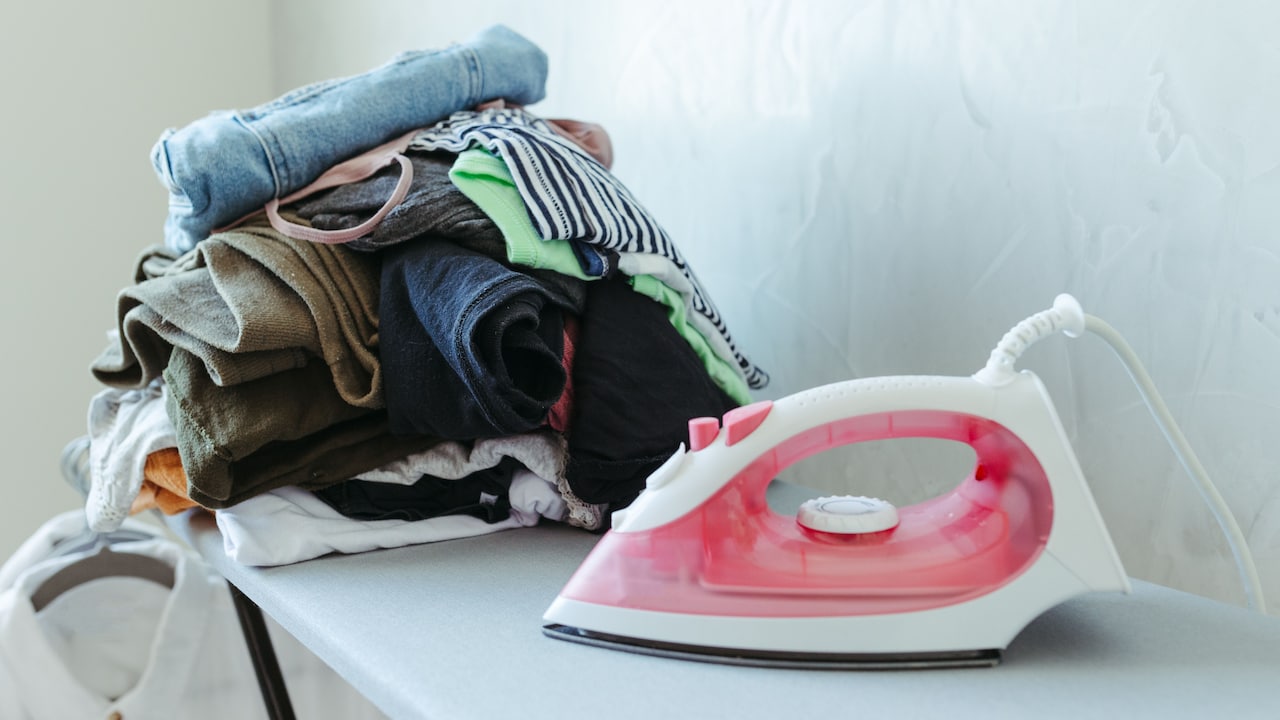
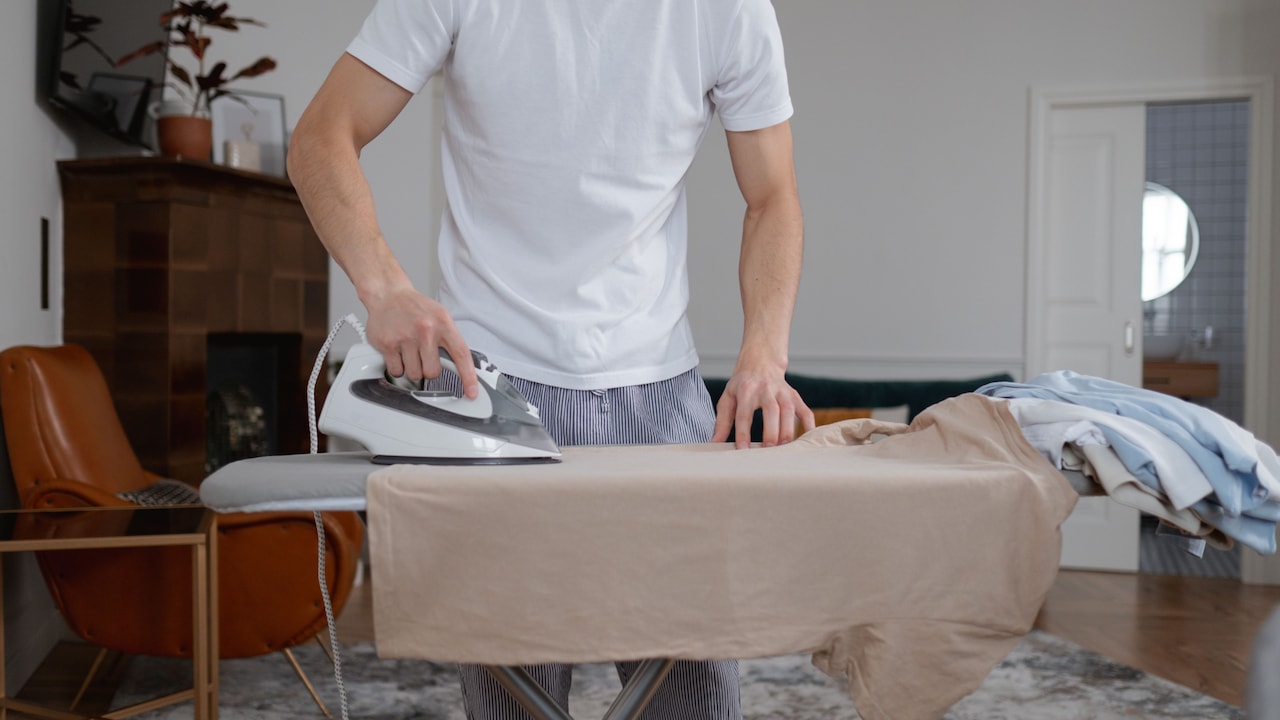
An iron uses heat, weight, and pressure to flatten fabric. It gives structure. It tells wrinkles to leave, not negotiate. That is why it remains the old champion for cotton shirts, school uniforms, formal trousers, bedsheets, saree pleats, and office wear.
The iron's biggest strength lies in control. You can press collars into shape, sharpen trouser creases, smooth button plackets, and make cotton kurtas look freshly tailored. A good steam iron also adds moisture, which helps tackle stubborn wrinkles without needing too much effort.
Yet this power comes with responsibility. Too much heat can damage fabric. A distracted moment can leave a brown mark on a pale shirt. Synthetic materials may melt or lose shape. Dark fabrics may develop shine when pressed too hard. Even a beloved silk saree can suffer if the iron touches it at the wrong temperature.
The iron works best when handled with care. Temperature settings matter. A pressing cloth helps. So does patience. Used well, an iron delivers a polished finish no steamer can fully match. Used carelessly, it can turn a wardrobe favourite into a cautionary tale.
Which Is Safer For Delicate Fabrics
For delicate fabrics, the garment steamer usually feels safer. It avoids direct contact, so it reduces the risk of burns, flattened texture, and heat marks. Fabrics such as silk, organza, chiffon, crepe, georgette, satin, and velvet often prefer steam because it treats them kindly.
This matters when clothes include zari, sequins, mirror work, beads, lace, or fine embroidery. Direct ironing can crush details or loosen embellishments. A steamer, used from a sensible distance, can freshen such outfits without making the surface look tired. Many festive garments survive better with steam than with a hot metal plate.
That said, steam is not magic. Water droplets can stain some fabrics, especially certain silks. A steamer that spits water instead of giving steady vapour can create trouble. Testing in a hidden area always helps. The garment should also hang freely, not cling to a damp wall or door.
Quick Takeaway: An iron can still work on delicate fabrics when set to low heat and used with a cotton cloth between the plate and garment. But for quick, gentle wrinkle removal, the steamer wins this round with quiet confidence.
Also Read: Top Facial Steamers For Deep Cleansing And Home Spa Treatments
Which Gives A Crisper Finish
The iron wins when crispness matters. No garment steamer can truly replace the firm finish of a well-used iron on cotton, linen, or formal wear. A shirt collar needs pressure. So do cuffs, trouser lines, pleats, and neatly folded hems. Steam alone may relax wrinkles, but it cannot deliver that freshly pressed look.
This difference becomes clear with office clothes. A steamed shirt may look acceptable for a video call or a casual workday. But for an interview, presentation, or formal event, ironing gives sharper results. Cotton kurtas also look smarter when ironed, especially around the neckline, sleeves, and side seams.
Linen sits somewhere in between. It wrinkles easily and almost proudly, as if creases are part of its personality. A steamer can soften linen wrinkles, but an iron gives a cleaner look. Of course, linen will crease again before the auto reaches the main road, but that is a separate tragedy.
For saree pleats, an iron has a clear edge. It folds neatly and gives structure. A steamer may freshen the drape, but it will not create those disciplined pleats that sit properly at the waist.
Which Works Faster In Daily Life
A garment steamer often feels faster for last-minute use. There is no ironing board to drag out, no perfect flat surface to find, and no need to flip the garment repeatedly. Hang the clothing, fill the water, switch on the machine, and steam the visible wrinkles. For busy mornings, this convenience can feel like a blessing.
Steamers shine when clothes only have light creases. A T-shirt, casual kurta, dress, blouse, or dupatta can look presentable within minutes. They also help when garments have tricky cuts, frills, gathers, or layers. Instead of wrestling with sleeves and seams, you simply move the nozzle along the fabric.
However, irons can be faster for heavy wrinkles. A badly crumpled cotton shirt may take longer with a steamer because steam relaxes fibres slowly. An iron presses them flat in fewer passes. For a stack of clothes, ironing may still prove more efficient, especially when someone at home has mastered the rhythm.
Quick Takeaway: So speed depends on the task. For one lightly wrinkled outfit, the steamer feels quicker. For a pile of cotton clothes after laundry day, the iron still behaves like the sensible elder in the room.
Garment Steamer Vs Iron: Which One Fixes Wrinkles Without Damaging Fabric?
Photo Credit: Pexels
Which Is Better For Sarees, Kurtas, And Festive Wear
Wardrobes here often mix daily cottons with delicate festive pieces, and that makes the choice more interesting. For cotton sarees, crisp kurtas, linen shirts, and formal trousers, the iron remains the dependable choice. It gives clean folds, sharp edges, and a neat finish that suits traditional and formal dressing.
For silk sarees, embroidered lehengas, sequinned blouses, anarkalis, sherwanis, and delicate dupattas, the steamer becomes more useful. It removes soft wrinkles without pressing down the fabric. This keeps volume, texture, and detailing intact. A heavily embroidered outfit should never face aggressive ironing unless handled by someone who knows the fabric well.
Festive wear also spends time folded in trunks, suitcases, or garment bags. A steamer can revive these clothes before an event without sending them to a dry cleaner every time. That saves effort and, over time, money. A basic handheld steamer may cost around ₹1,200 to ₹3,000, while sturdier standing models can go higher.
Still, some garments need both. A saree may need ironing for pleats and steaming for the pallu. That combination often gives the best result.
Which Is Easier For Beginners
A steamer feels friendlier for beginners. It forgives small mistakes. Since it does not press directly on fabric, the chance of scorching clothes drops. Someone nervous about ruining silk, satin, or a formal blazer may feel more relaxed using steam.
The learning curve is simple. Hang the garment, pull the fabric slightly taut, and move the steamer slowly from top to bottom. The trick lies in patience. Rushing makes the steam less effective. Holding the nozzle too close may dampen fabric. Holding it too far may do almost nothing. Still, most people learn the basics quickly.
An iron demands more judgement. Temperature settings, fabric labels, pressure, direction, and surface all matter. Cotton needs higher heat. Polyester needs lower heat. Silk asks for care. Dark clothes may need ironing inside out. One mistake can leave a permanent mark.
Yet ironing becomes easy with practice. Many homes have at least one person who can iron a shirt with the precision of a professional. For beginners, though, steamers reduce anxiety. They are less intimidating, especially for expensive outfits that make people hold their breath while pressing.
Which Handles Tough Wrinkles Better
The iron handles tough wrinkles better. Deep creases need heat plus pressure, and that is exactly what an iron provides. Cotton shirts left in the washing machine too long, trousers folded under a heavy suitcase, or bedsheets dried in a tight bundle usually need firm pressing.
A garment steamer may improve such wrinkles, but it may not remove them fully. It works best when creases are light to moderate. On thick cotton, denim, heavy linen, or stiff uniforms, steam alone can feel underpowered. You may keep steaming the same patch while the wrinkle stares back like an unpaid bill.
Steam irons offer a useful middle path. They combine moisture and pressure, making them strong against stubborn creases. Spraying a little water before ironing can also help cotton and linen behave better. This old trick still works beautifully.
The steamer has one advantage with awkward garments. It can reach areas that are hard to iron, such as gathered sleeves, pleated skirts, ruffles, and jackets. But when wrinkles turn deep and stubborn, the iron delivers stronger results. It may not be trendy, but it gets the job done.
Which Protects Fabric Over The Long Term
Fabric damage usually comes from excessive heat, repeated friction, wrong temperature, or poor technique. A steamer reduces some of these risks because it uses vapour instead of direct pressure. Over time, delicate garments may last better when steamed rather than ironed aggressively.
This matters for clothes with texture. Velvet, wool blends, embroidered panels, and fine silks can lose their character under a hot iron. Steam helps preserve their natural fall. It also avoids hard crease lines where the fabric never wanted them.
However, frequent steaming can leave moisture in clothes. If garments go back into the cupboard while damp, they may develop odour or mildew, especially during humid months. Let steamed clothes dry fully before storing them. This small habit protects both fabric and wardrobe.
Irons can also protect clothes when used correctly. The right setting, a clean soleplate, and a pressing cloth make a big difference. Problems begin when people iron everything at one high temperature because breakfast is getting cold and the cab has arrived.
For long-term care, neither tool is harmful by nature. The user decides the damage.
Which One Saves Space, Money, And Effort
Space matters, especially in flats where every shelf already has pressure cooker lids, winter blankets, and mystery wires. A handheld garment steamer takes less room than an iron plus ironing board. It can sit in a cupboard and come out when needed. For students, paying guests, and frequent travellers, that compact size helps.
An iron, however, often costs less. Basic dry irons can cost under ₹1,000, while steam irons usually sit around ₹1,000 to ₹3,500. Garment steamers vary widely. Handheld models may fit a modest budget, but standing steamers need more space and money.
Effort depends on lifestyle. Someone who wears formal cotton shirts daily may find ironing more practical. Someone who wears dresses, delicate kurtas, soft tops, and festive garments may prefer steaming. Families with school uniforms, sarees, and office wear may need to iron more often.
Electricity use varies by model and duration, but neither tool should run endlessly. A steamer used for one outfit can save effort. An iron used for a weekly stack can save time. The better value comes from the tool that matches the clothes worn most often.
Which Should You Choose For Your Wardrobe
The best choice starts with the wardrobe, not the gadget. If most clothes are cotton shirts, formal trousers, uniforms, sarees with firm pleats, and linen kurtas, an iron makes more sense. It gives structure, sharpness, and reliable wrinkle removal.
If the wardrobe leans towards delicate fabrics, embellished outfits, flowy dresses, soft blouses, jackets, and occasion wear, a garment steamer brings more comfort. It freshens clothes gently and handles tricky surfaces better. It also helps when there is no time or space for a full ironing setup.
For many homes, the smartest answer is not either-or. It is both. The iron handles crispness. The steamer handles delicacy. Together, they behave like a practical household duo: one strict, one gentle, both useful.
A steamer cannot replace an iron completely. An iron cannot treat every fabric kindly. Choosing one depends on daily habits, fabric types, and how polished the final look needs to be. For wrinkle removal without fabric damage, the safest approach is matching the tool to the garment, not forcing every outfit through the same routine.
Garment Steamer Vs Iron: Which One Fixes Wrinkles Without Damaging Fabric?
Photo Credit: Pexels
Top-Rated Irons And Steamers On Amazon You May Like
1. OWNAIR Steam Iron Handheld for Clothes
2. Wipro GD208 Automatic Electric Dry Iron 1200 Watt With Large LED Indicator
3. Goodscity Handheld Garment Steamer for clothes, Vertical
4. USHA Armor 1100 watts Dry Iron with Shock Proof Plastic Body
5. PHILIPS Handheld Garment Steamer STH3000/20
6. Havells Glace Plus 1000 Watts Dry Iron Press
7. NUUK STROM GO V2 Super Compact and Lightweight Travel Garment Steamer For Clothes
The garment steamer versus iron debate has no single winner. The steamer wins on delicate fabrics, embellished outfits, quick touch-ups, and low-risk wrinkle removal. The iron wins on crisp finishes, deep creases, cottons, linens, pleats, collars, and formal clothes.
A steamer feels like a soft conversation with fabric. An iron feels like discipline. Some clothes need kindness. Some need authority. The trick lies in knowing which mood your outfit demands.
For anyone worried about fabric damage, the steamer offers a safer starting point, especially for silk, chiffon, georgette, velvet, and detailed festive wear. For everyday neatness and sharp presentation, the iron remains hard to replace. A cotton shirt before an interview, a school uniform on Monday morning, or saree pleats before a big occasion still need that firm press.
The most sensible choice is not about buying the trendiest appliance. It is about respecting the fabric. Read care labels, use the right heat, keep tools clean, and never attack delicate clothes in a rush. Wrinkles may be stubborn, but favourite outfits deserve better than panic.
In the end, a garment steamer fixes wrinkles with gentler hands, while an iron fixes them with sharper results. The wardrobe decides the winner.
(Disclaimer: This article may include references to or features of products and services made available through affiliate marketing campaigns. NDTV Convergence Limited (“NDTV”) strives to maintain editorial independence while participating in such campaigns. NDTV does not assume responsibility for the performance or claims of any featured products or services.)