Why Your Non-Stick Pan Stops Working So Fast: Cleaning Mistakes That Can Ruin The Coating
Non-stick pans do not fail overnight. Scrubbing, soaking, overheating and harsh cleaning habits slowly damage the coating until food starts sticking. Here are some common mistakes and tips to clean and maintain them better.
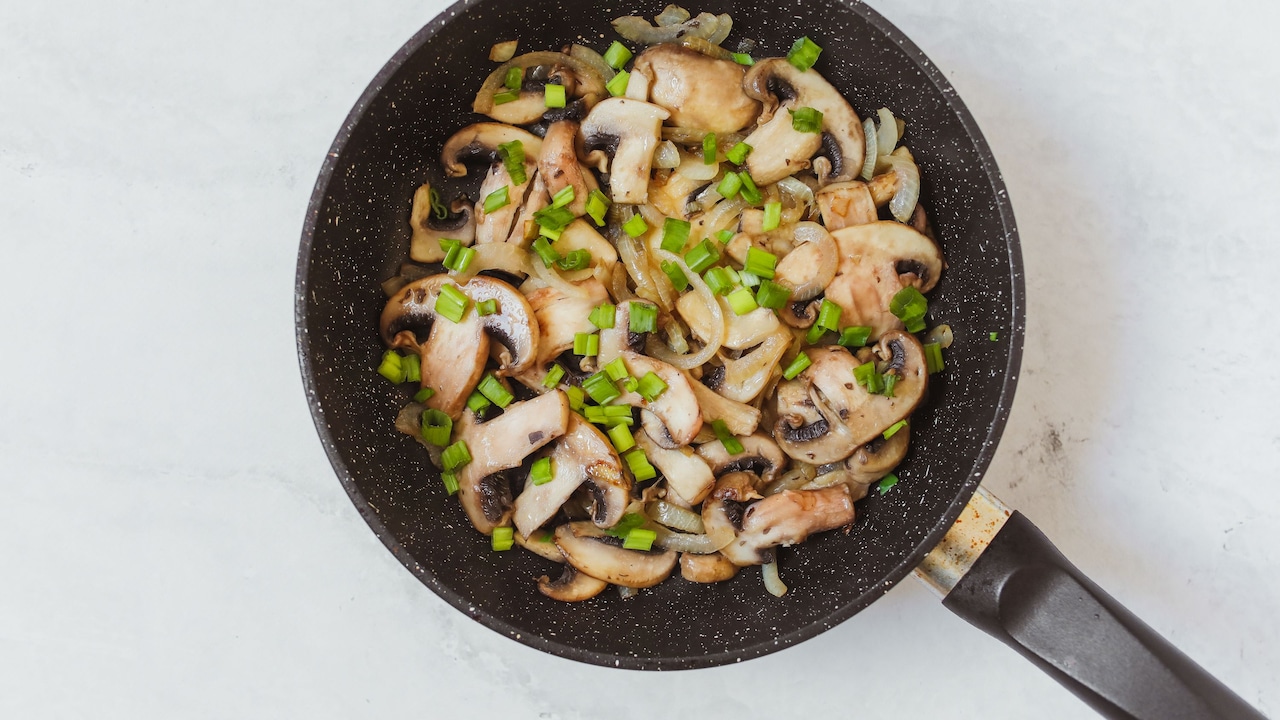
Non-Stick Pan Cleaning Mistakes That Make Food Stick And Damage It
A good non-stick pan feels like a tiny kitchen miracle at first. The dosa lifts without drama, the omelette slides out neatly, and the post-breakfast clean-up takes less than a minute. Then, suddenly, the same pan starts behaving like it has a personal grudge. Pancakes tear, paneer sticks, oil collects in strange patches, and the once-smooth surface looks dull, scratched or slightly greasy no matter how often it gets washed. Most people blame the pan. Sometimes, yes, the quality may not be great. But very often, the real problem begins at the sink. Non-stick coatings need gentler care than stainless steel, iron or aluminium cookware. They cannot handle aggressive scrubbing, sudden temperature shocks, strong cleaners or lazy soaking habits. The coating may look tough, but it wears down quickly when cleaned the wrong way every day. The good news is simple. A non-stick pan can last much longer when treated with a little patience. No complicated routine. No expensive cleaning kit. Just effective cleaning habits and a better understanding of what the coating can and cannot take.
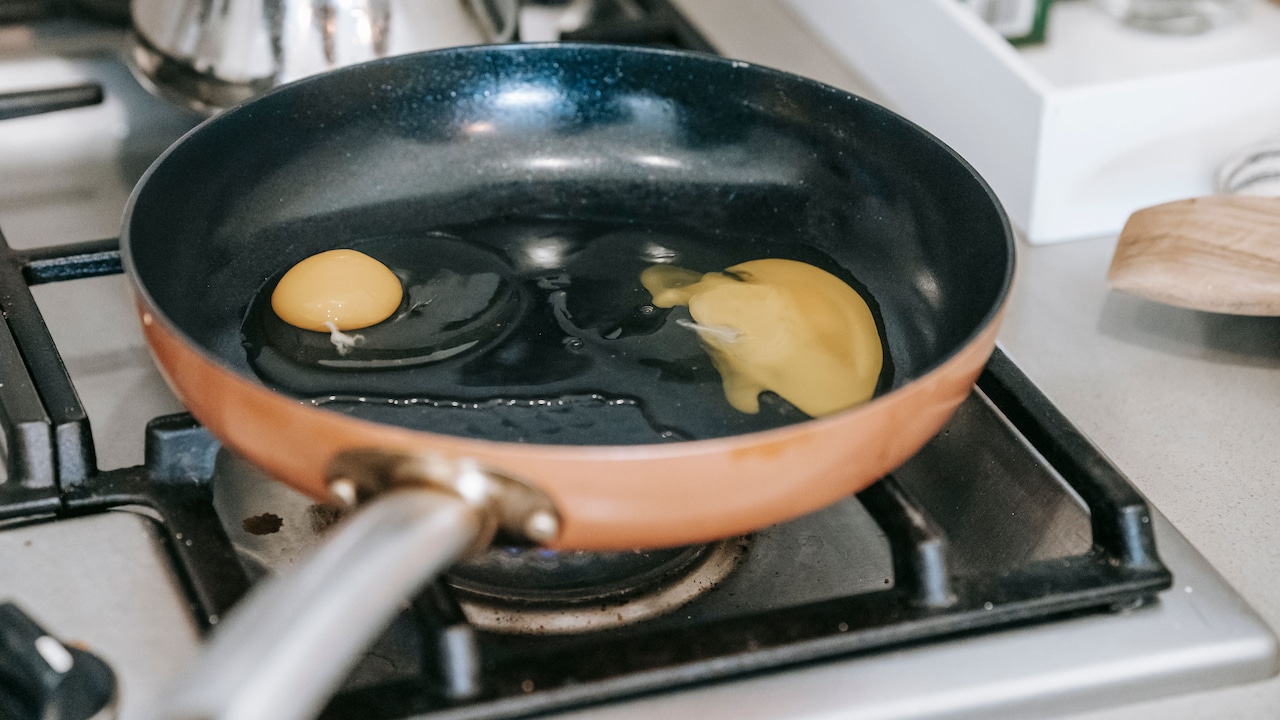
Non-Stick Pan Cleaning Mistakes That Make Food Stick And Damage It; Photo Credit: Pexels
Everyday Cleaning Habits That Quietly Damage Your Non-Stick Pan
Scrubbing The Pan Like A Steel Kadhai
One of the quickest ways to ruin a non-stick pan is to clean it like old-school heavy cookware. A steel kadhai can take rough scrubbing, burnt masala rescue missions and a metal scrubber attack after dinner. A non-stick pan cannot. Its coating works because the surface stays smooth. The moment it gets scratched or rubbed too harshly, food starts finding tiny grip points.
The most common mistake happens after something stubborn gets stuck. Instead of soaking gently or wiping with warm water, many people reach for a hard scrub pad and go at it with full energy. It may remove the stain, but it also weakens the coating. Over time, the surface becomes patchy. Eggs stick in one corner, rotis brown unevenly, and cleaning becomes harder after every use.
A soft sponge, mild dishwashing liquid and warm water usually do the job. For stuck food, patience works better than pressure. Let the pan cool, add warm water for a few minutes, then wipe gently.
Also Read: How To Pick A Non-Stick Pan Without The Fake Coating: Top 10 Tips And 8 Picks
Washing It While It Is Still Scorching Hot
That satisfying hiss when a hot pan meets water may feel dramatic, but it is terrible for non-stick cookware. After cooking, the pan's surface expands from the heat. When cold water hits it suddenly, the metal base and coating cool at different speeds. This sudden temperature change can slowly warp the pan or weaken the bond between the coating and the base.
At first, nothing obvious happens. The pan still looks fine. But after repeated shocks, the base may stop sitting flat on the stove. Oil collects on one side. Batter spreads unevenly. The coating may also start peeling or bubbling in tiny areas. Once that begins, the pan rarely returns to its old performance.
The better habit is boring but useful. Let the pan cool naturally for a few minutes before washing. It does not need to become stone cold, but it should not be smoking hot either. This small pause protects both the shape of the pan and the coating.
Using Harsh Dishwashing Products
Strong cleaning powders may make utensils look bright, but they are too abrasive for non-stick pans. Many powders contain gritty particles that polish away stains from steel plates and pressure cookers. On a non-stick coating, those same particles act like fine sandpaper. The pan may look cleaner after one wash, but the coating loses its smoothness little by little.
Harsh cleaners also leave behind trouble when not rinsed properly. A pan can start feeling slightly sticky or dull because residue sits on the surface. Then food begins to stick, and the natural response is more scrubbing. That creates a cycle where every wash makes the pan worse.
A mild liquid dishwash is enough for regular cleaning. Non-stick cookware does not need aggressive stain removal after every use. If oil marks remain, warm water and a soft sponge can loosen them. For stubborn grease, a short warm-water soak works better than powder. Clean should not mean polished to death.
Leaving Burnt Food To Sit Overnight
After a tiring day, leaving the pan in the sink can feel harmless. The logic sounds fair too. “It will soak overnight and clean easily tomorrow.” Sadly, non-stick pans do not always benefit from long soaking, especially when burnt food, salt, acidic sauces or masala remain stuck to the surface.
Food residue can dry into a stubborn layer. Oil can turn sticky. Spices can stain the coating. In some cases, water trapped against tiny scratches may worsen peeling over time. By morning, the pan needs more effort to clean, which usually means harder scrubbing. A small dinner mess becomes a coating-damaging project.
Cleaning the pan soon after it cools works best. It does not need a grand cleaning ritual. Wipe away excess oil with a soft tissue or cloth, add warm water, and wash gently. Even a quick rinse is better than letting burnt bits sit for hours. The coating stays smoother when grime never gets the chance to settle.
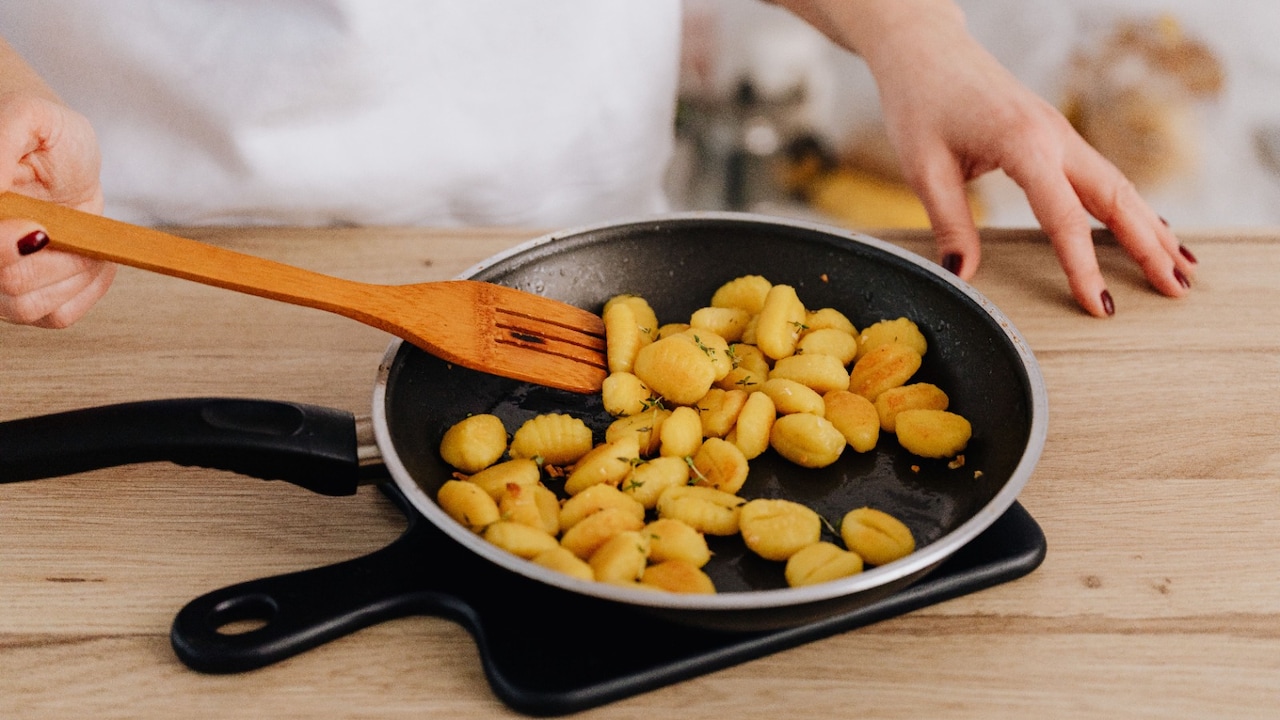
Non-Stick Pan Cleaning Mistakes That Make Food Stick And Damage It; Photo Credit: Pexels
Cleaning Around The Rivets Too Roughly
Many non-stick pans have handles attached with metal rivets inside the pan. These little round areas collect oil, batter, masala and tiny food bits. Because they are awkward to clean, people often jab around them with spoons, knives, steel scrubbers or fingernails wrapped in cloth. That rough cleaning damages the coating near the rivets first.
Once the coating around the rivets starts lifting, food sticks there more often. It also becomes harder to clean neatly. The pan may still look usable in the centre, but the edges and rivet area begin to betray its age. This is why some pans look worn out in strange patches instead of evenly across the base.
A soft toothbrush used only for utensils can help clean around rivets without scratching the pan. Warm soapy water also loosens grease from tight corners. The trick is to clean carefully, not aggressively. Rivets need attention, but they do not need battle tactics.
Stacking Pans Without Any Protection
A non-stick pan often gets damaged before it even reaches the stove. In many kitchens, pans sit inside one another to save space. It makes sense when cabinets are packed with tiffin boxes, lids, pressure cooker parts and festival-only serveware. But when a heavier vessel rests directly on a non-stick surface, scratches become almost guaranteed.
Even small scratches matter. A spoon, lid edge or another pan's rough base can create lines on the coating. These marks may look cosmetic at first, but they weaken the non-stick layer. Once cooking starts, food sticks along those scratched lines. Cleaning then becomes harder, and the damage deepens.
A simple cloth, paper towel or pan protector placed between stacked cookware can prevent this. Even an old soft napkin does the job. Non-stick pans do not need royal treatment, but they do need a little separation from rough metal surfaces. Storage habits affect performance more than people realise.
Using Baking Soda Paste Too Often
Baking soda has become the hero of home cleaning advice. It works well for many things, but it needs caution on non-stick cookware. A little diluted baking soda can help with odour or mild stains, but thick baking soda paste used repeatedly can be abrasive. When rubbed hard, it can slowly dull the coating.
The problem gets worse when people mix baking soda with vinegar and expect the fizz to “deep clean” everything. That reaction looks impressive, but it is not always useful for coated cookware. The scrubbing that follows usually causes more harm than the fizz fixes. A non-stick pan with a faded, rough surface often has a history of enthusiastic cleaning hacks.
For regular cleaning, warm water and mild dishwashing should remain the main method. Baking soda should only come out occasionally, and even then, gently. Let the solution sit briefly, wipe softly and rinse well. If a pan needs strong hacks every week, the cooking temperature or oil build-up may be the real issue.
Not Removing The Invisible Oil Film
Sometimes a non-stick pan does not look dirty, but it still feels wrong. Food sticks, the surface feels tacky, and water does not spread cleanly while washing. This often happens because a thin oil film has built up over time. It may come from cooking sprays, reused oil, high-heat frying or rushed washing.
This invisible layer can make the coating perform badly. Instead of food touching the smooth non-stick surface, it touches sticky old oil. That film heats unevenly and grabs onto batter, eggs and delicate foods. Many people mistake this for coating failure and start scrubbing harder, which only makes things worse.
The fix is a gentle but thorough cleaning. Use warm water, mild liquid soap and a soft sponge to remove greasy residue properly after every use. Pay attention to the sides of the pan too, not just the centre. Rinse until the surface feels clean, not slippery. A pan should feel smooth, not oily, after washing.
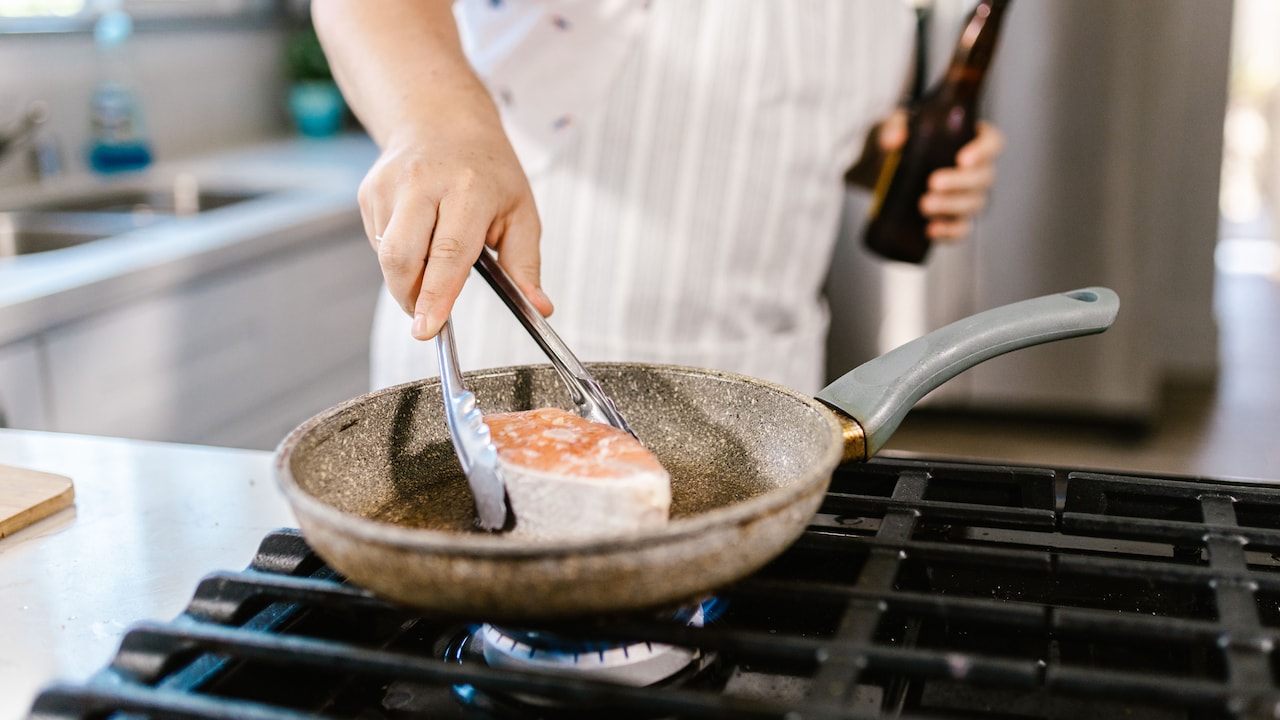
Non-Stick Pan Cleaning Mistakes That Make Food Stick And Damage It; Photo Credit: Pexels
Putting It In The Dishwasher Without Checking
Dishwashers feel convenient, especially after a long cooking session. But not every non-stick pan belongs inside one. Even when a brand says the pan is dishwasher-safe, frequent machine washing can still reduce its life. Dishwasher detergents are stronger than regular dish soap, and the hot water cycle can be rough on coatings.
Another issue comes from movement inside the dishwasher. If the pan knocks against plates, cutlery or other cookware, the coating can get scratched. The damage may not show immediately, but the surface slowly loses its easy-release quality. A pan washed by hand often stays in better condition than one thrown into the machine every night.
Hand washing takes only a minute when the pan has not been overheated or left dirty for hours. That is the real advantage of non-stick cookware. It should clean easily with a soft sponge. If the dishwasher feels necessary, check the care label first and place the pan where it will not rub against sharp or heavy items.
Drying It Carelessly After Washing
Cleaning does not end when the soap rinses off. A non-stick pan also needs proper drying. Leaving it wet on the counter or stacking it while damp can create water marks, musty smells and grime around the handle joints. If the pan has small scratches or exposed edges, trapped moisture can make wear worse over time.
Many people wash the pan correctly, then undo the care by tossing it into a crowded rack. Metal spoons, lids and plates press against the wet coating. The pan dries with spots, and the surface may pick up scratches during storage. It sounds minor, but daily carelessness adds up faster than one dramatic mistake.
Use a soft cloth to dry the pan after washing. Make sure the rivets, outer base and handle area are dry too. Store it only after the surface feels clean and moisture-free. This habit keeps the pan fresher and prevents the slightly stale smell that sometimes appears when cookware dries badly.
A non-stick pan rarely stops working because of one bad cooking day. It usually fails because of small cleaning mistakes repeated for months. Harsh scrubbing, sudden cooling, strong powders, sticky oil layers and careless stacking slowly wear down the coating until the pan loses its charm.
The best care routine is simple. Let the pan cool, wash it gently, avoid rough tools, dry it well and store it safely. Non-stick cookware does not ask for much, but it does punish impatience. Treat it like the delicate kitchen shortcut it is, and it can keep breakfast smooth, dinner less stressful and cleaning wonderfully boring for much longer.
Some Non-Stick Pans You May Like On Amazon
1. TRAMONTINA Aura Cookware Set of 2- Frypan 20cm
2. SOLARA Belmont Ceramic Fry Pan Non Stick
3. Stahl Artisan Hybrid 2 L, 24 cm Triply Frying Pan with Lid
4. Prestige Non-Stick Omega Deluxe Granite Fry Pan
5. Asai Ceramic Non Stick Frying Pan 24cm
6. Hawkins Futura 24 cm Frying Pan, Non Stick Fry Pan with Glass Lid
7. Amazon Brand - Solimo Non-Stick Fry Pan with Glass Lid with Detachable Handle
(Disclaimer: This article may include references to or features of products and services made available through affiliate marketing campaigns. NDTV Convergence Limited (“NDTV”) strives to maintain editorial independence while participating in such campaigns. NDTV does not assume responsibility for the performance or claims of any featured products or services.)