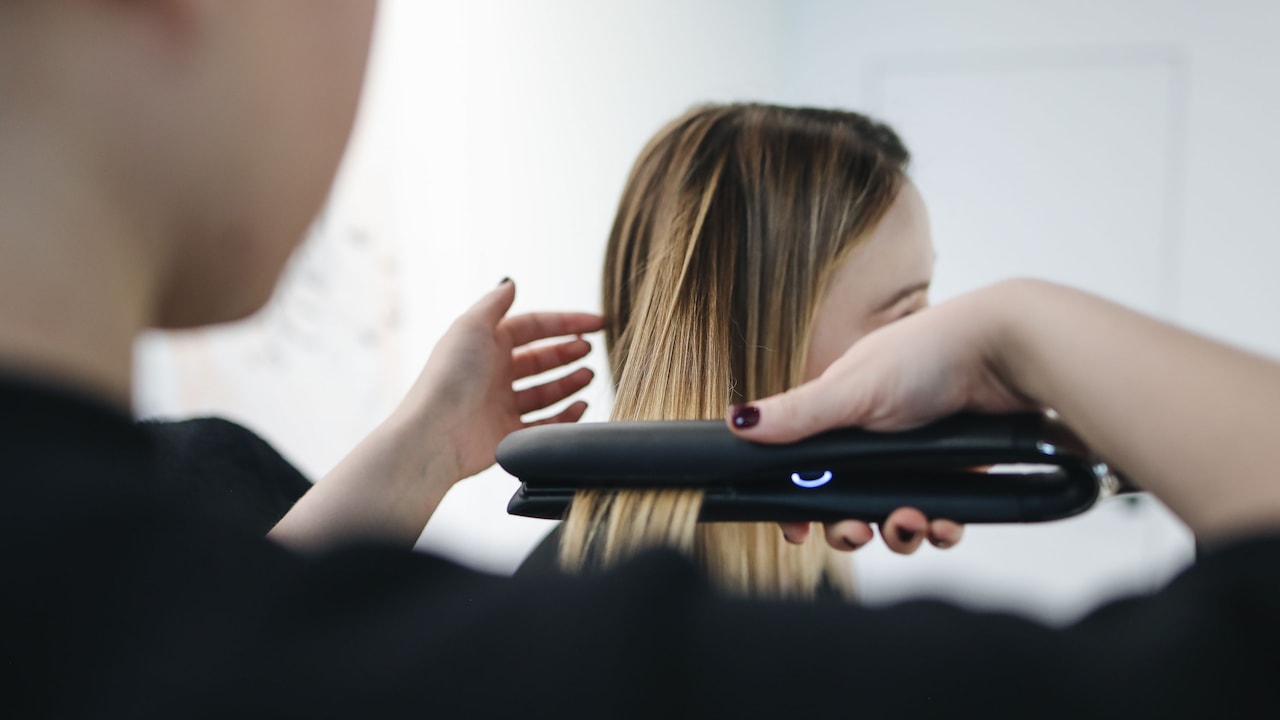
Why A Convection Microwave Struggles With Oven-Like Browning And What To Use It For Instead
A convection microwave can cook, bake and reheat well, but it often fails at deep browning and crisp crusts. This is why it falls short of an oven, and the dishes it handles far better in everyday kitchens.
Convection Microwave Vs Oven: Why Browning Fails And What To Cook Instead
The convection microwave has become a familiar sight in city flats, rented kitchens, and family homes where every inch of counter space matters. It promises convenience with a shiny control panel, a turntable, auto-cook menus, and the confidence of modern cooking. For many households, it feels like a practical middle path between a basic microwave and a full-sized oven. Then comes the first heartbreak. A batch of biscuits emerges cooked but pale. A tray of potato wedges tastes fine but lacks that golden crunch. A homemade pizza looks more sleepy than sizzling. The top may brown a little, the base may remain soft, and the cook wonders whether the recipe failed.
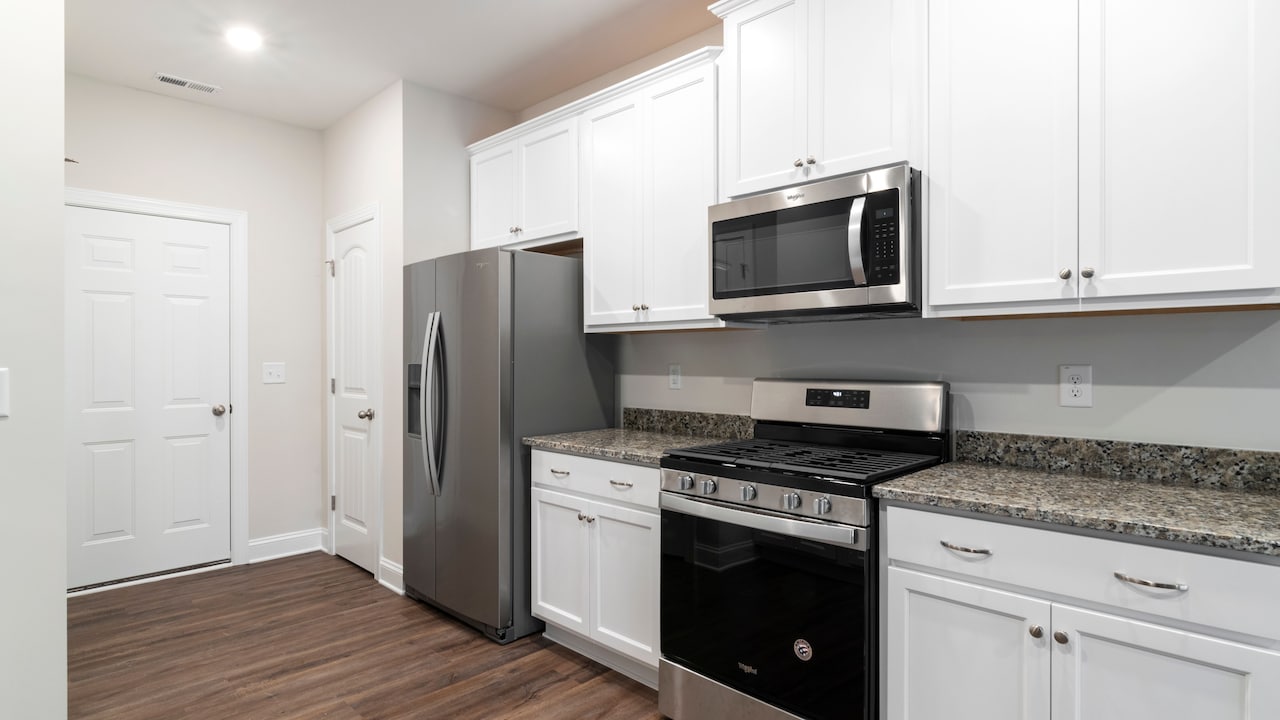
Why A Convection Microwave Struggles With Oven-Like Browning And What To Use It For Instead
Photo Credit: Pexels
The recipe may not be the culprit. A convection microwave can heat, bake, roast, grill, and reheat, but it works within a smaller, wetter, and less forceful cooking environment than a traditional oven. It shines in some tasks and struggles in others. The trick lies in knowing where it performs like a hero and where it needs help from a tawa, air fryer, OTG, or heavy kadai.
Why Convection Microwaves Cook Well But Brown Poorly
The Browning Problem Starts With Heat Transfer
Browning needs more than heat. It needs dry, direct, steady heat that reaches the surface and stays there long enough to trigger flavour-building reactions. That golden crust on pav, the dark edges on roast vegetables, and the crisp layer on baked pasta all come from surface heat doing careful work.
A convection microwave creates heat through a fan and heating element, but the chamber remains smaller and more irregular than a conventional oven. Many models also run convection cycles with gentler heat recovery. The moment the door opens or cold food goes in, the temperature dips quickly.
In a proper oven, the walls, racks, and air hold heat with more confidence. Food sits in a larger hot space and receives a stronger blast from all around. In a convection microwave, the fan circulates heat, but the appliance often behaves like a clever compromise rather than a dedicated baking beast. So food cooks through, but the surface does not always dry and brown with the same swagger.
Moisture Turns Crisp Dreams Into Soft Reality
Moisture loves a convection microwave. That sounds pleasant until crispness enters the chat. Browning demands dryness on the surface of food. When moisture lingers, steam forms a soft blanket. Instead of crisp edges, the food sweats.
Think of frozen parathas, leftover pizza, or paneer pieces tossed in marinade. These foods release water as they heat. In a full oven, stronger airflow and a larger cavity help move that moisture away. In a convection microwave, steam builds up faster because the space is compact. The turntable keeps food moving, but it does not remove dampness with the same authority.
This explains why garlic bread can emerge hot yet limp, or why wedges brown on one side and stay dull on another. The machine has cooked the food, yes, but it has not created the dry surface needed for a proper crust. A short rest on a wire rack or a final few minutes on a hot tawa can rescue many dishes beautifully.
The Small Cavity Limits Proper Airflow
A convection microwave looks spacious when empty, but add a baking tray, a glass bowl, or a rack, and the space shrinks quickly. Air needs room to move. When food sits too close to the walls, roof, or turntable edge, hot air cannot circulate evenly.
This matters most for browning. A cake may bake because heat reaches the batter over time. However, crisp cookies, roasted makhana, cheesy toast, and pizza bases need faster, drier contact with hot air. If the tray blocks airflow or the food sits crowded, the surface steams instead of browns.
Many home cooks also try to fit too much in one batch. A tray packed with aloo wedges may look efficient, but each piece releases moisture. The oven cavity fills with steam, and the potatoes turn polite rather than punchy. Smaller batches work better. Leave gaps, use a rack when possible, and avoid deep containers when crispness matters. In this appliance, space behaves like a secret ingredient.
Microwave Energy Cooks Differently From Oven Heat
The microwave part of the appliance heats food by exciting water molecules. That makes it brilliant for reheating rice, warming sabzi, steaming vegetables, softening butter, and rescuing last night's rajma. It heats fast because it works inside the food rather than only from the outside.
Browning, however, happens mostly on the surface. Microwave energy does not naturally create a crust. It can make food hot, but it cannot give the same toasted exterior that dry heat produces. That is why a plain microwave leaves bread rubbery and samosas sad.
Convection mode improves the situation by adding hot air. Combination modes use both microwave energy and convection heat, which can shorten cooking time. Yet this speed can create a mismatch. The inside cooks quickly while the outside still needs more time to brown. The result feels familiar: hot centre, pale top, soft base. For some dishes, slower dry heat wins over speed. Patience has a flavour.
Also Read: Top 5 Convection Microwaves For Baking, Grilling And Daily Reheating
Temperature Recovery Often Falls Short
A good oven behaves like a heat bank. Preheat it well, slide in a tray, and the appliance will return to the set temperature. This recovery matters when cold dough, chilled paneer, or marinated chicken enters the chamber.
Many convection microwaves lose heat quickly because their cavities are smaller and lighter. The door glass, metal walls, and air volume do not store as much heat. Once the door opens, the temperature drops. After food goes in, the appliance needs time to climb back.
That dip affects browning. The first few minutes set the tone for crust formation. If the surface warms slowly or moisture escapes before the temperature rises enough, browning becomes patchy. Preheating helps, but many people skip it because the machine feels like a microwave and microwaves feel instant. For better results, preheat longer than the beep suggests. Let the rack heat too when safe. A hot start gives food a fighting chance.
The Turntable Helps Even Cooking, Not Deep Browning
The turntable has one clear job: it reduces hot and cold spots by moving food through the energy field and heated airflow. For reheating dal, milk, or rice, this works well. For browning, it can only do so much.
Browning depends on intensity and surface exposure. A rotating plate cannot create the heavy top heat of a grill, the fierce bottom heat of a pizza stone, or the enveloping dry heat of a large oven. It simply moves food around in a limited chamber. That movement may even make some dishes awkward if the tray size stays small.
A round pizza base on a turntable may cook evenly enough, but the base rarely gets that bakery-style snap. A loaf tin may bake a decent banana bread, yet the top may brown later than expected. Rotation improves balance, not power. Once this distinction becomes clear, disappointment drops. The turntable is a helper, not a miracle worker in a shiny glass hat.
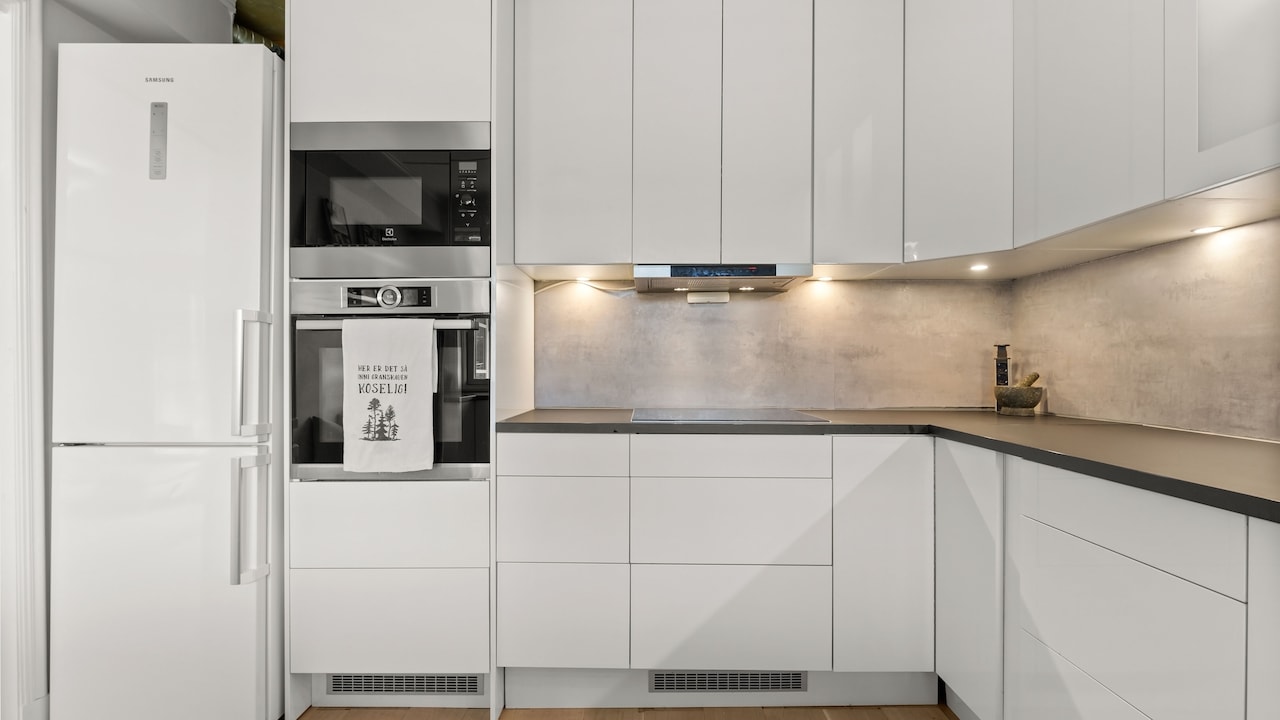
Why A Convection Microwave Struggles With Oven-Like Browning And What To Use It For Instead
Photo Credit: Pexels
Metal Restrictions Reduce Useful Cooking Tools
Traditional ovens allow a generous range of baking tools. Heavy metal trays, cast iron pans, pizza stones, steel racks, and dark baking sheets all support browning. They absorb heat, transfer it to food, and create crisp bases.
A convection microwave brings more caution. Some models allow metal racks only in convection mode. Others warn against certain trays, sizes, or placements. Sparks and arcing become real risks if metal touches the walls or appears in the wrong mode. This limits the tools that cooks can use with confidence.
Many people stick to glass, ceramic, or silicone because these feel safer. Those materials suit cakes, casseroles, and reheating, but they do not always brown bases well. Glass heats slowly. Silicone softens edges. Ceramic can hold heat, but it may not create the same crisp bottom as a dark metal tray. The appliance can bake, but the tool restrictions often stop it from baking like a proper oven.
It Still Excels At Everyday Heating And Gentle Cooking
A convection microwave may not win every browning contest, but it earns its place through daily usefulness. It reheats food quickly without drying it out too much. It warms rotis wrapped in a damp cloth, revives pulao, melts cheese, softens jaggery, and heats milk before anyone loses patience.
It also handles gentle cooking well. Steamed dhokla, mug cakes, baked apples, vegetable casseroles, poha reheats, and soft sponge cakes suit its strengths. These foods do not demand fierce crusts. They need controlled heat, moisture, and convenience.
For smaller households, it saves time and energy. Heating a single bowl of sambar in a large oven would feel absurd. A convection microwave does the job in minutes. It also helps during busy mornings when breakfast, tiffin, and tea seem to form a traffic jam. Use it for what it does best, and the appliance feels less like a failed oven and more like a dependable kitchen assistant.
Use It For Cakes, Gratins, Reheating And Quick Roasts
The best dishes for a convection microwave sit in the middle ground between soft cooking and light browning. Sponge cakes, muffins, tea cakes, baked custards, pasta bakes, vegetable au gratin, stuffed capsicum, and lightly roasted nuts can turn out well with the right method.
It also works nicely for small portions. A ₹60 pack of mushrooms tossed with butter, pepper, garlic, and herbs can roast enough for a quick dinner side. A bowl of leftover pasta can turn into a bubbling bake with cheese on top. A small batch of masala peanuts can crisp up if spread thinly and watched carefully.
The key lies in realistic expectations. Do not expect tandoor-style char or bakery-level crust. Expect convenience, soft interiors, warm centres, and moderate colour. For extra browning, finish under grill mode if the model has it. Another smart trick: cook in convection mode first, then move the food to a hot tawa for a crisp base.
Use A Better Tool When Crust Matters Most
Some foods deserve stronger heat. Pizza, sourdough, crusty bread, khari biscuits, roast chicken skin, naan, tandoori-style paneer, and crisp samosas need more than a convection microwave can usually provide. They need fierce surface heat, dry airflow, or direct contact with a hot surface.
For these foods, choose the right partner. An OTG gives better oven-style browning and works well for baking trays, breads, cookies, and pizzas. A heavy tawa creates excellent base crispness for leftover pizza, toast, and parathas. An air fryer handles small batches of fries, nuggets, kebabs, and cutlets with better surface drying. A grill pan gives paneer and vegetables those dramatic lines that make dinner look restaurant-worthy.
The convection microwave can still start the job. It can heat the centre or soften dense food. Then another tool can finish the surface. This two-step approach feels slightly jugaadu, but the results often beat blind faith in one appliance.
Why A Convection Microwave Struggles With Oven-Like Browning And What To Use It For Instead
Photo Credit: Pexels
Products Related To This Article
1. Panasonic 23L Convection Microwave Oven
2. IFB 20L Convection Microwave Oven
3. LG 28 L Convection Microwave Oven
4. Samsung 21 L, Convection Microwave Oven
5. Godrej 30 L 5 Years Comprehensive Warranty Convection Microwave Oven With Rotisserie
6. Glen Multi-Function OTG for Kitchen 35 Litre, 2100W
7. Panasonic 25L Solo Microwave Oven
A convection microwave struggles with oven-like browning because it was born as a compromise. It combines microwave speed with convection heat, but it does not always deliver the dry, intense, steady heat that crusts demand. Its small cavity traps moisture, its airflow has limits, and its tool restrictions reduce the browning power that bakers and roast lovers crave.
That does not make it a bad appliance. It simply makes it a specific one. It can reheat beautifully, bake soft cakes, handle quick casseroles, warm leftovers, roast small portions, melt cheese, and support busy kitchens where space and time both matter. It asks for sensible expectations, not blind devotion.
Use it where tenderness, speed, and convenience matter. Bring in an OTG, air fryer, hot tawa, or grill pan when deep colour and crunch sit at the heart of the dish. Once the right tool handles the right task, the kitchen becomes calmer. Even the pale pizza base finds its happy ending on a hot tawa.
(Disclaimer: This article may include references to or features of products and services made available through affiliate marketing campaigns. NDTV Convergence Limited (“NDTV”) strives to maintain editorial independence while participating in such campaigns. NDTV does not assume responsibility for the performance or claims of any featured products or services.)