Garment Steamer vs Iron: Know What Works Better And When
When debating garment steamer versus an iron, use this breakdown of key differences and 10 moments when an iron is the smarter pick.
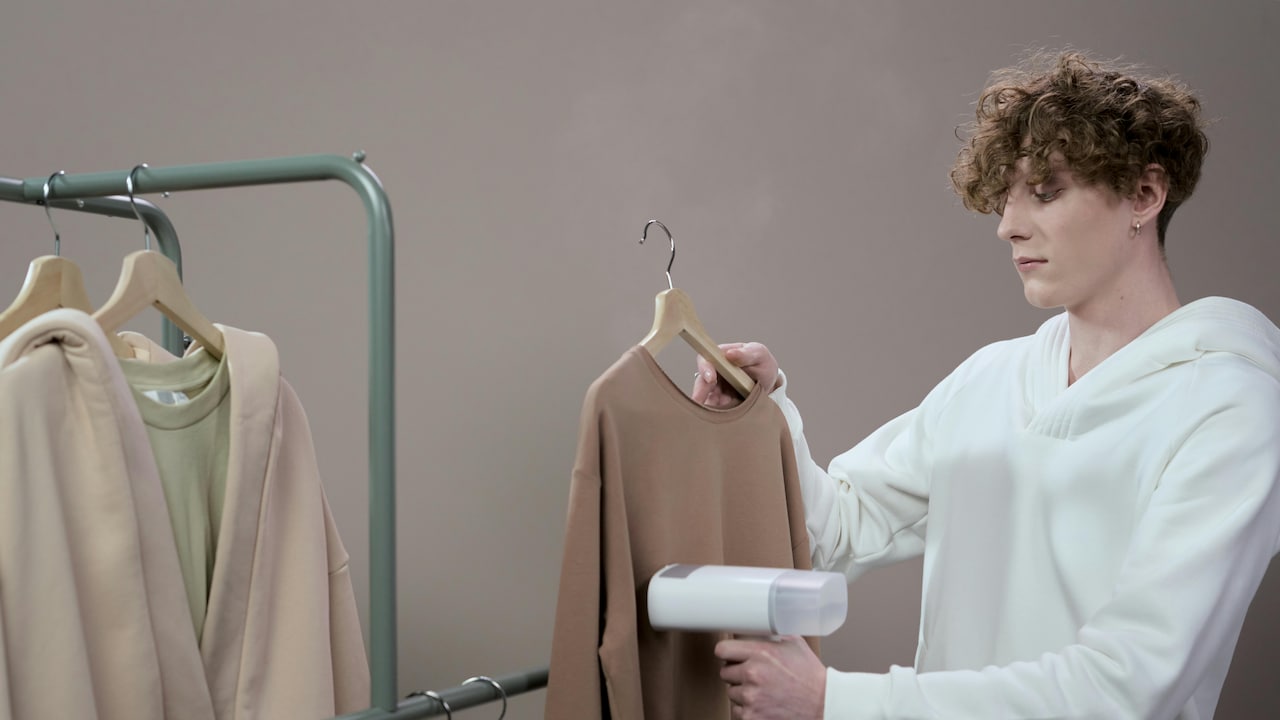
Garment Steamer vs Iron: When Does A Steamer Work Better? Here Is All You Need To Know.
Clothes carry more than fabric. They carry confidence, comfort, and sometimes a bit of chaos. A neatly pressed kurta or a sharp cotton shirt can lift spirits faster than a cup of strong chai. Yet the debate between a garment steamer and an iron continues in many homes. Garment steamers look modern and effortless. Irons feel too traditional. A steamer sits somewhere in the middle. It combines pressure with steam, offering flexibility that often goes unnoticed.
Many people buy steamers expecting miracles, only to return to the iron for tougher wrinkles. Others swear by steam alone for delicate fabrics. The truth lies in understanding when an iron does a better job.
This article breaks down that choice in simple terms. So, when it comes to choosing between a garment steamer and an iron, here is all that you need to know. We explain here 10 situations here.
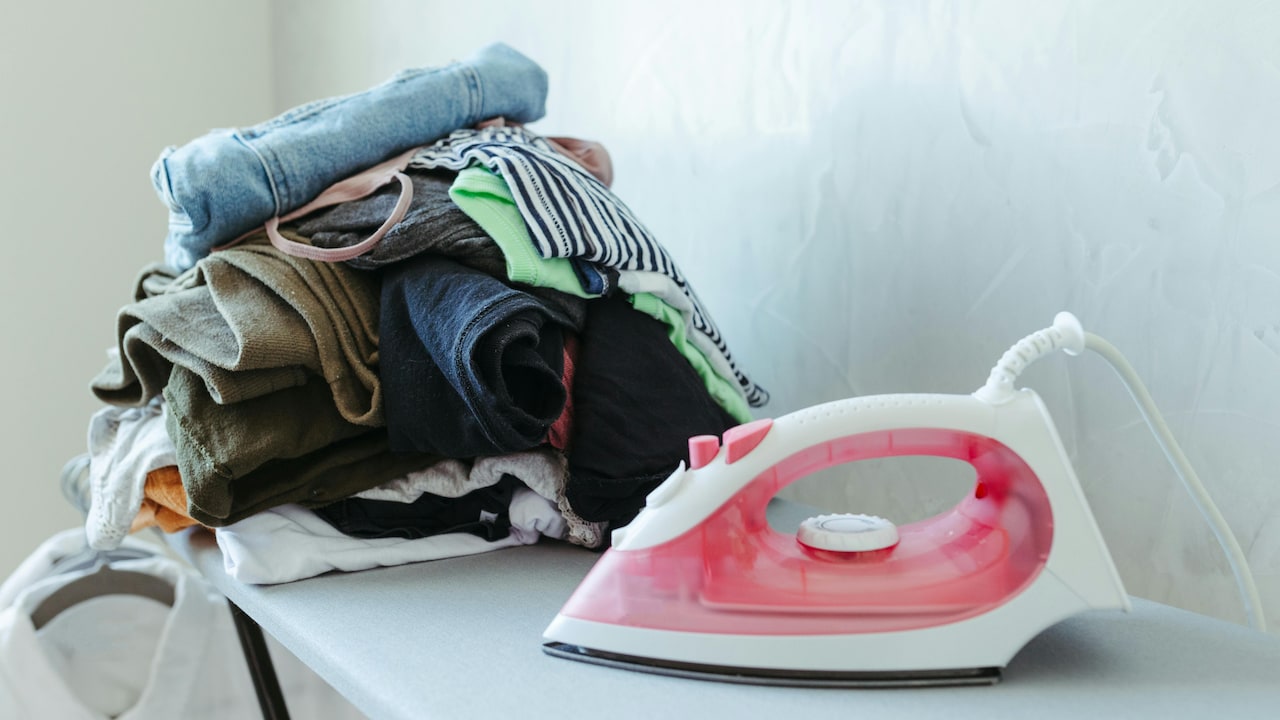
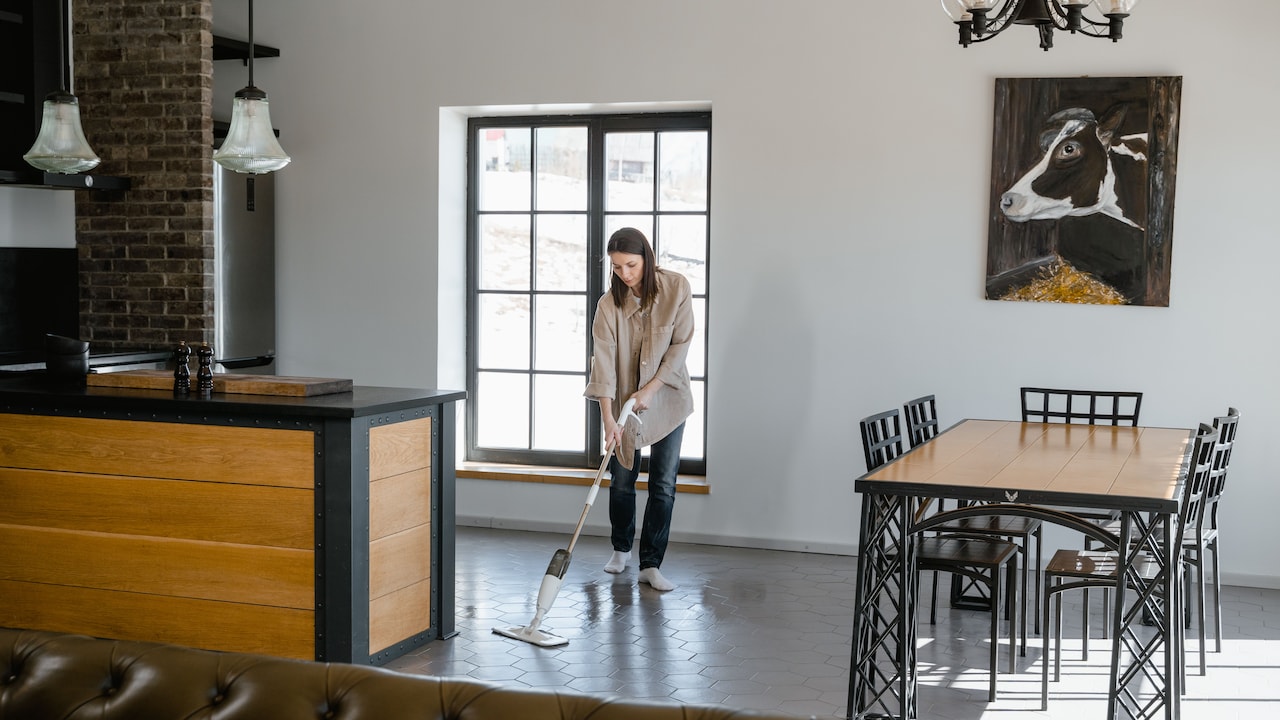
Garment Steamer vs Iron: When Does A Steamer Work Better? Find Out Here; Photo Credit: Pexels
Situations Where A Steamer Works Better
1. Heavy Fabrics Demand Pressure, Not Just Steam
Thick fabrics rarely respond well to steam alone. Cotton sarees, linen trousers, or festive silk blends often hold stubborn creases. A garment steamer releases moisture but lacks pressure. Wrinkles soften yet refuse to disappear fully.
A steamer changes the game. Steam penetrates deep into the fabric, while the soleplate presses fibres flat. This combination works wonders on dense materials. Think of school uniforms dried in winter or cotton bedsheets folded away for weeks. Steam loosens the fibres, and pressure sets them straight.
Many households experience this before festivals or weddings. Outfits pulled from cupboards need more than a gentle steam bath. A steamer restores structure and sharpness. The result looks polished rather than merely relaxed.
Steamers suit lighter tasks, but heavy fabrics crave firmness. When clothes need to look crisp and well-shaped, the steamer proves its worth without much extra effort.
2. Sharp Creases Matter More Than Convenience
Some outfits rely on clean lines. Formal trousers, pleated skirts, and office shirts demand sharp creases. A garment steamer struggles here. It smooths fabric but cannot define edges.
An iron excels in precision. The pointed tip reaches corners around collars and cuffs. Steam softens the fabric, while controlled pressure creates neat folds. That crisp crease down a trouser leg signals attention to detail.
Many professionals notice this difference during early morning routines. A steamer saves time but leaves clothes looking slightly unfinished. An iron takes a few extra minutes yet delivers a sharper appearance.
For presentations, interviews, or important meetings, those details matter. An iron ensures clothes look intentional rather than hurried. Convenience feels tempting, but precision often wins when impressions count.
Also Read: Garment Steamer vs Iron: Which Is Better for Wrinkle-Free Clothes?
3. Humidity and Weather Play a Big Role
The weather affects clothes more than expected. High humidity causes fabrics to absorb moisture from the air. Wrinkles settle deeper and resist quick fixes. A garment steamer adds more moisture, which sometimes backfires.
An iron balances moisture with heat and pressure. Steam relaxes fibres, while heat dries them quickly. This prevents new creases from forming once the garment cools.
During monsoon months, this difference becomes obvious. Shirts steamed in the morning may wrinkle again before stepping out. Ironed clothes hold their shape longer.
An iron offers better control in unpredictable weather. It handles damp fabrics without leaving them limp. Clothes emerge dry, smooth, and ready to face crowded commutes or long workdays.
4. Traditional Wear Needs Structure and Shape
Many traditional outfits feature layers, embroidery, or structured designs. Kurtas, dupattas, and festive wear often require careful handling. A garment steamer feels safe but lacks strength.
An iron allows selective pressure. Steam protects delicate threads, while light pressing restores shape. Borders, pleats, and panels benefit from this approach.
Consider a heavily embroidered dupatta. Steam alone may relax it too much, causing it to lose form. Gentle ironing defines edges and helps it drape better.
Households preparing for celebrations often face piles of such garments. An iron handles variety with ease. It adapts to different textures without compromising design.
Steamers suit casual wear, but structured outfits prefer the versatility of an iron. It respects tradition while delivering a polished finish.
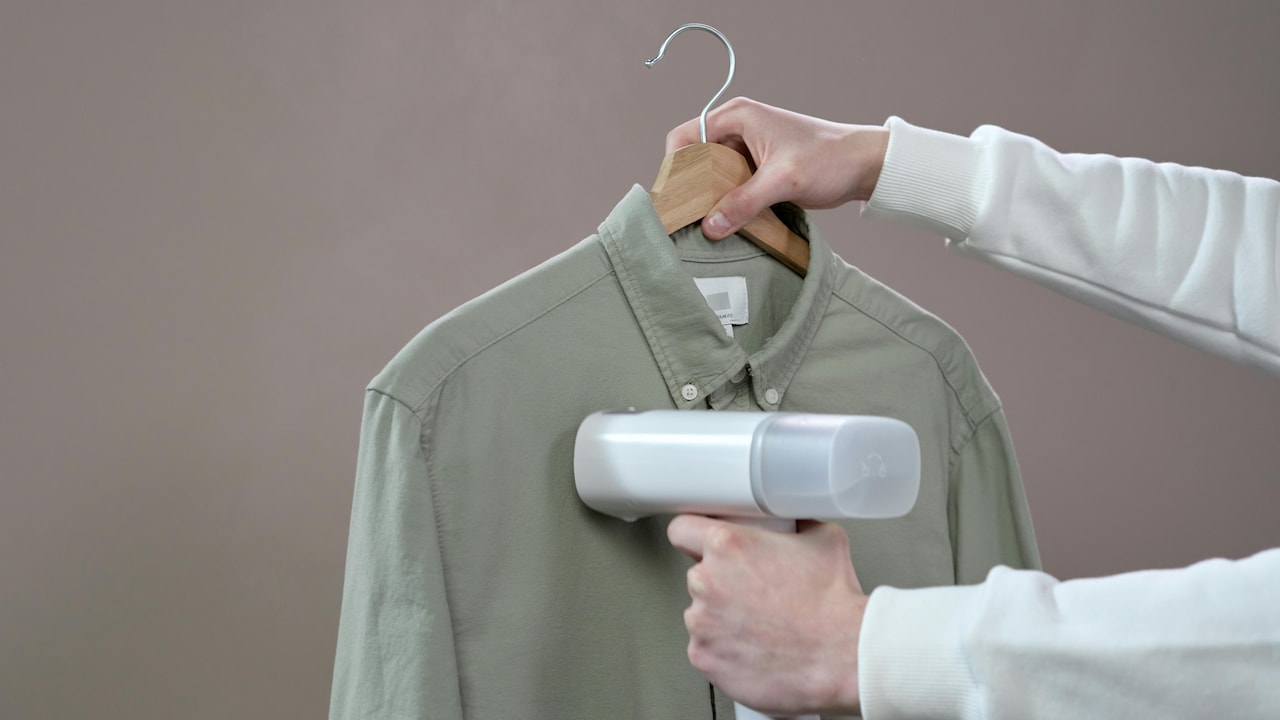
Garment Steamer vs Iron: When Does A Steamer Works Better? Find Out Here.; Photo Credit: Pexels
5. Everyday Laundry Needs Speed and Reliability
Daily laundry piles up quickly. Office wear, school clothes, and casual outfits all compete for attention. A garment steamer promises speed, yet struggles with consistency.
An iron handles mixed loads efficiently. It tackles thick jeans and thin tops in one session. Steam reduces effort, while the iron ensures results last through the day.
Many people notice this during busy weekdays. A quick steam feels enough until wrinkles reappear by lunchtime. Ironed clothes stay smoother for longer hours.
Reliability matters when mornings run tight. An iron delivers predictable results across fabrics. It reduces the need for touch-ups later.
For households juggling multiple routines, this dependability saves time and energy. Steamers offer ease, but irons offer assurance.
6. Cost Efficiency Over Time
Budget decisions often shape appliance choices. Garment steamers appear affordable initially. However, cheaper models wear out faster and struggle with performance.
A good iron costs slightly more but lasts longer. It replaces the need for multiple tools. Steam and press functions cover most needs.
Electricity consumption also matters. Steamers often run longer to achieve modest results. Irons finish tasks faster, reducing overall usage.
Repair and maintenance add another layer. Steamers with pumps and hoses face more issues. Irons remain simpler and sturdier.
Over the years, an iron proves more economical. It handles varied tasks without frequent replacement. Value comes not just from price tags, but from consistent performance.
7. Space and Storage Considerations
Homes vary in size. Storage space remains precious. Garment steamers require room for poles, hangers, and water tanks. They rarely fit neatly into cupboards.
An iron stays compact. It slides into shelves or drawers with ease. The ironing board folds away when not in use.
Many urban homes appreciate this simplicity. Appliances that demand less space feel more practical. An iron fits into existing routines without rearranging rooms.
Portability also matters. Travelling with a steamer feels cumbersome. An iron travels easily for longer stays.
When space remains limited, versatility wins. An iron delivers multiple functions without claiming extra room.
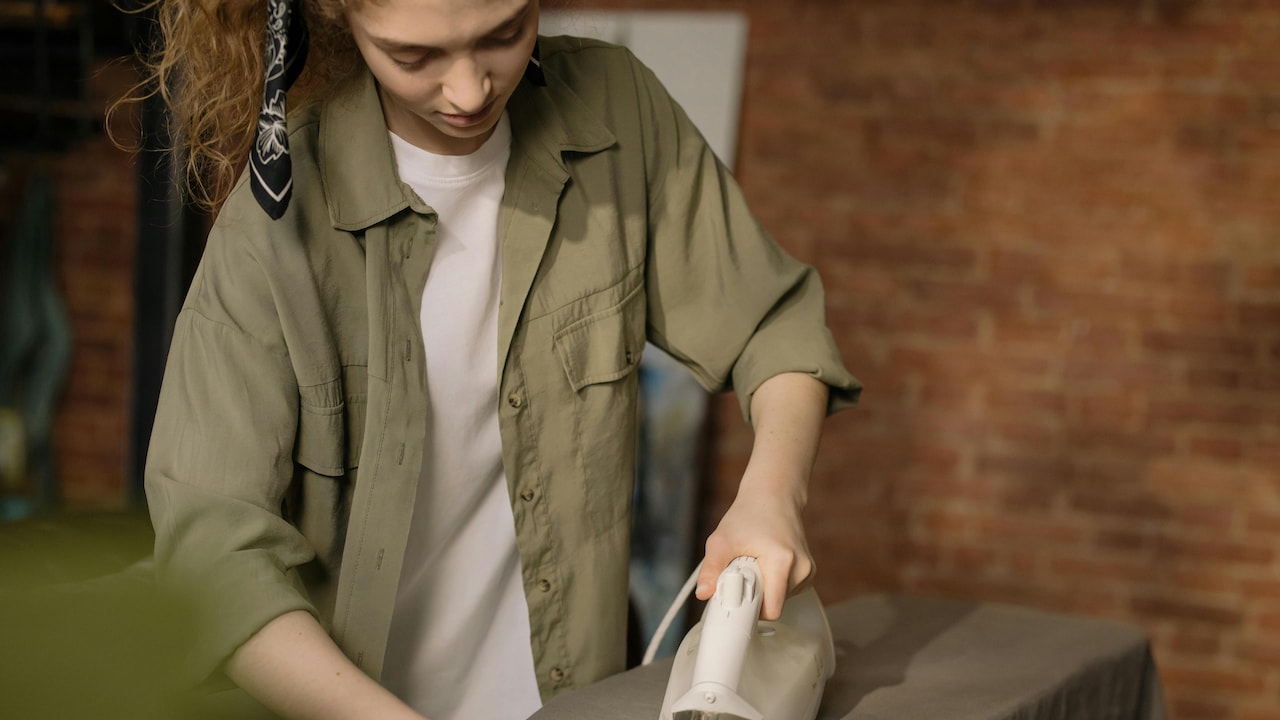
Garment Steamer vs Iron: When Does A Steamer Work Better? Find Out Here.; Photo Credit: Pexels
8. Fabric Control Reduces Damage
Delicate fabrics need care. Steamers feel gentle but sometimes overdo moisture. This risks water spots or stretching.
An iron offers adjustable settings. Temperature and steam levels adapt to fabric needs. Light pressure smooths without stress.
For synthetic blends or silk, this control prevents mishaps. Steam relaxes fibres, while quick pressing seals the finish.
Many people learn this after accidents with steamers. Water drips leave marks that take time to fix. An iron avoids such surprises.
Control builds confidence. Users handle varied garments without fear. An iron respects fabric boundaries better through balanced power.
9. Results That Last Beyond the Wardrobe
Appearance matters beyond the mirror. Clothes endure movement, travel, and long hours. Steam-only finishes fade quickly.
Ironed clothes hold shape through wear. Steam combined with heat sets fibres firmly. Wrinkles stay away longer.
This matters during long commutes or extended events. Clothes maintain form despite sitting or standing.
An iron prepares outfits for real-world demands. It goes beyond surface smoothness. The result feels structured and confident.
People notice when clothes stay crisp till evening. That quiet satisfaction often traces back to a reliable iron.
10. Familiarity Builds Better Results
Experience shapes outcomes. Many grew up watching elders iron clothes with care. The technique feels familiar.
An iron builds on that knowledge. It adds steam without changing the core process. Users adapt quickly.
Steamers require new habits and patience. Results vary with technique and fabric.
Comfort with tools matters. Confidence leads to better outcomes. A steaming iron feels intuitive and trustworthy.
That familiarity turns chores into manageable routines. Clothes look better with less trial and error.
Products Related To This Article
1. Havells Ventura 2000 Watt Steam Iron with Self Cleaning Function
2. Philips Speed Pro DST3020/30 Steam iron 2200 W
3. Bajaj MX 45 Steam Aluminium Soleplate Iron
4. Orient Electric 1300 W Steam iron
5. Usha 3713 1300Watt Steam Iron with Self Cleaning Function
The choice between a garment steamer and an iron depends on needs, habits, and expectations. Steamers shine for quick touch-ups and delicate fabrics. Yet when structure, durability, and versatility matter, an iron steps ahead. Wrinkles may seem small, but they shape first impressions. An iron offers balance, blending tradition with modern convenience. In the end, smooth clothes feel less about perfection and more about confidence. And for many wardrobes, that confidence comes pressed with an iron.
(Disclaimer: This article may include references to or features of products and services made available through affiliate marketing campaigns. NDTV Convergence Limited (“NDTV”) strives to maintain editorial independence while participating in such campaigns. NDTV does not assume responsibility for the performance or claims of any featured products or services.)