Hair Dryer For Woman With Diffuser Or Concentrator: Which Attachment Do You Need?
Diffuser or concentrator? Discover which hair dryer attachment suits your hair texture, controls frizz and creates the finish you want: defined curls, soft volume or sleek, polished hair.
Diffuser Or Concentrator: How To Choose The Right Hair Dryer Attachment
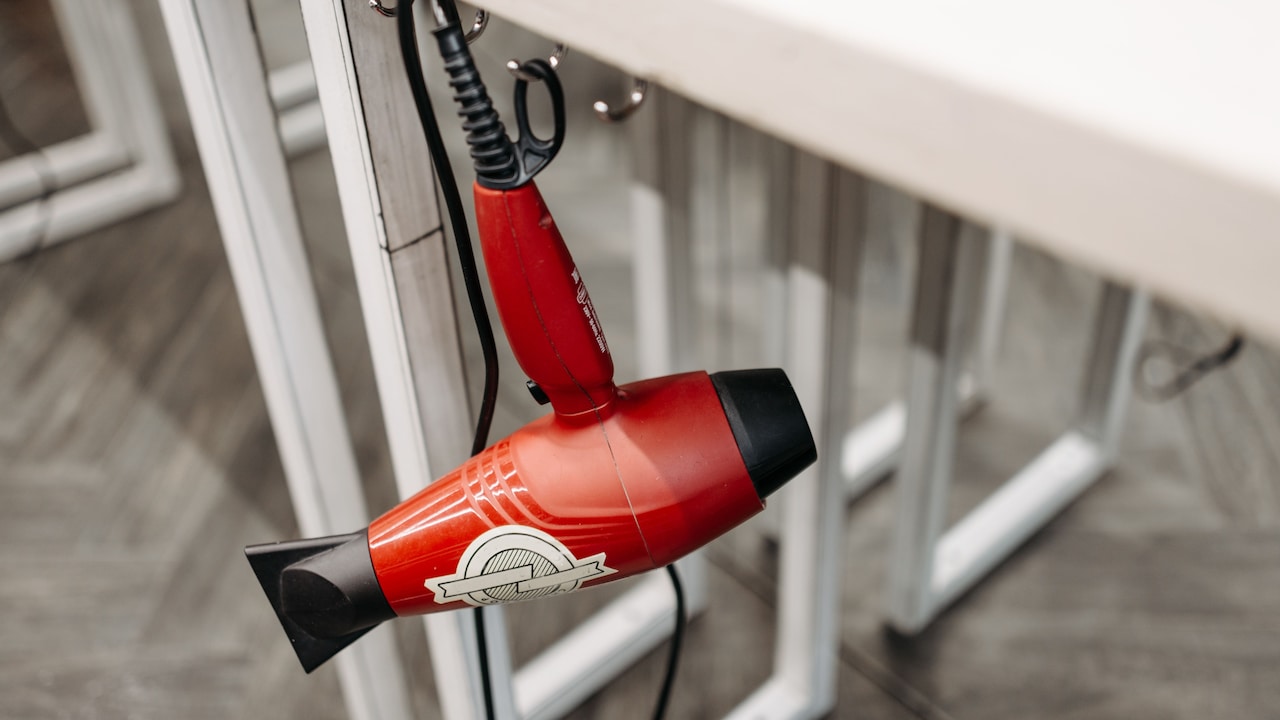
A hair dryer often arrives with attachments that remain untouched in the box. The dryer becomes part of the morning routine, while the diffuser and concentrator quietly gather dust beside old chargers and forgotten instruction manuals. That small oversight can make styling harder than it needs to be. Attachments control the direction, speed and spread of hot air. Without one, airflow moves everywhere at once. Hair may dry quickly, but it can also turn frizzy, flat or uneven. A well-chosen attachment makes the same dryer feel more precise and far more useful.
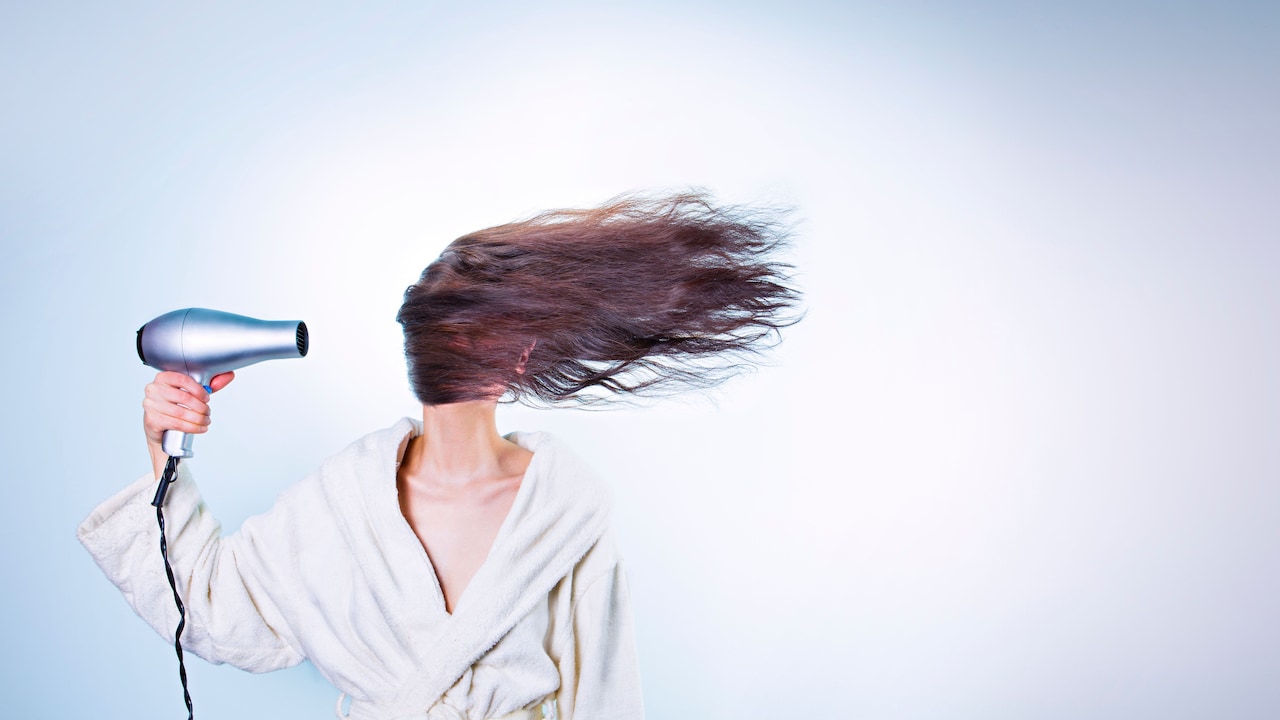
Hair Dryer For Woman With Diffuser Or Concentrator: Which Attachment Do You Need?
Photo Credit: Pexels
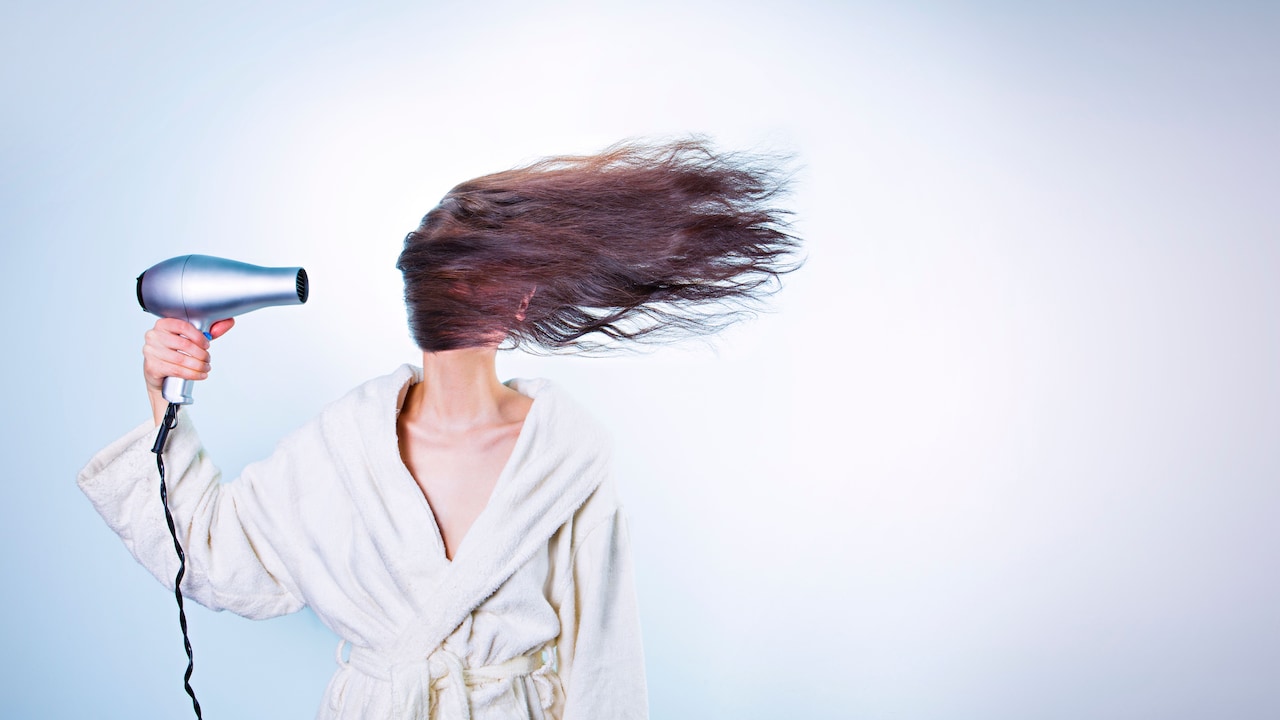
The real question is not which attachment looks more professional. It is which one suits your natural texture and preferred hairstyle. A diffuser works beautifully with curls, waves and volume. A concentrator supports straightening, polishing and targeted drying. Some women may need one every day and the other only before a wedding, office presentation or festive dinner.
Understanding how each attachment works can save time, reduce heat damage and prevent the familiar battle between a comb, a dryer and an increasingly impatient arm.
Diffuser Or Concentrator: How To Choose The Right Attachment
Understand What A Diffuser Actually Does
A diffuser is usually a wide, bowl-shaped attachment with several small openings or finger-like prongs. It spreads air across a larger area instead of blasting one section with a narrow stream. This gentler airflow helps hair retain its natural shape while drying.
Curly and wavy hair often loses definition when strong air pushes the strands in different directions. The result can look fluffy rather than full, especially during humid weather. A diffuser reduces that disruption. It supports curl clumps, controls flyaways and encourages texture without forcing hair into a completely different form.
The attachment also helps create volume near the roots. Tilting the head and placing sections inside the diffuser bowl can lift the hair while preserving its pattern. The process may take slightly longer than rough drying, but the finish usually looks softer and more deliberate.
A diffuser does not create curls where none exist. It enhances existing movement. Hair with a slight wave may gain bounce, while naturally coiled hair may achieve better definition. Think of it as a supportive friend rather than a magician with unrealistic promises.
Know How A Concentrator Changes The Airflow
A concentrator is the narrow, flat nozzle that fits onto the front of a hair dryer. Its shape directs air towards a specific section, giving greater control over the drying process. Instead of sending hot air across the whole head, it focuses on the area underneath a brush or comb.
This precision makes the concentrator ideal for smooth styles. When the nozzle points down the hair shaft, it helps the outer layer lie flatter. Hair appears shinier, neater and less frizzy. The technique works particularly well with a paddle brush for straight finishes or a round brush for soft bends and salon-style volume.
Direction matters. Pointing the nozzle upwards can roughen the surface and create flyaways. Keeping it angled from roots to ends produces a cleaner finish. The nozzle should also remain a short distance from the hair rather than touching it directly.
For rushed mornings, the concentrator can feel like a practical shortcut. It allows quick work on the fringe, crown or ends without reheating every strand. That level of control often separates an ordinary blow-dry from one that survives the commute.
Match The Attachment To Your Hair Texture
Hair texture should guide the decision before trends, advertisements or attractive packaging enter the conversation. Curly, coily and strongly wavy hair usually responds well to a diffuser because the attachment protects the natural pattern. It dries the hair without scattering curls or stretching them unnecessarily.
Straight and slightly wavy hair often benefits more from a concentrator. Focused airflow helps create a smooth finish and makes brushing easier. Thick hair can also dry more efficiently when divided into sections and treated with the narrow nozzle.
Fine hair needs a little more thought. A diffuser can add lift and movement, especially when used at the roots. However, too much heat may leave fine strands dry or brittle. Low temperature and moderate speed work better than maximum power. A concentrator can shape fine hair neatly, but it should not flatten the roots unless that sleek effect feels intentional.
Mixed textures may need both attachments. The roots may require focused drying, while the lengths need gentle diffusion. Hair rarely follows one neat rule from scalp to ends. Choosing according to each section often produces a more natural, balanced result.
Choose A Diffuser For Defined Curls And Waves
Anyone who has watched carefully styled curls turn into a cloud of frizz within minutes understands the value of controlled drying. A diffuser helps curls hold their formation by reducing direct air pressure. It allows moisture to evaporate without breaking the groups of strands that create definition.
For better results, begin with damp rather than dripping hair. Apply a lightweight curl cream, mousse or gel, then gently scrunch the lengths. Place sections inside the diffuser and bring it towards the scalp. Keep movement slow. Constantly shaking the dryer can disturb the curl pattern and undo the attachment's main advantage.
Low or medium heat usually works best. High heat may dry the surface too quickly while leaving inner sections damp. It can also make curls feel rough. Patience brings a more polished finish, although waiting patiently with one arm raised may count as an unofficial workout.
A diffuser also suits loose waves that disappear after ordinary blow-drying. It can revive shape and create a relaxed, beachy texture without a curling iron. The result feels less “perfectly styled” and more naturally put together.
Pick A Concentrator For Sleek And Polished Hair
A concentrator suits anyone who prefers straight, smooth or softly curved hair. The narrow nozzle works with a brush to stretch and shape each section. It gives the user control over where heat lands and how the hair settles.
Start by dividing the hair into manageable sections. Trying to dry a large bundle at once often creates damp roots, dry ends and considerable frustration. Place the brush underneath one section, aim the nozzle downwards and move both tools together from roots to ends. Slow, steady motion works better than hovering over one spot.
A round brush can create volume near the crown and a gentle bend at the ends. A paddle brush supports a straighter finish. For a polished fringe, the concentrator offers far more accuracy than unrestricted airflow.
This attachment can also reduce dependence on a straightener. Hair may not become pin-straight, particularly if it has strong natural texture, but a careful blow-dry can deliver enough smoothness for workdays and casual outings. Less contact with very hot plates may also help the ends feel healthier over time.
Also Read: Hair Dryers Under ₹999 In Myntra Mega Saving Sale For Quick At-Home Blow-Dries
Consider Humidity, Monsoon Weather And Frizz
Weather often decides whether a hairstyle behaves beautifully or develops plans of its own. Humidity causes hair to absorb moisture from the air, which can increase frizz, soften straight styles and alter curl patterns. The right attachment cannot control the climate, but it can create a stronger starting point.
A diffuser works well for textured hair during humid months because it supports the natural pattern instead of fighting it. Trying to force curls completely straight on a damp morning may lead to disappointment before the first cup of chai. Defined curls often cope better because the style works with the hair's natural tendencies.
A concentrator helps smooth the outer surface and reduce immediate frizz. Pairing it with a heat-protective serum can improve shine and control. However, repeatedly blasting hot air at already dry sections may create more roughness later.
A cool-air finish can help both styles. Once the hair feels dry, switch to the cool setting and move across each section. This step helps the style settle and reduces the overheated feeling around the scalp. It also offers welcome relief when the bathroom already feels like a steam room.
Hair Dryer For Woman With Diffuser Or Concentrator: Which Attachment Do You Need?
Photo Credit: Pexels
Think About Heat Damage And Hair Health
The attachment matters, but temperature and technique matter just as much. Even the finest diffuser cannot protect hair from prolonged high heat. Likewise, a concentrator can become harsh when held too close to one spot.
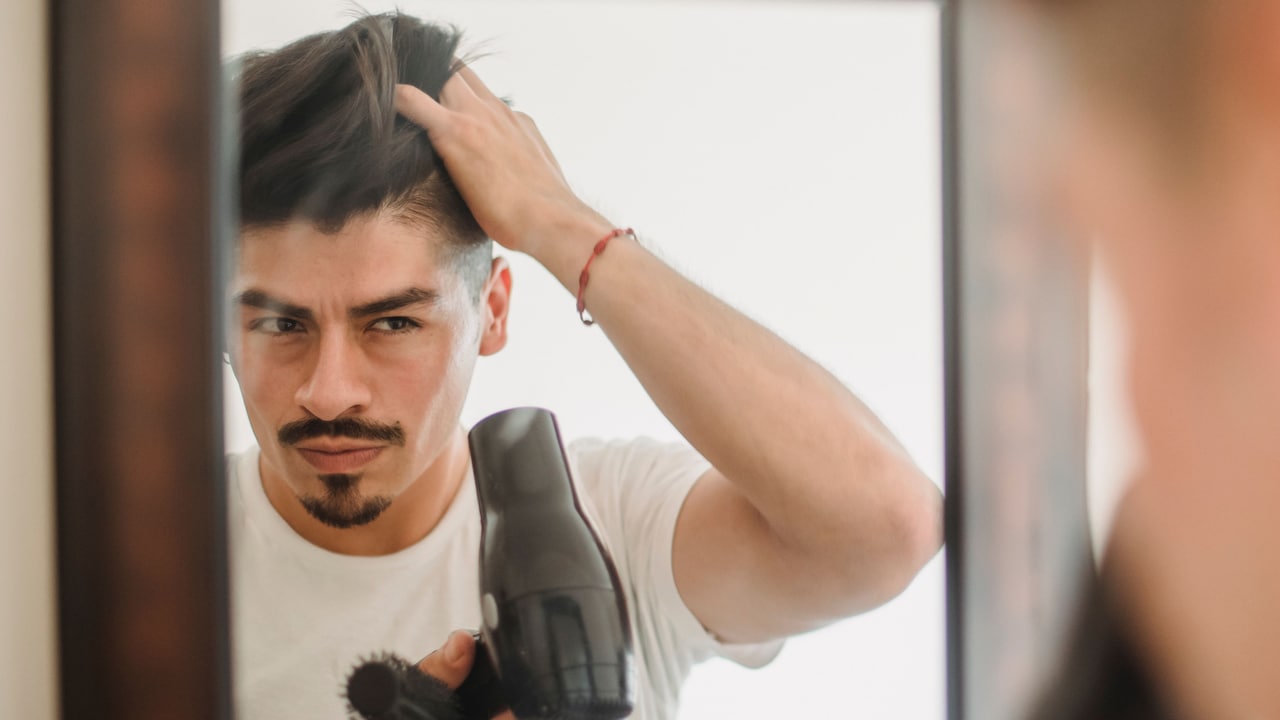
Hair should remain in constant, controlled motion during drying. With a concentrator, move the nozzle along the length alongside the brush. With a diffuser, hold each section for a short period, then shift to another area. Avoid pressing either attachment directly against the scalp.
A heat protectant adds a useful barrier, particularly for coloured, chemically treated or frequently styled hair. The product should cover the lengths evenly without making the roots heavy. More product does not always mean more protection; sometimes it simply means hair that looks ready for another wash.
Drying hair until it reaches around eighty or ninety per cent dryness can also reduce unnecessary exposure. The final moisture may disappear naturally. Curly hair should feel completely dry before heavy touching, since disturbing damp curls often creates frizz.
Healthy styling does not require avoiding heat altogether. It requires sensible settings, steady movement and knowing when the job is already done.
Factor In Your Morning Routine And Styling Skills
The best attachment is one that fits comfortably into real life. A diffuser may create beautiful definition, but it requires a little patience. People who need to leave home quickly may prefer diffusing only the front and crown, then allowing the remaining hair to air-dry.
A concentrator can feel faster for straight or slightly wavy hair, especially when the goal is a tidy work-ready finish. Yet it demands coordination between the dryer and brush. The first few attempts may feel like conducting an orchestra with only two hands and no rehearsal.
Beginners should start with smaller sections and medium airflow. Speed often comes naturally after the technique becomes familiar. A lightweight dryer also helps, since a heavy model can make ten minutes feel surprisingly long.
Consider how often elaborate styling actually happens. Someone who wears natural curls most days will gain more value from a diffuser. Someone who regularly smooths the hair before office meetings, celebrations or dinners may rely more on a concentrator.
Convenience should not sound glamorous, but it matters. An attachment that matches everyday habits will get used. One that demands an entirely new lifestyle may return quietly to the box.
Check The Dryer Design Before Buying An Attachment
Not every attachment fits every hair dryer. Nozzle sizes vary, and universal attachments do not always remain secure during use. A diffuser that slips off mid-style can interrupt the routine and send a warm plastic bowl rolling across the floor.
Buying a dryer that already includes both attachments often offers better value. Models in the ₹1,500 to ₹5,000 range commonly provide multiple speed settings, heat controls and at least one styling nozzle. Premium models may offer improved temperature regulation, quieter motors and magnetic attachments, though the price can rise well beyond ₹10,000.
The diffuser should feel wide enough to hold a reasonable section of hair. Deep bowls suit long curls, while compact designs work well for shorter hair. The concentrator should fit firmly and allow easy rotation, since changing the angle helps during styling.
Weight, cord length and button placement also deserve attention. An excellent attachment cannot compensate for a dryer that feels awkward or overheats quickly.
Before purchasing a separate nozzle, check the dryer's model number and measurements. A secure fit protects both convenience and safety. Guesswork may save five minutes while shopping, then waste much more time at home.
Decide Whether You Need One Attachment Or Both
The choice does not always need to become a dramatic contest between diffuser and concentrator. Many women benefit from owning both, even when one remains the clear favourite. Hair needs can change with length, weather, occasion and mood.
A diffuser supports natural texture on casual days, holidays and humid mornings. A concentrator helps create a sharper finish for formal events, interviews or family functions. The two attachments may even work together during one styling session. The concentrator can smooth the fringe or roots, while the diffuser protects waves through the lengths.
Those who rarely straighten their curls may only need a diffuser. Those who keep a sleek bob or smooth layers may use a concentrator almost every day. Budget also plays a role, but attachments usually cost less than buying separate styling appliances.
The key question is simple: which finish appears most often in the mirror? Choose the attachment that supports that style first. Add the other when the routine demands greater flexibility.
Hair styling should make life easier, not turn each morning into a technical examination. The right tool is the one that delivers a pleasing result without unnecessary effort.
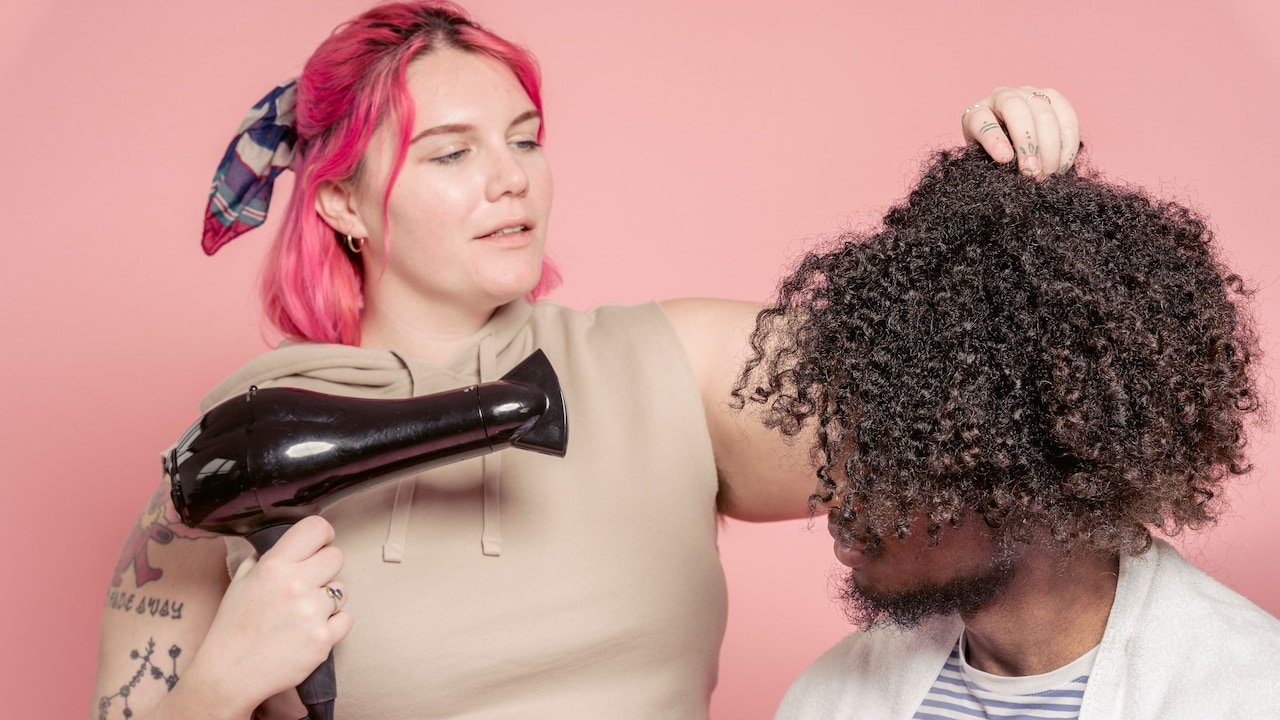
Diffuser Or Concentrator: How To Choose The Right Hair Dryer Attachment
Photo Credit: Pexels
Products Related To This Article
1. Havells HD3151 1200 W Foldable Hair Dryer
2. VEGA Dry-Up 2000 Watts Hair Dryer
3. Philips India's No.1 Hair Styling Brand - Glass like Shine Hair Dryer
4. WINSTON Turbo Pro Hair Dryer
5. AGARO 2000W AC Professional Hair Dryer with Comb
6. Nova NHP 8105 1200 Watts Hot & Cold Foldable Hair Dryer
7. BEARDO Studio Professional Tornado Hair Dryer
A diffuser and a concentrator serve different purposes, and neither attachment wins in every situation. A diffuser spreads airflow gently, protects curls, enhances waves and creates soft volume. A concentrator directs air precisely, smooths the hair and supports sleek or shaped blow-dries.
Natural texture provides the clearest clue. Curly and coily hair usually benefits from diffusion, while straight and mildly wavy hair often responds well to concentrated airflow. Fine, thick or mixed-texture hair may require a combination of techniques. Weather, styling time and heat habits also influence the decision.
For maximum flexibility, a hair dryer with both attachments makes practical sense. It allows natural texture one day and a polished finish the next. However, owning both only helps when the technique suits the hair. Low to medium heat, controlled movement and a heat protectant remain essential.
That modest piece of plastic in the dryer box deserves more attention than it receives. Once matched with the right hairstyle, it can reduce frizz, improve definition and make everyday styling feel less like a struggle. Sometimes, better hair does not require a new appliance. It simply requires using the attachment that has been waiting patiently all along.
(Disclaimer: This article may include references to or features of products and services made available through affiliate marketing campaigns. NDTV Convergence Limited (“NDTV”) strives to maintain editorial independence while participating in such campaigns. NDTV does not assume responsibility for the performance or claims of any featured products or services.)