Kitchen Weighing Scales: The One Tool That Saves Grocery Money
A kitchen weighing scale isn’t just for baking. It helps reduce waste, control portions, and stretch staples like rice, dal, oil, and snacks, saving grocery money every week.
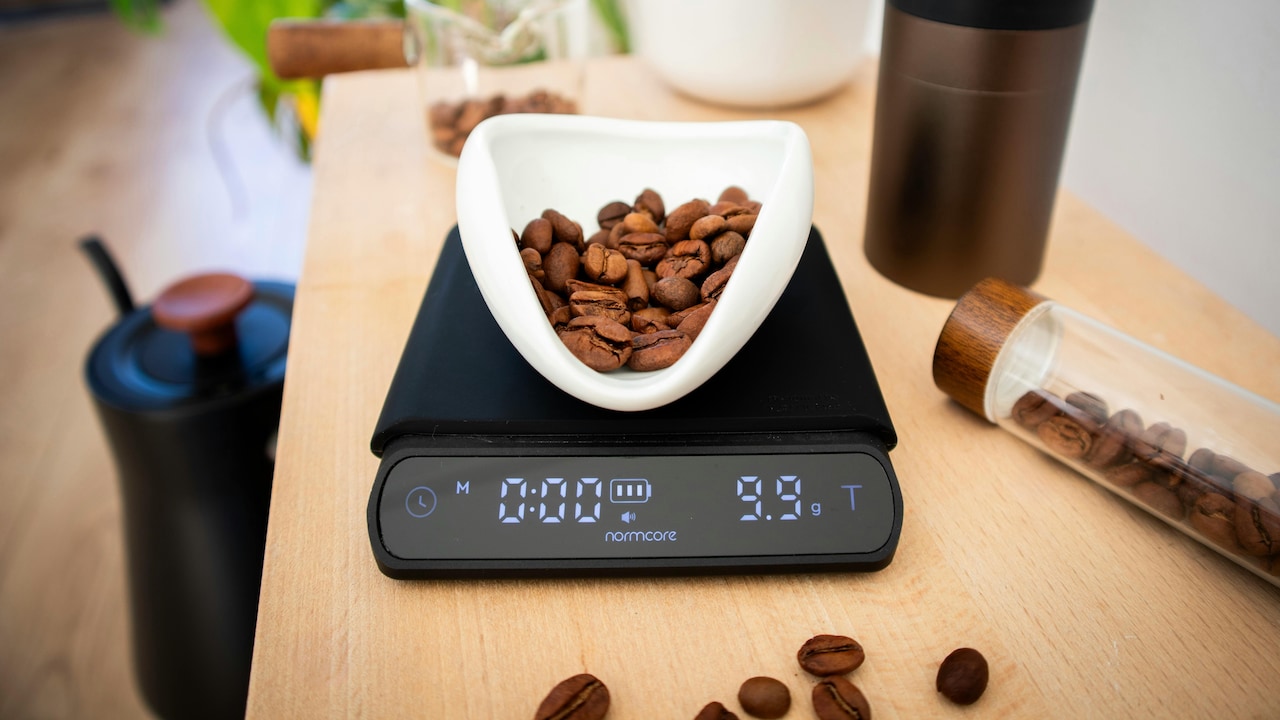
Kitchen Weighing Scales: Smart Kitchen Tool That Helps Save Monthly Grocery Money.
There's a certain drama that plays out in most kitchens. A little extra rice goes into the pot “just in case”. A handful more dal follows because “everyone seems hungry today”. Oil gets poured with confidence, not measurement. Then, two things happen: either the food runs short, and panic arrives, or there's enough leftover to feed a small wedding.
Most households don't waste food on purpose. It happens because cooking often runs on instinct, habit, and the classic aunty measurement system: “thoda sa”, “ek katori”, “bas itna”. That works, until prices rise, portions change, or the family's appetite turns unpredictable.
A kitchen weighing scale looks like a boring gadget. But it's a money-saving tool disguised as a flat rectangle. It helps plan meals, control portions, reduce waste, and stretch groceries without making anyone feel deprived. And once it becomes part of the routine, it feels as normal as the pressure cooker.
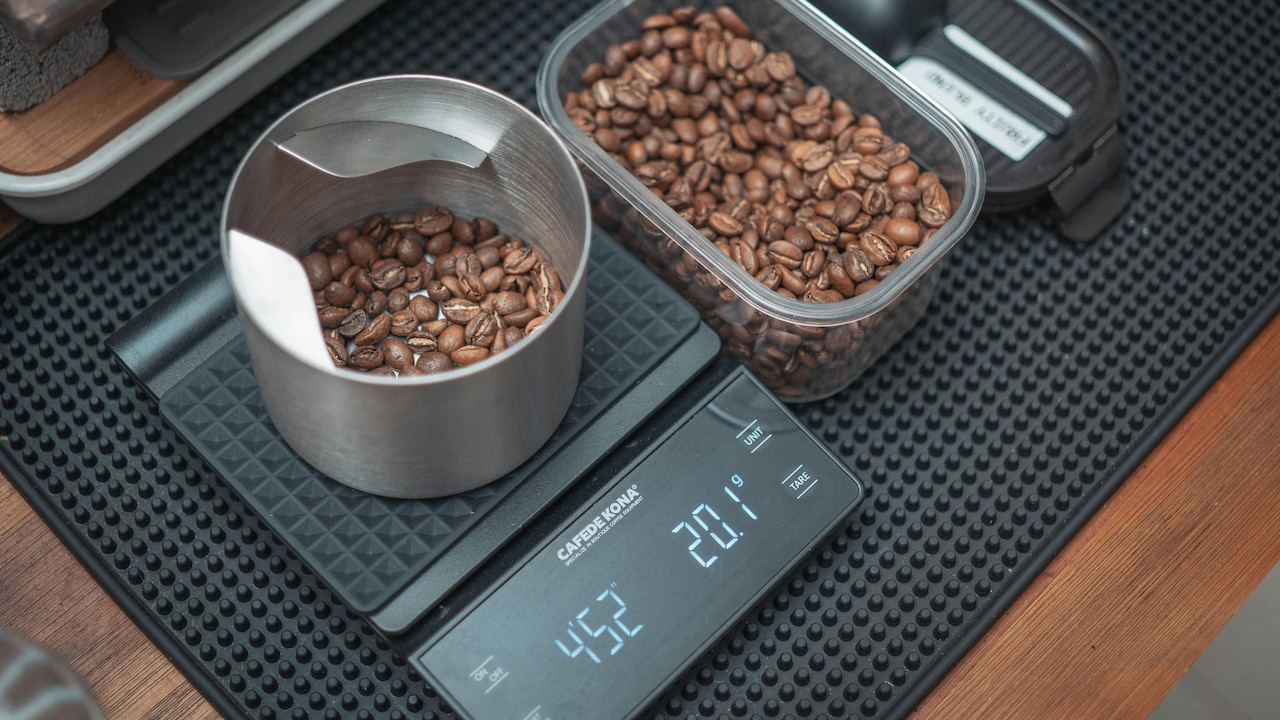
Kitchen Weighing Scales: The One Tool That Saves Grocery Money; Photo Credit: Pexels
10 Everyday Ways a Kitchen Scale Saves Money
1) It ends the “extra just in case” habit
That “just in case” spoonful is the quiet villain of many kitchens. Rice gets overcooked, dal becomes a lake, sabzi turns into a mountain, and suddenly the fridge is full of containers no one wants to open.
A kitchen weighing scale doesn't remove intuition. It simply gives intuition a backbone. If a family of four regularly eats 320g of cooked rice, it becomes easy to work backwards and measure the raw amount. The same goes for dal, pasta, oats, poha, and even upma rava. Over time, the kitchen learns its own patterns.
The real win is that this doesn't feel like strict dieting. It feels like being organised. Nobody is asked to eat less. Food is simply cooked closer to what people actually finish.
And when there are leftovers, they become intentional, not accidental. That means fewer “let's force ourselves to finish it tomorrow” meals and more “let's make something fresh” days. The savings show up quietly, week after week.
2) It stops staples from disappearing too fast
Every home has that one mystery: how does a 5kg bag of rice vanish like it's running away? How does atta finish before anyone remembers making parathas? Why does sugar feel like it evaporates?
A weighing scale solves this without turning anyone into a suspicious detective. It makes staple usage visible. If the daily rice use is around 180g raw, that's about 5.4kg per month. If the bag is finishing in three weeks, something is off, either portions have grown, or more is being wasted.
This visibility changes buying habits, too. People stop overstocking out of panic. They also stop under-buying and then paying extra for last-minute purchases. A scale helps predict.
It's like switching from “hope-based budgeting” to “math-based budgeting”, but in a friendly way. And the best part is that the scale doesn't argue. It simply tells the truth, calmly, every single time.
Also Read: Top 5 Digital Kitchen Scales Under ₹500 To Get Your Cooking Just Right
3) It makes dal, legumes, and sprouts stretch further
Dal is comfort food. It's also one of those ingredients that can quietly become expensive when used too generously. Many kitchens cook dal with a generous hand because it feels safer. Nobody wants watery dal, and nobody wants it to run short.
But dal expands. A small amount goes a long way. The problem is that eyeballing raw dal is hard. A “small bowl” can vary wildly depending on the bowl, the mood, and whether someone recently bought new crockery.
A weighing scale fixes that. Once the household learns that 70g of toor dal works for three people with sabzi and roti, it becomes a repeatable habit. If guests arrive, the number is adjusted. If someone wants extra, it's adjusted again. But the adjustment becomes conscious, not accidental.
The same logic works beautifully for chana, rajma, lobia, moong, and sprouts. Measuring dry legumes also helps with soaking. Too much soaked chana leads to a week of chana salads nobody asked for. Too little leads to last-minute cooking chaos.
4) It prevents oil and ghee from turning into a budget leak
Oil is one of those things that feels impossible to measure in daily cooking. A splash here, a drizzle there, and suddenly a 1-litre bottle looks offended and empty.
Many households don't realise how much oil goes into everyday meals. Not because anyone is reckless, but because oil is silent. It doesn't look like much in a pan. It doesn't take up space like rice. It doesn't pile up like vegetables. It just disappears.
A weighing scale can help here in a surprisingly simple way. Placing the oil bottle on the scale before and after cooking gives a clear number. Even a difference of 15g per meal adds up fast.
This isn't about cutting oil to miserable levels. It's about finding a sensible baseline. If a family uses 25g for a full meal, great. If it's 55g and no one realises, that's where savings hide.
This also improves taste. Too much oil often makes food heavy. The scale doesn't just save money; it can make cooking feel lighter and cleaner.
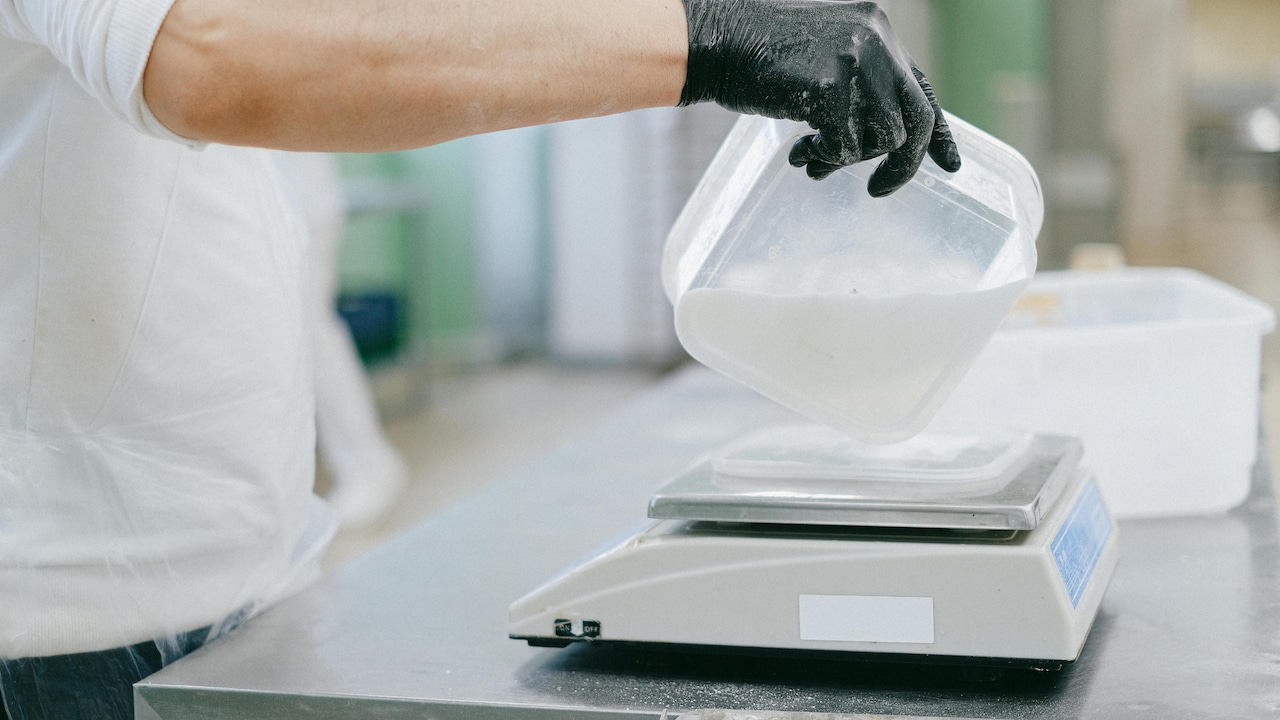
Kitchen Weighing Scales: The One Tool That Saves Grocery Money; Photo Credit: Pexels
5) It makes snacks and “little treats” less expensive
Snacking is where budgets quietly go to die. Not because snacks are evil. Because snacks are sneaky.
A packet of almonds is opened. Some are eaten. The lid is closed. Later, someone else eats “a few”. Then someone adds “just a handful” to a smoothie. Before the week ends, the container is empty and everyone swears they barely touched it.
A weighing scale brings sanity to this. Dry fruits, makhana, roasted chana, peanuts, murmura, and even biscuits become measurable. Not in a strict, joyless way, but in a practical one. It becomes easy to portion snacks into small boxes or jars.
This has two benefits. First, it reduces mindless eating. Second, it stops the “free-for-all” effect that empties expensive items quickly.
Even better, it helps with buying decisions. If 25g of cashews per day works fine, it becomes easy to estimate monthly needs. That stops the cycle of buying too much, feeling guilty, and then over-eating just to finish it.
6) It helps buy smarter at the market
Markets are full of emotional decisions. The tomatoes look too good, so more are bought. The vendor insists the mangoes are “last of the season”, so a box comes home. A huge cauliflower appears, and it feels rude not to adopt it.
A kitchen weighing scale doesn't follow you to the market, but it changes what happens after. It helps track how much is actually used.
For example, if the family regularly finishes 1.8kg of onions per week, buying 3kg “because it's cheaper” often leads to spoilage. On the other hand, if potatoes are used heavily and store well, buying extra makes sense.
The scale helps build a personal database of consumption. Not a spreadsheet (unless someone enjoys that). Just a mental understanding of “this much is enough”.
Over time, this turns shopping into something calmer. It stops impulse bulk-buying. It also reduces the number of emergency mid-week runs that usually cost more and come with extra “since we're here” purchases.
7) It makes home cooking more consistent (and that saves money too)
When food tastes inconsistent, people start ordering in. It's not always about laziness. Sometimes it's because home meals feel unpredictable. One day, the pulao is perfect. The next day it's sticky. One day, the idli batter is balanced. The next day, it's a mystery.
A weighing scale improves consistency in a way that feels almost magical. Measuring rice-to-water ratios, flour for dough, or ingredients for batter creates repeatable results. And repeatable results create confidence.
When the kitchen becomes reliable, takeaway becomes less tempting. That's where the real savings kick in. Even one less online order per week can save ₹400 to ₹1,200, depending on the household.
This consistency also reduces waste. Failed experiments get thrown away. Over-salted curries get “fixed” with extra ingredients. Burnt halwa gets replaced with something else. A scale helps avoid these little disasters.
Cooking becomes less stressful. And when cooking feels less stressful, it happens more often.
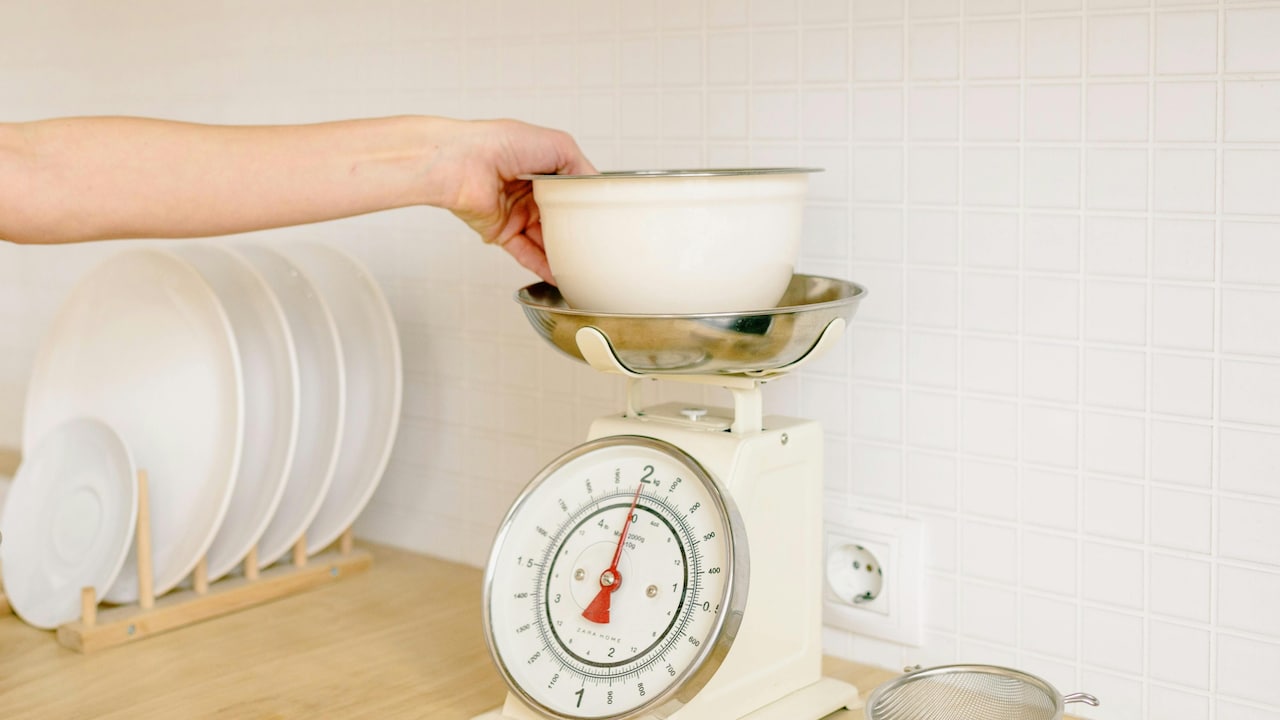
Kitchen Weighing Scales: The One Tool That Saves Grocery Money; Photo Credit: Pexels
8) It reduces waste from flour, dough, and batter
Flour-based foods are daily staples. Rotis, parathas, puris, dosas, cheelas, pancakes, there's always some form of batter or dough in the kitchen. And there's always leftover dough, drying in a bowl like a forgotten responsibility.
This happens because dough is tricky to estimate. People often knead more because it feels safer. But leftover dough becomes a guilt project. It turns into emergency rotis later, or it gets thrown out.
A weighing scale makes flour predictable. If 80g of atta makes enough rotis for one person, the household can scale up accurately. Even if the number changes slightly depending on appetite, it becomes a starting point.
The same goes for dosa batter, idli batter, and besan mixtures. Measuring the ingredients helps avoid making too much. It also helps avoid making too little, which leads to additional cooking and more gas usage.
Less leftover batter means less fridge clutter, less spoilage, and fewer “eat this because it's there” meals.
9) It makes meal prep and storage actually work
Meal prep sounds like something only fitness influencers do. In real homes, it often looks like this: chopping vegetables, storing them, forgetting them, and then finding a sad container three days later.
A weighing scale makes meal prep more practical. It helps portion ingredients in amounts that will actually get used. Instead of storing “a lot of chopped capsicum”, it becomes “250g capsicum for two meals”. Instead of freezing “some paneer”, it becomes “300g paneer for one curry”.
Portioning also makes cooking faster. When ingredients are pre-measured, the kitchen becomes efficient. And when cooking is efficient, it happens more often.
This has a direct impact on grocery spending. The more organised the kitchen is, the fewer ingredients go to waste. People also stop buying duplicates. No more discovering three half-used packets of poha because nobody knew where the first one was.
A scale turns storage into a system, not a random collection of containers.
10) It pays for itself faster than most kitchen gadgets
A kitchen weighing scale isn't a fancy appliance. It doesn't beep dramatically. It doesn't make the kitchen smell like café coffee. It just sits there, quietly, doing its job.
That's exactly why it's worth it.
Even a basic digital scale can prevent enough waste to cover its cost quickly. A little less rice wasted, fewer spoiled vegetables, fewer emergency grocery runs, and fewer “let's order something” nights. The savings stack up.
It also improves everyday life in small ways. Cooking feels calmer. Portions feel more balanced. Shopping becomes less chaotic. The kitchen feels more in control.
And there's something oddly satisfying about weighing ingredients. It feels like running the kitchen like a pro, even when wearing old slippers and a faded T-shirt.
The scale doesn't judge. It doesn't nag. It simply helps make better choices without making anyone feel restricted. That's a rare quality in any tool.
Products Related To This Article
1. HealthSense Weight Machine for Kitchen, Kitchen Food Weighing Scale for Health Fitness
2. ATOM ALISTON K1 Series Digital Kitchen Weighing Scale 10 kg
3. Themisto TH-WS15 Electronic digital Kitchen Weighing Scale
4. Digital Food Weight Machine For Kitchen up to 10 kg Capacity
5. Etekcity Kitchen Weight Machine 6 Months Manufacturer Warranty
6. Dr Trust USA Stainless Steel Electronic Kitchen Digital Scale Weighing Machine For Health
7. Longway LWKWS01 Multipurpose Portable Digital Kitchen Weighing Scale
Kitchen weighing scales don't look exciting. They don't sparkle on the counter like a new mixer grinder. They don't impress guests. But they do something far more valuable: they quietly protect the grocery budget.
They help cook the right amount, reduce waste, make staples last, and keep the kitchen organised. They also make meals more consistent, which reduces the temptation to order food. And unlike many kitchen gadgets that get used twice and then forgotten, a weighing scale fits into daily life naturally.
In a world where prices rise without warning, and grocery bills feel heavier every month, a small tool that restores control is a relief. Not a dramatic one. A practical one.
Sometimes saving money doesn't require a big lifestyle change. Sometimes it just requires a flat little device that tells the truth in grams.
(Disclaimer: This article may include references to or features of products and services made available through affiliate marketing campaigns. NDTV Convergence Limited (“NDTV”) strives to maintain editorial independence while participating in such campaigns. NDTV does not assume responsibility for the performance or claims of any featured products or services.)