Instant Water Heater Vs Storage Geyser: Power Consumption, Cost And Best Choice
Storage geyser or instant heater, which saves more power? The answer depends on usage, family size, and bathing habits. This comparison breaks down costs, comfort, and real-world efficiency to help you choose wisely. Make the right choice between instant and storage water geysers with these tips.
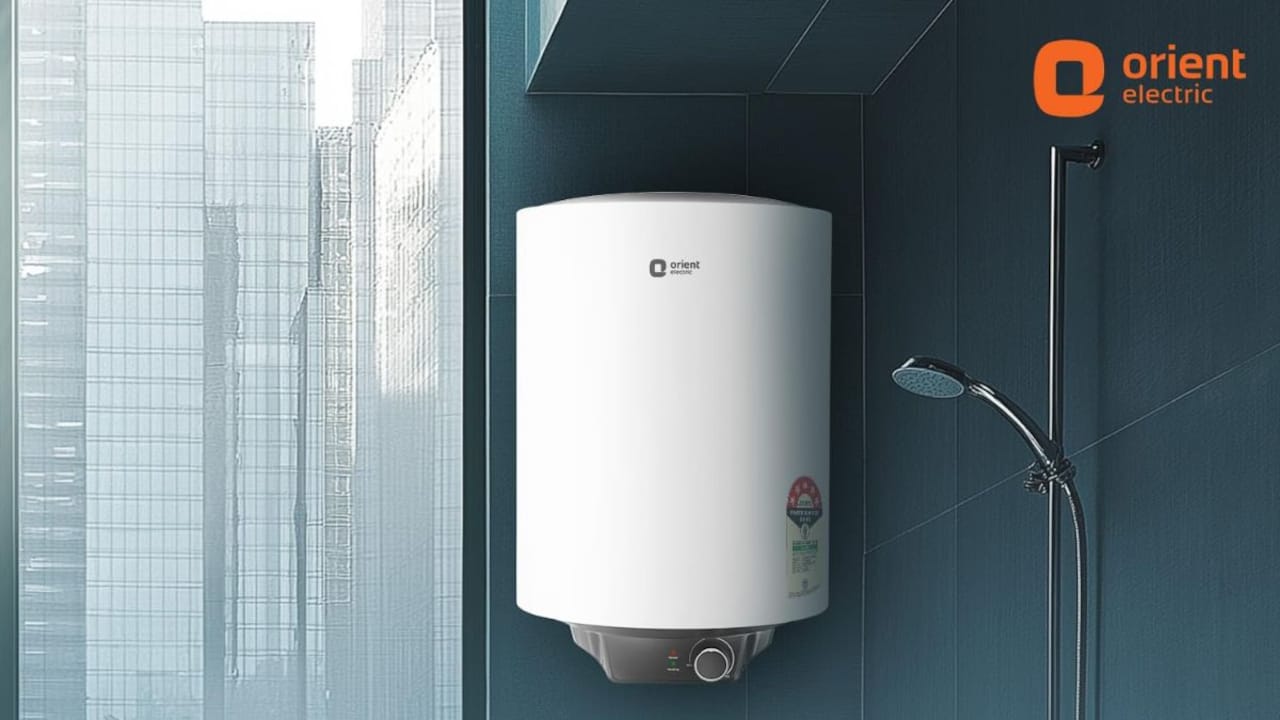
Which Water Heater Type Saves More Power: Storage Geyser or Instant Model? Check Comparison.
Hot water is one of those small luxuries that turns into a daily necessity the moment winter arrives, or the moment someone in the family decides that “normal bathing” means a 25-minute spa session.
And in many homes, the water heater becomes the silent hero of the morning routine. It also becomes the silent villain of the monthly electricity bill.
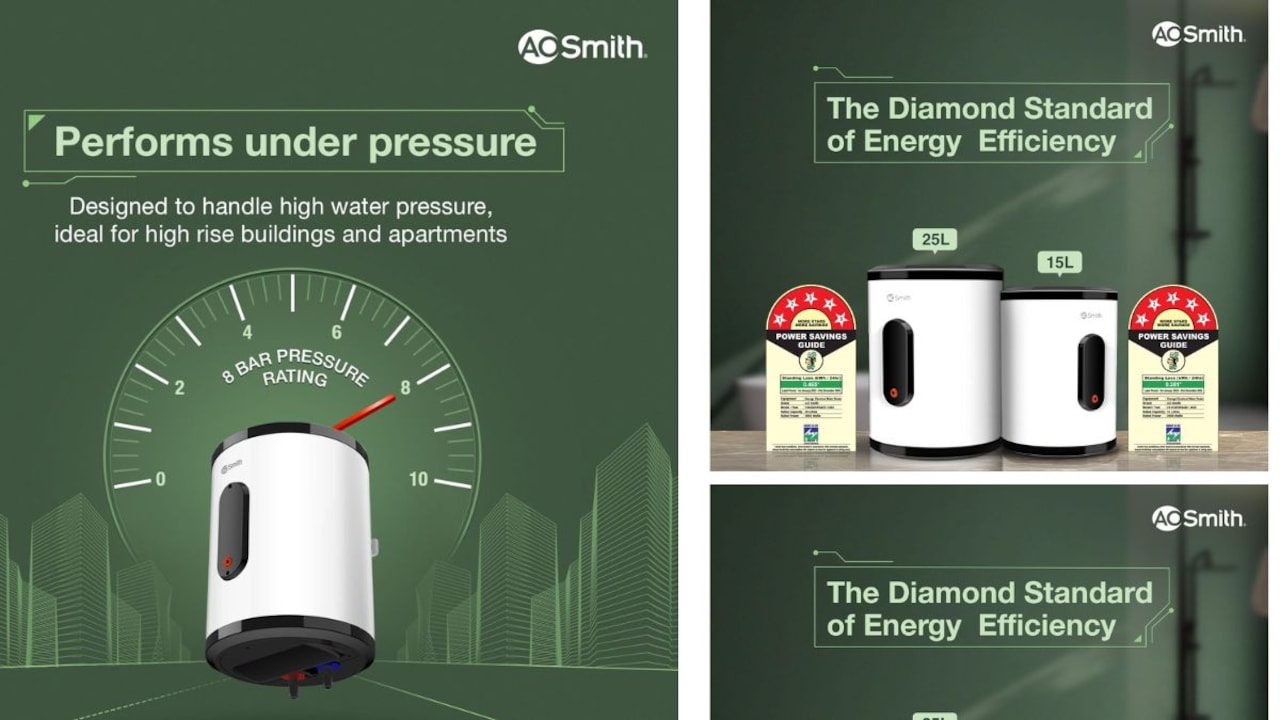
Top features to remember when choosing between storage and instant geysers; Photo Credit: Amazon
The big question is simple: which one saves more power, a storage geyser or an instant water heater?
The honest answer is: it depends. But it doesn't depend in a vague, frustrating way. It depends on specific things like the number of people in your home, how long your showers are, whether you bathe at fixed times, and whether someone keeps switching the heater on “just in case”.
So instead of declaring one type the winner for everyone, this comparison lays out exactly where each type saves power, where it wastes it, and how to choose the right one without regretting it later.
Before You Buy: 10 Things That Decide Your Electricity Bill
1) How Both Heaters Work: And Why That Matters For Electricity
A storage geyser works like a thermos with a heating coil. It heats a tank full of water, usually 10, 15, 25 litres or more, and then keeps it warm for some time using insulation. Once the temperature drops, the thermostat kicks in and reheats the water. That reheating is where a lot of electricity quietly slips away, especially if the geyser stays on for long periods.
An instant water heater works like a fast kettle. It heats water only when the tap is turned on. No tank, no waiting for a full batch of water to warm up, and no reheating because there's nothing stored.
This difference is the foundation of the power debate. A storage geyser spends energy not just heating water, but also maintaining its temperature. An instant heater spends energy only while water flows.
But here's the twist: instant heaters often use higher wattage. They pull more power at once, even if for a shorter time. Storage geysers use lower wattage but may run longer.
So the “savings” depend on usage patterns more than the appliance itself. The heater type is only half the story. The other half is the household.
2) Power Consumption: The Real Meaning Behind “More Watts”
Many people see the wattage on the box and panic. Instant heaters often come with 3kW to 6kW ratings, while storage geysers are commonly 2kW. On paper, it looks like instant models are electricity monsters.
But wattage is not the same as total consumption. Wattage is speed. Consumption is the total time spent heating.
A 2kW storage geyser may run for 20–30 minutes to heat a full tank, and then run again later to maintain the temperature. If someone switches it on early and forgets to turn it off, it might reheat multiple times. That's when the bill starts looking like it went on a shopping spree.
An instant heater might run at 4.5kW, but only for 5–8 minutes while someone bathes. Once the tap is off, it stops completely. No reheating. No standby.
So yes, instant models draw more power in the moment. But storage models can quietly consume more overall if they're left on or used inefficiently.
The bigger question is not “which has higher watts?” but “which runs longer in real life?”
3) The Standby Loss Problem: Storage Geysers Leak Energy Slowly
Storage geysers have one unavoidable issue: standby loss. Even the best insulated tank loses heat slowly, especially in colder months or in bathrooms that feel like iceboxes at 6 am.
That means if the geyser is heated at 6 am and someone bathes at 7:30 am, the water has cooled a bit. The heater turns on again to bring it back up. If another person bathes at 9 am, it reheats again. If someone washes utensils at noon using warm water because “it feels nicer”, it reheats again.
None of this feels like heavy usage. It feels like normal life. But the heater keeps topping up the temperature in the background, and each top-up costs electricity.
This is where storage geysers often lose the power-saving battle in real homes. Not because they are bad appliances, but because they rely on disciplined usage.
In many households, the geyser is treated like a ceiling fan: switched on and forgotten. That habit alone can add a painful amount to the monthly bill, without anyone realising why.
Instant heaters don't have standby loss because there is no stored hot water to maintain. When they are off, they are truly off.
4) Peak Winter Behaviour: When Storage Geysers Shine
Despite the standby loss issue, storage geysers can still save power in one specific situation: heavy continuous usage.
In winter, when the incoming water is very cold, instant heaters struggle to provide a strong flow of very hot water. They heat water fast, but they can't always keep up if the flow is high. Many people then reduce water flow to get hotter water, which can turn bathing into a slow, frustrating experience.
Storage geysers don't face that problem. They heat a full tank and deliver hot water at a comfortable flow rate. That makes them feel more “luxurious” for bathing, especially for families who prefer bucket baths or longer showers.
And here's the power angle: if several people bathe one after another, the storage geyser heats efficiently in one cycle and serves everyone. It may not need multiple reheats. In that scenario, the total energy used per person can be quite reasonable.
So in a home with 4–6 people bathing back-to-back in the morning, a storage geyser can be more power-efficient than an instant heater that runs at high wattage repeatedly.
This is one of the most misunderstood points. Storage geysers waste power when used in scattered bursts. They can be surprisingly efficient when used in a tight schedule.
5) Small Households And Quick Showers: Instant Heaters Win Cleanly
Instant water heaters feel like they were made for small households. If only one or two people need hot water, and the usage is mostly short showers or handwashing needs, the instant model is almost always the more power-saving choice.
Why? Because it eliminates the “heat a full tank” concept.
A storage geyser doesn't know whether someone needs two buckets of water or a full 25 litres. It heats the tank anyway. Even if only 5 litres are used, the rest sits there cooling down, waiting to be reheated later.
Instant heaters heat exactly what is used. Nothing more. That's the kind of efficiency electricity bills actually reward.
It's also perfect for homes where people bathe at random times. One person bathes at 6:30 am, another at 10 am, someone else after gym at 8 pm. A storage geyser in such a home ends up reheating multiple times, even if each bath uses a small amount.
Instant heaters thrive in chaotic schedules. They don't care about timing. They only care about the tap being on.
So if the household is small or the routine is unpredictable, instant models usually save more power without even trying.
Instant geysers offer flexibility for homes with unpredictable routines; Photo Credit: Amazon
6) Cost Per Month: What The Bill Usually Looks Like In Real Homes
People love asking, “How much will it cost per month?” but electricity costs depend on usage, local tariffs, and water temperature. Still, some patterns show up consistently.
A storage geyser used smartly, switched on only 15–20 minutes before bathing and turned off immediately after, can keep monthly costs controlled. But in many homes, it gets left on for hours. That's when the monthly expense can climb sharply.
Instant heaters usually create more predictable billing because there is no idle heating. The cost rises only when someone actually uses hot water. That makes it easier to manage.
For example, in a typical winter month, a family that uses a 25-litre storage geyser carelessly might see an extra ₹800–₹1,500 in electricity usage depending on how long it stays on daily. The same home using an instant heater for short showers may stay closer to ₹400–₹900.
But flip the situation: a large family using an instant heater for multiple long showers could spend more, because the heater runs at high wattage for extended periods.
So the bill difference is not magic. It is behavioural. The appliance doesn't decide the bill. The household does.
7) Water Pressure And Comfort: The Hidden Factor That Affects Energy Use
Power saving isn't only about electricity. It's also about whether the heater makes people change their behaviour.
Instant heaters often need lower flow rates to deliver very hot water, especially in winter. That means many users reduce water pressure while bathing. It saves hot water, yes, but it also makes bathing longer. And longer bathing means the heater runs longer. That can quietly cancel out the “instant heater saves power” advantage.
Storage geysers, on the other hand, allow normal flow. People bathe faster because the water feels comfortable and steady. It's easier to finish quickly when the water behaves.
There's also the mixing factor. With storage geysers, people often mix hot and cold water in a bucket. That can stretch hot water further, meaning less reheating. With instant heaters, people tend to rely on continuous hot water flow, which can extend usage time.
This is why comfort and energy are linked. A heater that feels inconvenient often causes longer usage. A heater that feels effortless can reduce time spent.
So when comparing power savings, it's worth thinking beyond the appliance. Think about the habits it will create in your home.
8) Installation, Bathroom Size, And The “Real Estate” Problem
Bathrooms in many city homes are compact. In such spaces, a storage geyser can feel like an extra family member who refuses to move. It needs wall space, strong mounting, and safe wiring. It also adds weight, which matters in older buildings.
Instant heaters are smaller and easier to fit. That convenience can indirectly save power, too, because people are more likely to install them closer to the point of use. Less pipe distance means less heat loss while the water travels. That's a small but real factor.
Storage geysers often sit slightly farther due to space constraints. Longer pipes mean the first few seconds of water are lukewarm as hot water travels through cold pipes. People then keep the tap running longer until proper hot water arrives. That wastes both water and electricity.
Instant heaters reduce this waste because hot water starts faster. They heat right as water flows.
So if the bathroom is small, or if the heater has to be installed far from the shower point, an instant model may have an efficiency advantage beyond the basic “tank vs no tank” debate.
This is one of those practical details people realise only after living with the heater.
9) Durability, Maintenance, And How Ageing Affects Power Use
A water heater's power efficiency is not fixed forever. It changes as the heater ages, especially in areas with hard water.
Storage geysers develop sediment at the bottom of the tank over time. That sediment acts like a blanket between the heating element and the water. The heater then takes longer to heat the same amount of water, which increases electricity consumption.
Instant heaters can also face scaling, but the effect often shows up as reduced flow or inconsistent heating. It can still increase energy use, but the pattern differs.
The real issue is maintenance habits. Many households never service the heater until it breaks. Meanwhile, efficiency slowly drops. A heater that used to heat water in 15 minutes now takes 25. Nobody notices because it still works. The electricity bill notices, though.
Storage geysers also have an anode rod that needs periodic replacement. When ignored, corrosion and heating inefficiency increase.
So when comparing power savings, it's worth considering long-term maintenance. A well-maintained storage geyser can stay efficient. A neglected one becomes a power-hungry tank.
Instant heaters, being simpler, often stay consistent for longer with basic cleaning.
10) The Best Choice Depends On Lifestyle, Not Marketing
The biggest mistake people make is buying a heater type because a friend said it's “better” or because a salesperson pushed it. Water heaters are lifestyle appliances. The best one depends on how the home uses hot water.
If the home has multiple people bathing one after another, especially in winter, and comfort matters more than speed, a storage geyser often makes more sense. It can be efficient if used in a disciplined way and switched off properly.
If the home has one or two users, short showers, unpredictable timing, or a tendency to forget switching things off, an instant heater can save more power without needing strict routines.
There's also the emotional side. Some people hate waiting. Others hate low water pressure. Some want hot water for kitchen use, too. These preferences shape usage patterns, and usage patterns shape electricity bills.
In the end, the most power-saving heater is the one that matches daily behaviour. A “perfect” heater used poorly will still waste power. A “less efficient” heater used smartly can save plenty.
Choosing wisely means choosing honestly, based on real life, not ideal life.
Products Related To This Article
1. AO Smith Geyser 15 Litre 5 Star Rating (BEE)
2. ACTIVA Inferno 6 L Instant Water Geyser
3. AO Smith Geyser VAS PLUS 15 Litre
4. Black+Decker Galerus Geyser 5 Litre
5. Racold Eterno Pro Storage Water Heater
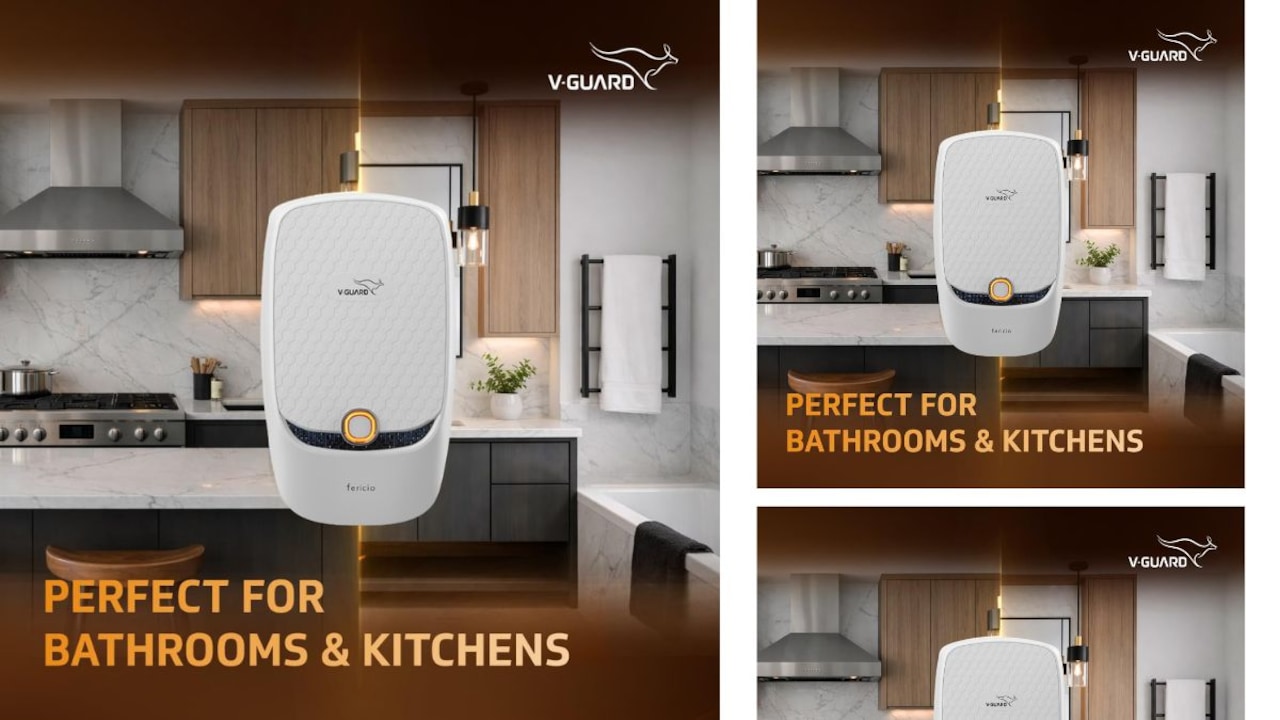
6. V-Guard Fericio Geyser 3 Litre Instant Water Heater
7. Faber Helios 25L Storage Water Heater
So, which water heater saves more power: a storage geyser or an instant model?
Instant heaters usually save more power in small households, short showers, and unpredictable routines because they heat only what is used and waste nothing on standby. Storage geysers can be power-efficient for larger families with back-to-back bathing schedules, especially when they are switched on only when needed and turned off immediately after.
The real deciding factor is not the heater. It's the home.
A storage geyser becomes expensive when it's treated like a background appliance that stays on for hours. An instant heater becomes expensive when it runs for long showers at high wattage.
Pick the one that suits how people actually behave in the bathroom, not how everyone claims they behave.
Because electricity bills don't care about good intentions. They only care about what gets switched on and for how long.
(Disclaimer: This article may include references to or features of products and services made available through affiliate marketing campaigns. NDTV Convergence Limited (“NDTV”) strives to maintain editorial independence while participating in such campaigns. NDTV does not assume responsibility for the performance or claims of any featured products or services.)