How Often To Change Water Purifier Filters: Common Mistakes And Best Maintenance Tips
Knowing when to change water purifier filters is essential for safe drinking water. This guide explains replacement timelines, common mistakes, and easy maintenance tips to keep your purifier working efficiently.
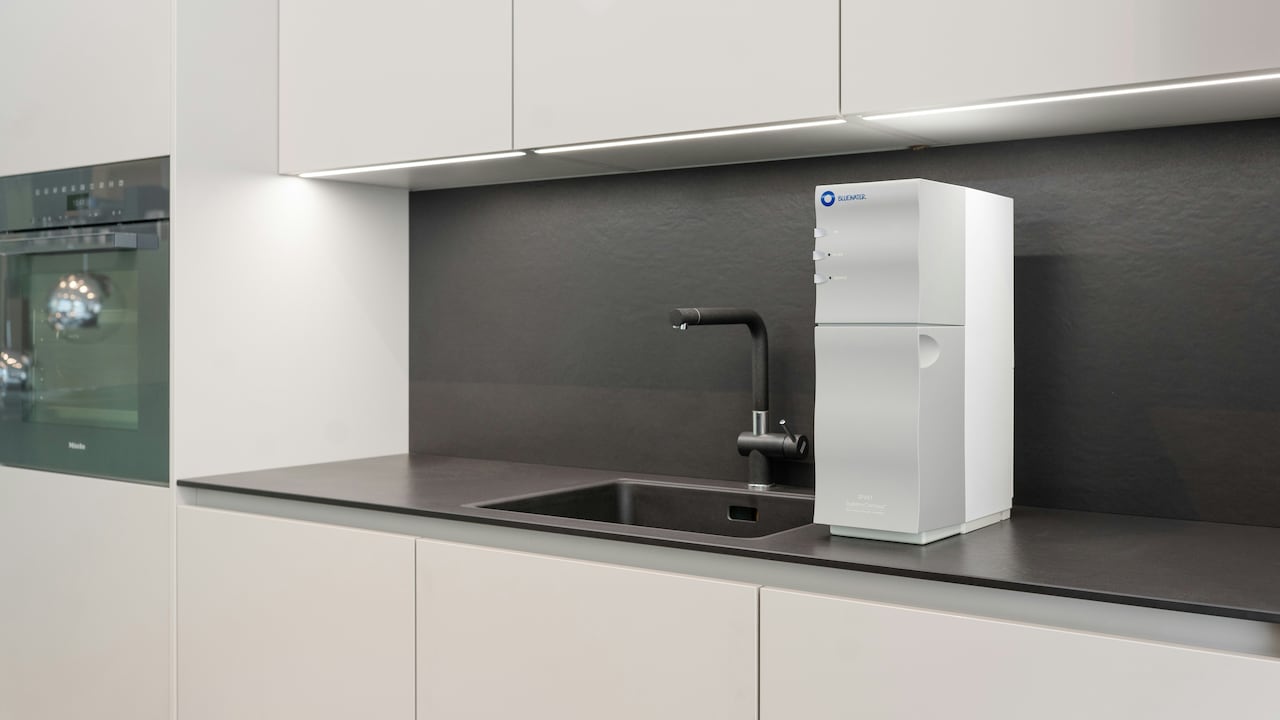
How often should you replace water purifier filters? Common filter-changing mistakes and other tips.
A water purifier sits in the kitchen like a trusted friend. It rarely demands attention, yet it protects every glass of water poured for the family. Over time, though, even the best purifier cannot perform miracles if its filters grow old and clogged. Many households delay filter changes, either to save money or because everything seems “fine”. The water looks clear, so what could go wrong?
Plenty, actually. Filters trap dust, rust, chemicals, and microorganisms. Once they reach capacity, they stop filtering effectively and may even release impurities back into the water. The result? Water that tastes off, smells unpleasant, or carries unseen risks.
Understanding filter life does not require technical expertise. It requires awareness, a bit of observation, and regular care. This article explores how often to change water purifier filters, the common mistakes people make, and practical maintenance tips that fit easily into everyday life.
How Often To Change Water Purifier Filters: Common Mistakes And Best Maintenance Tips
Photo Credit: Pexels
What Determines Filter Life and Why Timely Replacement Matters
1. Understanding Different Types of Water Purifier Filters
Not all filters work the same way, so replacement timelines vary. Sediment filters catch visible particles like sand and rust. Carbon filters handle chlorine, odour, and taste. RO membranes remove dissolved salts and heavy metals, while UV lamps neutralise bacteria and viruses.
Each component has a different lifespan. Sediment filters often clog first because they trap larger particles. Carbon filters lose effectiveness once their absorption capacity fills up. RO membranes last longer but degrade slowly, reducing purification efficiency. UV lamps weaken over time, even if they still glow.
Ignoring these differences leads to confusion and poor maintenance. Many households replace only one filter and forget the rest. A purifier works best when every stage functions properly. Treating it like a system, not a single unit, helps ensure consistent water quality.
2. General Guidelines for Filter Replacement Frequency
Most manufacturers suggest replacing sediment and carbon filters every six to twelve months. RO membranes usually last two to three years, depending on water quality and usage. UV lamps often need replacement once a year.
These timelines serve as guidelines, not rigid rules. Areas with high TDS or muddy water shorten filter life. Large families that consume more water also strain filters faster. Seasonal changes, especially during monsoons, increase sediment levels and clog filters quickly.
Marking filter replacement dates on a calendar or setting phone reminders helps avoid guesswork. Some modern purifiers include indicator lights, but these often rely on time, not actual water quality. Staying proactive ensures safe water rather than reacting after problems appear.
3. Common Mistake: Waiting Until Water Tastes or Smells Bad
Many households wait for obvious signs before changing filters. A strange taste or smell triggers action, but by then, filters have already failed. Contaminants may have passed through long before the senses picked them up.
Water can look crystal clear yet carry dissolved impurities or bacteria. Children and elders feel the impact first, often through stomach issues or recurring illness. The purifier still runs, so it feels safe, but appearances mislead.
Replacing filters on schedule prevents this risk. Clean water should taste neutral, not metallic or flat. Any noticeable change signals overdue maintenance. Trusting routine care rather than sensory cues protects health more reliably.
4. Common Mistake: Skipping Regular Servicing to Save Money
Servicing often feels like an unnecessary expense. Many prefer stretching the filter life to save a few thousand rupees a year. This short-term saving leads to long-term costs, including medical bills or purifier damage.
Clogged filters force the system to work harder. Pumps strain, membranes wear out faster, and electricity consumption increases. Eventually, repair costs exceed regular maintenance expenses.
Annual maintenance contracts often reduce overall costs and ensure timely filter changes. Even without a contract, periodic professional checks catch issues early. Clean water remains one of the most valuable investments a household can make.
5. How Local Water Quality Affects Filter Lifespan
Water quality varies widely across cities and even neighbourhoods. Some areas receive hard water with high mineral content. Others face muddy supply during certain seasons. Borewell water and tanker water present different challenges.
High TDS levels reduce RO membrane life. Excess sediment clogs pre-filters quickly. Chlorinated municipal water exhausts carbon filters faster. Understanding the source helps plan maintenance better.
Getting water tested once a year provides clarity. Based on the results, filter replacement schedules can be adjusted accordingly. Tailoring maintenance to actual conditions keeps the purifier efficient and avoids unnecessary replacements.
How Often To Change Water Purifier Filters: Common Mistakes And Best Maintenance Tips
Photo Credit: Pexels
6. Signs That Filters Need Immediate Replacement
Sometimes filters need changing earlier than planned. Reduced water flow often signals clogged sediment filters. A metallic or bitter taste suggests exhausted carbon filters. White scaling on utensils indicates RO membrane issues.
Strange noises from the purifier or frequent auto shut-offs also point to internal strain. Ignoring these signs worsens damage and compromises water safety.
Acting quickly prevents system failure. Keeping spare filters at home reduces downtime. A purifier should deliver water smoothly, quietly, and consistently. Anything less deserves attention.
7. Maintenance Tips to Extend Filter Life Naturally
Simple habits extend filter life without extra cost. Cleaning storage tanks monthly prevents biofilm build-up. Flushing the system after long gaps in usage clears stagnant water.
Using a pre-filter for highly muddy water protects internal components. Avoid placing the purifier in direct sunlight or near heat sources, as this encourages microbial growth.
Regularly wiping external surfaces and checking for leaks also helps. A little care goes a long way in maintaining performance and reducing replacement frequency.
8. The Role of Usage Patterns in Filter Replacement
A family of two uses far less water than a joint household. Cooking, washing fruits, and refilling bottles all count as usage. Festivals and guests increase demand temporarily.
Ignoring usage patterns leads to inaccurate replacement schedules. Filters wear out based on volume processed, not just time. Some purifiers track litres consumed, offering more accurate indicators.
Being mindful of daily habits helps predict maintenance needs better. Heavy usage shortens filter life, even in areas with good water quality. Adjusting schedules accordingly ensures consistent purification.
9. Choosing Quality Replacement Filters Matters
Cheaper filters tempt many buyers, but quality varies widely. Low-grade filters may fit physically but fail to perform effectively. Some lack proper certifications or use inferior materials.
Using genuine or certified compatible filters ensures proper filtration and system compatibility. Poor-quality filters risk leakage, contamination, and damage to other components.
Spending a bit more upfront often saves money later. Reliable filters last longer, perform better, and maintain water taste. Clean water deserves dependable components.
10. Building a Simple Filter Replacement Routine
Consistency beats complexity. A simple routine keeps maintenance stress-free. Mark replacement months on the calendar. Keep service contact details handy. Store filter manuals in an accessible place.
Discuss maintenance responsibility within the household. Shared awareness prevents oversight. Even children can help remind elders about upcoming servicing dates.
Over time, filter replacement becomes second nature, like refilling gas or paying electricity bills. This small habit ensures safe water every single day.
How Often To Change Water Purifier Filters: Common Mistakes And Best Maintenance Tips
Photo Credit: Pexels
Products Related To This Article
1. Native by Urban Company M1 RO+UV+Copper+Alkaline+Mineraliser
2. Atomberg Intellon - India's 1st Adaptive Water Purifier
3. Pureit Wave Prime Water Purifier for Home (Black) with RO+MF Filtration
4. Aquaguard Delight Aquasaver RO+UV+UF+MC Tech
5. Havells Aquas Lite Water Purifier, UV + UF Purification
Water purifiers work silently, but they rely heavily on timely filter changes. Delaying replacements, ignoring local water quality, or choosing poor-quality filters compromises the very purpose of purification. Clean water supports health, energy, and peace of mind.
Understanding how often to change water purifier filters simplifies maintenance. Avoiding common mistakes and following practical tips keeps the system efficient and reliable. With a little care and consistency, every glass of water stays fresh, safe, and reassuringly clean.
(Disclaimer: This article may include references to or features of products and services made available through affiliate marketing campaigns. NDTV Convergence Limited (“NDTV”) strives to maintain editorial independence while participating in such campaigns. NDTV does not assume responsibility for the performance or claims of any featured products or services.)