How To Build A Low-Effort Laundry System' Using Front Load Features Most People Ignore
Front-load washing machines have powerful features that most people ignore. Learn how to use them to create a simple, low-effort laundry system that saves time, energy and money.
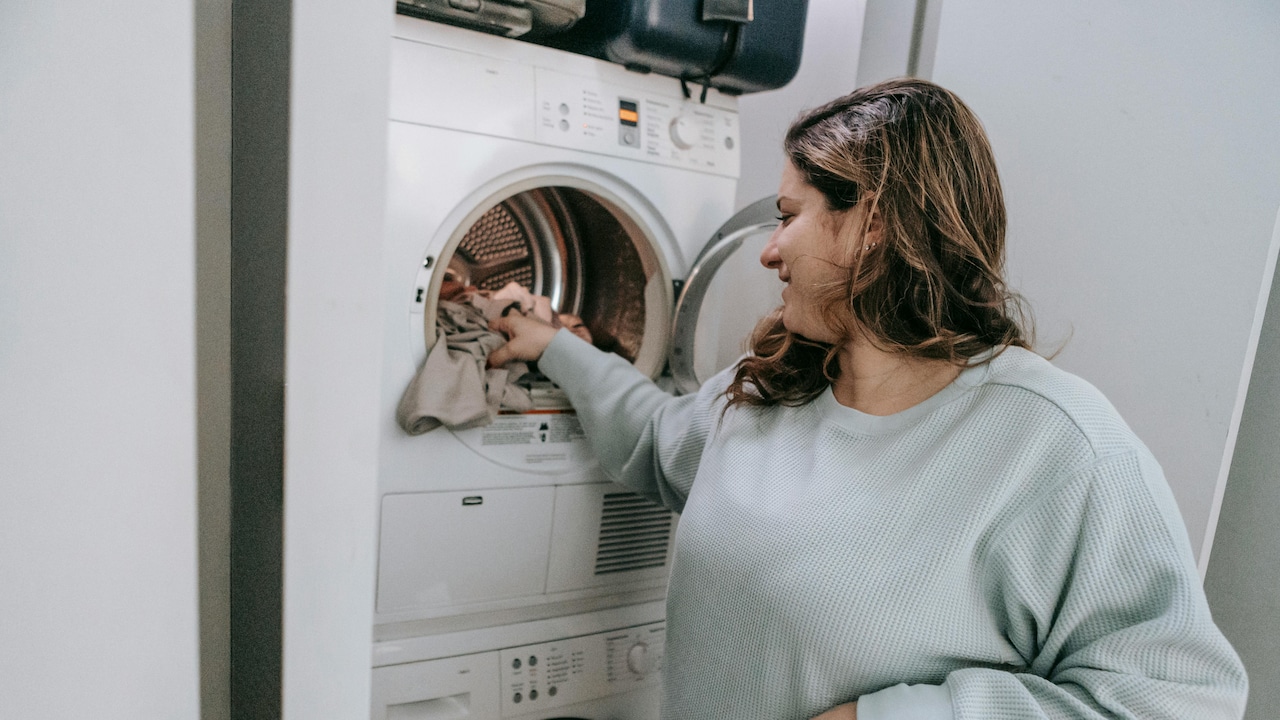
Easy front load washing machine tips that can simplify your laundry routine
Laundry rarely gets the spotlight it deserves. It sits in the background, quietly demanding attention, piling up after busy weekdays, expanding mysteriously over weekends, and somehow multiplying during festivals. Most homes already have a front-load washing machine, a device designed to simplify life. Yet, many use it in the same basic way: load clothes, add detergent, press start, repeat.
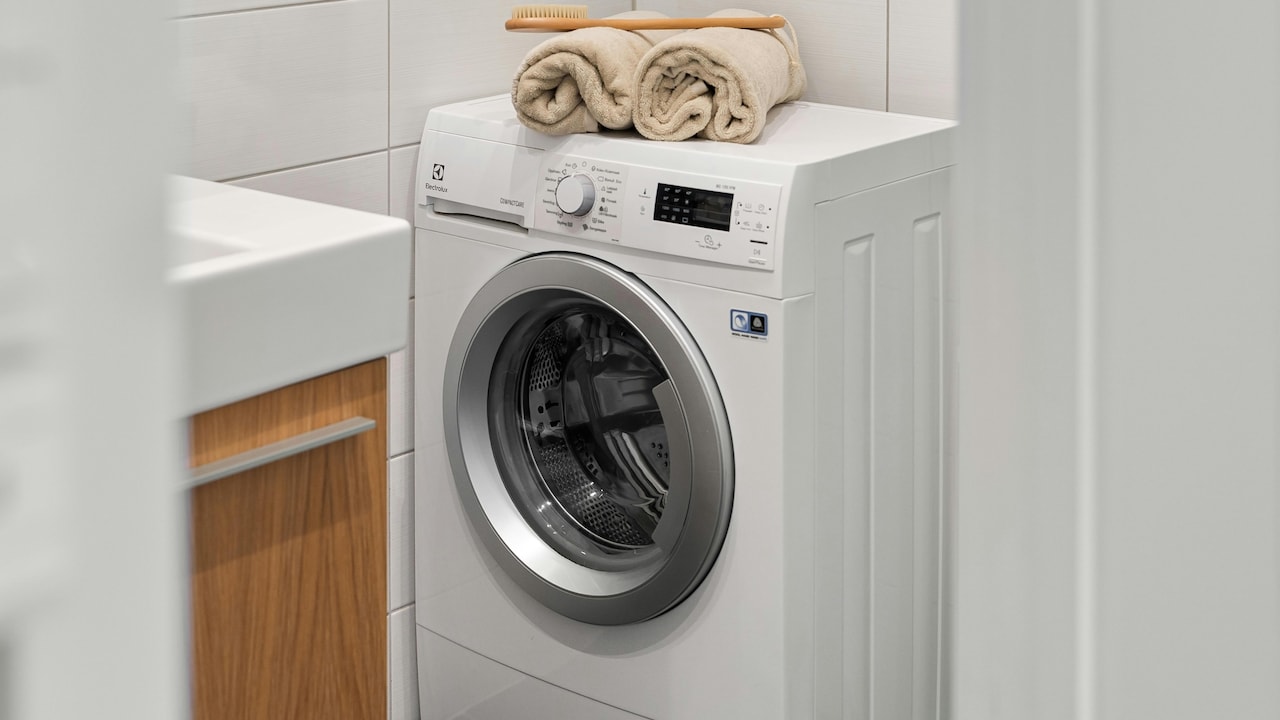
Top front load washing machine tips to make your laundry routine faster and smarter; Photo Credit: Pexels
What often goes unnoticed are the built-in features that can cut effort in half. These machines are not just appliances; they are tiny assistants waiting for the right instructions. The trick lies in understanding them, not through manuals that gather dust in drawers, but through practical use.
A low-effort laundry system does not mean ignoring clothes until chaos strikes. It means setting up a rhythm that works with daily life, not against it. It reduces decision-making, saves time, and even lowers electricity bills. And yes, it leaves clothes cleaner too. Let's explore how to unlock that hidden potential.
Also Read: Front-Load Washing Machines Under 50,000 For Fabric Care And Hygiene Wash
Little-Known Front-Load Features That Do The Heavy Lifting
Rethink The Load Size, Not Just The Machine
Most households either overload the drum or run it half-empty. Both habits quietly increase effort over time. Overloading leads to poorly washed clothes, meaning re-washing. Underloading wastes water, detergent, and electricity.
Front-load machines are designed to work best at about 70–80% capacity. This sweet spot allows clothes to tumble freely, which is crucial for proper cleaning. When loads are balanced, cycles run efficiently, and drying time is reduced.
A simple system helps here. Divide laundry into consistent categories: daily wear, heavy items like towels, and delicate fabrics. Instead of waiting for everything to pile up, run smaller but optimised loads every two to three days. It feels counterintuitive at first, but it actually reduces overall effort.
Think of it like cooking dal. Too much water ruins it, too little burns it. The right balance saves both time and frustration.
Use The Delay Timer Like A Secret Weapon
One of the most ignored features in front-load machines is the delayed start option. It sounds simple, yet it can transform laundry routines completely.
Imagine setting the machine at night so the wash finishes just before waking up. Clothes come out fresh, ready to dry with the morning sunlight. No waiting, no reminders, no mid-day interruptions.
For working households, this feature becomes even more valuable. Set the machine in the morning before leaving, and have it finish just as the day winds down. It removes the mental load of “remembering to do laundry.”
Electricity tariffs also vary during the day. Running machines during off-peak hours can save noticeable amounts over time. While it may not seem like much per cycle, the savings add up to ₹200 to ₹300 monthly without any extra effort.
It's less about technology and more about timing. And timing, as always, makes life smoother.
Master The Quick Wash Cycle
Quick wash cycles often get dismissed as “not thorough enough.” That assumption leads to longer cycles for even lightly worn clothes, increasing effort and energy use.
In reality, quick wash is perfect for daily wear, office shirts, casual t-shirts, or clothes worn for a few hours. These garments are not heavily soiled, so they don't need intense cleaning.
Using quick wash strategically reduces cycle time from over an hour to just 15–30 minutes. That's a significant difference when laundry feels like a burden.
It also changes the mental approach. Instead of waiting for a “full load day,” clothes can be washed regularly in short bursts. The result is less buildup, fewer overwhelming laundry sessions, and fresher clothes overall.
It's similar to cleaning a kitchen after each meal rather than waiting until everything piles up. Small, consistent effort always beats occasional exhaustion.
Stop Guessing Detergent Amounts
More detergent does not mean cleaner clothes. In fact, excess detergent leaves residue, attracts dirt, and can even damage the machine over time.
Front-load machines require less detergent than top-load ones. Most modern detergents are concentrated, yet many still pour freely, assuming more equals better.
A simple habit change makes a big difference. Use measuring caps or sticks to the recommended quantities. For lightly soiled clothes, reduce the amount further. Machines with auto-dose features can handle this entirely, removing guesswork.
This small shift reduces rinsing time, prevents soap buildup, and keeps clothes feeling softer. It also stretches a ₹500 detergent pack significantly longer.
Less detergent, less effort, better results. It's one of those rare cases where doing less actually improves outcomes.
Let Spin Speed Do The Heavy Lifting
Spin speed is often overlooked, yet it plays a major role in drying efficiency. Higher spin speeds remove more water, reducing drying time significantly.
Many stick to default settings without exploring options. For sturdy fabrics like cotton, increasing spin speed can cut drying time by hours, especially useful during humid weather.
For delicate fabrics, lower speeds prevent damage while still removing excess water. Understanding this balance avoids the need for manual wringing or repeated drying.
In apartments where drying space is limited, this feature becomes essential. Clothes dry faster, smell fresher, and require less repositioning.
It's like squeezing water out of a sponge properly once instead of doing it repeatedly. A little adjustment upfront saves effort later.
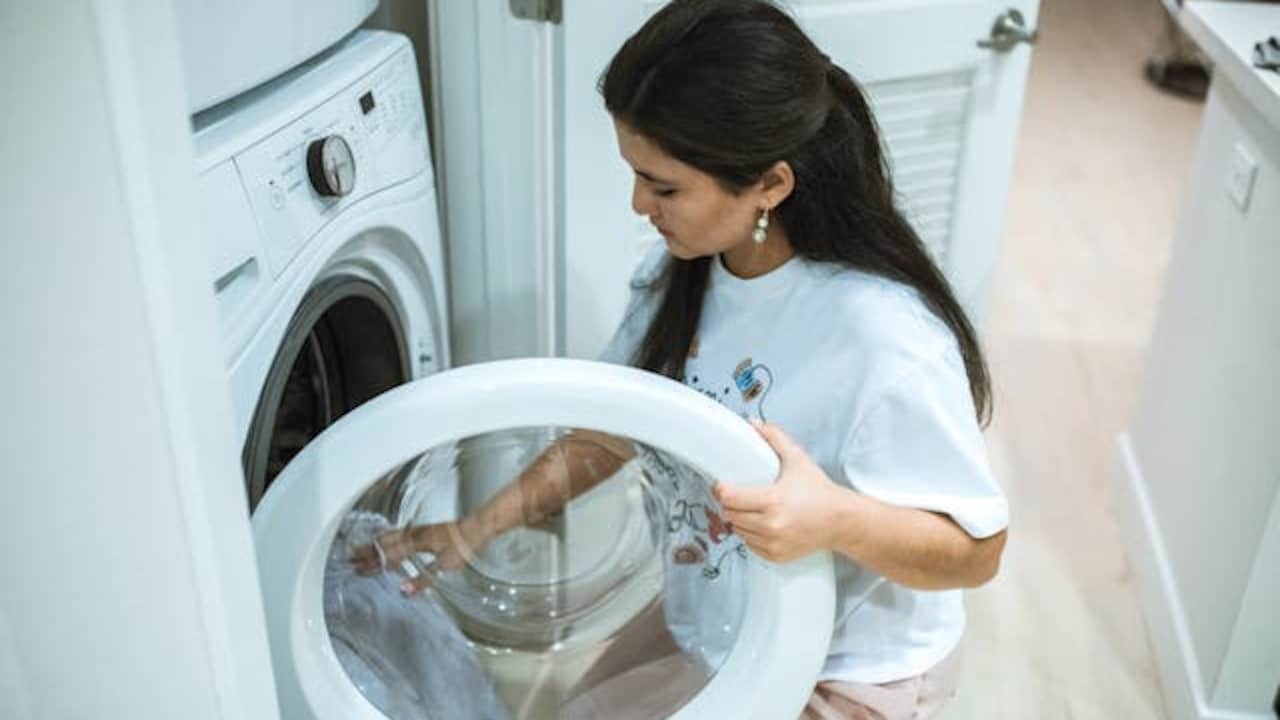
Run the spin cycle on high speeds to remove more water and reduce drying time; Photo Credit: Pexels
Use Pre-Wash Only When It Truly Matters
Pre-wash sounds useful, but using it for every load wastes time and water. It is designed for heavily soiled clothes, mud, sweat, or stubborn stains.
For everyday laundry, skipping pre-wash speeds up cycles without affecting cleanliness. Knowing when to use it is key.
A practical approach works well. Reserve pre-wash for sportswear, kids' uniforms, or post-travel laundry. For regular clothes, rely on the main cycle.
This selective use shortens laundry time and reduces machine wear. It also cuts down on water usage, which matters more than ever in cities where supply can be unpredictable.
Efficiency often comes from restraint, not excess.
Clean The Machine To Reduce Future Effort
A washing machine that isn't cleaned regularly becomes less effective. Residue builds up, odours develop, and clothes start smelling less fresh.
Front-load machines usually have a drum clean or tub clean setting. Running this cycle once a month keeps the machine in top condition.
Adding a simple habit, like wiping the rubber gasket after each use, prevents mould buildup. Leaving the door slightly open allows airflow, reducing moisture.
These steps take only a few minutes but prevent bigger problems later. Ignoring them leads to extra cleaning, rewashing clothes, and even costly repairs.
Maintenance may feel like extra work, but it actually reduces effort in the long run. A clean machine works faster, smells better, and lasts longer.
Sort Smarter, Not Harder
Sorting laundry often feels tedious, yet it doesn't have to be. Instead of complex systems, a simple two- or three-category approach works best.
Keep separate baskets for lights, darks, and heavy items. This small setup removes decision-making each time laundry is done.
Over time, sorting becomes automatic. Clothes go into the right basket as soon as they're used, reducing effort during wash time.
It also prevents colour bleeding and fabric damage, avoiding rework. Less sorting later means quicker cycles and smoother routines.
Think of it like organising a kitchen. When everything has a place, tasks feel lighter.
Use Eco Mode Without Fear
Eco mode often gets ignored because it takes longer. However, it uses less water and electricity, making it both cost-effective and environmentally friendly.
For everyday loads that aren't urgent, eco mode works perfectly. It may take extra time, but it runs quietly in the background, requiring no attention.
The savings can be noticeable over months. Electricity bills drop slightly, water usage reduces, and clothes still come out clean.
The key lies in choosing the right cycle for the situation. Quick wash for speed, eco mode for efficiency.
Balance, once again, makes all the difference.
Build A Weekly Rhythm, Not A Daily Burden
Laundry becomes stressful when it feels unpredictable. Creating a loose weekly rhythm simplifies everything.
Assign certain days for specific loads, light clothes midweek, heavy items over the weekend. This removes the constant question of “when to do laundry.”
It also prevents last-minute rushes, especially before busy mornings or outings. Clothes are always ready, and laundry never piles up beyond control.
Consistency reduces effort more than any feature or setting. It turns laundry into a background task rather than a disruptive chore.
Like morning tea or evening walks, it becomes part of a natural routine.
Products Related To This Article
1. Samsung 9 kg, 5 star, AI EcoBubble, Super Speed
2. IFB 9 Kg 5 Star, DeepClean® Technology, AI Powered
3. Bosch 10 kg 5 Star Front Load Fully-Automatic Washing Machine
4. LG Smart Choice, 9 Kg, 5 Star, AI Direct Drive Technology
5. Whirlpool 7 Kg 5 Star Inverter Front Load Washing Machine with In-Built Heater
A low-effort laundry system is not about doing less work once. It's about setting up habits and using tools wisely so that work feels lighter every time.
Front-load washing machines are built for efficiency, yet their best features often remain unused. By adjusting load sizes, using delay timers, mastering quick wash, and understanding settings like spin speed and eco mode, laundry becomes simpler and faster.
The real shift lies in mindset. Instead of treating laundry as an occasional burden, it becomes a smooth, predictable process that fits into daily life.
In the end, the goal is not just clean clothes. It's peace of mind, knowing that one less thing demands attention, leaving more time for everything else that matters.
(Disclaimer: This article may include references to or features of products and services made available through affiliate marketing campaigns. NDTV Convergence Limited (“NDTV”) strives to maintain editorial independence while participating in such campaigns. NDTV does not assume responsibility for the performance or claims of any featured products or services.)