Induction Cooktops Not Heating Evenly? Smart Temperature Control Models That Fix This
Uneven heating on induction cooktops can ruin meals. Discover how smart temperature control models ensure consistent heat, better cooking results and a hassle-free kitchen experience.

Different ways to solve uneven heating issues with induction cooktops
Few things test patience quite like cooking on an induction cooktop that refuses to cooperate. One side of the pan bubbles furiously while the other barely warms up. The dal sticks to the bottom, the tadka burns too quickly, and suddenly dinner feels like a battle rather than a routine.
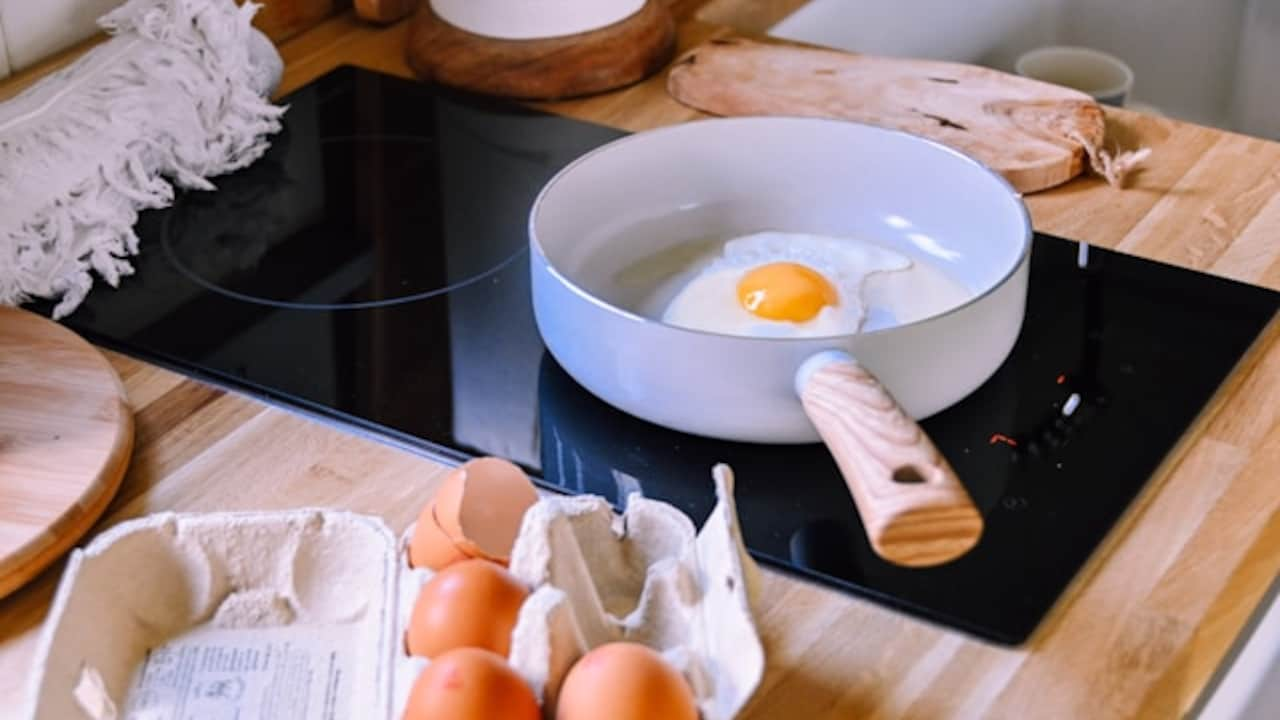
Quick and easy induction cooktop tips to solve uneven heating; Photo Credit: Unsplash
Induction cooking, once seen as a modern marvel, has now become a staple in many homes. It promises speed, efficiency, and safety. Yet, uneven heating remains one of the most common complaints. It often sneaks up during everyday cooking, turning what should be a quick meal into a guessing game.
Thankfully, technology has evolved. Newer induction cooktops now come equipped with smart temperature control systems that ensure even heat distribution and better cooking outcomes. These models do more than just heat; they think, adjust, and respond.
Let's explore what causes uneven heating and how smart cooktops bring balance back into the kitchen.
Also Read: Induction Cooktops Under ₹1500 For Faster And Hassle-Free Cooking
How Smart Induction Cooktops Solve Uneven Heating Problems
Why Uneven Heating Happens In Induction Cooktops
Uneven heating often stems from the way induction technology works. Unlike gas stoves, which spread flame across a surface, induction cooktops generate heat directly within the cookware through electromagnetic fields. This precision can be a strength, but it also creates limitations.
If the cookware does not match the size of the induction zone, heat may concentrate only in the centre. This leads to hotspots and cold edges. Similarly, low-quality cooktops often lack proper sensors, which means they fail to regulate temperature effectively.
Voltage fluctuations, a common occurrence in many households, can also disrupt consistent heating. A sudden dip or spike can affect how the cooktop performs, causing irregular heat patterns.
Add to this the wear and tear of older models, and the problem becomes even more noticeable. Over time, components lose efficiency, and heat distribution becomes less reliable.
Understanding these causes sets the stage for appreciating how smart temperature control makes a difference.
The Role Of Smart Temperature Control Technology
Smart temperature control acts like a vigilant chef, constantly monitoring and adjusting heat levels. Instead of delivering a fixed power output, these systems adapt in real time.
Sensors placed beneath the cooking surface detect temperature changes and adjust power accordingly. If a pan overheats, the cooktop reduces energy. If the temperature drops, it boosts power instantly. This dynamic response ensures consistent cooking conditions.
Such systems also prevent sudden spikes that lead to burning. Whether simmering a delicate curry or frying snacks, the heat remains stable and predictable.
In many models, microprocessors analyse cooking patterns and optimise performance automatically. This level of intelligence transforms induction cooking from a manual task into a guided experience.
The result feels almost magical. Food cooks evenly, flavours develop better, and the process becomes far less stressful.
Precision Cooking For Everyday Meals
Precision might sound like a luxury, but in daily cooking, it makes all the difference. Consider making rotis. Uneven heat leads to patchy cooking, leaving some areas soft and others charred. With smart temperature control, heat spreads uniformly, ensuring each roti puffs perfectly.
The same applies to rice dishes. Too much heat at the base can cause sticking and burning. Smart systems maintain a gentle, even temperature, allowing grains to cook evenly without constant stirring.
Even something as simple as boiling milk becomes easier. Instead of watching the pot nervously, the cooktop maintains a steady simmer, reducing the risk of spills.
This level of precision not only improves taste but also saves time and effort. Cooking becomes smoother, more predictable, and far more enjoyable.
Energy Efficiency Without Compromise
Smart temperature control does not just improve cooking quality; it also enhances energy efficiency. Traditional induction cooktops often operate at fixed power levels, leading to unnecessary energy consumption.
Smart models adjust power based on actual cooking needs. If a dish requires low heat, the cooktop reduces energy output instead of running at full capacity. This targeted usage prevents waste and keeps electricity bills in check.
In households where power usage matters, this feature becomes especially valuable. Saving even a small amount per day adds up over time.
Moreover, efficient heating means quicker cooking. Meals that once took longer now finish faster, further reducing energy consumption.
It is a subtle benefit, but one that makes a noticeable difference in the long run.
Safer Cooking With Intelligent Heat Management
Safety often takes centre stage in modern kitchens, and smart cooktops deliver on this front. Uneven heating can sometimes lead to overheating, which increases the risk of accidents.
Smart temperature control prevents this by maintaining safe heat levels. If the cookware becomes too hot, the system automatically reduces power or shuts down temporarily.
Many models also include features like auto-pan detection and overheat protection. These ensure that the cooktop operates only when suitable cookware is present and within safe limits.
For families with children or elderly members, such features offer peace of mind. Cooking becomes not just easier but also safer.
The kitchen transforms into a space where convenience and safety go hand in hand.
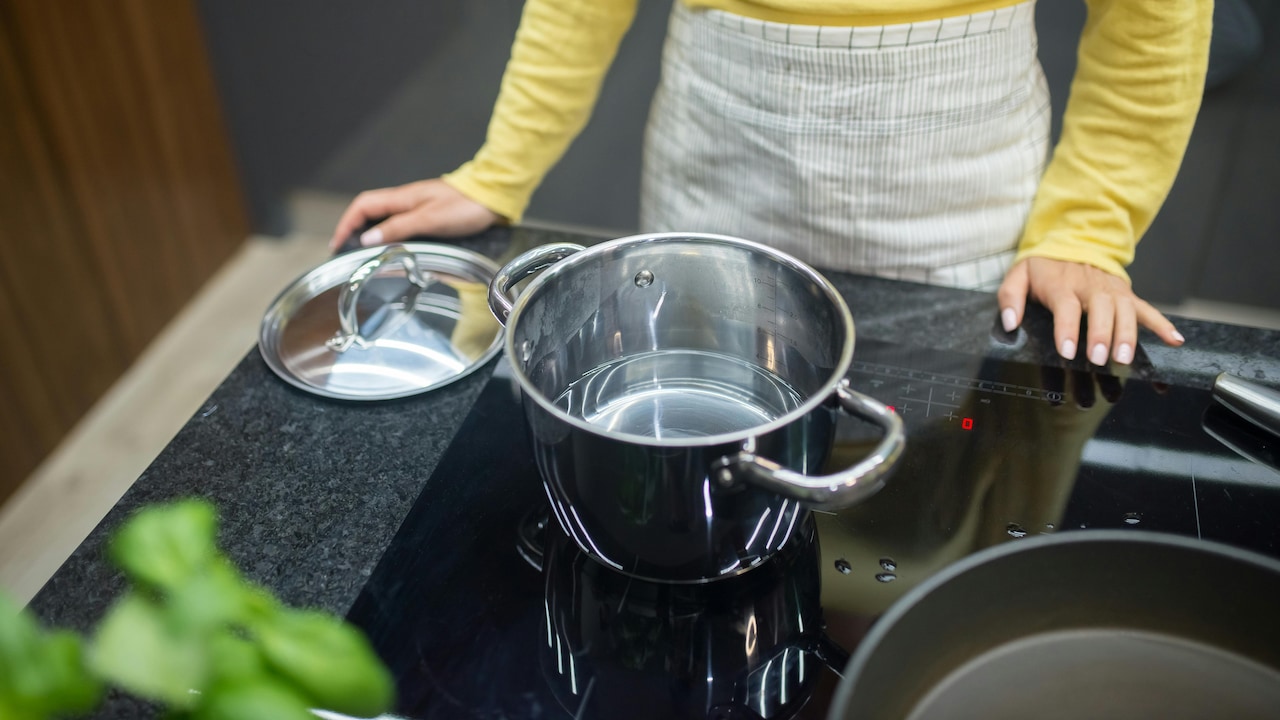
Look for models with auto-pan detection and overheat protection for extra safety; Photo Credit: Pexels
Compatibility With Modern Cookware
Another overlooked factor in uneven heating is cookware compatibility. Not all utensils work equally well with induction cooktops.
Smart models often include adaptive technology that detects the type and size of cookware. This allows the cooktop to adjust heating patterns accordingly.
Flat-bottomed, high-quality cookware works best, but smart systems can still optimise performance even with slight variations. This flexibility reduces the frustration of needing perfect utensils for every dish.
In many homes, where a mix of old and new cookware exists, this feature proves incredibly useful. It allows seamless cooking without constant adjustments.
The cooktop adapts to the kitchen, rather than forcing the kitchen to adapt to it.
User-Friendly Controls And Preset Functions
Smart induction cooktops often come with intuitive controls that simplify cooking. Preset functions for common dishes eliminate guesswork and ensure consistent results.
Instead of manually adjusting power levels, one can select a preset for boiling, frying, or simmering. The cooktop handles the rest.
Touch controls, digital displays, and responsive interfaces make operation smooth and straightforward. Even those unfamiliar with advanced appliances can use them with ease.
These features also reduce the learning curve. Cooking becomes less about trial and error and more about confidence and control.
The experience feels less technical and more like having a helpful assistant in the kitchen.
Durability And Long-Term Reliability
Smart cooktops often feature better build quality and advanced components. This translates into longer lifespan and more reliable performance.
High-quality sensors and processors maintain accuracy over time, ensuring consistent heating even after years of use. Unlike basic models that degrade quickly, smart systems retain their efficiency.
This durability justifies the slightly higher initial cost. Spending ₹4,000–₹8,000 more upfront can save money in repairs and replacements later.
In busy households, where appliances see daily use, reliability matters. A cooktop that performs consistently reduces stress and keeps routines running smoothly.
It is an investment in convenience and peace of mind.
Ideal For Compact And Modern Kitchens
Space often limits kitchen choices, especially in urban homes. Smart induction cooktops fit perfectly into compact spaces while offering powerful performance.
Their sleek design and minimal footprint make them easy to integrate into any kitchen layout. Despite their size, they deliver high efficiency and advanced features.
Portability adds another layer of convenience. These cooktops can be moved easily, making them suitable for small apartments or temporary setups.
For those who prefer clutter-free kitchens, smart induction cooktops offer a perfect blend of form and function.
They prove that good things truly come in small packages.
The Future Of Everyday Cooking
Smart temperature control represents a shift in how cooking appliances function. It moves away from rigid systems towards adaptive, intelligent solutions.
As technology continues to evolve, these cooktops will likely become even more advanced. Integration with smart home systems, voice controls, and app-based monitoring could soon become standard features.
This evolution reflects changing lifestyles. With busy schedules and limited time, efficient and reliable appliances are no longer optional; they are essential.
Smart induction cooktops align perfectly with this need, offering convenience without compromising on quality.
They are not just tools but partners in the kitchen.
Products Related To This Article
1. IBELL CROWN200Y 2200W Induction Cooktop, Crystal Glass Top
2. Cadlec CookMate 2000W Induction Cooktop with Crystal Glass
3. Rico BIS-ISI Certified induction stove with Free Vessel & Lid
4. iBELL EMINENCE03 Induction hob, 5600W, Touch Control Panel
5. Bosch Pib375Fb1E, 30 Cm, Built In Induction Hob Ceramic Glass 2 Cooking Zones
Uneven heating can turn cooking into a frustrating experience, but it does not have to stay that way. Smart temperature control technology has redefined what induction cooktops can achieve.
By ensuring consistent heat, improving safety, and enhancing efficiency, these models address one of the most common kitchen challenges. They bring balance, precision, and ease to everyday cooking.
For anyone tired of burnt edges and undercooked centres, upgrading to a smart induction cooktop feels like a breath of fresh air. It transforms cooking from a chore into a smooth, enjoyable process.
In the end, good food begins with good heat. And with smart technology, that heat finally behaves exactly as it should.
(Disclaimer: This article may include references to or features of products and services made available through affiliate marketing campaigns. NDTV Convergence Limited (“NDTV”) strives to maintain editorial independence while participating in such campaigns. NDTV does not assume responsibility for the performance or claims of any featured products or services.)