How To Get Crispier Air Fryer Food: 10 Checks For Crowding, Temperature And Oil
Tired of soggy air fryer snacks? Discover 10 practical checks for basket crowding, cooking temperature, oil and moisture to get crispier fries, cutlets, paneer and more without unnecessary guesswork.
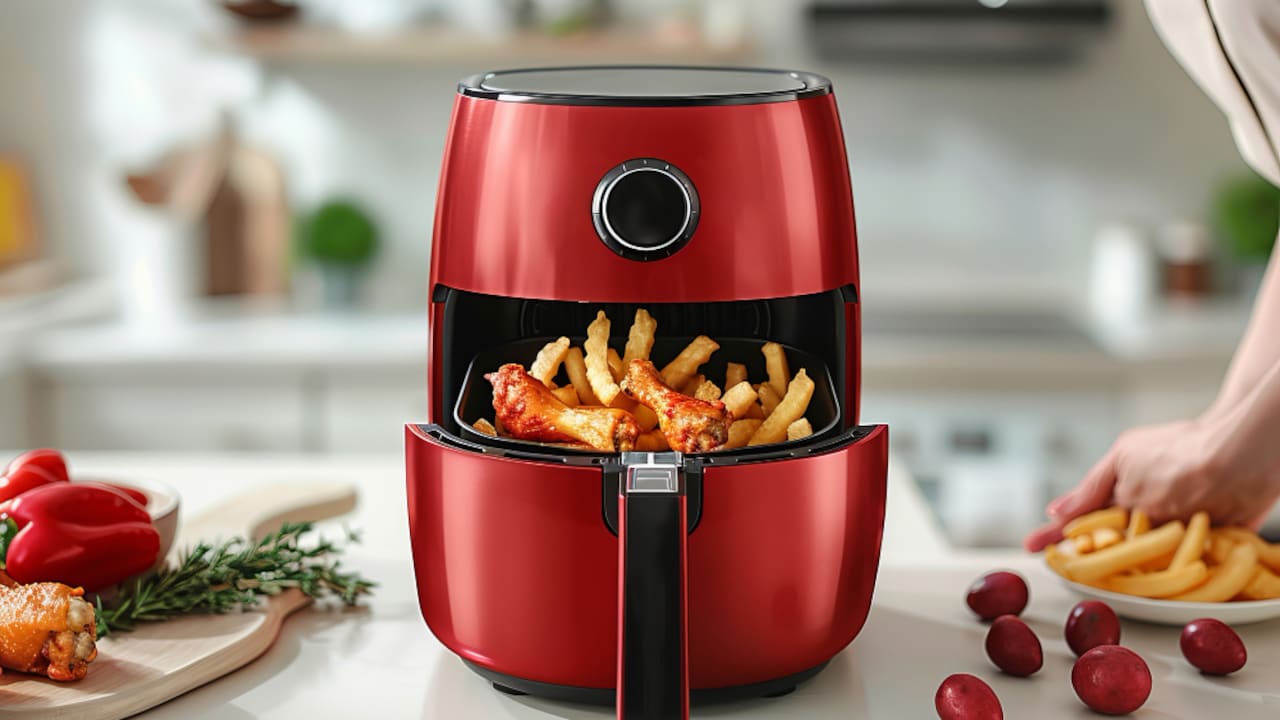
How to get crispy food in air fryers
There's something disappointing about opening an air fryer after patiently waiting for golden, crunchy snacks, only to discover a plate of soft, unevenly cooked food. The potato wedges look promising on top but feel limp underneath. The paneer tikka has browned edges yet lacks that satisfying bite. Even frozen French fries sometimes emerge looking more steamed than fried. So, where does the crunch disappear? Air fryers promise convenient cooking with less oil, but they aren't magic boxes. Their performance depends on how hot air moves around the food, how much moisture the ingredients contain and whether the cooking temperature suits the recipe. Small habits, such as overcrowding the basket or skipping a quick shake, can make a surprisingly big difference. The good news? Getting crispier results doesn't necessarily require expensive accessories, complicated recipes or extra cooking time.
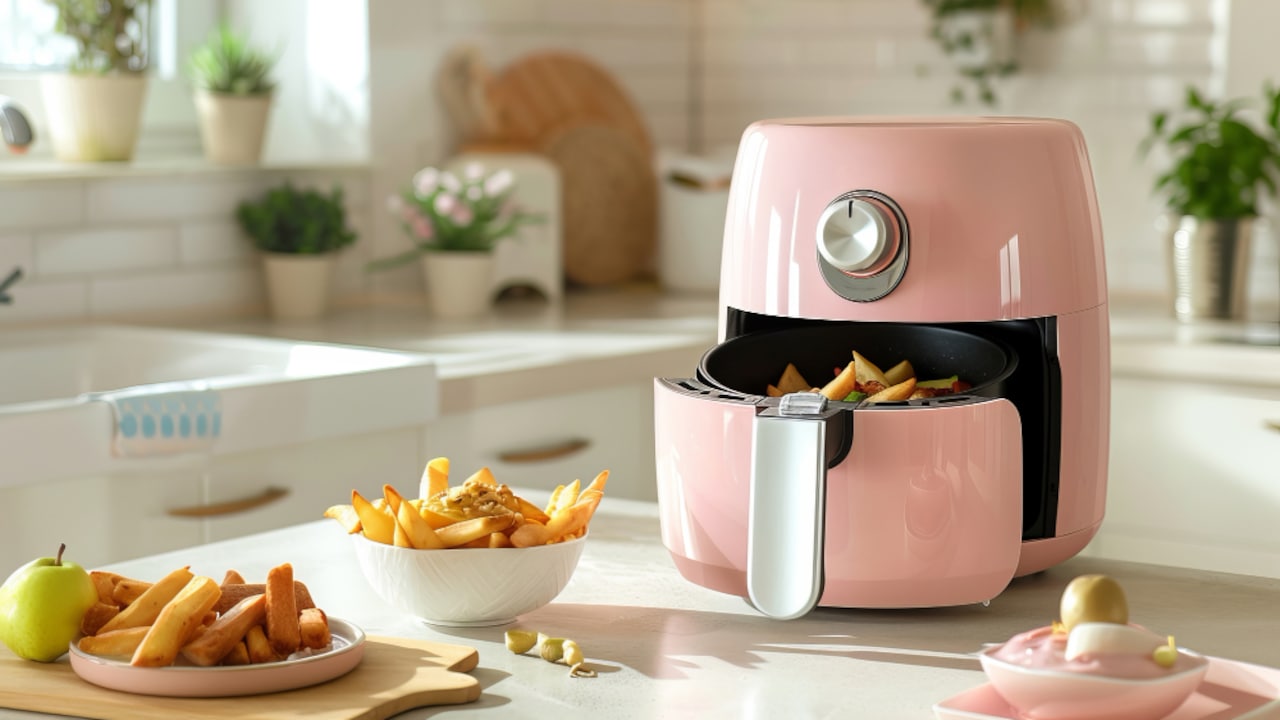
Tips to get crispy results in air fryers
Photo Credit: Freepik
A few practical adjustments can help transform everyday favourites, from aloo tikki and samosas to roasted vegetables and chicken wings. Before blaming the appliance, check these ten common mistakes that might be standing between your snacks and that irresistible crunch.
Also Read: Eat Healthy Without Missing Out: Top 5 Air Fryers To Make Guilt-Free Crispy Treats
10 Essential Checks For Crispier Air Fryer Food
1. Check Whether The Basket Has Enough Breathing Space
An air fryer works by circulating hot air around food, making space inside the basket essential. When ingredients sit too close together, they block airflow and trap moisture between their surfaces. Instead of developing a crisp exterior, the food begins to steam. This explains why a basket overflowing with potato wedges often produces uneven results, even after several additional minutes of cooking.
Consider a batch of homemade aloo tikki. When the patties overlap, their touching surfaces struggle to brown properly. The upper pieces might develop a golden crust while those underneath remain pale and slightly sticky. Arranging them in a single layer, with a little space between each piece, encourages more consistent cooking.
There's no need to leave half the basket empty, though. Smaller ingredients can sit reasonably close together as long as air can circulate and they move freely when shaken.
For larger quantities, cooking in two batches usually delivers better results than squeezing everything into one. It might seem inconvenient when everyone wants snacks immediately, but the difference in texture often justifies the extra effort.
Remember, basket capacity describes how much food the appliance can hold, not necessarily how much it can crisp effectively in one go.
2. Check The Cooking Temperature Before Starting
Cooking temperature influences how quickly moisture escapes and how effectively the food's exterior browns. Set the temperature too low, and ingredients might cook through before developing a satisfying crust. Turn it excessively high, and the outside could darken while the centre remains undercooked.
The trick lies in matching the heat to the ingredients rather than using the same setting for everything.
For instance, potato wedges often benefit from temperatures around 180–200°C, depending on their thickness and the appliance. Delicate vegetable cutlets containing breadcrumbs might need gentler heat to prevent their coating from burning before the middle becomes hot.
Frozen snacks also behave differently from freshly prepared ones. Their moisture content, coatings and thickness can affect how quickly they become crisp.
Instead of automatically selecting the highest temperature, begin with a suitable recipe setting and observe the results. If food cooks through but remains pale, a short increase towards the end may help develop colour.
Don't confuse darker food with crispier food, either. Excessive heat can create burnt edges without improving the overall texture. Good temperature control produces an evenly cooked interior with a pleasantly firm exterior.
3. Check Whether The Food Needs A Light Coating Of Oil
One common misconception about air fryers is that every ingredient becomes crispy without oil. While some foods naturally contain enough fat, others benefit from a thin coating that supports browning and improves surface texture.
Take homemade potato fries. Without any oil, their surfaces can become dry and leathery rather than beautifully crisp. A small quantity of oil, spread evenly across the pieces, can help create a more appealing finish.
The important word here is small. Pouring oil directly into the basket or coating ingredients heavily won't recreate traditional deep-frying. Excess oil may collect underneath the food, leaving certain areas greasy instead of crisp.
For vegetables, potatoes and homemade cutlets, tossing ingredients with a little oil before cooking generally works better than adding it halfway through.
A brush or oil sprayer can help distribute a thin layer without soaking the food. Breaded snacks may also benefit from a light coating on their surfaces.
However, naturally fatty ingredients, such as chicken wings with skin, might not require additional oil.
The goal isn't to eliminate every drop of fat. It's to use just enough to encourage browning while allowing the appliance's circulating heat to do most of the work.
4. Check For Excess Moisture Before Cooking
Moisture is one of the biggest obstacles to crispy air fryer food. When ingredients enter the basket with wet surfaces, the appliance must evaporate that water before effective browning can begin.
This becomes particularly noticeable with freshly washed vegetables, marinated paneer and homemade potato snacks.
Imagine preparing masala-coated cauliflower florets. If water remains trapped between the florets, the seasoning may turn into a damp coating instead of developing lightly crisp edges. Patting the cauliflower dry before adding oil and spices makes a noticeable difference.
The same principle applies to potatoes. After washing or soaking them, drain thoroughly and use a clean kitchen towel to remove surface moisture.
For paneer tikka, avoid letting excessive marinade collect around the cubes. A thick, clingy coating usually performs better than a watery mixture that drips into the basket.
Even frozen foods can suffer when large ice crystals cling to their surfaces. Follow the packet instructions rather than automatically thawing them, as thawing may introduce extra moisture.
A little preparation before cooking can save several minutes of frustration later. When the surface starts relatively dry, hot air can focus on developing texture instead of battling unnecessary water.
5. Check Whether You Are Preheating The Air Fryer
Preheating can make a difference when preparing foods that depend on immediate surface browning. Placing ingredients into an already hot basket allows them to encounter the intended cooking temperature sooner.
Without preheating, certain snacks may spend their first few minutes warming gradually. During this period, moisture can escape slowly, delaying the formation of a firm exterior.
Think about breaded vegetable nuggets or frozen potato bites. Starting them in a sufficiently hot appliance can help their coatings begin drying and browning more promptly.
Many air fryers offer a dedicated preheat function, while others allow manual temperature selection. If the manufacturer's instructions recommend preheating, follow them. Some appliances heat quickly enough that a separate preheat stage isn't necessary.
Avoid assuming that every recipe needs the same preparation time. Thin papad-style snacks, delicate vegetables and thicker potato pieces all respond differently.
It's also worth remembering that preheating doesn't compensate for an overcrowded basket or excessively wet ingredients. Those problems need separate attention.
For recipes that repeatedly produce pale or uneven results, compare one batch with preheating and another without it. This simple experiment can reveal whether the initial temperature affects the texture in your particular appliance.
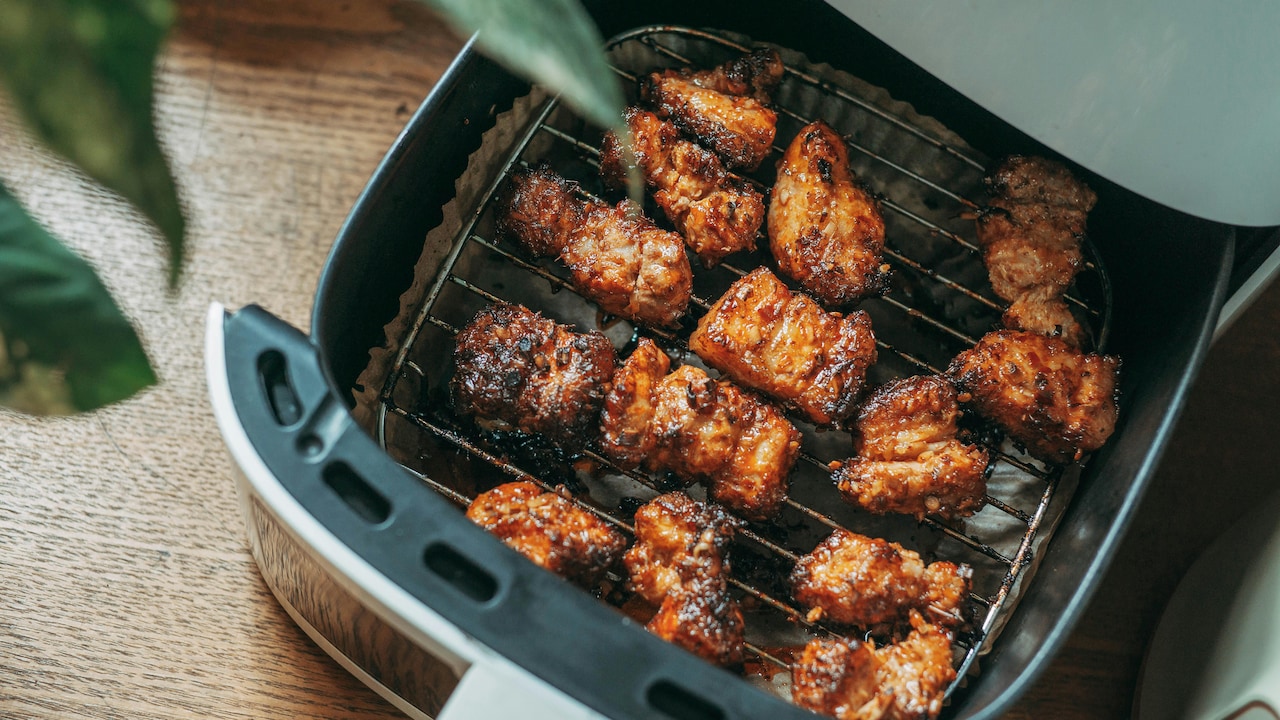
Always preheat the air fryer before cooking
Photo Credit: Pexels
6. Check Whether You Are Shaking Or Turning The Food
Opening the air fryer halfway through cooking might seem unnecessary, especially when the appliance promises convenient, largely hands-off preparation. However, shaking or turning food can make a substantial difference to how evenly it browns.
Air circulates around ingredients, but surfaces touching the basket or neighbouring pieces may receive less direct exposure. Moving the food helps redistribute those areas.
Consider frozen French fries. Without shaking, the upper layer may develop a crisp texture while fries underneath remain softer. A quick shake during cooking changes their positions and encourages more consistent results.
Larger ingredients require a slightly different approach. Vegetable cutlets, stuffed mushrooms and paneer pieces often benefit from careful turning with suitable tongs rather than vigorous shaking.
Timing matters, too. Turning delicate patties before their surfaces firm up may cause them to break. Allow them to develop some structure before moving them.
For longer cooking cycles, checking around the halfway point offers a practical starting point.
Avoid opening the basket every couple of minutes, though. Frequent interruptions can reduce the cooking temperature and make results less predictable.
One or two well-timed movements can improve browning without turning a convenient cooking process into constant supervision.
7. Check The Size And Thickness Of Each Piece
Unevenly sized ingredients rarely cook at the same speed. Smaller pieces often brown quickly, while larger ones require additional time for heat to reach their centres. By the time everything finishes cooking, the smaller portions may become excessively dark or dry.
This problem frequently appears with homemade potato wedges, cauliflower florets and mixed vegetable snacks.
Suppose one potato wedge measures half the thickness of another. Even when both enter the basket together, their cooking requirements differ. Cutting pieces into similar sizes makes it easier to achieve consistent results throughout the batch.
Thickness matters particularly when preparing foods with soft interiors and crisp exteriors. Very thick aloo tikki may develop colour outside before the centre heats sufficiently. Extremely thin patties, meanwhile, can dry out before achieving the intended texture.
For roasted vegetables, group ingredients with similar cooking requirements. Carrots, capsicum and mushrooms don't necessarily soften or brown at identical rates.
Uniform cutting doesn't mean everything needs perfect measurements. A little variation is perfectly fine for everyday cooking.
The aim is to prevent dramatic differences that make one portion crunchy and another disappointingly soft.
Consistent sizes also make recipe timings more useful, reducing the need for repeated adjustments and guesswork.
8. Check Whether The Coating Is Too Thick Or Uneven
A good coating can turn ordinary ingredients into tempting snacks. However, too much batter or an uneven layer of breadcrumbs may work against the air fryer rather than improve its performance.
Unlike deep-frying, which surrounds food with hot oil, air-frying relies on moving hot air. Thick, wet coatings can struggle to set properly because they hold moisture and may drip before developing a crust.
This explains why traditional pakora batter doesn't always produce the same texture in an air fryer. A heavy coating may remain soft in places while exposed edges become dry.
For vegetable nuggets, paneer bites or homemade cutlets, aim for a thin, even coating that clings firmly to the ingredients.
Breadcrumbs can create a pleasantly crunchy exterior when they adhere well. A light coating of oil may also support more even browning.
If preparing besan-coated vegetables, adjust the mixture so it coats the pieces without forming excessive wet clumps.
Don't overlook the importance of consistency. Some pieces shouldn't carry twice as much coating as others.
Air fryers reward recipes designed around their cooking method. Small changes to batter thickness, coating quantity and surface moisture can produce more reliable results than simply increasing the temperature.
9. Check The Basket Liner And Airflow Around The Food
Air fryer accessories can make cleaning easier, but some may interfere with the airflow responsible for crisp cooking.
Solid silicone trays, oversized parchment sheets and deep liners can restrict air movement around the ingredients. They may also collect released moisture or oil, creating damp patches underneath the food.
This becomes particularly noticeable when cooking potato wedges or breaded snacks. Their upper surfaces may brown nicely while the bottoms remain noticeably softer.
Before adding a liner, check whether the appliance manufacturer permits it and whether its design allows sufficient circulation.
Perforated accessories may offer better airflow than completely solid surfaces, although results depend on the basket and recipe.
For foods that frequently turn soggy underneath, try cooking directly on the clean basket surface, provided the manufacturer's instructions allow it. Comparing the results can help identify whether an accessory contributes to the problem.
Never place loose parchment paper inside an empty air fryer during preheating. Airflow can lift the paper towards the heating element, creating a fire risk.
Accessories should support convenient cooking, not compromise safety or performance.
Sometimes, removing an unnecessary liner is the simplest adjustment needed to improve the texture of a familiar snack.
10. Check Whether You Are Serving The Food Immediately
Even perfectly crisp air fryer food can lose its crunch after cooking. The problem sometimes begins when hot snacks sit together in a closed container or remain piled on a plate.
Freshly cooked ingredients continue releasing steam. When that moisture becomes trapped, it settles on the crisp exterior and gradually softens the surface.
Picture a batch of golden vegetable cutlets prepared for evening tea. They emerge beautifully browned, but someone immediately covers the plate to keep them warm. Ten minutes later, the once-firm coating feels noticeably softer.
For the best texture, serve air-fried snacks soon after cooking.
If preparing several batches, avoid stacking the finished pieces tightly together. Arrange them on a wire rack where practical, allowing steam to escape without collecting underneath.
A rack can also help prevent condensation from softening the bottom surfaces.
When entertaining guests, timing the final batch closer to serving may deliver better results than cooking everything much earlier.
If snacks lose their crispness, a brief return to the air fryer may help restore some texture. Check frequently to avoid overcooking.
Crunch doesn't depend entirely on what happens inside the appliance. How food cools, rests and reaches the table matters just as much.
Products Related To This Article
1. Havells Prolife Stellar Chef Digital 5.5L Airfryer| Top Viewing Window
2. Nutricook 5L Air Fryer Slim with 100% Toxin-Free Ceramic Coating
3. PHILIPS Air Fryer NA120/00, 4.2 Litre, Large, 100% Food Safe
4. COSORI Air Fryer 5 QT (4.7 Litre) Black
5. Bosch CrispMaxx Digital Air Fryer XL 7.2L with Baking Tray
6. The Better Home Fumato 4.5L Digital Air Fryer
7. KENT Digi Plus Air Fryer | 4L Capacity & 1300W
Getting crispy air fryer food isn't about using maximum heat or adding more oil. It's about understanding how moisture, temperature and airflow work together. A crowded basket, wet ingredients or an unsuitable coating can affect the final texture, even when the recipe seems straightforward. Start with small adjustments, observe how different foods respond and remember that every appliance behaves a little differently. With the right preparation and cooking habits, everyday favourites such as fries, paneer bites and vegetable cutlets can emerge golden, evenly cooked and satisfyingly crisp, making snack time considerably more enjoyable.
(Disclaimer: This article may include references to or features of products and services made available through affiliate marketing campaigns. NDTV Convergence Limited (“NDTV”) strives to maintain editorial independence while participating in such campaigns. NDTV does not assume responsibility for the performance or claims of any featured products or services.)