Can A Handheld Steamer Replace A Regular Iron? 10 Clothing-Care Myths Explained
Can a handheld steamer replace a regular iron? Discover 10 common clothing-care myths, from removing stubborn creases to protecting delicate fabrics, and learn which appliance works best.
Handheld Steamer Vs Regular Iron: 10 Clothing-Care Myths Explained
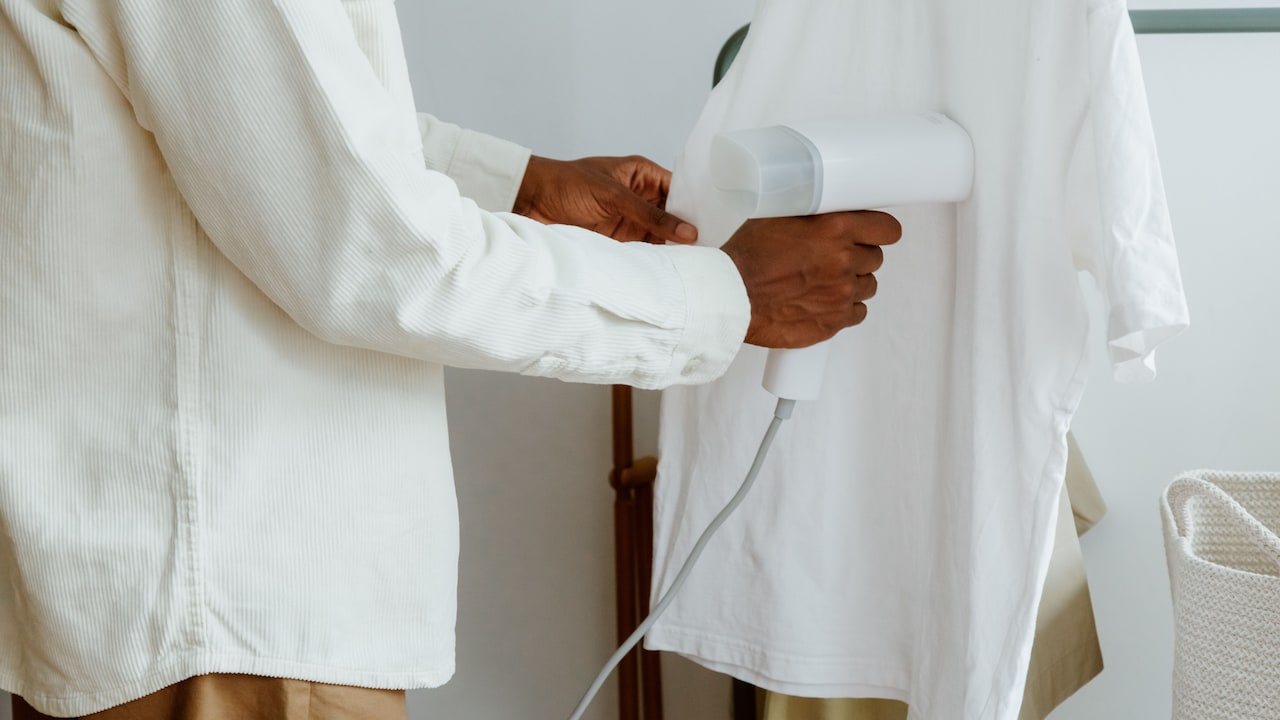
A freshly pressed shirt can make an ordinary Monday feel a little more manageable. Yet, getting clothes ready isn't always straightforward. One stubborn crease on a cotton kurta can delay an entire morning routine. A silk saree needs careful handling, while that linen shirt somehow looks crumpled again before reaching the office. With handheld steamers gaining popularity, many households now wonder whether the traditional iron deserves retirement. Handheld steamers promise quicker wrinkle removal, easier handling and fewer encounters with the ironing board. Regular irons, meanwhile, have spent decades delivering sharp collars, neat pleats and smooth fabrics. Both appliances have their strengths, but several clothing-care myths make choosing between them unnecessarily confusing. Can steam really remove every crease? Does ironing damage delicate fabrics? And is steaming automatically better for expensive clothes? Here are ten common myths that deserve a closer look before deciding which appliance earns a permanent spot in the wardrobe routine.
Can A Handheld Steamer Replace A Regular Iron? 10 Clothing-Care Myths Explained
Photo Credit: Pexels
10 Common Clothing-Care Myths About Steamers And Irons
1. Myth: A Handheld Steamer Can Completely Replace A Regular Iron
Handheld steamers have earned their place in modern clothing care, but replacing a regular iron entirely isn't always practical. Both appliances remove wrinkles, although they work differently. A steamer directs hot vapour towards fabric, helping fibres relax and release creases. An iron combines heat, pressure and sometimes steam to flatten fabric against a firm surface.
This difference becomes obvious when dealing with formal clothing. A handheld steamer can freshen a cotton shirt before an office meeting, particularly when the wrinkles are light. However, achieving crisp cuffs, sharp collars and neatly pressed trouser creases usually requires an iron.
Consider a wardrobe filled with everyday T-shirts, flowy kurtas and lightweight dresses. A steamer might handle most routine touch-ups without much trouble. Someone who wears formal shirts, structured cotton trousers or heavily creased linen will probably need an iron more often.
The choice also depends on personal expectations. Not everyone needs clothes to look professionally pressed. Some prefer a relaxed, wrinkle-free appearance without perfectly defined folds.
A handheld steamer can replace an iron for certain wardrobes, but it cannot consistently reproduce every result an iron delivers. The real question isn't which appliance wins. It's which one suits the clothes and finish you prefer.
2. Myth: Steamers Remove Stubborn Wrinkles Faster Than Irons
A handheld steamer might look like the quickest solution when clothes emerge from the wardrobe covered in wrinkles. Simply fill the tank, switch it on and direct steam towards the fabric. Yet, convenience doesn't always translate into faster crease removal, particularly when dealing with thick materials.
Steamers work well on light wrinkles because moisture and heat help loosen the fabric fibres. A creased polyester top or lightweight kurta may become noticeably smoother after a few passes. Deep wrinkles in cotton, however, often require more effort.
Imagine pulling out a heavily folded cotton shirt after several weeks in storage. A steamer may soften those fold lines, but removing them completely could take repeated passes. A regular iron can usually flatten the same creases more effectively through direct heat and pressure.
Fabric tension also matters. Steamers generally work better when users gently hold the garment taut. Without enough tension, some wrinkles remain visible even after prolonged steaming.
Irons aren't necessarily faster for every task either. Setting up an ironing board for one lightly wrinkled dress may take longer than a quick steam.
For stubborn creases, irons usually have the advantage. For everyday touch-ups, steamers can save time and effort.
3. Myth: Handheld Steamers Are Safe For Every Fabric
The promise of gentle wrinkle removal makes handheld steamers particularly appealing for delicate clothing. However, the assumption that steam suits every material can lead to disappointing results. Different fabrics respond differently to heat, moisture and prolonged exposure.
Many lightweight synthetic garments tolerate steaming when their care labels permit it. Certain silk pieces may also benefit from gentle steaming, although excessive moisture can leave water marks or affect their finish. Embellished clothing deserves additional caution because heat may weaken adhesives or damage decorative elements.
Consider a festive outfit featuring sequins, delicate embroidery and glued embellishments. Holding a steamer too close could expose these details to concentrated heat and moisture. The fabric itself might tolerate steaming while the decorations suffer.
Leather, suede and certain coated materials generally require specialised care rather than routine steaming. Similarly, garments with delicate structural finishes may lose their intended shape when exposed to moisture.
Reading the garment's care label remains more useful than following general assumptions about fabric safety. Manufacturers often specify whether ironing, steaming or professional cleaning suits a particular piece.
A steamer can be gentler than direct ironing for some garments, but that doesn't make it universally safe. Always check care instructions, test an inconspicuous area where appropriate and avoid prolonged steaming over sensitive details.
Also Read: Discover 5 Top-Rated Garment Steamers Under ₹3,000 To Refresh Your Wardrobe
4. Myth: Regular Irons Always Damage Delicate Clothes
Regular irons sometimes get blamed for shiny patches, scorch marks and damaged fabrics. While these problems can occur, the appliance itself isn't automatically responsible. Incorrect temperature settings, excessive pressure and poor ironing techniques usually contribute to such damage.
Most modern irons offer adjustable temperature controls for different fabric types. Lower settings suit many synthetics, while cotton and linen can generally tolerate higher temperatures when their care labels allow them. Choosing the right setting makes a considerable difference.
A thin cotton dupatta, for example, may respond well to careful ironing at an appropriate temperature. Delicate silk requires greater caution, often involving low heat, ironing on the reverse side and a suitable pressing cloth when permitted.
Pressing cloths create a protective layer between the iron's soleplate and the garment. They can help reduce shine and prevent direct contact with decorative finishes.
Another common mistake involves leaving a hot iron stationary on the fabric. Continuous movement and careful temperature control help minimise the risk of scorching.
That said, certain materials should never encounter direct ironing, regardless of how carefully someone handles the appliance.
An iron isn't inherently harsh. Used correctly, it can care for many delicate garments effectively. The key lies in respecting fabric limitations rather than assuming every piece needs maximum heat.
5. Myth: Steaming Clothes Automatically Kills All Germs And Bacteria
Steam often gets associated with cleanliness, which explains why some people believe garment steaming can replace washing. The idea sounds convenient, particularly after wearing an outfit briefly or storing clothes for several weeks. Unfortunately, wrinkle removal and proper cleaning serve different purposes.
Hot steam can reduce certain microorganisms under suitable temperature and exposure conditions. However, ordinary handheld garment steaming doesn't guarantee complete disinfection. The amount of heat reaching the fabric, steaming duration and garment thickness all influence the outcome.
Consider an office shirt worn throughout a humid afternoon. A handheld steamer may smooth wrinkles and temporarily reduce some odours, but it cannot reliably remove sweat, body oils or accumulated dirt.
Similarly, steaming a jacket after a crowded commute shouldn't substitute for cleaning when the garment becomes visibly dirty or develops persistent odours.
Some people also assume that steam removes allergens completely. While heat may affect certain allergens, casual steaming cannot guarantee their elimination from clothing.
Regular laundering with suitable detergent remains important for removing everyday soil and maintaining hygiene. Garments requiring dry cleaning should follow their care instructions.
Steamers offer useful maintenance between washes, especially for clothes that remain reasonably clean. However, treating a garment with steam doesn't automatically make it thoroughly clean or germ-free.
6. Myth: More Steam Always Means Better Wrinkle Removal
Watching thick clouds of steam escape from a handheld appliance can create the impression of powerful wrinkle removal. However, producing more steam doesn't automatically mean better results. Fabric type, steam delivery and technique matter just as much as the amount of vapour.
Lightweight clothing often needs relatively little steam to release everyday wrinkles. Excessive exposure can leave garments damp, particularly when the appliance produces uneven steam or droplets of water.
Imagine preparing a chiffon dupatta for an evening gathering. Repeatedly directing heavy steam towards the same section may introduce unnecessary moisture without improving its appearance. Gentle passes, appropriate distance and controlled movement often work better.
Thicker cotton garments present another challenge. Increasing steam output might help relax the fibres, but without pressure, stubborn fold lines may remain.
A steamer's heat-up time, steam consistency and water-tank design also influence its everyday performance. A model producing steady steam can sometimes feel more manageable than one releasing powerful but irregular bursts.
Technique deserves attention too. Keeping the fabric gently stretched and moving the steamer at a controlled pace can produce more even results.
Rather than chasing maximum steam output, focus on how effectively the appliance handles your usual clothing. A suitable steam level and careful handling often matter more than dramatic clouds of vapour.
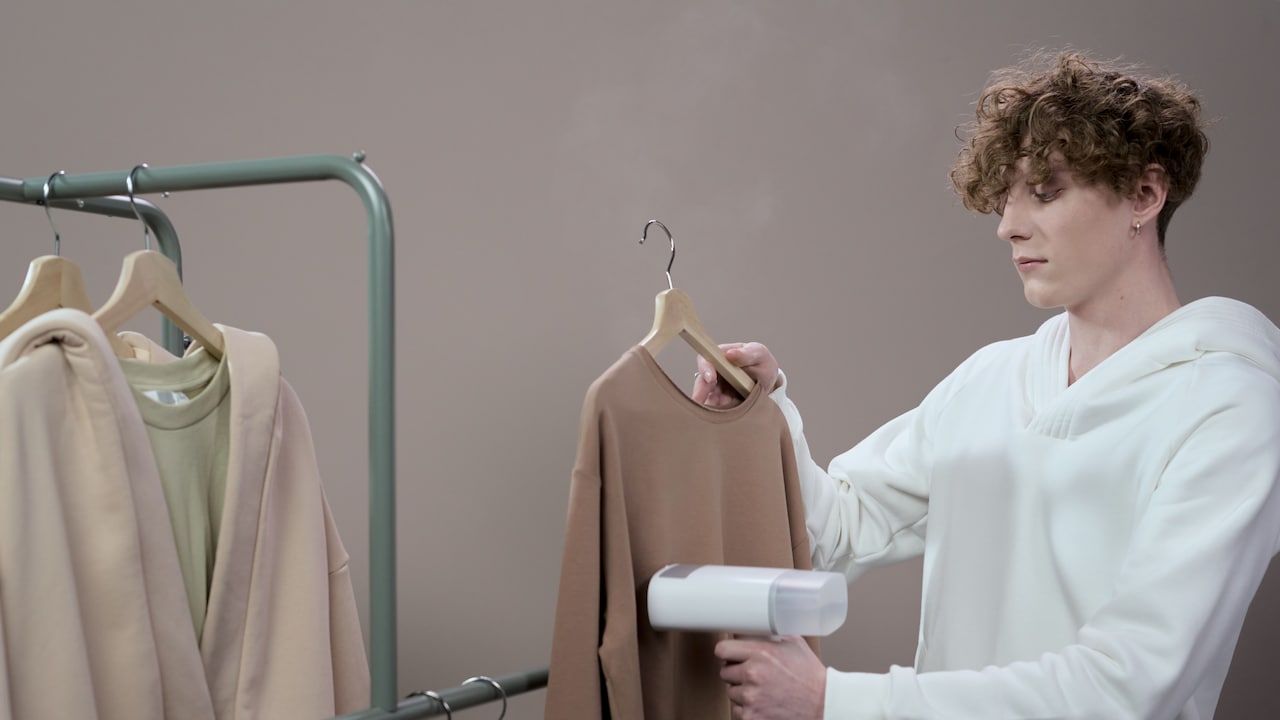
7. Myth: Hanging Clothes While Steaming Guarantees Perfect Results
One of the biggest attractions of handheld steamers is the freedom to remove wrinkles without unfolding an ironing board. Hanging a shirt on a hanger certainly makes the process convenient. However, simply suspending clothing doesn't guarantee an evenly finished garment.
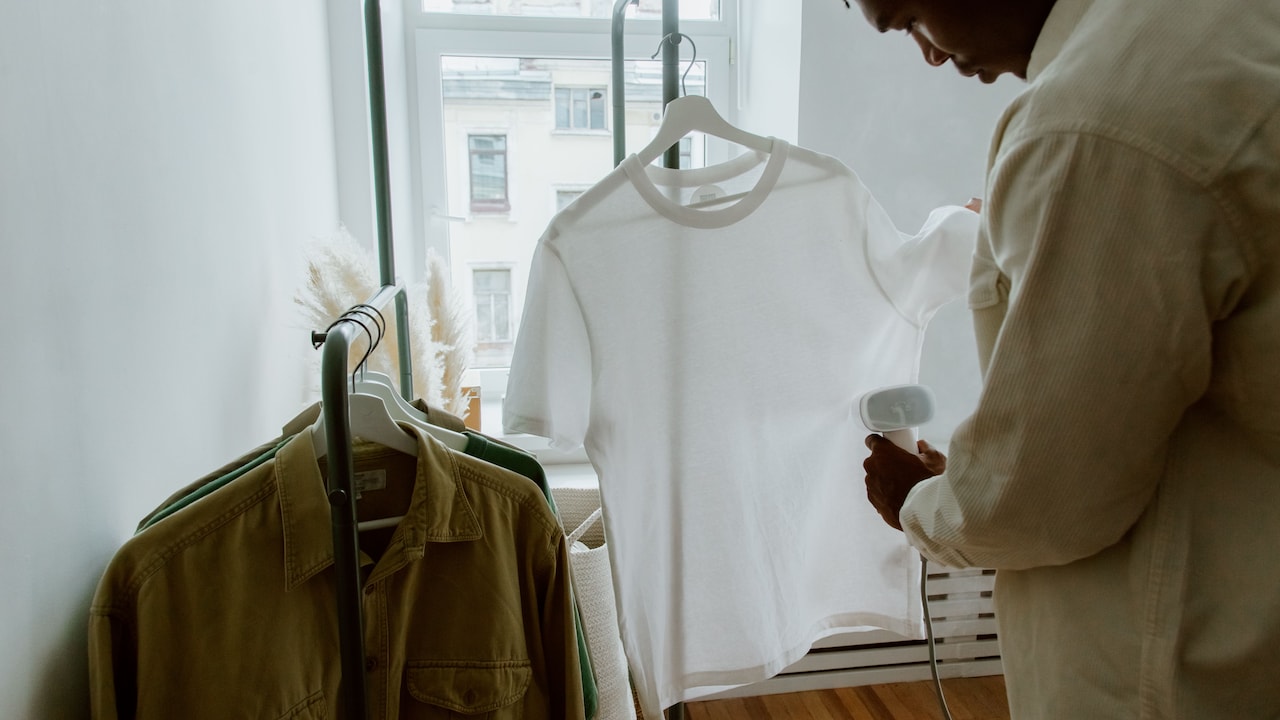
Gravity helps keep lightweight fabric straight, but some areas need additional attention. Sleeves, collars, waistbands and thick seams often retain creases because they don't hang under enough tension.
A loose cotton kurta provides a familiar example. Its main panels may respond beautifully to steaming, while the sleeves continue showing fold marks. Gently adjusting the garment's position and applying controlled tension can help improve the finish.
The hanger itself also matters. A narrow hanger may distort shoulder shapes, particularly when steaming heavier clothing. A sturdy hanger that supports the garment properly usually works better.
Safety is equally important. Never steam clothes while someone is wearing them, and avoid placing hands directly behind the area receiving steam. Hot vapour can cause painful burns even without physical contact with the appliance.
Some steamers include attachments designed to improve fabric handling or assist with creases. Their effectiveness varies according to the garment and appliance.
Hanging clothes makes steaming convenient, but technique still determines the outcome. A little repositioning and patience can make the difference between fewer wrinkles and a properly presentable outfit.
Can A Handheld Steamer Replace A Regular Iron? 10 Clothing-Care Myths Explained
Photo Credit: Pexels
8. Myth: A Handheld Steamer Is Always More Convenient Than An Iron
Handheld steamers promise easy storage, quick preparation and freedom from bulky ironing boards. For people living in compact flats or shared accommodation, those advantages can feel particularly appealing. Yet, convenience depends on how often the appliance needs refilling and what garments require attention.
Many compact steamers have relatively small water tanks. This makes them lightweight, but it also limits continuous steaming time. Preparing several outfits together may involve repeated refills and pauses.
Consider getting four cotton shirts, two kurtas and a pair of trousers ready for the working week. A regular iron and ironing board might handle this collection more efficiently, especially when the clothes need a crisp finish.
Handheld steamers can also present challenges during travel. They require suitable power connections, safe storage after use and enough space to hang garments properly. Their compact size doesn't eliminate these requirements.
On the other hand, removing a few wrinkles from a dress before leaving for dinner may take considerably less effort with a steamer. No ironing board, elaborate setup or repeated repositioning of the garment.
Convenience isn't simply about appliance size. It also involves preparation, water refilling, garment handling and the quality of the finished result.
For occasional touch-ups, steamers often win. For larger ironing sessions, a traditional iron may remain the more practical choice.
9. Myth: Steaming Is Always Better For Maintaining Clothes Over Time
Because steamers avoid pressing a hot metal surface directly against fabric, many shoppers assume they're automatically better for long-term garment care. That belief has some merit, but it overlooks how different clothing materials respond to moisture and heat.
Repeated exposure to excessive steam can affect certain fabrics, trims and finishes. Some garments may lose their structure, while materials sensitive to water can develop marks or changes in texture.
Structured blazers offer an interesting example. Gentle steaming may remove surface wrinkles, but careless treatment can affect internal components, shoulder shaping or the finish of particular fabrics. Following the garment's care instructions is essential.
Regular ironing also has its advantages. Carefully pressing seams, collars and hems can help maintain a garment's intended shape. However, repeated high-temperature ironing may weaken fibres or create unwanted shine.
The bigger concern is poor clothing-care habits rather than the choice of appliance alone. Excessive heat, improper washing, harsh detergents and careless storage can all shorten garment life.
A cotton shirt that receives suitable washing, drying and ironing may remain presentable for years. A delicate dress may benefit more from occasional steaming and careful storage.
Long-term fabric care requires a balanced approach. Neither appliance automatically protects clothes from wear. Matching the method to the material and using it correctly matters far more.
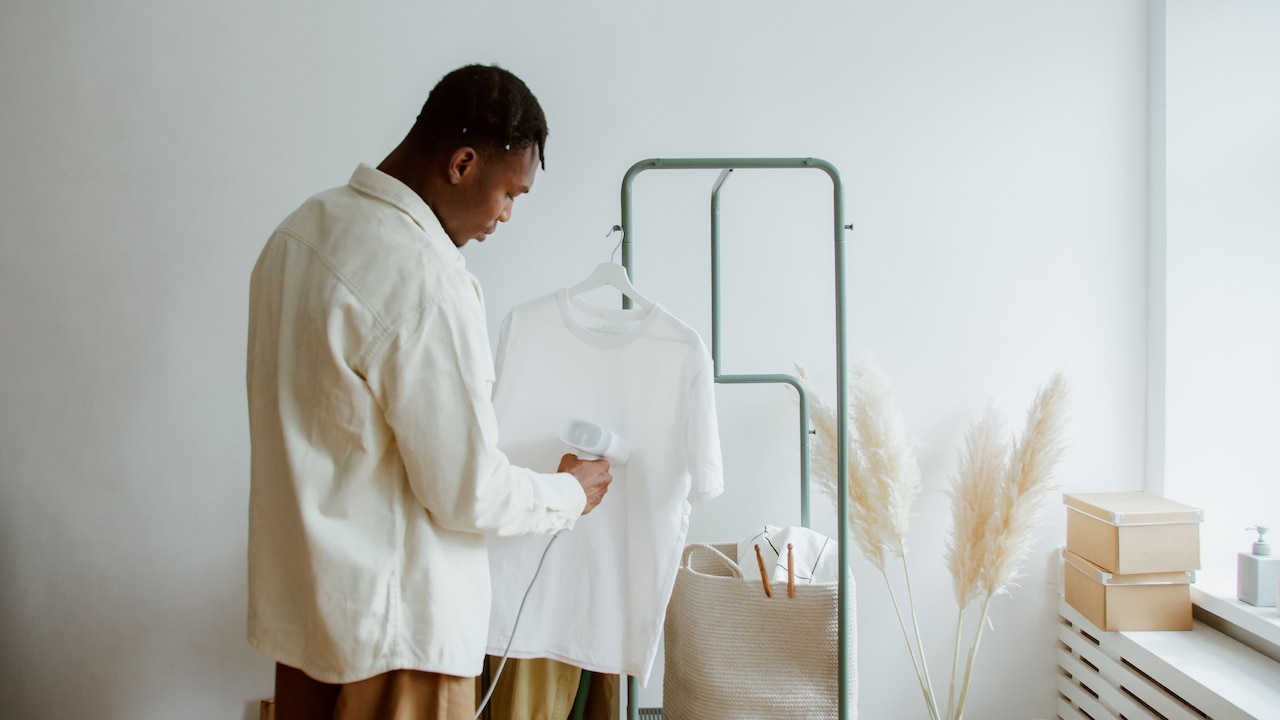
10. Myth: Buying A Steamer Means You No Longer Need An Ironing Board
The thought of clearing an ironing board from an already crowded cupboard can make handheld steamers surprisingly tempting. After all, hanging clothes and smoothing wrinkles vertically sounds much easier than setting up a flat surface. But eliminating the ironing board depends on the results a household expects.
Steamers work particularly well for garments that don't require sharply defined folds. Flowy dresses, casual tops, scarves and lightweight kurtas often fall into this category.
However, certain clothing details benefit from the resistance of a firm pressing surface. Shirt collars, cuffs, trouser pleats and neatly folded hems generally require more than steam alone.
Picture preparing a formal outfit for an important presentation. The shirt may look smoother after steaming, but its collar could still appear soft and slightly uneven. A regular iron and firm surface help create that structured finish.
Some households may prefer using a heat-resistant tabletop ironing mat rather than keeping a full-sized board. Others might find a compact folding board easier to store. Any alternative surface must suit the appliance and provide adequate heat protection.
A handheld steamer can reduce how often an ironing board comes out of storage, particularly for casual wardrobes. However, anyone who values crisp, sharply pressed clothing may still appreciate a dedicated ironing surface.
Can A Handheld Steamer Replace A Regular Iron? 10 Clothing-Care Myths Explained
Photo Credit: Pexels
Products Related To This Article
1. OWNAIR Steam Iron Handheld for Clothes
2. NUUK STRÖM GO [v2] Compact & Lightweight Travel Garment Steamer For Clothes
3. PHILIPS Handheld Garment Steamer STH3000
4. Goodscity Steam Iron Handheld for Clothes
5. AGARO Signify Handheld Garment Steamer, Wrinkle Remover
6. PHILIPS Handheld Garment Steamer STH1010
7. Docoss Foldable Mini Steam Iron For Travel
Handheld steamers and regular irons aren't necessarily rivals. They simply tackle clothing care differently. Steamers make everyday touch-ups convenient, especially for lightweight garments and relaxed styles. Irons remain useful for stubborn wrinkles, structured fabrics and sharp finishing details. Neither appliance guarantees better fabric protection without proper handling. Before choosing one, consider the clothes that dominate your wardrobe, the time available for maintenance and the finish you prefer. A steamer may handle most casual outfits, while an iron might remain essential for formal clothing. For households with varied wardrobes, keeping both can offer the greatest flexibility. After all, wrinkle-free clothes shouldn't require a daily battle with the cupboard.
(Disclaimer: This article may include references to or features of products and services made available through affiliate marketing campaigns. NDTV Convergence Limited (“NDTV”) strives to maintain editorial independence while participating in such campaigns. NDTV does not assume responsibility for the performance or claims of any featured products or services.)