Coffee Makers For Beginners: Capsule, Drip Or French Press?
Confused between capsule, drip and French press coffee makers? This is a simple beginner’s guide to choosing the right one for your budget, taste and morning routine.
Coffee Makers For Beginners: Capsule, Drip Or French Press?
Coffee has quietly moved from cafe tables to kitchen shelves across the country. Once reserved for office breaks, airport lounges or weekend outings, a decent cup now feels like a small daily comfort. Some people want a quick shot before catching the metro. Some want a gentle mug while reading the newspaper. Others want a strong, no-nonsense brew that can wake up even a Monday that has arrived with unpaid bills and traffic updates. For beginners, the choice often comes down to capsule machines, drip coffee makers, and French presses. Each has its charm. Each also has its little tantrums. A capsule machine behaves like a polite robot. A drip maker feels like a dependable family member. A French press brings a slow, hands-on ritual, almost like making chai on a lazy Sunday. The right pick depends on taste, time, budget, kitchen space, and how much effort feels acceptable before breakfast.
Coffee Makers For Beginners: Capsule, Drip Or French Press?; Photo Credit: Pexels
A Beginner's Guide To Choosing The Right Coffee Maker
Capsule Machines Make Coffee Feel Effortless
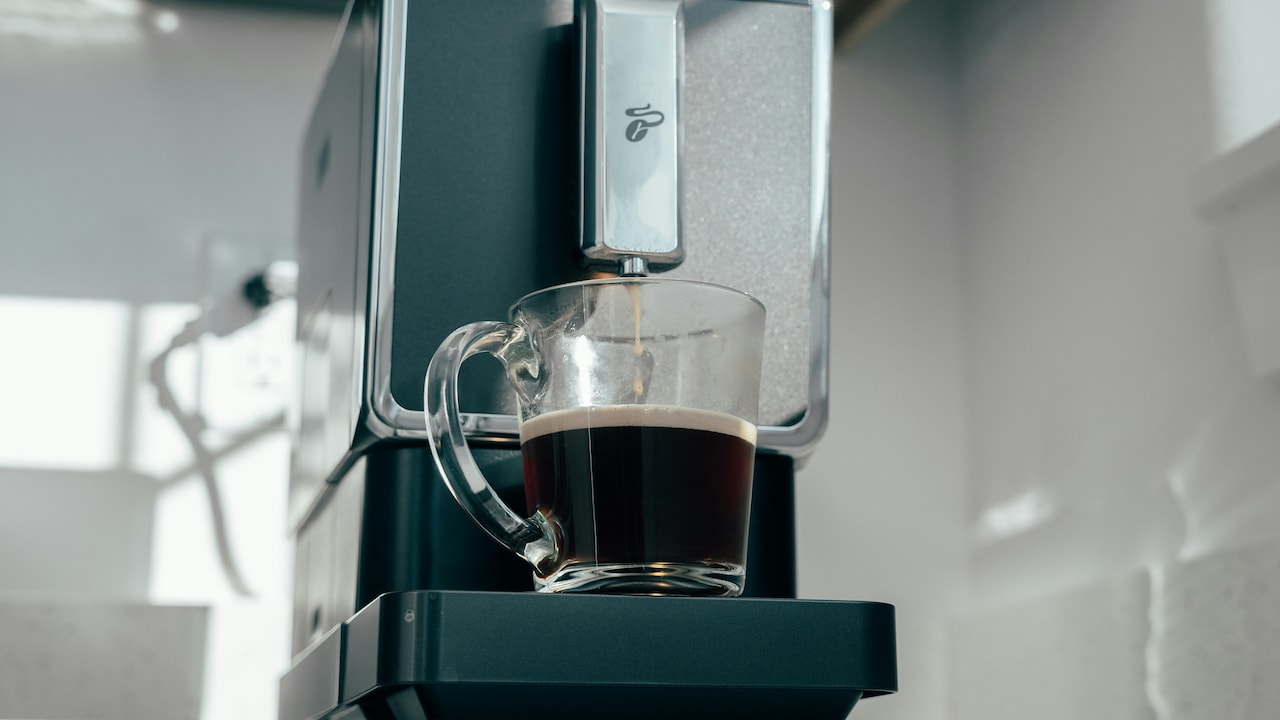
Capsule machines suit people who want coffee without measuring, guessing or cleaning up a battlefield of wet grounds. Pop in a pod, press a button, and the machine does the rest. It feels neat, modern and wonderfully low-stress, especially on rushed mornings when the tiffin still needs packing and the cab driver has already called twice.
The biggest charm lies in consistency. A capsule machine gives a similar cup each time, which beginners often appreciate. There is no need to worry about grind size, water temperature or brewing time. Many machines can make espresso-style coffee, lungo, cappuccino, or flavoured drinks depending on the capsule range.
The cost, however, deserves attention. A basic capsule machine may start around ₹7,000, while premium models climb much higher. Pods can cost ₹35 to ₹90 each, which adds up quickly if two or three cups vanish daily. It is convenient, yes, but convenience arrives wearing a slightly expensive watch.
Also Read: 7 Best Fully Automatic Coffee Machines For Beginners in India Who Don't Want Complicated Settings
Drip Coffee Makers Suit Busy Homes
A drip coffee maker feels practical, friendly, and built for regular use. Add water, place ground coffee in the filter, press a switch, and the machine fills a pot with coffee. It works well for families, shared flats, or anyone who drinks more than one cup in a sitting. Unlike capsule machines, drip makers brew in larger quantities, so nobody needs to stand around making one cup at a time.
This type suits mornings that run on routine. Switch it on, toast the bread, check the news, and return to a pot of warm coffee. Many models include a hot plate that keeps the coffee warm for some time, though leaving it there too long can make the brew taste bitter.
Prices vary widely. Simple drip machines can start around ₹1,500 to ₹3,000, while better-known brands with timers and larger carafes may cost ₹5,000 or more. The running cost stays reasonable because ground coffee works out cheaper than capsules. For beginners who want comfort without fuss, drip coffee deserves a serious look.
Coffee Makers For Beginners: Capsule, Drip Or French Press?; Photo Credit: Pexels
French Press Brings Slow Morning Charm
A French press, also called a coffee plunger, has no wires, buttons or flashing lights. It uses a glass or steel pot with a metal mesh plunger. Add coarse coffee grounds, pour hot water, wait for a few minutes, press down gently, and pour. That is all. Yet this simple method can produce a rich, full-bodied cup that feels deeper than regular machine coffee.
The French press suits people who enjoy the process. It asks for a little patience and rewards it with flavour. The coffee keeps its natural oils because no paper filter traps them. That gives the cup a heavier mouthfeel and a more rounded taste. It pairs beautifully with slow breakfasts, rainy afternoons and those rare mornings when nobody has shouted, “Where are my socks?”
A good French press can cost anywhere from ₹800 to ₹3,500, depending on size and material. It needs no electricity and very little counter space. The only catch is cleanup. Wet grounds cling stubbornly, like relatives after a wedding lunch.
Taste Changes With Each Method
Taste often decides the winner, and each method brings a distinct personality to the cup. Capsule coffee usually tastes clean, predictable and café-like, especially when the machine uses pressure to create espresso-style drinks. It may not please serious coffee lovers who want fresh aroma and control, but beginners often enjoy its balanced flavour.
Drip coffee tastes lighter and smoother. It works well for black coffee, milk coffee and large mugs that last through a long work call. Since hot water passes slowly through ground coffee, the result feels gentle rather than punchy. It may not create a strong espresso-like shot, but it makes an easy everyday brew.
French press coffee tastes bold, textured and earthy. It can feel intense, especially for someone used to instant coffee. The metal filter lets fine particles and oils enter the cup, which adds body. Some love this richness; others call it muddy. Taste, like film opinions at a family dinner, can divide the room quickly.
Ease Of Use Matters More Than Ego
Beginners often buy coffee gear after watching glossy videos where someone swirls water in perfect circles and speaks lovingly about “notes of caramel and stone fruit”. Real life looks different. Most people need coffee before they can operate like civilised humans. That is why ease of use matters more than showing off.
Capsule machines win on simplicity. They suit anyone who wants coffee in under two minutes with almost no thinking involved. Drip machines need a little measuring but remain easy. Once the coffee-to-water ratio feels right, the process becomes second nature. French presses require more attention. The water should not be boiling hot, the grind should be coarse, and the brew time needs care.
None of this is difficult, but each method asks for a different mood. A capsule machine says, “Relax, this is handled.” A drip maker says, “Let us make enough for everyone.” A French press says, “Slow down, good things need four minutes.”
Budget Includes More Than The Machine
The sticker price tells only half the story. A cheap machine may become expensive if every cup needs a costly pod. A slightly pricier brewer may save money over time if it uses regular ground coffee. Beginners should think beyond the first purchase and consider what each cup will cost over months.
Capsule machines usually have the highest running cost. The machine may look affordable during a sale, but pods can quietly nibble at the monthly budget. Drip makers have a lower running cost because they use ground coffee and paper filters. Some machines use reusable filters, which reduce extra spending. French presses usually cost the least over time. Once bought, they need only coffee and hot water.
A 250g bag of ground coffee can cost around ₹300 to ₹800, depending on the brand and roast. It can make many cups at home. Compared with daily café visits, any of these methods can save money. The real question is whether convenience, quantity or flavour deserves the largest share of the budget.
Coffee Makers For Beginners: Capsule, Drip Or French Press?; Photo Credit: Pexels
Cleaning Can Make Or Break The Habit
The best coffee maker is the one that does not become a decorative item after two weeks. Cleaning plays a huge role here. If the cleanup feels annoying, the machine slowly moves towards the back of the shelf, right next to the forgotten smoothie jar and that ambitious salad spinner.
Capsule machines are easy after each cup. Remove the used pod, rinse the cup area, and occasionally descale the machine. The pod bin may smell if ignored, so regular emptying helps. Drip machines need more attention. The carafe, filter basket and water tank require cleaning to prevent stale odours. Coffee oils can cling to parts and make future brews taste dull.
French presses look simple but demand immediate cleaning. Leave the grounds sitting inside for too long, and regret follows. The mesh filter also needs a proper rinse because tiny coffee particles hide in it. For someone who hates washing up, capsules may feel kinder. For someone who values flavour and accepts cleanup, French press still shines.
Kitchen Space And Lifestyle Count
A coffee maker must fit the kitchen and the rhythm of the home. Many urban kitchens already juggle a mixer-grinder, toaster, air fryer, kettle, spice boxes and a pressure cooker that somehow occupies emotional as well as physical space. A bulky coffee machine may not feel welcome.
Capsule machines look sleek but still need counter space and a plug point. Drip makers take up more room, especially models with large glass carafes. They suit homes where several people drink coffee or where counter space feels generous. French presses win the space contest. They can sit inside a cupboard and come out only when needed.
Lifestyle matters too. A single working professional may enjoy the speed of capsules. A family with different wake-up times may prefer drip coffee. A weekend coffee lover may treasure the French press. There is no need to buy what looks impressive online. The better choice is the one that fits the morning without causing a small domestic rearrangement.
Which Coffee Maker Should Beginners Choose?
The easiest answer is this: choose a capsule machine for speed, a drip maker for quantity, and a French press for flavour. That simple rule solves most beginner confusion.
Capsule machines suit people who value convenience above all else. They make sense for fast mornings, compact routines and anyone who likes café-style drinks without learning technique. Drip makers suit households that need several cups and prefer a familiar, mild brew. They offer good value and steady performance. French presses suit curious beginners who want richer coffee and do not mind learning a small ritual.
A beginner should also consider taste preferences. Those who enjoy strong coffee with milk may like capsule espresso-style drinks. Those who prefer a larger mug may enjoy drip coffee. Those who like bold, textured flavours may fall for the French press. The right coffee maker should not intimidate. It should make the morning feel smoother, warmer and just a little more cheerful.
Products Related To This Article
1. AGARO Royal 4 Big Cups Drip Coffee Maker
2. InstaCuppa French Press Coffee Maker with 4 Part Superior Filtration 600 M
3. COSTAR 3-in-1 Espresso Machine
4. Wonderchef Swift Brew Coffee Machine for Home
5. Sipologie Classic French Press Coffee Maker with 4-Level Filtration and Premium Heat-Resistant Borosilicate Glass
6. De'Longhi Dedica Style Espresso Machine with Milk Frother
7. Sleepy Owl French Press Coffee Maker 350ml
Coffee makers can look confusing at first, but the choice becomes easier when matched with daily life. Capsule machines bring speed and polish. Drip coffee makers offer comfort, volume and value. French presses deliver depth, charm and a hands-on ritual that feels pleasantly old-school.
No single method works for everyone. A person rushing through weekday mornings may bless a capsule machine. A home where coffee flows like conversation may love a drip maker. A slow sipper who enjoys aroma, texture and tiny kitchen rituals may choose a French press and never look back.
The first coffee maker does not need to be perfect. It only needs to make better coffee than the hurried spoon of instant powder that has survived too many sleepy mornings. Start with the method that feels natural, keep expectations simple, and let the cup improve one brew at a time. After all, good coffee at home is not about acting like a café expert. It is about finding a small, dependable joy before the day starts making demands.
(Disclaimer: This article may include references to or features of products and services made available through affiliate marketing campaigns. NDTV Convergence Limited (“NDTV”) strives to maintain editorial independence while participating in such campaigns. NDTV does not assume responsibility for the performance or claims of any featured products or services.)