Incorrect Wattage Usage? Top 10 Tips To Protect Kitchen Appliances
Incorrect wattage can damage kitchen appliances, raise electricity bills and create safety hazards. Discover ten smart tips to protect appliances, improve efficiency, and avoid costly repairs through safer everyday power usage.
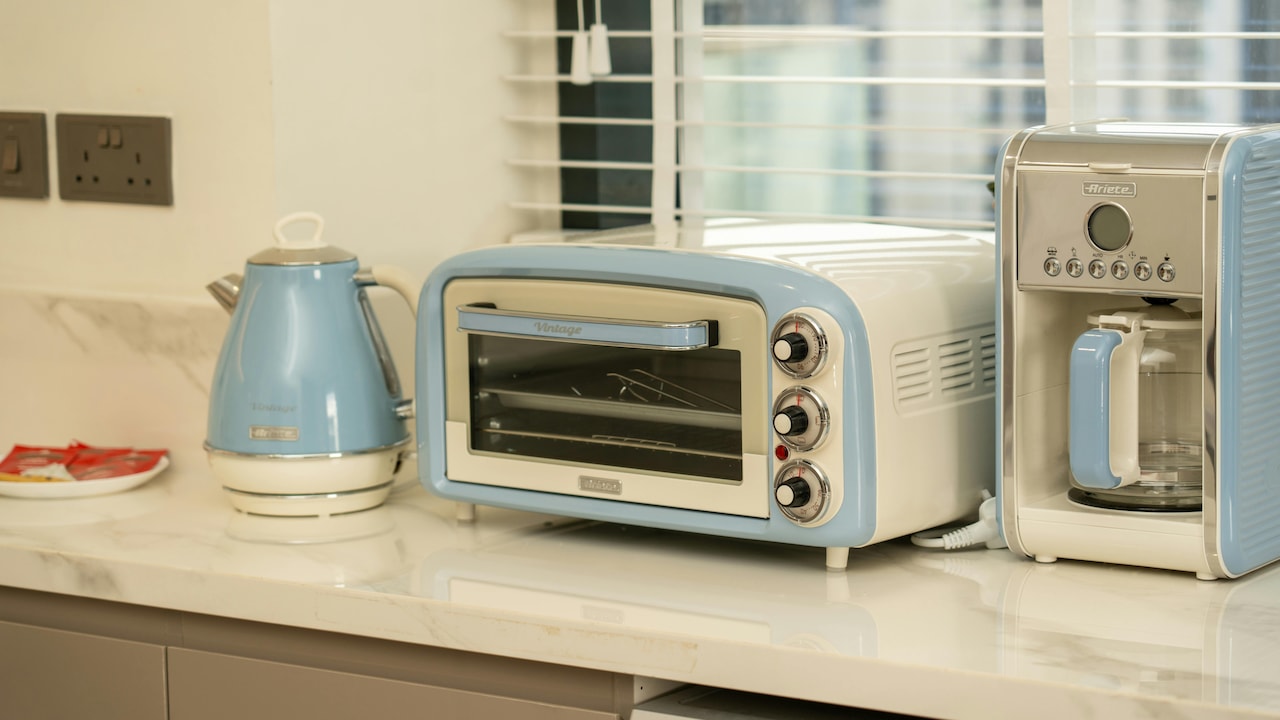
Say goodbye to incorrect wattage usage damaging your appliances with these tips
Modern kitchens thrive on convenience. From air fryers crisping snacks to refrigerators preserving weekly groceries, appliances have become silent partners in daily life. Yet, many homes overlook one critical detail: wattage compatibility. Plugging a high-power appliance into the wrong socket or extension board may seem harmless, but it can lead to overheating, electrical damage, or even fire hazards. Many families spend anywhere from ₹2,000 to ₹50,000 on kitchen equipment, only to unknowingly reduce that investment through poor power practices. A little awareness can save money, prevent frustration, and extend appliance life significantly. Think of wattage like fuel for machines. Too little may cause inefficiency, while too much can destroy internal components. Protecting appliances does not require technical expertise, only smart habits and consistent care.
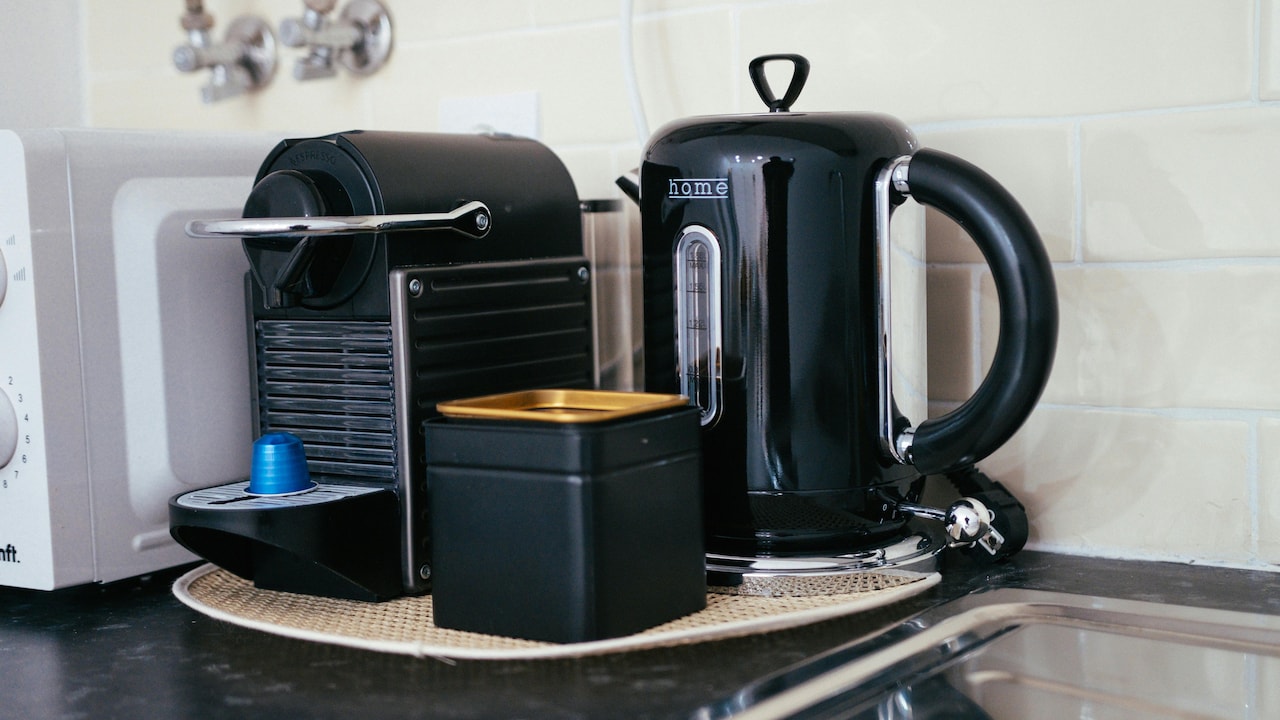
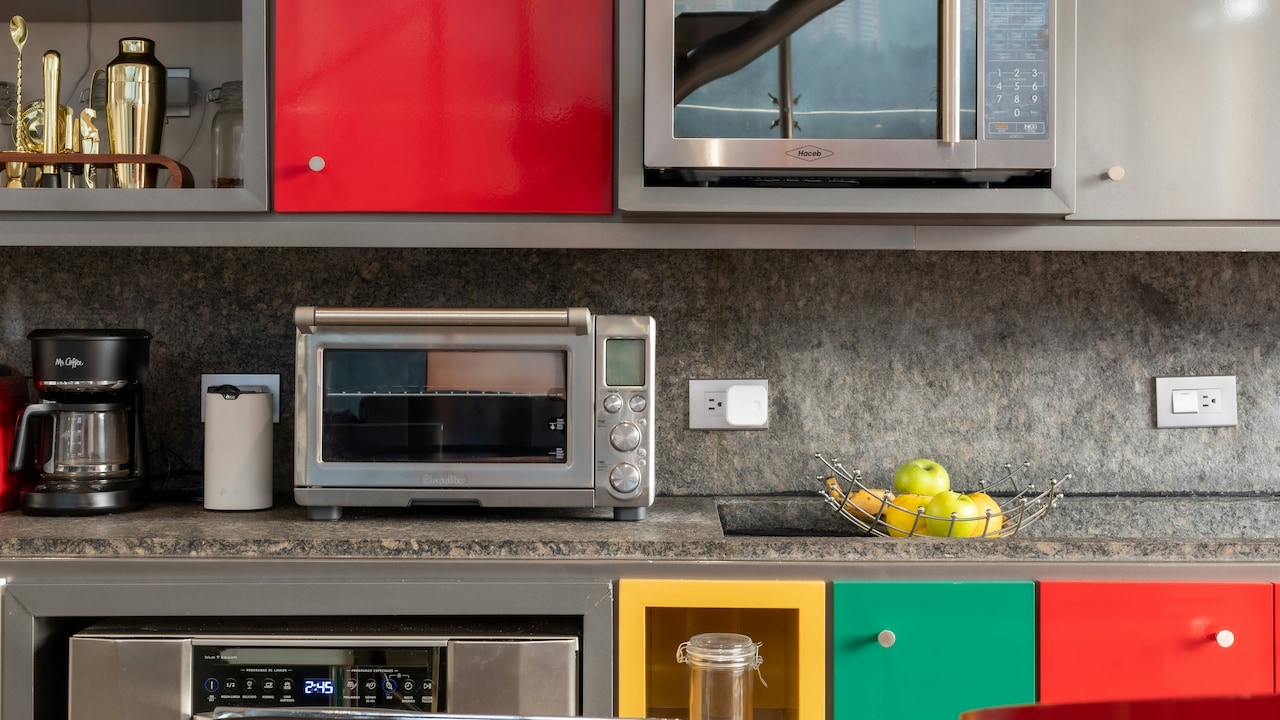
Helpful ways to protect your kitchen appliances from incorrect wattage usage; Photo Credit: Pexels
Also Read: Electrical Kitchen Appliances You Need In A Modern Indian Kitchen
Top 10 Essential Tips To Safeguard Kitchen Appliances From Incorrect Wattage Usage
1. Check Appliance Wattage Before Plugging In
Every kitchen appliance comes with a wattage rating, usually printed on a label or mentioned in the manual. This number reveals how much power the device needs to operate safely. Ignoring it can cause serious trouble. For example, connecting a 2000-watt microwave to an extension cord designed for only 1000 watts can overheat wires within minutes.
Reading wattage labels may seem dull, but it is one of the simplest ways to prevent expensive breakdowns. Before installing a new toaster, oven, or dishwasher, compare its power needs with the socket's capacity. In older homes, wiring systems may struggle with modern high-powered appliances.
Taking two minutes to check compatibility can prevent blown fuses, damaged motors, or costly repairs. It is much like checking if a pressure cooker whistle fits correctly; small precautions avoid bigger kitchen disasters.
2. Avoid Overloading Power Sockets
One plug point often ends up powering a mixer, microwave, electric kettle, and phone charger all at once. While this setup may seem efficient, overloaded sockets are a major hazard. Each outlet has a safe power limit, and exceeding it can lead to short circuits or melted plugs.
Heavy appliances need dedicated sockets whenever possible. Devices like induction cooktops and refrigerators draw significant current, especially during long use. Plugging too many high-wattage items together stresses the wiring and reduces appliance efficiency.
A power strip packed beyond capacity may save space, but it can quietly damage expensive equipment over time. Investing in proper socket arrangements costs far less than replacing a ₹15,000 appliance. Safe electricity habits often begin with resisting the temptation to plug everything into one corner.
3. Use Stabilisers For Voltage-Sensitive Appliances
Voltage fluctuations remain a common issue in many areas, especially during peak summer months when electricity demand surges. Refrigerators, microwaves, and dishwashers often suffer the most from unstable voltage.
A stabiliser acts like a protective shield, ensuring appliances receive consistent power even when the external supply varies. Without one, sudden spikes may burn circuits, while low voltage can force motors to overwork.
Many households view stabilisers as optional, but they often save thousands in repair costs. Spending ₹3,000 on a quality stabiliser can protect an appliance worth ₹30,000 or more. It is similar to using a helmet while riding; prevention always costs less than damage control.
4. Choose The Right Extension Cord
Extension cords can be convenient, but not all are built for heavy kitchen appliances. Using lightweight cords for high-wattage devices can create heat buildup and serious fire risks.
Always check the cord's load capacity before use. A sandwich maker may work fine on a standard extension, but ovens and refrigerators require stronger, heavy-duty versions. Thin cords often fail silently, gradually damaging both the appliance and household wiring.
Quality matters more than convenience here. Cheap extension boards may save a few hundred rupees initially, but they often compromise safety. Selecting the correct extension cord ensures smooth operation and peace of mind.
5. Unplug Appliances When Not In Use
Many kitchen devices continue drawing power even when switched off. This hidden energy drain, often called phantom load, increases electricity bills and can wear out components over time.
Appliances such as microwaves, coffee machines, and mixers benefit from being unplugged when idle. Beyond saving power, unplugging also protects them from unexpected voltage spikes.
It is a simple habit, yet many overlook it in busy daily routines. Pulling the plug after use may feel old-fashioned, but it extends appliance life and reduces monthly expenses. Small changes often deliver surprisingly large savings.
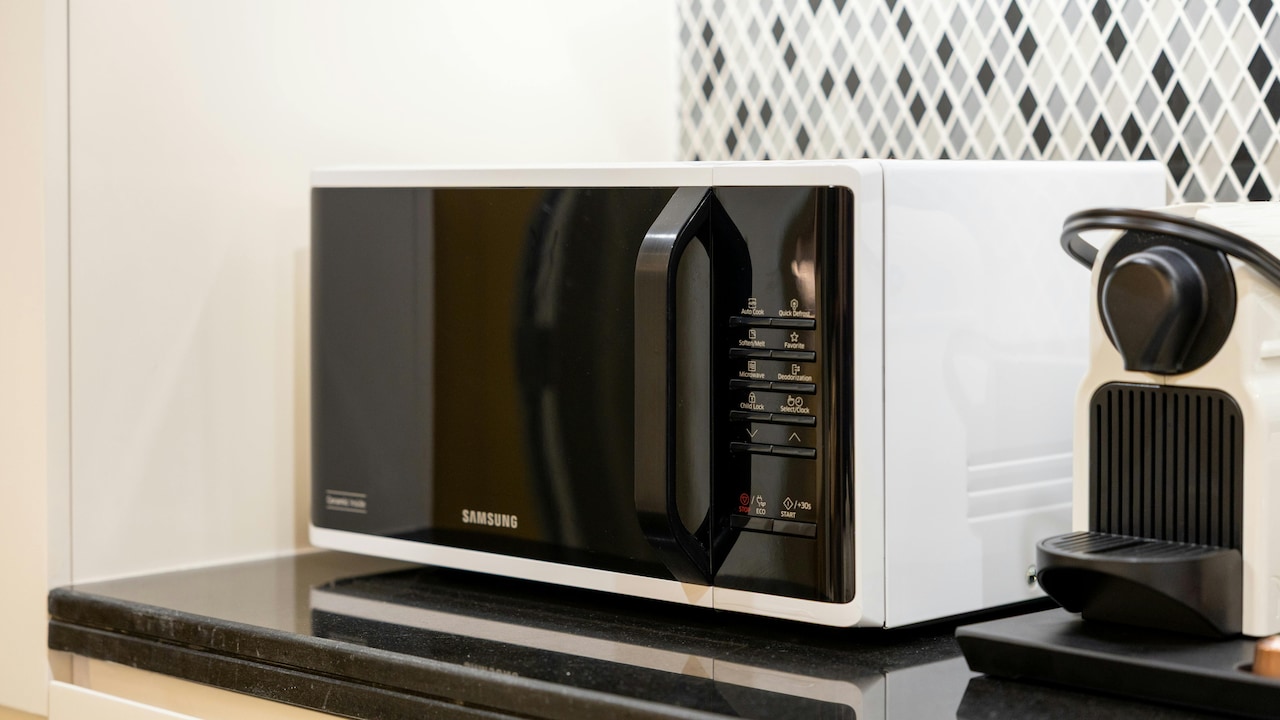
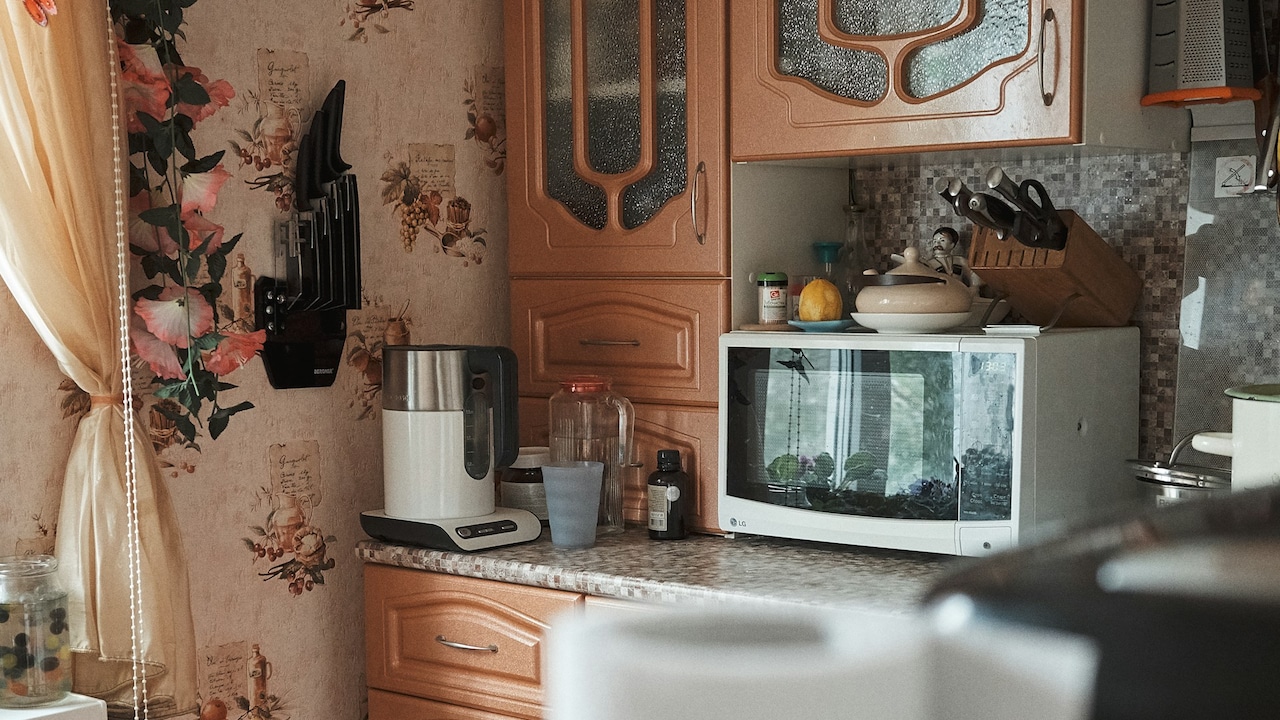
Always unplug appliances when not in use to avoid hidden energy drain; Photo Credit: Pexels
6. Maintain Proper Ventilation Around Appliances
Kitchen appliances generate heat, and without proper ventilation, overheating becomes inevitable. Refrigerators pushed tightly against walls or microwaves crammed into enclosed shelves struggle to release heat effectively.
Poor airflow forces motors and internal systems to work harder, reducing efficiency and lifespan. Refrigerators, in particular, need breathing space to maintain cooling performance.
Allowing adequate clearance around appliances improves performance and lowers energy consumption. Think of it like cooking in a crowded kitchen; even the best chef struggles without enough room.
7. Match Appliance Use With Correct Circuit Capacity
Not every kitchen circuit can handle every appliance. Large equipment, such as electric ovens or dishwashers, often requires dedicated circuits to function safely.
Running powerful devices on unsuitable circuits can trigger breaker trips or gradual wiring damage. This issue becomes especially important in homes with older electrical systems.
Consulting an electrician for proper circuit allocation may seem like an added expense, but it prevents major safety hazards. A correct setup ensures appliances perform efficiently without stressing household wiring.
8. Clean Appliances Regularly For Efficient Power Usage
Dust, grease, and food particles can interfere with appliance performance, causing motors and heating elements to consume more power.
For example, clogged refrigerator coils force compressors to work harder, while greasy microwave vents reduce heat release. Regular cleaning improves efficiency and reduces wattage strain.
Simple monthly maintenance keeps appliances operating smoothly and lowers energy bills. A clean machine is not just about hygiene; it also means better electrical health.
9. Replace Damaged Cords Immediately
Frayed wires, loose plugs, or cracked insulation may seem minor, but they pose significant electrical dangers. Damaged cords can spark, overheat, or permanently damage appliances.
Ignoring visible wear often leads to bigger problems later. Replacing faulty cords promptly protects both appliances and household safety.
It may feel tempting to postpone repairs, especially when the appliance still works, but electrical shortcuts rarely end well. Swift action prevents accidents and costly replacements.
10. Invest In Energy-Efficient Appliances
Modern appliances with energy-efficient ratings consume power more wisely and often include better internal safeguards against wattage issues.
While initial costs may appear higher, these models reduce electricity bills and often last longer. Spending ₹25,000 on an efficient refrigerator may save substantial energy costs over several years.
Smart appliance choices blend convenience with long-term savings. Efficiency today means fewer surprises tomorrow.
Products Related To This Article
1. Ninja Combi 14-in-1 Multi-Cooker Air Fryer Oven
2. Cookwell Multipurpose Cook Kettle With 1.5L Nonstick Inner Pot
3. NutriPro Juicer Mixer Grinder - Smoothie Maker - 500 Watts
4. AGARO Grand Egg Boiler And Poacher
5. Cadlec MultiChef Pro 3 in 1 Breakfast Maker With Oven Toaster Griller
Kitchen appliances simplify life, but incorrect wattage usage can quietly shorten their lifespan and create avoidable risks. Protecting these essential tools does not demand advanced knowledge, only consistent habits and informed decisions. Checking wattage, avoiding overloaded sockets, using stabilisers, and maintaining equipment properly can save both money and stress.
A well-managed kitchen runs not just on recipes, but also on smart electricity practices. Small precautions today can prevent major repair bills tomorrow. In the end, safeguarding appliances means protecting the rhythm of everyday life, where morning tea, festive feasts, and quick weekday dinners all depend on machines working exactly as they should.
(Disclaimer: This article may include references to or features of products and services made available through affiliate marketing campaigns. NDTV Convergence Limited (“NDTV”) strives to maintain editorial independence while participating in such campaigns. NDTV does not assume responsibility for the performance or claims of any featured products or services.)