Dish Racks Rusting Quickly? How To Choose Better Materials
Rusty dish racks often result from poor material choices. Learn which materials resist corrosion best, last longer in humid kitchens and offer better value for money.
Dish Racks Rusting Quickly? How To Choose Better Materials
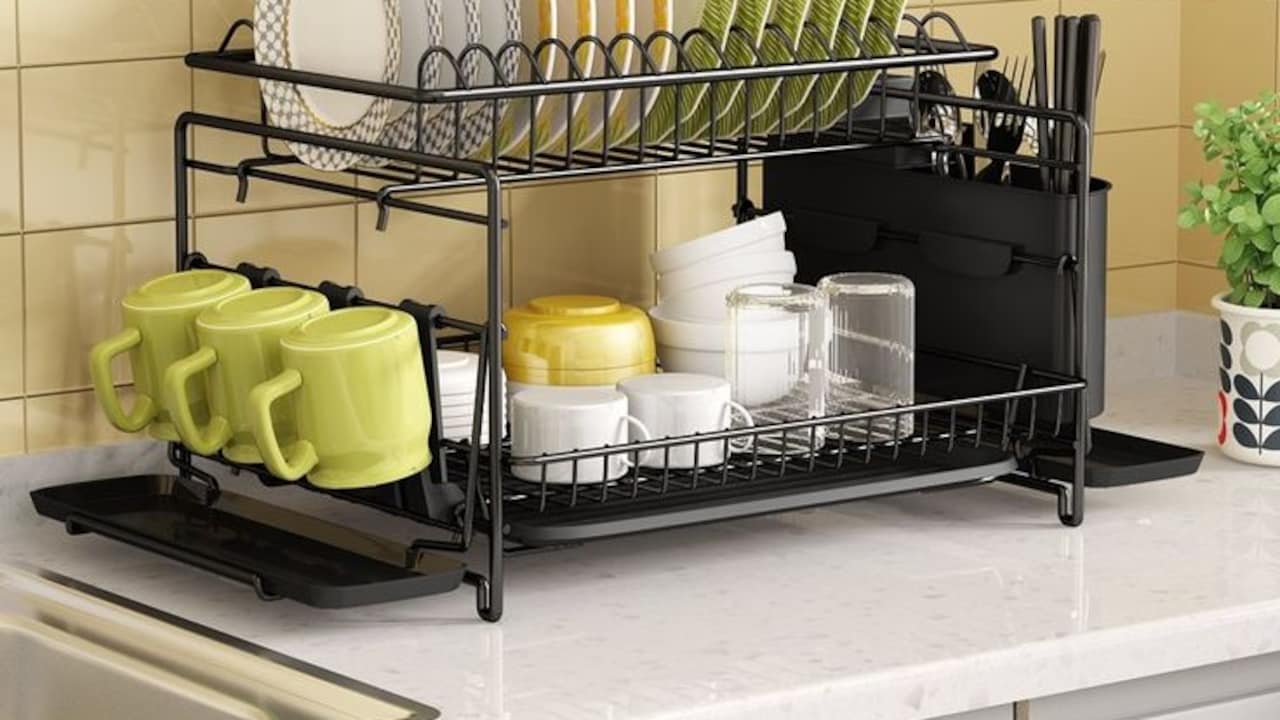
A dish rack may not sound like the star of the kitchen, but it quietly handles one of the messiest daily chores. Plates drip, glasses wobble, and cutlery piles up after every meal. Yet many households discover an annoying truth far too soon: that attractive rack near the sink starts rusting faster than expected. Suddenly, those polished wires turn flaky, reddish, and unpleasant. The culprit usually hides in poor material choices rather than bad maintenance. Many budget racks look durable on the shop floor, but fail under constant exposure to water and dishwasher soap. Add coastal humidity, monsoon moisture, or mineral-heavy tap water, and rust arrives like an uninvited guest who refuses to leave.
Buying a better dish rack is less about spending more and more and more about understanding what works. The right materials can withstand years of wet dishes, changing weather, and daily chaos. A thoughtful choice protects not just utensils, but also peace of mind. Nobody wants rust stains beside freshly washed plates.
Dish Racks Rusting Quickly? How To Choose Better Materials; Photo Credit: Pexels
What To Look For When Choosing A Rust-Resistant Dish Rack
Why Cheap Metal Dish Racks Often Fail So Fast
Walk through any home store or online marketplace, and low-cost dish racks seem tempting. Gleaming finishes, stylish designs, and price tags under ₹800 can make them feel like practical bargains. Unfortunately, many of these racks use low-grade steel with thin chrome coatings that merely disguise vulnerability.
Once exposed to daily splashes, scratches, or cleaning chemicals, that protective layer weakens. Moisture seeps underneath, and corrosion begins. What starts as a tiny chipped spot soon spreads like gossip in a neighbourhood market.
In kitchens where cooking happens multiple times a day, wear and tear accelerates dramatically. Heavier pots, sharp-edged utensils, and constant drainage pressure worsen the problem. The result feels frustrating because replacing a rusted rack every year costs more than investing wisely from the start.
Manufacturers often prioritise appearance over endurance. That glossy shine may impress initially, but true durability depends on what lies beneath the surface. A smart buyer learns quickly that cheaper often means shorter life. Spending slightly more on quality materials can prevent recurring expenses and unnecessary headaches.
Also Read: Knife Holders, Dish Racks, And More: Explore 5 Must-Have Kitchen Essentials For Clutter-Free Space
Stainless Steel Grades Matter More Than Most Realise
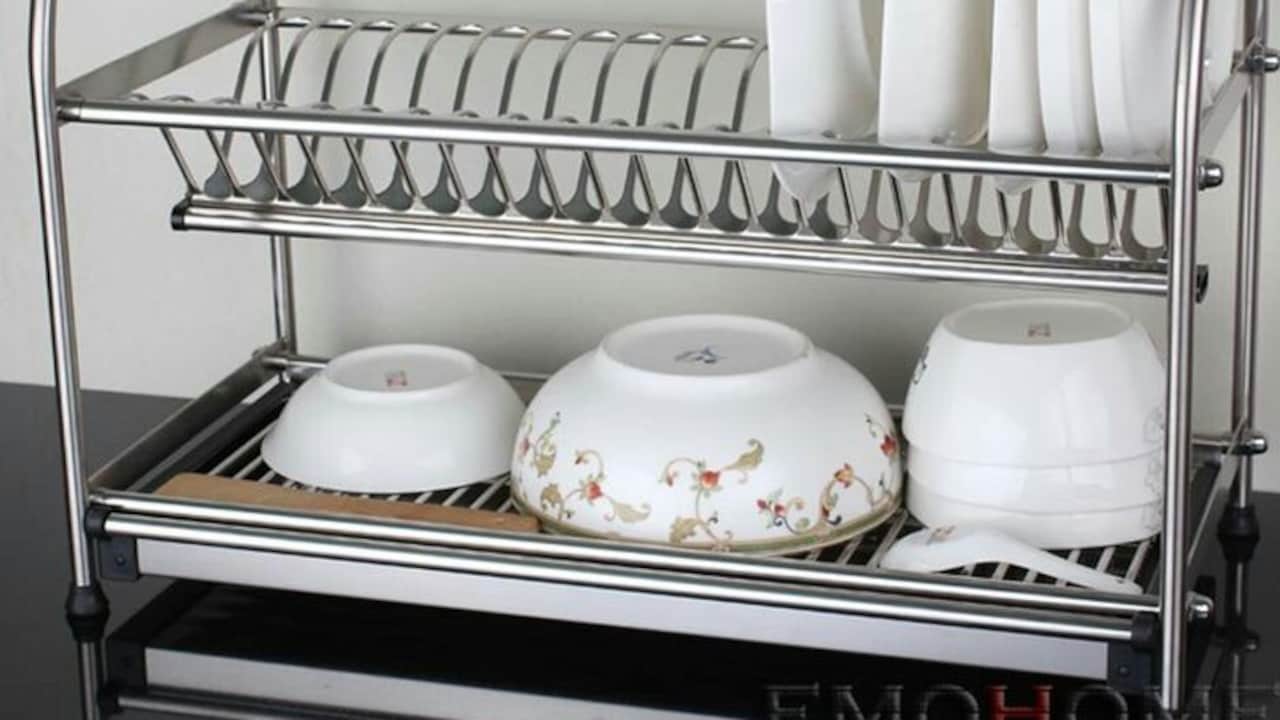
Not all stainless steel deserves equal trust. The phrase “stainless steel” often creates false confidence, but its rust resistance depends heavily on grade. Many reliable dish racks use 304-grade stainless steel, which contains higher chromium and nickel levels that help resist corrosion.
Lower grades, such as 201 stainless steel, cost less but sacrifice durability. In humid kitchens or areas with salty air, these cheaper alternatives may still rust over time. They might survive a few months, but daily water exposure eventually reveals their weaknesses.
A 304-grade rack may cost anywhere from ₹2,000 to ₹5,000, but it usually offers longer service and fewer maintenance concerns. That extra investment often proves worthwhile, especially for larger households.
When shopping, checking product specifications becomes essential. Marketing terms like “premium steel” or “rust-resistant finish” can sound reassuring without offering real substance. Specific grade details tell the true story.
Choosing proper stainless steel feels much like buying cookware. The stronger foundation pays off over the years, not days. A dependable dish rack should work hard without demanding constant replacement.
Powder-Coated Racks Can Be Stylish But Need Caution
Powder-coated dish racks often win on aesthetics. Matte black, white, or pastel finishes can complement modern kitchens beautifully. They look sleek, organised, and Instagram-worthy. However, style alone cannot guarantee long-term performance.
These racks rely on a protective coloured coating over metal, usually steel. If the coating remains intact, rust resistance stays decent. Yet once chipped or scratched, water penetrates exposed metal quickly. This can happen from dropping heavy utensils or aggressive scrubbing.
For smaller households or lighter daily use, powder-coated options may perform reasonably well. However, busy kitchens with constant cookware movement may wear them down faster than expected.
Maintenance also plays a bigger role. Gentle cleaning and regular drying become necessary to prolong lifespan. Without care, those elegant finishes can deteriorate surprisingly quickly.
A powder-coated rack suits buyers who prioritise design and handle kitchen tools carefully. But for families where practicality trumps presentation, sturdier alternatives may prove wiser. Beauty matters, but not when rust starts spoiling the sink corner.

Dish Racks Rusting Quickly? How To Choose Better Materials; Photo Credit: Pexels
Aluminium Dish Racks Offer Rust-Free Practicality
Aluminium rarely gets the spotlight, yet it deserves serious attention. Unlike steel, aluminium naturally resists rust because it does not contain iron. This makes it an appealing option for wet kitchen environments.
Lightweight and durable, aluminium racks often feel easier to move and clean. They also handle moisture well, making them practical during monsoons or in coastal cities. While aluminium can corrode under certain harsh conditions, traditional rust remains largely absent.
Modern anodised aluminium racks offer even greater resilience. Their treated surfaces improve durability while maintaining a sleek appearance. Prices typically range between ₹1,500 and ₹4,000, depending on design.
One downside lies in structural strength. Some lightweight aluminium racks may not support very heavy cookware as effectively as premium steel. However, for standard dish loads, they often perform admirably.
For households seeking low-maintenance convenience without constant rust concerns, aluminium can feel refreshingly sensible. It may lack flashy marketing, but sometimes the quiet achievers deserve more credit.
Plastic Dish Racks Can Be Surprisingly Sensible
Plastic may seem less sophisticated, but dismissing it entirely would be a mistake. High-quality plastic dish racks avoid rust completely and often provide excellent value. For budget-conscious families, they can offer durability without corrosion-related stress.
Modern BPA-free plastic options come in sturdy designs with effective drainage systems. They resist water exposure effortlessly and remain lightweight. Many also feature detachable trays for easier cleaning.
Of course, plastic carries limitations. Cheaper varieties may crack, warp, or discolour over time, especially near heat sources. Visual appeal may also differ from metallic designs. Yet for practical everyday use, especially in smaller kitchens, plastic often performs better than expected.
A well-made plastic rack priced around ₹700 to ₹2,000 can outlast poorly made metal alternatives. This surprises many buyers who assume metal automatically equals quality.
Sometimes, practicality beats prestige. While stainless steel sounds more luxurious, a reliable plastic rack can quietly deliver excellent results without the drama of rust stains or peeling finishes.
Water Quality Plays A Bigger Role Than Expected
Many households blame poor products alone when rust appears, but water itself often contributes significantly. Hard water, rich in minerals like calcium and magnesium, leaves deposits that gradually weaken protective surfaces.
These mineral buildups create tiny vulnerabilities, allowing corrosion to gain traction faster. In some regions, dish racks face harsher daily conditions simply because tap water accelerates material wear.
Regular cleaning helps combat this issue. Wiping racks dry after use, descaling occasionally, and avoiding stagnant water can extend the lifespan considerably. Even premium materials benefit from proper care.
This factor explains why the same dish rack may perform brilliantly in one city and deteriorate quickly elsewhere. Local environmental conditions matter more than many realise.
Understanding kitchen surroundings helps buyers choose wisely. In areas with harder water, investing in superior materials like 304 stainless steel or anodised aluminium often makes stronger financial sense.
Sometimes, the environment writes part of the product's story.
Dish Racks Rusting Quickly? How To Choose Better Materials; Photo Credit: Pexels
Design Features Can Influence Longevity Too
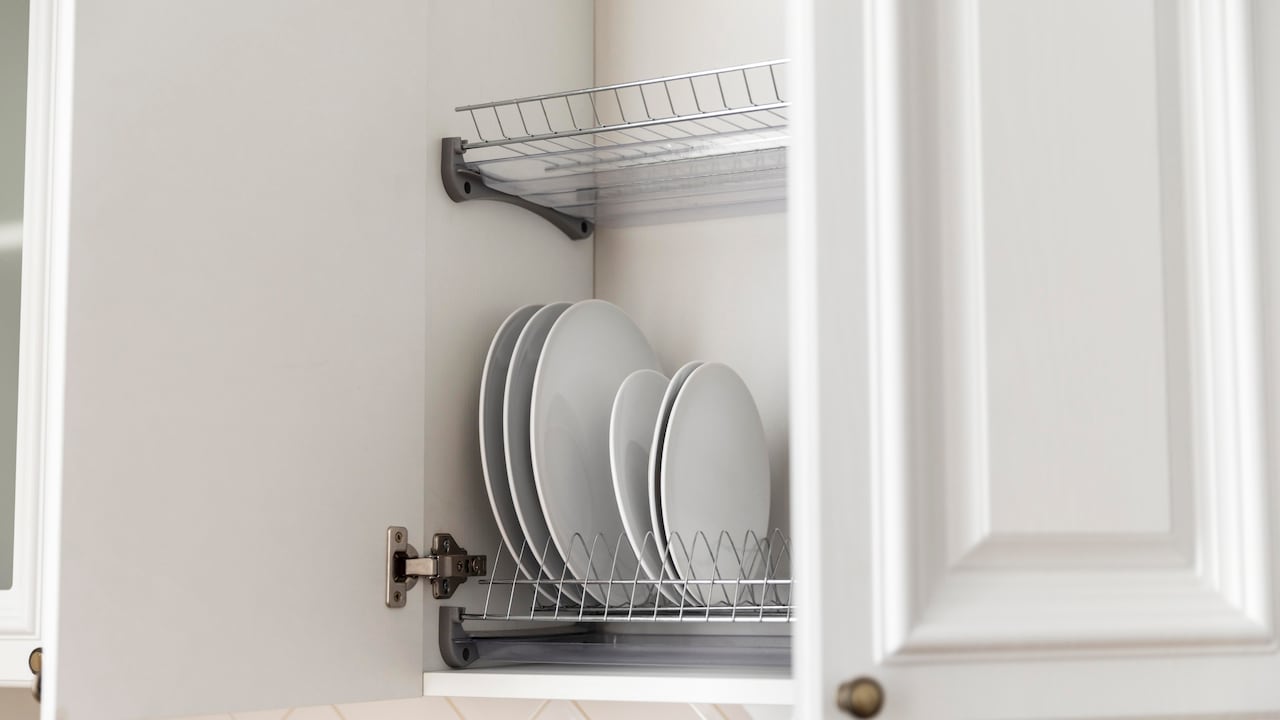
Material matters immensely, but design should never be ignored. Poor drainage, cramped compartments, or awkward joints can trap moisture and accelerate rust regardless of material quality.
A dish rack with effective water runoff prevents standing water from pooling around vulnerable sections. Removable trays, open airflow designs, and smooth welds improve both hygiene and durability.
Weld points deserve particular attention. Cheaply welded joints often rust first because protective coatings weaken there. Seamless construction or reinforced connections generally last longer.
Expandable or multi-tier designs may seem appealing, but complexity sometimes introduces more corrosion-prone spots. Simpler structures often age better under constant use.
Selecting a dish rack resembles choosing footwear. Good materials matter, but if design fails under daily conditions, disappointment follows quickly.
A practical, thoughtfully designed rack supports not only dishes but also long-term satisfaction.
Brand Reputation Often Reflects Material Reliability
Trusted kitchenware brands usually earn their reputation through consistency. While lesser-known options may occasionally impress, established manufacturers often provide clearer material details, warranties, and customer support.
Brands specialising in stainless steel storage or modular kitchen products tend to prioritise durability over visual gimmicks. User reviews also reveal patterns worth noting. Repeated complaints about rust within months should raise immediate concerns.
Paying ₹1,000 extra for a reputable product may prevent years of frustration. In many cases, stronger warranties also signal manufacturer confidence.
That said, brand recognition alone should not replace careful inspection. Even respected companies offer varying product tiers.
A balanced approach works best: combine brand trust with close attention to specifications. Marketing charm may catch the eye, but practical research protects the wallet.
In household purchases, reliability often proves more valuable than flashy trends.
Maintenance Habits Can Extend Any Rack's Lifespan
Even the finest dish rack benefits from sensible care. Neglect can shorten lifespan, while simple routines dramatically improve durability.
Drying racks periodically, cleaning soap residue, and checking for chipped coatings help prevent premature wear. Avoiding overload also protects structural integrity.
Using mild cleaners instead of abrasive scrubs preserves finishes better. For stainless steel racks, occasional vinegar wipes can remove mineral deposits effectively.
These habits need not feel exhausting. A quick weekly check often suffices. Small efforts can save thousands in repeated replacements.
Many people expect kitchen accessories to survive indefinitely without attention, but moisture-heavy environments demand some upkeep.
A dish rack may not require pampering, but basic care rewards owners with better performance and longer service.
Spending Smart Beats Spending Cheap
Price often influences buying decisions, especially for everyday household items. Yet focusing solely on the lowest price can become expensive over time.
A ₹700 rack replaced annually costs far more over five years than a ₹3,500 durable alternative. Beyond money, repeated replacements waste time and create unnecessary inconvenience.
Smart spending means balancing the budget with longevity. Understanding material quality, local conditions, and maintenance needs allows better choices.
A dependable dish rack should function like a trustworthy kitchen companion rather than a recurring problem.
Sometimes, paying more up front feels uncomfortable. But constant rust, stained utensils, and repeated shopping trips prove even more frustrating.
Choosing wisely today often means fewer regrets tomorrow.
Products Related To This Article
1. OSE Kitchen Dish Rack | Wall Mounted
2. EKDHRA Dish Drying Rack for Kitchen with Drainer Tray
3. Kuber Industries Stainless Steel Dish Rack for Kitchen
4. RADIANT Basket Drainer & Dish Drainer for Kitchen Utensils
5. COMFYHOME Dish Drying Rack
A rusting dish rack may seem like a minor annoyance, but it often reflects a larger lesson about buying smarter. Kitchens demand products that withstand water, humidity, and relentless daily use. Materials such as 304 stainless steel, anodised aluminium, or durable plastic consistently outperform poorly coated steel alternatives.
The best choice depends on household needs, water quality, and design preferences. Style matters, but resilience matters more. A thoughtful purchase can transform a simple sink-side accessory into a long-lasting solution.
In the end, the real victory lies not in the cheapest option or the flashiest finish, but in selecting a dish rack that quietly does its job year after year without rusting into regret.
(Disclaimer: This article may include references to or features of products and services made available through affiliate marketing campaigns. NDTV Convergence Limited (“NDTV”) strives to maintain editorial independence while participating in such campaigns. NDTV does not assume responsibility for the performance or claims of any featured products or services.)