Induction Stove Not Heating Evenly? Check These Cookware Mistakes First
Uneven heating on an induction stove often starts with the cookware, not the appliance. Discover 10 common cookware mistakes that could be affecting cooking performance.
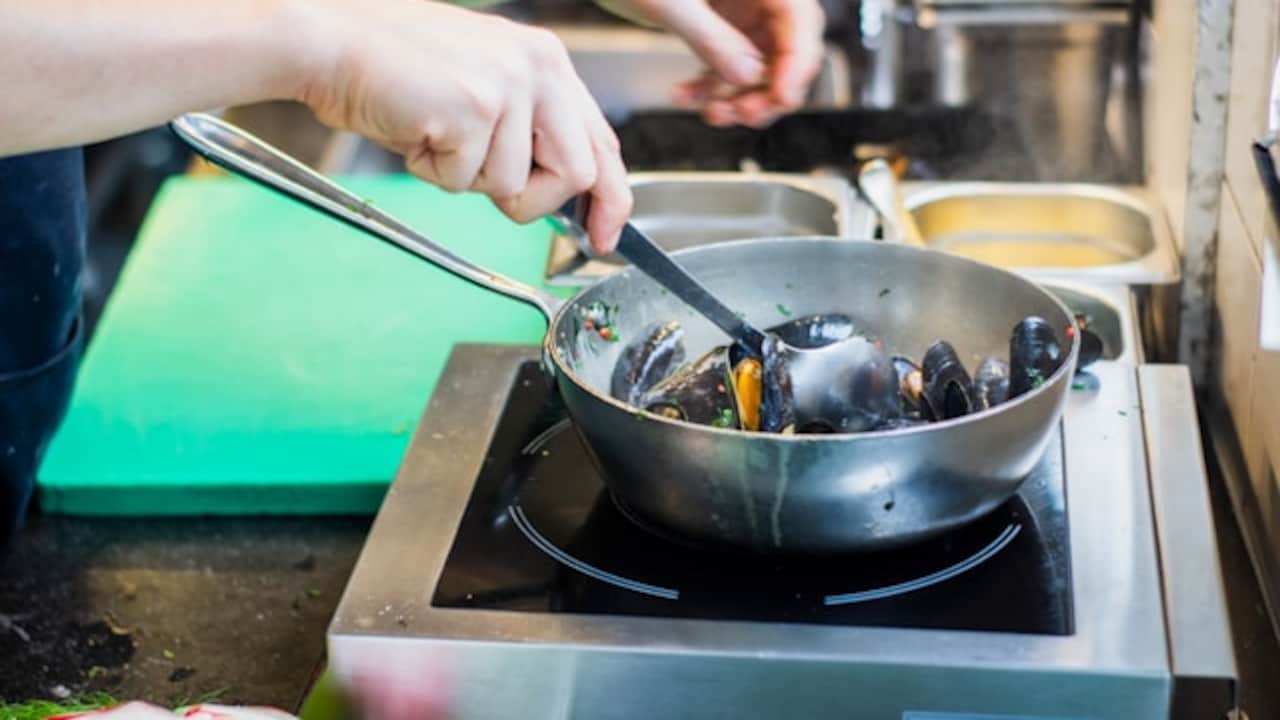
Easy ways to make your induction cooktop heat evenly
Induction cooking has transformed modern kitchens. A pot of tea boils in minutes, curries simmer with impressive control, and energy waste stays remarkably low. Unlike traditional gas stoves, induction technology heats cookware directly through magnetic energy. That clever design delivers speed and efficiency, but it also means cookware plays a much bigger role in cooking performance. Many people assume that if a pan fits on the stove, it should work perfectly. Unfortunately, that is not always the case. A slight bend in the base, the wrong material, or even years of wear and tear can create noticeable hot and cold spots. The result often appears in the form of burnt rotis, unevenly cooked vegetables, or a dosa that browns beautifully on one side while remaining pale on the other.
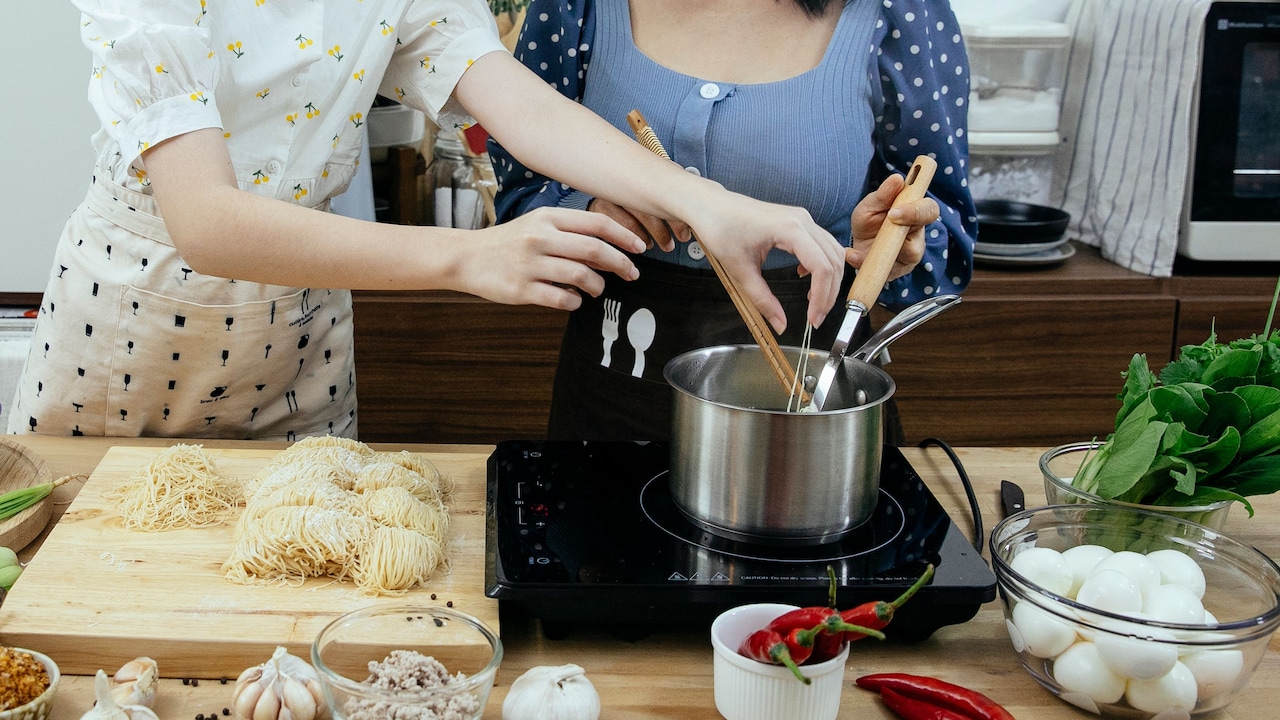
Common mistakes that can make your induction cooktop heat unevenly; Photo Credit: Pexels
Before considering an expensive repair or replacement, it makes sense to examine the cookware already sitting in the kitchen cabinet. A few small adjustments can often restore smooth and even heating.
Also Read: Top Induction Stove Picks Under 2000 Online
Common Cookware Mistakes That Affect Induction Cooking Performance
Using Cookware That Is Not Induction Compatible
One of the most common mistakes involves using cookware that simply does not work well with induction technology. Induction stoves rely on magnetic materials to generate heat. If a pan lacks a magnetic base, the stove cannot transfer energy efficiently.
Some cookware may appear compatible because it heats up eventually. However, poor magnetic properties can lead to inconsistent heat distribution and unpredictable cooking results. This often happens with certain aluminium or copper utensils that lack a proper induction-ready layer.
A simple magnet test can reveal the truth. If a magnet sticks firmly to the base, the cookware is generally suitable for induction use. If it barely clings or slides off easily, performance may suffer.
Many households continue using older cookware because replacing it feels unnecessary. Yet investing in a quality induction-compatible pan often improves cooking results immediately. Considering the amount spent on groceries each month, avoiding ruined meals can make the upgrade worthwhile.
Choosing Pans With Warped Bottoms
A perfectly flat base is essential for efficient induction cooking. Even a slight warp can create gaps between the cookware and the cooking surface. Those gaps interfere with energy transfer and lead to uneven heating.
Warping develops over time. Repeated exposure to high heat, sudden temperature changes, and years of daily use gradually alter the shape of cookware. A pan that once performed brilliantly may start causing problems without obvious signs of damage.
An easy way to check involves placing the pan on a flat countertop. If it rocks or spins slightly, the base may no longer sit evenly. On an induction stove, that tiny imbalance can create surprisingly noticeable cooking issues.
Imagine preparing a batch of onion bhajis and finding one section of the pan frying aggressively while another barely bubbles. Such inconsistencies often point to a warped base rather than a faulty stove.
Replacing severely warped cookware usually provides a better solution than trying to work around the problem.
Ignoring The Importance Of Pan Size
Size matters more than many people realise. Induction stoves contain heating coils designed to work within specific dimensions. When cookware does not match the cooking zone properly, heat distribution becomes less effective.
A very small saucepan placed on a large cooking zone may not receive energy evenly. Similarly, an oversized pan can extend beyond the active heating area, leaving certain sections cooler than others.
This issue becomes particularly noticeable when cooking dishes that require consistent temperatures. Rice, sauces, and milk-based desserts can react poorly to uneven heat, producing disappointing results.
Many cooks instinctively reach for the largest pan available, believing it offers greater convenience. In reality, matching cookware size to the induction zone often delivers better cooking performance.
Checking the appliance manual can help identify recommended cookware dimensions. A simple adjustment in pan selection can dramatically improve consistency without spending a single rupee.
Using Lightweight Cookware For Heavy Cooking
Lightweight cookware has its advantages. It is easy to handle, simple to clean, and often more affordable. However, it may struggle to distribute heat evenly during demanding cooking tasks.
Thin cookware tends to develop hot spots because the material lacks enough mass to spread heat across the entire surface. While induction technology itself generates heat efficiently, a lightweight pan may not distribute that heat effectively.
The difference becomes obvious when preparing dishes that require prolonged cooking. Thick gravies, slow-cooked vegetables, and rich curries benefit from cookware with a heavier base. The extra material helps regulate temperature and prevents sudden fluctuations.
A lightweight frying pan may work perfectly for quick morning omelettes. Yet the same pan might struggle during a lengthy cooking session involving multiple ingredients and varying temperatures.
Quality cookware often feels slightly heavier in hand. That added weight usually reflects better construction and more reliable heat distribution.
Overlooking Multi-Layer Construction
Modern cookware frequently features multi-layer construction, sometimes called clad cookware. These layers combine different materials to improve heat distribution and cooking performance.
Many budget-friendly options use a single layer of metal. While such cookware may function adequately, it often struggles to spread heat evenly across the cooking surface. This can create temperature variations that affect food quality.
Multi-layer cookware solves this issue by combining magnetic steel with materials such as aluminium. The different layers work together to distribute heat more uniformly.
Consider making a large batch of paneer tikka masala. A poorly constructed pan may cause ingredients near the centre to cook faster than those at the edges. Multi-layer cookware reduces these differences and promotes more consistent results.
Although higher-quality cookware costs more initially, it often lasts longer and delivers superior performance. Viewed over several years of daily cooking, the investment frequently proves worthwhile.
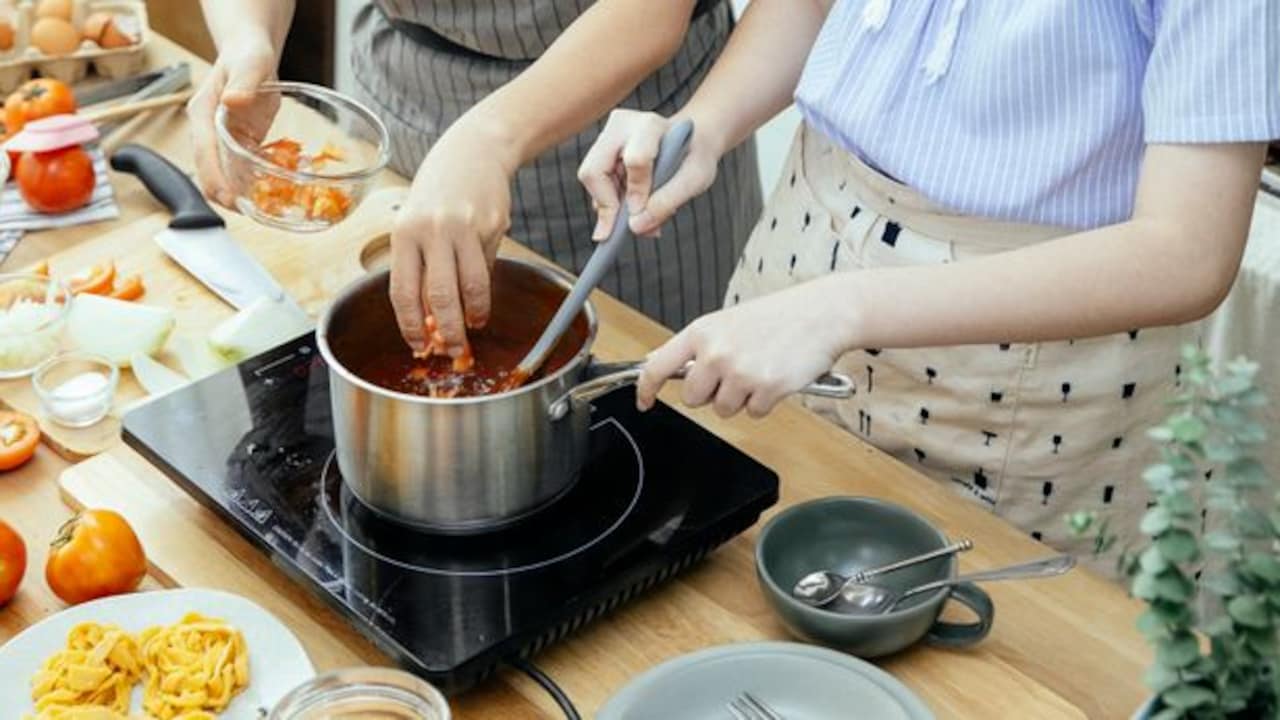
Always use multi-layer cookware made of materials such as aluminium for even heating; Photo Credit: Pexels
Cooking With Scratched Or Damaged Bases
The bottom surface of cookware experiences constant wear. Dragging pans across the stove, accidental drops, and everyday use gradually leave scratches and dents.
Minor cosmetic marks rarely cause concern. However, significant damage can interfere with the close contact required for effective induction heating. Uneven surfaces may create heat inconsistencies that affect cooking performance.
A damaged base can also cause the pan to sit imperfectly on the cooking zone. Even small irregularities may reduce efficiency and increase cooking times.
Many people focus on the inside of the cookware while overlooking the condition of the base. Yet the bottom surface directly influences how well induction technology works.
Regular inspections help identify problems before they become severe. If a pan shows extensive damage or persistent heating issues, replacement may provide the most practical solution.
Placing Cookware Off Centre
Even excellent cookware can perform poorly when positioned incorrectly. Induction stoves work best when cookware sits directly over the designated cooking zone.
Busy cooking sessions often lead to hurried placement. A pan may end up slightly off centre without anyone noticing. Although the difference appears minor, it can affect heating performance significantly.
Off-centre cookware may receive uneven energy distribution. One section of the pan becomes hotter while another remains cooler, creating frustrating cooking results.
This issue often occurs during multitasking. A cook stirs one dish, checks another, and absent-mindedly shifts a pan while reaching for ingredients. Suddenly, cooking performance declines for no apparent reason.
Taking a moment to centre cookware properly can eliminate unnecessary heating problems. It is one of the simplest fixes available and costs absolutely nothing.
Using Extremely Old Cookware
Some cookware remains in service for decades. A favourite kadai or frying pan often carries memories of family meals and festive gatherings. Sentimental value deserves respect, but age can affect performance.
Years of heating and cooling gradually weaken materials. Bases may become uneven, magnetic properties can diminish, and structural integrity may decline. These changes often occur slowly, making them difficult to notice.
Many people adapt to declining performance without realising it. Longer cooking times and uneven results become accepted as normal.
If an induction stove heats newer cookware effectively but struggles with older pieces, the cookware itself may be the source of the problem. Testing different pans can provide valuable clues.
Retiring a beloved pan may feel disappointing. However, preserving it as a keepsake while upgrading cooking equipment can offer the best of both worlds.
Stacking Cookware Improperly
Storage habits can influence cookware performance more than expected. Stacking heavy pots and pans without protection often leads to scratches, dents, and subtle warping.
Kitchen cabinets frequently become crowded spaces. During festival seasons or family gatherings, cookware gets shuffled repeatedly. Over time, that constant pressure can damage delicate surfaces.
Protective liners, cloth separators, or dedicated storage racks help preserve cookware condition. These simple measures reduce the risk of physical damage and extend the lifespan of kitchen essentials.
Think of cookware as an investment rather than a disposable item. A well-maintained pan can provide years of reliable service and consistent cooking results.
Good storage practices require minimal effort but can prevent many heating problems before they develop.
Expecting Every Cookware Material To Perform The Same
Different materials behave differently on induction stoves. Stainless steel, cast iron, carbon steel, and hybrid constructions each offer unique cooking characteristics.
Cast iron retains heat exceptionally well and provides stable cooking temperatures. Stainless steel responds more quickly to adjustments. Carbon steel often strikes a balance between responsiveness and durability.
Problems arise when expectations do not match reality. A cook accustomed to cast iron may find stainless steel behaves differently and mistake those differences for uneven heating.
Understanding cookware characteristics helps create better cooking outcomes. Learning how each material responds to heat allows for smarter temperature control and improved consistency.
Rather than searching for a universal solution, it helps to choose cookware based on specific cooking needs. The right match between material and recipe often delivers the best results.
Products Related To This Article
1. Preethi Indicook IC124 | 2100-Watt Induction Cooktop
2. Prestige PIC 20 1600 Watts Induction Cooktop
3. Philips Viva Collection HD4928/01 2100-Watt Induction Cooktop
4. BELL CLOUD390 Infrared Cooktop 2200W
5. Cadlec CookMate 2000W Induction Cooktop with Crystal Glass
6. PHILIPS Viva Collection HD4938/01 2100-Watt Glass Induction Cooktop with Sensor Touch
7. IBELL EMINENCE02 Induction Hob, Electric, 3500W
When an induction stove fails to heat evenly, the appliance does not always deserve the blame. In many kitchens, cookware plays a far greater role than expected. Compatibility issues, warped bases, incorrect sizing, poor construction, and simple positioning mistakes can all disrupt cooking performance.
Fortunately, most of these problems have straightforward solutions. A careful inspection of existing cookware often reveals the cause. Replacing damaged pieces, choosing induction-friendly materials, and adopting better storage habits can restore efficiency and consistency.
A reliable induction stove paired with suitable cookware creates a smoother cooking experience, whether preparing a quick weekday dinner or an elaborate weekend feast. Before calling a technician, take a closer look at the pots and pans. The answer may already be sitting on the kitchen shelf.
(Disclaimer: This article may include references to or features of products and services made available through affiliate marketing campaigns. NDTV Convergence Limited (“NDTV”) strives to maintain editorial independence while participating in such campaigns. NDTV does not assume responsibility for the performance or claims of any featured products or services.)