Why Epilation Leads To Ingrown Hair And How To Prevent It Effectively
Smooth skin after epilation often comes with an unwelcome side effect: ingrown hair. This article explains why epilation triggers ingrown hair and shares practical, skin-friendly ways to prevent bumps, irritation, and marks effectively.
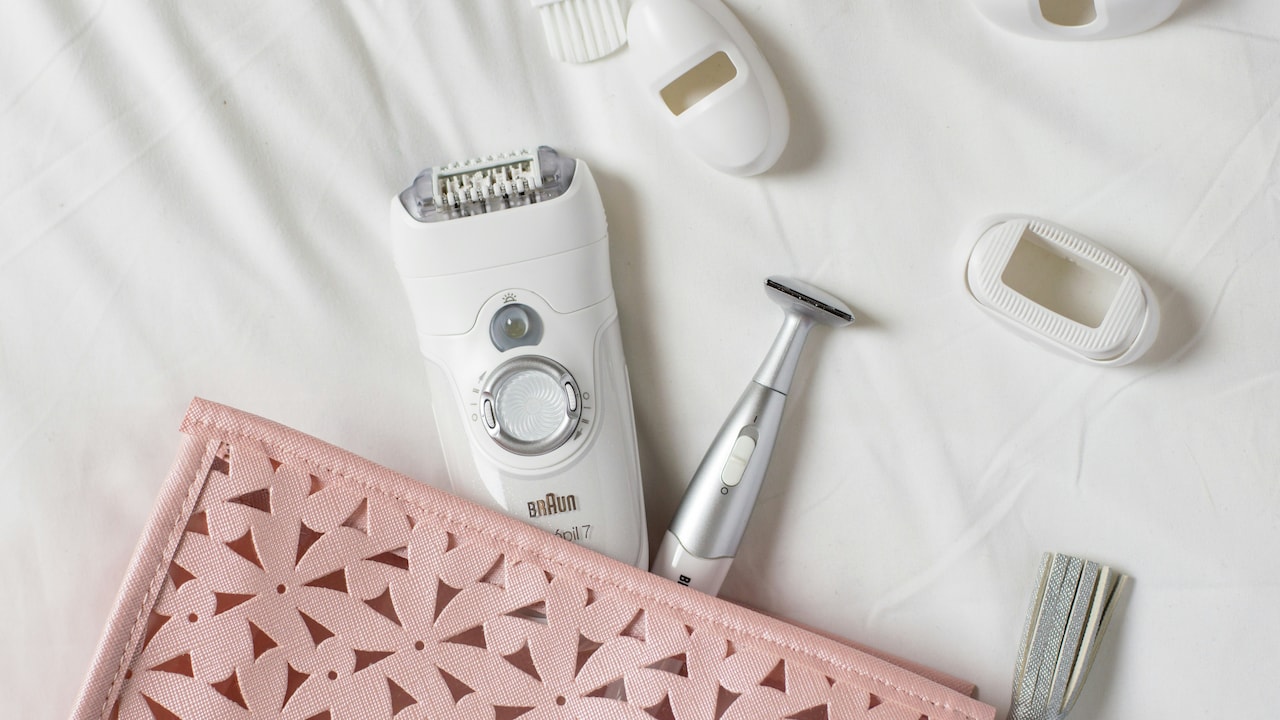
Ingrown Hair After Epilation: Causes, Common Mistakes, and Easy Prevention Tips.
Epilation has become a go-to hair removal method for many households. It saves time, reduces regrowth speed, and works well for arms, legs and underarms. Yet many people notice red bumps or painful spots a few days later. Ingrown hair often follows, especially in humid weather or when skin care slips.
Understanding the “why” behind ingrown hair changes everything. Skin behaves in predictable ways. Hair follows certain growth patterns. When epilation disrupts that balance, hair sometimes grows back in the wrong direction. The good news lies in prevention. With the right habits, tools, and timing, skin can stay smooth without the bumps.
This guide dives deep into the science, daily routines, and common mistakes around epilation. Each section tackles a specific cause and a clear solution. No jargon. No unrealistic promises. Just practical advice that fits real lives, crowded schedules, and changing seasons.
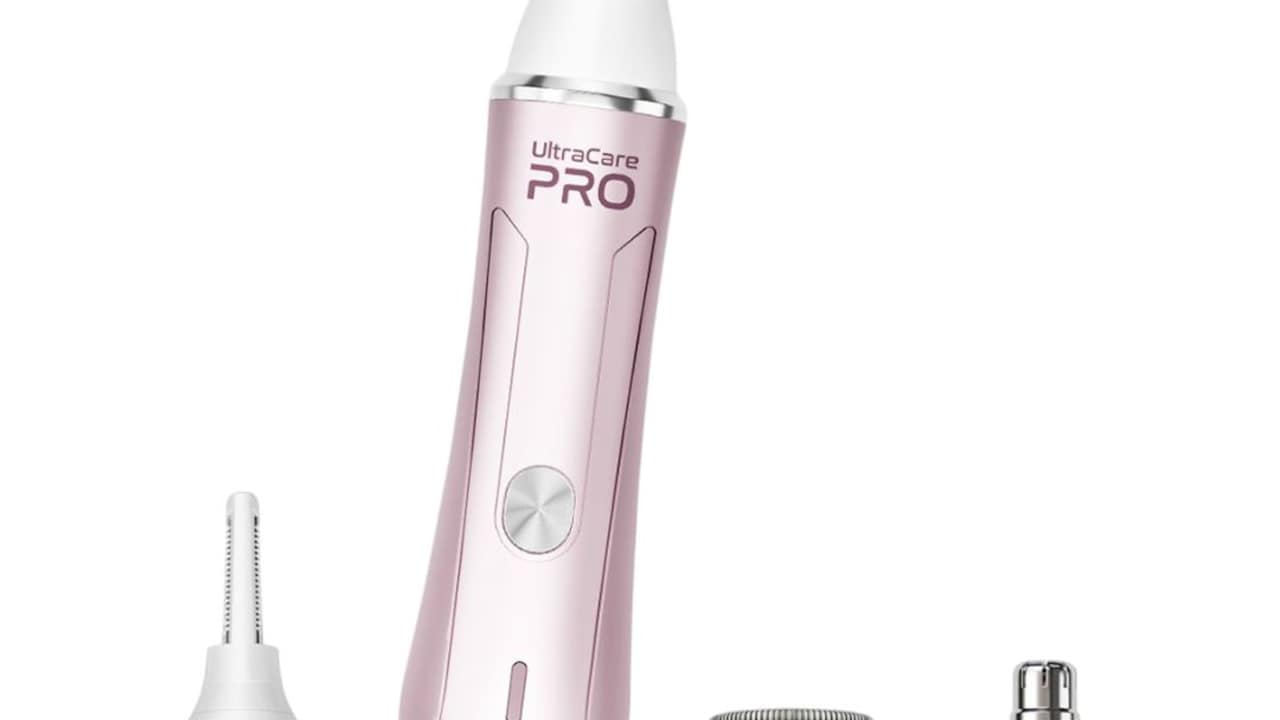
Why Epilation Leads To Ingrown Hair And How To Prevent It Effectively
Photo Credit: Myntra
What Really Happens To Your Skin When You Epilate
1. Epilation Pulls Hair From The Root, Not The Surface
Epilation removes hair straight from the root, which sets it apart from shaving. That deep pull creates a clean finish but also shocks the hair follicle. When hair grows back, it starts from beneath the skin surface. If the follicle opening closes or tightens, the new hair struggles to break through.
This struggle often results in hair curling inward instead of outward. Curly or coarse hair faces this issue more often. Think of thick head hair trying to push through a tight bun. The resistance changes direction.
Prevention starts with timing and prep. Exfoliation before epilation clears dead skin that blocks follicles. A gentle scrub or exfoliating glove works well. Avoid harsh scrubs that sting. Skin should feel smooth, not sore.
Spacing out epilation sessions also helps. Epilating too often irritates follicles and increases swelling. A gap of three to four weeks gives skin time to recover. Calm skin allows hair to grow out properly, not sideways.
2. Dead Skin Cells Trap New Hair Growth
Skin renews itself constantly. Old cells shed, new ones rise. When dead skin builds up, it forms a barrier. After epilation, hair tries to grow through that layer and sometimes gets trapped. The result appears as small red bumps or dark spots.
Dust, sweat, and pollution add to this build-up, especially in warmer months. Long commutes and crowded buses do not help either. Skin needs help to stay clear.
Regular exfoliation makes a big difference. Two to three times a week works for most skin types. Dry brushing before a shower boosts circulation and loosens dead skin. Chemical exfoliants with mild acids also help, though patch tests matter.
Moisturising after exfoliation seals the deal. Hydrated skin stays flexible. Flexible skin lets hair pass through easily. A simple routine prevents most ingrown hair issues without expensive treatments.
3. Epilating Dry Or Unprepared Skin Increases Risk
Many people epilate on dry skin to avoid slipping. While that feels practical, dry skin tightens follicles. Tight follicles grip hair harder and cause uneven breakage or inward growth.
Warmth relaxes skin and opens pores. Epilating after a warm shower softens hair and skin. Hair slides out smoothly, reducing trauma. The difference feels obvious after one try.
Preparation matters more than speed. Clean skin reduces infection risk. A quick rinse removes sweat and oil. Pat skin dry, then epilate gently. Avoid rushing before work or late at night when patience runs low.
Aftercare matters too. A light, soothing gel calms skin and reduces swelling. Aloe-based products work well in hot weather. Calm skin heals faster and guides hair outward, not inward.
4. Incorrect Epilator Technique Causes Hair Breakage
Angle and pressure matter during epilation. Pulling the epilator too fast or pressing too hard increases hair breakage. Broken hair often grows back unevenly and curls under the skin.
Epilators work best when held at a right angle to the skin. Slow, steady movements give better results. Short strokes beat long swipes. This approach feels slower but saves trouble later.
Stretching skin gently with the free hand also helps. Taut skin lets the epilator grab hair cleanly. Loose skin folds cause missed or broken hairs.
Using the right speed setting makes a difference. High speed suits fine hair. Low speed works better for thick growth. Adjusting settings based on body area prevents unnecessary stress on follicles and skin.
5. Tight Clothing After Epilation Blocks Hair Growth
What happens after epilation matters as much as the process itself. Tight jeans, leggings, or synthetic fabrics press against freshly treated skin. This pressure bends new hair growth and pushes it sideways.
Heat and sweat trapped under tight clothes worsen irritation. Red bumps appear faster under friction. Underarms and thighs suffer the most.
Loose, breathable fabrics give skin space to breathe. Cotton allows airflow and reduces friction. Choosing relaxed clothing for at least 24 hours after epilation helps hair grow out straight.
Nightwear matters too. Sleeping in tight pyjamas after epilation increases rubbing. Simple wardrobe changes prevent days of discomfort. Comfort beats style when skin heals.
6. Neglecting Moisturiser Makes Skin Less Flexible
Dry skin resists hair growth. Without moisture, skin hardens and blocks follicles. Hair then grows sideways or curls back into the skin.
Daily moisturising keeps skin soft and elastic. Lightweight lotions suit humid weather. Rich creams help during winter. Consistency matters more than brand names.
Applying moisturiser after a shower locks in hydration. Massaging gently improves blood flow and encourages healthy growth.
Avoid heavy oils right after epilation if skin feels sensitive. Light, fragrance-free products work best. Calm, nourished skin supports smooth regrowth without bumps or marks.
7. Curly And Coarse Hair Needs Extra Care
Hair texture plays a major role in ingrown hair. Curly and coarse hair naturally bends as it grows. After epilation, this bend often turns inward.
Extra exfoliation helps, but should stay gentle. Over-scrubbing irritates skin and worsens the problem. Silicone brushes or soft scrubs strike the right balance.
Using a moisturiser with urea or lactic acid softens hair shafts. Softer hair pushes through skin more easily.
Patience helps too. Avoid picking or squeezing bumps. That habit leads to scars and dark marks. Let hair grow out naturally while supporting skin health.
8. Hormonal Changes Affect Hair Growth Direction
Hormones influence hair thickness and growth speed. Changes during certain life stages can make hair coarser or faster growing. This shift increases ingrown hair after epilation.
Stress also plays a role. Busy schedules, long work hours, and lack of sleep affect skin health. Stressed skin heals more slowly and reacts more strongly.
Maintaining a balanced routine supports skin from within. Adequate water intake keeps skin plump. A diet rich in fruits and vegetables supports repair.
Listening to skin signals matters. If irritation increases suddenly, spacing out epilation sessions helps. Adjust routines as skin changes rather than forcing old habits.
Why Epilation Leads To Ingrown Hair And How To Prevent It Effectively
Photo Credit: Myntra
9. Ignoring Post-Epilation Care Leads To Inflammation
Freshly epilated skin remains sensitive for hours. Touching it with unclean hands introduces bacteria. Inflammation traps hair beneath the surface.
Avoid workouts, saunas, or heavy sweating immediately after epilation. Sweat clogs pores and irritates follicles. Waiting a day prevents many issues.
Applying a mild antiseptic or calming lotion reduces infection risk. Tea tree blends help some skin types, but need caution. Patch testing prevents surprises.
Sun exposure also matters. Fresh skin burns easily and darkens scars. Covering up or using sunscreen protects healing follicles and prevents long-term marks.
10. Consistency Beats Quick Fixes
Many people search for instant solutions when ingrown hair appears. Creams, tools, and hacks promise miracles. Most fail without consistent habits.
A simple routine works best. Exfoliate regularly. Moisturise daily. Epilate with care. Dress comfortably after sessions. These steps sound basic yet deliver results over time.
Budget does not define success. Effective products cost as little as ₹200. Discipline matters more than spending.
Skin responds to patience. Treating it gently builds resilience. Over time, hair grows out smoother, bumps fade, and confidence rises. Prevention becomes second nature rather than a chore.
Products Related To This Article
1. BELENZO Mini Facial Hair Remover For Upper Lips Chin & Cheeks
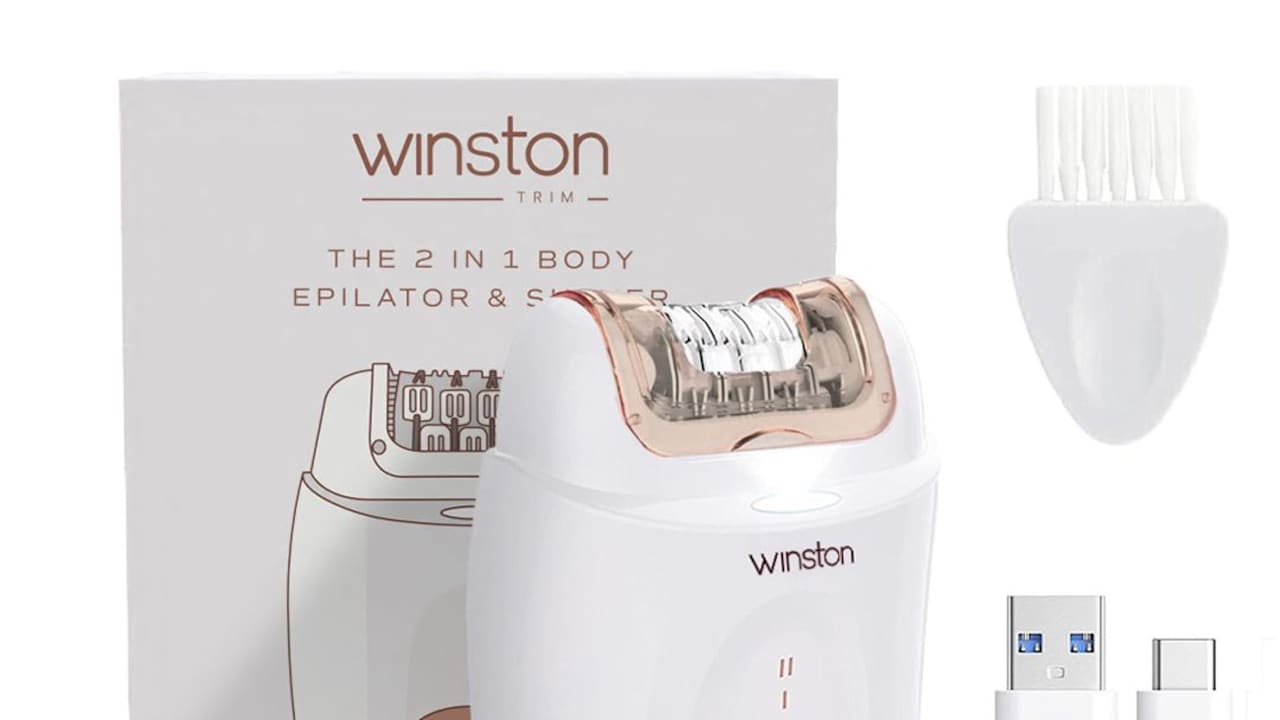
2. WINSTON Women Rechargeable 2-in-1 Body Epilator & Shaver with Smooth Glide Technology
3. Agaro FHR170 Women Facial Hair Remover Epilator
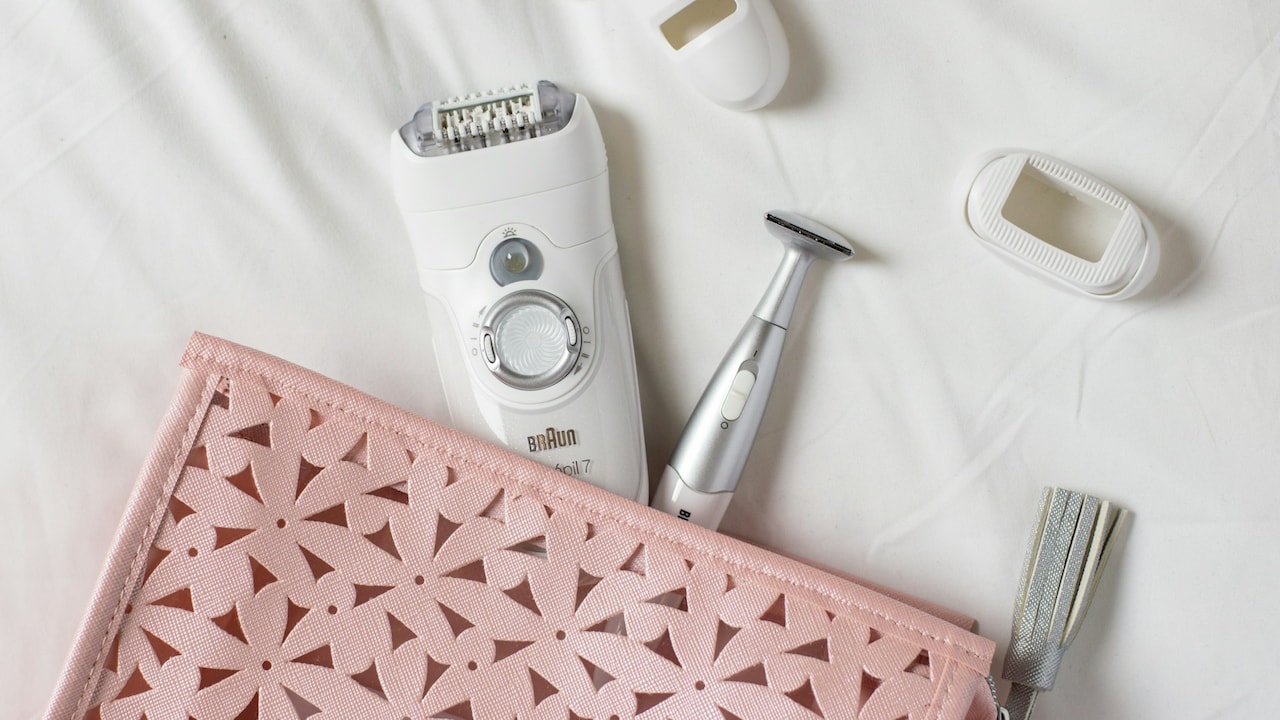
4. Braun Silk-epil 3 Epilator 3-420 with 2 Extra Corded Epilator
5. Sirona Facial Hair Remover
Epilation offers smooth skin and long-lasting results, yet it demands respect for skin biology. Ingrown hair does not appear by chance. It follows clear patterns linked to preparation, technique, and aftercare.
Small changes make a big difference. Gentle exfoliation, proper moisturising, relaxed clothing, and mindful timing prevent most issues. Understanding hair texture and skin needs adds another layer of control.
Smooth skin should feel comfortable, not painful. With the right approach, epilation becomes a reliable ally rather than a source of frustration. A little care goes a long way, turning a common struggle into a manageable routine that truly works.
(Disclaimer: This article may include references to or features of products and services made available through affiliate marketing campaigns. NDTV Convergence Limited (“NDTV”) strives to maintain editorial independence while participating in such campaigns. NDTV does not assume responsibility for the performance or claims of any featured products or services.)