The Real Cost of Water Purifiers: Maintenance, Wastage And Expenses Explained
Buying a water purifier isn’t a one-time cost. From filter replacements to water wastage and repairs, hidden expenses can add up fast. This is what to know before choosing one.
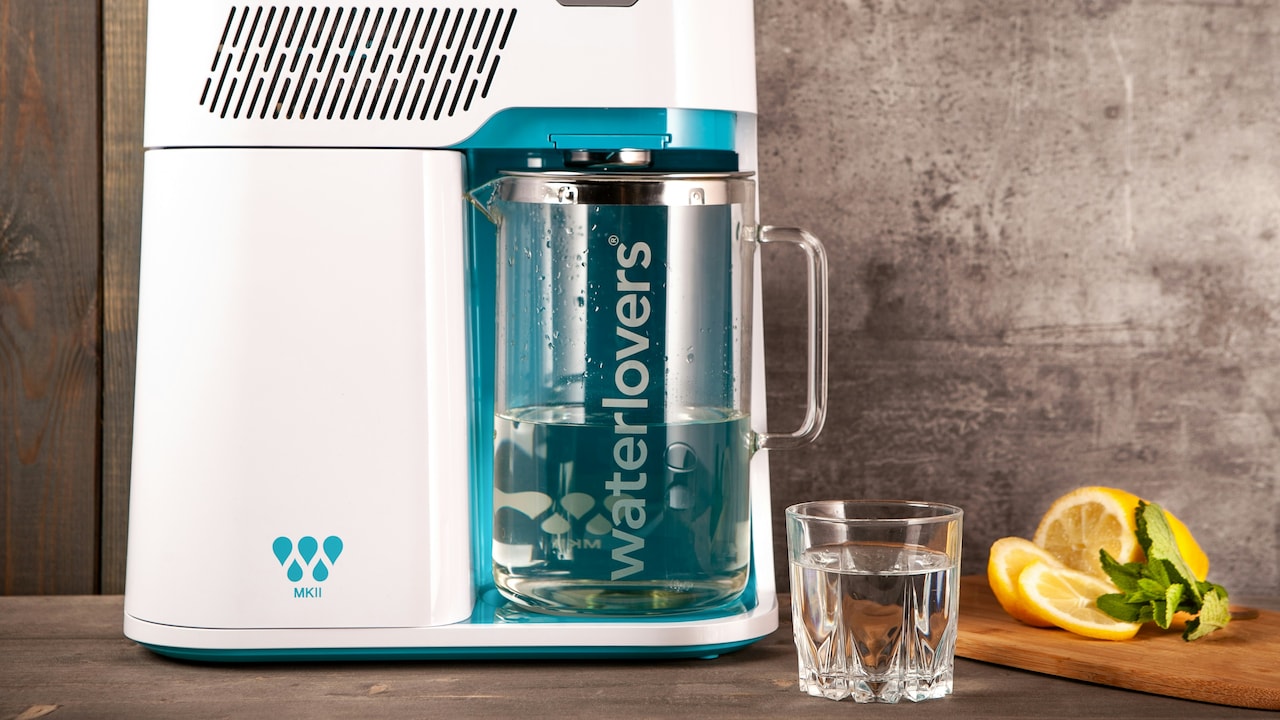
We Reveal Here the Hidden Costs of Water Purifiers Everyone Should Know Before Buying One.
Clean drinking water feels non-negotiable. With rising concerns around water quality, a purifier has shifted from luxury to necessity in many homes. Showrooms highlight sleek designs, multi-stage filtration, and tempting discounts. What rarely gets discussed is the long-term financial commitment that follows the purchase.
Many families realise this only after installation, when service calls begin, filters demand replacement, and electricity bills creep up. The purifier keeps working, but the wallet feels lighter. Understanding these hidden costs early helps avoid regret later. A purifier should protect health without silently draining finances. Knowing what lies beneath the surface makes all the difference.
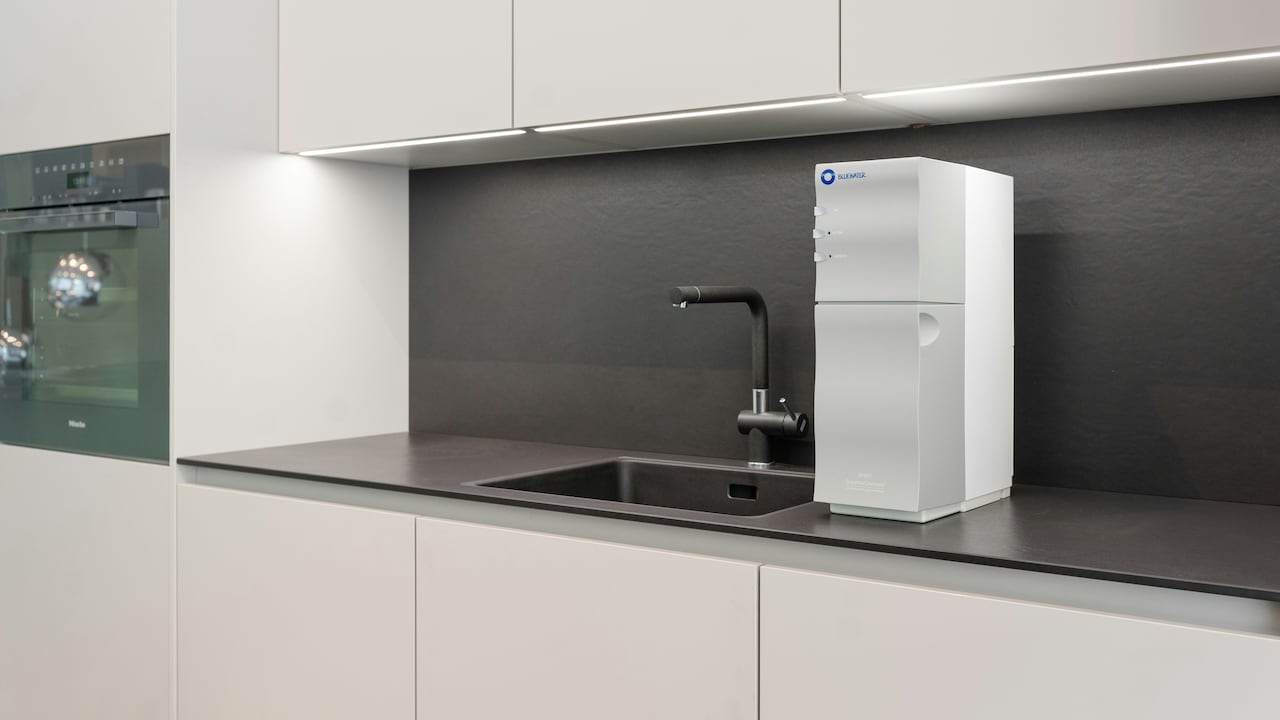
Revealing the Hidden Costs of Water Purifiers Everyone Should Know Before Buying One
Photo Credit: Pexels
What No One Tells You About the Long-Term Cost of Water Purifiers
1. The Illusion of the “One-Time Purchase”
At first glance, a water purifier appears straightforward. Pay once, install it, and enjoy clean water every day. This belief often fades within the first year. Most purifiers rely on consumable parts that need regular replacement. Filters, membranes, and cartridges wear out faster than expected, especially in areas with hard or heavily treated water.
Sales staff rarely emphasise this during purchase. The focus stays on upfront discounts rather than ongoing expenses. Over time, these replacements can cost nearly half the price of the machine itself. A purifier priced at ₹15,000 may demand ₹4,000–₹6,000 every year just to keep running efficiently.
This turns a simple purchase into a long-term subscription of sorts. Without budgeting for these recurring costs, households feel caught off guard. The purifier still looks affordable on day one, yet quietly grows expensive with every passing month.
2. Filter Replacement: The Silent Budget Drainer
Filters act as the heart of any purifier. They trap sediments, chemicals, and microbes, keeping water safe. Each filter has a limited lifespan. Once exhausted, performance drops sharply. Water may taste odd or lose its clarity, yet many users continue using the same filter to save money.
Manufacturers recommend replacement every six to twelve months. In reality, local water quality often shortens this cycle. Areas with muddy supply during monsoons or high TDS levels put extra strain on filters. Replacement costs range from ₹1,500 to ₹3,000 per cycle, depending on the model.
Skipping replacements feels tempting but proves risky. Old filters can harbour bacteria, defeating the very purpose of purification. What seems like a saving today may lead to health issues tomorrow. Filter costs rarely feel dramatic in isolation, yet over five years, they quietly add up to a significant sum.
3. RO Purifiers and the Cost of Wasted Water
Reverse Osmosis purifiers enjoy immense popularity. They promise high purity and remove dissolved salts effectively. The hidden downside lies in water wastage. For every litre of purified water, an RO system can discard two to three litres.
In regions facing water scarcity, this feels unsettling. Beyond environmental concerns, wastage hits household expenses too. Water bills rise, especially in homes relying on tankers or metered supply. A family paying ₹1,200 a month for water may see this climb without understanding why.
Some households collect reject water for cleaning or plants, yet this requires effort and space. Many ignore it altogether. Over a year, thousands of litres flow straight down the drain. The purifier delivers clean water, yet demands a heavy price from both the environment and the household budget.
4. Electricity Consumption That Adds Up Slowly
Water purifiers do not consume massive power in one go. This makes electricity costs easy to overlook. Over time, though, the impact becomes noticeable. RO purifiers use pumps and UV lamps that draw power every time water gets stored.
A unit running several cycles a day may consume around 60–100 watts per hour. This sounds minor, yet across months, it reflects on the electricity bill. Households already juggling rising power tariffs feel the pinch.
In areas with frequent power cuts, voltage fluctuations can damage internal components, leading to repair costs. Some users invest in stabilisers, adding another ₹2,000–₹3,000 to expenses. Electricity may not feel like a deal-breaker, yet it quietly contributes to the overall cost of ownership.
5. Annual Maintenance Contracts: Comfort at a Price
After the first year, many brands push Annual Maintenance Contracts. These plans promise peace of mind. Regular servicing, filter changes, and priority support sound appealing. The price often ranges between ₹3,000 and ₹6,000 per year.
For some households, AMCs make sense. They prevent surprise expenses and ensure timely care. For others, they feel overpriced. Certain contracts exclude key components like RO membranes, leading to extra charges later.
Skipping an AMC saves money upfront but increases the risk of sudden repair bills. A single membrane replacement can cost ₹4,000 or more. Choosing between AMCs and pay-per-service feels tricky. The real cost lies not just in money, but in the stress of unexpected breakdowns.
6. Repairs and Spare Parts That Cost More Than Expected
Purifiers contain delicate parts. Solenoid valves, pumps, sensors, and UV lamps can fail over time. Water quality, pressure issues, and voltage fluctuations speed up wear and tear. When something breaks, repairs rarely come cheap.
A faulty pump may cost ₹2,500–₹4,000 to replace. Sensors and valves add their own charges. Out-of-warranty repairs often shock users, especially when the purifier itself cost ₹10,000–₹12,000.
Local technicians offer cheaper alternatives, yet these may compromise performance. Genuine parts maintain efficiency but cost more. Either way, repairs disrupt routines and budgets. What seemed like a durable appliance begins to feel fragile once spare parts enter the picture.
7. Over-Purification and Mineral Loss
Many purifiers remove more than just impurities. They strip water of essential minerals like calcium and magnesium. This sparks another hidden cost: the need for mineral cartridges or supplements.
Brands market “mineral enhancers” as add-ons. These cartridges require periodic replacement, adding ₹800–₹1,500 annually. Some households invest in bottled mineral drops or dietary supplements to compensate.
Over-purification also affects taste. Water may feel flat or lifeless, leading families to experiment with different settings or upgrades. Each adjustment costs money. Clean water matters, yet balanced water matters, too. The cost of restoring what gets removed often surprises first-time buyers.
8. Installation and Relocation Expenses
Installation rarely feels expensive at first. Many brands offer free installation, but conditions apply. Complex kitchen layouts, extra piping, or wall drilling may incur charges. These small costs add ₹500–₹1,500 during setup.
Relocation brings another set of expenses. Shifting homes means uninstalling and reinstalling the purifier. This often costs ₹1,000–₹2,000, depending on distance and complexity. Damage during shifting may lead to further repairs.
Renters feel this burden more acutely. Each move turns the purifier into a logistical challenge. What once felt like a permanent fixture becomes an added moving expense. These costs remain invisible at the time of purchase but surface during life changes.
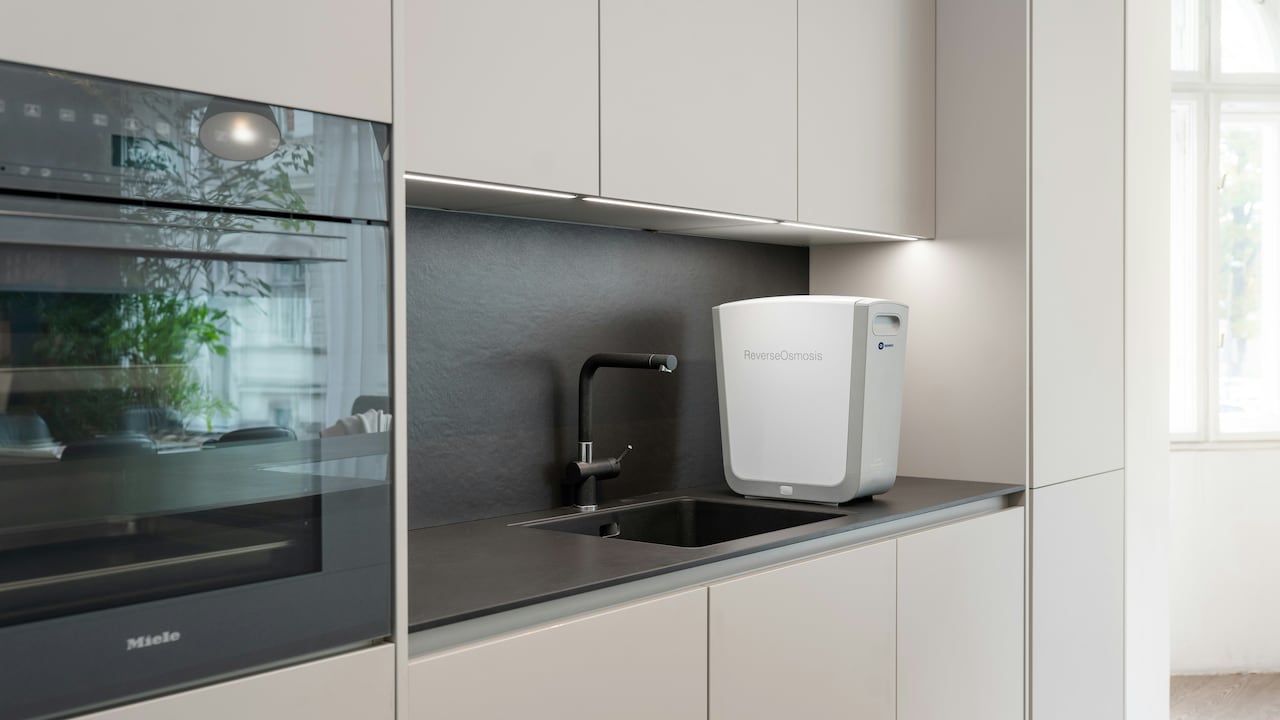
Revealing the Hidden Costs of Water Purifiers Everyone Should Know Before Buying One
Photo Credit: Pexels
9. Brand Dependency and Limited Choices
Many purifiers rely on proprietary filters and parts. This locks users into a single brand's ecosystem. Switching suppliers becomes difficult, even if prices rise. Generic alternatives may not fit or could void warranties.
Brand dependency limits bargaining power. Service costs increase gradually, yet users feel stuck. Choosing a cheaper purifier initially may lead to higher long-term expenses due to costly consumables.
This lack of flexibility frustrates many households. A purifier should adapt to needs, not dictate terms. Understanding this dependency beforehand helps avoid regret. Sometimes, paying a bit more upfront for standardised parts saves money and stress later.
10. The Cost of Ignoring Local Water Quality
One of the biggest hidden costs comes from buying the wrong purifier type. Not all water needs RO treatment. In areas with low TDS and safe municipal supply, simpler systems work well.
Installing an RO purifier where it is not required leads to unnecessary expenses. Higher electricity use, water wastage, and costly filters follow. A basic UV or gravity-based purifier may cost ₹5,000–₹8,000 and require minimal upkeep.
Ignoring local water quality turns a helpful appliance into a financial burden. Testing water before buying costs little, yet saves thousands over time. The right purifier fits the water, not marketing claims. This single step can prevent years of avoidable expenses.
Products Related To This Article
1. Atomberg Intellon - India's 1st Adaptive Water Purifier
2. Native by Urban Company M0 RO+UV+Mineraliser
3. AQUA D PURE 4 in 1 Copper RO Water Purifier with 10 Stage Purification Filtration
4. Aquaguard Sure Delight RO+MC 1X Water Purifier
5. Pureit Revito RO+MF+Mineral+UV in-Tank | 7 stage
A water purifier protects health, yet it should not quietly strain finances. The real cost extends far beyond the price tag on the box. Filters, electricity, wasted water, maintenance, and repairs all play a role. Each expense feels small alone, but together they shape the true cost of ownership.
Awareness changes everything. Asking the right questions, understanding local water quality, and planning for long-term costs lead to smarter choices. A purifier should bring peace of mind, not financial surprises. When chosen wisely, it serves both health and household budgets with equal care.
(Disclaimer: This article may include references to or features of products and services made available through affiliate marketing campaigns. NDTV Convergence Limited (“NDTV”) strives to maintain editorial independence while participating in such campaigns. NDTV does not assume responsibility for the performance or claims of any featured products or services.)