Is Water In The Door Gasket Normal? 10 Front-Load Washer Myths Explained
Water in a front-load washer’s door gasket is often normal. This guide clears up 10 common washer myths, from trapped moisture and detergent use to vibration, spin speed, smells and routine maintenance.
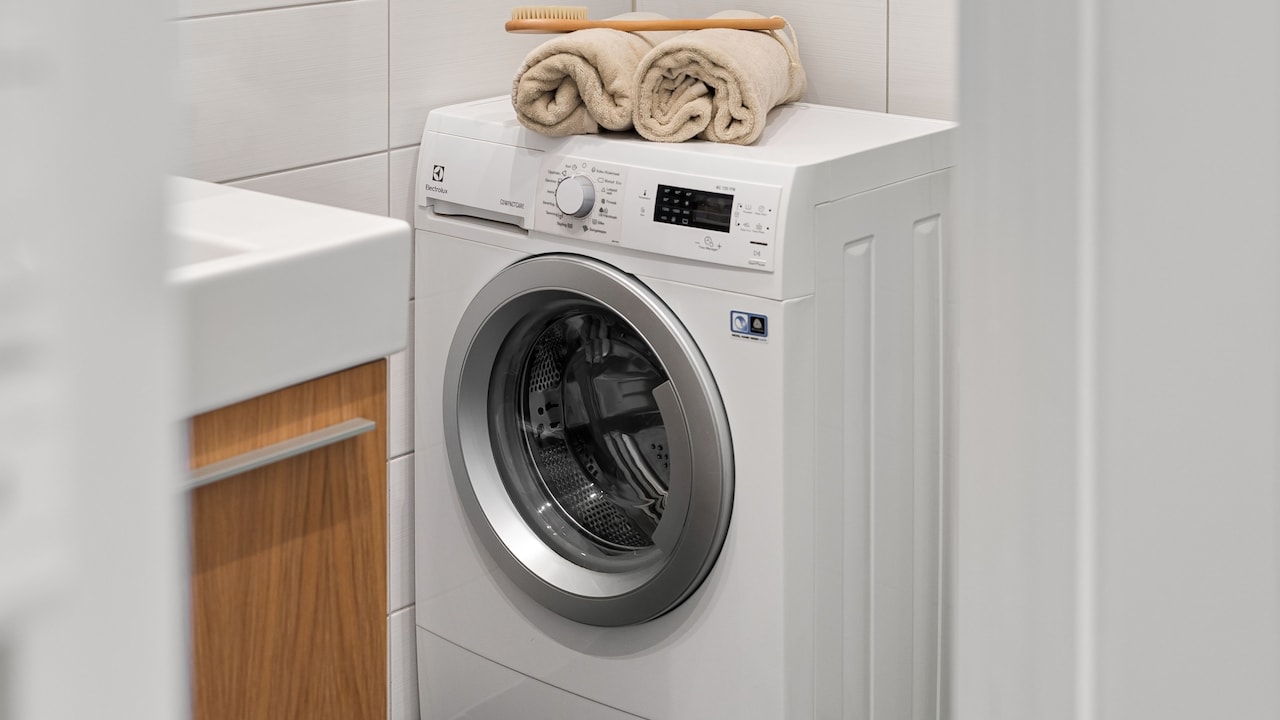
Front-Load Washer Myths: 10 Common Problems Explained Simply
Front-load washing machines have made laundry considerably easier, especially in homes where washing everything from office shirts to bulky bedsheets happens several times a week. They use water efficiently, offer useful wash programmes and usually handle clothes gently. Yet their design also creates a few quirks that can puzzle new owners. One of the biggest concerns appears after the wash is over. Open the door and there it is: a small amount of water sitting inside the rubber gasket. Should the washer be repaired? Is the drain blocked? Has the machine started leaking internally? Usually, the answer is far less dramatic. Front-load washers work differently from traditional top-load machines, and many perfectly normal behaviours can look suspicious at first. At the same time, some seemingly harmless habits can eventually lead to odours, poor washing or genuine faults. Separating fact from laundry-room folklore can save unnecessary worry, service visits and money. So, before assuming the washing machine has developed a personality of its own, here are ten common myths worth clearing up.
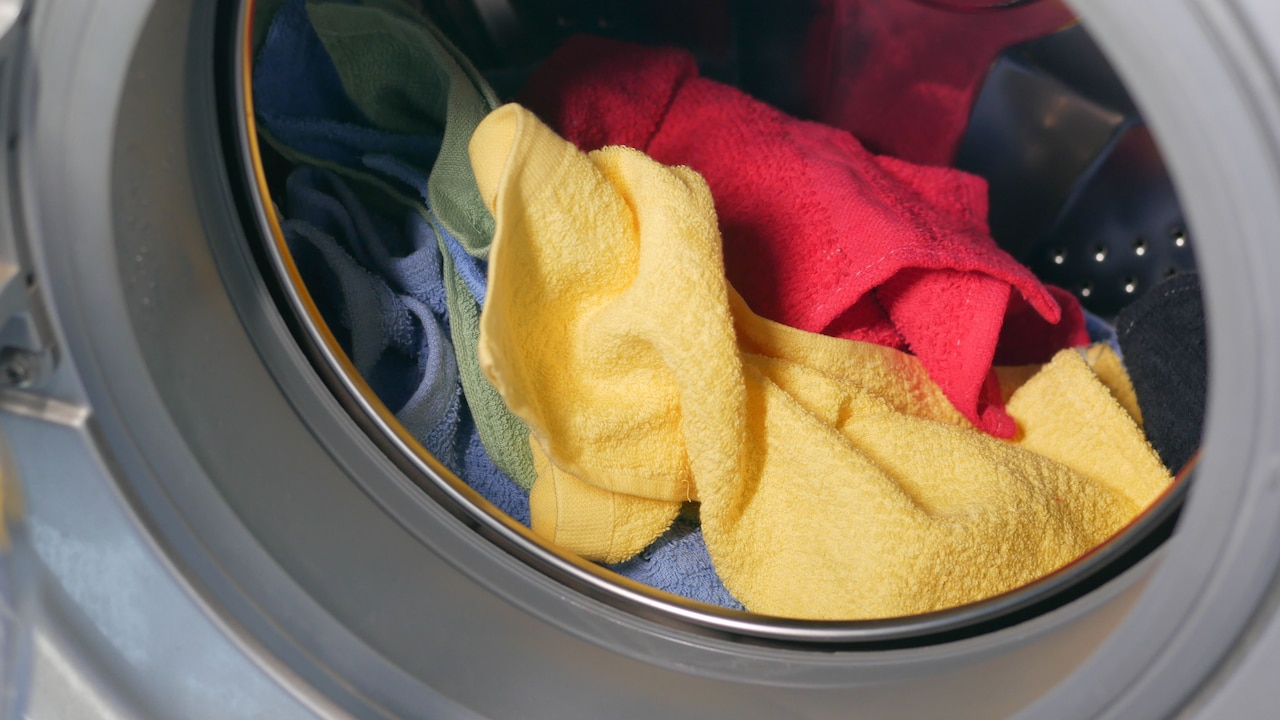
Front-Load Washer Myths: 10 Common Problems Explained Simply; Photo Credit: Pexels
Front-Load Washer Myths: What's Normal And What's Not
1. Water In The Door Gasket Always Means Something Is Wrong
A little water sitting inside the rubber door gasket after a wash is often completely normal. The gasket, sometimes called the door seal or bellows, creates a watertight barrier between the drum and the washer cabinet. Its folds and channels can naturally catch a small amount of water during washing and rinsing.
That does not automatically mean the drainage system has failed.
Many front-load machines include tiny drainage openings within the gasket. These allow most water to return towards the drum or pump. However, droplets may remain in deeper folds, particularly after programmes that use several rinse cycles.
There is a difference between dampness and a problem. A few drops or a thin puddle usually need nothing more than wiping with a clean cloth. Water that repeatedly collects in large quantities deserves closer attention.
Check whether the gasket drain holes contain lint, hair or detergent residue. A blocked drainage path can trap more water than usual.
The simplest habit helps enormously: wipe the gasket after the final wash of the day and leave the door slightly open. That small routine reduces moisture and keeps musty smells away.
Also Read: Top 7 Washing Machine Features Rarely Used While Doing Laundry
2. Front-Load Washers Should Be Completely Dry After Every Cycle
A washing machine has just spent an hour or more moving water around, so expecting every internal surface to become bone-dry immediately afterwards is unrealistic.
Some moisture inside the drum, detergent drawer and door seal is perfectly ordinary. Modern front-load washers use comparatively small amounts of water, and their tightly sealed design helps prevent leaks during operation. The downside is that remaining moisture does not evaporate as quickly when the door stays shut.
That is why opening the washer several hours later may reveal tiny droplets on the glass or dampness around the gasket.
Problems begin when moisture remains trapped for long periods. A warm, closed washer containing traces of detergent and fabric fibres creates an excellent environment for unpleasant smells.
After removing the clothes, keep the washer door ajar whenever practical. Pulling the detergent drawer open slightly can also encourage airflow.
There is no need to leave the door dramatically wide open like an unfinished cupboard. A small gap usually provides enough ventilation.
The goal is not to make the washer instantly dry. It is simply to give remaining moisture somewhere to escape before the next load arrives.
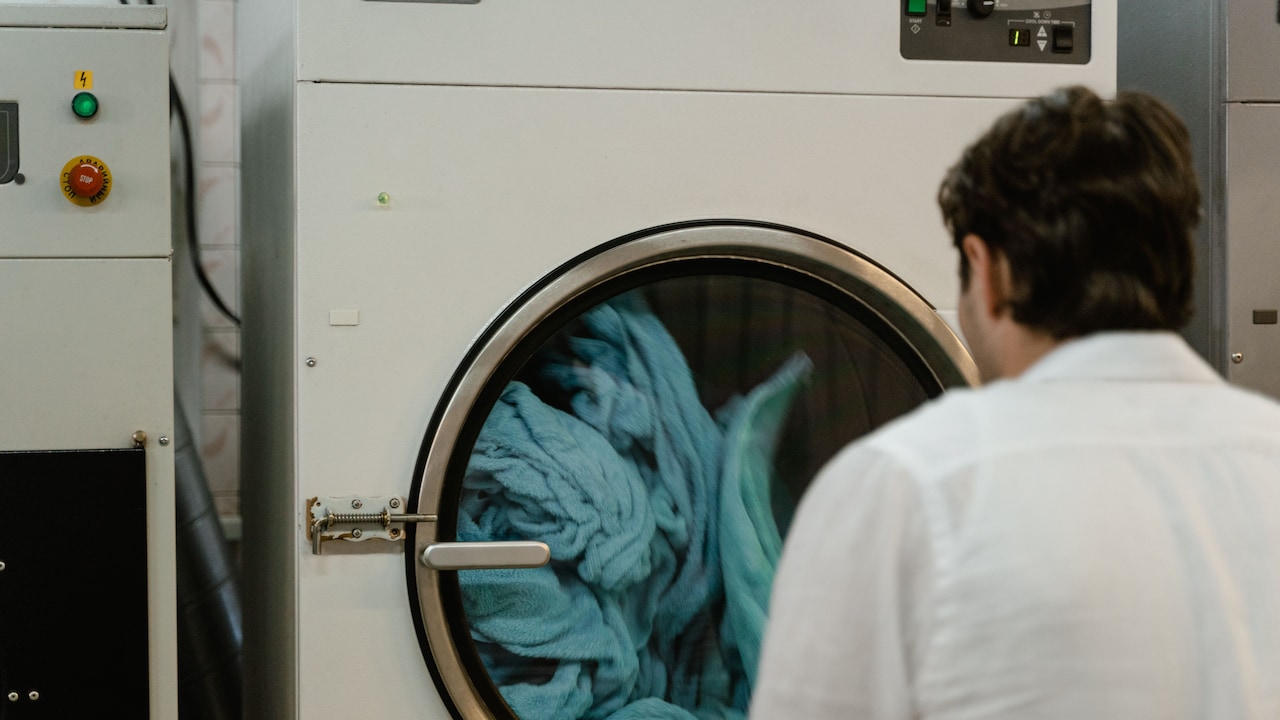
Front-Load Washer Myths: 10 Common Problems Explained Simply; Photo Credit: Pexels
3. More Detergent Means Cleaner Clothes
This is perhaps the most stubborn laundry myth of all. A heavily stained kurta or a pile of sweaty gym clothes can make an extra splash of detergent seem sensible. Unfortunately, more soap does not necessarily mean more cleaning.
Front-load washers need relatively little detergent because they use less water than many traditional machines. Adding too much can produce excessive foam, which may prevent clothes from moving properly through the wash solution.
The result can be surprisingly disappointing. Detergent residue may remain on fabrics, clothes can feel stiff, and the machine may require extra rinsing. Excess detergent can also accumulate around the gasket, drawer and internal pipes.
Over time, that sticky residue can combine with lint and moisture, creating the familiar stale smell that often gets blamed entirely on the washer.
Follow the detergent quantity recommended for the load size and water conditions rather than pouring by instinct. Concentrated detergents need particularly careful measuring.
A machine full of foam may look impressively busy through the glass door, but laundry is not a television detergent advertisement. Efficient washing depends on the right chemistry, movement and water level, not the biggest collection of bubbles.
4. A Smelly Washer Must Have A Serious Mechanical Fault
Opening the washer door and receiving an unexpected whiff of damp socks is unpleasant, but it rarely means the motor, pump or drum has suffered a catastrophic failure.
Odours usually develop because moisture, detergent residue, body oils and fabric fibres collect in hidden areas. The door gasket is a common gathering point, especially inside its folds. The detergent drawer and filter can also become surprisingly grubby.
Frequent low-temperature washes can contribute to the issue because they may not remove accumulated residue as effectively as occasional hotter maintenance cycles.
Start with basic housekeeping. Clean the gasket carefully, including underneath the folds, and remove any hair or lint. Wash the detergent drawer according to the manufacturer's instructions. Check and clean the pump filter where the appliance design allows user access.
Many machines also provide a drum-clean or tub-clean programme. Running this periodically can help remove deposits from areas that are difficult to reach manually.
Afterwards, improve ventilation by leaving the door and detergent drawer slightly open.
Think of the washer rather like a bathroom after a steamy shower. Moisture itself is not unusual. Leaving it permanently sealed is what turns freshness into funk.
5. The Highest Spin Speed Is Always The Best Choice
A powerful spin cycle certainly has an advantage: it removes more water from clothes. That can shorten drying time, particularly useful during humid weather when a pair of jeans seems determined to remain damp until next Tuesday.
Still, maximum spin speed is not automatically the best setting for every load.
Delicate fabrics, embellished garments, loosely knitted clothing and certain synthetics may benefit from gentler spinning. Extremely high speeds can increase creasing and place additional stress on some fabrics.
Load balance also matters. A heavy bedsheet twisted around a few smaller items can become unevenly distributed inside the drum. The washer may slow down, pause or repeatedly reposition the load before spinning.
This behaviour sometimes looks like a fault, yet the machine may simply be protecting itself from excessive vibration.
Use high spin speeds for sturdy fabrics such as towels, cottons and everyday clothing when the care labels permit them. Choose lower settings for delicate or easily creased garments.
The fastest option is therefore useful, but not a universal winner. Laundry settings work rather like pressure cookers: maximum power has its moment, but good results depend on what is actually inside.
6. Filling The Drum Completely Saves More Water And Electricity
Trying to squeeze one last bedsheet into an already packed washer can feel wonderfully efficient. After all, fewer cycles should mean lower electricity and water use.
That logic works only until the drum becomes overloaded.
Front-load machines clean clothes by lifting them inside the rotating drum and allowing them to fall through the wash solution. When garments are packed too tightly, that movement becomes restricted. Water and detergent may also struggle to circulate evenly.
The consequences can include poorly washed clothes, detergent residue and unsatisfactory rinsing. An overloaded drum can also make balancing difficult during the spin cycle, causing extra vibration or repeated attempts to redistribute the load.
A properly loaded machine needs enough space for clothes to move. The precise capacity depends on the programme and washer model, so the manufacturer's instructions remain the best guide.
Remember that the kilogram rating refers to dry laundry, not a drum filled to the door with whatever can be pushed inside.
Combining sensible loads is efficient. Treating the washer like an overstuffed suitcase before a family holiday is not.
Sometimes one additional cycle produces better results than forcing everything into a single unhappy wash.
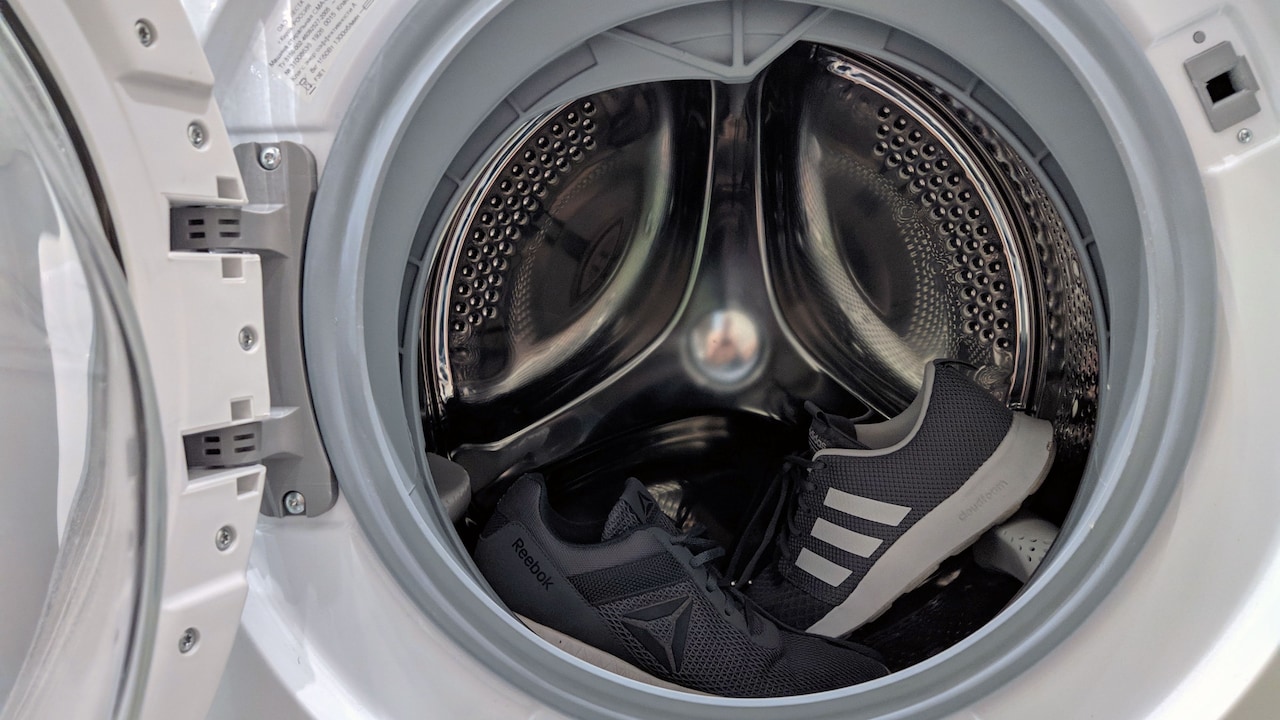
Front-Load Washer Myths: 10 Common Problems Explained Simply; Photo Credit: Pexels
7. Front-Load Washers Cannot Handle Hard Water
Hard water can make laundry more complicated, but it does not automatically make a front-load washing machine unsuitable.
Water containing higher levels of minerals such as calcium and magnesium can affect detergent performance and gradually create scale inside appliances. The visible clue may appear as whitish deposits around taps, shower fittings or kettle interiors.
Inside a washer, mineral build-up can affect components over time if maintenance gets ignored.
The practical solution is not abandoning front-load technology. It is adjusting laundry habits to local water conditions.
Use an appropriate detergent quantity for the water hardness in the area. Some households may benefit from suitable descaling products or water-treatment solutions, provided they match the appliance manufacturer's recommendations.
Periodic cleaning also matters. A maintenance programme can help control residues, while servicing may become worthwhile when scale accumulation becomes significant.
Avoid experimenting with random household chemicals simply because a social-media video promises a sparkling drum overnight. Washing machines contain rubber seals, metals and electronic components that may react poorly to unsuitable substances.
Hard water requires awareness rather than panic. With the right detergent routine and regular care, a front-load washer can still perform reliably for years.
8. Every Vibration Means The Washing Machine Is Damaged
A front-load washer spinning at high speed will never behave like a silent marble statue. Some movement, humming and vibration are normal, especially while heavy wet laundry accelerates inside the drum.
The real question is how much movement occurs.
A washer that gently vibrates during the spin cycle is usually behaving normally. A machine that bangs loudly, rocks aggressively or appears to be travelling across the utility area needs attention.
Installation is often responsible. The appliance should stand level on a firm surface with all feet making secure contact. Transport bolts must also be removed when a new washer is installed. Leaving them fitted can cause severe vibration.
An unbalanced load provides another common explanation. Washing one heavy blanket with a few lightweight garments can concentrate weight on one side of the drum. The washer may repeatedly slow down and reposition the load.
Before imagining an expensive bearing replacement, check the simple causes first.
Persistent grinding, metallic noises, leaking water or sudden changes in vibration deserve professional inspection. Normal movement has a rhythm. Violent shaking that sounds like a dhol solo from the utility room does not.
9. Closing The Washer Door Immediately Keeps It Cleaner
Closing the washing-machine door after use certainly makes the appliance look neat. It may also prevent children or pets from exploring the drum. From a moisture-control perspective, however, immediately sealing the washer can work against cleanliness.
After a cycle, water droplets remain around the drum, glass and gasket. Closing the door traps that moisture inside a dark space with limited airflow.
Given enough time, detergent residue and dampness can encourage unpleasant odours and microbial growth.
Leaving the door slightly open after removing the laundry allows the interior to dry naturally. The detergent drawer can also remain partly open when the surrounding area makes that practical.
Safety comes first, of course. Homes with young children or curious pets may need different arrangements. In such cases, wipe the drum opening and gasket thoroughly, then follow the appliance manufacturer's safety guidance.
The idea is simple: cleanliness depends on more than shutting dirt out. Moisture also needs a route out.
That freshly completed wash has already given the clothes enough attention. Giving the machine a little ventilation afterwards can make the next laundry day considerably more pleasant.
10. Front-Load Washers Need Professional Cleaning All The Time
Professional servicing has its place, but a front-load washer should not need a technician every few weeks merely to stay clean.
Routine maintenance can usually be handled at home. Wiping the gasket, cleaning the detergent drawer, checking accessible filters and running the recommended drum-clean programme can prevent many common problems.
The key word is regularity.
Waiting until the machine smells unpleasant or starts draining slowly makes cleaning far more troublesome. A quick wipe after washing takes seconds, while removing months of sticky detergent residue from a neglected gasket can become an entire weekend project nobody requested.
Professional attention becomes sensible when ordinary cleaning does not solve persistent odours, drainage problems, unusual noises, leaks or error codes. Internal scale, damaged seals, faulty pumps and worn bearings require more than enthusiastic scrubbing.
Avoid dismantling parts unless the user manual specifically describes them as user-serviceable. Modern washers combine plumbing, powerful electrical components and sophisticated electronics. Curiosity can quickly become a repair bill.
Everyday maintenance and professional servicing therefore serve different purposes. The first prevents avoidable trouble. The second handles faults that routine care cannot fix.
A little consistent attention usually keeps the service centre out of the laundry room for longer.
Products Related To This Article
1. Bosch 7 kg 5 Star Front Load Fully-Automatic Washing Machine
2. LG Smart Choice, 7 Kg, 5 Star, Steam, Inverter Direct Drive Technology
3. IFB 7 Kg 5 Star, DeepClean® Technology, AI Powered
4. Whirlpool 9 Kg Steam Wash Technology 5 Star Inverter Front Load Fully Automatic Washing Machine
5. Samsung 9 kg, 5-star, AI EcoBubble, Super Speed
6. LG 7 Kg, 5 Star, DD Technology, Steam Wash, 6 Motion DD
7. LG Smart Choice, 9 Kg, 5 Star, AI Direct Drive Technology
Front-load washing machines can seem mysterious until their normal habits become familiar. Water inside the door gasket, a damp drum after washing or an occasional pause before spinning does not necessarily point to a fault. Often, these behaviours simply reflect how the machine manages water, balance and efficiency.
Good ownership comes down to a few sensible habits. Use the correct amount of detergent, avoid cramming the drum, keep the gasket clean and allow moisture to escape after washing. Pay attention when a machine suddenly behaves differently rather than treating every droplet or vibration as an emergency.
At the same time, genuine warning signs should not be ignored. Large amounts of trapped water, persistent leaks, strong mechanical noises, repeated drainage failures or extreme vibration deserve investigation.
The reassuring truth is that front-load washers are less temperamental than many myths suggest. Most simply need correct loading, appropriate detergent and regular basic care.
So, the next time a few drops appear inside the door gasket, there is no need to picture a ₹10,000 repair bill before breakfast. Wipe the seal, check the drainage holes and carry on with the day. Sometimes a little water really is just a little water.
(Disclaimer: This article may include references to or features of products and services made available through affiliate marketing campaigns. NDTV Convergence Limited (“NDTV”) strives to maintain editorial independence while participating in such campaigns. NDTV does not assume responsibility for the performance or claims of any featured products or services.)