Does Wiping The Outside Keep A Tower Fan Clean? 10 Fan-Maintenance Myths Explained
Is wiping the outside enough to keep a tower fan clean? This guide busts 10 common fan-maintenance myths and explains what really helps improve airflow, hygiene and lifespan.
10 Tower Fan Maintenance Myths That Could Be Making Your Fan Dirtier
A tower fan has a wonderfully simple job: take warm, still air and turn it into a comfortable breeze. Yet keeping one clean often becomes an afterthought. The smooth outer shell gets a wipe during weekend cleaning, the grille looks respectable again, and the fan returns to its corner as though nothing more needs attention. Unfortunately, dust does not respect appearances. Fine particles, hair, lint and everyday household debris travel through the air intake whenever the fan runs. Some settle around vents, while others creep deeper into filters, internal fan assemblies and narrow spaces that a cloth cannot reach. Add humid weather, an open balcony door, nearby construction or a particularly enthusiastic pet, and dirt can build up surprisingly quickly.

Does Wiping The Outside Keep A Tower Fan Clean? 10 Fan-Maintenance Myths Explained
Photo Credit: Pexels
That is where maintenance myths become troublesome. Some encourage too little cleaning. Others inspire aggressive cleaning that can cause more harm than good. Understanding what a tower fan actually needs does not require becoming an appliance technician. It simply takes a sensible routine and a little myth-busting.
10 Tower Fan Maintenance Myths You Should Stop Believing
1. Wiping The Outside Keeps The Whole Fan Clean
A shiny exterior can be rather convincing. After all, if the visible surface has no dust, surely the fan must be clean. Not quite.
Tower fans continuously pull air through vents before pushing it back into the room. Dust follows that airflow. While a soft cloth removes grime from the casing, it cannot reach the particles sitting behind ventilation slots, around an internal filter or on the fan's rotating components.
Think of it like sweeping the entrance to a home while ignoring everything that has blown into the hallway.
A better routine starts with switching the appliance off and unplugging it. Wipe the exterior with a slightly damp microfibre cloth, then use a soft brush or a vacuum cleaner with a brush attachment around accessible air vents. If the model has a removable filter, follow the manufacturer's cleaning instructions.
Avoid forcing objects through the grille. A ruler wrapped in cloth may look like clever jugaad, but one careless push can damage delicate parts.
The outside certainly deserves attention. It simply should not receive all of it.
2. Tower Fans Do Not Collect Much Dust Because They Have No Visible Blades
Traditional pedestal fans make dirt impossible to ignore. Their blades eventually collect a grey layer so obvious that cleaning becomes unavoidable. Tower fans hide their working parts inside a slim housing, which creates the illusion that they somehow escape the same problem.
They do not.
The internal cylindrical or centrifugal fan assembly still moves large volumes of air. With that air come fibres from curtains, bedsheets and clothing, plus hair, pet fur and ordinary household dust. The narrow vents of a tower fan can also trap visible debris over time.
The difference lies mainly in visibility. Dirt on an exposed ceiling-fan blade announces itself. Dust inside a tower fan quietly settles out of sight.
That hidden build-up may eventually restrict airflow or make the appliance work less efficiently. A fan that once produced a satisfying breeze can start feeling oddly weak even though its speed setting has not changed.
Inspect intake vents regularly, especially during months when the fan runs for several hours every day. Hidden blades are not dust-proof blades. They are simply better at keeping their mess private.
3. A Fan Only Needs Cleaning When The Airflow Becomes Weak
Waiting for poor airflow before cleaning a tower fan resembles waiting for a kitchen sink to clog before clearing the drain. By the time the symptom becomes obvious, plenty of debris may already have accumulated.
Dust tends to build gradually. That makes the change difficult to notice from one day to the next. A fan may lose some airflow so slowly that the household simply starts using a higher speed setting without questioning why.
Regular light maintenance works better than occasional rescue missions. Homes near busy roads, construction sites or dusty open spaces may need more frequent attention. The same applies when windows remain open for long periods or pets shed around the house.
There is no universal cleaning date that suits every room. A simple visual inspection of the intake and outlet vents every few weeks gives a better clue. If dust has started gathering around them, it is worth cleaning.
Preventive maintenance also takes less effort. Removing a light layer of dust takes minutes. Tackling a fan that has spent an entire season collecting lint can turn into the household chore everyone suddenly becomes too busy to do.
4. Using Water Gives The Fan A Deeper Clean
Water makes many household items cleaner, so reaching for a wet cloth or spray bottle feels perfectly reasonable. With electrical appliances, however, enthusiasm needs boundaries.
Spraying water or cleaning solution directly onto a tower fan can allow moisture to enter the vents. That risks reaching electrical connections, control panels or the motor assembly. Even when nothing dramatic happens immediately, trapped moisture may encourage corrosion.
For the outer casing, a soft cloth that feels slightly damp usually does the job. It should never drip. Apply any suitable mild cleaner to the cloth rather than spraying it onto the appliance itself.
Removable washable filters are a different matter, but only when the manufacturer's instructions specifically say they can be washed. They should also dry completely before returning to the fan.
The same caution applies to those stubborn marks that somehow appear near buttons and control panels. Scrubbing them with a soaking cloth is unnecessary.
A tower fan needs cleaning, not a bath. When electricity and moisture share the same appliance, restraint beats sparkle.
5. Vacuuming The Vents Can Damage The Fan
A vacuum cleaner sounds powerful, so some owners avoid bringing it anywhere near a tower fan. Used carelessly, any cleaning tool can cause problems. Used sensibly, a vacuum can be one of the easiest ways to remove loose dust.
The key lies in gentleness.
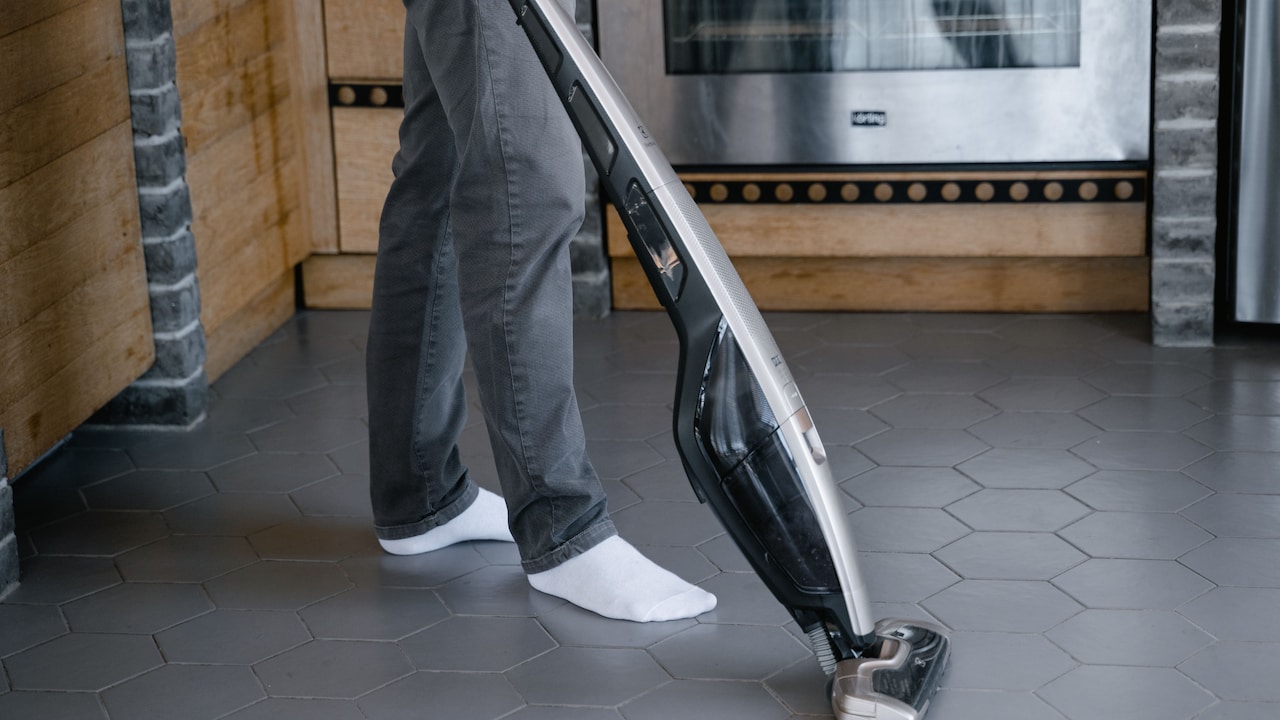
Switch off and unplug the fan first. A brush attachment can then lift dust from accessible intake and outlet vents without pushing debris farther inside. Avoid pressing the nozzle hard against thin plastic grilles or trying to suck objects out from deep within the housing.
A soft paintbrush can also loosen stubborn dust while the vacuum collects what comes free. This combination works particularly well on narrow ventilation slots where a cloth struggles.
Compressed air requires more caution because a strong blast can drive dirt deeper into the appliance rather than removing it. It may also spin internal components unexpectedly.
Vacuuming itself is not the villain. Reckless technique is.
Treat the vents as delicate rather than indestructible, and the job becomes straightforward. The aim is to remove loose debris from reachable areas, not perform an archaeological excavation through the grille.

Does Wiping The Outside Keep A Tower Fan Clean? 10 Fan-Maintenance Myths Explained
Photo Credit: Pexels
6. The Filter Never Needs Cleaning Unless It Looks Dirty
Some tower fans include a filter or rear dust screen, and these parts can look reasonably clean even while holding a surprising amount of fine debris.
That happens because not all household dust forms obvious fluffy clumps. Very small particles may spread evenly across a filter, gradually reducing airflow without creating a dramatic layer that catches the eye.
Check the appliance manual to confirm whether the filter needs cleaning, replacement or both. Some filters can be gently vacuumed. Others may allow washing. Certain specialised filters should never meet water at all.
If washing is permitted, complete drying matters just as much as cleaning. Reinstalling a damp filter inside an electrical appliance is an unnecessary gamble.
A practical habit helps here: inspect the filter whenever the exterior vents receive their regular clean. That way, maintenance becomes one short routine rather than several forgotten jobs.
The filter may not provide the satisfying before-and-after transformation of a dusty fan grille, but it plays an important role. Ignoring it because it still looks presentable can quietly undermine the airflow the fan was bought to provide.
7. More Cleaning Product Means Better Cleaning
Household cleaning has a strange temptation attached to it: if one spray works, five sprays must work brilliantly. Tower fans disagree.
Strong detergents, abrasive powders, alcohol-heavy cleaners and harsh chemicals may damage plastic surfaces, printed labels or glossy finishes. Some products can leave streaks or make the casing look dull over time.
In most cases, the exterior needs little more than a soft microfibre cloth. A small amount of mild, suitable cleaning solution can handle stubborn marks, provided it goes onto the cloth rather than directly onto the appliance.
The goal is not to make the tower fan smell like a freshly mopped hotel lobby. Fragranced sprays can leave residue around vents, while excessive liquid creates an obvious electrical risk.
There is another advantage to keeping things simple: less residue means less sticky material for future dust to cling to.
The humble cleaning cloth may lack the drama of a cupboard full of colourful bottles, but that is precisely the point. Fan maintenance rewards restraint. Clean surfaces gently, keep liquids controlled and let the appliance provide the breeze rather than a cloud of cleaning perfume.
8. A Noisy Fan Always Means The Motor Is Failing
A new rattling, humming or whirring sound can produce an immediate thought: there goes the motor, and perhaps another few thousand rupees with it. Sometimes a motor problem does exist, but noise has several possible causes.
Dust accumulation may disturb smooth airflow. A slightly uneven floor can make the fan vibrate. Loose exterior parts, an unstable base or debris caught near an accessible vent may create surprisingly dramatic sounds.
Start with the simple checks. Unplug the fan, inspect the casing and base, and remove visible dust. Make sure the appliance stands on a firm, level surface. If the model has removable filters, check that they sit correctly.
Persistent grinding, electrical buzzing, burning smells or sudden changes in speed deserve professional attention. Those symptoms should not become weekend DIY experiments.
The useful distinction is between ordinary maintenance issues and internal electrical faults. Cleaning can solve the former. It should not become an excuse to dismantle components that require trained servicing.
A strange noise is a warning worth investigating, not an automatic motor obituary. Sometimes the fan simply needs a clean and a steadier place to stand.
9. Running A Tower Fan All Day Cleans Out The Dust Naturally
This myth has a certain charming logic. If air keeps rushing through the fan, perhaps the airflow will blow accumulated dust straight back out.
In reality, constant operation does not turn a fan into a self-cleaning appliance.
Air movement can dislodge some loose particles, but plenty of dust sticks to internal surfaces or becomes trapped around filters and vents. Longer running time can actually increase the amount of airborne debris passing through the machine.
That matters during hot, humid spells when the fan may run from breakfast until bedtime. Add an open window, road dust and the occasional mosquito-coil evening, and the appliance has plenty to process. Heavy use should therefore encourage more frequent inspection, not less.
There is no need to obsess over daily cleaning. Simply look at the vents from time to time and deal with visible build-up before it becomes substantial. A quick clean every few weeks during intensive use often feels far easier than opening the storeroom months later and discovering that the fan has developed its own grey winter coat. Airflow moves dust. It does not magically erase it.
10. Tower Fan Maintenance Is Too Complicated To Do At Home
The word “maintenance” can make a simple household task sound like something requiring screwdrivers, wiring diagrams and a technician with a serious expression.
Most routine tower-fan care is far less dramatic. Owners can usually handle exterior wiping, vent cleaning and approved filter maintenance without opening the motor housing. The safest approach begins with unplugging the appliance and checking the manufacturer's guidance. Different designs come apart differently, and some should not be dismantled by users at all.
Where people get into trouble is confusing basic maintenance with repair. Removing accessible dust is one thing. Taking apart electrical components because a three-minute online video made it look easy is another.
If the fan develops a burning smell, damaged cable, repeated electrical fault or serious mechanical noise, professional servicing makes more sense. Spending a modest amount on proper inspection can prove considerably cheaper than replacing a fan damaged by enthusiastic experimentation.
Routine care should feel boringly easy. That is a good sign. Clean what the manufacturer allows, leave sealed electrical parts alone, and resist the urge to turn Sunday cleaning into an engineering project.
Does Wiping The Outside Keep A Tower Fan Clean? 10 Fan-Maintenance Myths Explained
Photo Credit: Pexels
Products Related To This Article
1. NUUK HALO v2 3D Air Circulation Tower Fan with Mood Lamp
2. Shark FlexBreeze Cordless Table & Pedestal Fan | 24Hrs Battery
3. V-Guard Veemagik Neo 17 (43.5cm) Tower Fan|18-Months Warranty
4. PHILIPS CX 5535/11 High Performance Bladeless Technology Tower Fan
5. KARBAN Airzone Bladeless Ceiling & Tower Fan with dimmable & tunable LED light
6. V-Guard Veemagik Neo 17 (43.5cm) Tower Fan|18-Months Warranty
7. hifresh 110CM Bladeless Tower Fan for Room
A tower fan does not demand endless attention, but it does deserve more than the occasional swipe across its outer shell. Dust travels wherever air travels, which means vents, filters and hidden internal areas can gather debris even when the casing still looks showroom-neat.
Most maintenance myths grow from understandable assumptions. Hidden blades look clean, so they must be clean. More water seems likely to remove more dirt. A strange sound must mean an expensive motor failure. Yet simple, careful maintenance usually works better than either neglect or overenthusiasm.
Unplug the fan before cleaning, keep moisture away from electrical areas, remove accessible dust gently and follow the manufacturer's guidance for filters or removable parts. Pay attention to changes in airflow, sound and smell rather than waiting for the appliance to struggle.
A tower fan often spends months quietly making sticky afternoons more bearable. Giving it a few minutes of sensible care every now and then seems a fair trade. Better still, the next time someone claims that wiping the outside is enough, there is now a breezy answer ready.
(Disclaimer: This article may include references to or features of products and services made available through affiliate marketing campaigns. NDTV Convergence Limited (“NDTV”) strives to maintain editorial independence while participating in such campaigns. NDTV does not assume responsibility for the performance or claims of any featured products or services.)