Greasy Kitchen Tiles Even With Good Ventilation? Here Are 10 Ways to Improve Chimney Performance
Greasy kitchen tiles despite a working chimney? From filter cleaning to better airflow, these 10 practical tips can boost chimney performance and help keep your kitchen cleaner.

Greasy Kitchen Tiles? 10 Ways To Improve Chimney Performance
Few things spoil the look of a well-kept kitchen faster than a layer of grease on the tiles. It often starts subtly. A faint sticky film appears near the hob, then cabinet handles begin to feel greasy, and before long, cleaning turns into a weekend workout. Many households assume that a functioning chimney and a window nearby should solve the problem. Yet greasy surfaces continue to appear despite what seems like adequate ventilation. The truth is that kitchen chimneys need more than just installation. Like any appliance, they require regular care and proper usage to perform at their best. A chimney that worked brilliantly when it was first installed may lose efficiency over time because of clogged filters, poor positioning, or simple neglect. The good news is that most chimney performance issues have straightforward solutions. A few adjustments can significantly reduce grease buildup and improve air quality. Here are ten practical ways to help a kitchen chimney work smarter and keep those tiles cleaner for longer.
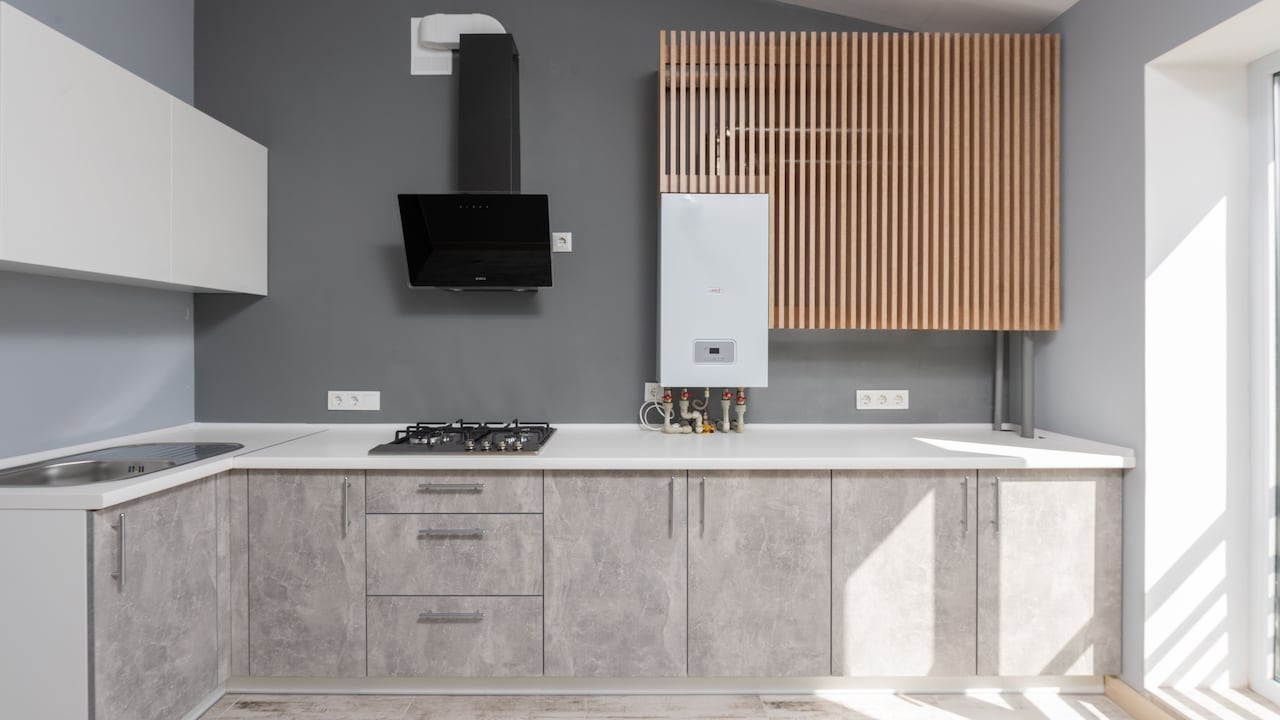
Greasy Kitchen Tiles? 10 Ways To Improve Chimney Performance; Photo Credit: Pexels
Why Your Kitchen Chimney May Not Be Working Efficiently
Clean Filters Before They Become Grease Traps
The filter is the first line of defence against grease and smoke. When it becomes clogged, airflow drops dramatically, forcing the chimney to work harder while delivering poorer results.
Many people wait until the chimney visibly struggles before cleaning the filters. By then, a thick layer of grease may already be restricting airflow. During busy festive seasons, when frying snacks and preparing elaborate meals become routine, filters can become dirty surprisingly quickly.
Regular cleaning prevents this problem. Mesh filters usually require washing every few weeks, while baffle filters may need attention every month or two, depending on cooking frequency. Warm water and a degreasing solution often work wonders.
Think of a chimney filter like a tea strainer. Once blocked, nothing passes through efficiently. Clean filters allow smoke, steam, and grease particles to move freely through the system. The result is a cleaner kitchen, fresher air, and significantly less residue settling on walls and tiles.
Also Read: Top 5 Chimneys in India: Smoke-Free Kitchens Made Easy
Choose The Right Suction Capacity For Your Cooking Style
Not all kitchens produce the same amount of smoke and grease. A household that frequently prepares fried foods, tadkas, and rich gravies requires stronger suction than one that mostly steams or boils meals.
An undersized chimney struggles to capture airborne grease before it spreads throughout the kitchen. Many homeowners focus on design and price while overlooking suction capacity.
A chimney with suitable suction power captures smoke more effectively and reduces grease deposits on nearby surfaces. Modern kitchens often benefit from higher-capacity models, especially in open-plan homes where cooking odours can travel into living areas.
The difference becomes noticeable during heavy cooking sessions. Instead of clouds of steam escaping into the room, the chimney quickly pulls them away. Tiles remain cleaner, and the kitchen feels more comfortable. Selecting the correct suction capacity from the start can save considerable cleaning effort later.
Keep The Chimney At The Correct Height
Placement plays a bigger role than many people realise. Even a powerful chimney can underperform if installed too high above the cooktop.
When the gap between the hob and the chimney becomes excessive, smoke and grease particles disperse before the appliance can capture them. The result is reduced efficiency and increased residue on surrounding surfaces.
Manufacturers usually recommend specific installation heights for gas and induction cooktops. Following these guidelines ensures that the chimney sits close enough to capture pollutants effectively without interfering with cooking.
A useful comparison is an umbrella during heavy rain. Hold it too high, and water splashes everywhere. Position it correctly, and it provides excellent protection. The same principle applies to kitchen chimneys.
Checking the installation height can often reveal why grease keeps appearing despite regular chimney use. A simple adjustment may lead to noticeably better performance and cleaner kitchen walls.

Greasy Kitchen Tiles? 10 Ways To Improve Chimney Performance; Photo Credit: Pexels
Switch On The Chimney Before Cooking Begins
Many people activate the chimney only after smoke becomes visible. By that point, grease particles may already have escaped into the kitchen.
Starting the chimney a few minutes before cooking creates a steady airflow that begins drawing in smoke and vapours immediately. This proactive approach allows the appliance to work more efficiently from the outset.
Imagine opening an umbrella before stepping into the rain rather than after getting drenched. The principle remains remarkably similar.
Pre-emptive operation becomes especially useful when preparing dishes involving frying, tempering spices, or high-heat cooking. These methods release grease particles rapidly, often within seconds.
A habit as simple as pressing the chimney switch before lighting the burner can reduce airborne grease considerably. Over weeks and months, that small change can help keep tiles cleaner and minimise the need for frequent scrubbing sessions.
Extend Operation After Cooking Ends
Cooking may finish when the gas is turned off, but smoke, moisture, and grease particles often remain suspended in the air.
Switching off the chimney immediately allows these lingering particles to settle on nearby surfaces. Many homeowners unknowingly contribute to grease buildup through this common habit.
Keeping the chimney running for ten to fifteen minutes after cooking helps clear the remaining pollutants. During this period, residual steam and cooking fumes continue moving through the system rather than settling on walls, cabinets, and countertops.
This approach proves particularly beneficial after preparing foods that generate substantial vapour. Curries, deep-fried snacks, and festive feasts often leave airborne residue behind long after the final dish reaches the dining table.
The extra electricity consumed during those few minutes remains minimal compared to the effort required to clean stubborn grease deposits later. Sometimes, the simplest habits create the biggest improvements.
Check Ducting For Blockages And Bends
A chimney may have excellent suction power, but poorly designed ducting can undermine its effectiveness.
Over time, grease accumulates inside ducts, restricting airflow. Excessive bends and unnecessary turns can also reduce efficiency by creating resistance.
Air moves best through a straight and unobstructed path. Every sharp bend forces the chimney to work harder. In severe cases, smoke extraction becomes noticeably weaker despite the motor functioning correctly.
Periodic inspection helps identify hidden issues before they become major problems. Professional servicing can reveal grease buildup that remains invisible from the outside.
A useful analogy is drinking through a bent straw. The more twists and blockages present, the harder it becomes to draw liquid through. Kitchen chimneys operate similarly.
Maintaining clean and efficient ducting allows air to flow freely, improving overall performance and reducing grease accumulation throughout the kitchen.
Replace Worn-Out Components On Time
Kitchen chimneys contain several components that gradually wear out with regular use. Filters, motors, sensors, and control systems all experience natural ageing.
Many households continue using ageing parts long after performance begins to decline. Because the deterioration happens gradually, it often goes unnoticed.
Reduced suction, unusual noises, and persistent odours frequently signal that certain components require replacement. Ignoring these warning signs can lead to poorer extraction and greater grease accumulation.
Regular servicing helps identify worn parts before they affect overall efficiency. Although replacing components involves some expense, it often costs far less than purchasing an entirely new chimney.
Think of it like maintaining a scooter. Regular replacement of worn parts keeps everything running smoothly and prevents larger problems later. The same philosophy applies to kitchen appliances.
Timely replacements ensure that the chimney continues performing as intended and protect the kitchen from unnecessary grease buildup.
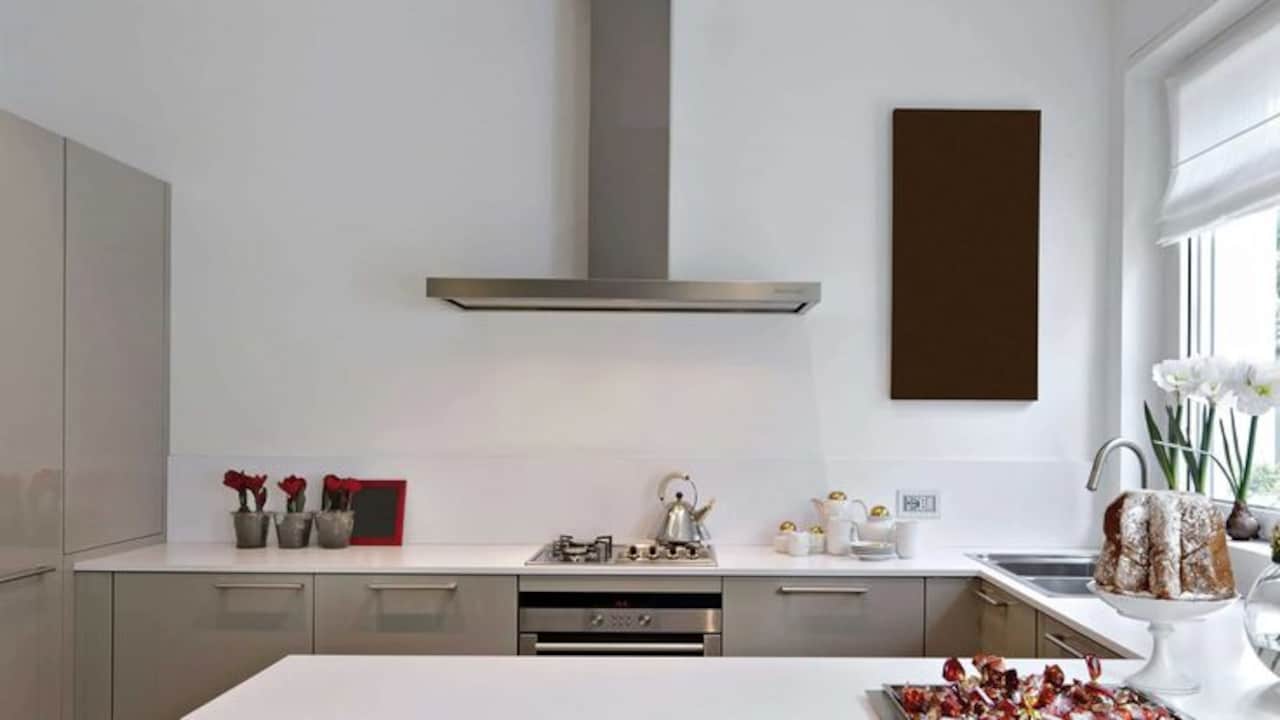
Greasy Kitchen Tiles? 10 Ways To Improve Chimney Performance; Photo Credit: Pexels
Use Appropriate Fan Speeds For Different Dishes
Many users leave the chimney at a single speed regardless of what they are cooking. While convenient, this approach often limits performance.
Different dishes produce different amounts of smoke and grease. Simmering dal requires far less extraction than frying pakoras or preparing a rich masala.
Adjusting fan speed according to cooking intensity improves efficiency. Higher settings quickly remove heavier smoke and grease, while lower speeds work well for lighter tasks.
Modern chimneys often include multiple speed settings for this reason. Using them correctly helps maintain cleaner air and reduces stress on the appliance.
It is similar to driving a vehicle. A quiet residential street requires a different pace than a busy highway. Matching performance to conditions delivers better results.
Developing the habit of adjusting fan speed can significantly improve grease control and contribute to a noticeably cleaner cooking environment.
Reduce Excessive Oil Splatter At The Source
Even the most powerful chimney cannot capture every droplet of oil released during cooking. Managing splatter at the source remains an important part of maintaining a cleaner kitchen.
Simple techniques can make a surprising difference. Using deeper pans, controlling cooking temperatures, and covering food when appropriate help reduce airborne grease.
When oil becomes excessively hot, splattering increases dramatically. Besides creating a mess, it releases more grease particles into the air. Lowering the flame slightly often reduces this effect without affecting the final dish.
Certain recipes naturally generate more splatter than others. Being mindful during preparation helps prevent grease from spreading beyond the cooking area.
A chimney performs best when it works alongside sensible cooking practices. Together, these measures create a cleaner environment and reduce the burden on the extraction system.
Schedule Professional Maintenance Regularly
Routine cleaning handles everyday dirt, but professional maintenance addresses issues that remain hidden from view.
Technicians can inspect motors, ducts, wiring, and internal components that homeowners rarely access. They can also identify early signs of wear before they develop into expensive repairs.
Many households postpone servicing until a problem becomes obvious. Unfortunately, reduced performance often develops gradually, making it difficult to notice until grease buildup becomes severe.
Professional maintenance ensures that every component operates efficiently. It also extends the lifespan of the appliance and helps maintain consistent suction performance.
Consider it similar to a health check-up. Regular examinations catch minor concerns before they become major issues. Kitchen chimneys benefit from the same preventative approach.
An annual service can help keep the appliance running efficiently and reduce the likelihood of greasy tiles becoming a recurring frustration.
Products Related To This Article
1. Elica 60cm 1500 m3/hr BLDC Filterless Autoclean Kitchen Chimney with 15 Years Motor
2. Glen Hood Aqua 60cm Pyramid Shape Kitchen Chimney
3. Faber 90 cm 1200 m³/hr Autoclean Curved Chimney
4. Livpure Fenix 60 cm | T-Shape Chimney | 1400 m³/hr Suction
5. Beyond Appliances Cube Pro Plug N Play Ductless Kitchen Chimney
6. KAFF K-Series KEC 60A Filterless Auto-Clean Kitchen Chimney
7. AMBBER Marvel Black Wall Mounted Kitchen Chimney 60 CM 1250 m³/hr
Greasy kitchen tiles are not always a sign of poor ventilation. More often, they indicate that the chimney is not operating at peak efficiency. Filters become clogged, ducts collect residue, installation issues develop, and everyday habits reduce performance without anyone noticing.
Fortunately, improving chimney performance rarely requires drastic measures. Regular cleaning, proper usage, timely maintenance, and attention to airflow can transform how effectively the appliance removes grease and smoke.
A cleaner kitchen does more than improve appearance. It creates a more pleasant cooking environment, reduces cleaning time, and helps preserve cabinets, walls, and appliances for years to come. With these ten practical strategies, keeping kitchen tiles free from stubborn grease becomes a far more achievable goal.
(Disclaimer: This article may include references to or features of products and services made available through affiliate marketing campaigns. NDTV Convergence Limited (“NDTV”) strives to maintain editorial independence while participating in such campaigns. NDTV does not assume responsibility for the performance or claims of any featured products or services.)