Deep Fryer Buying Guide: Oil Capacity, Temperature Control And Basket Size
Choose the right deep fryer by comparing oil capacity, temperature control, basket size, safety, cleaning ease and energy use for crisp, evenly cooked snacks at home.
How To Buy A Deep Fryer: Key Features, Capacity And Temperature Guide
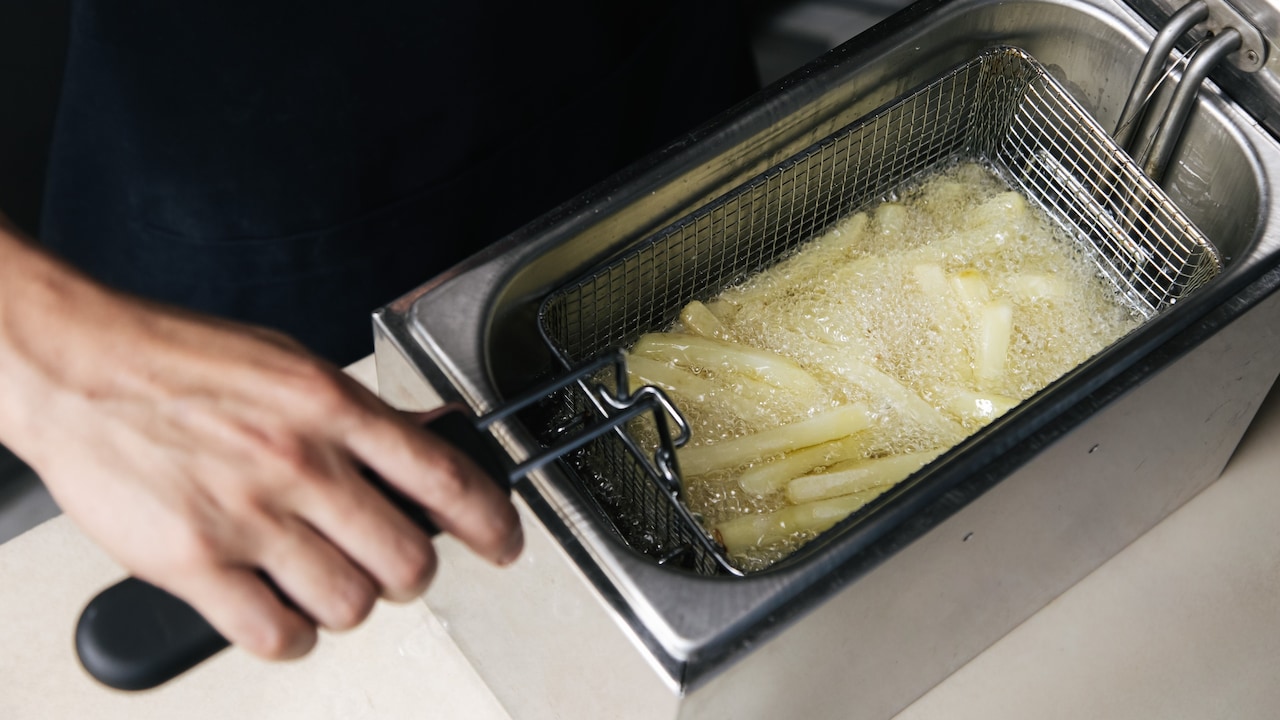
Deep-fried food has a special talent for gathering people around the kitchen. The sound of batter meeting hot oil can bring hungry family members into the room faster than any dinner announcement. From samosas and pakoras to chips, cutlets and festive sweets, a crisp exterior often turns an ordinary evening into a small celebration. Traditional kadai frying works well, but it demands constant attention. Oil temperature can rise too quickly, food may brown unevenly, and the cooking area often ends up wearing a fine layer of grease. A dedicated deep fryer offers better control, greater consistency and fewer surprises.
Deep Fryer Buying Guide: Oil Capacity, Temperature Control And Basket Size
Photo Credit: Pexels
The right model, however, depends on more than price. A compact fryer may suit a couple but struggle during family gatherings. A large fryer may look impressive yet consume too much oil for occasional use. Temperature settings, basket shape, cleaning features and power consumption also deserve careful thought. The following ten factors can make the buying decision simpler, clearer and far less greasy.
Key Factors To Consider Before Buying A Deep Fryer
1. Choose The Right Oil Capacity
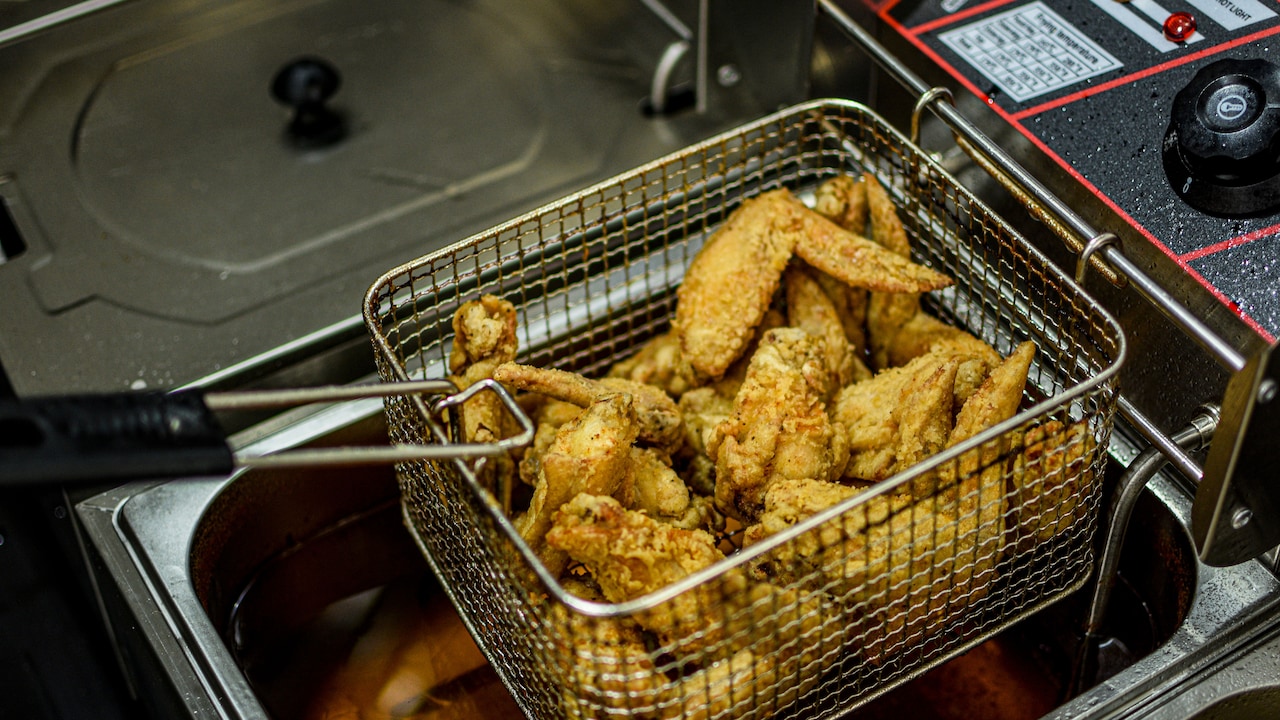
Oil capacity determines how much food the fryer can cook comfortably and how much oil it needs each time. Small fryers usually hold around one to two litres, making them suitable for couples, students or households that prepare fried snacks occasionally. Larger families may prefer models with three to five litres of capacity, especially when cooking several batches of chips, samosas or chicken pieces.
Avoid choosing a huge oil tank simply because it looks more powerful. A five-litre fryer can feel wasteful when used only for two bread rolls on a Sunday evening. More oil also means more time spent heating, cooling, filtering and storing it.
At the same time, an undersized fryer can create its own problems. Overloading the basket lowers the oil temperature and leaves food pale, soggy and disappointingly heavy. Nobody wants pakoras that behave like oily sponges.
Consider the usual serving size rather than the biggest party of the year. A moderate-capacity fryer often gives the best balance between convenience and oil use. For occasional celebrations, cooking an extra batch usually makes more sense than maintaining an oversized appliance throughout the year.
2. Match Basket Size To Household Needs
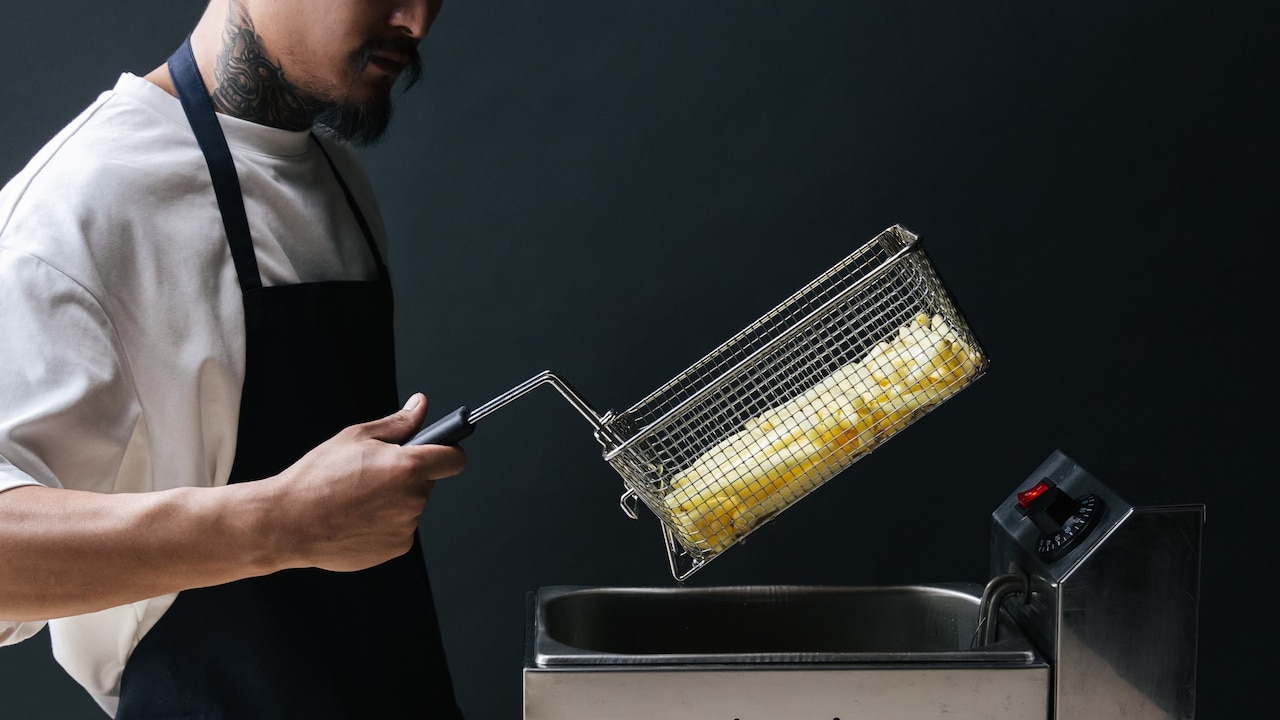
Basket size affects more than the number of pieces cooked in one go. It also controls how freely food moves through the oil. When the basket becomes crowded, pieces stick together, batter breaks away, and cooking turns uneven. A roomy basket allows hot oil to circulate properly, producing a crisper finish.
For a small household, a compact basket can handle chips, spring rolls, nuggets or a few samosas without taking over the worktop. Families that entertain often should look for a wider basket that can hold larger batches in a single layer. Width can matter more than depth, particularly for cutlets, fish fillets or breaded snacks that need space.
Some fryers include two smaller baskets instead of one large basket. This design helps when preparing different foods at the same time. Chips can cook in one basket while vegetable bites cook in the other, without turning dinner into a flavour-sharing experiment.
Check whether the basket handle feels sturdy and comfortable. A folding handle saves storage space, but it should lock securely during use. A shaky handle near hot oil can transform snack time into an unwanted balancing act.
3. Look For Accurate Temperature Control
Temperature control separates dependable frying from guesswork. Different foods need different heat levels. Delicate items may cook well at around 160°C, while chips and breaded snacks often need temperatures closer to 180°C or 190°C. A fryer with an adjustable thermostat makes these changes simple.
Models with only one fixed setting offer less flexibility. They may handle frozen snacks reasonably well but struggle with sweets, fresh batter or foods that brown quickly. Adjustable controls allow better texture and help prevent food from burning outside while remaining uncooked inside.
A clear temperature dial works well for straightforward cooking. Digital controls offer greater precision and may appeal to households that follow recipes closely. However, a digital display does not automatically guarantee better performance. The fryer must also maintain the selected temperature once food enters the oil.
Cold ingredients cause an immediate temperature drop. A good thermostat responds quickly and restores heat without scorching the oil. Look for models known for stable heating rather than decorative control panels.
An indicator light also helps. It shows when the oil has reached the chosen temperature, reducing impatience and preventing the classic mistake of adding food too early.
4. Consider Heating Power And Recovery Time
A fryer's wattage influences how quickly it heats the oil and how effectively it recovers after food enters the basket. Higher-powered models often reach the required temperature faster, which helps during busy evenings or family gatherings. They also reduce the waiting time between batches.
For compact fryers, moderate power may prove sufficient. Larger oil tanks need stronger heating elements to maintain consistent temperatures. A low-powered model with a large capacity can test anyone's patience, especially when the second batch waits beside the counter while the first batch disappears from the serving plate.
Powerful heating also supports crispness. When the oil temperature recovers quickly, the food forms a firm outer layer and absorbs less oil. Slow recovery can produce greasy results, even when the recipe and coating seem perfect.
Yet wattage should not become the only deciding factor. A highly powerful fryer may draw more electricity and require a suitable socket. Check the appliance specifications and avoid using loose extensions or overloaded plug points.
For most households, the ideal fryer combines sensible power with efficient insulation and accurate temperature control. Speed matters, but stable heat matters more. A fryer that heats quickly yet fluctuates wildly can still ruin a carefully prepared batch.
5. Check The Fryer's Safety Features
Hot oil deserves respect. A deep fryer should reduce risk through thoughtful design rather than relying entirely on careful hands. Start with a secure lid that limits splashes during cooking. A viewing window can help monitor food without opening the lid repeatedly, though steam may blur it after a few minutes.
Cool-touch handles protect fingers when moving or opening the appliance. Non-slip feet keep the fryer steady on smooth kitchen counters. A basket-lifting mechanism also helps users raise food while the lid remains closed, allowing excess oil to drain safely.
Automatic shut-off offers valuable protection if the fryer overheats. Some models also include a breakaway power cord that detaches when pulled, preventing the entire appliance from tipping. This feature can prove useful in homes where children, pets or hurried adults move through the kitchen.
The outer body should remain reasonably cool, especially around the handles and controls. Metal surfaces may become hot, so check the design carefully before buying.
Safety also depends on placement. The fryer needs a stable, dry surface away from the sink, open flames and crowded edges. A well-designed appliance supports good habits, but even the cleverest fryer cannot negotiate with a wet spoon.
Also Read: How To Keep Paneer Soft In An Air Fryer: Temperature And Cooking Tips
6. Choose Easy-To-Clean Components
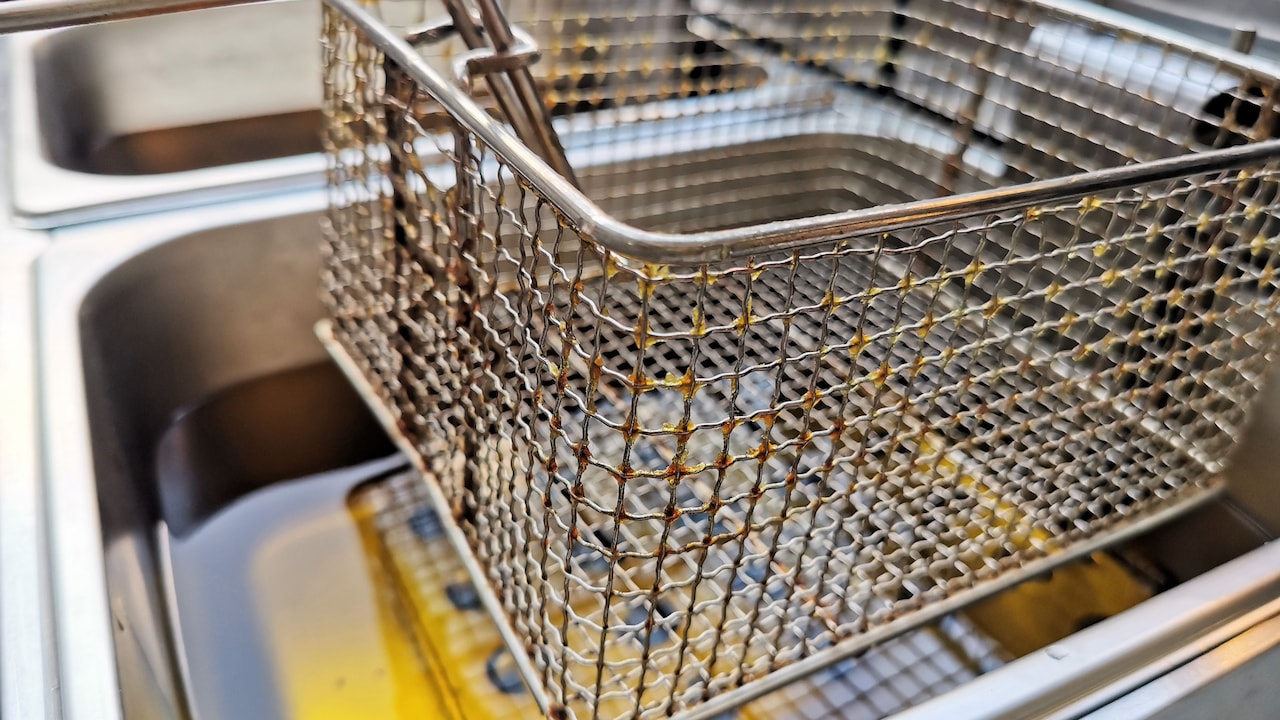
Cleaning often decides whether a fryer becomes a trusted kitchen companion or an appliance that quietly gathers dust. Oil clings to corners, baskets collect crumbs, and batter finds gaps that nobody noticed during cooking. Removable parts can make the difference between a quick clean-up and a long evening of scrubbing.
Look for a removable oil container, detachable lid and dishwasher-safe basket. These features allow better access and prevent stale grease from building up. A fixed oil tank can work in compact models, but emptying and wiping it requires greater care.
An enamel-coated or non-stick inner pot usually cleans more easily than bare metal. However, harsh scrubbers can damage the coating, so gentle sponges work best. Some fryers include an oil drain spout, which makes transferring cooled oil into a storage container less messy.
The heating element may also lift out in certain models. This design exposes the base for thorough cleaning and helps remove crumbs before they burn during the next session.
Check the instructions before placing parts in a dishwasher. Handles, filters and electrical components may need hand washing. Easy cleaning sounds like a minor convenience, but it often determines how frequently the fryer gets used.
Deep Fryer Buying Guide: Oil Capacity, Temperature Control And Basket Size
Photo Credit: Pexels
7. Pay Attention To Oil Filtration
Good oil can often be reused, provided it has not overheated or collected strong flavours. A fryer with a filtration system helps remove crumbs and small food particles that would otherwise burn during the next cooking session. Cleaner oil lasts longer and produces fresher-tasting food.
Some models include a mesh filter or built-in drainage system. More advanced fryers may store filtered oil in a separate container beneath the cooking chamber. This feature reduces spills and saves the trouble of pouring oil through a strainer while hoping the storage bottle stays upright.
Oil filtration becomes especially useful in households that fry similar foods regularly. Oil used for chips, pakoras or plain savoury snacks may remain suitable for another session. Oil used for fish or heavily spiced food usually carries stronger flavours, so reusing it for sweets could create a memorable dessert for all the wrong reasons.
Always allow oil to cool before filtering or transferring it. Store it in a clean, sealed container away from heat and light. Discard oil that smells unpleasant, looks unusually dark, foams excessively or produces smoke at normal frying temperatures.
A filtration feature may raise the purchase price, but it can reduce waste over time.
8. Examine The Lid And Odour Filter
Deep frying creates tempting aromas at first, but the charm may fade when the curtains still smell like yesterday's snacks. A well-fitted lid and effective odour filter can limit grease particles and cooking smells, especially in compact kitchens.
Many fryers use replaceable charcoal filters or washable mesh filters. Charcoal filters absorb odours more effectively, though they need replacement after regular use. Mesh filters mainly trap grease and require frequent cleaning. Check the availability and cost of replacement filters before choosing a model. A rare filter that costs ₹1,500 can turn a simple appliance into a long-term treasure hunt.
A transparent viewing window sounds useful because it allows food to remain visible while the lid stays closed. In practice, steam and oil mist can cloud the surface. Even so, the window still helps during the early stages of cooking and reduces unnecessary lid opening.
The lid should open smoothly without dripping condensation towards the controls. A detachable design makes cleaning easier, while a secure hinge adds stability.
No household fryer can remove every cooking smell, so ventilation still matters. Use the appliance near an exhaust fan or open window, and clean the filter regularly to prevent old grease from announcing itself before the next batch begins.
9. Review Size, Storage And Kitchen Space
A fryer may look compact in an online photograph yet occupy a surprising amount of counter space once the basket handle, lid and power cord enter the picture. Measure the intended area before buying, including enough room above the appliance for opening the lid safely.
Small kitchens benefit from rectangular fryers with folding handles and cord storage. Round models may suit certain corners, but they can waste space inside cabinets. Check the appliance dimensions rather than relying on capacity alone. Two fryers with the same oil volume may have very different footprints.
Weight also matters. A lightweight model stores easily, but a very light body may feel unstable. Heavier fryers offer greater steadiness yet become inconvenient when moved frequently. Consider whether the appliance will remain on the worktop or live inside a cabinet between uses.
Storage should also account for accessories. Extra baskets, oil containers and detachable handles need their own space. A neat design helps keep everything together and prevents the basket from becoming an unexpected resident of the dish rack.
Choose a fryer that fits normal kitchen life rather than an imaginary showroom. An appliance that requires moving the mixer, toaster and spice box every time rarely enjoys regular use.
10. Balance Price, Warranty And Long-Term Value
Deep fryers cover a wide price range, from basic compact models to larger digital appliances with filtration systems and multiple baskets. A low price can attract attention, but value depends on performance, durability and ease of use.
Before paying extra for touch controls or preset programmes, consider whether those features will genuinely help. A reliable thermostat, sturdy basket and removable oil tank may matter more than a screen filled with icons. Decorative technology loses its sparkle when cleaning becomes difficult, or replacement parts remain unavailable.
Check the warranty period and the service network. Heating elements, thermostats and lid mechanisms can develop faults, especially with frequent use. A slightly more expensive model from a dependable brand may save repair costs and frustration later.
Energy use and oil consumption also affect long-term value. A well-insulated fryer heats efficiently, while an appropriate capacity prevents unnecessary oil use. Spending ₹6,000 on a model that suits weekly cooking may offer better value than spending ₹3,000 on one that produces uneven results and soon gets abandoned.
Read user reviews with a practical eye. Focus on repeated comments about temperature stability, cleaning, basket quality and after-sales support. One dramatic complaint may mean little, but the same issue mentioned twenty times deserves attention.
Deep Fryer Buying Guide: Oil Capacity, Temperature Control And Basket Size
Photo Credit: Pexels
Products Related To This Article
1. IBELL DF610M Electric Deep Fryer 2500W with 6 Litre Capacity
2. 6 Litre Electric Deep Fryer Machine with Copper Heater & Temperature Control
3. AMERICAN MICRONIC® 3 L Electric Deep Fryer | Timer & Adjustable Thermostat
4. The Most Compact & Convenient Stainless Deep Fryer For Your Comfort Food
5. 6 Litre Electric Deep Fryer Machine with Copper Heater & Temperature Control
Choosing a deep fryer becomes easier once capacity, temperature control and basket size take priority over appearance. The best appliance should match the household's usual portions, maintain steady heat and provide enough room for food to cook without crowding.
Safety features, removable parts, odour filters and oil drainage systems can make regular use more comfortable. Kitchen space and storage also matter, because even an excellent fryer offers little value when it feels too awkward to bring out.
There is no single model that suits every home. A compact fryer may serve a couple perfectly, while a larger household may need greater oil capacity and a wider basket. The smartest choice supports everyday cooking without wasting oil, electricity or precious counter space.
A thoughtful purchase can turn frying from a smoky guessing game into a controlled routine. The result should be crisp food, manageable cleaning and fewer anxious moments beside a bubbling kadai. That sounds like a worthwhile recipe for happier snack time.
(Disclaimer: This article may include references to or features of products and services made available through affiliate marketing campaigns. NDTV Convergence Limited (“NDTV”) strives to maintain editorial independence while participating in such campaigns. NDTV does not assume responsibility for the performance or claims of any featured products or services.)