Mini Air Coolers Vs Table Fans: Which Is Better For Bedroom Cooling In Summer?
Mini air coolers promise better cooling than table fans, but do they really deliver in bedrooms? This is a practical look at performance, cost and comfort to help decide what works best for summer nights.
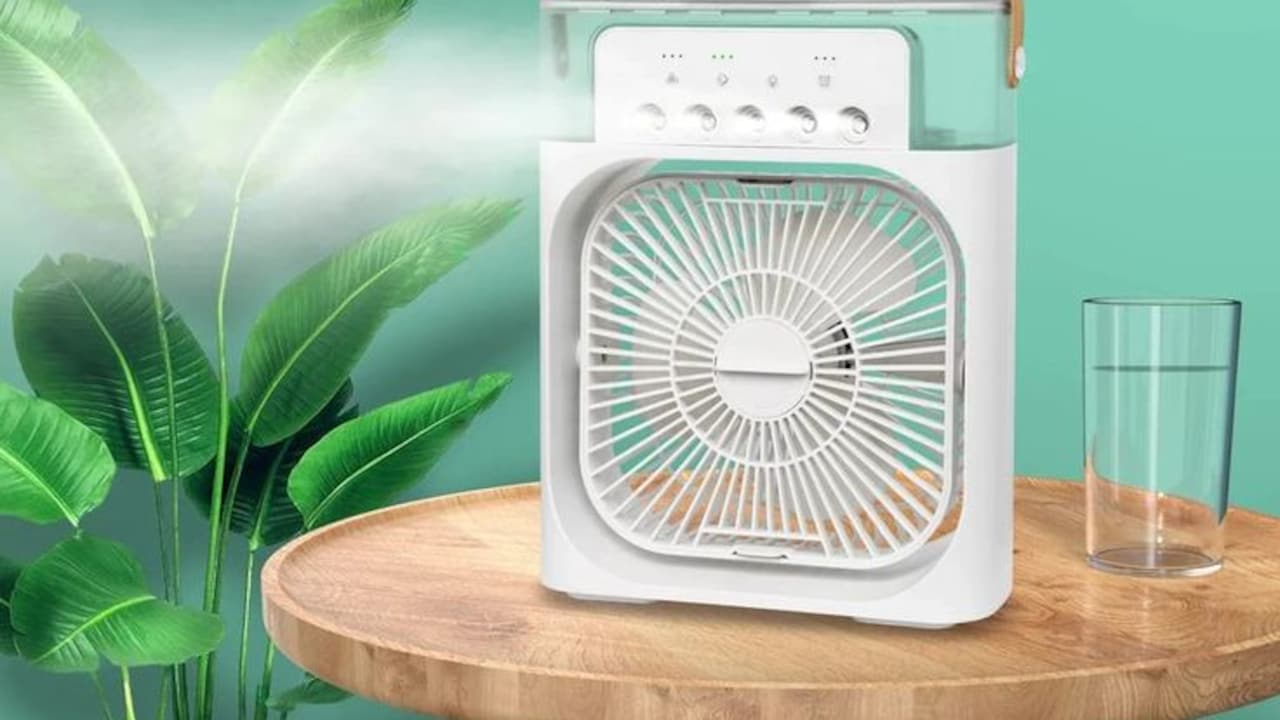
Mini Air Coolers For Bedrooms: Do They Really Beat Table Fans?
Summer has a way of creeping into bedrooms long before it announces itself outdoors. One night the fan feels perfectly fine, and the next, it seems to push around warm air like a lazy breeze that forgot its purpose. That's usually when the thought arises, maybe it's time for something better.
Mini air coolers have quietly gained popularity in recent years. Compact, affordable, and marketed as energy-efficient alternatives to air conditioners, they seem almost too good to be true. On the other hand, table fans have been loyal companions for decades, humming through power cuts, heatwaves, and everything in between.
So, do mini air coolers actually beat table fans for bedroom comfort? The answer is not as simple as choosing one over the other. It depends on space, weather, habits, and even patience. Let's explore this debate through real-life scenarios and practical insights.
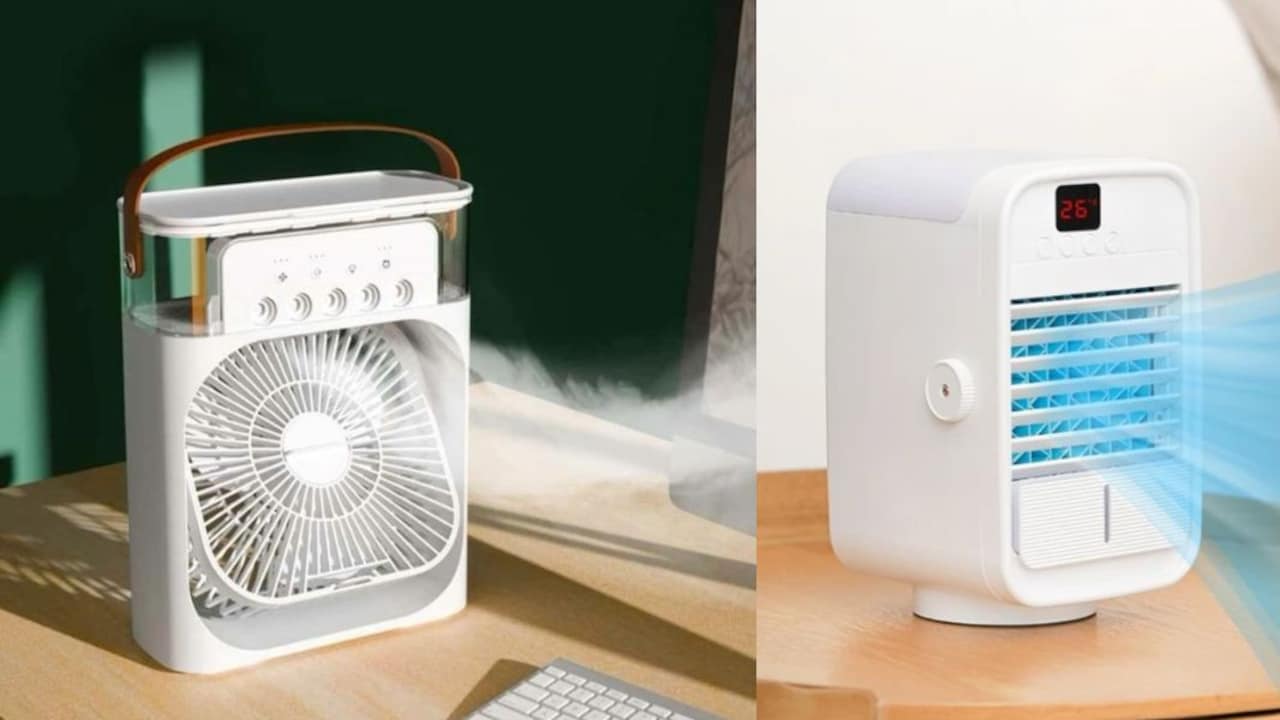
Mini Air Coolers For Bedrooms: Do They Really Beat Table Fans?; Photo Credit: Amazon
Key Factors To Consider Before Choosing Between Mini Air Coolers And Table Fans
Cooling Efficiency: A Noticeable Difference Or Just Marketing Hype?
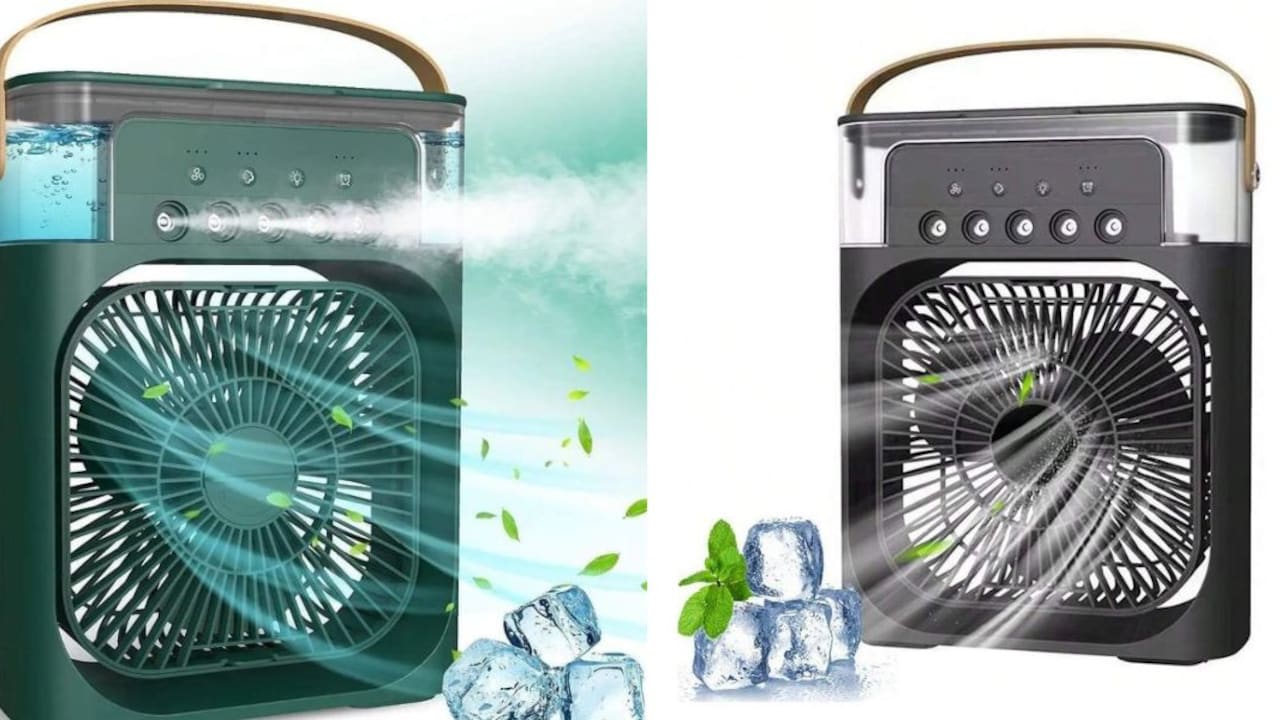
The biggest promise of a mini air cooler lies in its ability to cool air rather than simply circulate it. Unlike table fans that push around existing warm air, coolers use water evaporation to reduce the temperature of incoming air. In a closed bedroom, this difference can feel quite significant, especially during peak summer nights.
However, expectations need to stay realistic. A mini cooler does not function like an air conditioner. It will not turn a stuffy room into a chilly retreat within minutes. Instead, it creates a gradual drop in temperature, often enough to make sleep comfortable.
Table fans, by comparison, provide instant airflow. That immediate gust feels refreshing after a long day, but it doesn't reduce the actual room temperature. On particularly humid nights, that airflow can even feel sticky and ineffective.
In dry heat, mini coolers shine. In humid weather, their performance drops. So while they can outperform fans in the right conditions, they do not always deliver a dramatic upgrade.
Space And Placement: Bedrooms Are Not All The Same
Not every bedroom has the luxury of space. Many rooms accommodate beds, wardrobes, and a small walking area, leaving little room for bulky appliances. This is where table fans enjoy a clear advantage. They fit neatly on a side table, require minimal setup, and can be moved effortlessly.
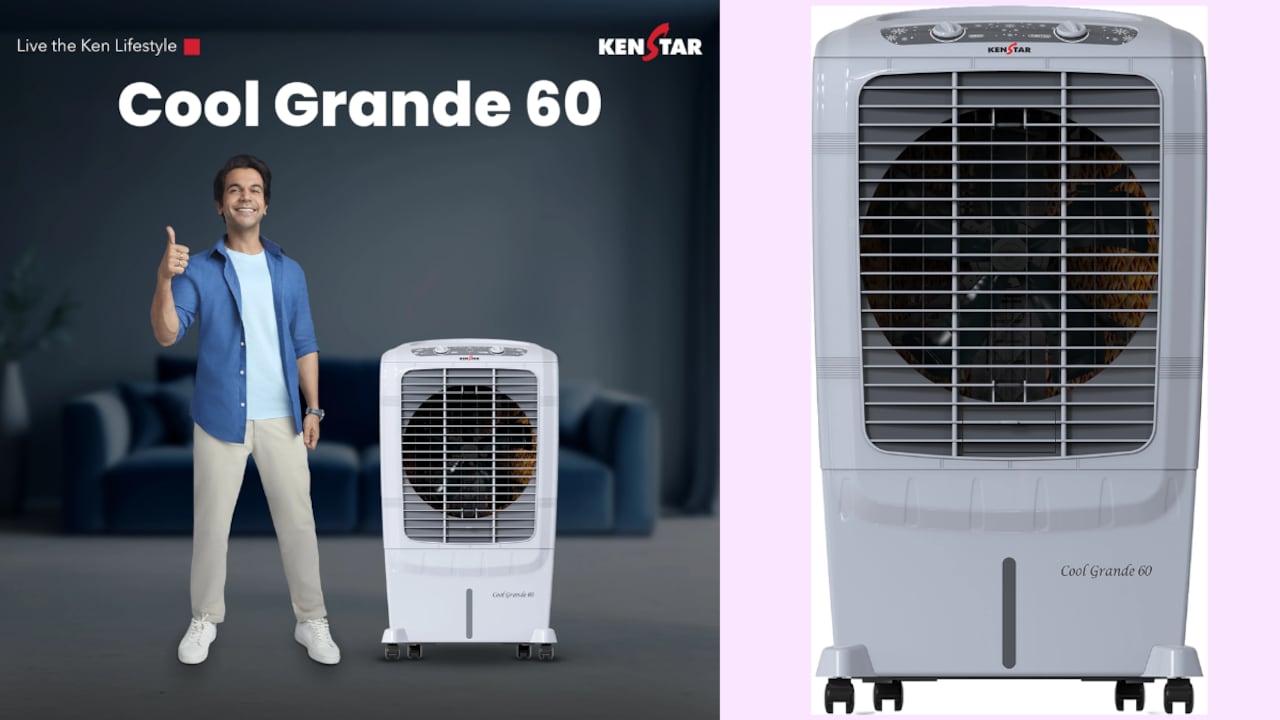
Mini air coolers, though labelled “compact,” still demand a bit more room. They need proper placement near a window or ventilation point to function effectively. Without airflow, they tend to circulate damp air, which can feel uncomfortable over time.
There's also the matter of direction. A table fan can be angled precisely toward the bed. A cooler, on the other hand, works best when positioned to circulate air across the room rather than directly at one spot.
In smaller bedrooms, fans often win for convenience. In slightly larger spaces with decent ventilation, mini coolers begin to show their strengths.
Also Read: 10 Best Air Coolers Under ₹15,000: Top Rated Picks
Noise Levels: The Silent Factor That Matters At Night
Sleep and noise rarely get along. A steady hum might seem harmless during the day, but at night, even a small disturbance can disrupt rest.
Table fans are generally quieter. Their sound becomes almost rhythmic, something many people grow accustomed to over time. Some even find it soothing.
Mini air coolers, however, can be a mixed experience. The water pump, fan motor, and airflow create a layered sound that can feel louder than expected. Cheaper models, especially, tend to produce uneven noise that may distract light sleepers.
That said, newer models have improved in this department. Still, they rarely match the simplicity and quiet operation of a table fan.
For those sensitive to sound, the fan remains a reliable choice. For others who prioritise cooling over silence, the cooler might still be worth considering.
Power Consumption: Savings That Add Up Over Time
Electricity bills often influence appliance choices more than anything else. Table fans are known for their low power consumption, making them an economical option for everyday use.
Mini air coolers consume more electricity than fans but far less than air conditioners. They strike a balance between comfort and cost. Over a full summer, the difference in electricity usage becomes noticeable, but not alarming.
For households that run cooling devices through the night, the cost difference between a fan and a mini cooler might amount to a few hundred rupees each month. For some, that extra cost feels justified by improved comfort.
Fans remain the most energy-efficient option. Coolers offer a middle ground, slightly higher cost, but potentially better sleep quality.
Mini Air Coolers For Bedrooms: Do They Really Beat Table Fans?; Photo Credit: Amazon
Maintenance: Effort Versus Ease
A table fan demands almost no maintenance. A quick dusting once in a while keeps it running smoothly. That simplicity adds to its charm.
Mini air coolers require more attention. Water tanks need regular refilling, especially during hot nights when evaporation speeds up. Stagnant water can lead to unpleasant odours if not cleaned frequently.
Cooling pads also need occasional cleaning or replacement. Neglecting maintenance can reduce efficiency and even affect air quality.
For those who prefer a fuss-free setup, fans are clearly easier. Coolers, while manageable, require a bit of discipline and routine.
Portability: Moving Comfort Around The House
Something is reassuring about a device that can follow from room to room. Table fans excel in portability. Lightweight and easy to carry, they can shift from the bedroom to the living area without any effort.
Mini air coolers, despite having wheels, feel less convenient to move. The water inside adds weight, and spilling becomes a concern. Transporting them across floors or tight spaces can feel cumbersome.
In homes where cooling needs change throughout the day, fans offer unmatched flexibility. Coolers work better as semi-permanent fixtures in one room.
Climate Compatibility: Not All Summers Feel The Same
Weather plays a huge role in determining which device performs better. In dry regions, mini air coolers work brilliantly. The evaporation process cools the air effectively, creating a noticeable drop in temperature.
In humid conditions, however, coolers struggle. The air already holds moisture, leaving little room for evaporation to occur. This results in minimal cooling and a slightly clammy feel.
Table fans, while not cooling devices, remain consistent regardless of humidity. They may not reduce temperature, but they continue to provide airflow that helps sweat evaporate from the skin.
In short, coolers excel in dry heat, while fans offer steady performance across all climates.
Mini Air Coolers For Bedrooms: Do They Really Beat Table Fans?; Photo Credit: Amazon
Cost Factor: Upfront Investment Versus Long-Term Value
A table fan is one of the most affordable cooling solutions available. With prices starting around ₹1,000, it fits easily into most budgets.
Mini air coolers require a higher upfront investment, typically ranging from ₹3,000 to ₹8,000, depending on features and brand. That difference can influence buying decisions, especially for households balancing multiple expenses.
However, value extends beyond the initial price. If a cooler improves sleep quality during intense heat, the investment might feel worthwhile.
Fans remain budget-friendly and accessible. Coolers demand a slightly higher commitment but offer additional comfort in return.
Health And Comfort: More Than Just Temperature
Cooling devices affect more than just how a room feels; they influence overall comfort and well-being. Table fans, while effective in airflow, can sometimes cause dryness, especially when used at high speeds for long hours.
Mini air coolers add moisture to the air, which can feel refreshing during dry heat. This added humidity can prevent dryness in the skin and throat.
However, excessive moisture in already humid conditions can lead to discomfort or even mild breathing issues for some individuals.
Choosing between the two often depends on personal comfort preferences and local weather patterns. What feels soothing for one person may feel uncomfortable for another.
Aesthetic And Modern Appeal: Does Style Matter?
Appliances today are not just functional; they also contribute to the overall look of a room. Table fans have evolved in design, but they still carry a utilitarian appearance.
Mini air coolers often feature sleeker designs, digital controls, and modern finishes. They blend more easily with contemporary interiors.
While aesthetics may not be the top priority, it does influence perception. A well-designed cooler can feel like an upgrade, not just in function but also in style.
That said, practicality often outweighs appearance when it comes to daily use.
Products Related To This Article
1. Crevice Nail Drill MiNi Cooler for Room Cooling MiNi Cooler AiR Cooler Portable
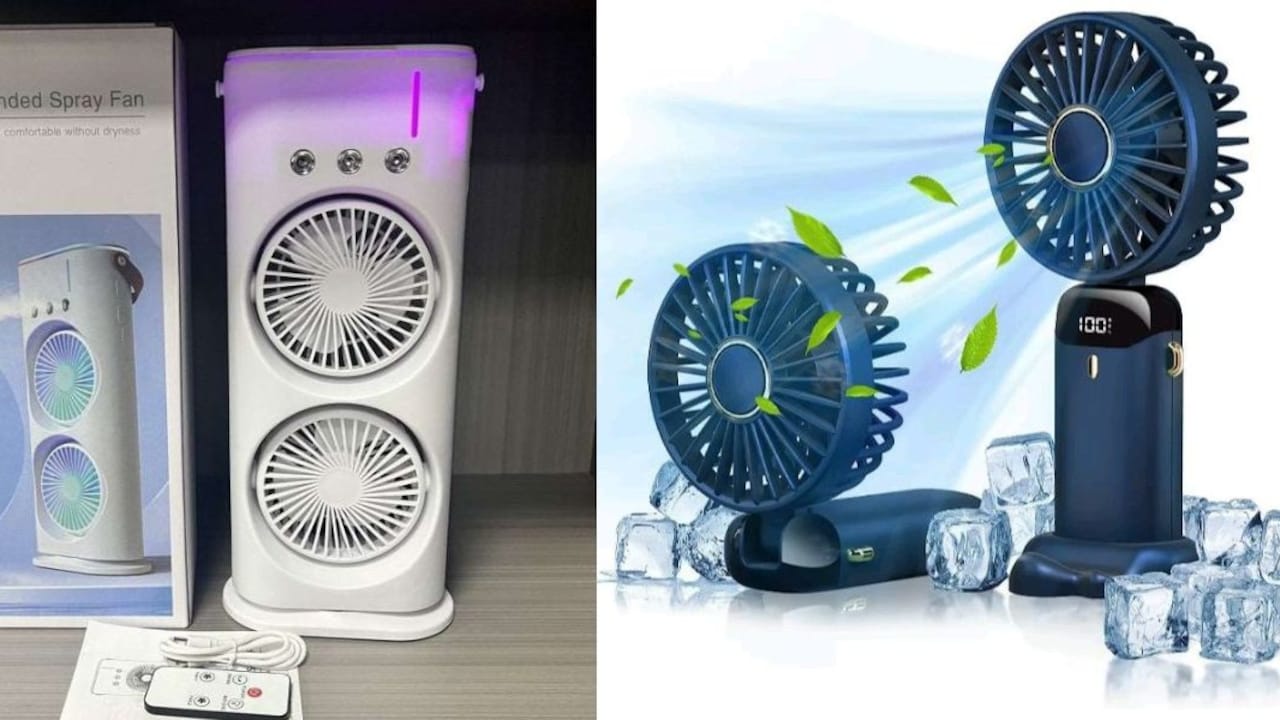
2. PANCA Portable Double Ended Spray Fan with Misting
3. Etekcity nail drill MiNi CoOlEr FoR RoOm CoOlInG MiNi CoOlEr AiR CoOlEr PoRtAbLe
4. MiNi Ac FoR RoOm CoOlInG MiNi Ac AiR CoOlEr PoRtAbLe AiR CoNdItIoNeRs FoR HoMe OfFiCe
5. Symphony Diet 12T Tower Air Cooler
The debate between mini air coolers and table fans does not have a clear winner. Each serves a different purpose, shaped by space, climate, and personal preference.
Table fans offer simplicity, affordability, and reliability. They suit small rooms, tight budgets, and those who prefer minimal maintenance.
Mini air coolers bring improved cooling, added comfort, and a touch of modern convenience. They work best in well-ventilated spaces and dry conditions.
For many households, the ideal solution may not be choosing one over the other but using both strategically. A fan for quick airflow, a cooler for sustained comfort, together, they can create a balanced sleeping environment.
In the end, the goal remains the same: a good night's sleep, uninterrupted by heat. The right choice depends less on trends and more on what feels right when the lights go off and the night settles in.
(Disclaimer: This article may include references to or features of products and services made available through affiliate marketing campaigns. NDTV Convergence Limited (“NDTV”) strives to maintain editorial independence while participating in such campaigns. NDTV does not assume responsibility for the performance or claims of any featured products or services.)