Mixer Grinder Vs Wet Grinder: Which Suits Onam Sadya Cooking
Confused between a mixer grinder and a wet grinder for Onam Sadya prep? Here's how each performs with idli batter, chutneys, avial and payasam.
Mixer Grinder Vs Wet Grinder: Which Suits Onam Sadya Cooking
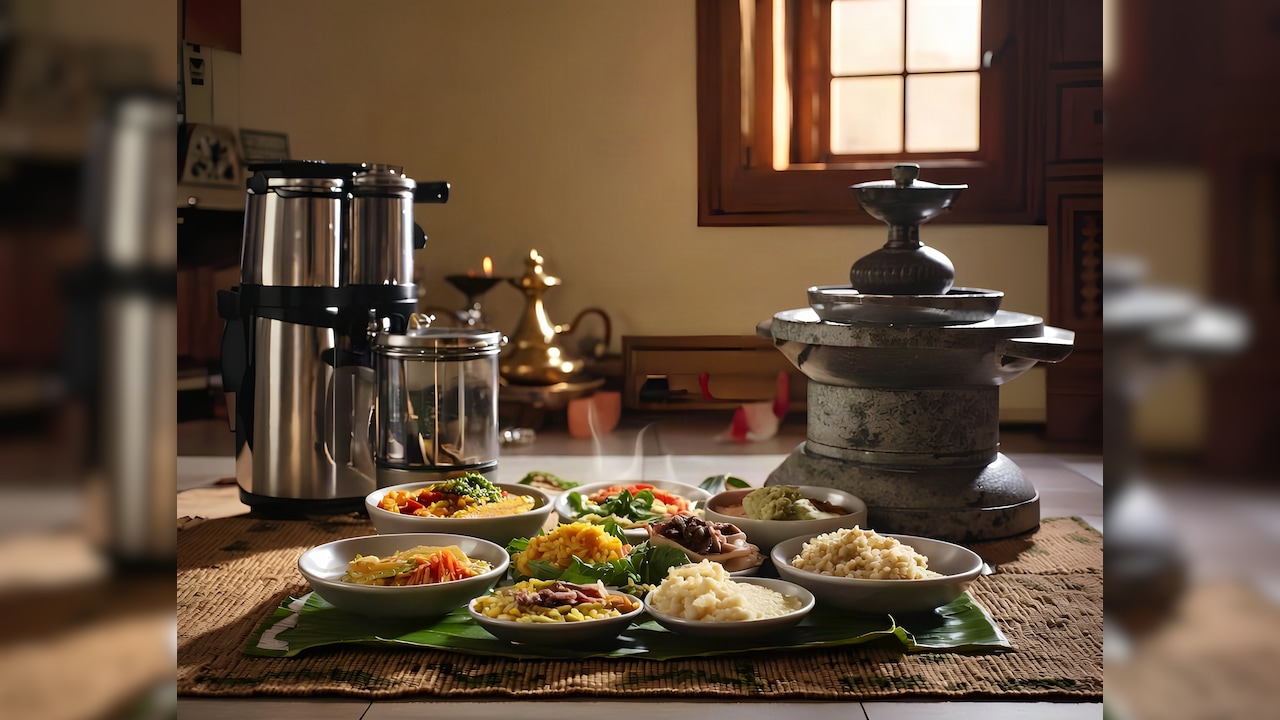
Onam mornings usually start well before sunrise, with someone already awake and grinding something for the sadya. Idli batter needs to ferment, the chutneys need their texture just right, and there's rarely enough time to sort out kitchen gadgets on the day itself. Every year around this time, the same question comes up in most homes. Should you stick to the old stone wet grinder your mother swears by, or will a mixer grinder do the job just as well this time?
Mixer Grinder Vs Wet Grinder: Which Suits Onam Sadya Cooking
Photo Credit: iStock
It's a fair question, and both machines have their place in a sadya kitchen. This article breaks down where each one genuinely helps and where it falls short, so you're not stuck mid-prep wondering why your batter isn't rising or why your chutney tastes off.
Also Read: From Pookalam To Nilavilakku: List Of Best Onam Decoration Items You Can Buy Online
What Really Separates A Wet Grinder From A Mixer Grinder
On paper, both machines grind. In practice, they do it in completely different ways, and that difference shows up in your food.
1. The Stone Vs Blade Difference
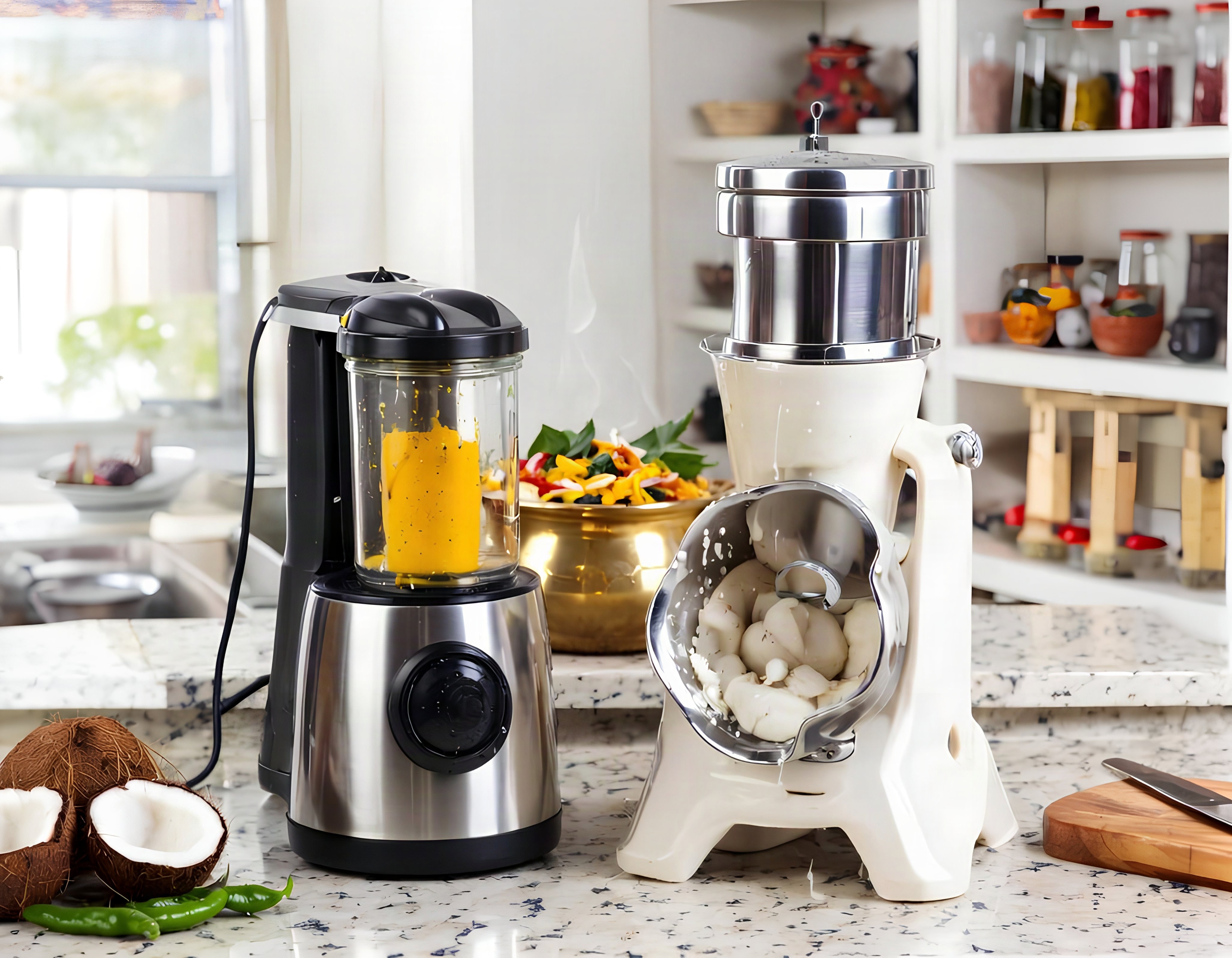
A wet grinder uses heavy granite stones that roll and crush ingredients slowly. A mixer grinder, on the other hand, relies on fast-spinning steel blades. This one difference explains almost everything else about how the two machines behave in the kitchen.
2. Speed And Heat Generation
Mixer grinders work fast, sometimes too fast. The blades spin at high speed, and this generates heat, which isn't ideal when you're grinding rice or urad dal for fermentation. Wet grinders move more slowly and stay cooler through the process, and that's exactly why they're still preferred for batter.
Why Wet Grinders Still Rule Kitchens During Onam
There's a reason grandmothers refuse to give up their wet grinders even after owning three mixer grinders. It's not sentiment alone; there's real science behind it.
1. Getting That Fluffy Idiyappam And Idli Batter Right
Batter made in a wet grinder incorporates more air as it's ground, and this air is what gives Idlis and idiyappams their soft, fluffy texture. The slow grinding also keeps the rice and dal from heating up, which helps the natural fermentation process along nicely. If your Idlis have been coming out dense lately, this could genuinely be the reason.
2. Grinding Traditional Chutneys The Old Way
Coconut chutney, especially the kind served with sadya breakfast items, tastes noticeably different when ground on a stone. The texture stays coarser and more rustic, closer to what you'd get at a traditional home than what a blender jar produces.
Where A Mixer Grinder Genuinely Wins
None of this means the wet grinder wins every round. For a lot of sadya prep, a mixer grinder is simply the more practical choice.
1. Quick Payasam And Avial Pastes
Payasam recipes that call for a smooth cashew or coconut paste come together much faster in a mixer grinder. The same goes for the coconut-yoghurt paste used in avial, where you want a fine, even consistency rather than a coarse one. Trying to do this on a wet grinder would take far longer and isn't necessary.
2. Space And Budget For Small Kitchens
Wet grinders are bulky, heavy, and not cheap either, often costing upwards of ₹6,000 to ₹8,000 for a decent table-top model. If you live in a compact flat or you're cooking sadya just once a year, a mixer grinder priced around ₹2,500 to ₹4,000 makes a lot more practical sense.
Onam Sadya Dishes And Which Grinder To Reach For
Rather than picking one machine and sticking to it for everything, most kitchens actually use both, depending on the dish.
1. For The Batter-Heavy Dishes
Idli, dosa, and idiyappam batters genuinely benefit from a wet grinder if you have one available. The fermentation quality and final texture are challenging to replicate otherwise, especially if you're making batter for a large family gathering.
2. For The Masala And Paste-Heavy Dishes
Sambar podi, rasam powder, thoran masala, and the coconut paste for kootu curry all work fine, arguably better, in a mixer grinder. These don't rely on fermentation, so the speed of a mixer grinder is an advantage rather than a drawback here.
Should You Buy Both For Your Onam Kitchen
If your budget and kitchen space permit, having both machines eliminates any uncertainty. Use the wet grinder for anything involving fermentation and the mixer grinder for everything else, masalas, pastes, chutneys made in a hurry, and quick payasam bases. Most households that cook sadya every year eventually land on this exact combination, not because one machine is better than the other, but because they're built for different jobs.
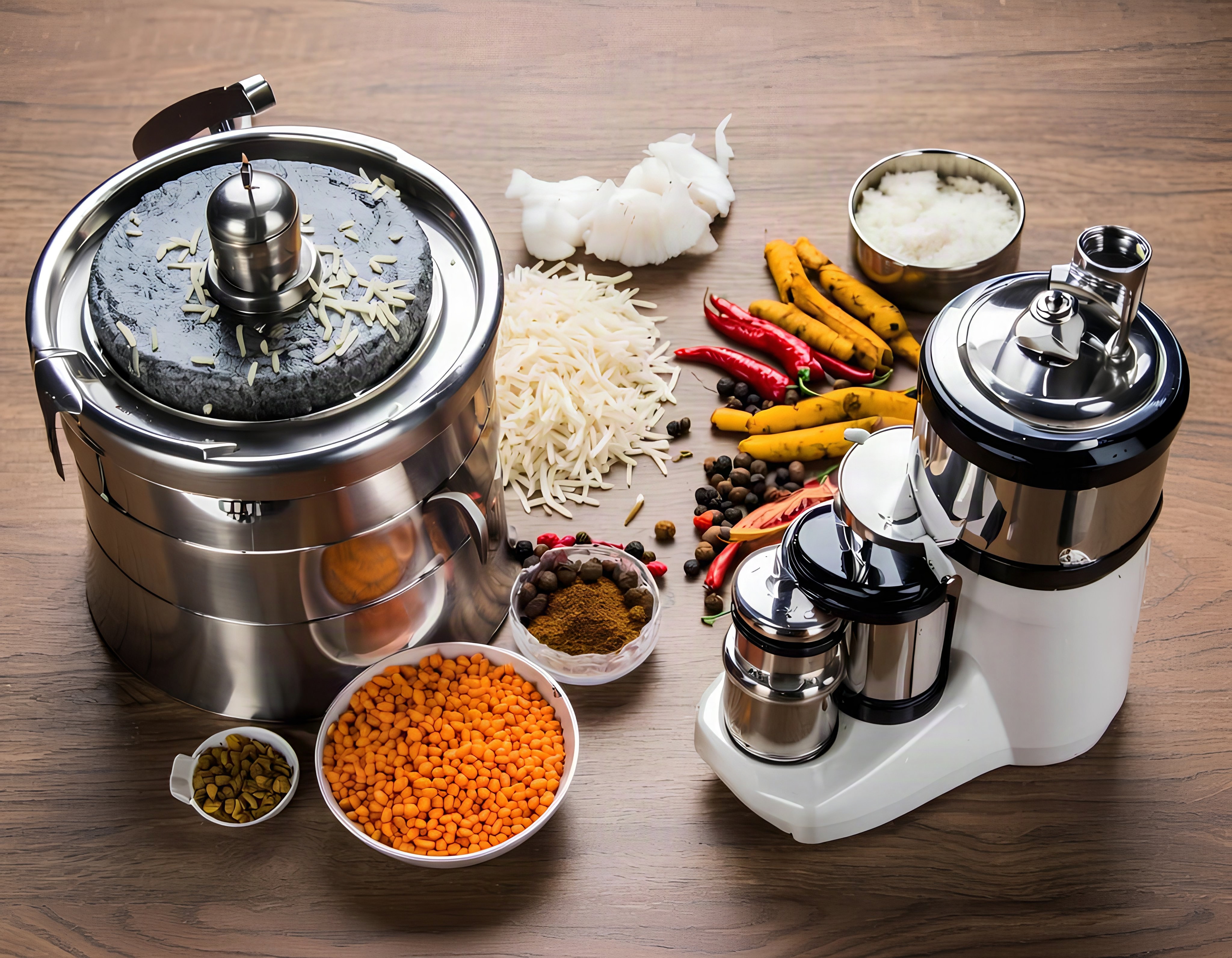
Mixer Grinder Vs Wet Grinder: Which Suits Onam Sadya Cooking
Photo Credit: iStock
Some Wet Grinder And Mixer Grinder Options You May Like
1. Crompton Ameo 500W Mixer Grinder with Powertron Motor & Motor Vent-X Technology
2. ACTIVA Megamix 1000W Mixer Grinder
3. Bajaj Ninja Series Grace 500W Mixer Grinder
4. Philips HL7756 Mixer Grinder
5. YJ666 150W Wet Grinder
6. Butterfly Smart 2 Litres Table-Top Wet Grinder
7. Sowrna Lakshmi Wet Grinder
8. Havells Alai 2 L Table-Top Wet Grinder
FAQs
1. Can I make idli batter in a mixer grinder if I don't own a wet grinder?
Of course you can, and many people use their mixers for idli batter preparation. The batter may not be very aerated, but you can add some more fermentation to make up for this drawback.
2. How long does a wet grinder usually last with regular use?
If well-maintained, then your tabletop wet grinder will work properly for ten to fifteen years, maybe even longer, since stones wear much slower than blades.
3. Is it worth buying a wet grinder just for Onam if I don't usually cook that type of food?
No. A powerful mixer grinder will cope well with your batter needs, so the wet grinder is a better choice if you use idlis or dosas on a regular basis.
4. Do wet grinders need any special maintenance?
No, it doesn't, but you should check the stones from time to time and wash the drum after using it to prevent odour from accumulating.
5. Which one is better for grinding coconut for thoran or kootu curry?
A mixer grinder is the better pick here, since these preparations don't need fermentation, and the speed actually works in your favour.
(Disclaimer: This article may include references to or features of products and services made available through affiliate marketing campaigns. NDTV Convergence Limited (“NDTV”) strives to maintain editorial independence while participating in such campaigns. NDTV does not assume responsibility for the performance or claims of any featured products or services.)