How Mosquito Control Gadgets Are Reflecting The New Reality Of Summers
Rising temperatures and longer summers have made mosquitoes harder to escape. From electric rackets to smart traps, modern mosquito control gadgets reveal how households are adapting to harsher, longer summer seasons.
How Mosquito Control Gadgets Are Reflecting The New Reality Of Summers
Summer once meant mangoes ripening on kitchen counters, children racing through quiet lanes at dusk, and ceiling fans whirring through long evenings. Today, another character dominates those evenings: the mosquito. It's familiar whine now arrives earlier in the season, lingers longer, and seems far more relentless. Changing weather patterns play a large role in this shift. Hotter days, sudden bursts of rain, and standing water in expanding neighbourhoods create ideal breeding conditions. The result appears in homes across cities and towns where families now prepare for mosquito season almost the way they prepare for monsoon flooding.
In response, a quiet technological revolution has taken shape inside living rooms, balconies, and bedrooms. Mosquito control gadgets have moved far beyond simple coils and sprays. Compact electric rackets hang near doorways. USB-powered repellents sit beside laptops. Smart traps glow softly in the corners of modern apartments. These gadgets reveal more than clever engineering. They capture how households adapt to the changing rhythm of summer life. Each device reflects a blend of climate awareness, urban convenience, and the universal desire for peaceful sleep.
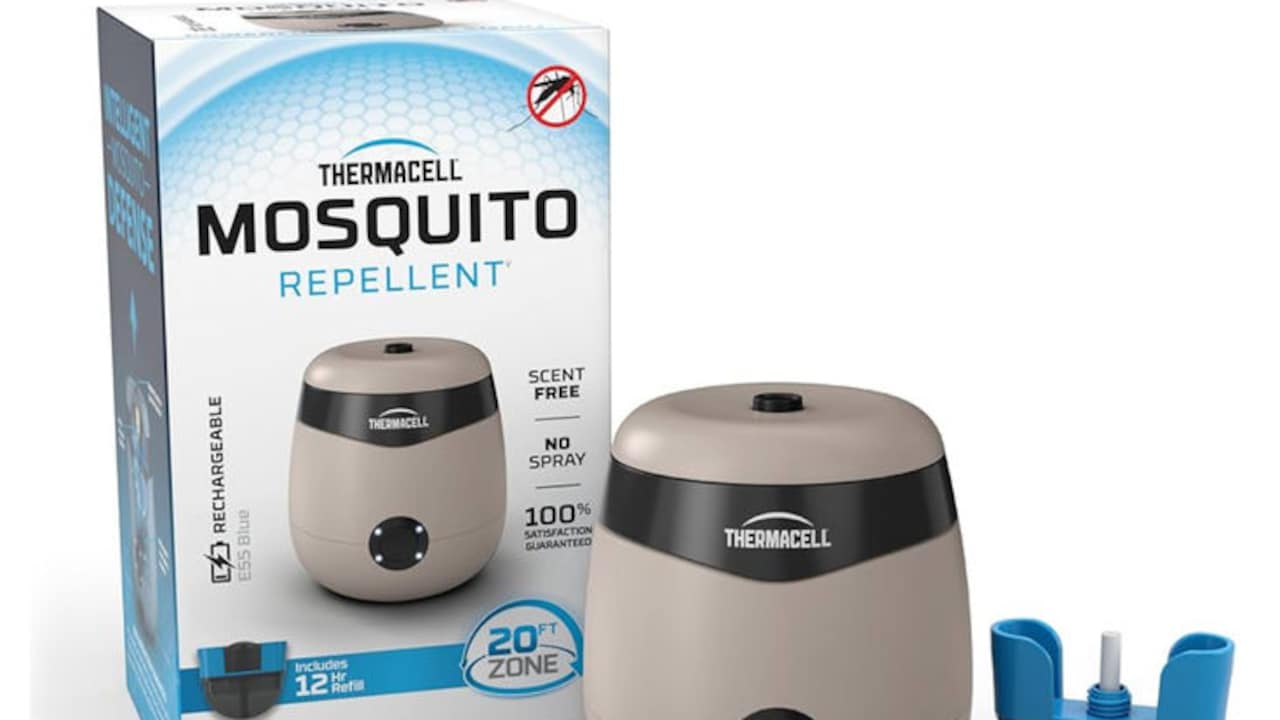
How Mosquito Control Gadgets Are Reflecting The New Reality Of Summers; Photo Credit: Pexels
How Mosquito Control Gadgets Are Adapting To Modern Summer Challenges
The Longer Summer Season And The Rise Of Everyday Defence
Summer stretches far beyond its old calendar boundaries. Warm nights begin earlier in the year and refuse to fade even after monsoon clouds roll in. With warmth comes a longer breeding window for mosquitoes, and households feel the impact immediately.
This extended season has turned mosquito control into a daily habit rather than a temporary response. Gadgets now stay plugged in throughout the year instead of appearing only during peak heat.
Electric vapourisers remain a staple in many homes. Yet the devices themselves have evolved. Modern versions offer adjustable intensity settings and refill indicators. Families often switch them on before dusk, the way earlier generations lit mosquito coils.
Even smaller homes now host multiple devices. One in the living room, another near the bed, and perhaps a portable unit for the balcony. Such arrangements reflect the growing awareness that mosquitoes thrive in every corner where warmth and moisture exist.
The longer summer season has therefore reshaped behaviour. Gadgets no longer serve as occasional helpers. They have become permanent fixtures in the household ecosystem.
Smart Technology Steps Into The Mosquito Battle
Technology companies rarely ignore everyday frustrations. Mosquitoes rank high on that list, and the result appears in a wave of smart mosquito control devices.
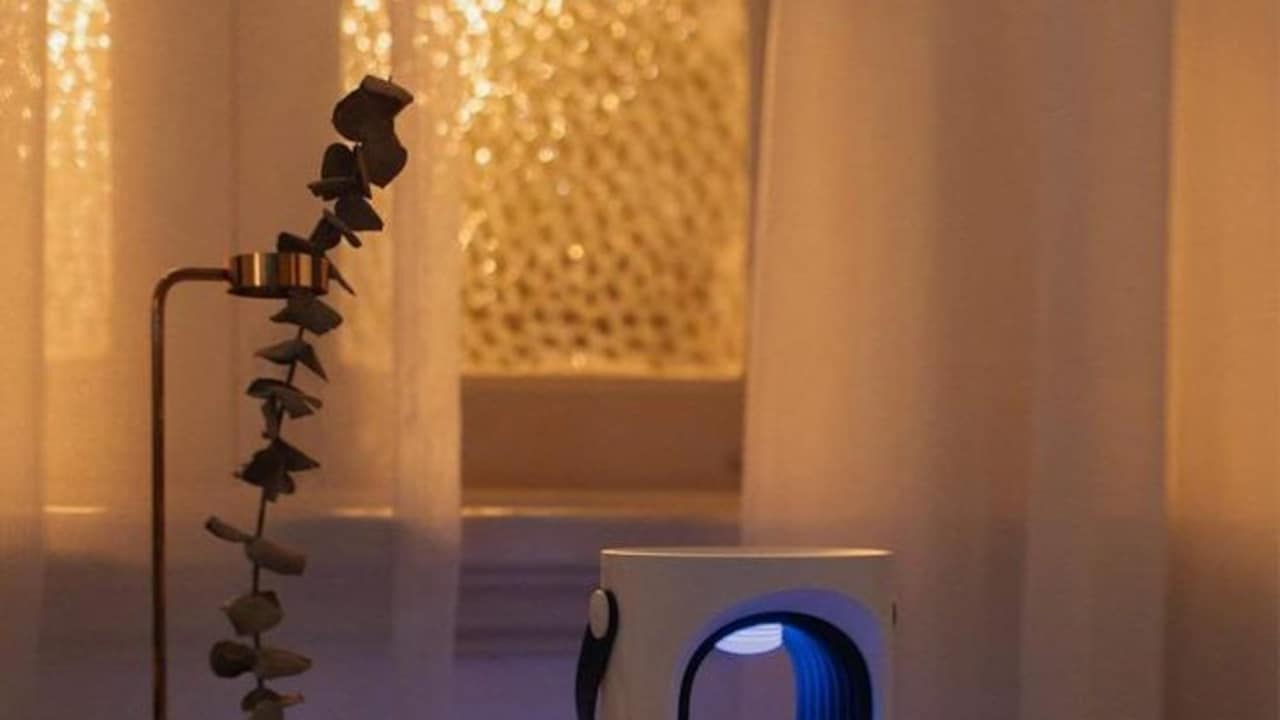
Some modern traps rely on ultraviolet light combined with silent suction fans. The concept feels simple: attract the insect and capture it before it reaches human skin. Yet the design reveals careful engineering aimed at quiet operation and low electricity use.
In many urban apartments, these traps glow faintly through the night. Their presence feels subtle rather than intrusive. Instead of chemical sprays, households rely on quiet machines working in the background.
A growing number of devices also connect with smartphone apps. Users track usage hours or adjust intensity levels remotely. Such features may sound excessive for something as tiny as a mosquito, yet convenience often drives modern purchases.
These gadgets reflect a broader shift toward smart living. From air purifiers to water filters, technology now monitors indoor comfort. Mosquito control has simply joined that expanding ecosystem of connected home devices.
Also Read: Top 5 Rechargeable Mosquito Rackets Under ₹500 That Save Sleep, Health And Sanity
Portable Protection For Outdoor Living
Balconies, terraces, and evening walks once offered relief from indoor heat. Yet outdoor spaces also attract mosquitoes. This challenge has inspired a category of portable mosquito control gadgets designed for mobility.
Battery-powered repellents now accompany many evening activities. Some resemble small lanterns, while others clip onto backpacks or belts. A soft vapour spreads around the user, creating a protective bubble that deters insects.
Families hosting terrace dinners often place these devices near seating areas. The gadget works quietly while conversations continue uninterrupted.
Camping enthusiasts and travellers have also embraced these tools. Compact designs fit easily into luggage and operate through USB charging. A device purchased for ₹1,500 may last through several seasons.
Portable protection reflects a lifestyle shift. Outdoor spaces have become extensions of the home, especially in dense neighbourhoods where fresh air feels precious. Mosquito control gadgets now follow people wherever they choose to spend warm summer evenings.
Electric Rackets And The Joy Of Instant Victory
Among all mosquito gadgets, none offers quite the same sense of satisfaction as the electric racket. Its design resembles a badminton racket, yet its purpose lies in swift mosquito elimination.
The appeal lies in simplicity. One swing, a brief spark, and the mosquito disappears. The moment delivers a strange mix of humour and triumph.
Electric rackets remain popular across households because they offer immediate action. No waiting, no refills, and no complicated instructions.
Many homes keep one hanging near the kitchen door or balcony entrance. When mosquitoes sneak indoors after sunset, the racket provides quick control.
Affordable pricing adds to the appeal. A reliable racket often costs between ₹300 and ₹600. Even students living in hostels find them useful.
Despite the rise of smart gadgets, this humble tool continues to thrive. Its popularity shows that effective mosquito control does not always require complex technology. Sometimes, a well-timed swing solves the problem.
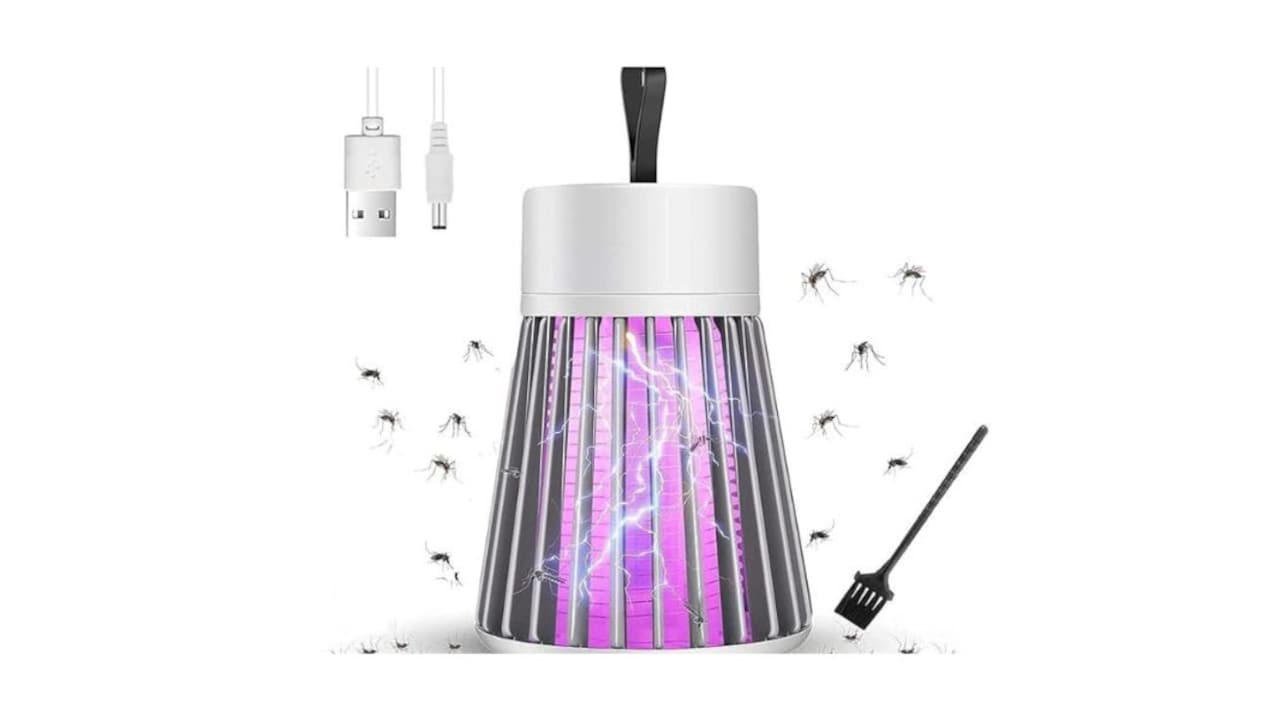
How Mosquito Control Gadgets Are Reflecting The New Reality Of Summers; Photo Credit: Amazon
The Shift Toward Chemical-Free Solutions
Health awareness has grown steadily over the past decade. Many households now question the long-term effects of constant chemical exposure from sprays and coils.
This concern has encouraged the development of chemical-free mosquito control gadgets. Ultrasonic repellents claim to emit frequencies that disturb mosquito behaviour. While scientific opinions vary, curiosity around such devices remains strong.
Another popular solution involves natural essential oils. Some gadgets heat citronella or eucalyptus oil to release gentle vapours into the air. The fragrance feels pleasant while discouraging insects.
Parents often prefer such options in homes with infants or pets. The idea of reducing chemical exposure offers peace of mind.
These devices reveal a broader lifestyle trend toward cleaner living environments. Just as air purifiers address pollution, chemical-free mosquito gadgets respond to concerns about indoor health.
The mosquito battle now involves not only effectiveness but also the balance between comfort and safety.
Design Matters In The Modern Home
Mosquito control gadgets once looked purely functional. Bulky plastic units and smoky coils rarely matched interior décor. Modern devices tell a different story.
Designers now treat these gadgets as part of the home environment. Sleek shapes, soft lighting, and neutral colours help devices blend into modern interiors.
Some traps resemble decorative lamps rather than insect control machines. Others hide behind minimalist casings that complement contemporary furniture.
This shift reflects changing expectations. Households no longer accept unattractive appliances cluttering their living spaces.
Even mosquito rackets have received subtle design upgrades. Lightweight materials and ergonomic handles improve comfort during use.
The design transformation highlights how everyday gadgets evolve alongside lifestyle preferences. A mosquito trap no longer needs to look like a laboratory tool. It can sit comfortably beside indoor plants and framed photographs.
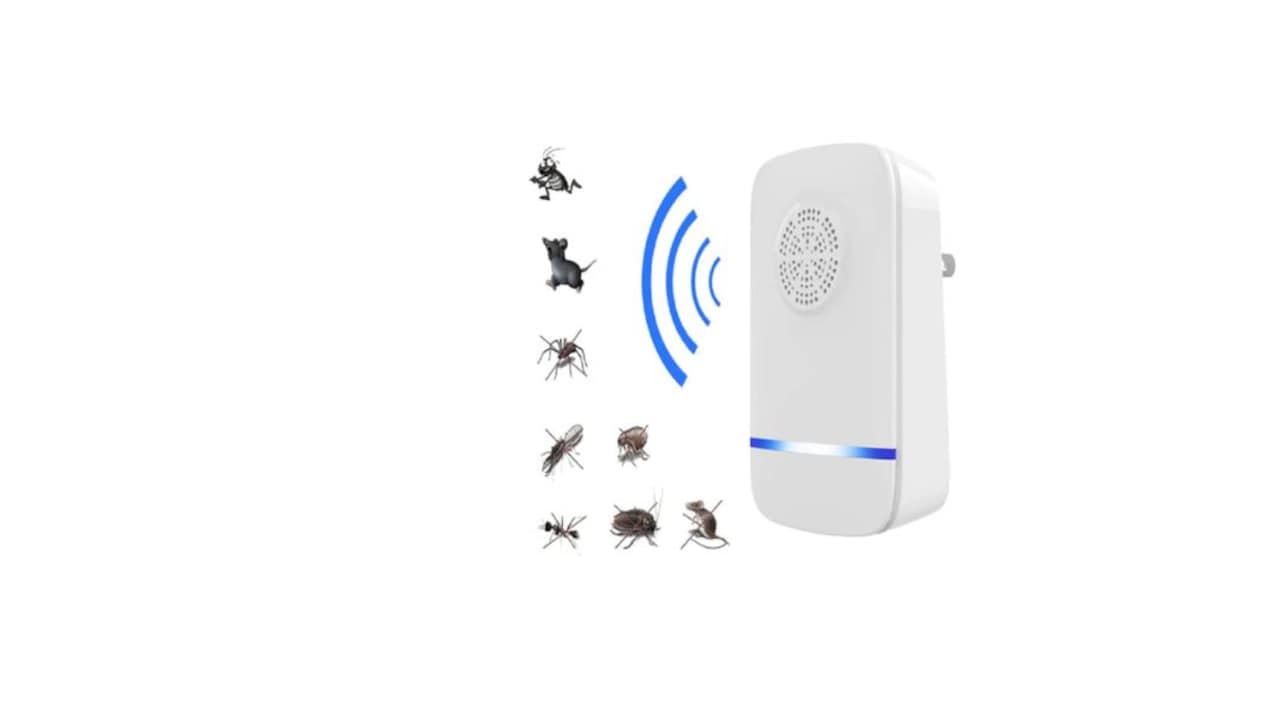
How Mosquito Control Gadgets Are Reflecting The New Reality Of Summers; Photo Credit: Amazon
Rising Awareness Of Mosquito-Borne Diseases
Mosquito control gadgets have gained attention partly because awareness of mosquito-borne illnesses has grown. Seasonal news reports often remind households about diseases such as dengue or malaria.
Such awareness encourages preventive action at home. Families now consider mosquito control part of routine health protection rather than occasional nuisance management.
This shift explains why gadgets appear in many different rooms of a house. Bedrooms receive particular attention because uninterrupted sleep plays a vital role in overall well-being.
Parents often monitor mosquito presence around children more carefully than before. Gadgets provide reassurance during peak mosquito seasons.
Public health campaigns also encourage residents to reduce stagnant water around homes. When combined with gadgets, these efforts create multiple layers of protection.
The rising concern about mosquito-borne diseases has therefore strengthened demand for reliable household solutions.
Gadgets Reflect The Changing Urban Landscape
Rapid urban growth has transformed many neighbourhoods. High-rise buildings, construction sites, and crowded drainage systems create countless mosquito breeding zones.
In such environments, traditional mosquito control methods struggle to keep pace. Gadgets offer a practical response to these changing urban conditions.
Apartments often lack cross-ventilation or open courtyards that once helped reduce insect presence. As a result, indoor control devices have become essential.
Balconies filled with potted plants can also attract mosquitoes if water collects in trays. Small traps or repellents help manage such microenvironments.
Even co-working spaces and cafés now install discreet mosquito control systems. Warm evenings attract customers, and no business wants buzzing interruptions.
The widespread presence of mosquito gadgets reflects how city life has evolved. Urban environments demand constant adaptation, and these devices quietly assist in maintaining comfort.
Climate Patterns And Consumer Innovation
Climate variability influences many industries, and mosquito control technology offers a fascinating example. As summers grow hotter and rainfall patterns shift, consumer demand pushes companies to innovate.
Manufacturers now experiment with hybrid devices that combine multiple mosquito control methods. A single gadget may include ultraviolet attraction, suction traps, and chemical-free repellents.
Energy efficiency also receives attention. With electricity costs rising, many gadgets operate on minimal power consumption. Solar-powered mosquito traps have even appeared in certain markets.
Local entrepreneurs contribute creative solutions as well. Small startups often design products suited to compact apartments or humid coastal climates.
These innovations highlight how consumer needs shape product development. Mosquito control gadgets serve as small but revealing indicators of how households respond to climate challenges.
Products Related To This Article
1. Gadget Hero's Mosquito Killer
2. 2025 NEW Ultrasonic Pest Repellent Machine to Repel Lizard
3. Mosquito Killer Racket Bat Uv Light Lamp Five Nights Mosquito Killer
4. Insect Killer Machine-with Two Extra UV tubs Electric Fly Catcher Machine Makhi Flies Killer Trapper-Bug Zapper Blue Light for Home Restaurants Kitchen House
5. Prextex Ultrasonic Electric Pest Repellent Machine to Repel Lizard, Rat, Cockroach
Mosquito control gadgets may seem like ordinary household tools, yet they tell a deeper story about life during modern summers. Longer heatwaves, shifting rainfall patterns, and expanding cities have transformed a seasonal annoyance into a year-round concern.
In response, technology has quietly stepped into the mosquito battle. Smart traps glow in corners of living rooms. Portable repellents travel to terraces and parks. Electric rackets deliver quick victories against buzzing intruders.
Each gadget reflects the adaptability of everyday households. When environments change, people respond with creativity, innovation, and a touch of humour.
Summer evenings may still bring the familiar mosquito buzz. Yet alongside it stands an evolving collection of gadgets designed to restore comfort, protect health, and ensure that sleep arrives without interruption.
In many ways, these small devices capture the spirit of modern living. They reveal how ordinary homes respond to extraordinary environmental changes—one quiet gadget at a time.
(Disclaimer: This article may include references to or features of products and services made available through affiliate marketing campaigns. NDTV Convergence Limited (“NDTV”) strives to maintain editorial independence while participating in such campaigns. NDTV does not assume responsibility for the performance or claims of any featured products or services.)