Why Air Fryer Food Turns Dry And Easy Tips To Make It Crispy And Juicy
Air fryers promise crispy food with less oil, yet many dishes turn dry instead. Understanding how air frying works and adjusting a few simple techniques can help create food that stays crispy outside and juicy inside.
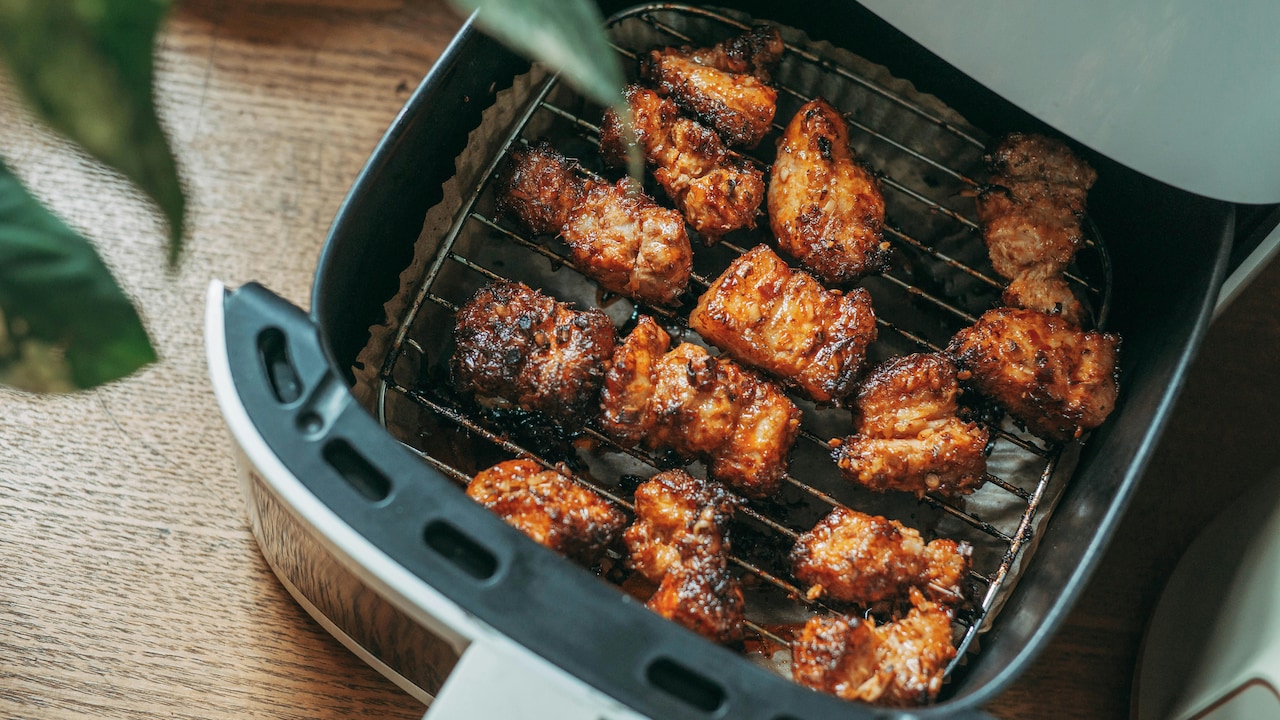
Here Are 10 Simple Tricks To Try If Your Air Fryer Turns Your Food Dry.
The air fryer has quietly taken over kitchen counters across the country. It sits beside the pressure cooker and mixer grinder, ready to deliver samosas, paneer tikka, fries, and even leftover parathas with a fraction of the oil once required. For busy households, the appliance feels like a small miracle. Dinner arrives faster, snacks become lighter, and the kitchen stays relatively mess-free.
Yet excitement often turns into mild frustration after the first few attempts. Fries look perfect, but taste dry. Chicken emerges firm rather than juicy. Paneer cubes lose their softness and begin to resemble rubbery bites. The question arises quickly: why does air fryer food sometimes turn dry despite following recipes closely?
The answer lies in the way the appliance cooks food. Unlike deep frying, which surrounds ingredients with hot oil, an air fryer blasts hot air around the food at high speed. This rapid circulation cooks quickly and removes moisture at the same time. When moisture disappears too fast, the result becomes dry rather than crisp.
Fortunately, the solution rarely involves complicated techniques. Small adjustments in temperature, oil usage, food placement, and cooking time can dramatically improve results. With the right approach, the air fryer can produce snacks that are crunchy outside while staying tender and juicy within.
The following insights explore why dryness occurs and how a few smart kitchen habits can fix it.

Why Air Fryer Food Turns Dry And Easy Tips To Make It Crispy And Juicy
Photo Credit: Pexels
Understanding The Science Behind Air Fryer Dryness And How To Fix It
Not Enough Oil For Proper Crisping
One of the biggest myths surrounding air fryers suggests that food requires no oil at all. The marketing sounds appealing. Toss ingredients into the basket, press a button, and wait for guilt-free fries. Reality behaves slightly differently.
Oil plays a crucial role in achieving a crisp surface. When heat meets oil, it triggers browning and creates the golden texture people expect from fried food. Without even a light coating, the hot air simply dries the surface rather than crisping it. The result resembles baked food that has lost its moisture.
A light drizzle works wonders. Even half a teaspoon spread evenly across vegetables or meat can make a dramatic difference. For instance, potato wedges tossed in a small spoon of oil develop a satisfying crunch, while completely dry potatoes often turn stiff.
The same logic applies to paneer, mushrooms, and marinated chicken. A thin layer of oil traps moisture while helping the outer layer brown evenly. The key lies in moderation. The air fryer does not require a deep pool of oil, but it does appreciate a gentle coating that encourages proper caramelisation.
Cooking without any oil often leads to disappointment. A small drizzle, however, transforms the experience.
Overcrowding The Basket
The temptation to fill the air fryer basket to the brim feels almost irresistible. After all, the appliance looks capable of handling a generous batch of fries or pakoras. However, overcrowding quietly sabotages the cooking process.
An air fryer depends on strong air circulation. Hot air must move freely around every piece of food to cook it evenly. When ingredients pile on top of each other, airflow weakens. Some pieces cook faster while others remain pale and soft. As the appliance struggles to push heat through the crowded basket, food loses moisture without gaining crispness.
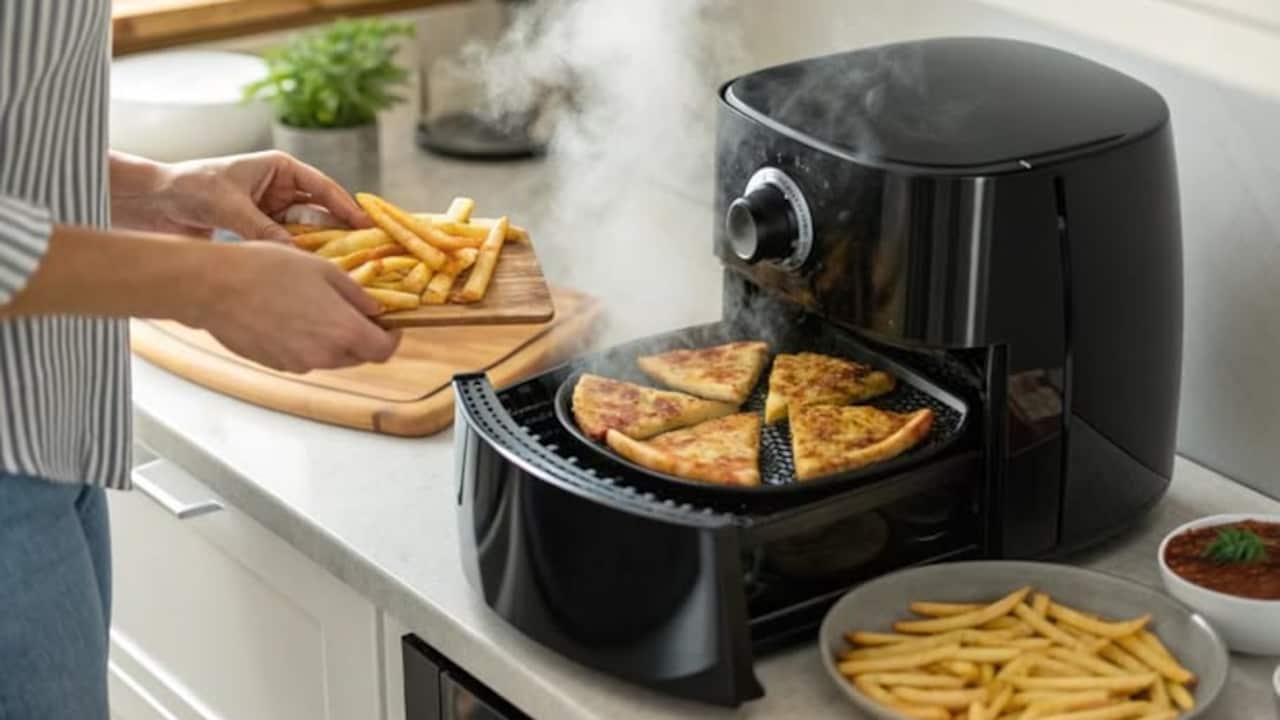
Consider a simple example. A batch of frozen fries cooked in a single crowded layer often emerges limp and dry. Split the same batch into two smaller rounds, and the fries suddenly turn golden and crisp.
Spacing allows the air fryer to do its job properly. Food receives consistent heat from every side. Moisture escapes gradually rather than evaporating too quickly.
Cooking in smaller batches may feel slightly slower, but the improvement in texture easily justifies the extra few minutes.
Cooking At The Wrong Temperature
Temperature plays a larger role than many home cooks realise. Air fryers heat quickly, which means a slight change in temperature can dramatically affect the final result.
High temperatures sound appealing because they promise faster cooking and crispier surfaces. However, excessive heat often dries food before the inside cooks properly. Chicken may look beautifully browned yet feel firm and dry inside.
Lower temperatures can create a different problem. Food cooks slowly and loses moisture without developing the golden crust associated with frying.
Balance becomes essential. Most foods respond best to moderate temperatures between 180°C and 200°C. Vegetables such as potatoes or cauliflower thrive at slightly higher temperatures, while delicate items like paneer prefer a gentler setting.
Preheating the air fryer also helps stabilise the cooking environment. When ingredients enter a properly heated chamber, the surface seals quickly and locks moisture inside.
Temperature control may seem like a small detail, yet it often separates juicy results from dry disappointment.
Skipping Marinades Or Moisture
Dryness often begins before the food even enters the air fryer. Ingredients lacking moisture struggle to survive the intense heat circulating inside the appliance.
Marinades act as protective shields. A mixture of yoghurt, spices, and oil keeps chicken tender while encouraging rich flavours. Vegetables tossed in lemon juice or a spice paste also retain moisture better during cooking.
Paneer provides a classic example. Plain cubes placed directly into the basket often emerge stiff and dry. However, paneer coated in a yoghurt marinade with ginger, garlic, and spices stays soft and flavourful.
Moisture also enhances taste. A quick marinade infuses ingredients with spices and aromatics, transforming simple snacks into restaurant-style treats.
Even a short marination time of fifteen minutes can make a noticeable difference. The air fryer still creates the crispy outer texture people enjoy, but the inside remains juicy and flavourful.
Skipping marinades may save time, yet the trade-off often appears on the plate.
Not Preheating The Air Fryer
Preheating may sound unnecessary for a compact appliance, yet it plays a vital role in achieving proper texture. Starting with a cold air fryer often leads to uneven cooking.
When ingredients enter a cold chamber, they begin releasing moisture slowly while the appliance heats up. Instead of crisping, the food steams in its own moisture for several minutes. By the time the air fryer reaches the desired temperature, the outer layer has already dried out.
Preheating creates an instant cooking environment. The moment food touches the basket, heat begins working on the surface. This quick reaction helps seal the exterior and prevents excessive moisture loss.
Many modern air fryers heat up within three to five minutes. That short wait significantly improves the final texture.
Think of it as the difference between placing rotis on a hot tawa and one that has barely warmed. The heat must already exist for proper cooking to begin.
Skipping preheating may seem harmless, yet it quietly encourages dryness.
Cooking Time That Runs Too Long
Air fryers cook faster than conventional ovens. That efficiency often surprises new users. Recipes designed for ovens sometimes require adjustments when used in an air fryer.
Leaving food inside for too long becomes a common mistake. The appliance continues circulating hot air, steadily pulling moisture away from the ingredients. A few extra minutes can turn juicy chicken into tough, dry pieces.
Regular checking solves the problem. Opening the basket halfway through cooking allows a quick glance at the texture and colour. Many dishes also benefit from a gentle shake or flip during cooking.
For instance, potato wedges often crisp beautifully after fifteen minutes, yet turning them halfway prevents overcooking on one side. Chicken wings may look ready earlier than expected, especially when marinated.
Cooking should feel flexible rather than rigid. Instead of relying entirely on preset times, observe colour, texture, and aroma.
The air fryer rewards attention. A quick check at the right moment often saves the dish from drying out.
Choosing The Wrong Ingredients
Not every ingredient behaves well in an air fryer. Some foods naturally contain less moisture and struggle under intense circulating heat.
Lean cuts of meat often dry out quickly. Chicken breast without marinade or skin tends to lose moisture faster than thighs or drumsticks. Similarly, extremely thin vegetable slices may crisp too aggressively and lose their tenderness.
Ingredient choice matters. Foods with natural fat or moisture handle air frying more gracefully. Chicken thighs, marinated paneer, seasoned potatoes, and coated vegetables typically perform well.
Adding a light coating, such as breadcrumbs or a batter, can also protect delicate ingredients. The coating forms a barrier that locks moisture inside while crisping beautifully on the outside.
Understanding ingredient behaviour helps prevent disappointment. The air fryer excels with certain foods, but expecting identical results from every ingredient rarely works.
A little experimentation reveals which dishes shine brightest in this appliance.
Why Air Fryer Food Turns Dry And Easy Tips To Make It Crispy And Juicy
Photo Credit: Amazon
Forgetting To Shake Or Flip Food
Air fryers rely on circulating heat rather than direct contact with oil. Because of this, some surfaces may cook faster than others if food remains untouched throughout the process.
Pieces resting directly on the basket often brown faster on one side. Meanwhile, the top portion receives slightly less heat exposure. Without movement, certain sections may overcook while others remain soft.
Shaking the basket or flipping ingredients midway through cooking solves this imbalance. Fries, nuggets, vegetables, and even small pieces of chicken benefit from this simple step.
The movement redistributes heat exposure. Surfaces that previously faced downward now receive direct airflow, ensuring even crispness.
This quick action takes only a few seconds yet dramatically improves results. Many experienced home cooks treat it as a natural part of air frying.
Ignoring this step often leads to uneven textures, where some bites feel dry while others remain undercooked.
Lack Of Light Coating Or Batter
Traditional frying often relies on batter, crumbs, or flour coatings to create crunch. These coatings also help seal moisture inside the food. Air fryers respond similarly.
Ingredients cooked completely bare sometimes struggle to achieve the desired texture. Without a protective layer, hot air directly attacks the surface and draws moisture away.
Light coatings can change everything. A thin dusting of flour, breadcrumbs, or semolina encourages browning while locking moisture inside. Vegetables such as okra or cauliflower develop a delightful crunch with a light coating.
Chicken wings rolled in a simple spice and cornflour mixture crisp beautifully. Even paneer benefits from a gentle crumb coating before air frying.
The coating acts as armour against dryness while enhancing flavour. It absorbs the tiny amount of oil used in air frying and transforms it into a golden crust.
Skipping this step may seem simpler, yet a quick coating often delivers far superior results.
Ignoring Resting Time After Cooking
The moment food leaves the air fryer, the temptation to taste it immediately feels strong. The aroma alone can make patience difficult. However, a short resting period improves texture.
When hot food rests briefly, juices redistribute inside the ingredients. Cutting or biting too quickly allows these juices to escape, leaving the interior slightly drier.
Resting works particularly well for meat, paneer, and thick vegetable pieces. Just two or three minutes on a plate allows the food to settle.
During this time, the outer crust continues to firm up while the inside stays juicy. Restaurants often follow this principle after grilling or roasting dishes.
The same logic applies to air fryer cooking. Allowing food a short moment to rest may sound trivial, yet it preserves the tenderness that makes each bite satisfying.
Sometimes the final secret to juicy air fryer food lies in patience.
Products Related To This Article
1. Nutricook 5L Air Fryer Slim (2025) with 100% Toxin-Free Ceramic Coating
2. PHILIPS Air Fryer NA120/00, uses up to 90% less fat, 1500W
3. INALSA Air Fryer Oven|12L,1700W|Stainless Steel Body
4. KENT Digital Air Fryer 6.5L,1600W,Bake,Grill & Roast
5. SOLARA Air Fryer For Home 4.5L with See Through Window
The air fryer has earned its place in modern kitchens for good reason. It cooks quickly, reduces oil consumption, and handles everything from snacks to full meals with impressive efficiency. Yet the appliance demands a slightly different approach compared to traditional frying.
Dryness usually appears not because the machine fails, but because small cooking habits work against it. Skipping oil, overcrowding the basket, ignoring temperature control, or cooking for too long gradually removes moisture from food.
Fortunately, the solutions remain simple and practical. A light drizzle of oil, proper spacing, moderate temperatures, and short marinades can transform results almost instantly. Preheating, shaking the basket, and choosing suitable ingredients also help preserve juiciness.
With a little experimentation, the air fryer becomes far more than a trendy gadget. It evolves into a reliable kitchen companion capable of delivering crispy snacks and tender dishes with ease.
Once these techniques become second nature, the frustration of dry food disappears. What remains is the satisfying crunch of perfectly cooked bites that balance crisp texture with juicy flavour.
(Disclaimer: This article may include references to or features of products and services made available through affiliate marketing campaigns. NDTV Convergence Limited (“NDTV”) strives to maintain editorial independence while participating in such campaigns. NDTV does not assume responsibility for the performance or claims of any featured products or services.)