Electric Kettle Not Boiling Water? 10 Reasons It Switches Off Early
Electric kettle switching off before the water boils? Discover 10 common causes, from limescale and faulty thermostats to power issues, plus simple troubleshooting tips to get your kettle working properly again.
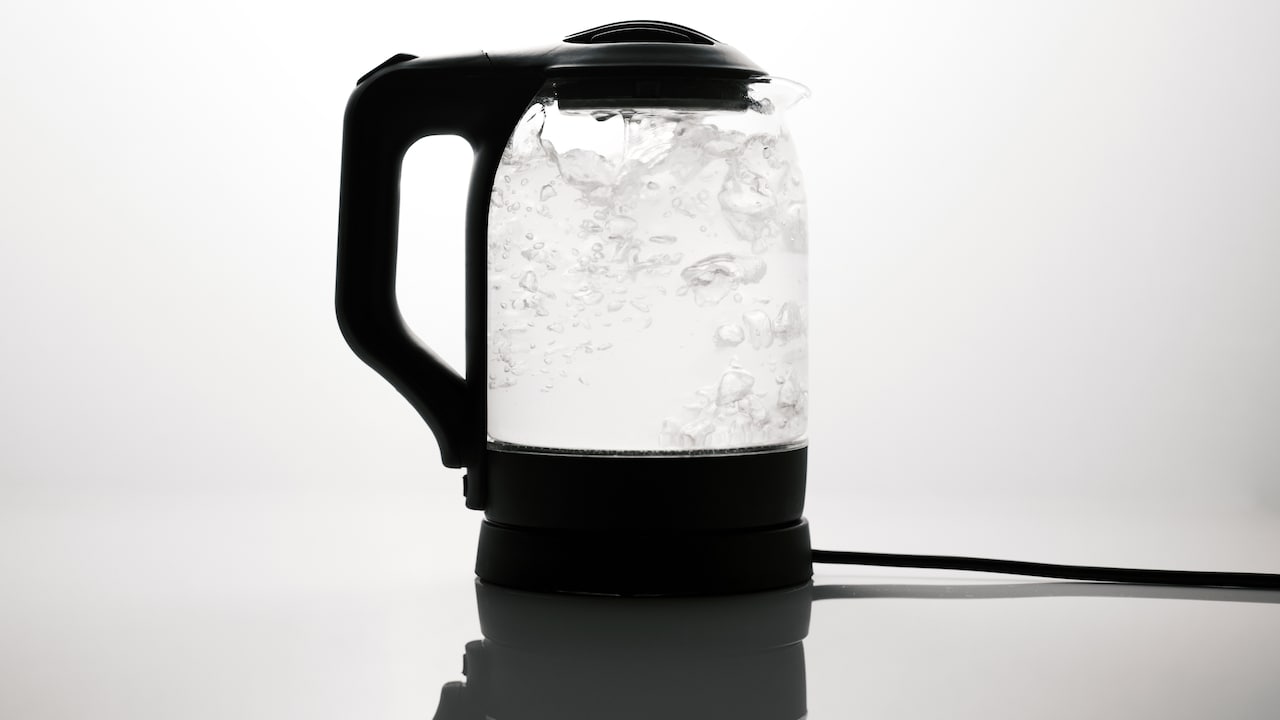
Electric Kettle Not Boiling Water? 10 Reasons It Switches Off Early
Few kitchen appliances earn their place on the counter as effortlessly as an electric kettle. Whether the morning begins with masala chai, instant coffee, green tea or a hurried bowl of noodles, hot water often needs to arrive quickly and without drama. That is why an electric kettle that switches off before the water boils can be surprisingly annoying. The indicator light goes dark, the familiar click sounds, yet the water remains merely hot instead of bubbling. Repeatedly pressing the switch may get the job done, but it does not solve the underlying problem.
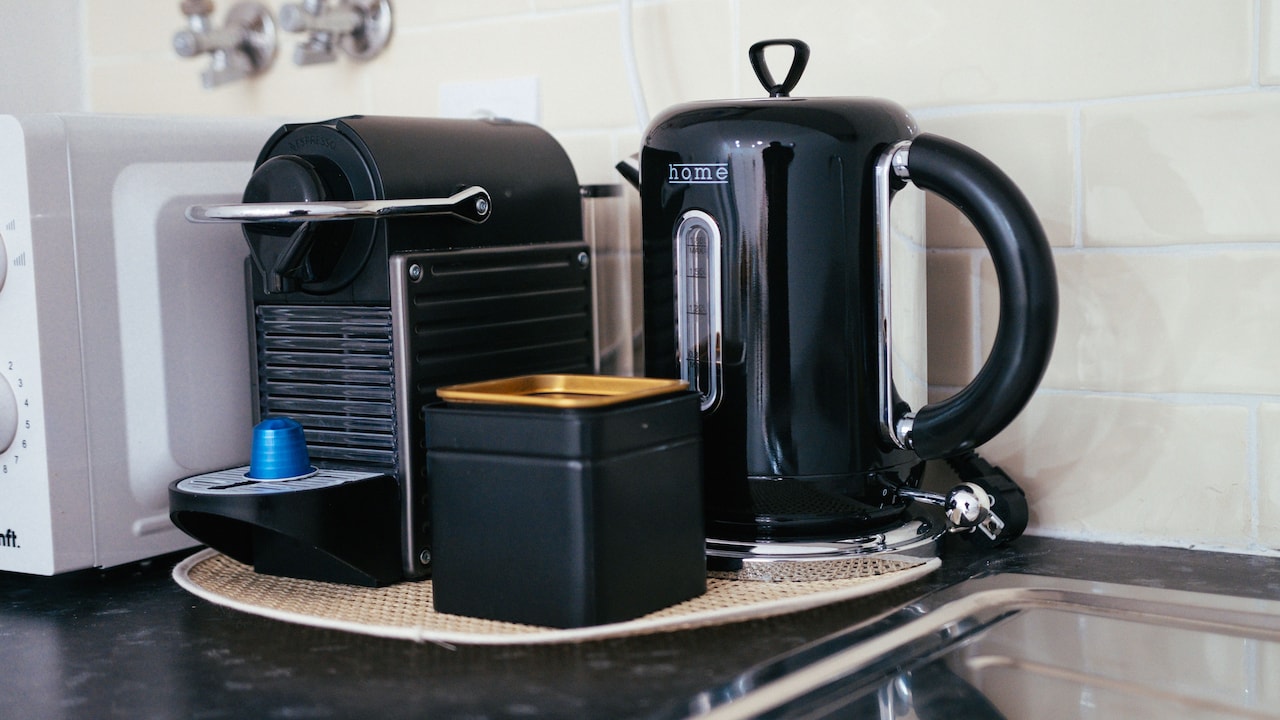
Electric Kettle Switches Off Before Boiling? 10 Causes And Fixes
Photo Credit: Pexels
Electric kettles rely on a combination of heating elements, steam channels, thermostats and safety cut-outs. When any part of that system behaves differently than expected, the kettle may mistake hot water for boiling water and shut itself down.
Fortunately, early shut-off does not always mean the kettle has reached the end of its life. Sometimes, a little cleaning or a simple change in how the appliance sits on its base can restore normal operation. Other situations call for professional repair or replacement. Here are ten likely causes worth checking before giving up on the kettle.
Why Your Electric Kettle Switches Off Too Early And What You Can Do
1. Limescale Has Built Up Around The Heating Area
Hard water can leave behind chalky mineral deposits inside an electric kettle. Over time, these deposits form a rough white or grey layer known as limescale. It may look harmless, but a thick coating can interfere with heat transfer and confuse the kettle's temperature-control system.
When the heating plate becomes heavily scaled, certain areas can become unusually hot before the entire volume of water reaches boiling point. The thermostat may detect this localised heat and trigger an early shut-off. The result is water that feels very hot but never reaches that rolling boil needed for proper chai or coffee.
Descaling usually helps. Allow the kettle to cool, unplug it and clean it according to the manufacturer's instructions. A mild descaling solution or diluted household descaler may loosen mineral deposits without damaging the interior.
Regular cleaning matters even more in places where tap water leaves visible marks on taps, buckets or utensils. If the kettle develops scale again within weeks, using filtered water may reduce the problem and keep the heating system working more efficiently.
2. The Steam Vent Is Blocked
Most automatic electric kettles do not simply wait for the water to reach a particular temperature. Many rely on steam to tell the thermostat that boiling has started.
A small passage inside the kettle directs steam towards the switch mechanism or thermostat. Once enough steam reaches it, the heat causes the switch to trip and turn the kettle off. Clever, simple and usually dependable.
Trouble begins when that steam passage becomes blocked by mineral deposits, residue or tiny particles. Steam may travel unpredictably through the kettle and reach the thermostat sooner than intended. In some cases, condensation around the mechanism may also interfere with accurate operation.
Check the area around the lid, spout and visible steam openings once the kettle has cooled completely. Remove loose scale gently and keep vents clear. Avoid poking metal objects deep inside the appliance because internal components can be damaged easily.
If the kettle repeatedly switches off within seconds of heating despite clean vents, an internal steam channel may need professional attention rather than enthusiastic kitchen surgery with a screwdriver.
3. The Lid Is Not Closing Properly
That innocent-looking lid plays a bigger role than simply preventing splashes.
Electric kettles often need the lid to stay fully closed so steam follows the correct path towards the thermostat. If the lid remains slightly open because of scale, a warped hinge or food residue, steam may escape or circulate incorrectly.
An unusual airflow pattern can make the automatic shut-off system behave unpredictably. Depending on the design, the kettle may switch off too soon, take unusually long to switch off or continue boiling harder than normal.
Inspect the lid when the kettle is unplugged and cool. Check whether it closes firmly without needing extra pressure. Look around the rim for scale deposits or grime that may stop it sitting properly.
A lid that springs open during heating deserves particular attention. Repeated exposure to heat can weaken plastic hinges or locking clips over time.
Do not hold the lid shut by hand while the kettle boils. Hot steam can cause painful burns in seconds. If the locking mechanism has failed and cannot be cleaned or adjusted safely, replacing the kettle is usually wiser than improvising a temporary fix.
4. There Is Too Little Water In The Kettle
A rushed morning can easily lead to pouring just enough water for half a cup and expecting the kettle to behave normally. Some models, however, need a minimum volume of water to regulate heat correctly.
When the water level falls below the marked minimum line, the heating plate can become extremely hot very quickly. The kettle's boil-dry protection system may interpret that rapid rise in temperature as a dangerous condition and cut the power before the water actually boils.
The fix could hardly be simpler. Check the minimum-level marking and add enough water to stay comfortably above it. At the same time, avoid filling beyond the maximum line, since overfilling can send boiling water towards the spout or steam mechanism.
If the kettle shuts off early only when preparing a single small cup, low water volume is a strong suspect.
This safety behaviour is useful rather than faulty. A kettle that continued heating with barely any water inside could damage its heating element or create a genuine hazard. Sometimes the appliance is simply being more cautious than the person standing beside it.
5. The Thermostat Has Become Over-Sensitive
The thermostat acts as the kettle's temperature referee. When it works properly, it allows heating to continue until boiling conditions are detected and then cuts the power.
After years of regular use, however, thermostats can lose accuracy. A worn or damaged thermostat may begin responding to temperatures below the intended shut-off point. The kettle then clicks off while the water sits at perhaps tea-ready warmth rather than a genuine boil.
One clue is consistency. If the kettle always switches off at roughly the same premature stage regardless of water level, descaling or lid position, the thermostat may be responsible.
Unfortunately, thermostat problems are rarely a sensible DIY repair. Electric kettles combine mains electricity, metal heating components and water in a compact housing. Opening the base without proper knowledge can create shock and fire risks.
For an inexpensive older kettle, replacement often makes more financial sense than repair. For a premium model costing several thousand rupees, an authorised service centre may be worth contacting. A technician can test whether the thermostat, thermal fuse or related control parts have failed before recommending the next step.
Also Read: 7 Best Stainless Steel Electric Kettles in 2025 That Will Not Leave A Metallic Taste In Water
6. The Kettle Is Not Sitting Correctly On Its Base
Cordless electric kettles may look as though they simply rest on their bases, but the connection underneath needs to remain secure for continuous power.
If crumbs, dust, moisture or wear affects the contact points, electricity may flow intermittently. The kettle can begin heating normally and then lose contact as it vibrates slightly or as its components expand with heat. That sudden interruption may look exactly like an automatic early shut-off.
Unplug the base before checking it. Make sure both the kettle connector and the base are clean and completely dry. Never rinse the electrical base under a tap.
Place the kettle back down firmly and see whether it sits level rather than wobbling. A warped base, damaged connector or loose central contact can cause unreliable operation.
The kitchen counter also matters. A kettle balanced on an uneven tray, appliance mat or crowded corner may not make perfect contact.
If moving the kettle slightly causes its light to flicker, stop using it until the connection has been inspected. An unstable electrical contact can generate heat, sparks or damage that goes well beyond an inconveniently lukewarm cup.
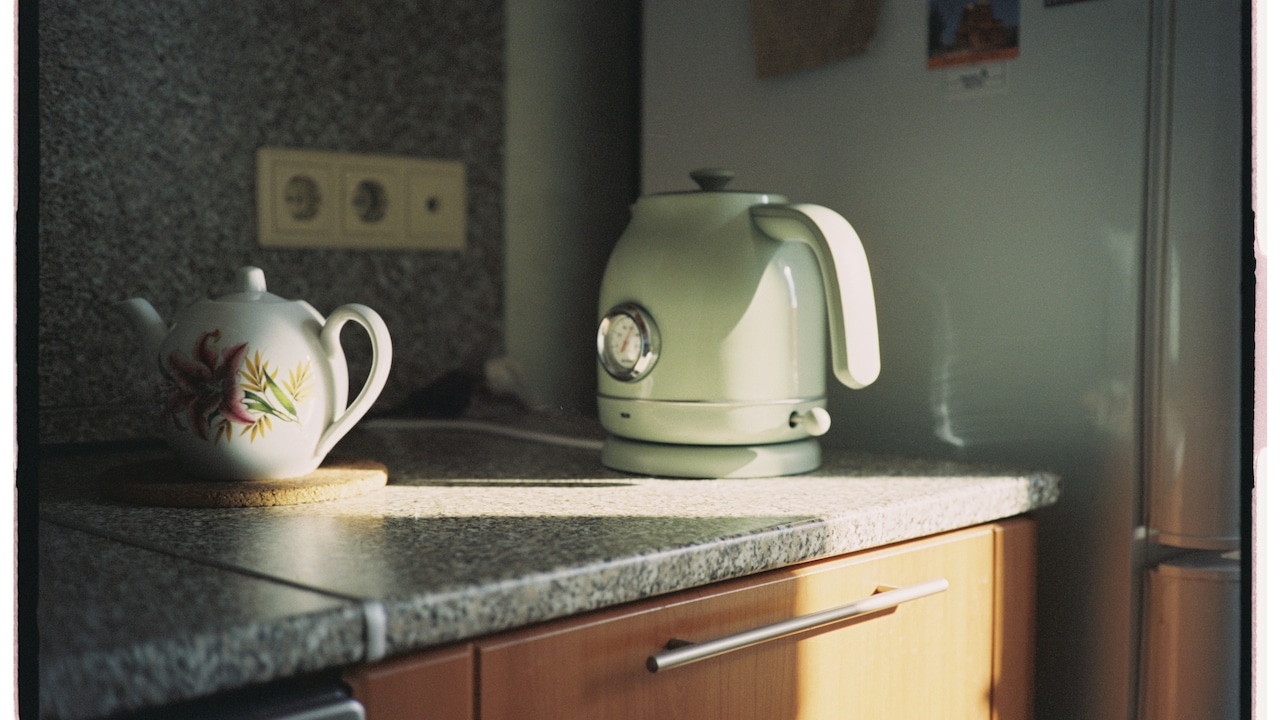
Electric Kettle Switches Off Before Boiling? 10 Causes And Fixes
Photo Credit: Pexels
7. Moisture Has Reached The Electrical Contacts
Water and electricity have never been famous for their friendship, yet an electric kettle places the two remarkably close together.
Small spills sometimes run down the outside of the kettle and reach the connector underneath. Condensation can also collect around the base if the kettle gets overfilled or frequently boils with a loose lid.
Moisture around electrical contacts may interrupt the supply or trigger protective behaviour. In some cases, the kettle may switch on briefly and then cut out before boiling.
Disconnect the appliance from the socket and let the base and kettle exterior dry thoroughly. Wipe visible moisture with a soft dry cloth and keep the electrical connector away from water.
Do not attempt to speed things up with a hair dryer, particularly around plastic parts or exposed connectors. Excessive heat can deform components.
Repeated moisture problems deserve investigation. Check whether the kettle has been filled beyond the maximum mark or whether water leaks around the lid, handle or viewing window.
A visible leak from the body itself is a strong reason to retire the appliance. A kettle should heat water inside, not quietly redistribute it across electrical parts underneath.
8. The Power Socket Or Plug Has A Poor Connection
Sometimes the kettle gets blamed for a problem that actually lives in the wall socket.
A loose plug, worn socket or damaged extension board can interrupt power once the kettle begins drawing its full electrical load. Since electric kettles often use relatively high wattage, weak connections may reveal themselves quickly.
The kettle may start heating, stop unexpectedly and then work again after the plug moves. Flickering indicator lights, crackling sounds or unusual warmth around the plug should never be ignored.
Try the kettle in another suitable wall socket after confirming that the appliance itself appears safe. Avoid overloaded extension boards packed with a microwave, mixer-grinder, toaster and kettle at the same time. Kitchen convenience should not become an electrical obstacle course.
If another socket solves the problem, the original outlet may need attention from a qualified electrician.
Stop using any plug or socket that looks burnt, smells unusual or feels excessively hot. Repeatedly pushing the switch back down may seem harmless, but poor electrical connections can become serious safety hazards. No cup of tea is worth turning a five-minute break into an emergency call.
9. The Heating Element Is Starting To Fail
Modern kettles often hide the heating element beneath a stainless-steel plate, so there may be nothing obviously wrong when it begins to deteriorate.
A failing element can heat unevenly, produce excessive heat in one area or stop maintaining steady power. The kettle's protective system may respond by shutting the appliance off early.
Other signs can appear alongside premature shut-off. Heating may take much longer than usual. Strange popping sounds may develop. A faint burning smell could appear, or the base may feel hotter than expected.
Descaling may improve performance when mineral build-up causes uneven heating, but it cannot repair a damaged element.
If the kettle has already seen several years of daily chai duty, component wear is hardly surprising. Heating water from room temperature to boiling several times each day puts repeated thermal stress on internal parts.
Once an element begins failing, professional repair is the safest route. Compare the repair quote with the cost of a new kettle. Spending ₹800 repairing a basic kettle that costs ₹1,200 to replace may not offer much value unless the model has sentimental powers previously unknown to kitchen science.
10. The Safety Cut-Out Is Activating Too Early
Electric kettles contain safety systems designed to stop overheating. One of the most important is the thermal cut-out, which disconnects power when internal temperatures climb beyond safe limits.
Normally, this system stays in the background. It becomes noticeable when something causes abnormal heating, such as heavy limescale, poor water coverage, a faulty element or restricted ventilation.
An ageing thermal cut-out can also become overly sensitive. Instead of waiting for genuinely excessive heat, it may activate during ordinary boiling. The kettle then shuts down early and may refuse to restart until it cools for several minutes.
Pay attention to that pattern. If the kettle works again only after a cooling period, thermal protection could be involved.
Do not repeatedly force the switch back on. The cut-out exists to prevent overheating, so bypassing or tampering with it defeats one of the appliance's most important safety features.
Start by descaling the kettle and checking water levels, ventilation and the base connection. If early cut-outs continue, arrange professional inspection or replace the unit. Safety components should protect the kitchen quietly, not become a recurring puzzle before every cup of chai.
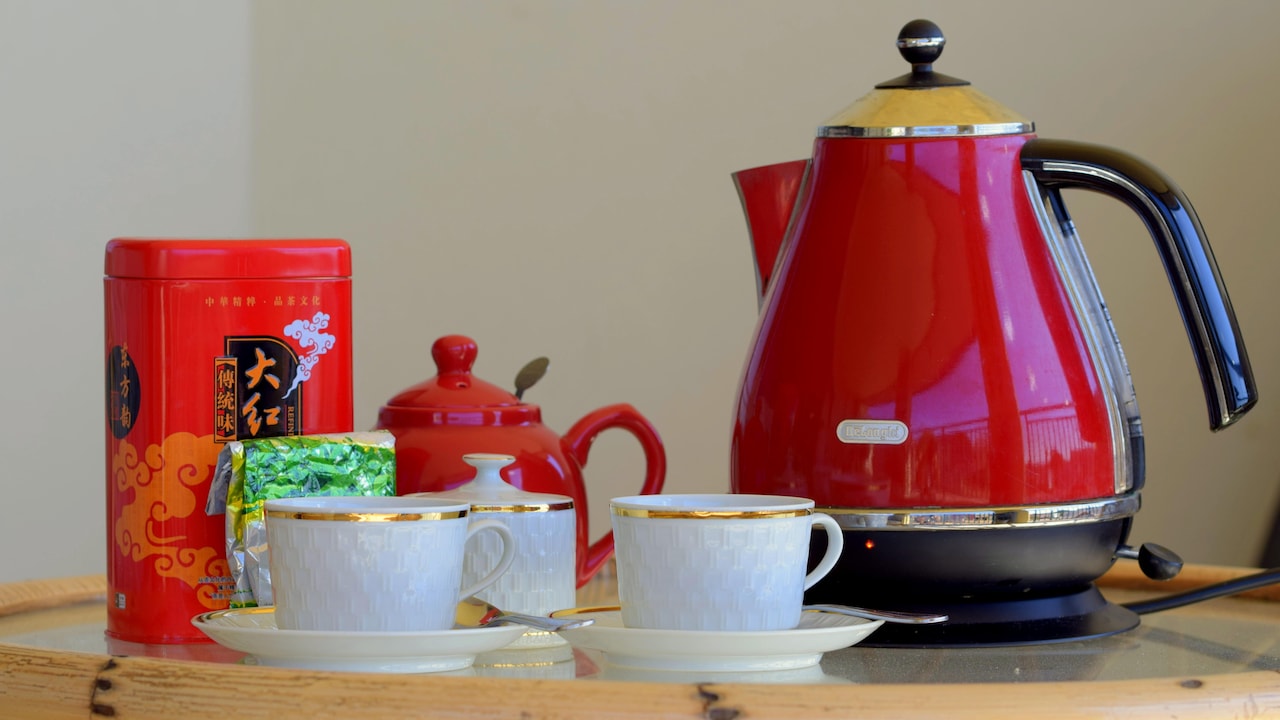
Electric Kettle Switches Off Before Boiling? 10 Causes And Fixes
Photo Credit: Pexels
Products Related To This Article
1. Havells CRAFT Kettle | OptiHeat Tech for Custom Temperature Setting
2. Westinghouse 1.7L 2200W Retro Series Electric Kettle
3. AGARO Regency Multipurpose Kettle With Steamer
4. MILTON Go Electro 1.5L Fast Boil Kettle 1350W
5. Havells Aqua Plus Electric Kettle 1.2 Litre, 1250 Watt
6. Lifelong Electric Kettle 0.8 Litre with 2 Cups
7. SOLARA Premium Electric Kettle Xtra Large, 1500 Watt
An electric kettle that switches off before the water fully boils does not always signal a major failure. Limescale, low water levels, a poorly fitted lid or dirty electrical contacts can all cause surprisingly similar symptoms, and several of these problems have simple remedies.
Begin with the safest checks. Let the kettle cool, unplug it, inspect the lid, confirm the water level, clean away scale and make sure the appliance sits securely on a dry base. Trying another reliable wall socket can also rule out an external power problem.
Persistent early shut-offs require more caution. Faulty thermostats, heating elements and thermal cut-outs involve electrical components that should not become weekend DIY experiments. Professional servicing may make sense for an expensive kettle, while replacement can be the more practical choice for an older budget model.
Most importantly, do not ignore burning smells, excessive heat, sparking, leaks or damaged plugs. A slightly delayed cup of tea is inconvenient. An unsafe electrical appliance is something else entirely.
With a little methodical troubleshooting, that premature click can often be explained, fixed and returned to its rightful place: after the water has properly boiled.
(Disclaimer: This article may include references to or features of products and services made available through affiliate marketing campaigns. NDTV Convergence Limited (“NDTV”) strives to maintain editorial independence while participating in such campaigns. NDTV does not assume responsibility for the performance or claims of any featured products or services.)