10 Reasons Beard Trimmers Pull Hair Instead Of Cutting Cleanly And How To Fix It
Find out why beard trimmers pull hair instead of cutting cleanly. From dull blades and low battery to poor technique, discover the common causes of painful tugging and the simple fixes that help deliver a smoother, cleaner trim.
Beard Trimmer Pulling Hair? 10 Reasons And Easy Ways To Fix It
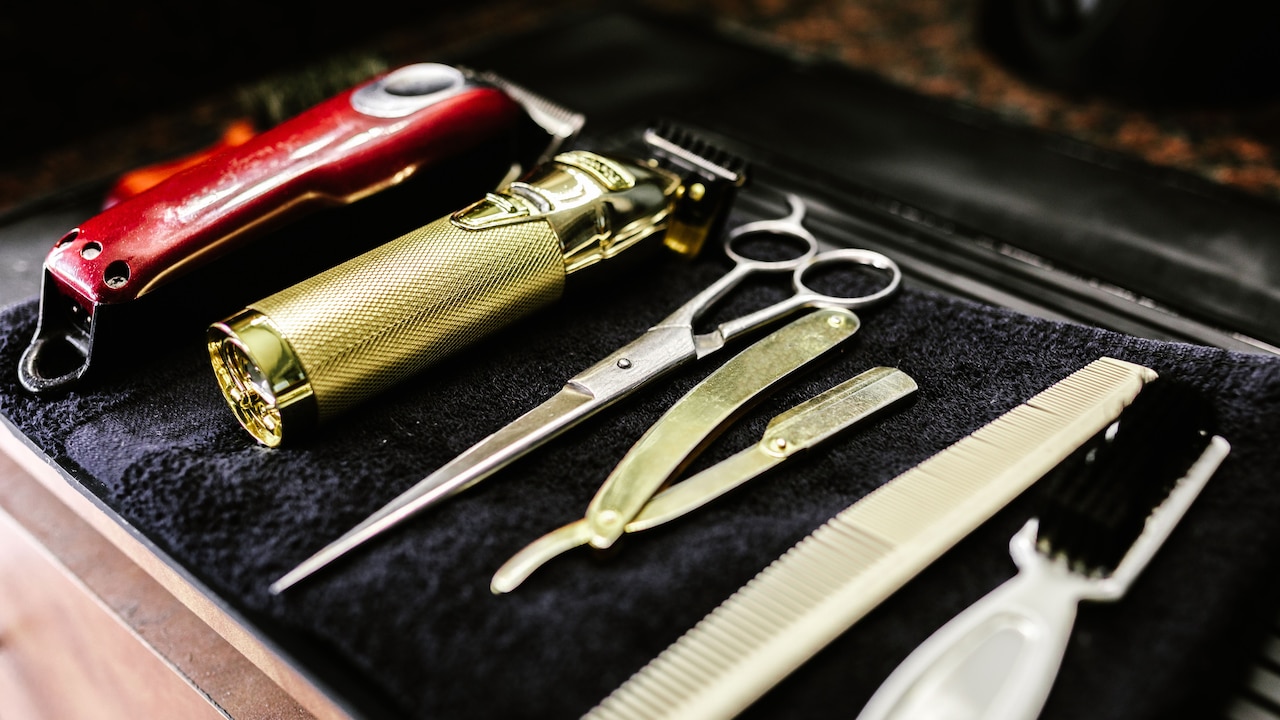
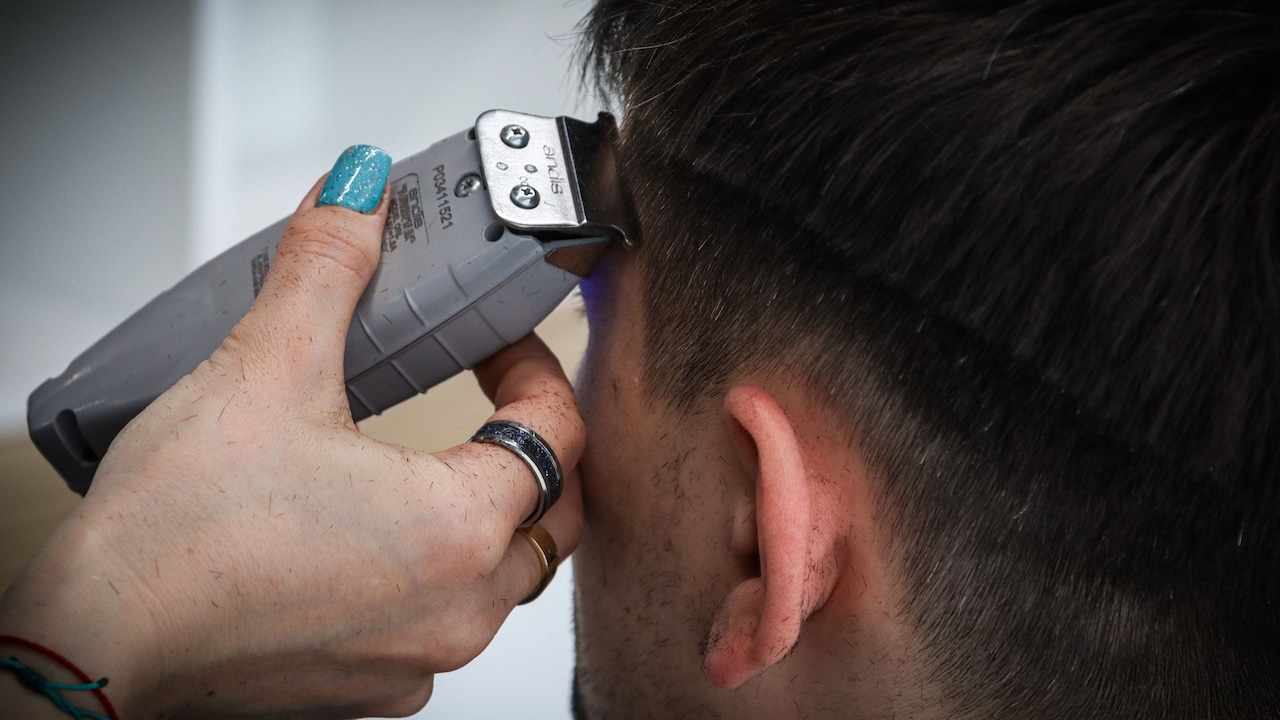
Few grooming annoyances feel quite as unnecessary as a beard trimmer suddenly yanking at facial hair. One moment, the machine is humming along. The next, it catches a few strands near the chin and delivers the sort of tiny shock that makes the mirror receive an offended stare. Anyone who has rushed through a morning trim before work, college or a family function will recognise the frustration. Hair pulling does not always mean the trimmer has reached the end of its life. In many cases, the culprit is surprisingly simple. Hair may have collected between the blades. Lubrication might be overdue. The battery could be running low, or the trimming direction may simply be working against the beard's growth pattern. The good news is that most of these problems are fixable without replacing the entire device.
Beard Trimmer Pulling Hair? 10 Reasons And Easy Ways To Fix It
Photo Credit: Pexels
Understanding why a trimmer pulls hair also helps prevent unnecessary purchases. Before spending ₹1,500, ₹3,000 or more on another grooming tool, it makes sense to check whether the existing one needs cleaning, sharpening, charging or a slight change in technique. Here are ten reasons beard trimmers pull hair instead of cutting cleanly and what can be done about each one.
Why Your Beard Trimmer Pulls Hair And How To Stop It
1. The Blades Have Become Dull
Trimmer blades do not stay razor-sharp forever. Every grooming session creates friction between moving metal surfaces, and over time those cutting edges gradually lose their bite. Once that happens, the trimmer may stop slicing through hair immediately and start trapping strands between the blades.
That familiar tugging sensation around thicker areas such as the chin or moustache is often the first warning sign.
Dull blades are especially noticeable on coarse facial hair. A trimmer that once sailed through a three-day beard may suddenly need several passes over the same patch. More pressure rarely solves the problem. In fact, pressing harder can increase irritation and make pulling worse.
Start by checking whether the manufacturer offers replacement blades. Some trimmers have detachable cutting heads that can be replaced for far less than the cost of a new device. If the blade assembly supports sharpening, professional servicing may also help.
Regular cleaning and lubrication can slow down wear, but severely blunt blades usually need replacement. Think of them like kitchen knives: maintenance extends their life, but eventually the edge needs attention.
2. Hair And Debris Are Clogged Between The Blades
A trimmer can look perfectly clean from the outside while hiding enough hair beneath the cutting head to build a miniature beard of its own.
Loose facial hair often gets trapped between the fixed and moving blades. Skin flakes, grooming products and fine dust can join the collection. As that debris builds up, the blades lose freedom of movement and begin catching hair rather than cutting it smoothly.
This problem commonly appears after several quick trims where the device gets tapped over the sink but never properly cleaned.
Remove the cutting head according to the manufacturer's instructions and use the supplied cleaning brush to clear trapped hair. If the trimmer is washable, rinse only the components specifically marked as water-safe. Never assume the entire machine can go under the tap.
Let washable parts dry fully before reassembly.
A deeper clean once every few trimming sessions can make a noticeable difference. It takes only a few minutes, yet it helps the motor and blades work with less resistance. That little cleaning brush sitting forgotten in the box has a purpose after all.
3. The Blades Need Lubrication
Even sharp, clean blades can pull hair when they lack lubrication.
Most trimmer blades work by sliding rapidly against one another. Without a thin layer of suitable oil, friction increases. The blades may heat up, move less efficiently and struggle to cut thicker strands in one clean motion.
The result often feels like intermittent tugging rather than constant pulling.
Apply one or two drops of trimmer oil to the blade teeth and moving surfaces, following the manufacturer's guidance. Switch the machine on briefly so the oil spreads evenly, then wipe away any excess with a soft cloth.
Avoid pouring cooking oil, coconut oil or whatever happens to be available near the bathroom shelf onto the blades. Household oils can become sticky, attract dirt or damage certain components. Dedicated clipper or trimmer oil costs little and lasts a long time because each application requires only a few drops.
Lubrication matters even more in warm, humid conditions where moisture and residue can affect metal parts. A properly oiled blade usually sounds smoother too. If the trimmer suddenly sounds harsher than usual, maintenance may be overdue.
4. The Battery Is Too Weak
A cordless trimmer may still switch on when the battery is low, but that does not mean it is operating at full cutting power.
As battery charge drops, some trimmers lose motor speed. The blades continue moving but may no longer travel fast enough to slice through dense facial hair cleanly. Instead, they catch individual strands and pull before finally cutting them.
This tends to happen near the end of a grooming session, especially with older rechargeable models.
Charge the trimmer fully before trimming and compare its performance. If pulling disappears when the battery is fresh, power delivery was probably the problem.
Older batteries can also lose capacity permanently. A machine that once ran for 60 minutes may start slowing after ten or fifteen. In that situation, replacing the battery may be possible on serviceable models. Otherwise, replacing the trimmer could make more sense.
For corded-and-cordless machines, using the power cable can sometimes confirm whether the battery is responsible.
A glowing battery indicator is reassuring, but blade speed tells the real story. When the familiar energetic buzz starts sounding sleepy, the beard may soon feel the consequences.
5. The Beard Is Too Long For The Selected Setting
Trying to mow down a thick beard with a very short guard can overwhelm some trimmers.
Long hairs may bend, bunch together or enter the cutting teeth at awkward angles. Instead of being sliced immediately, they can become trapped between the blades and get pulled.
The problem becomes more obvious when trimming several weeks of growth straight down to stubble in one pass.
Use a longer guard first. Reduce the beard gradually, moving through shorter settings until reaching the desired length. For example, a heavy beard destined for a 3 mm finish might first be trimmed at 9 mm or 6 mm.
This staged approach takes slightly longer but usually feels far more comfortable.
For particularly long beards, scissors can also remove excessive length before the trimmer comes into play. There is no medal for forcing a small grooming motor through a forest in one attempt.
Working in stages also gives a more even result because the trimmer encounters shorter, more manageable hair during the final pass. Less strain on the blades means less pulling, reduced battery drain and a cleaner overall finish.
6. The Trimmer Is Moving Too Quickly
Speed may help when getting ready for an 8.30 am meeting, but racing a trimmer across the face can produce exactly the opposite of a quick finish.
The blades need a fraction of a second to capture and cut each strand. Moving the device too quickly gives thicker or flatter hairs less opportunity to enter the cutting teeth correctly. Some strands get missed, while others become caught and pulled.
Slow, controlled strokes usually work better.
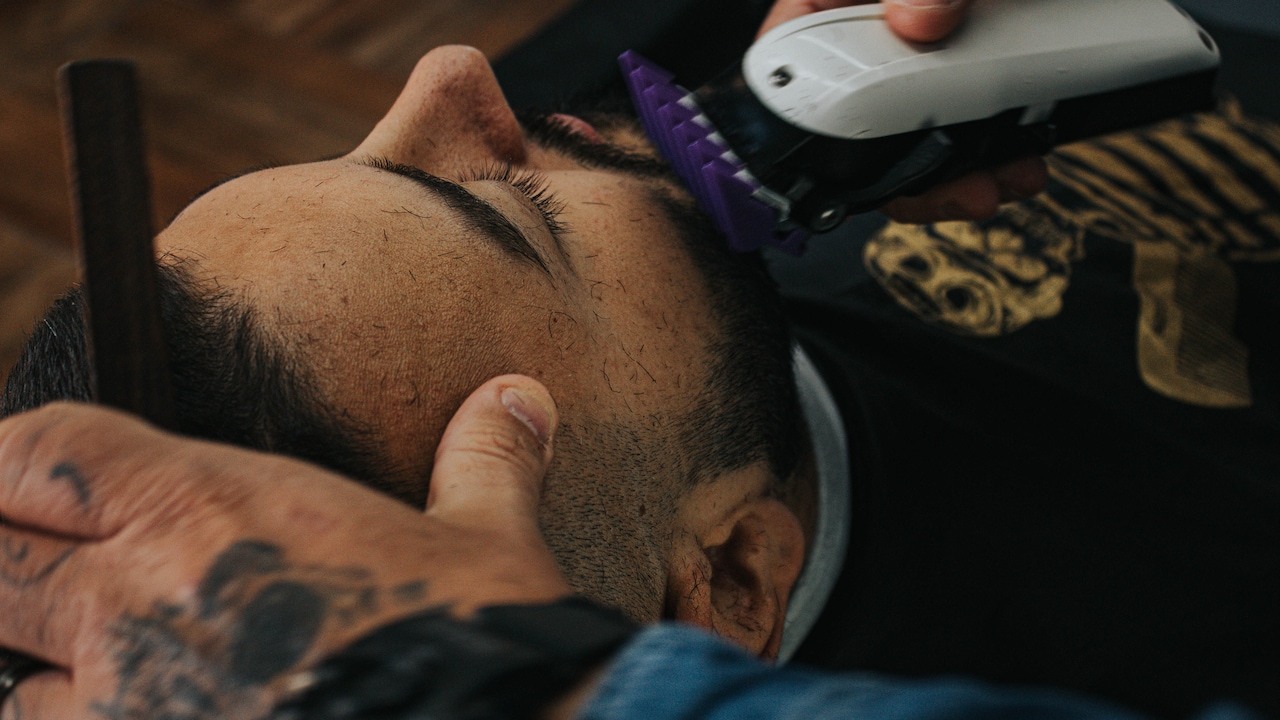
Move the trimmer steadily rather than repeatedly sweeping it across the same area. Let the blade do the cutting instead of using force. On dense sections around the jawline and chin, shorter strokes can offer greater control.
It also helps to stretch the skin gently where appropriate. A flatter surface allows hairs to stand more consistently and reduces the chance of the blade catching folds of skin.
There is an odd temptation to treat trimming like colouring a wall: faster strokes feel productive. Facial hair, unfortunately, does not cooperate with that logic.
A slightly slower first pass often saves time because fewer patches need correcting afterwards. The finish becomes neater, and the grooming routine becomes considerably less dramatic.
Beard Trimmer Pulling Hair? 10 Reasons And Easy Ways To Fix It
Photo Credit: Pexels
7. You Are Trimming Against An Awkward Growth Pattern
Beard hair rarely grows in one obedient direction.
Hair on the cheeks may point downwards while sections along the jaw grow diagonally. Neck hair can swirl, turn sideways or seemingly choose its own career path. Running a trimmer against these patterns without adjusting the angle can cause certain strands to fold and catch between the blades.
Before trimming, spend a moment noticing how the beard grows across different areas.
For reducing bulk, trimming with the direction of growth often feels more comfortable. For a closer finish, a second careful pass against or across the growth may be useful, depending on the trimmer and skin sensitivity.
The key is adapting the direction rather than dragging the device through every section in exactly the same way.
A comb can help lift stubborn hairs, especially around the jaw and under the chin. Brushing the beard before trimming also separates tangled strands and reveals uneven growth.
Neck hair deserves particular attention because its patterns can change within a few centimetres. Treating the whole beard as one flat surface invites missed patches and tugging. Facial hair has geography, and learning the map makes grooming much easier.
8. The Beard Is Wet Or Coated In Product
Unless a trimmer is specifically designed for wet use, damp facial hair can make cutting more difficult.
Wet strands tend to stick together and lie flatter against the skin. Beard oils, balms, moisturisers and styling products can create a similar effect. They may coat the cutting teeth and make hair harder to feed evenly into the blade.
That combination can lead to snagging.
For most dry trimming routines, wash the beard beforehand if needed and allow it to dry completely. Comb through it to separate the hairs before switching on the trimmer.
Heavy beard oil is usually better applied after trimming rather than immediately before it. This keeps both the hair and blade relatively clean during cutting.
If using a waterproof wet-and-dry trimmer, follow the manufacturer's instructions because those models are built for different conditions.
Product build-up also deserves attention after trimming. Residue from creams or oils can remain on the blades and attract hair during future sessions.
A beard may feel softer after a generous dose of balm, but the trimmer does not necessarily share the enthusiasm. Clean, dry and untangled hair usually gives the machine its easiest working conditions.
9. The Blade And Guard Are Misaligned
Sometimes the problem is mechanical rather than related to hair or technique.
A detachable blade that has not clicked properly into position can sit slightly crooked. The same can happen with an adjustable comb or guard that has not locked evenly on both sides. Even a small misalignment may affect how hair reaches the cutting teeth.
The result can include uneven trimming, unusual vibration, rattling and painful pulling.
Switch the trimmer off and inspect the cutting head carefully. Remove and reattach detachable components according to the manual. Check whether the guard sits level and whether any teeth appear bent or damaged.
Never attempt to straighten delicate blade teeth while the device is running.
Dropping a trimmer can also knock components out of alignment. A fall from a washbasin may look harmless, yet the impact can distort a plastic guard or blade mount enough to change cutting performance.
If the pulling began immediately after the trimmer was dropped or dismantled for cleaning, alignment deserves particular suspicion.
Replacement guards are often inexpensive. Damaged blade assemblies may cost more, but replacing the affected part can still be cheaper than buying an entirely new trimmer.
Also Read: Upgrade Your Grooming Routine: Top 5 Trimmers Under ₹1000 You Can Buy Today On Shopsy
10. The Trimmer Is Not Powerful Enough For Your Beard
Not every trimmer suits every beard.
A lightweight model designed mainly for occasional stubble may struggle with thick, dense or wiry growth. Even when its blades are clean and sharp, a weaker motor can slow down as it encounters heavier sections.
That slowdown often produces pulling around the chin, moustache and jaw.
If proper cleaning, charging and lubrication fail to solve the issue, consider whether the machine matches the beard type. Look for models designed for dense facial hair, with strong motors, durable blades and suitable guard lengths.
Price alone does not guarantee performance. A ₹4,000 trimmer packed with accessories may still be less suitable than a simpler ₹2,500 model with a stronger cutting system. Features such as nose-hair attachments and travel pouches are pleasant, but the motor and blade quality matter more during the actual trim.
Reviews from people with similar beard density can also offer useful clues before buying.
A struggling trimmer often gives itself away through changing motor pitch. If the sound repeatedly drops whenever it reaches thicker hair, the device may simply be working beyond its comfort zone.

Beard Trimmer Pulling Hair? 10 Reasons And Easy Ways To Fix It
Photo Credit: Pexels
Products Related To This Article
1. Bombay Shaving Company 11-in-1 All-in-One Trimmer for Men All in One
2. Vega OG 15 in 1 Trimmer for Men | Men Beard
3. Havells 8 in 1 Grooming Kit |2-in-1 Special Blade
4. Bombay Shaving Company Full Body Trimmer for Men All in One
5. Philips India's No.1 Men's Trimmer
6. Zlade Ballistic Pro Full Body Trimmer for Men
7. Philips OneBlade Turbo2X Hybrid Trim, Edge
A beard trimmer that pulls hair does not automatically belong in the dustbin. Most cases come down to a handful of practical problems: dull blades, trapped hair, insufficient lubrication, low battery power, unsuitable technique or poorly fitted parts. Correcting these issues can transform an irritating grooming session into the quick, comfortable routine it was supposed to be.
Start with the simplest fixes. Clean the blades thoroughly, charge the trimmer, add proper lubricant and inspect the guard. Trim dry, untangled hair using slow strokes and adjust the direction according to the beard's growth pattern.
If the machine still struggles despite good maintenance, its blades may need replacement or its motor may not suit thicker facial hair.
Regular care also saves money. A few drops of oil and several minutes of cleaning can extend the useful life of a trimmer and delay the need to spend another ₹2,000 or ₹3,000 on a replacement.
Most importantly, do not accept hair pulling as a normal part of trimming. A properly maintained, suitable trimmer should cut facial hair cleanly with minimal discomfort. Grooming already involves enough negotiation with mirrors, uneven sideburns and stubborn neck hair. The trimmer should not join the opposition.
(Disclaimer: This article may include references to or features of products and services made available through affiliate marketing campaigns. NDTV Convergence Limited (“NDTV”) strives to maintain editorial independence while participating in such campaigns. NDTV does not assume responsibility for the performance or claims of any featured products or services.)