Refrigerator Organisers Can Reduce Cooling Efficiency: Storage Mistakes To Avoid
Overusing refrigerator organisers can block airflow, reduce cooling efficiency and spoil food faster. Here are the common fridge storage mistakes that quietly increase electricity usage and strain the appliance.
Is Your Fridge Overorganised? Mistakes That Increase Power Consumption
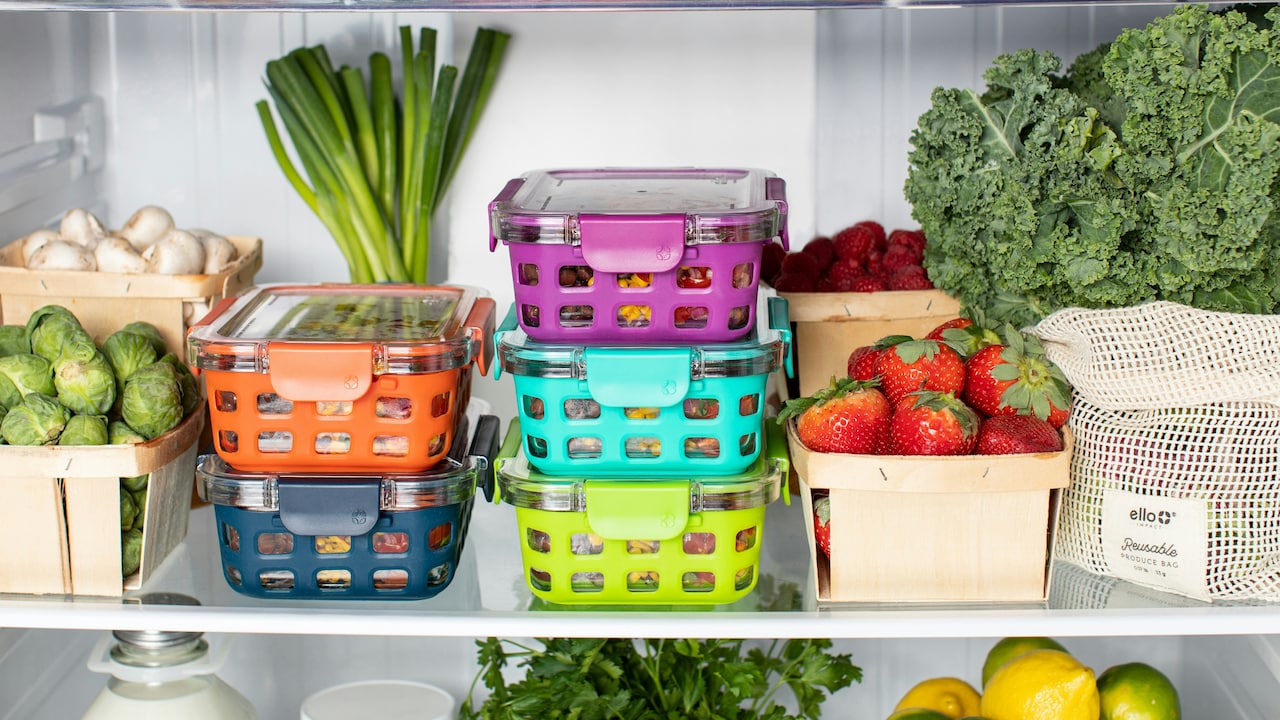
Few things feel more satisfying than opening a spotless refrigerator where every tomato sits in a labelled tray and every snack packet lines up like schoolchildren during assembly. Kitchen organisers have become wildly popular in recent years. Transparent bins, stackable baskets, rotating trays, egg holders shaped like luxury hotel displays, the options seem endless. Social media turned fridge storage into a lifestyle statement. Yet, many people overlook one small detail. Refrigerators need space to breathe. A fridge does much more than keep food cold. It constantly circulates cool air through vents and chambers to maintain a steady temperature. When containers, organisers, and oversized storage boxes crowd the shelves, airflow suffers. The appliance then works harder to stay cool, much like a ceiling fan struggling in a room packed with furniture.
Is Your Fridge Overorganised? Mistakes That Increase Power Consumption; Photo Credit: Amazon
The result often appears slowly. Milk turns sour before the expiry date. Leftovers lose freshness. Ice cream softens slightly. Electricity bills creep upward month after month. In some homes, the compressor begins making louder noises, especially during summer afternoons when temperatures soar outside. Organisers are not the villain here. Smart storage can reduce waste and make cooking easier. Trouble starts when aesthetics overpower practicality. A refrigerator should function efficiently before it looks picture-perfect. Understanding these common storage mistakes can help households save electricity, preserve food longer, and avoid expensive repairs later. Sometimes, removing one unnecessary basket does more good than buying another fancy organiser online during a midnight sale.
Storage Mistakes That Can Affect Refrigerator Cooling Efficiency
Blocking Air Vents With Large Organisers
Most refrigerators rely on internal air vents to circulate cool air evenly across compartments. These vents often sit quietly at the back or sides, unnoticed until frost builds up or food starts spoiling. Large storage organisers placed directly in front of these vents create one of the biggest cooling problems.
The issue resembles placing a cushion in front of an air conditioner. Air cannot move freely. Some areas become excessively cold while others remain warmer than they should. Vegetables near blocked vents may freeze unexpectedly, while dairy products on another shelf struggle to stay chilled.
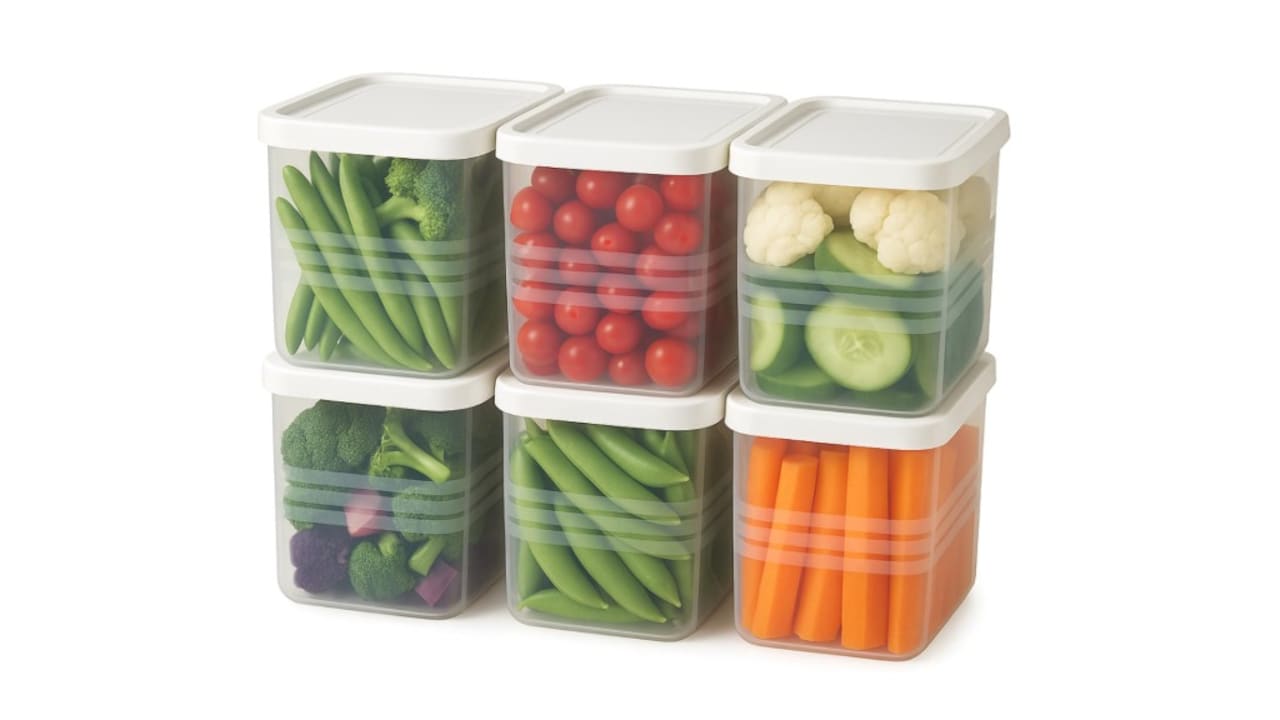
Transparent plastic bins look attractive, especially when filled with colourful fruits or neatly packed sauces. However, many households use oversized containers that cover entire shelf widths. This setup traps cold air and disrupts circulation. Refrigerators then run longer cycles to maintain the desired temperature, consuming more electricity in the process.
The problem worsens during festive seasons when extra sweets, leftovers, and beverages enter the fridge. Suddenly, every inch gets packed tightly. A refrigerator already struggling with blocked airflow begins sounding like an overworked autorickshaw climbing a steep flyover.
A better approach involves leaving visible gaps around vents. Smaller organisers work more effectively than giant storage boxes. Grouping similar items while maintaining airflow keeps cooling consistent without sacrificing convenience. Sometimes, less organisation actually improves efficiency.
Also Read: Upgrade To High-Capacity Fridges For Premium Storage And Aesthetics
Overfilling Shelves Beyond Capacity
A packed refrigerator often creates a false sense of preparedness. Seeing shelves bursting with groceries after a supermarket run can feel oddly comforting. Yet overfilling remains one of the quickest ways to reduce cooling efficiency.
Cold air needs open pathways to move around food items. When containers, vegetables, steel tiffins, takeaway boxes, and water bottles compete for every centimetre, airflow slows dramatically. Refrigerators then struggle to maintain even cooling across shelves.
Many households unknowingly overload the fridge after bulk shopping trips. During wedding seasons or festival weekends, leftovers multiply rapidly. Huge vessels of curry, dessert trays, and extra soft drink bottles begin occupying every corner. At that point, the fridge resembles rush-hour local transport rather than a cooling appliance.
An overloaded refrigerator also traps heat inside freshly stored food. Hot or room-temperature items raise the internal temperature significantly. The compressor must then work overtime to cool everything down again. This increases wear and tear over time.
Ironically, refrigerators function best when moderately filled, not stuffed to capacity. Some space actually helps maintain stable cooling. Experts often compare fridge airflow to breathing. A cramped fridge cannot “breathe” efficiently.
Regular decluttering helps tremendously. Forgotten chutney jars from three months ago rarely deserve permanent residence. Removing expired sauces, duplicate condiments, and unused ingredients creates better circulation and reduces cooling strain. The fridge stays cleaner, colder, and far less chaotic during late-night snack searches.
Is Your Fridge Overorganised? Mistakes That Increase Power Consumption; Photo Credit: Pexels
Using Thick Plastic Containers Everywhere
Plastic storage containers transformed modern kitchens. They stack neatly, prevent spills, and make leftovers easier to manage. However, excessive use of thick containers can quietly interfere with refrigeration performance.
Heavy plastic walls slow down cooling transfer. Food stored in bulky containers takes longer to chill because cold air cannot penetrate quickly. This becomes particularly noticeable with hot leftovers placed directly into large plastic tubs. The outer layer cools first, while the centre stays warm for much longer.
Many households also purchase matching organiser sets that occupy unnecessary space. Deep storage boxes create visual order but reduce airflow between items. Refrigerators must then compensate by operating longer cooling cycles.
Certain thick plastics trap odours and moisture as well. Leftover rajma stored in a sealed container for days may retain warmth longer than expected, affecting nearby food freshness. The problem becomes more severe in older refrigerators with weaker airflow systems.
Glass containers often work better for regular storage because they cool food more efficiently. Smaller containers also help maintain better air circulation compared to oversized bins. The goal should focus on practical storage rather than turning the fridge interior into a showroom display.
Another overlooked issue involves stacking containers too tightly. Many people arrange boxes like puzzle pieces to maximise space. While visually satisfying, this arrangement blocks cold air movement entirely. A little spacing between containers can improve cooling significantly.
The refrigerator does not need military-level organisation. It simply needs enough room to keep food evenly chilled without exhausting the compressor.
Ignoring The Refrigerator Door's Purpose
Refrigerator doors often become storage battlegrounds. Sauces, pickles, milk packets, juice cartons, medicines, chocolates, butter, and even leftover lemons somehow end up crammed into door compartments. Unfortunately, the fridge door experiences the most temperature fluctuation.
Every time someone opens the refrigerator, warm air rushes directly onto the door shelves first. This makes the door unsuitable for highly perishable items. Yet many households continue storing milk or curd there because it feels convenient.
Heavy organisers attached to the door worsen the issue further. Some modern storage accessories include hanging baskets and extra bottle holders designed to maximise space. While these additions may look clever, they increase door weight and strain hinges over time. More importantly, overcrowded door compartments block airflow and reduce cooling efficiency.
The summer months amplify the problem dramatically. During power cuts or frequent openings, door temperatures rise quickly. Delicate foods stored there spoil faster than expected. That explains why butter sometimes softens oddly despite the fridge running continuously.
The refrigerator door works best for condiments, sauces, jams, and less temperature-sensitive products. Milk, paneer, leftovers, and fresh dairy belong deeper inside where cooling remains stable.
Organisers should support efficiency, not sabotage it. A lightweight arrangement with enough spacing between bottles helps maintain better airflow. Otherwise, the refrigerator spends its entire day trying to recover from constant temperature swings caused by overloaded door storage.
Placing Hot Food Directly Inside
Busy evenings often lead to rushed kitchen habits. Freshly cooked dal goes straight into the fridge because everyone wants to sleep early. A large vessel of biryani enters the refrigerator while still steaming slightly. It seems harmless at the moment, but this habit quietly damages cooling efficiency.
Hot food releases heat and moisture inside the refrigerator. This sudden temperature increase forces the appliance to work significantly harder. The compressor runs longer to restore normal cooling levels, consuming more electricity in the process.
Warm containers also create condensation. Excess moisture builds frost, affects airflow, and sometimes causes unpleasant odours. In crowded refrigerators, this moisture spreads quickly across nearby items.
Large organisers worsen the issue because they trap heat around hot food containers. Without proper airflow, cooling slows dramatically. The refrigerator becomes stressed trying to cool one steaming dish while preserving everything else inside.
Allowing food to cool slightly before refrigeration helps maintain stable temperatures. This does not mean leaving food outside for hours during humid weather. Even 20 to 30 minutes of cooling time can reduce stress on the appliance considerably.
Smaller portions cool faster than one giant vessel as well. Dividing leftovers into shallow containers improves both cooling efficiency and food safety. It also prevents the familiar frustration of reheating an entire pot just to eat one bowl the next day.
The refrigerator should preserve freshness, not fight against unnecessary heat every evening.
Treating The Vegetable Drawer Like A Storage Dump
Vegetable drawers often begin with good intentions and end in chaos. Fresh coriander enters proudly wrapped in newspaper. Three days later, forgotten cucumbers hide beneath wilted spinach while mysterious chillies roll around like survivors of a kitchen disaster.
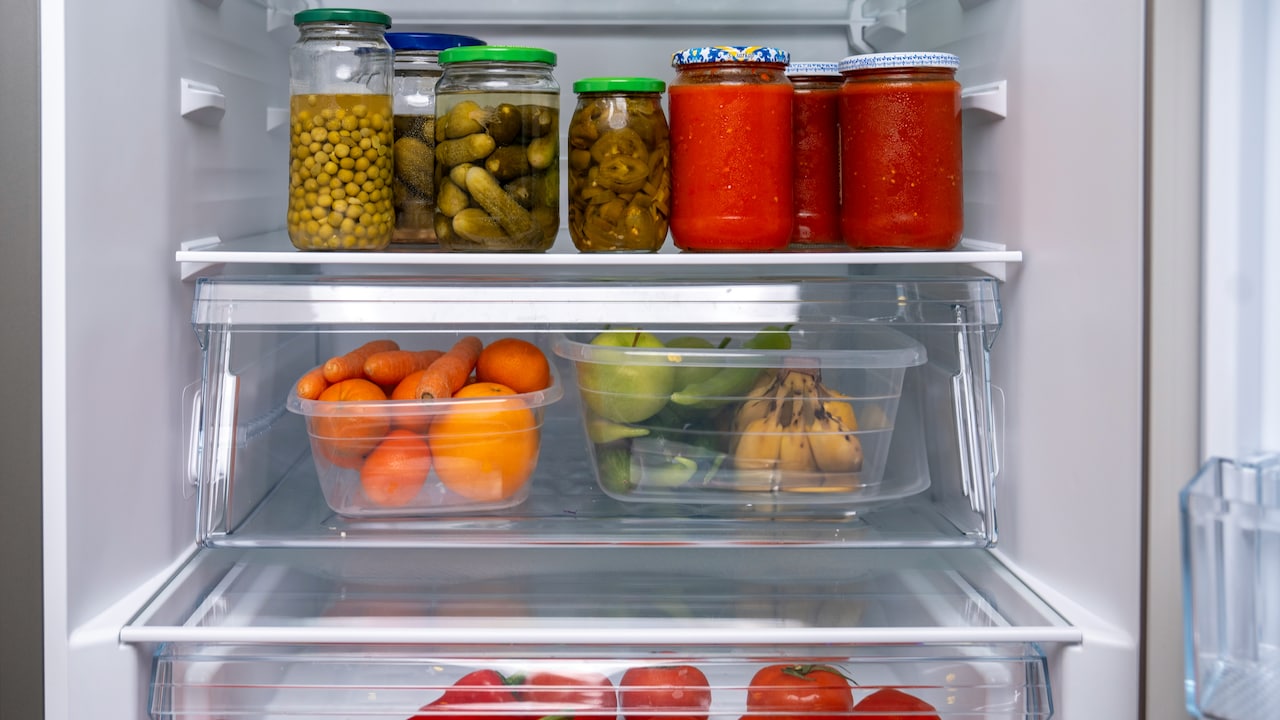
Overstuffed vegetable compartments reduce airflow and trap excess moisture. Many refrigerators design crisper drawers to maintain balanced humidity, but overcrowding disrupts that system entirely. Vegetables then spoil faster despite staying refrigerated.
Plastic organisers inside vegetable drawers frequently worsen the situation. Tiny baskets and segmented trays consume valuable space while restricting air movement. Certain vegetables require ventilation to remain fresh. Without it, moisture builds rapidly and creates unpleasant odours.
Leafy greens suffer the most in cramped conditions. Coriander turns slimy, curry leaves blacken quickly, and lettuce loses crispness within days. The refrigerator responds by increasing cooling cycles, especially when moisture accumulation affects internal temperature balance.
A smarter approach involves storing vegetables loosely with enough breathing room. Mesh bags or simple paper wrapping often work better than multiple plastic organisers. Regular cleaning also prevents hidden spoilage from affecting nearby produce.
Many households unknowingly keep vegetables for too long because organisers hide them effectively. That forgotten capsicum in the drawer's corner eventually becomes an accidental science experiment.
Visibility matters more than excessive compartmentalisation. If vegetables remain easy to see and access, they get used faster and spoil less frequently. The refrigerator performs better, too, without battling trapped moisture and blocked airflow every single day.
Is Your Fridge Overorganised? Mistakes That Increase Power Consumption; Photo Credit: Pexels
Forgetting To Clean Organisers Regularly
A spotless-looking organiser can still hide serious hygiene problems. Refrigerator trays and storage bins collect spills, crumbs, moisture, and food residue over time. Without regular cleaning, these hidden messes affect both cooling performance and food freshness.
Sticky sauce drips or leaking curry containers create moisture buildup beneath organisers. This damp environment encourages bacterial growth and unpleasant smells. Some households attempt to mask odours with baking soda while ignoring the actual source sitting quietly under a plastic tray.
Dirty organisers also interfere with airflow. Frost and grime sometimes accumulate near vents or shelf edges, especially in refrigerators that rarely undergo deep cleaning. The appliance then struggles to maintain consistent cooling temperatures.
Transparent organisers create another illusion. Because the outer surface appears clean, many people assume everything underneath remains hygienic too. Unfortunately, crumbs and moisture often gather in corners unnoticed for weeks.
Regular cleaning keeps the refrigerator functioning efficiently. Washing organisers with mild soap and drying them properly prevents moisture accumulation. A monthly cleaning routine usually works well for most households.
The process may feel annoying initially, especially during humid weather when nobody wants extra kitchen chores. Yet a clean refrigerator performs noticeably better. Food smells fresher, cooling remains stable, and the appliance avoids unnecessary strain.
Besides, discovering an ancient piece of ginger fossilised behind a storage tray can ruin anyone's appetite for the evening.
Storing Too Many Water Bottles Together
Water bottles somehow multiply inside refrigerators. One family member stores gym bottles, another chills copper bottles, while someone else insists on keeping backup bottles “just in case guests arrive”. Before long, entire shelves disappear beneath rows of tightly packed containers.
Although chilled water feels essential during hot afternoons, excessive bottle storage restricts airflow considerably. Large bottles absorb cooling energy and create physical barriers between shelves. Refrigerators then struggle to distribute cold air evenly.
The problem intensifies when bottles touch the refrigerator's back wall. This area often contains cooling elements and air vents. Blockage disrupts circulation and increases compressor workload.
Heavy bottle organisers also consume unnecessary space. Stackable bottle racks may look efficient online, but they often reduce flexibility inside smaller refrigerators. During crowded weekends, fitting actual food around these organisers becomes surprisingly difficult.
Glass shelves endure significant weight pressure from overloaded bottle storage, too. Over time, excessive strain may weaken shelf support, especially in older appliances.
Keeping a reasonable number of chilled bottles works perfectly fine. Refilling bottles regularly instead of stockpiling dozens inside the fridge improves airflow and frees valuable space.
Many households notice better cooling almost immediately after reducing bottle clutter. Suddenly, leftovers chill properly, vegetables stay fresher, and the fridge door closes without requiring a wrestling match.
Efficiency often begins with simple habits rather than expensive organisers or fancy storage hacks.
Using The Wrong Shelf For Certain Foods
Every refrigerator shelf serves a different cooling purpose, yet many households place food randomly wherever space appears available. This habit affects cooling efficiency more than people realise.
Upper shelves usually maintain stable temperatures suitable for leftovers and ready-to-eat food. Lower shelves stay colder and work better for dairy or raw ingredients. Vegetable drawers control humidity differently from the main compartment. Ignoring these zones creates uneven cooling and unnecessary compressor strain.
Organisers sometimes make this confusion worse. Labelled bins encourage aesthetic arrangement rather than functional placement. Snacks occupy prime cooling spots while perishables end up squeezed into warmer areas near the door.
For example, storing curd beside the fridge door may expose it to repeated temperature fluctuations. Meanwhile, chocolates tucked against the back wall can harden excessively or absorb moisture.
Improper placement also causes overcooling in certain sections. Food near vents may freeze unexpectedly because organisers trap cold air around specific shelves. Many people then lower the fridge temperature unnecessarily, increasing electricity usage further.
Understanding shelf temperatures improves both food preservation and cooling efficiency. Meat, dairy, leftovers, fruits, and beverages all benefit from appropriate placement.
A refrigerator should operate like a well-planned kitchen, not a random storage cupboard. Once every item finds its correct zone, cooling becomes smoother, food lasts longer, and the appliance works far less aggressively throughout the day.
Chasing Aesthetic Trends Over Practicality
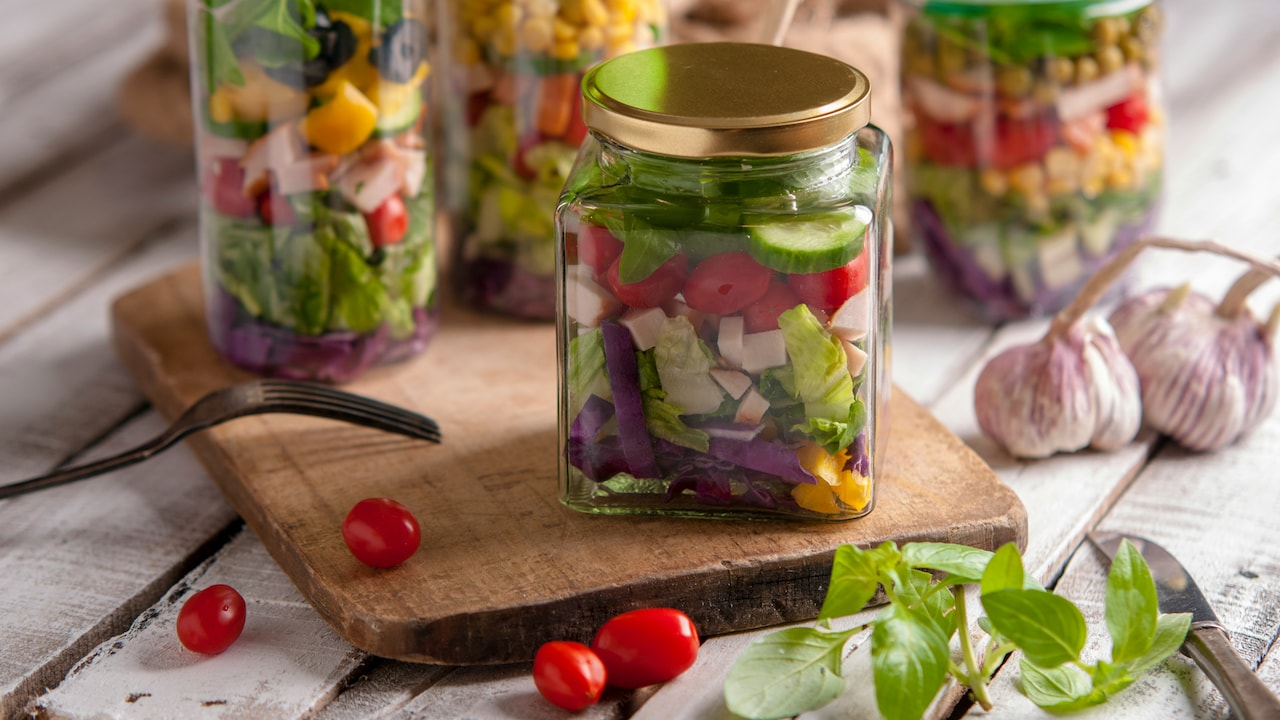
Modern refrigerators increasingly resemble curated social media displays. Uniform jars, matching baskets, labelled containers, and colour-coordinated beverages create visually pleasing interiors. However, chasing aesthetic perfection often sacrifices functionality.
Many trendy organisers prioritise appearance over airflow. Deep acrylic bins, decorative egg holders, mini drawers, and rotating trays consume surprising amounts of space. While photographs look satisfying, real-life usage tells a different story.
Households frequently struggle to fit regular groceries into these carefully organised systems. Suddenly, one large watermelon destroys the entire arrangement. Leftover containers balance awkwardly on top of fancy organisers purchased during online sales.
The pressure to maintain a “perfect fridge” also encourages overbuying storage products. Some kitchens contain more organisers than actual food. Ironically, this clutter reduces convenience instead of improving it.
Refrigerators should adapt to daily cooking habits, family size, and seasonal needs. During mango season, fruit may dominate shelves. Festive weeks demand space for sweets and leftovers. Flexibility matters far more than maintaining showroom-style symmetry.
Practical organisation always outperforms decorative excess. A simple, breathable arrangement with accessible food and visible ingredients works best for both cooling efficiency and everyday convenience.
After all, nobody opens the fridge at midnight craving admiration for perfectly aligned sauce bottles. People simply want cold water, fresh leftovers, and enough space to store tomorrow's breakfast without triggering an avalanche of containers.
Products Related To This Article
1. SIO Mesh Vegetable Storage Bags for Refrigerator Pack of 24
2. 6pcs Fridge Storage Boxes Fridge Organizer with Removable Drain Plate and Lid Stackable Fridge Storage Containers
3. INKULTURE Acrylic Fridge Organiser | Fridge Storage Boxes
4. Clazkit Plastic Fridge Storage Boxes Multipurpose Containers
5. XML 30 Eggs Tray Storage Box Baskets Holder Dispenser Refrigerator Space-saving Stackable Plastic Automatic Roller Organizer Storage Containers
6. MILTON 6-in-1 Grid Fridge Storage Containers Fridge Organizer Container & Lid, Stackable Box
7. Clazkit Acrylic Fridge Organiser | Fridge Storage Boxes
Refrigerator organisers can certainly make kitchens look tidy and simplify daily cooking routines. Yet too many storage accessories often create hidden problems that affect cooling efficiency, electricity consumption, and food freshness.
Blocked vents, overcrowded shelves, bulky containers, and poor food placement force refrigerators to work harder than necessary. Over time, these habits may shorten appliance lifespan and quietly increase monthly power bills.
The solution does not require abandoning organisers completely. Instead, households should focus on balance. Smart storage supports airflow rather than restricting it. Practical arrangements outperform decorative trends every single time.
A refrigerator works best when it stays moderately filled, regularly cleaned, and thoughtfully organised. Small adjustments, removing unnecessary bins, spacing containers properly, or avoiding overloaded shelves, can improve cooling noticeably.
Sometimes the smartest kitchen upgrade involves not buying another organiser during an online sale. Sometimes, it simply means making enough room for cold air to move freely.
(Disclaimer: This article may include references to or features of products and services made available through affiliate marketing campaigns. NDTV Convergence Limited (“NDTV”) strives to maintain editorial independence while participating in such campaigns. NDTV does not assume responsibility for the performance or claims of any featured products or services.)