Solo Microwave vs Convection Microwave: Which One Makes More Sense For Everyday Use?
Solo or convection microwave? One keeps things simple and affordable, while the other adds baking and grilling to the mix. This is what microwave truly makes sense for everyday kitchen use.
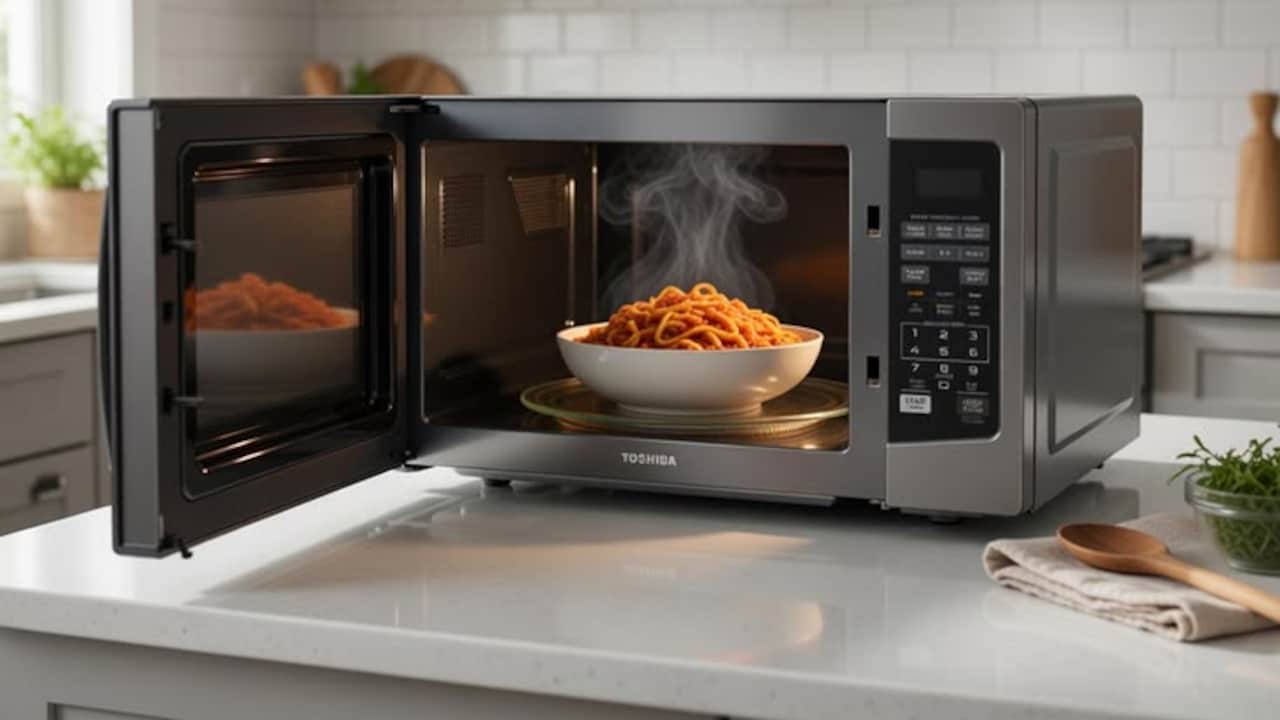
Solo Or Convection Microwave? A Simple Guide To Choosing The Right One
Microwaves have moved far beyond reheating cold curry from last night's dinner. They now handle everything from melting butter for cakes to roasting paneer tikka on a rainy evening. Yet many households still stand confused in front of two labels: solo microwave and convection microwave. At first glance, both machines appear similar. They heat food, save time, and reduce the drama of standing near a gas stove in peak summer. But their personalities differ quite a bit. A solo microwave behaves like a dependable commuter bike. It does the basic job well and rarely complicates life. A convection microwave, meanwhile, resembles a feature-packed SUV with extra power and more tricks under the bonnet.
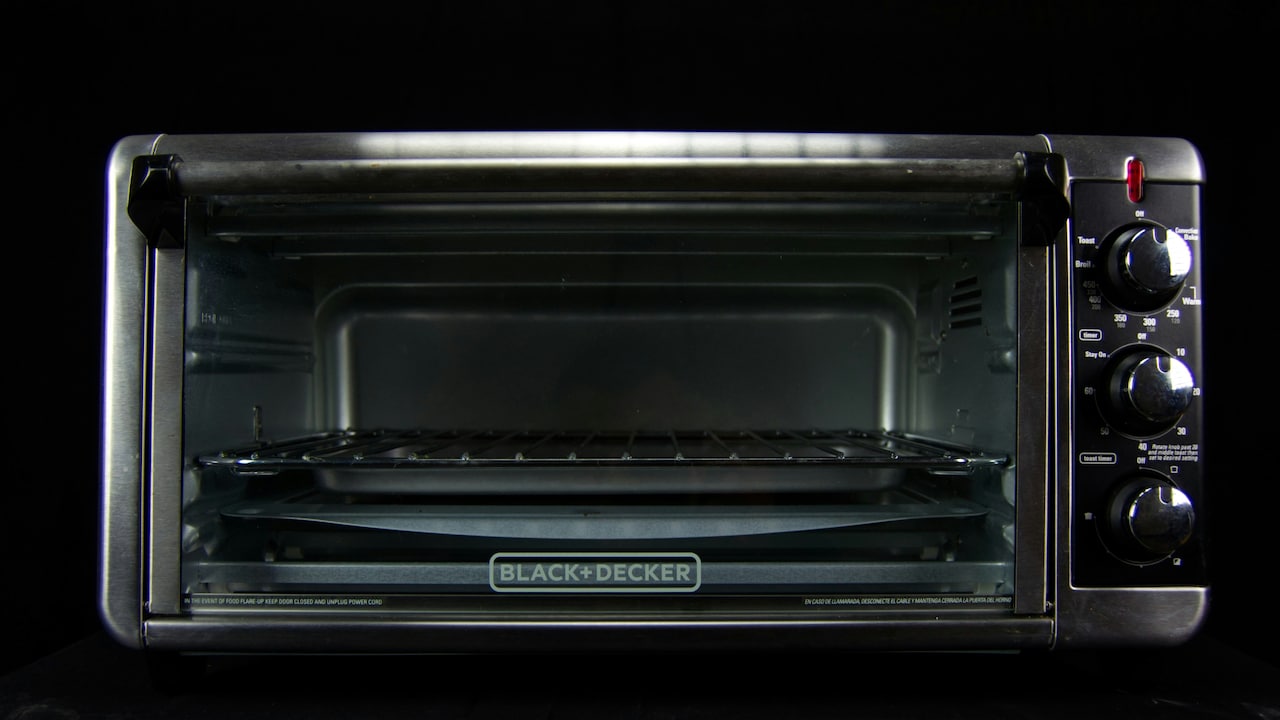
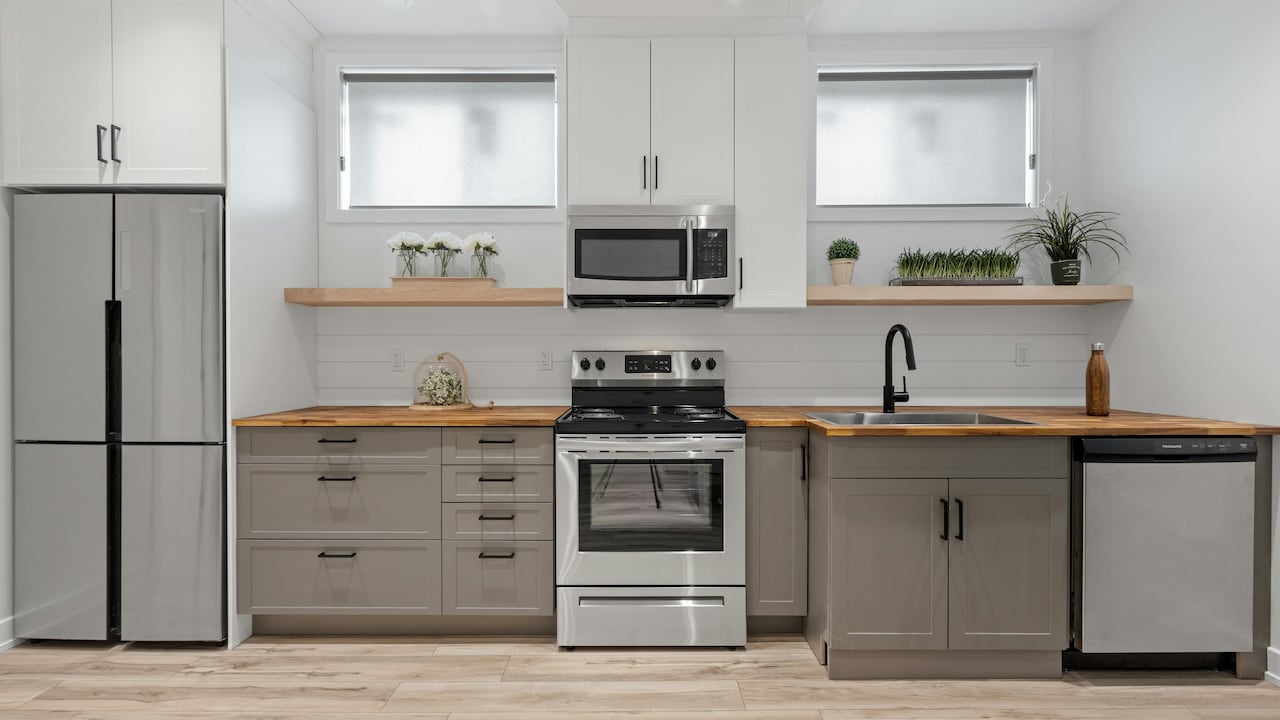
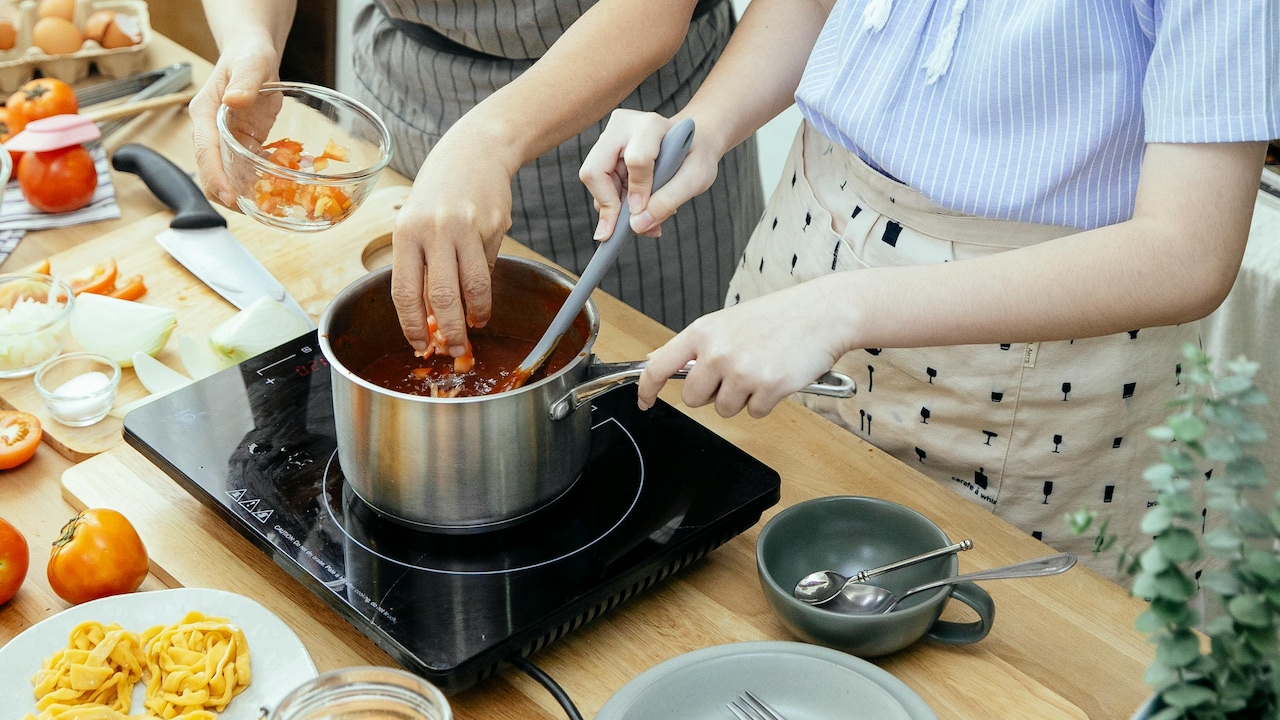
Solo Or Convection Microwave? A Simple Guide To Choosing The Right One; Photo Credit: Pexels
The challenge lies in understanding whether those extra features actually matter in daily life. Plenty of people buy a convection microwave, dreaming of homemade pizzas and cupcakes, only to end up reheating tea twice a day. Others settle for a solo microwave and later regret not being able to bake a birthday cake at home. The better choice depends on cooking habits, kitchen space, electricity usage, family size, and even patience levels. Some households want convenience above everything else. Others enjoy experimenting with recipes after watching endless food reels online. Here is a closer look at how both microwaves perform in everyday situations and which one deserves a permanent place on the kitchen counter.
Solo Microwave Vs Convection Microwave: Key Differences That Matter In Everyday Life
The Difference Starts With Functionality
The biggest difference between a solo microwave and a convection microwave lies in what they can actually do. A solo microwave focuses on simple tasks. It reheats food, defrosts frozen items, cooks basic dishes, and handles quick meals without fuss. Think of it as the kitchen equivalent of a reliable pressure cooker. It may not impress guests, but it delivers when hunger strikes.
A convection microwave takes things several steps further. Along with standard microwave heating, it uses a fan and heating element to circulate hot air evenly. That allows it to bake cakes, grill vegetables, roast chicken, and create crisp textures impossible in a solo model.
For a small family that mostly reheats dal, warms rotis, or prepares instant snacks, a solo microwave often feels sufficient. It keeps things straightforward and avoids unnecessary complications. But households that enjoy experimenting with food may quickly outgrow it.
The difference becomes obvious during festive seasons. A solo microwave handles reheating sweets effortlessly, while a convection microwave can bake fresh cookies for guests. One saves time. The other opens doors to creativity. The real question is whether everyday life truly demands those extra culinary adventures.
Also Read: 5 Best Microwaves Under ₹7000, From IFB, Samsung, LG To Haier, For Quick Meals And Everyday Use
Price Often Decides The First Impression
Most buyers notice the price tag before anything else. Solo microwaves usually start around ₹4,000 to ₹7,000, making them attractive for students, small families, and first-time buyers. Convection microwaves generally begin closer to ₹9,000 and can easily cross ₹20,000 depending on brand and features.
That price gap often shapes the entire decision. A solo microwave feels practical and economical. It covers basic needs without creating guilt during checkout. For households already juggling expenses like school fees, fuel prices, and monthly groceries, saving several thousand rupees matters.
A convection microwave, however, tempts buyers with versatility. Salespeople love demonstrating crispy pizzas and perfectly grilled kebabs under bright showroom lights. Suddenly, spending extra feels justified. The machine appears less like an appliance and more like an investment in lifestyle.
But reality inside most kitchens tells another story. Many convection features remain untouched after the first few weeks. The excitement of baking brownies fades once cleaning trays and preheating settings become regular chores.
That does not mean convection microwaves lack value. They make complete sense for people who genuinely enjoy cooking. Yet for someone who mainly reheats leftovers and boils milk, paying double simply does not add up. Sometimes the smartest purchase is the one that quietly fits everyday routines rather than ambitious plans.
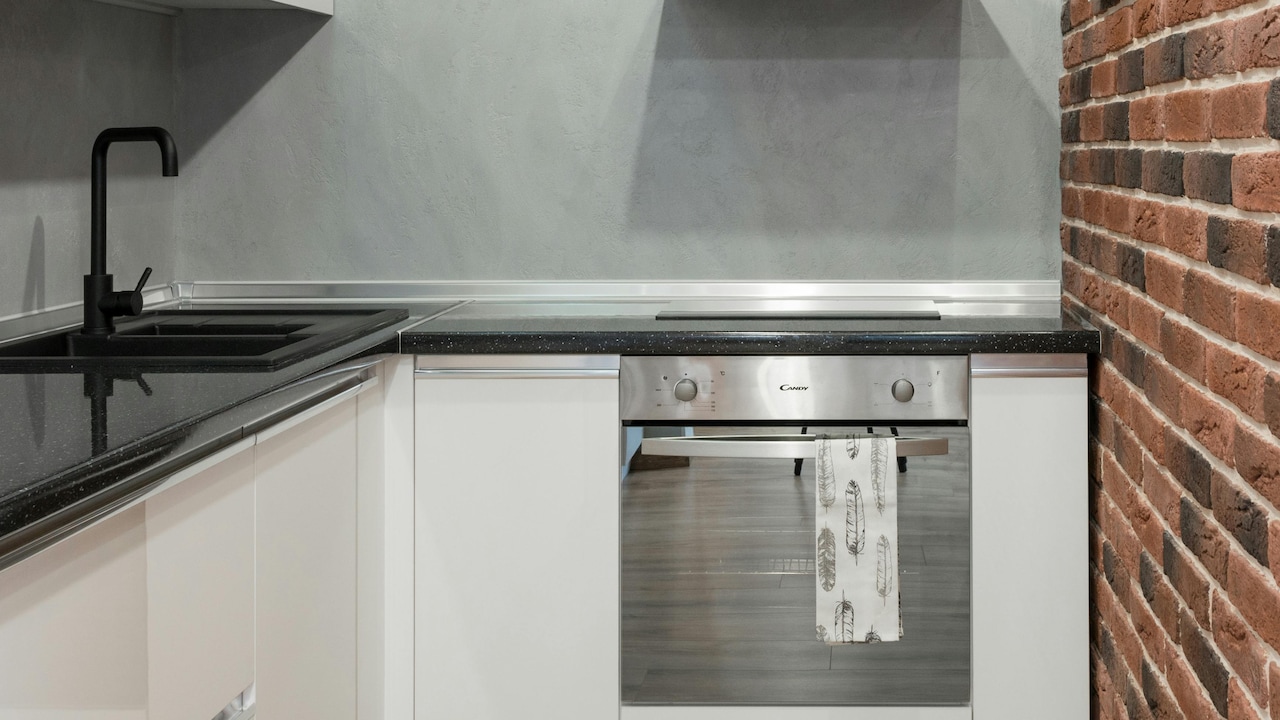
Solo Or Convection Microwave? A Simple Guide To Choosing The Right One; Photo Credit: Pexels
Everyday Convenience Matters More Than Fancy Features
Modern appliances often win hearts through impressive feature lists. Yet, everyday convenience usually decides whether people actually enjoy using them. Solo microwaves shine in this area because they keep things beautifully uncomplicated.
Most solo models come with straightforward controls. Heat, timer, stop. Even grandparents can operate them without accidentally launching mysterious cooking modes. Busy mornings become easier when tea reheats in under a minute without scrolling through complicated settings.
Convection microwaves require slightly more involvement. Baking needs preheating. Grilling needs correct rack placement. Cooking modes need attention. None of this feels difficult after practice, but it does demand interest and patience.
Imagine returning home exhausted after battling traffic and endless work calls. At that moment, most people simply want warm food quickly. They rarely dream about convection grilling technology. Convenience suddenly becomes more valuable than versatility.
Cleaning also affects daily comfort. Solo microwaves usually require less maintenance because they handle simpler cooking tasks. Convection models often collect grease, crumbs, and baking spills that need regular scrubbing.
That said, convenience means different things to different households. For some, convenience equals pressing one button for instant reheating. For others, convenience means baking garlic bread at home instead of ordering expensive café snacks every weekend. The better appliance depends entirely on which version of convenience fits daily life.
Cooking Habits Reveal The Better Choice
A microwave purchase makes far more sense when viewed through actual cooking habits rather than marketing promises. The key lies in honesty. Not aspirational honesty inspired by cooking shows, but real honesty about what happens in the kitchen every day.
Some households cook fresh meals twice daily on gas stoves and use microwaves only for reheating. In such homes, a solo microwave performs perfectly well. Spending extra on baking features that remain unused feels unnecessary.
Other families enjoy weekend experiments. Homemade lasagna, baked pasta, stuffed vegetables, cupcakes for birthdays, or grilled sandwiches during monsoon evenings become regular activities. A convection microwave fits naturally into that lifestyle.
Young professionals living alone often prefer solo microwaves because speed matters more than culinary creativity. Students surviving on frozen snacks and instant noodles rarely need advanced cooking functions.
Meanwhile, parents with school-going children sometimes appreciate convection microwaves for healthier homemade snacks. Baking cutlets instead of deep frying them feels like a small but satisfying victory.
Cooking habits also change with time. During festive periods or family gatherings, convection microwaves suddenly become stars of the kitchen. Yet during regular weekdays, even the fanciest appliance may end up reheating yesterday's rajma.
The smartest buyers observe their routines before making a decision. A microwave should support existing habits rather than force entirely new ones. Otherwise, it risks becoming another expensive gadget gathering dust beside the mixer grinder.
Space In The Kitchen Changes Everything
Kitchen space rarely receives enough attention during appliance shopping. Yet it can completely shape satisfaction levels later. Solo microwaves generally occupy less space and fit comfortably into compact kitchens where every inch already feels precious.
Many urban apartments struggle with limited counter space. Between water purifiers, spice racks, air fryers, and endless jars of snacks, kitchens often resemble puzzle boards. In such settings, a compact solo microwave feels easier to manage.
Convection microwaves tend to be larger and heavier. They need proper ventilation because baking and grilling generate more heat. Squeezing one into a cramped corner may create inconvenience instead of comfort.
There is also the question of portability. Solo microwaves feel easier to shift during cleaning or moving homes. Convection models can become surprisingly bulky, especially larger family-sized versions.
Families living in rented flats often prefer simpler appliances because relocation already involves enough chaos. Nobody wants extra stress while carrying heavy kitchen equipment down narrow staircases during the shifting season.
At the same time, spacious kitchens with dedicated counters can easily accommodate larger convection units. In fact, such kitchens often encourage more experimentation with cooking because the setup feels comfortable and inviting.
A microwave should fit naturally into kitchen life rather than dominate it. Appliances that demand constant rearranging or compromise daily movement eventually become irritating, no matter how advanced their features appear on paper.
Electricity Consumption Deserves Attention
Electricity bills quietly influence appliance satisfaction over time. A solo microwave generally consumes less power because it performs simpler tasks and runs for shorter durations. Reheating food for two minutes barely affects monthly bills.
Convection microwaves consume more electricity, especially during baking and grilling. Preheating alone uses additional power before cooking even begins. A weekend baking session may not seem expensive initially, but regular usage gradually adds up.
This difference matters more during the summer months when air conditioners already push electricity usage higher. Many households become extra cautious about energy consumption once bills start climbing beyond comfort levels.
However, comparing electricity usage requires balance. A convection microwave can sometimes replace ovens, grills, and even certain stovetop cooking tasks. That multifunctionality may offset some energy concerns for frequent users.
For occasional bakers, though, the extra consumption might not feel worthwhile. Buying an appliance capable of making roasted vegetables means little if it only performs that task twice a year.
Power cuts also affect the equation. In areas with unstable electricity supply, simpler appliances often prove more practical. Nobody enjoys halfway-baked cakes during unexpected outages.
Ultimately, electricity consumption should align with actual use. A solo microwave suits households seeking efficient daily convenience. A convection microwave works better for people who genuinely utilise its broader cooking abilities often enough to justify the additional power usage.
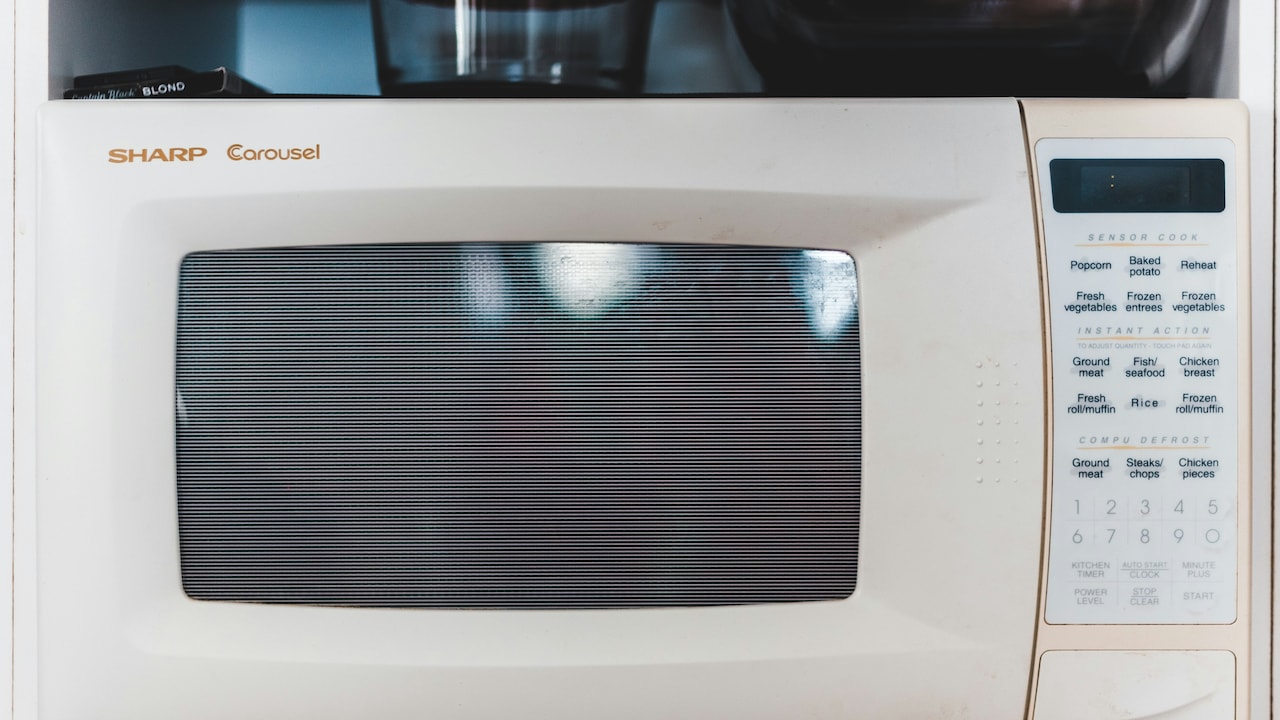
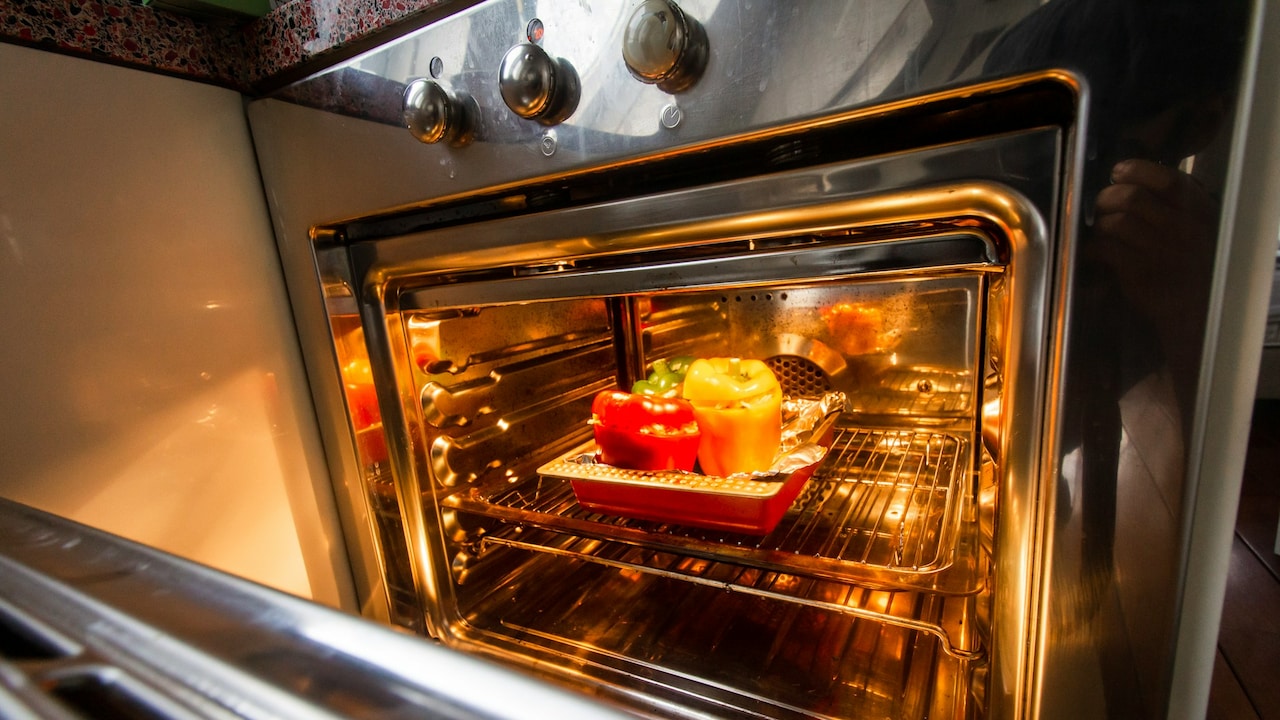
Solo Or Convection Microwave? A Simple Guide To Choosing The Right One; Photo Credit: Pexels
Learning Curve Can Surprise Many Buyers
Appliances rarely mention the emotional side of learning new technology. Yet this factor influences satisfaction more than advertisements suggest. Solo microwaves feel easy almost immediately. Even someone using a microwave for the first time usually understands the basics within minutes.
Convection microwaves involve a learning curve. Baking temperatures, grill settings, metal racks, preheating timings, and cooking combinations require some experimentation. Early attempts may produce uneven cakes or strangely dry paneer tikka.
That learning process excites food enthusiasts but frustrates people seeking simplicity. Nobody wants dinner ruined after pressing the wrong mode accidentally.
Instruction manuals often complicate matters further with technical language and endless diagrams. Many users eventually rely on trial and error instead. Some succeed brilliantly. Others quietly return to gas stoves for anything beyond reheating.
YouTube tutorials help, of course. Yet they also create unrealistic expectations. Watching a flawless chocolate cake emerge from a convection microwave looks wonderfully easy online. Real kitchens usually involve burnt edges, overflowing batter, and occasional panic.
Families with teenagers or young adults interested in cooking may actually enjoy this experimentation phase. It turns the kitchen into a creative space rather than just a functional one.
Still, buyers should ask themselves an honest question. Does learning advanced microwave cooking feel exciting or exhausting? The answer often reveals whether a solo or convection microwave will bring long-term happiness instead of silent regret.
Maintenance And Durability Influence Long-Term Value
A microwave purchase does not end at checkout. Maintenance gradually shapes whether the appliance continues feeling useful or becomes a burden. Solo microwaves usually win points for simplicity here as well.
Because they handle basic tasks, solo microwaves often experience less wear and tear. Cleaning involves wiping spills and occasional deodorising after reheating strong-smelling foods like fish curry or garlic tadka.
Convection microwaves demand more care. Baking leaves crumbs. Grilling creates grease splatters. Heating elements need attention. Ignoring regular cleaning can affect performance and create unpleasant odours over time.
Repairs may also cost more in convection models because they contain additional components. Fans, heating elements, and complex settings increase the possibility of technical issues later.
That said, durability depends heavily on usage habits. A carefully maintained convection microwave can last for years without trouble. Meanwhile, careless use can damage even a basic solo model quickly.
Warranty coverage becomes important, too. Premium convection microwaves often include better after-sales service and longer warranties, which provide reassurance for buyers spending higher amounts.
Daily practicality matters more than technical specifications here. Appliances that feel easy to maintain usually remain in regular use. Those requiring constant effort gradually lose popularity inside busy households.
Long-term value comes from usefulness, not complexity. A simple solo microwave used happily every day may offer better value than an expensive convection model used only during festive baking experiments.
Family Size Plays A Bigger Role Than Expected
The number of people in a household quietly affects microwave needs. Smaller families or individuals often prefer solo microwaves because meal preparation stays relatively simple. Reheating one plate of food or defrosting frozen parathas rarely demands advanced cooking technology.
Larger families, however, sometimes appreciate convection microwaves more. Preparing snacks for several people becomes easier when baking or grilling options exist. Homemade pizzas during cricket matches or baked dishes during celebrations suddenly feel practical rather than extravagant.
Children also influence appliance choices significantly. Parents often seek healthier alternatives to fried snacks. Convection microwaves support baking and roasting methods that reduce oil usage while still delivering satisfying textures.
Festivals and gatherings create another layer of consideration. Bigger families often host relatives frequently, especially during holidays. Convection microwaves help prepare larger batches of snacks and desserts without crowding the stovetop.
Yet family size alone does not decide everything. Some large households still rely entirely on traditional cooking methods and use microwaves only for reheating. Meanwhile, young couples passionate about cooking may fully utilise every convection feature available.
The important part lies in understanding lifestyle alongside household numbers. A microwave should support the rhythm of family life rather than complicate it. Whether that rhythm involves quick weekday reheating or elaborate Sunday baking sessions makes all the difference.
Technology Trends Can Be Misleading
Modern appliance shopping often feels influenced by trends rather than necessity. Smart kitchens, cooking influencers, and endless recipe videos create pressure to buy feature-heavy gadgets. Convection microwaves naturally benefit from this trend because they sound more advanced and aspirational.
But more technology does not automatically create better everyday experiences. Plenty of households own appliances packed with features nobody remembers how to use after six months.
Solo microwaves survive changing trends precisely because they stay practical. They solve a simple problem efficiently: heating food quickly. That usefulness never really goes out of fashion.
Convection microwaves, meanwhile, appeal strongly to lifestyle aspirations. They symbolise modern cooking, experimentation, and convenience. For many buyers, that excitement genuinely adds joy to kitchen routines.
The danger appears when people purchase based on fantasy instead of habit. Buying a convection microwave solely because neighbours own one rarely leads to satisfaction. Kitchen appliances should match personal routines, not social expectations.
Interestingly, some households eventually pair appliances instead of choosing one over the other. A solo microwave handles daily reheating while separate ovens or air fryers manage specialised cooking tasks. Others rely entirely on a convection microwave for everything.
Technology works best when it quietly supports life instead of constantly demanding attention. The smartest microwave is not necessarily the most advanced one. It is the one that gets used happily and consistently without turning everyday cooking into unnecessary drama.
Products Related To This Article
1. IFB 24L Solo Microwave Oven with 69 Auto Cook Menus
2. IFB 30L Convection Microwave Oven with 101 Standard Cook Menus
3. Voltas Beko, A Tata Product 20L, 700W smart solo Microwave oven
4. LG 28 L Convection Microwave Oven
5. Midea 20L Solo Microwave Oven | 5 Power Levels + Defrost
6. Samsung 21 L, Convection Microwave Oven
7. LG 20 L Solo Microwave Oven
The debate between solo and convection microwaves ultimately comes down to lifestyle rather than technology. Both appliances serve valuable purposes, but they suit different kinds of kitchens and routines.
A solo microwave makes excellent sense for households focused on simplicity, speed, affordability, and daily convenience. It handles reheating, defrosting, and basic cooking efficiently without demanding much attention. For many people, that is more than enough.
A convection microwave suits those who genuinely enjoy cooking beyond the basics. It opens possibilities for baking, grilling, roasting, and experimenting with recipes at home. For enthusiastic home cooks, the extra investment often feels worthwhile.
The smartest choice begins with honesty about actual habits. Not future ambitions inspired by cooking reels. Not pressure from showroom demonstrations. Just real everyday behaviour inside the kitchen.
Because in the end, the best microwave is not the one with the longest feature list. It is the one that quietly fits into daily life, heats food exactly when needed, and perhaps occasionally rescues dinner after a long, exhausting day.
(Disclaimer: This article may include references to or features of products and services made available through affiliate marketing campaigns. NDTV Convergence Limited (“NDTV”) strives to maintain editorial independence while participating in such campaigns. NDTV does not assume responsibility for the performance or claims of any featured products or services.)