Why Handheld Garment Steamers Often Fail On Thick Linen Shirts: Top Tips To Get The Perfect Result
Handheld garment steamers often struggle with thick linen shirts, leaving stubborn creases behind. This is why it happens and how to get smoother, sharper results without damaging the fabric.
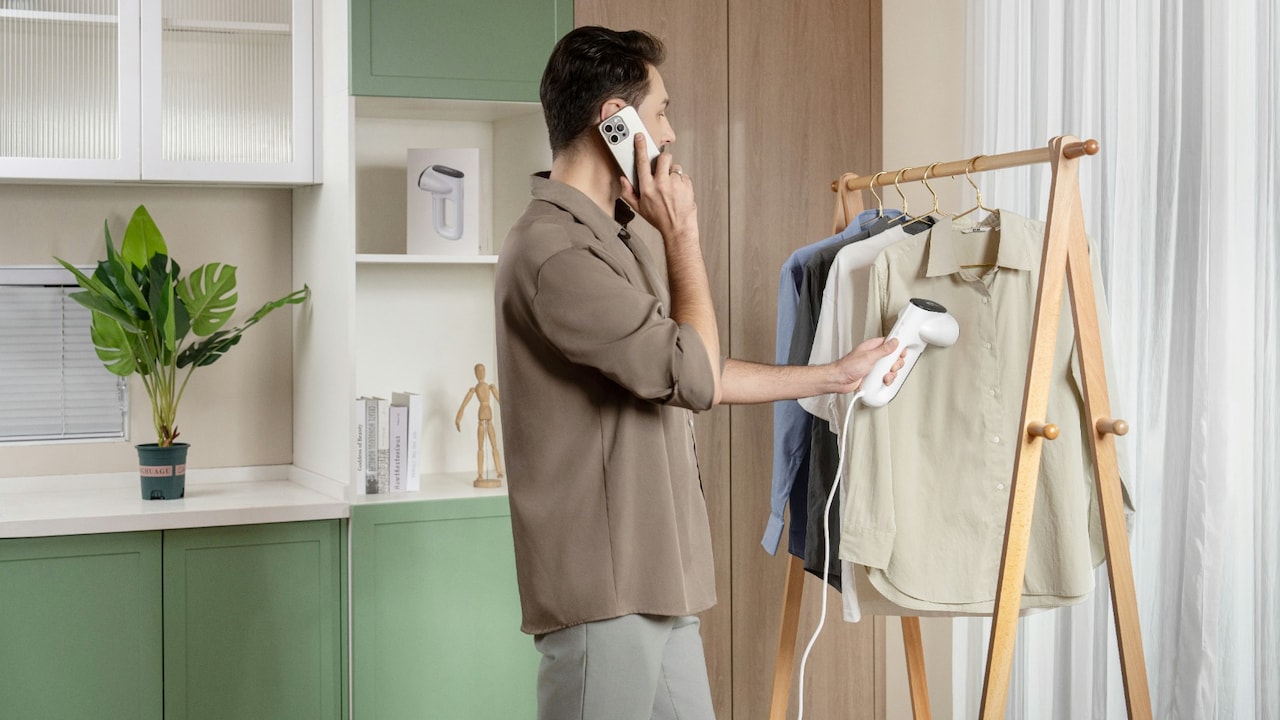
Why Handheld Garment Steamers Fail On Thick Linen Shirts: How To Fix It
Linen shirts carry a certain charm. They feel breezy during blazing summer afternoons, look effortlessly stylish at brunches, and somehow manage to scream “holiday mode” even during an ordinary workday. Yet linen also comes with one tiny problem that feels less tiny at 8 am before office hours. It wrinkles faster than gossip spreads in a housing society WhatsApp group. That is where handheld garment steamers enter the scene. Compact, lightweight, and marketed as miracle machines, they promise smooth clothes in minutes. Many people buy one after spotting flashy online sales or hearing glowing reviews from friends. A decent handheld steamer can cost anywhere between ₹1,500 and ₹6,000, which sounds reasonable compared to dragging out a bulky ironing board every morning.
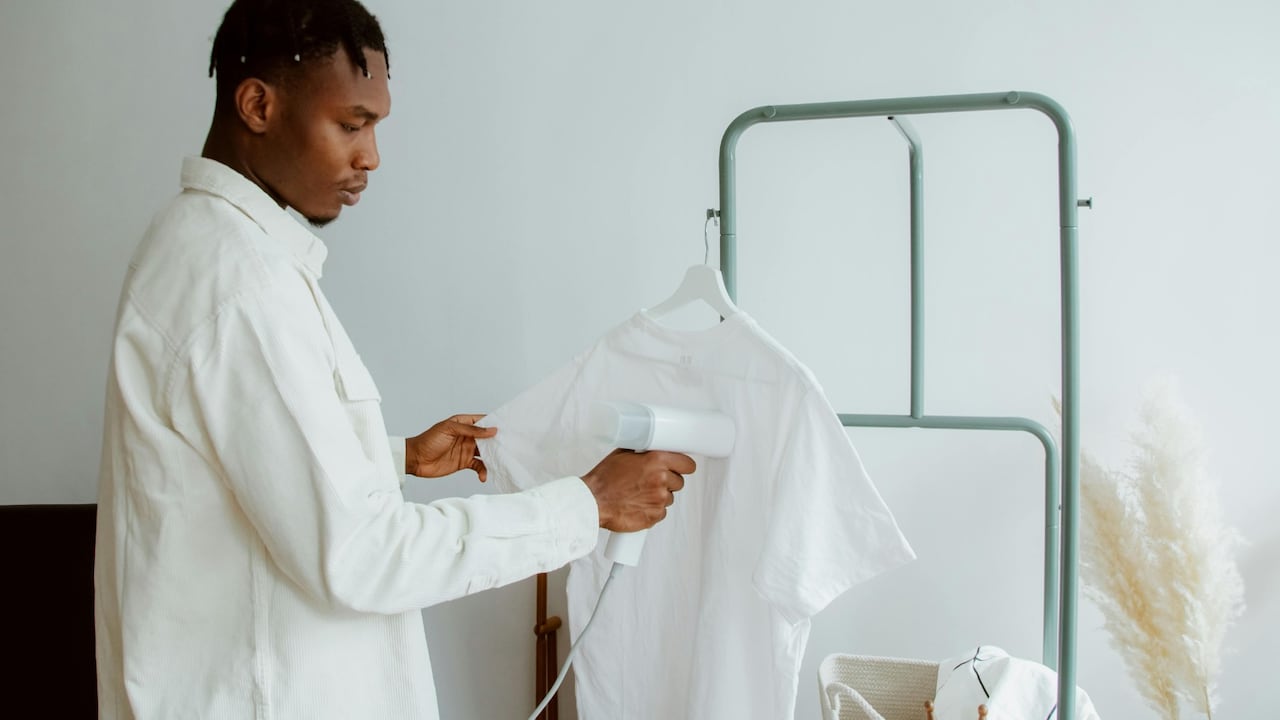
Why Handheld Garment Steamers Fail On Thick Linen Shirts: How To Fix It; Photo Credit: Pexels
Still, reality often disappoints. Thick linen shirts remain crumpled despite endless steaming. Some shirts look damp rather than crisp. Others develop odd patches where steam settled unevenly. Frustration builds quickly, especially when getting ready for a wedding, client meeting, or family dinner. The truth is simple. Handheld steamers work brilliantly for certain fabrics, but thick linen demands patience, preparation, and proper technique. Understanding why steamers struggle can make all the difference between looking freshly dressed and looking like someone slept in their shirt during a train journey.
Why Thick Linen Shirts Are So Difficult To Steam Properly
Steamers Struggle Because Linen Fibres Are Naturally Stubborn
Linen comes from flax fibres, and those fibres behave very differently from cotton or polyester. They feel thicker, stronger, and more textured. That lovely airy appearance also means the fabric creases deeply and locks wrinkles into place with remarkable determination.
A handheld steamer releases gentle steam rather than intense pressure. Thick linen often needs both moisture and force to relax properly. Traditional irons flatten fibres through heat and pressure together. Steamers only soften the wrinkles. Without enough tension on the shirt, the creases remain visible.
Many people assume more steam equals better results. Unfortunately, heavy linen absorbs moisture quickly, especially during humid weather. Instead of releasing wrinkles, the shirt simply becomes damp. That dampness can even create fresh creases while drying.
The problem becomes obvious with collars, cuffs, and pocket seams. Those sections contain multiple fabric layers, which steam struggles to penetrate. A quick pass with a handheld device rarely reaches deep enough into the fibres.
That does not mean steamers are useless. They simply require realistic expectations. Linen will rarely look razor-sharp with steaming alone. The aim should shift from “perfectly pressed” to “fresh, relaxed, and neat enough for everyday wear.”
Low Water Capacity Creates Inconsistent Steam
Most handheld steamers feature small water tanks. They stay lightweight because manufacturers keep them compact. Convenient for travel, yes. Ideal for thick linen shirts, not really.
A thick full-sleeve linen shirt can drain a small steamer alarmingly fast. Steam pressure weakens as the water level drops, creating uneven performance halfway through the job. One sleeve may look smooth while the other still resembles crumpled newspaper.
Frequent refilling also interrupts the steaming process. Every pause allows partially relaxed fibres to cool and settle back into wrinkled shapes. It becomes an endless cycle of steam, stop, refill, and repeat.
Water quality matters too. Hard water creates mineral deposits inside the steamer nozzle. Over time, steam output weakens further. Many people blame the fabric when the real culprit sits inside the appliance itself.
Using filtered or distilled water can noticeably improve performance. Regular descaling also helps maintain steady steam pressure. These small maintenance habits often determine whether the steamer survives one year or quietly retires to the back of a cupboard beside forgotten gym equipment and old Diwali lights.
A steamer with a larger tank may cost slightly more, perhaps around ₹4,000 or higher, but stronger and consistent steam can dramatically improve results on thicker fabrics.
Hanging Shirts Incorrectly Ruins The Entire Process
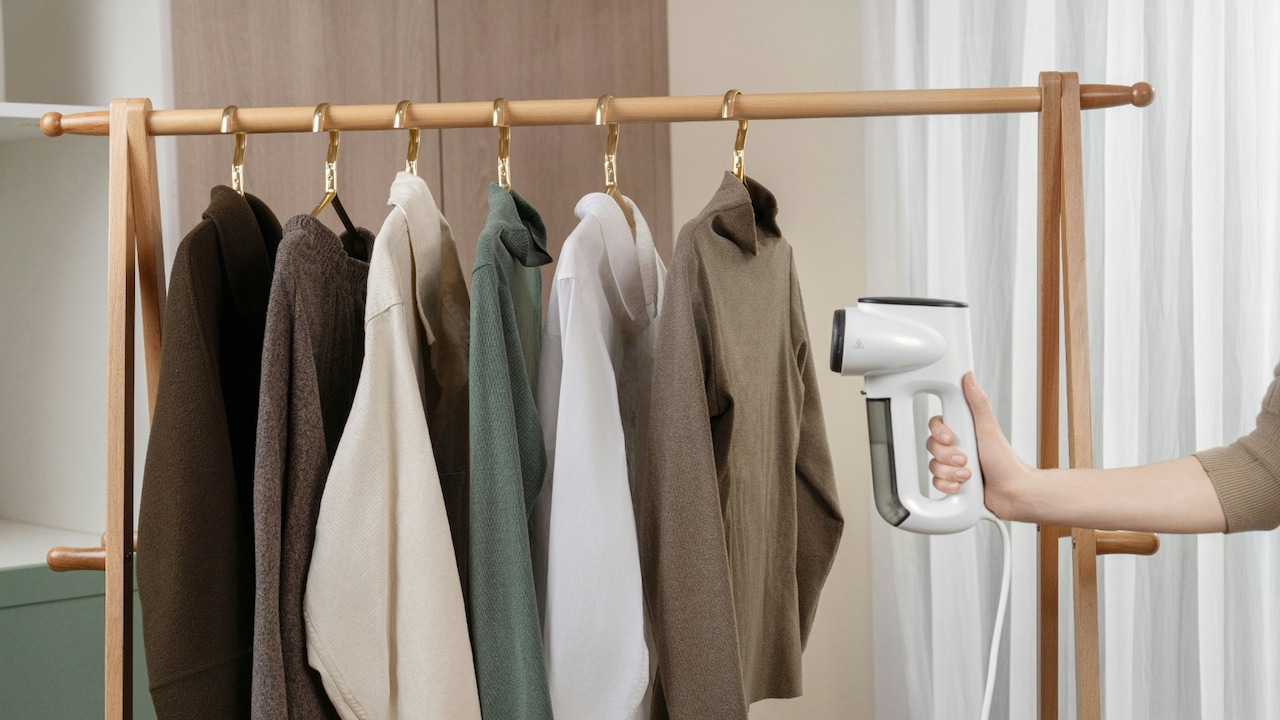
One common mistake happens before steaming even begins. The shirt gets hung on a weak plastic hanger, crooked hook, or overcrowded wardrobe handle. Then comes confusion about why the wrinkles refuse to disappear.
Steam works best when gravity assists the process. Thick linen needs proper hanging support so the fabric stretches naturally downward. Without tension, steam simply floats around without effectively loosening fibres.
A sturdy wooden hanger works far better than thin plastic ones. Broad shoulders help maintain the shirt's shape while steaming. Hanging the garment in an open area also allows steam to move freely around the fabric.
Many people attempt steaming while the shirt hangs against a wall or a cupboard. That blocks airflow and traps moisture behind the fabric. Damp patches develop, making wrinkles even more noticeable.
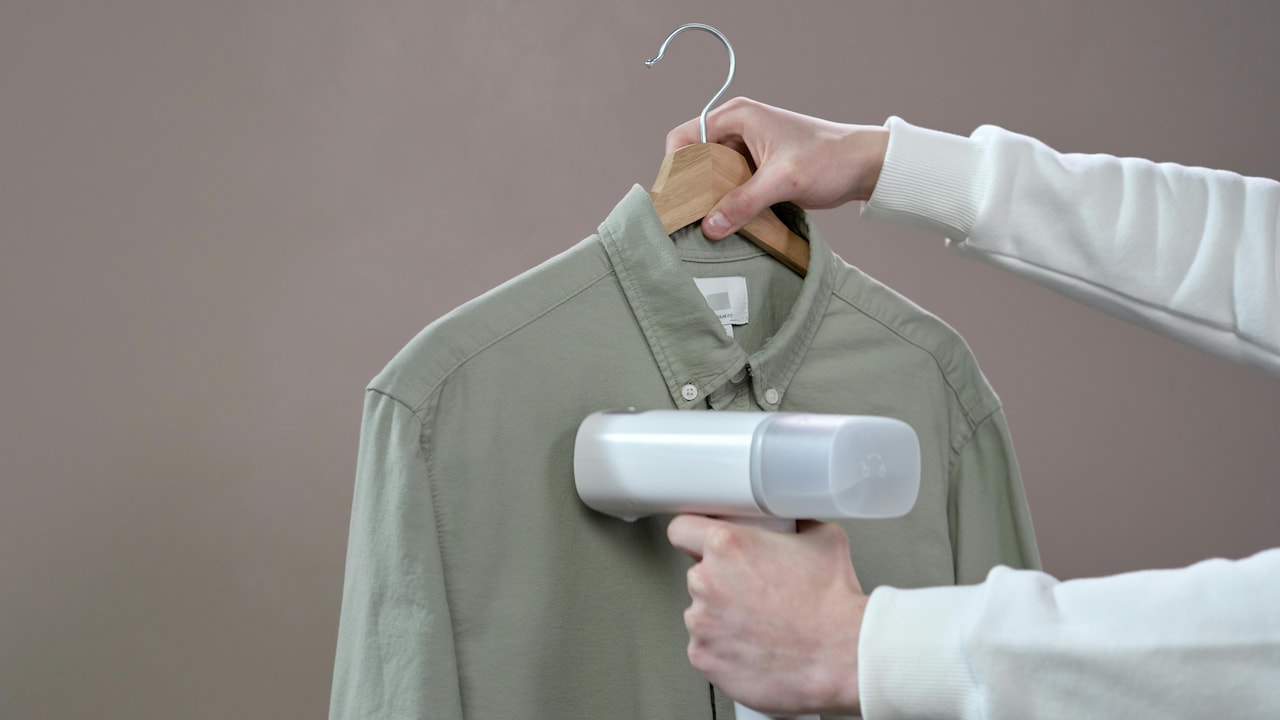
The smartest trick involves gently pulling the fabric downward while steaming. Not aggressively, though. Linen responds well to light tension. Stretching too hard can distort seams or create uneven shapes around collars and buttons.
There is also a practical timing issue. Steaming clothes right before wearing them often backfires. Thick linen needs several minutes to cool and dry fully. Wearing it too soon invites fresh wrinkles almost immediately, especially during crowded commutes or warm evenings outdoors.
Why Handheld Garment Steamers Fail On Thick Linen Shirts: How To Fix It; Photo Credit: Pexels
Steam Temperature Often Falls Short
Not all steamers produce the same heat levels. Budget handheld models usually generate lower temperatures compared to full-sized garment steamers or steam irons. Thick linen notices that difference instantly.
Lower heat struggles to penetrate dense fabric layers. The steam touches the surface but fails to relax deeper wrinkles hiding inside the weave. The result looks halfway finished, as though someone gave up midway through getting dressed.
People often move the steamer too quickly because advertisements make the process look effortless. In reality, linen requires slower passes. The steam needs time to soften fibres properly.
Rushing creates another issue. Water droplets form when steam cools before fully evaporating. Those droplets leave visible marks on darker linen shades like navy, olive, or charcoal. Suddenly, the shirt looks blotchy instead of polished.
Allowing the steamer to fully preheat before use makes a major difference. Many users switch it on and start immediately. Patience matters here. Giving the device two or three extra minutes often improves steam quality significantly.
Another overlooked detail involves room temperature. Steaming inside a cool air-conditioned room can reduce effectiveness because steam dissipates faster. A slightly warmer room helps maintain consistent heat around the garment.
Sometimes the simplest adjustment solves the problem better than buying a new machine.
Thick Linen Needs Layer-By-Layer Attention
People often treat steaming like watering plants. A quick sweep across the surface and job done. Thick linen laughs at such optimism.
Heavy shirts require section-by-section attention. Sleeves, shoulders, collars, plackets, and back panels all behave differently. Ignoring these variations leaves some areas smooth while others remain badly creased.
The back panel usually causes the biggest frustration. It bunches easily while hanging, especially near the shoulder seams. Steam alone cannot flatten those folds unless the fabric gets repositioned repeatedly.
Collars deserve special care, too. Steam them from underneath first. That allows heat to loosen deeper creases before smoothing the outer side. Otherwise, the collar edges curl awkwardly upward, creating the dreaded “half-ironed school uniform” effect.
Cuffs also trap wrinkles because of folded fabric layers. A gentle pull while steaming helps open those layers enough for steam penetration.
Many people underestimate drying time between sections. If one area remains damp while another gets steamed, wrinkles can shift unpredictably across the garment. Working slowly may sound tedious, but it usually saves time compared to redoing the entire shirt later.
Good steaming resembles careful grooming rather than speed cleaning. The difference shows clearly once the shirt finally hangs evenly and moves naturally without stiff creased patches.
Fabric Thickness Changes Everything
Not all linen shirts share the same fabric weight. Lightweight resort shirts respond beautifully to steam. Thick formal linen behaves more like stubborn upholstery.
Many premium shirts use heavier linen blends to improve durability and structure. Those fabrics resist wrinkling slightly better during wear, but they become harder to steam effectively at home.
Dense linen absorbs steam more slowly and cools faster. That means wrinkles bounce back quickly unless the fibres fully relax first. Thin steamers often lack enough output for the job.
This explains why hotel steamers sometimes outperform home models dramatically. Commercial units generate continuous high-pressure steam designed for thicker fabrics and frequent use.
Consumers often blame themselves rather than recognising fabric limitations. A ₹2,000 travel steamer simply cannot perform like professional laundry equipment worth several lakhs.
Understanding shirt thickness helps set practical expectations. Casual brunch linen may steam easily. Heavy formal shirts for weddings or office events may still need traditional ironing for a truly crisp finish.
There is no shame in mixing methods, either. Many people use steamers for quick refreshes and reserve ironing for special occasions. That balanced approach often proves more realistic than expecting one appliance to solve every fabric problem.
Why Handheld Garment Steamers Fail On Thick Linen Shirts: How To Fix It; Photo Credit: Pexels
Overcrowded Wardrobes Undo Freshly Steamed Shirts
A beautifully steamed linen shirt can lose its smooth appearance within minutes inside a cramped wardrobe. This frustrating problem gets overlooked constantly.
Linen creases easily under pressure. Stuffing shirts tightly between jackets, saree covers, or winter sweatshirts immediately compresses freshly relaxed fibres. By the time the shirt comes out again, new wrinkles have formed.
Proper spacing matters far more than most people realise. Linen needs breathing room after steaming. Hanging shirts with small gaps between garments helps maintain shape and airflow.
Humidity creates another challenge. During monsoon months, wardrobes trap moisture that softens fabric and encourages wrinkling. A shirt steamed the previous evening perfectly may look tired again by morning.
Simple habits make a difference. Allowing steamed shirts to cool fully before storing them prevents trapped moisture. Using cedar blocks or moisture absorbers inside wardrobes also helps maintain freshness.
Some people cover linen shirts with plastic garment bags. That often worsens the problem because airflow disappears completely. Breathable cotton covers work much better for longer storage.
The issue rarely lies with streaming alone. Storage conditions quietly sabotage results afterwards. Even expensive steamers cannot defeat an overcrowded wardrobe stuffed tighter than festival traffic near a shopping mall.
Wrong Steaming Direction Creates More Wrinkles
Technique matters enormously with linen. Many users move steamers randomly across the shirt, zigzagging without any consistent direction. That approach often pushes wrinkles around rather than removing them.
Steaming downward works best because gravity helps pull fibres naturally. Moving upwards repeatedly lifts and bunches the fabric, especially on thicker linen. The shirt starts shifting awkwardly on the hanger, creating fresh creases.
Horizontal passes also need consistency. Working from the centre outward prevents wrinkles from collecting near seams. Random movements simply relocate the problem from one area to another.
Pressure matters too. Pressing the steamer head too firmly against linen can flatten moisture unevenly into the fabric. Keeping a slight distance allows steam circulation without soaking the material.
Another mistake involves oversteaming already smooth sections. Excess moisture weakens the crisp appearance and leaves the shirt limp. Thick linen responds better to controlled steam rather than endless saturation.
Professional garment handlers often use rhythmic movements for this reason. Slow downward strokes, gentle fabric tension, and steady pacing create better results than frantic steaming before rushing out the door.
Good technique turns an average steamer into a surprisingly useful tool. Poor technique makes even expensive appliances seem disappointing.
Linen Shirts Benefit From Pre-Steaming Preparation
The battle against wrinkles often begins long before the steamer switches on. Thick linen responds much better when prepared properly.
A lightly damp shirt steams more effectively than a completely dry one. Spraying a fine mist of water before steaming helps loosen stubborn fibres faster. The keyword here is lightly. Soaking the fabric creates unnecessary dampness and longer drying times.
Shirts fresh from the washing machine usually steam better than ones crumpled inside laundry baskets for days. Deep-set wrinkles become harder to remove once they fully settle into dry fibres.
Shaking the shirt vigorously before hanging also helps release loose creases. It sounds simple because it is simple. Yet many people skip this step entirely.
Another clever trick involves steaming immediately after a hot shower. Bathrooms filled with residual warmth and moisture naturally soften linen fibres before direct steaming even begins.
Fabric conditioner can influence results, too. Overusing conditioner sometimes coats linen fibres lightly, reducing steam penetration. Moderation works better for maintaining both softness and responsiveness.
Preparation may feel unnecessary during busy mornings, but these tiny adjustments save enormous effort later. Thick linen rewards patience and punishes shortcuts with equal enthusiasm.
Combining Steam And Ironing Often Works Best
Despite clever marketing, handheld steamers rarely replace irons completely for thick linen shirts. The best results often come from combining both methods strategically.
Steamers excel at refreshing clothes quickly, relaxing odours, and softening moderate wrinkles. Irons provide sharp structure, especially around collars, cuffs, and button plackets.
Using a steamer first helps loosen fibres gently. Following up with light ironing on key areas creates a polished appearance without excessive effort. This hybrid method feels far less exhausting than fully ironing a stiff linen shirt from scratch.
Many fashion stylists quietly rely on this combination approach. Steam creates a natural drape while ironing adds crisp finishing touches where needed.
This matters particularly during weddings, formal dinners, or office presentations where appearance carries extra weight. Casual brunches allow relaxed linen charm. Important occasions often demand a cleaner structure.
The good news is that combining methods reduces overall ironing time significantly. A few minutes of steaming beforehand makes traditional ironing smoother and quicker.
There is also less risk of scorching delicate sections because the fabric starts partially relaxed already. That reassurance alone feels valuable when handling expensive linen shirts bought after careful saving or festive shopping splurges.
Sometimes the smartest solution lies not in choosing between tools, but in using both wisely.
Products Related To This Article
1. PHILIPS Standing Garment Steamer STE1040/20-1800 Watts
2. OWNAIR Steam Iron Handheld for Clothes
3. Iron for clothes, Steamer for Clothes & Iron 2in1
4. Goodscity Garment Steamer for Clothes
5. NUUK STROM GO V2 Super Compact and Lightweight Travel Garment Steamer For Clothes
6. Hamilton Beach Professional Garment Steamer
7. AGARO Regency Handheld Garment Steamer
Handheld garment steamers are not useless gadgets collecting dust beside forgotten kitchen appliances. They simply face limitations when tackling thick linen shirts. Linen fibres resist wrinkles fiercely, and compact steamers often struggle with heat, pressure, and consistency.
Still, small adjustments can transform disappointing results into surprisingly effective ones. Proper hanging, steady technique, fabric tension, slower steaming, and better storage habits all play important roles. Understanding fabric weight and accepting realistic expectations matters just as much.
Perfectly crisp linen rarely happens in thirty rushed seconds. Yet fresh, neat, wearable linen absolutely does.
The real secret lies in treating steaming less like magic and more like a craft. A little patience, the right approach, and a touch of humour during the process can save both time and frustration. Because at the end of the day, linen is supposed to feel relaxed and elegant, not stressful enough to ruin the morning before the day even begins.
(Disclaimer: This article may include references to or features of products and services made available through affiliate marketing campaigns. NDTV Convergence Limited (“NDTV”) strives to maintain editorial independence while participating in such campaigns. NDTV does not assume responsibility for the performance or claims of any featured products or services.)