Who Should Buy A Semi-Automatic Washing Machine?
Semi-automatic washing machines are affordable, durable, and ideal for homes with limited water supply. Find out who should buy one and why it still makes sense in 2025.
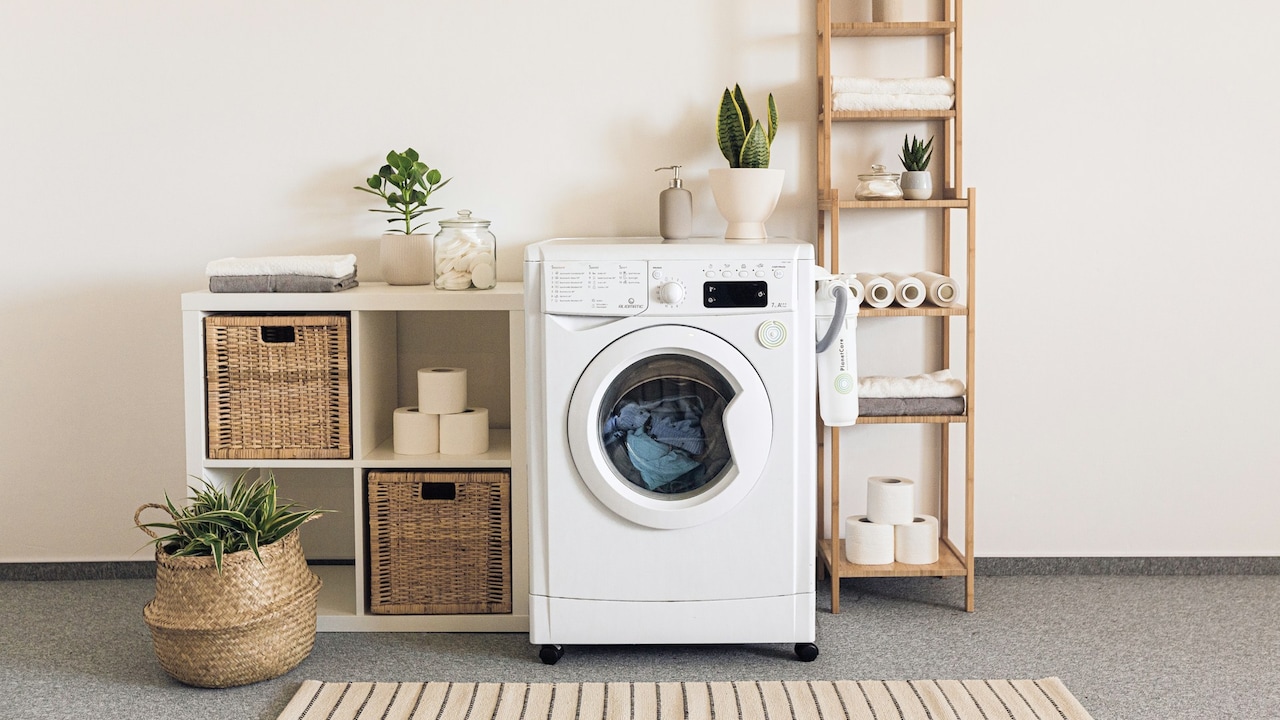
Explore important things that can decide if a semi-automatic washing machine will suit your needs or not.
Washing machines have become a bit like mobile phones. Every year, there's a new model with new features, and somehow everyone is made to feel like their perfectly working machine is “outdated”. Fully automatic washers are brilliant, no doubt. But they're not always the best fit for every home, every budget, or every lifestyle.
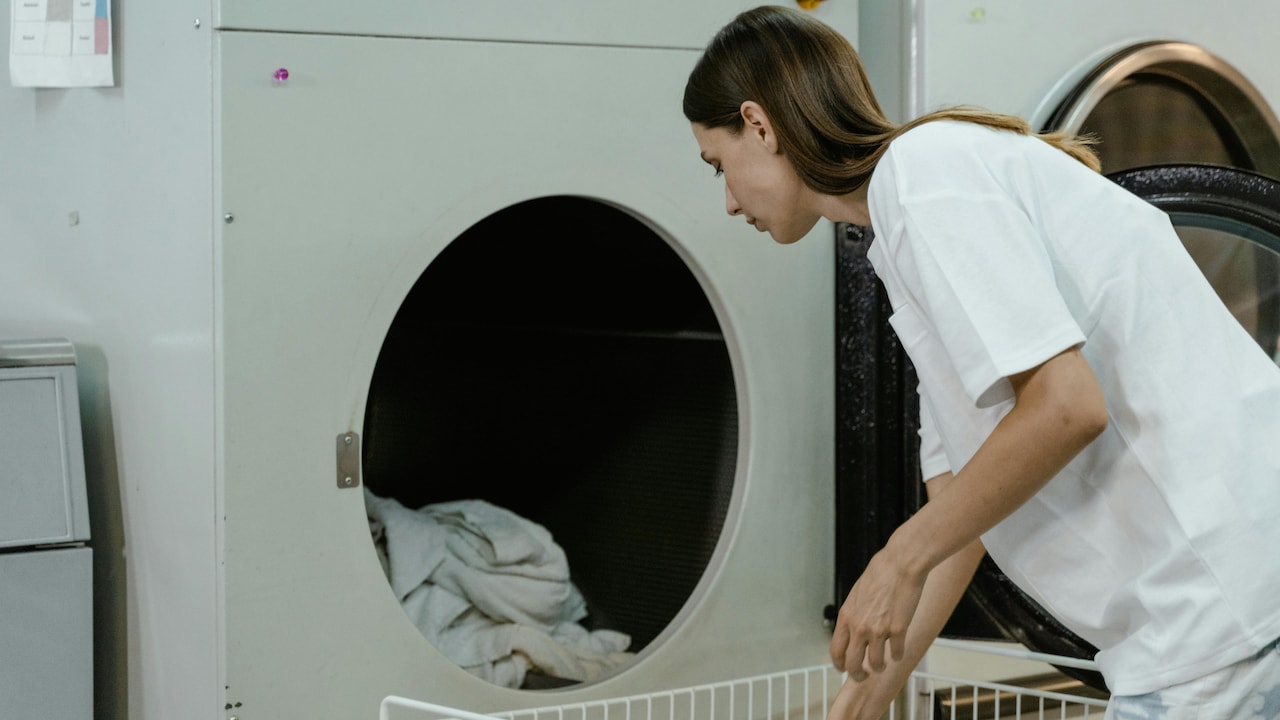
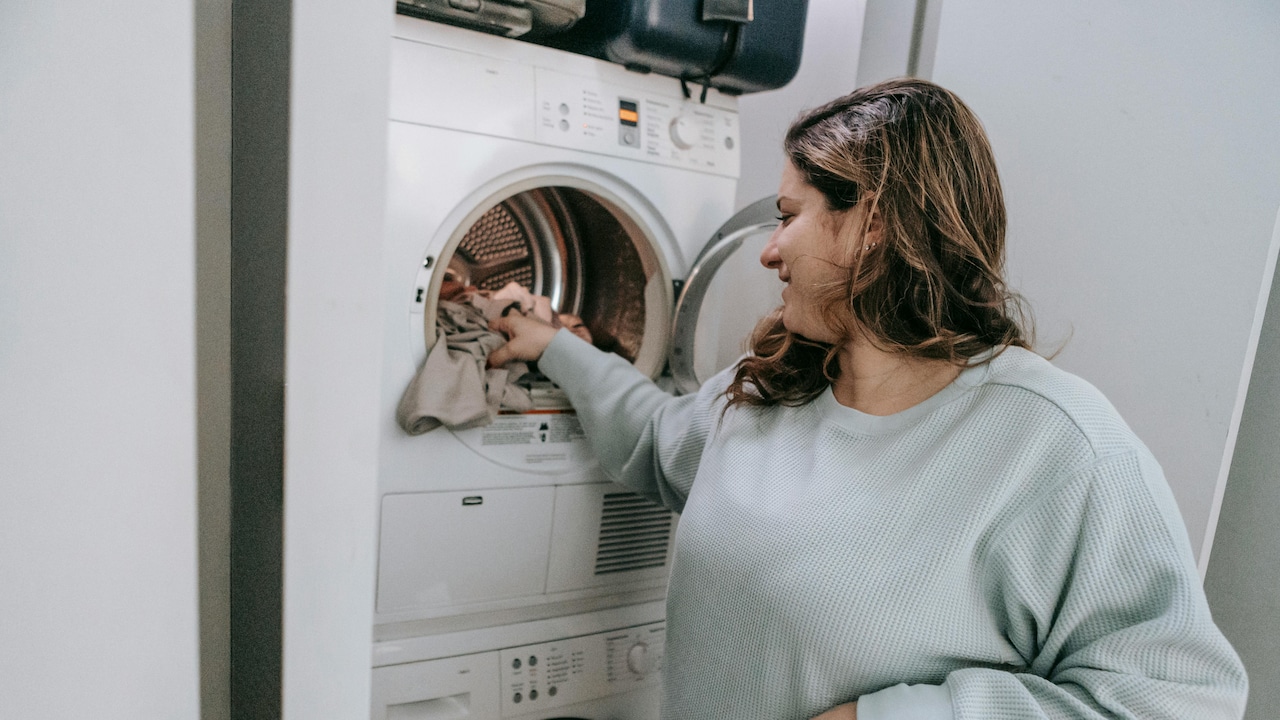
Learn all about who should invest in a semi-automatic washing machine; Photo Credit: Pexels
A semi-automatic washing machine doesn't pretend to be glamorous. It won't sing a tune, connect to Wi-Fi, or politely message when the laundry is done. What it will do is wash clothes reliably, handle rough use, and keep your monthly expenses from quietly sneaking up.
For many families, students, and working households, a semi-automatic washer is the most sensible choice, especially when the goal is clean clothes without turning laundry into a luxury experience.
Also Read: Front Load vs Top Load Washing Machines: Pros, Cons And How To Pick The Right One For Your Home
10 Situations Where a Semi-Automatic Makes More Sense
1) People who want a washing machine without paying a “lifestyle tax”
A semi-automatic washing machine is ideal for anyone who wants clean clothes and a sensible price tag. Fully automatic machines can cost a lot more, and that extra amount often pays for convenience features rather than better cleaning. For many homes, that money is better used elsewhere, such as school fees, a scooter EMI, groceries, or even a proper water purifier.
Semi-automatic models offer strong washing performance, decent capacity, and long-term reliability at a cost that feels fair. It's the kind of purchase that doesn't make the bank account flinch. For someone setting up a new home or upgrading from handwashing, it feels like a big step forward without becoming a financial headache.
There's also a special satisfaction in buying something practical and knowing it won't demand expensive repairs every time it gets moody. It's a “no drama, just work” appliance, and honestly, that's a rare personality these days.
2) Homes with an unpredictable water supply
Water issues are a daily reality in many areas. Some neighbourhoods get water only for a short window. Others deal with low pressure, random cuts, or the classic surprise: water arrives exactly when nobody is home.
A semi-automatic washing machine handles this situation far better than a fully automatic one. Since water filling is manual, there's no waiting for the machine to sense pressure or throw error codes like it's offended. Water can be stored in buckets and poured in as needed. Washing can happen on your schedule, not the municipality's mood.
This flexibility is a huge win for families who don't want to plan laundry like a military operation. It also helps when the overhead tank is low. A semi-automatic washer doesn't need a constant flow. It just needs enough water to do the job, and it's perfectly happy with that.
3) People who want control over washing time and water use
Some people don't want a machine to decide everything. They want control, especially when it comes to water, detergent, and washing time. Semi-automatic machines are great for that.
Got lightly worn clothes that only need a quick wash? Run a short cycle. Got bedsheets that have collected dust like they were training for a championship? Wash longer. Want to rinse twice because the detergent smell is too strong? Easy.
This level of control can also reduce water use, especially in homes where every bucket matters. Fully automatic machines are convenient, but they often stick to preset routines. Semi-automatic machines let the user adjust the process based on the load, the fabric, and the level of dirt.
There's also a small sense of victory in finishing laundry without wasting water. It feels efficient. It feels responsible. And it feels like the machine is working with you, not bossing you around.
4) Families with rough-and-tough laundry needs
Some households don't have delicate laundry problems. They have real laundry problems. The kind that comes with muddy school uniforms, cricket whites that are no longer white, kitchen cloths, heavy towels, and the occasional mystery stain that nobody claims responsibility for.
Semi-automatic machines are often better suited for these heavy-duty needs. Many models have strong pulsators and robust wash tubs designed for aggressive cleaning. They can handle thick fabrics without acting fragile.
Fully automatic machines can wash heavy loads too, but people often hesitate to throw in very dirty items. There's a fear of damaging the drum or clogging something. With semi-automatic machines, there's less anxiety. They feel built for tough love.
For larger families, this matters. When laundry is constant, the machine needs stamina. A semi-automatic washer has the personality of that one auntie who never complains, just keeps working and silently judges everyone's mess.
5) People living in rented homes or moving often
For anyone living in a rented place, portability matters. A semi-automatic washing machine is easier to move than many fully automatic models. It's usually lighter, simpler, and less dependent on fixed plumbing.
In many rental homes, the washing area may not be designed for a fully automatic machine. There might not be a proper inlet tap. There might not be a neat drainage outlet. There might not even be enough space to open a front-loading door without doing yoga.
Semi-automatic machines fit into these realities more smoothly. They can work with a bucket. Drainage can be managed with a pipe into the bathroom outlet. Even if the space is awkward, they can usually be placed somewhere without too much drama.
And when it's time to shift? A semi-automatic machine is far less likely to cause moving-day chaos. It's one less thing to worry about, which is exactly what a rented life needs.
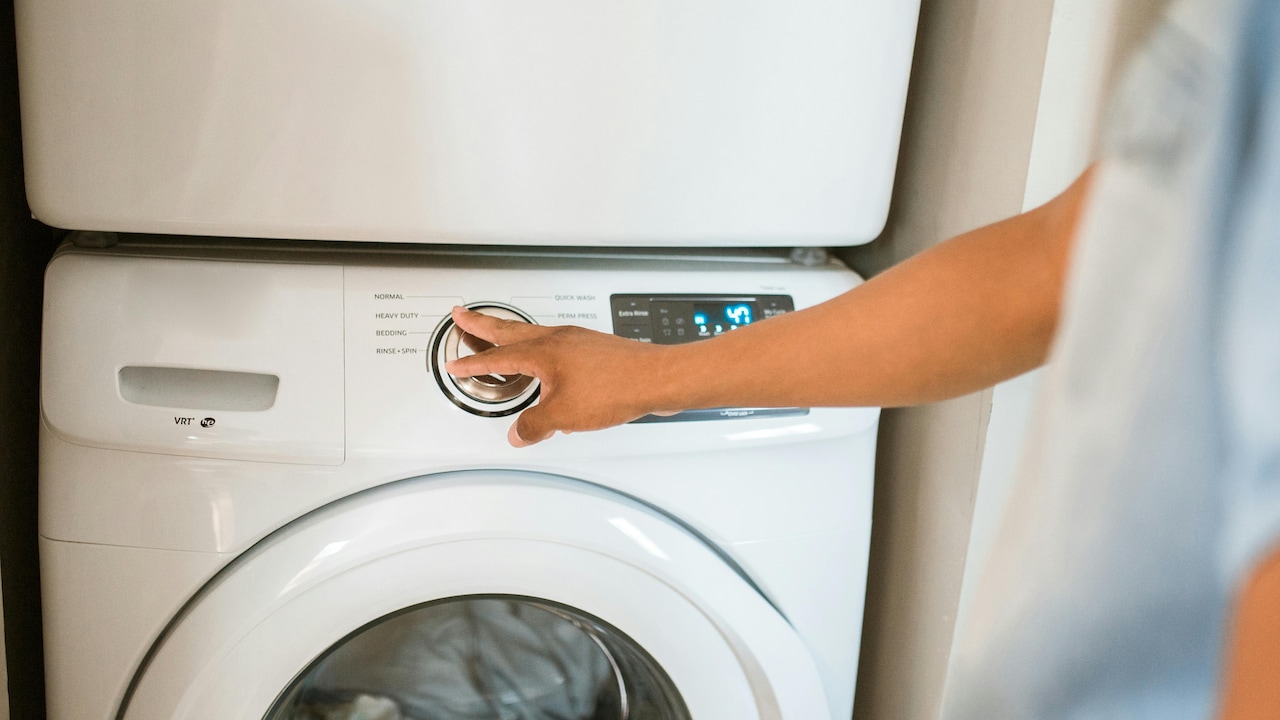
A semi-automatic washing machine can be easier to move for renters than many fully automatic models; Photo Credit: Pexels
6) People who want lower repair costs and simpler maintenance
A washing machine is not just a purchase. It's a relationship. And like any relationship, maintenance matters. Fully automatic machines have more sensors, more electronics, and more parts that can go wrong. When they do, repairs can get expensive quickly.
Semi-automatic machines are mechanically simpler. That simplicity often translates to fewer breakdowns and easier repairs. Local technicians usually know these machines well, and spare parts tend to be more affordable.
This is especially important for households that don't want surprise expenses. A sudden repair bill of ₹4,000–₹8,000 can mess up a monthly budget badly. Semi-automatic machines reduce the chances of that kind of financial ambush.
They also tend to tolerate hard water better. In many areas, water quality is not gentle. Semi-automatic machines often handle that roughness with more patience, like they've seen worse and decided to stay calm.
7) Students and young professionals starting out
For students or young professionals living away from family, laundry is one of those chores that hits differently. It's not hard, but it's constant. It also has a way of becoming urgent right when there's no time. The classic moment: realising the only clean shirt is the one hanging on a chair with questionable freshness.
A semi-automatic washing machine is a smart entry point. It's affordable, doesn't demand fancy installation, and works even in smaller living spaces. It also encourages better laundry habits without turning the process into a full-time hobby.
It's especially useful in shared accommodations, where water supply and space can be unpredictable. A semi-automatic machine can be placed in a bathroom corner, used when needed, and kept out of the way.
It's also a practical alternative to paying for laundry services every week. Over time, those savings become real money, not just a hopeful idea.
8) Households where someone is usually at home
Semi-automatic machines need a little involvement. Clothes need to be moved from the wash tub to the spin tub. Water needs to be filled and drained manually. That's not difficult, but it does require someone to be around during the wash.
For homes where someone is usually at home, whether it's a parent, a grandparent, or a work-from-home schedule, this is not a problem. In fact, it can fit nicely into the day. Laundry can run while lunch is being prepared or while evening tea is brewing.
Some people even prefer this rhythm. It feels more hands-on and less like outsourcing the entire task to a machine. It also reduces the fear of forgetting wet clothes inside for hours, which is how laundry starts smelling like it has given up on life.
If the household has the time and presence, a semi-automatic washer becomes a comfortable, efficient routine.
9) People who wash smaller loads frequently
Not every household does laundry in massive weekend batches. Some prefer washing smaller loads more often, especially families with kids, people who exercise daily, or homes where cooking means constant kitchen cloths and towels.
Semi-automatic machines are great for frequent, small-load washing. They start quickly, don't take long to set up, and don't require waiting for a full drum to make the cycle feel “worth it”.
This is also useful during the monsoon season. When clothes take longer to dry, washing fewer items at a time helps manage space and drying time. Nobody wants to live in a home where every chair becomes a drying rack, and every fan becomes a clothes-drying assistant.
Semi-automatic machines make these quick cycles easier. They suit households that prefer steady laundry habits rather than dramatic laundry marathons.
10) People who want a practical machine that lasts for years
Some appliances are built to impress. Others are built to survive. Semi-automatic washing machines often fall into the second category. They may not look as sleek as a front-loader, but they are known for lasting a long time with basic care.
For buyers who prioritise durability, this matters. Many families prefer appliances that can handle daily use without constant complaints. Semi-automatic machines tend to be forgiving. They tolerate uneven loads, power fluctuations, and the kind of everyday chaos that happens in real homes.
They also work well in places where voltage stabilisers aren't always used. While it's still a good idea to protect any appliance, semi-automatic machines are often less sensitive than fully automatic models.
If the goal is a reliable machine that keeps going year after year, this is a strong choice. It's not about luxury. It's about peace of mind.
Products Related To This Article
1. Bosch 8.5 kg 5 Star Semi-Automatic Top Loading Washing Machine
2. LG 7 Kg 5 Star Wind Jet Dry Semi-Automatic Top Loading Washing Machine
3. VW 7.5 kg 5 Star Aqua Spin Semi Automatic Top Load Washing Machine
4. Samsung 8 kg, 5 star, Semi-Automatic Top Load Washing Machine
5. Whirlpool 7.0 Kg 5 Star MAGIC CLEAN Semi-Automatic Top Loading Washing Machine
A semi-automatic washing machine is not a “second-best” option. For many households, it's the best option. It suits real-life conditions: unpredictable water supply, budget limits, frequent shifting, heavy laundry, and the need for simple maintenance.
It asks for a little involvement, but it gives back in savings, control, and durability. It's a practical partner for everyday living, especially when the goal is clean clothes without the extra cost of fancy features.
In a world where everything is getting more expensive and more complicated, a semi-automatic washer feels refreshingly straightforward. It doesn't pretend. It doesn't overpromise. It simply helps get laundry done, one load at a time.
(Disclaimer: This article may include references to or features of products and services made available through affiliate marketing campaigns. NDTV Convergence Limited (“NDTV”) strives to maintain editorial independence while participating in such campaigns. NDTV does not assume responsibility for the performance or claims of any featured products or services.)