Wet and Dry Vacuum Cleaner vs Regular Vacuum: Complete Buying Guide for Homes
Wet dry vacuum or regular vacuum? This guide compares performance, cost, maintenance, and ideal use-cases to help you choose the right cleaner for modern homes.
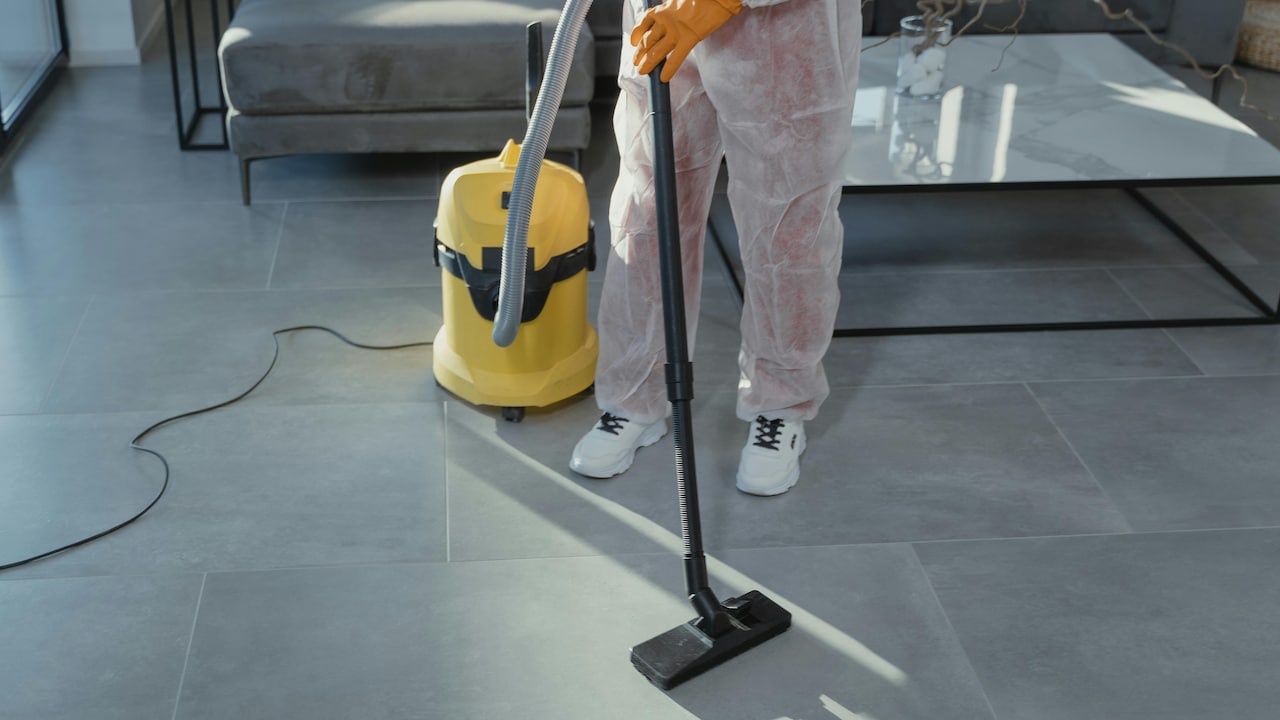
Wet Dry Vacuum Cleaners Vs Regular Vacuum: Choosing The Best Option For Modern Homes.
Wet dry vacuum or regular vacuum? This guide compares performance, cost, maintenance, and ideal use-cases to help you choose the right cleaner for modern homes. Modern homes are busy places. Floors see everything: biscuit crumbs, hair, dust, glitter from last week's celebration, and that mysterious sticky patch that appears out of nowhere. In the middle of all this, the humble vacuum cleaner has gone from “nice-to-have” to “please-save-my-sanity”.
But there's a twist. The vacuum world has split into two main camps: regular vacuum cleaners and wet-dry vacuum cleaners. Both promise cleaner floors. Both claim to be powerful. Both come with attachments that look like they belong in a science lab.
So what's the real difference? And more importantly, which one actually makes sense for everyday homes, especially when life includes kids, pets, elders, guests, and the occasional dramatic spill?
Let's get into it, point by point, in a way that actually helps you choose.
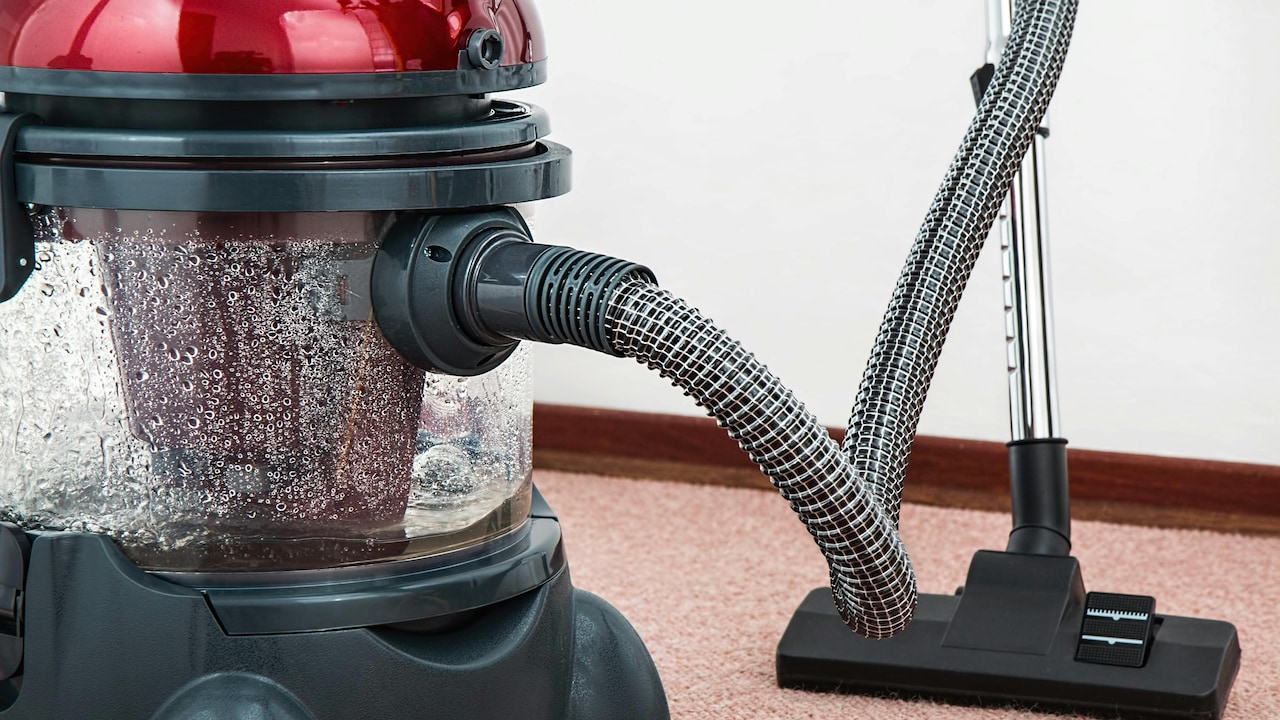
Wet Dry Vacuum Cleaners Vs Regular Vacuum: Choosing The Best Option For Modern Homes
Photo Credit: Pexels
Key Differences Between Wet Dry Vacuum Cleaners and Regular Vacuums
1) The Basic Difference: What Each Vacuum Is Built To Do
A regular vacuum cleaner is designed for dry mess only. Think dust, hair, crumbs, powder, and general “floor fluff”. It's perfect for daily cleaning and works best when your home's mess is mostly dry.
A wet-dry vacuum cleaner, on the other hand, is built for both dry debris and liquid spills. It can suck up water, muddy footprints, and even that full glass of juice that fell during a heated cricket match. It's like the tougher cousin of the regular vacuum, less delicate, more “bring it on”.
This difference sounds small until real life happens. A regular vacuum and a puddle are not friends. In fact, trying to vacuum liquid with a regular model is a fast track to motor damage and regret. Wet dry vacuums are made for exactly those moments when mopping feels too slow, and paper towels feel useless.
If your home stays mostly dry and predictable, regular vacuums are enough. If it's chaotic, wet-dry starts looking like a hero.
2) Everyday Cleaning: Which One Feels Easier To Use
For daily cleaning, regular vacuum cleaners usually win on convenience. They're lighter, more compact, and simpler. Pull it out, plug it in, clean it, and put it back. Done. Many are also quieter, which matters when someone's on a work call or a toddler is asleep.
Wet-dry vacuum cleaners can be slightly bulkier because they're built like tanks. Bigger canisters, stronger motors, thicker hoses. They aren't always heavy, but they do take up more space and feel more “equipment-like” than “appliance-like”.
That said, ease depends on your cleaning style. If you vacuum daily, a regular model feels smoother. If you clean twice a week and want one machine that can handle everything in one go, wet dry can be more satisfying.
The emotional difference is real, too. Regular vacuuming feels like routine maintenance. Wet dry vacuuming feels like launching a rescue operation, and sometimes, that's exactly what the home needs.
3) Handling Liquid Spills: The Biggest Deciding Factor
This is where wet dry vacuums clearly dominate.
Homes don't just collect dust. They collect liquids, too. Spilt water near the fridge, juice on the floor, milk that overflows, wet footprints during rains, and that moment when someone decides to water plants indoors like it's a garden show.
A wet-dry vacuum cleaner can suck up these messes quickly and safely. It can also help with damp corners, balcony edges, and small flooding situations where mopping turns into an endless cycle of rinse, wipe, repeat.
Regular vacuums cannot do this. Even if a regular vacuum looks powerful, liquid can ruin the motor, damage internal parts, and create a smell that never truly leaves. Also, it's risky. Electricity and liquid are not a fun combination.
If your home has kids, pets, elderly family members, or frequent hosting, spills are part of the package. In those homes, wet dry isn't a luxury. It's a practical upgrade that saves time and panic.
4) Deep Cleaning Power: Dust, Hair, and Hidden Dirt
Regular vacuums are excellent at pulling dust from rugs, corners, sofa gaps, and under furniture. Many come with specialised brushes designed for carpets and upholstery. For hair, especially, they can be very effective, assuming the suction stays strong and filters are maintained.
Wet dry vacuums often have stronger raw suction because they're built for heavier debris. They can handle bigger particles like sand, food bits, and even small chunks of dried mud. This makes them brilliant for homes near construction areas or places where dust is not just “dust”, it's a lifestyle.
However, regular vacuums tend to feel more refined for indoor detailing. Wet dry vacuums feel powerful but can be less nimble around delicate areas unless the attachments are good.
If your home has thick curtains, fabric sofas, and mattresses that need frequent vacuuming, a regular vacuum with the right accessories can feel more tailored. If your floors take a beating daily, wet dry brings brute strength.
5) Floor Types: Tiles, Wood, Rugs, and Everything In Between
Most modern homes use tiles, marble, or vitrified flooring. These surfaces are easy to vacuum and mop, but they show dust quickly. Regular vacuums handle this perfectly and give that “fresh floor” look in minutes.
Wet dry vacuums handle these floors too, and they shine when dirt comes mixed with moisture. Think of the monsoon season, when dust turns into a gritty paste near entrances. Regular vacuuming can struggle with that. Wet dry can suck it up and leave the area far cleaner.
For wooden flooring or laminate, both can work, but wet cleaning needs caution. Too much moisture can damage wood. A wet-dry vacuum doesn't automatically mean you should vacuum water everywhere; it means you can handle accidents without panic.
Rugs and carpets are a slightly different story. Regular vacuums, especially those designed for carpets, often do better at lifting embedded dust. Wet dry vacuums can still work, but they're not always optimised for plush carpets unless the model includes proper carpet heads.
6) Cost and Value: What You Get For ₹5,000 vs ₹25,000
Budget matters. Not everyone wants to spend ₹20,000+ on a vacuum cleaner, especially when there are other household priorities.
Regular vacuum cleaners start at very accessible prices. You can get a basic but functional model in the ₹3,000–₹7,000 range. Mid-range models with better filtration and attachments sit around ₹8,000–₹15,000. Premium ones go higher, but you don't need a premium one to get decent cleaning.
Wet dry vacuum cleaners generally start a bit higher, often around ₹6,000–₹10,000 for basic models. Better ones with stronger motors and durable tanks can go ₹12,000–₹25,000 and beyond.
The value question is simple: Are you paying for features you will use? If your home rarely has a liquid mess, wet dry might feel like buying a raincoat for a desert. But if spills, dampness, and heavy debris happen often, the extra money feels like a smart investment.
The best value is the machine you actually use regularly, not the one that looks impressive in the box.
7) Maintenance: Filters, Smells, and The Unspoken Reality
This is the part most people don't talk about until it's too late.
Regular vacuums require filter cleaning, dust bag replacement (if bagged), and occasional unclogging. If maintained, they stay fresh. If ignored, they start smelling like old socks and disappointment. Still, the mess is mostly dry, so maintenance is manageable.
Wet dry vacuums require more attention after liquid use. The tank needs rinsing. It must dry properly. Otherwise, it can smell unpleasant fast. Not “a little off” unpleasant, more like “what died in here?” unpleasant.
Dry debris is simple. Wet debris becomes a science experiment if left overnight. So wet dry vacuums demand discipline. If you know the home won't consistently rinse and dry the tank after wet use, that feature becomes less appealing.
On the upside, wet dry vacuums are often easier to empty because they use a tank rather than delicate bags. They're built for rough handling. But yes, they need cleaning love.
8) Space and Storage: Where Does This Thing Live?
This is a surprisingly big deal in modern homes. Space is precious. Nobody wants a bulky machine sitting in the living room like an uninvited guest.
Regular vacuums come in compact shapes. Stick vacuums can hang on a wall. Small canister vacuums can fit in a cupboard. They're designed with everyday storage in mind.
Wet dry vacuums are usually larger, especially the heavy-duty ones. They may not fit neatly in small storage areas. They also come with hoses and attachments that need organising. If you're not careful, the vacuum corner starts looking like a hardware store.
If your home has a utility balcony, store room, or a dedicated cleaning space, wet dry is easy to accommodate. If you're living in a compact flat where every cupboard already has a job, a regular vacuum is less stressful.
The truth: even the best vacuum becomes useless if it's annoying to take out and put back.
9) Noise, Comfort, and Daily Peace at Home
Vacuum noise can be a deal-breaker, especially in homes where people work from home, study online, or take naps in the afternoon.
Regular vacuums, particularly newer models, tend to be quieter. Not silent, but less “jet engine”. They feel more comfortable using it frequently. This matters because cleaning is not a one-time event. It's constant.
Wet dry vacuums can be louder because of their stronger motors and industrial-style airflow. They're not always noisy, but many are. And when they are, you'll know.
There's also comfort in handling. Regular vacuums are often lighter and easier to manoeuvre. Wet dry vacuums can feel slightly heavier and more physical, especially when moving between rooms.
If you want a vacuum for quick daily use without disturbing the whole home, a regular vacuum wins. If you want power for periodic deep cleaning, wet-dry is worth the extra noise.
Think of it like this: regular vacuums are daily background music. Wet dry vacuums are the dhol at a wedding.
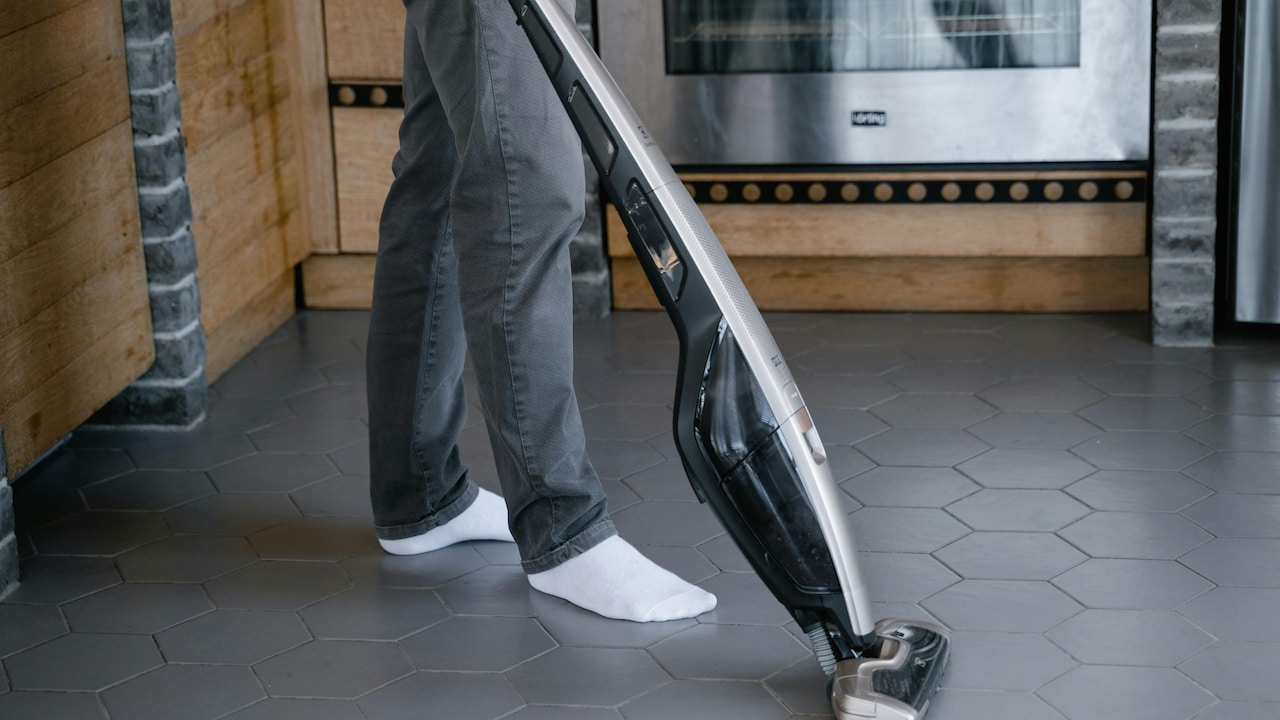
Wet Dry Vacuum Cleaners Vs Regular Vacuum: Choosing The Best Option For Modern Homes
Photo Credit: Pexels
10) Which One Should You Choose? Matching The Vacuum To Your Lifestyle
The best vacuum is the one that fits your home's personality.
A regular vacuum cleaner is the best choice if your home mainly deals with dust, hair, and crumbs. It suits daily cleaning, smaller spaces, and people who want something simple. It's also ideal if you already mop regularly and don't face many liquid accidents. For most families, a regular vacuum is the reliable, sensible option.
A wet-dry vacuum cleaner makes more sense if your home often deals with wet messes, muddy entryways, balcony dust mixed with rainwater, or frequent spills. It's also excellent if you want one machine that can handle heavy-duty cleaning without fuss. For homes with kids, pets, and unpredictable chaos, wet dry can feel like a lifesaver.
A small note of realism: wet dry vacuums aren't magical. They still require maintenance. And they don't replace mopping completely. But they can dramatically reduce the time and effort needed when messes get real.
Choosing isn't about which vacuum is “better”. It's about which one makes cleaning less annoying in your daily life.
Products Related To This Article
1. Tineco S5 Combo Cordless Wet & Dry Vacuum Cleaner
2. AGARO Ace Wet & Dry Vacuum Cleaner for Home, 1600 Watts
3. SEZNIK Vacuum Cleaner for Home Use Wet and Dry
4. INALSA Wet and Dry Vacuum Cleaner for Home
5. BLACK+DECKER BDWDS12-IN Corded WET & DRY Vacuum Cleaner For Home
Both wet and dry vacuum cleaners and regular vacuum cleaners can transform how a home feels. Cleaner floors, less dust, fewer sneezes, and that oddly satisfying look of a room that feels “sorted”.
Regular vacuums are best for everyday dust and quick clean-ups. They're lighter, easier to store, and more convenient for routine use. Wet dry vacuums are built for messier realities, spills, dampness, and heavier debris, making them a powerful upgrade for homes that need more than just dry cleaning.
The smartest approach is simple: match the vacuum to your lifestyle, not your wishlist. If your home's biggest enemy is dust, go regularly. If it's spills, monsoon grime, and chaotic accidents, wet dry is the practical champion.
Because at the end of the day, the goal isn't to own the fanciest machine. It's to spend less time cleaning and more time actually living.
(Disclaimer: This article may include references to or features of products and services made available through affiliate marketing campaigns. NDTV Convergence Limited (“NDTV”) strives to maintain editorial independence while participating in such campaigns. NDTV does not assume responsibility for the performance or claims of any featured products or services.)