Robot Vacuum Cleaners in India: Are They Worth Buying for Your Home?
Robot vacuums promise effortless cleaning, but do they work in real homes with dust, hair, rugs and daily mess? Here’s what they do well, where they fail, and whether they’re worth the money.
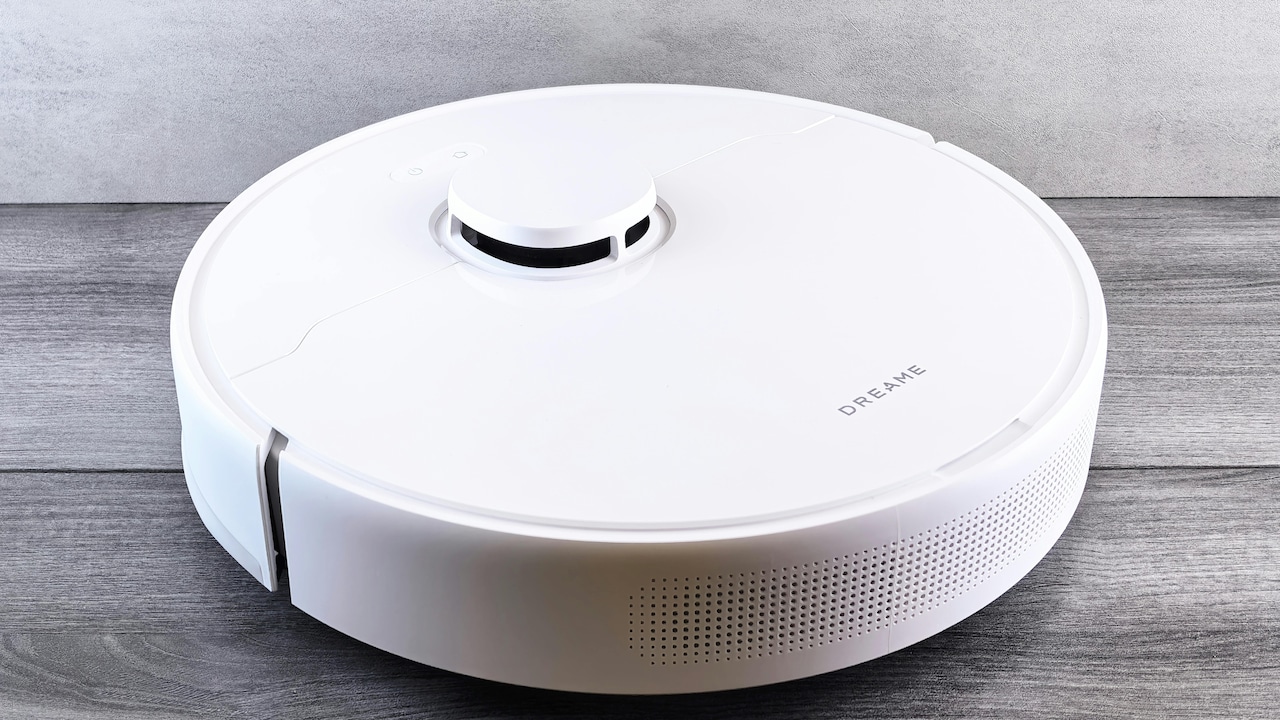
Eyeing Robot Vacuum Cleaners? Find Out If They Really Are Worth It For Indian Homes.
A clean home is a beautiful dream. It's also a daily sport. Between the dust that sneaks in through windows, the fine powder that seems to appear out of nowhere, and the crumbs that fall during tea-time snacks, floors never stay clean for long. Add hair fall, pets, kids, and the general chaos of modern life, and sweeping becomes a recurring character in the household story.
Robot vacuum cleaners promise something tempting: hands-free cleaning. Press a button, go about the day, and return to cleaner floors. It sounds like the kind of convenience that only exists in glossy ads, where the living room is spotless, and nobody owns a doormat.
But real homes are not showrooms. They have chair legs, charging wires, rugs that curl at the edges, and that one corner where everything gets dumped “for now”. So the big question is simple: do robot vacuum cleaners actually work in everyday homes here, or do they become expensive toys that get used twice and then ignored?
The answer isn't a neat yes or no. It depends on your space, your lifestyle, your expectations, and how much you hate sweeping.
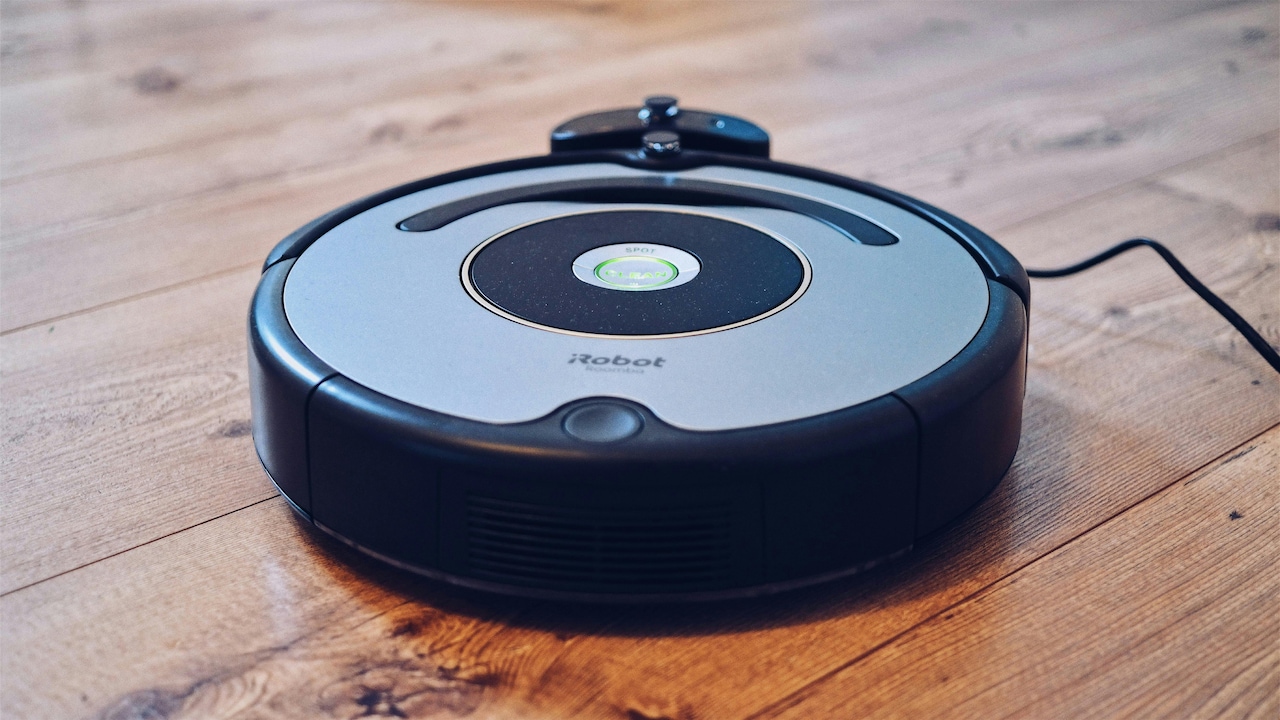
Robot Vacuum Cleaners: Are They Worth It In Indian Homes?
Photo Credit: Pexels
Before You Buy: 10 Things to Know About Robot Vacuum Cleaners
1) The dust situation: why floors get dirty so fast
Let's start with the obvious villain: dust. Floors collect it with impressive dedication. Even homes that don't keep windows open all day still see that familiar grey film building up, especially in summer. Add foot traffic and it becomes a daily issue, not a weekly one.
Robot vacuums shine here. They're not meant to replace deep cleaning. Their biggest superpower is consistency. A robot running every day can stop dust from reaching that “how did it get this bad?” stage. And that alone changes the vibe of a home. Suddenly the floor feels cleaner more often, even if it's not perfect.
The difference is most noticeable in homes with smooth flooring like vitrified tiles, marble, or wooden laminate. On these surfaces, robot vacuums pick up fine dust well, and the house stays presentable without constant sweeping.
But expectations matter. If someone expects the robot to deliver the kind of spotless finish that comes from a full jhaadu and pocha session, disappointment arrives quickly. Think of it as daily maintenance, not a miracle worker. Like brushing teeth. It doesn't replace a dentist, but it keeps things under control.
2) The hair problem: long hair, short hair, and pet hair
Hair is the silent enemy of clean floors. It shows up in corners, under beds, near bathroom doors, and somehow in places nobody even walks. Long hair especially has a dramatic personality. It wraps around chair legs, clings to rugs, and forms little tumbleweeds as if the home is auditioning for a western movie.
Robot vacuums can genuinely help here, but not all models handle hair equally. The best ones use a combination of strong suction and brush designs that resist tangling. Without that, the roller brush becomes a hair salon floor after closing time, and someone has to clean it manually.
In homes with pets, robot vacuums often feel like a blessing. Daily runs stop fur from building up into visible patches. But the machine still needs maintenance. Dustbins fill faster, filters clog sooner, and brush cleaning becomes part of the routine.
The good news is that once a week cleaning of the robot is still far less effort than sweeping daily. The bad news is that anyone hoping for “zero effort ever” will be annoyed. Robot vacuums don't remove chores. They rearrange them into smaller, less irritating tasks.
3) The furniture obstacle course: chairs, beds, and that one awkward sofa
Homes are not built for robots. They're built for humans who can step over things. A robot vacuum has to negotiate chair legs, dining tables, sofa feet, side tables, and those low stools that appear during family gatherings.
Most robot vacuums do surprisingly well. They map the space, avoid collisions, and learn routes. But certain furniture styles can confuse them. For example, chairs with thin angled legs sometimes trick sensors. Low-clearance sofas can trap a robot if the height is just right. And beds with a centre support bar can create a situation where the robot enters confidently and then panics like it's stuck in a maze.
The best part is what happens under beds and sofas. That area is usually ignored until a big cleaning day. Robots go there routinely, and that alone can make the house feel fresher. The “under the bed dust monster” becomes less powerful.
Still, some preparation helps. If the floor is cluttered with random items, the robot spends more time thinking than cleaning. It's like inviting a guest and making them navigate a pile of laundry to reach the sofa. The robot will still try, but it won't enjoy it.
4) Mopping claims: how good is robot mopping really?
Many robot vacuum cleaners now advertise mopping. This is where excitement and reality often disagree. Robot mopping is usually a light wipe, not a full scrub. It's great for daily maintenance, especially for removing fine dust and giving the floor a slightly fresher look. But it doesn't replace a proper pocha.
It struggles with sticky spills. If someone drops tea, a robot won't handle it the way a human would. It also won't scrub dried curry splashes near the kitchen, or the faint oil patches that appear after frying snacks.
That said, the mopping feature is not useless. In fact, for many households, it becomes the most loved part. A robot that vacuums and then lightly mops can keep floors looking consistently decent. The house feels cleaner without anyone dragging a bucket around.
It works best when the floor is already in good shape. If the home has heavy stains, the robot mop will glide over them like it's politely ignoring drama. But for everyday dust and light marks, it's genuinely helpful. Think of it as a daily wipe-down, not a deep cleaning session.
5) The kitchen test: crumbs, spices, and daily mess
If robot vacuums had an interview, the kitchen would be the final round. This is where floors face constant attacks: crumbs, rice grains, crushed biscuits, onion peels, and the occasional mysterious powder that nobody admits to spilling.
Robot vacuums can handle dry debris well. Most models easily pick up crumbs and fine particles, especially on tiles. Running the robot after cooking or after breakfast can make a noticeable difference. It's oddly satisfying to watch it suck up the evidence of snacking.
But kitchens also come with challenges. There are often mats near the sink, uneven surfaces, and narrow gaps. If the robot is not good at handling rugs, it may climb onto a mat and get stuck, or avoid the area completely.
Also, certain debris can be tricky. Large onion skins can clog the brush. Wet patches near the sink can confuse a robot mop. And if someone drops a lot of flour, the robot may spread it slightly before it collects it.
Still, for daily kitchen upkeep, robot vacuums can be excellent. They don't replace a human. They reduce how often someone needs to sweep, and that is a win.
6) Noise, timing, and daily life: the robot as a household character
Robot vacuums are not silent. They're quieter than traditional vacuum cleaners, but they still make noise. The sound is usually a steady hum, like a distant hair dryer. For many people, it's manageable. For others, it becomes irritating, especially during work calls or when someone is trying to nap.
The trick is timing. Most people who love robot vacuums run them at predictable times. Some schedule it for late morning. Others run it while stepping out for groceries. Some run it at night, though that depends on how tolerant the household is.
A robot also becomes part of the home's daily rhythm. It's almost funny. At first, everyone watches it like it's a new pet. Then it becomes normal. Then it becomes annoying when it gets stuck under a chair and starts beeping dramatically like it's calling for help.
The emotional journey is real. But once the routine settles, it often becomes a quiet background helper. The floor stays cleaner with less effort, and that changes how a home feels. There's a subtle comfort in knowing that dust is being handled, even if imperfectly.
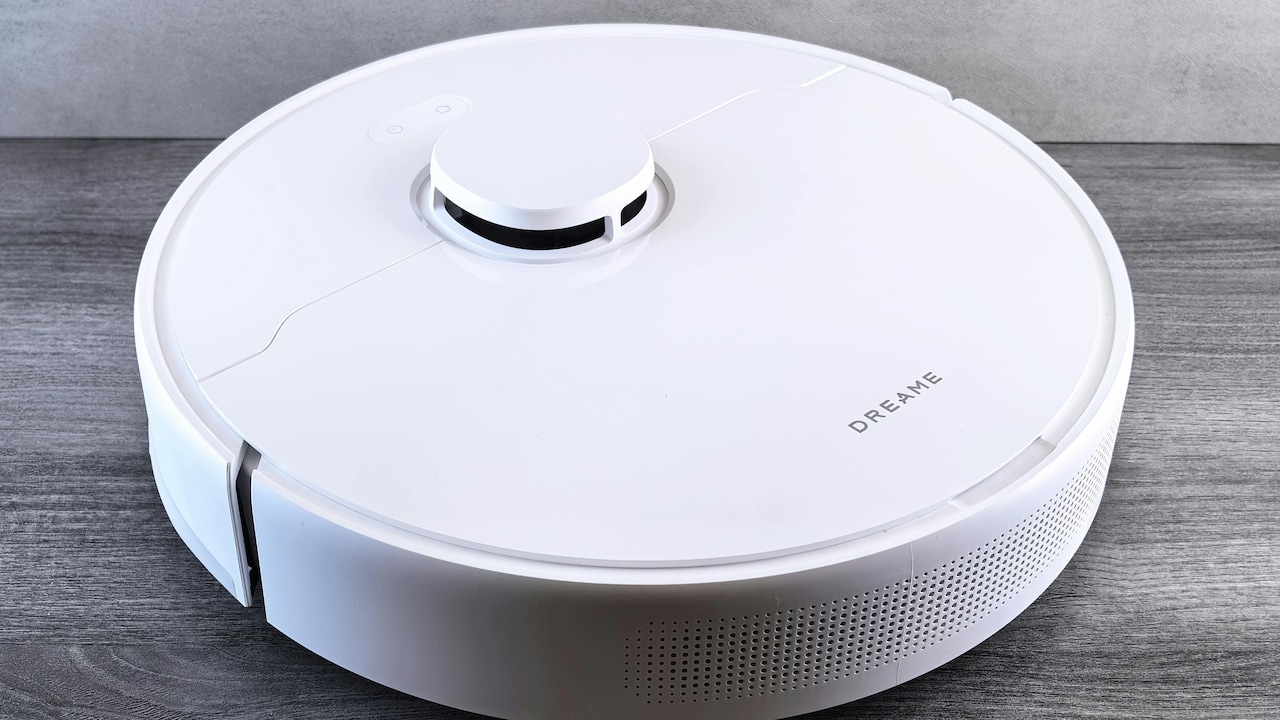
Robot Vacuum Cleaners: Are They Worth It In Indian Homes?
Photo Credit: Pexels
7) Maintenance and hidden effort: filters, bins, and brush cleaning
Robot vacuums sell the idea of effortless cleaning. The truth is slightly less glamorous. The robot needs maintenance. Dustbins need emptying. Filters need cleaning. Brushes need hair removal. Sensors need wiping. Wheels sometimes collect gunk. It's not difficult, but it's not zero work either.
The frequency depends on usage. In dusty homes, the dustbin fills quickly. If the robot runs daily, emptying it every one or two days becomes normal. Filters may need cleaning weekly. Brushes might need attention every week or two, especially if there's long hair.
Self-emptying models reduce some effort, but they cost more. Even then, the main dust bag eventually needs replacing.
The good part is that maintenance is small and quick. It's a few minutes, not a full cleaning session. The bad part is that people who hate all cleaning tasks might find even this annoying.
But there's a funny upside: robot vacuum maintenance feels oddly satisfying. It's like cleaning a gadget rather than cleaning a floor. It feels more modern, less exhausting, and slightly like being a responsible tech owner.
8) Costs and value: what the money really buys
Robot vacuum prices vary widely. Some models start around ₹12,000 to ₹15,000. Mid-range options sit around ₹20,000 to ₹35,000. Premium models can go beyond ₹50,000, especially with advanced mapping and self-emptying docks.
The real question is not just affordability. It's value. What does the money buy?
It buys time. It buys consistency. It buys less sweeping. It buys cleaner floors on normal days. For many households, that's worth a lot. Especially in homes where both adults work, or where cleaning help is irregular.
But it doesn't buy perfection. It doesn't replace deep cleaning. It doesn't handle every corner. It doesn't clean the stairs. It won't scrub stains. It won't organise clutter.
A robot vacuum is worth it when someone wants to reduce daily effort, not eliminate it. It's like a dishwasher. It doesn't replace all kitchen work. It removes the most repetitive part.
For families, the value also comes from sanity. A cleaner floor means fewer arguments about “who swept last”. It means kids can sit and play without someone panicking about dust. It's not just cleanliness. It's peace.
9) Internet, apps, and tech tantrums: smart features vs real use
Modern robot vacuums come with apps, mapping, room selection, schedules, and voice assistant support. On paper, it sounds futuristic. In reality, it can be both delightful and annoying.
When the app works well, it's brilliant. You can set the robot to clean just the kitchen after cooking. You can schedule daily runs. You can mark no-go zones around pet bowls. You can check maps like a tiny surveillance operation.
But tech can throw tantrums. Wi-Fi drops. The robot forgets the map. The app logs out. Firmware updates take time. Sometimes the robot decides the living room is the kitchen and cleans the wrong space with full confidence.
For tech-savvy households, this is manageable. For others, it becomes frustrating. Many people end up using the robot in a simpler way: press start, let it roam, and empty the bin later.
The smart features are nice, but they're not the main reason to buy one. The real value is basic daily cleaning. Everything else is a bonus. If the robot does its core job well, minor tech drama becomes tolerable.
10) Who should buy one, and who should skip it?
Robot vacuums are not for everyone, and that's perfectly fine. They work best for people who value clean floors daily, even if it's not a deep-clean level. They're great for busy professionals, families with kids, and pet owners. They also suit homes where dust builds up fast, and where daily sweeping feels endless.
They're also useful when cleaning help is inconsistent. A robot can keep things manageable between proper cleaning sessions. It reduces stress. It helps the home look decent without constant effort.
But some households should think twice. Homes with lots of floor clutter will frustrate the robot. Homes with many thick rugs may not get great results unless the robot is designed for it. Multi-level homes with stairs may not benefit as much, unless there's a willingness to move the robot around.
Also, anyone expecting the robot to replace all cleaning will feel cheated. It won't do that. It's a helper, not a replacement.
The best mindset is simple: if sweeping feels like a daily punishment, a robot vacuum can feel like freedom. If sweeping feels manageable, the robot may feel unnecessary.
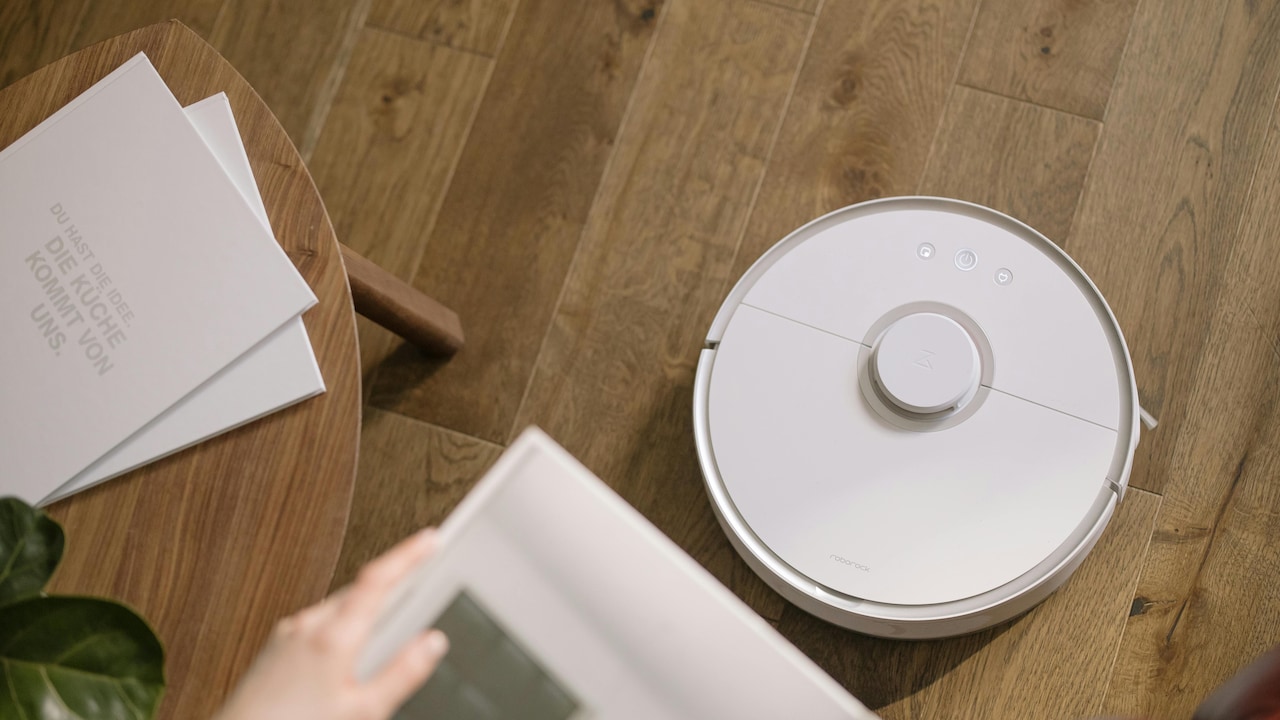
Robot Vacuum Cleaners: Are They Worth It In Indian Homes?
Photo Credit: Pexels
Products Related To This Article
1. AGARO Alpha Robot Vacuum Cleaner, Brush, Dry Vacuum & Wet Mop
2. ILIFE A30 Pro Robotic Vacuum Cleaner with Self-Empty Station
3. DREAME F10 Black 2 in 1 Robot Vacuum Cleaner & Mop
4. Eureka Forbes SmartClean Auto Bin Turbo
5. ECOVACS Deebot N30 PRO Omni 2 In 1 Robotic Vacuum Cleaner
Robot vacuum cleaners are not magic. They won't replace a full clean. They won't scrub stubborn stains. They won't solve clutter. And they definitely won't stop dust from existing in the first place, because dust is practically a permanent resident in most homes.
But they can be genuinely worth it. They keep floors consistently cleaner. They reduce daily sweeping. They help with hair and crumbs. They quietly handle the boring, repetitive part of cleaning that nobody enjoys.
The real win is not perfection. It's a relief. A robot vacuum turns floor cleaning from a daily task into a background process. It makes the home feel more under control, even on chaotic days. And for many households, that is worth far more than the price tag.
So, are robot vacuum cleaners worth it? For the right home and the right expectations, yes. Not as a luxury toy, but as a practical little teammate that does the dirty work while everyone gets on with life.
(Disclaimer: This article may include references to or features of products and services made available through affiliate marketing campaigns. NDTV Convergence Limited (“NDTV”) strives to maintain editorial independence while participating in such campaigns. NDTV does not assume responsibility for the performance or claims of any featured products or services.)