Should You Buy A Heatless Curling Kit Or A Styler
Compare a heatless curling kit and styler for hair health, curl hold and styling time to choose the best option for your routine, needs and styling goals.
How well do heatless curling kits work to style hair
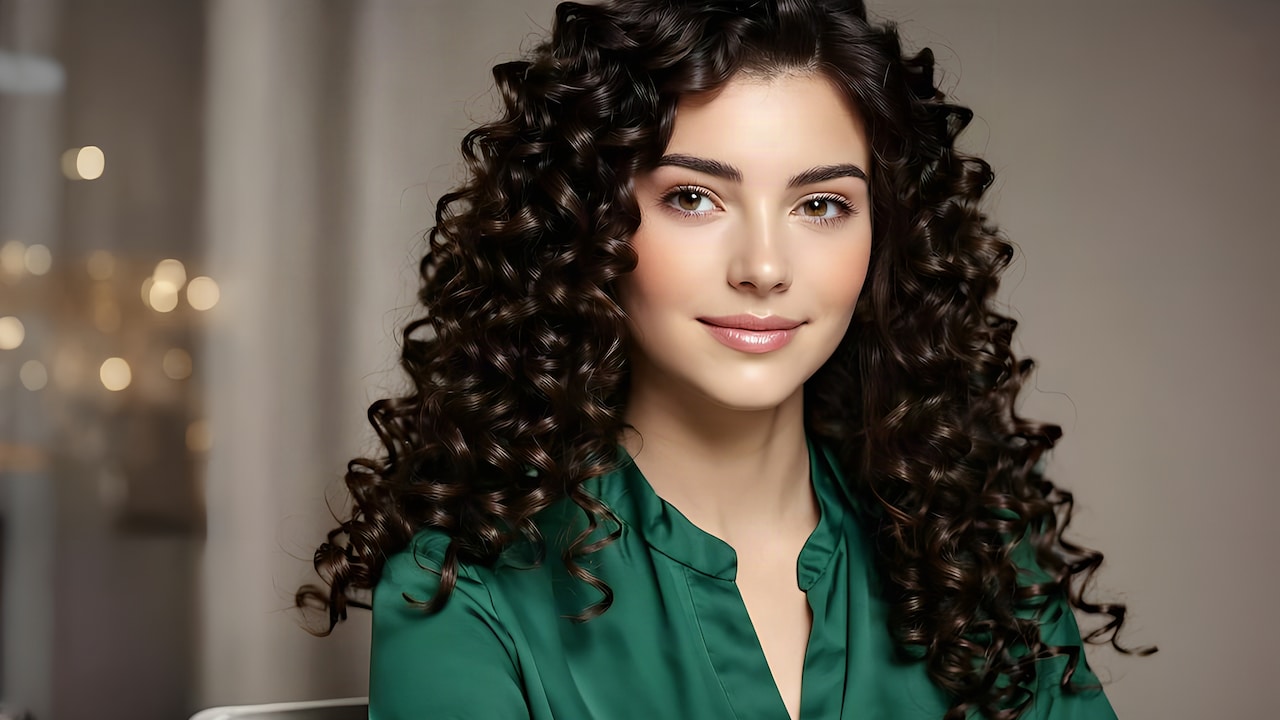
Curls in the hair no longer have to be styled just one way. Curling stylers remain a handy option for fast, defined results, but heatless curling kits have become a favourite among those who want softer waves without having to use heated tools on their strands again and again. The most significant difference is the styling process. A heatless kit will wrap or set hair into a specific shape, while a heated styler uses controlled heat to change the shape of hair more quickly.
How Do Heatless Curling Kits And Stylers Work?
Photo Credit: iStock
If you style your hair regularly, heatless methods are a great option, as too much heat can damage it, warn dermatologists. It is contingent upon your hair type, how much time you have, what type of finish you want and how often you make curls. Neither option is inherently perfect for every routine.
Also Read: Take Your Routine Offline: The Art Of Curating A Beauty Analog Bag
How Do Heatless Curling Kits And Stylers Work?
1: Heatless Kits Shape Hair Without Direct Heat
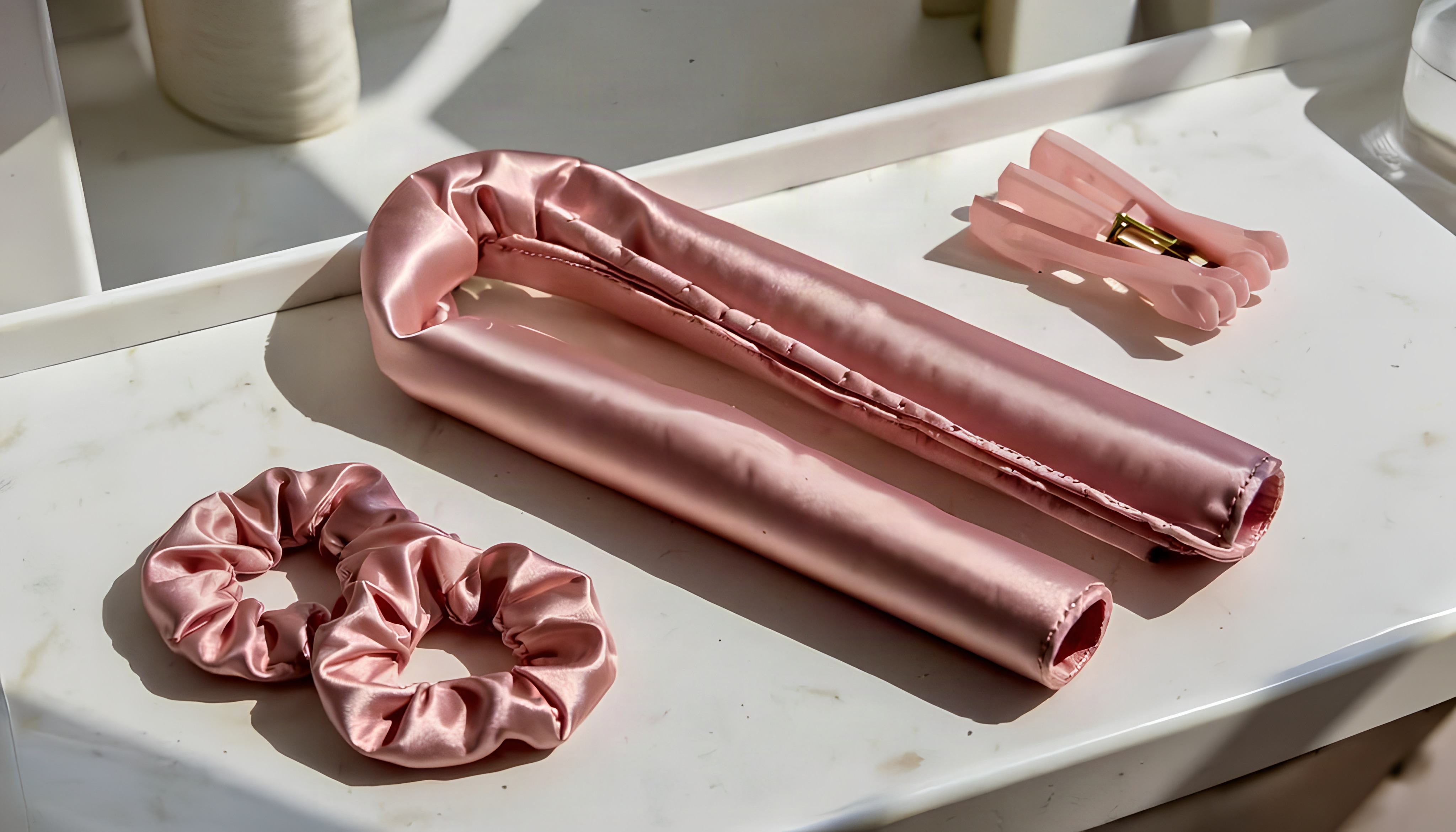
Heatless curling kits typically use soft rods, bands, rollers or similar accessories around which the hair is wrapped, and the hair is then left to set, often for several hours or overnight; soft satin or silk-covered options can reduce friction compared with rougher materials.
2: Stylers Use Heat To Make Defined Curls
Curling wands, irons, and multi-purpose air stylers use heat or heated airflow to change the shape of the hair; this process can create defined curls or waves relatively quickly; therefore, choosing a convenient styler is important when a hairstyle is needed in a short time before an event.
3: Hair Type Can Change The Final Result
Straight, fine hair may require more setting time with some heatless methods, while thicker or textured hair can sometimes hold a heatless shape particularly well, also, a heated styler offers greater control over curl size, direction and definition, although repeated heat exposure requires careful handling.
How Should You Compare A Heatless Curling Kit And A Styler?
Step 1: The Time To Style
A heated styler is generally the winner if you want speed. Depending on the length and density of the hair, curls can be achieved in a relatively short styling session. Heatless kits typically require more prep and setting time, especially overnight, but what's the downside? Heat-free styling can reduce the need for a separate heated session. If you like to prep your hair before bed, the extra setting time can easily fit into an evening routine.
Step 2: Think About Hair Damage
The advantage of heatless curling is that it does not subject the hair shaft to direct styling heat. The American Academy of Dermatology says to limit heat styling; too much heat can damage hair. Still, you can use a styler responsibly. Reducing heat setting, limiting contact time and avoiding repeated passes can help to reduce unnecessary exposure. Studies also show that increased heat exposure can increase surface damage to hair.
Step 3: Curl Definition Look At
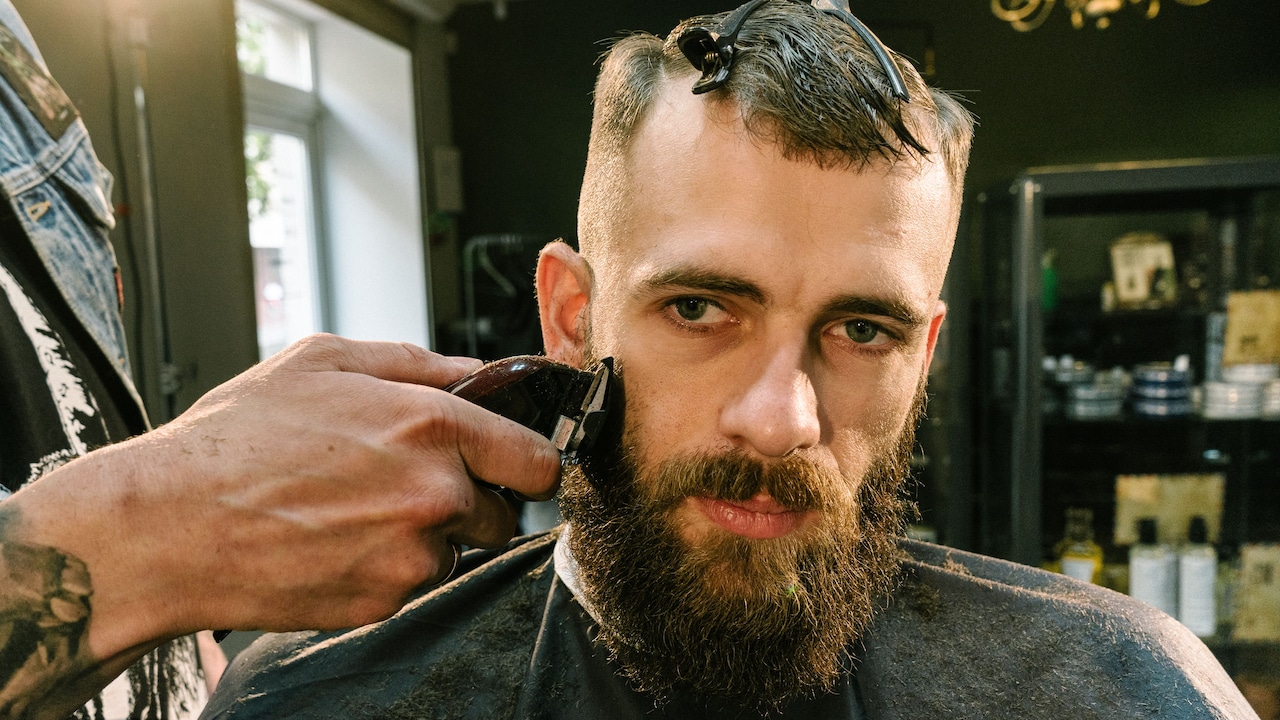
Stylers tend to give you more immediate control of the finished shape. Different barrel sizes and styling techniques can produce tighter curls, loose waves or polished bends, allowing you to adjust the final look during styling. Heatless methods usually give softer, more relaxed results, but the final result is very dependent on the wrapping technique, dampness of hair, time and type of curling accessory.
Step 4: Consider Convenience Hairstyle
Heatless kits are perfect for overnight styling because once your hair is wrapped, you don't need to spend much active time styling. However, curling with a poorly designed or uncomfortable accessory can make the experience less practical. A styler needs active preparation but gives immediate feedback, and the process makes it easy to fix any areas that aren't curling evenly or to adjust the overall shape before you finish the hairstyle.
What Are The Benefits Of Choosing A Heatless Curling Kit?
The greatest benefit of heatless styling is that it doesn't involve direct heat from a curling iron or wand. Those who style their hair often and want to reduce repeated heat exposure may find the technique helpful. A heatless method can be added to a routine several times a week, without the need for a heated tool. Soft accessories can also be more comfortable to wear when they're designed specifically for use overnight.
Once you get the hang of evenly sectioning and wrapping the hair, it can be relatively simple. Consistent sections and controlled wrapping usually result in more consistent final curls. Heatless methods are especially attractive if you want a relaxed, soft or slightly tousled wave and not a highly sculpted curl. The final finish can also be lightly brushed to give a more natural look.
What Mistakes Should You Avoid With Both Methods?
1. Tightly Tying Your Hair
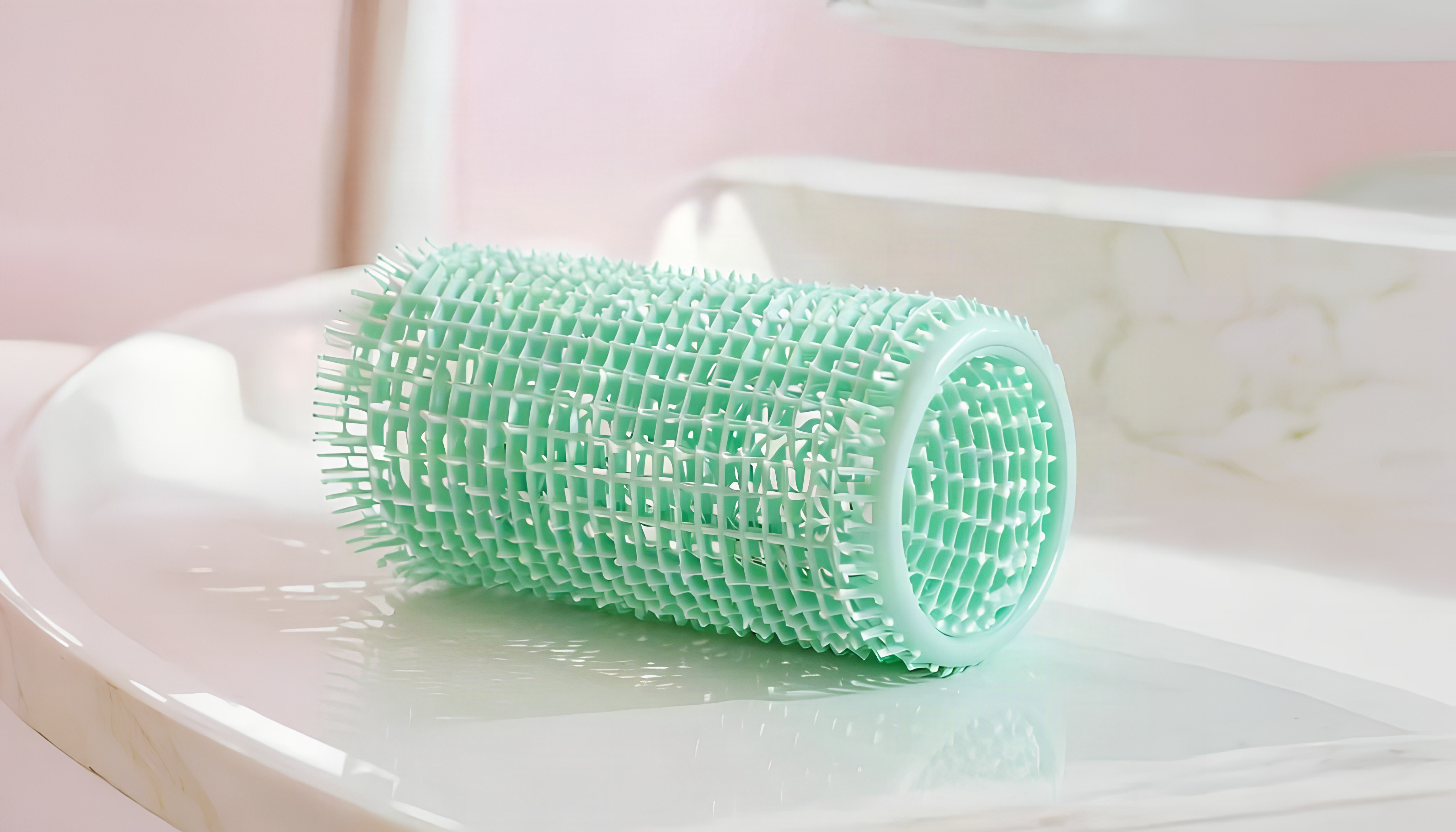
Overwrapping can create unwanted tension and discomfort. The repeated tension and pulling can cause hair breakage; therefore, heatless styling should be comfortable, not too tight.
2: Using Excessive Heat With A Styler
Higher temperatures don't always mean better curls. Mostly because too much heat can damage the hair surface, and holding a curling tool on a section for too long can increase thermal stress. The American Academy of Dermatology suggests limiting the use of heated styling tools and using lower heat when you can.
What Mistakes Should You Avoid With Both Methods?
Photo Credit: iStock
Products To Consider From
1. Gleva Heatless Curling Rod Headband Hair Rollers Styling Tool
2. VEGA HR-01 Self-Grip Design Hair Roller
3. GUBB Set Of 6 Small-Sized Voluminous Hair Rollers
4. basicare Large Self-Holding Rollers For Hair Curler
5. URBANYOG MakeMeeBold Automatic Hair Rollers And Curlers
6. Ktein Automatic Hair Curler
7. VGR Automatic Hair Curler
8. Ikonic Professional CT-16 Curling Tong
Frequently Asked Questions (FAQs)
1. Are heatless curls healthier for your hair than heated curls?
Heatless techniques won't expose the hair to direct heat, which can be useful when styling frequently. But tight wrapping or too much pulling can still cause physical stress.
2: Are heatless curls as long-lasting as curls made with a styler?
The result will depend on the hair type, the preparation and the way of setting. Some hair holds heatless waves really well, and very straight hair can need more styling products or a different technique.
3: Is a heatless curling kit damaging to your hair?
If wrapped too tightly, pulled too much or repeatedly subjected to tension, it can cause breakage; just use a comfortable, low-tension technique.
4: Is it safe to use a curling styler often?
The repeated use of heat styling can cause damage, particularly at high temperatures, so you should reduce stress on your hair. You can also do this by using a lower setting, limiting contact time, and avoiding unnecessary repeated passes.
5: Is it better for beginners?
You may have to practise a bit to get the heatless kit wrapped evenly, and the styler requires some heat control and sectioning know-how. Which is easier depends on whether speed or low-heat styling is the top priority.
(Disclaimer: This article may include references to or features of products and services made available through affiliate marketing campaigns. NDTV Convergence Limited (“NDTV”) strives to maintain editorial independence while participating in such campaigns. NDTV does not assume responsibility for the performance or claims of any featured products or services.)