10 Reasons Toasters Brown One Side Of Bread More Than The Other And How To Fix It
One side golden, the other barely toasted? Uneven browning can come from crumbs, ageing heating elements, bread thickness or toaster settings. Here are 10 common reasons it happens and practical ways to get more consistent toast.
10 Reasons Your Toaster Browns Bread Unevenly And How To Fix It
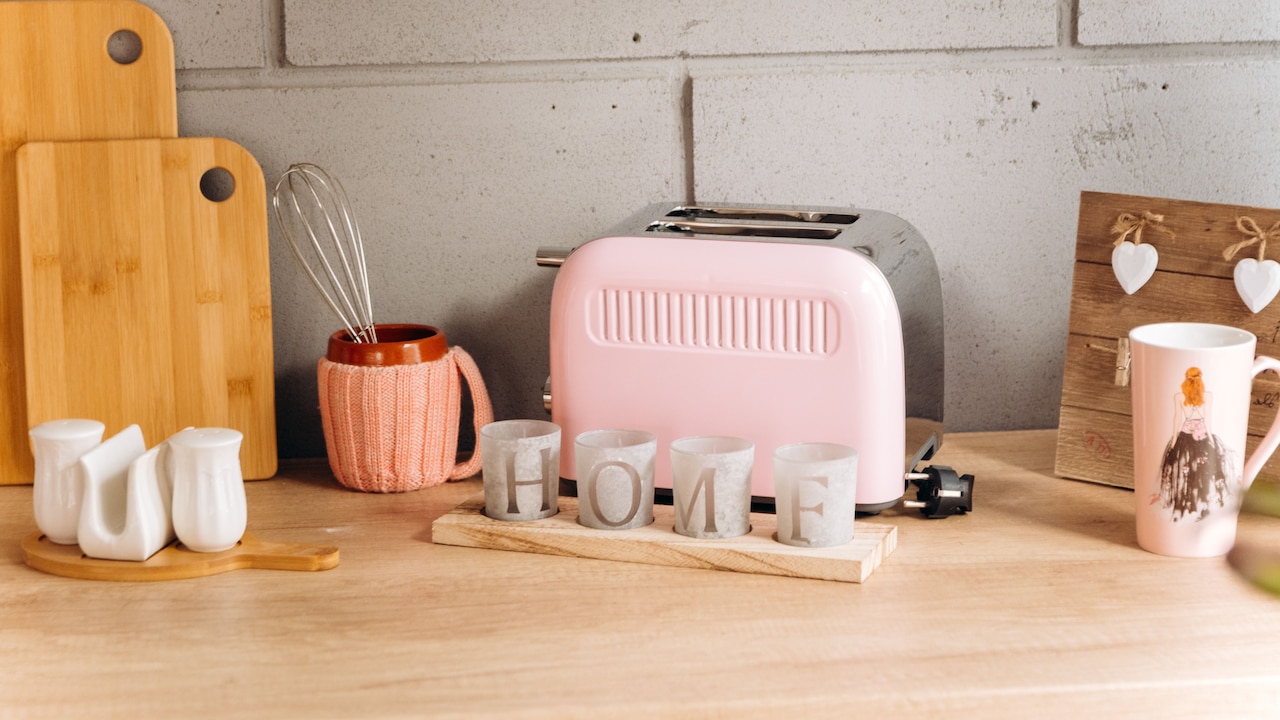
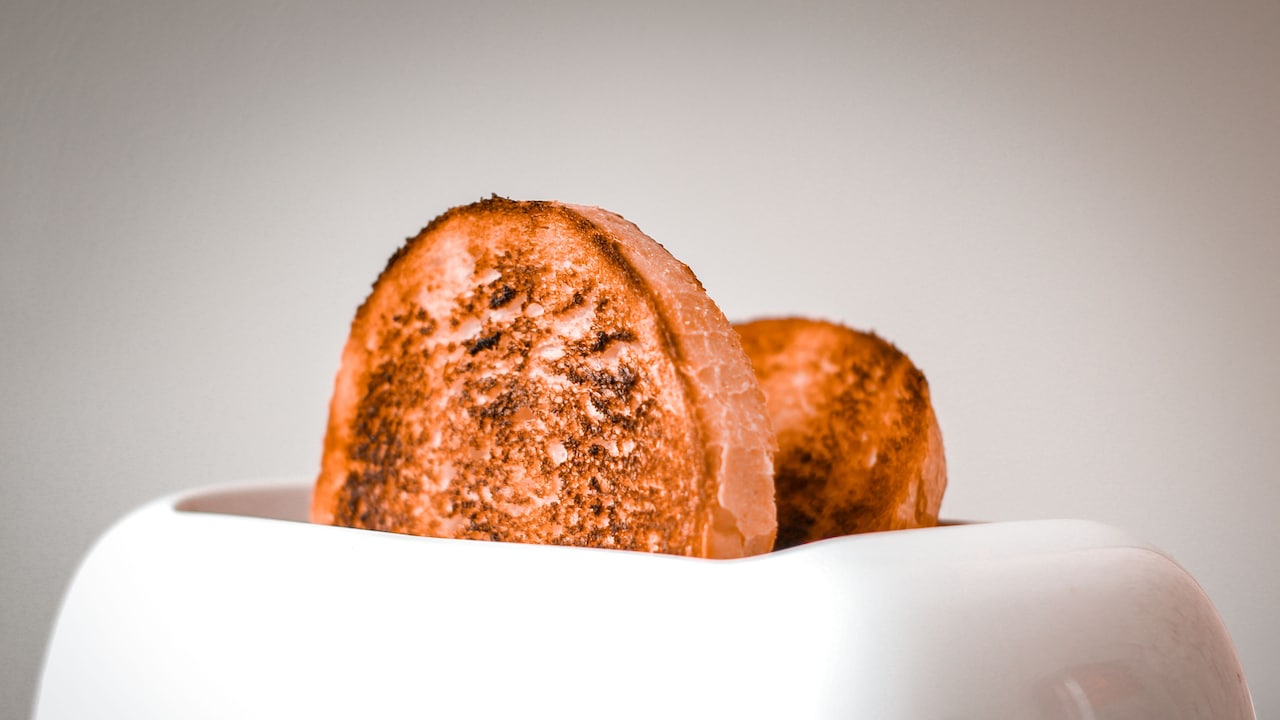
Toast seems like one of the easiest breakfast foods to make. Drop two slices into the toaster, push down the lever and get on with making tea. Yet the result can look surprisingly unpredictable. One surface emerges golden and crisp while the opposite side remains pale enough to pass for fresh bread. Sometimes one corner turns dark while the rest barely changes colour. It's tempting to blame the toaster immediately, but uneven browning doesn't always mean the appliance has reached the end of its life. Bread thickness, moisture, crumbs, heating-element condition and even where the toaster sits can affect how evenly heat reaches each slice. The problem becomes particularly noticeable when breakfast happens in a hurry. Nobody wants to keep rotating toast and running another cycle while everyone waits for the butter to soften. Fortunately, many causes have fairly straightforward fixes. Before replacing the toaster, it helps to understand what's happening inside those narrow slots. Here are 10 reasons toast can brown unevenly and what we can do about each one.
10 Reasons Your Toaster Browns Bread Unevenly And How To Fix It; Photo Credit: Pexels
10 Reasons Your Toaster Browns Bread Unevenly And How To Fix It
1. Crumbs Are Blocking Heat From Reaching The Bread
Those tiny crumbs sitting at the bottom of a toaster may look harmless, but enough of them can interfere with how the appliance distributes heat. Bread sheds crumbs during almost every cycle. Over weeks of use, they can collect around the base and internal surfaces, particularly when the crumb tray rarely gets emptied.
A thick layer of debris can alter airflow and sometimes shield parts of the bread from radiant heat. Meanwhile, crumbs sitting near a heating element may become extremely hot. That can create the opposite problem, with certain areas receiving more heat than others.
If one side of the toast regularly looks darker near the bottom, accumulated crumbs deserve a closer look.
Unplug the toaster and allow it to cool completely before cleaning. Remove the crumb tray, empty it and wipe it clean. Gently turn the unplugged toaster upside down over a counter or sink to release loose crumbs. Avoid poking knives or metal tools inside.
Cleaning the tray regularly takes only a minute and often improves both browning consistency and that faint burnt-toast smell that mysteriously appears before anything has actually burned.
Also Read: Best 4 Slice Pop-Up Toasters in India: Top Picks For Perfectly Crispy Mornings
2. One Heating Element Is Becoming Weaker
Look inside a toaster while it operates and you'll usually see heating wires glowing. Ideally, the elements facing both sides of each bread slot should produce reasonably similar heat.
Over time, however, heating elements can weaken, develop damaged sections or stop glowing evenly. When the element on one side produces less heat, the result becomes predictable: one face turns nicely golden while the other stays noticeably lighter.
This fault tends to become more obvious gradually. Toast that looked perfectly even a year ago may start showing a pale stripe or consistently underdone surface.
A visual inspection can sometimes reveal the problem. With the toaster empty and viewed from a safe distance, compare how the elements glow during a short cycle. Never put fingers, utensils or other objects inside while the appliance remains connected to power.
If a sizeable section of the heating element doesn't glow, cleaning won't solve the underlying problem. Depending on the toaster's age and repairability, professional servicing or replacement may make more sense than repeatedly sending bread through extra cycles.
3. The Bread Is Sitting Too Close To One Side
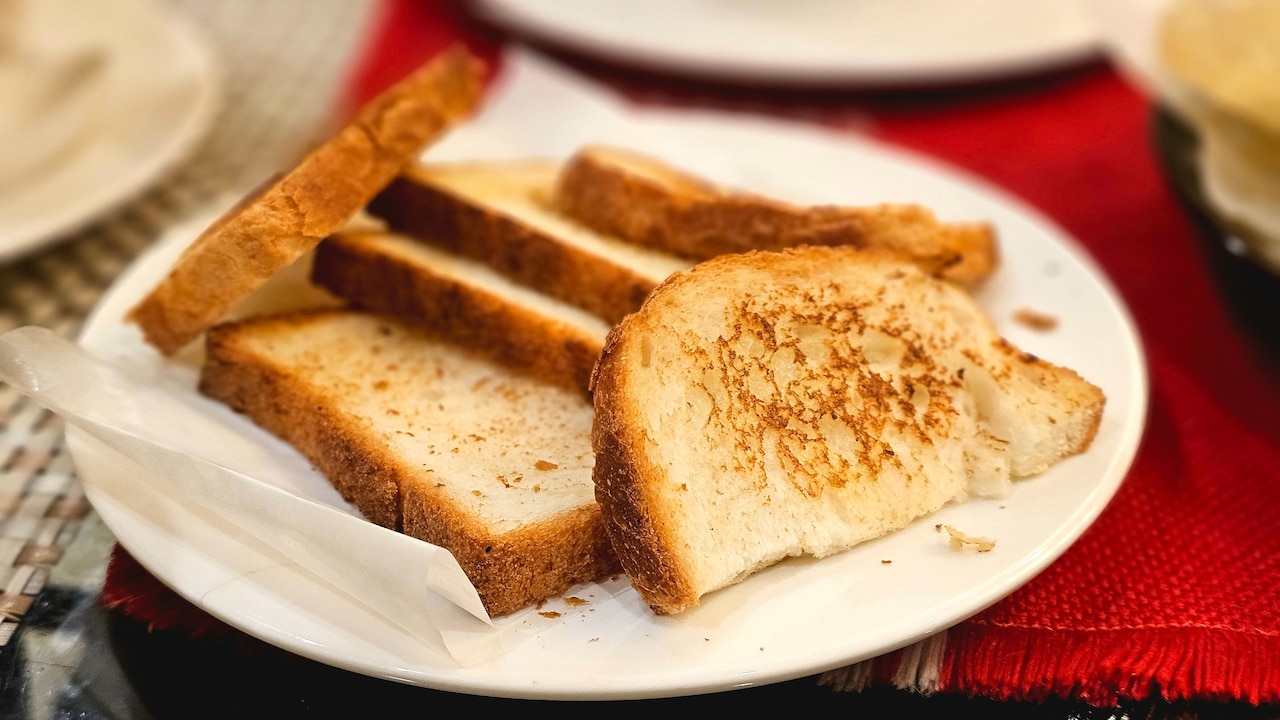
Bread doesn't always sit perfectly in the middle of a toaster slot. Thick slices, unevenly cut bread or slightly warped slices can lean towards one heating element.
That small change in position matters. Radiant heat becomes stronger when the bread sits closer to the element. The nearby surface may brown rapidly while the side facing the larger gap receives less intense heat.
Some modern toasters use self-centring guides that move inward when the lever goes down. These guides help hold different bread thicknesses at a more even distance from both sides. However, they can become stiff or misaligned after extended use.
Pay attention to how the bread sits when it enters the slot. If it obviously leans, try a slightly thinner or more evenly cut slice.
Also check whether the internal guides appear to move freely. Crumbs can sometimes restrict their movement. Regular cleaning may help restore smoother operation. Toast works best when the slice gets an equal opportunity to face both heating elements rather than spending breakfast pressed against one like someone squeezing into an overcrowded lift.
10 Reasons Your Toaster Browns Bread Unevenly And How To Fix It; Photo Credit: Pexels
4. Your Bread Slices Are Too Thick
A generous, thick slice of bread can make breakfast feel far more satisfying, but it can also expose the limitations of a standard toaster.
Many conventional toaster slots work best with bread of a moderate, relatively uniform thickness. A chunky hand-cut slice may fit inside, yet the edges can sit much closer to the heating elements than the centre. The slice may also lean or become lightly wedged against one side.
As a result, the surface nearest the element can brown much faster.
If uneven toasting happens mostly with bakery loaves or bread cut at home, thickness may be the real issue rather than the appliance.
Try cutting slices more consistently and avoid forcing oversized bread into narrow slots. A long-slot or wide-slot toaster usually handles thicker breads more comfortably.
For very thick sourdough, buns or dense slices, a grill or oven can sometimes provide more predictable results because heat reaches the bread across a wider area.
The goal isn't paper-thin toast. It's simply giving enough space around each slice for heat to circulate and reach both sides more evenly.
5. Frozen Bread Is Heating Unevenly
Bread taken straight from the freezer behaves differently from bread stored at room temperature. Before browning properly, the toaster first needs to remove the chill and deal with moisture released as the frozen slice warms.
If frost forms more heavily on one side, or slices freeze together before being separated, moisture may not distribute evenly. One surface can spend longer warming and drying while the other starts browning sooner.
This can leave the toast looking patchy despite using exactly the same setting that works perfectly for fresh bread.
If the toaster has a dedicated frozen or defrost function, use it. This setting usually adjusts the heating cycle to give frozen bread more time to warm before intense browning occurs.
Also separate slices before freezing whenever possible. Bread frozen individually tends to toast more consistently than slices pulled apart from a solid icy stack.
Avoid simply turning the browning dial much higher. That may make the warmer sections too dark before the colder sections catch up. Frozen toast needs a slightly different heating approach, not necessarily maximum firepower.
6. The Bread Has Uneven Moisture Levels
Not every part of a slice contains exactly the same amount of moisture. This becomes particularly noticeable with freshly baked bread, bread stored near an open packet edge or slices containing ingredients such as seeds and grains.
Moisture affects browning because the bread must lose some water before its surface temperature rises enough to develop that familiar toasted colour. A drier section can therefore brown sooner than a more moist section.
Storage can exaggerate the difference. Suppose a loaf sits loosely wrapped overnight. The exposed edge may dry noticeably while the protected portion stays soft. Once toasted, the drier area can become much darker.
Keeping bread in a properly sealed packet or container helps maintain more consistent moisture.
Fresh bread may also benefit from cooling fully before toasting. Very soft, moist slices sometimes brown differently from slightly rested bread.
If one particular loaf keeps producing uneven results while other breads toast normally, the appliance may not deserve the blame. Bread is surprisingly variable. Two slices that look identical from across the kitchen can behave very differently once several hundred degrees of heat get involved.
10 Reasons Your Toaster Browns Bread Unevenly And How To Fix It; Photo Credit: Pexels
7. The Browning Setting Is Too High
Turning up the browning dial can feel like the obvious solution when toast looks pale. Unfortunately, very high settings can make existing differences in heat distribution much more noticeable.
Every toaster contains slightly hotter and cooler zones. At a moderate setting, those differences may hardly show. At a high setting, however, the hotter surface keeps browning rapidly while the cooler side struggles to catch up.
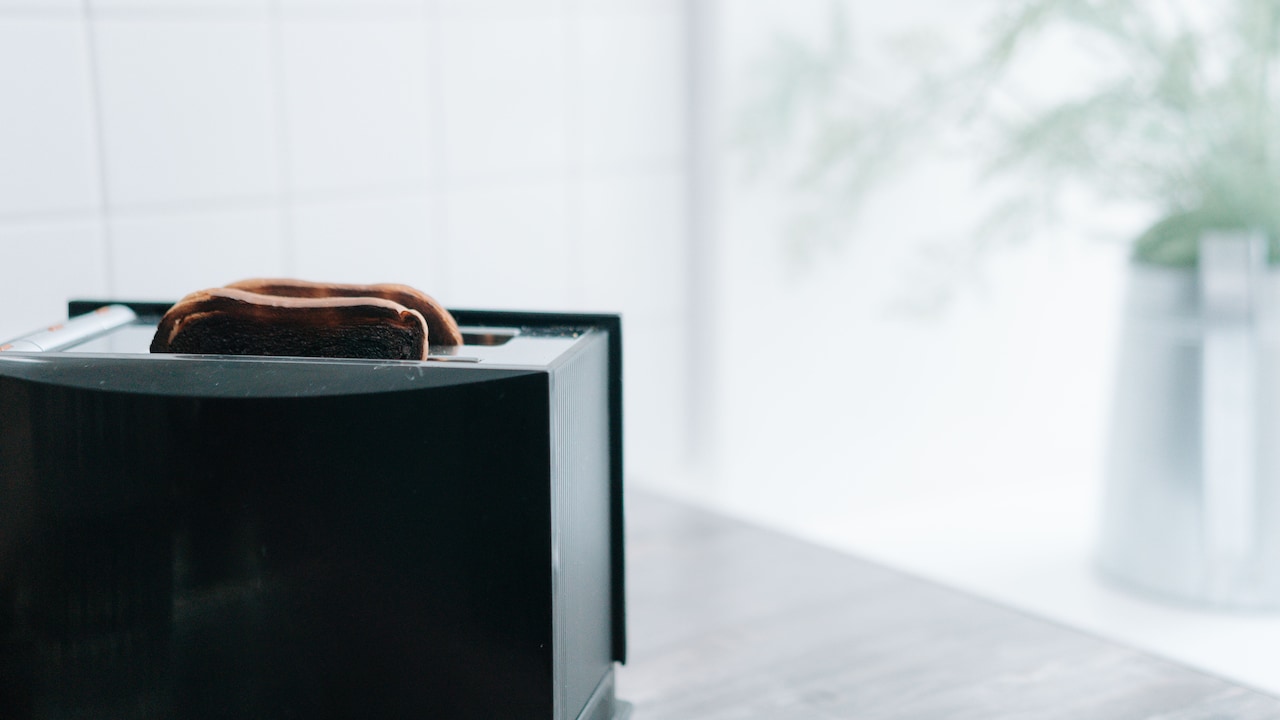
That's how breakfast can end with one face approaching charcoal while the other looks perfectly acceptable.
Try reducing the browning level by one or two settings and running a controlled test with two similar slices from the same loaf. A slightly longer but gentler heating cycle can sometimes create a more even finish than an aggressive burst of heat.
Remember that the ideal setting can change depending on the bread. Thin white bread may need much less time than dense multigrain or thick brown bread.
Once you find a reliable setting for a frequently purchased loaf, keeping the dial there reduces guesswork. The darkest number on the toaster isn't necessarily a challenge that breakfast needs to accept.
8. Consecutive Toasting Cycles Are Making The Toaster Hotter
The first round of toast and the fourth round don't always enter the same thermal environment.
When a toaster starts cold, some energy goes into heating the appliance itself. After several consecutive cycles, the internal components and surrounding metal remain warm. The next slices therefore begin toasting inside an already heated chamber.
This can make later batches brown more quickly, and any small imbalance between the heating elements may become more noticeable.
Large family breakfasts often expose this issue. The first two slices look pale, the next two look perfect and the final pair suddenly resembles something rescued from a campfire.
If you're making several batches, consider lowering the browning setting slightly after the first cycle. Giving the toaster a short cooling period between large batches may also help.
Avoid repeatedly restarting the toaster simply because the first cycle looks a little light. Residual heat continues to matter.
Learning how the toaster behaves when cold versus already warm can make results much more predictable. It's less about finding one magical number on the dial and more about recognising that the appliance doesn't reset its temperature instantly after every pop.
9. The Toaster Is Too Close To A Wall Or Other Appliance
Where the toaster sits can influence how it handles heat.
A toaster pushed tightly against a wall, microwave, storage container or another appliance may not have enough open space around its vents. Restricted ventilation can change airflow and allow heat to build unevenly around the casing.
This usually won't turn one side of toast black overnight, but it can contribute to inconsistent performance, especially during repeated cycles.
Check the manufacturer's guidance for clearance around the toaster and keep ventilation openings unobstructed. Avoid surrounding the appliance with bread packets, kitchen towels or containers while it operates.
A clean, open stretch of countertop provides a much better environment.
Placement also matters for safety. Toasters generate considerable heat, so crowding them beneath cabinets or next to objects that can melt, scorch or catch fire isn't worth the extra few centimetres of counter space.
If uneven browning appeared after rearranging the kitchen, try moving the toaster to a more open position and test it again. Sometimes the appliance hasn't changed at all. The surroundings have.
10. The Toaster Has Reached The End Of Its Reliable Life
Toasters look simple from the outside, but repeated heating and cooling eventually takes a toll on their internal components.
Heating elements weaken. Springs lose tension. Bread guides stop centring slices properly. Electrical contacts become less consistent. A toaster may continue working long after these changes begin, which is why uneven browning often appears before complete failure.
If cleaning, repositioning the bread and experimenting with sensible settings make little difference, age may explain the problem.
Consider whether the toaster now produces the same uneven pattern across several bread types. A consistently pale side, especially alongside irregular heating elements or unreliable controls, suggests the issue lies inside the appliance rather than the loaf.
Repairs can make sense for certain models, but replacement may prove more practical for inexpensive or very old units.
When choosing another toaster, look for wide slots, self-centring bread guides and independent browning controls if those features suit your routine.
A toaster doesn't need to achieve laboratory-level precision. Still, breakfast shouldn't require turning every slice halfway through like it's cooking on a barbecue.
Products Related To This Article
1. Bajaj ATX 4 750 watts 2-Slice Pop-up Toaster
2. Philips HD2582/00 Two slice Pop-up toaster with bun warmer
3. KENT Crisp Pop Up Toaster 750 Watts
4. Sujata 900 W Pop-up 2 Slice Stainless Steel PT11 Toaster
5. Russell Hobbs 17700 4-Slice Pop Up Toaster
6. Westinghouse 4 Slice 1750 Watts Retro Toaster
7. Hamilton Beach 2-Slice Pop-Up Toaster
Uneven toast can come from something as simple as a leaning slice or something more permanent, such as a weakening heating element. Start with the easy checks: empty the crumb tray, centre the bread, adjust the browning level and consider bread thickness and moisture.
If the same side stays pale regardless of what goes into the toaster, the appliance itself may need attention. A few small adjustments can often bring back evenly golden toast without turning breakfast into a daily troubleshooting exercise.
(Disclaimer: This article may include references to or features of products and services made available through affiliate marketing campaigns. NDTV Convergence Limited (“NDTV”) strives to maintain editorial independence while participating in such campaigns. NDTV does not assume responsibility for the performance or claims of any featured products or services.)