Induction Stove Myths That Still Stop People From Switching Away From Gas
Many households still avoid induction stoves because of outdated myths about taste, electricity bills and cooking performance. This is why those assumptions no longer hold true.

Here's why many people are still choosing gas stoves over induction
Every few years, kitchens go through a quiet revolution. Pressure cookers replaced slow coal stoves. Mixer grinders pushed aside grinding stones. Microwaves arrived with great fanfare, though many still use them mostly to reheat leftovers and soften butter forgotten outside the fridge. Now induction stoves sit in that same space. Everyone has seen one. Someone in the family probably owns one. Yet plenty of households still treat it like an emergency backup brought out only during gas cylinder delays or monsoon mishaps.
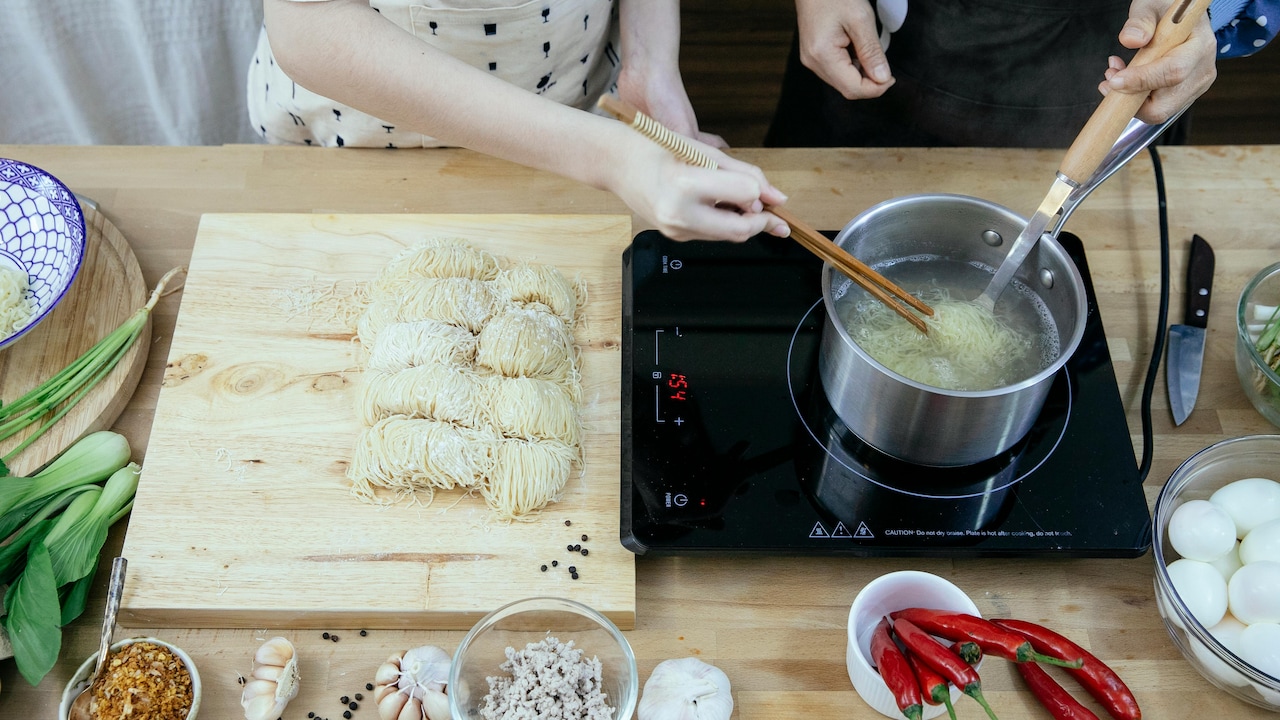
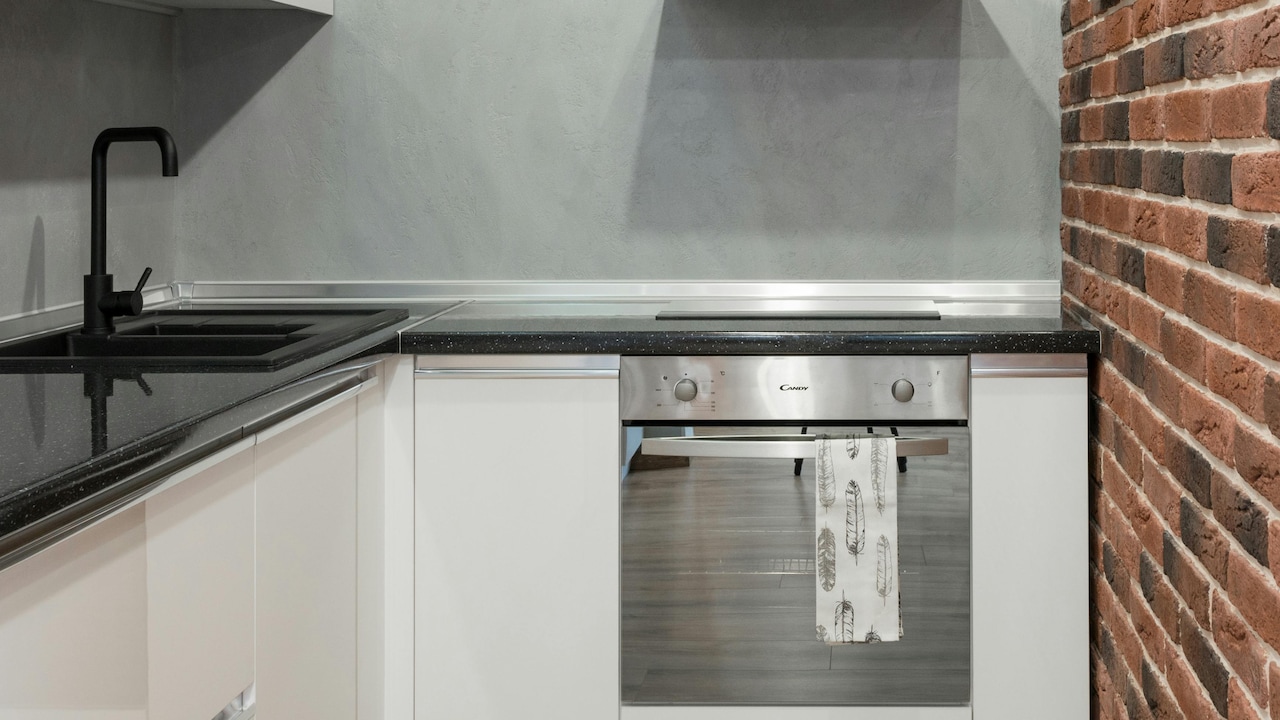
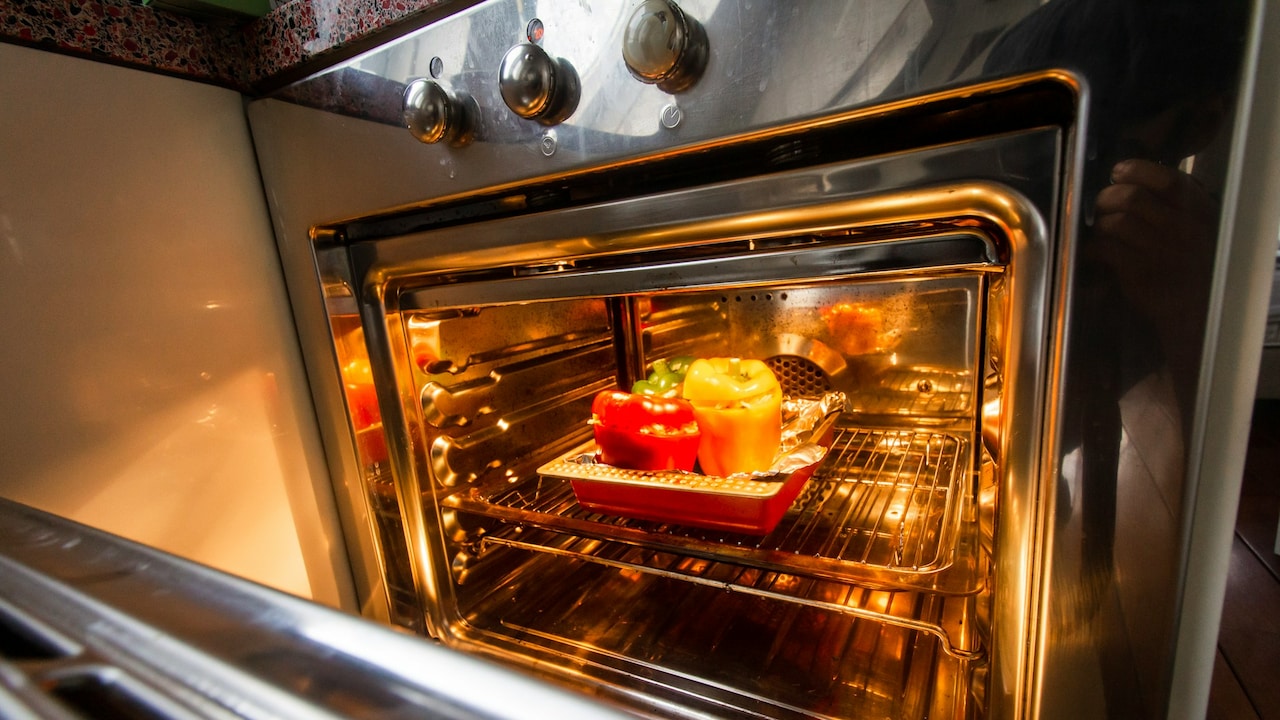
Common myths that make people choose gas stoves over induction cooktops; Photo Credit: Pexels
Part of the hesitation comes from habit. Cooking with visible flames feels familiar. The hiss of a gas stove almost sounds comforting during a busy morning rush. But another major reason comes from myths passed around dining tables, apartment WhatsApp groups and neighbourhood gossip. Stories about food tasting strange, electricity meters spinning wildly, or induction cooktops giving up after a few months continue to circulate freely.
The truth looks rather different. Modern induction stoves have improved dramatically over the years. They heat faster, waste less energy and fit neatly into smaller kitchens where every inch matters. For young couples setting up their first home or older families trying to cut monthly costs, induction cooking now deserves a proper second look. Here are the myths that still stop many people from making the switch.
Also Read: Induction Cooktops Under ₹1500 For Faster And Hassle-Free Cooking
Common Myths That Continue To Keep Households Loyal To Gas Stoves
Induction Stoves Consume Too Much Electricity
This myth probably survives because induction stoves look powerful. The moment the vessel heats within seconds, many assume the electricity bill will arrive with the force of a festival shopping spree.
In reality, induction cooking often proves more energy-efficient than gas. Traditional gas stoves lose a large amount of heat into the surrounding air. Anyone standing near the stove in May already knows this painfully well. Induction stoves transfer heat directly to the cookware, which means less wastage and quicker cooking times.
For a typical family, the monthly increase in electricity costs may not be as dramatic as expected. In many homes, the difference works out to less than ₹500 to ₹800, depending on usage patterns. Meanwhile, rising LPG refill prices continue to pinch household budgets every few months.
Another overlooked point involves speed. Water boils faster on induction. Dal cooks quicker. Tea arrives before the morning patience disappears entirely. Shorter cooking time means reduced energy consumption overall.
Of course, electricity tariffs vary between cities and states. Yet the blanket belief that induction automatically leads to outrageous bills simply does not hold up anymore. In many cases, families actually notice better cost control over time.
Food Does Not Taste The Same Without A Flame
Few kitchen debates become as emotional as this one. Some insist curries somehow lose “authentic flavour” without direct fire. Others argue that rotis refuse to cooperate unless cooked over open flames.
The truth depends more on cooking technique than fuel source. Induction stoves heat cookware evenly and consistently, which often improves results rather than damaging them. Gravies simmer beautifully. Stir-fried vegetables cook quickly without becoming soggy. Rice turns out evenly cooked instead of sticking stubbornly at the bottom.
The roti debate deserves special attention because nearly every household brings it up eventually. Yes, puffing rotis directly on a naked flame creates a familiar texture. But many modern induction-compatible pans and grills now deliver remarkably good results. Besides, countless people already use tavas entirely for rotis without direct flame exposure.
Professional kitchens worldwide increasingly rely on induction systems because chefs value precision and consistency. Nobody rejects a perfectly cooked butter chicken simply because it came from an induction cooktop instead of gas.
Taste also carries nostalgia. People associate certain aromas and sounds with childhood kitchens. That emotional connection often gets mistaken for proof that the cooking method itself tastes better.
Induction Stoves Are Too Expensive For Regular Households
A decade ago, induction stoves carried a slightly premium image. Now the market looks very different.
Today, decent induction cooktops start at prices lower than many branded gas stoves. Entry-level models suitable for small families often cost between ₹2,000 and ₹5,000. Even feature-rich versions with touch controls and multiple cooking modes remain reasonably accessible.
Meanwhile, the hidden expenses of gas cooking continue to grow quietly. Gas pipeline installations, regulator replacements, hose changes and rising cylinder prices add up steadily over the years. For renters shifting homes frequently, managing gas connections can become particularly irritating.
Induction stoves also reduce certain maintenance costs. There are no burner blockages to clean every few weeks. No soot collecting around the kitchen walls. No greasy residue spreading mysteriously onto nearby shelves.
For students, working professionals or elderly couples, induction cooktops often become practical money-saving investments rather than luxury gadgets. Some even start with a single induction unit alongside gas and gradually realise the gas stove barely gets used anymore, except during power cuts.
The perception that induction cooking belongs only in fancy modular kitchens no longer matches reality.
Power Cuts Make Induction Stoves Unreliable
This concern sounds reasonable at first, especially in areas where the electricity supply still fluctuates during summer or heavy rain. Gas stoves certainly enjoy an advantage during outages.
However, modern electricity infrastructure has improved considerably across most urban areas and many smaller towns. Power cuts today often last minutes rather than entire evenings. For many households, the inconvenience barely outweighs the benefits of induction cooking during the remaining twenty-three hours of the day.
Several families now keep induction stoves as primary cooking systems while maintaining a small gas cylinder purely as backup. This arrangement offers flexibility without fully depending on either source.
Interestingly, gas supply disruptions also happen more often than people admit. Delayed cylinder deliveries during festive periods or unexpected shortages create their own chaos. Few situations test patience like discovering an empty cylinder halfway through cooking dinner for guests.
Portable power backup systems and inverters have also improved dramatically. Some households can comfortably run induction cooktops during short outages without major issues.
Rather than viewing induction and gas as enemies competing for kitchen supremacy, many families now use them together strategically, depending on circumstances.
Induction Cooking Feels Too Complicated
Technology sometimes intimidates people unnecessarily. Touch panels, digital displays and preset buttons may initially appear confusing compared to the simple twist-and-light routine of gas stoves.
Yet most induction cooktops operate quite intuitively. Basic controls usually involve little more than selecting temperature or power level. After a few days, many users find induction easier because settings remain consistent and predictable.
Gas cooking often requires constant adjustment. Flames become too high. Milk threatens dramatic escape attempts. Oil overheats while someone answers the doorbell. Induction systems provide steadier heat management, reducing guesswork considerably.
Older family members occasionally resist induction because they associate digital appliances with complexity. Ironically, many later appreciate features like automatic shut-off and timers once they start using them regularly.
Cooking on induction also creates a calmer kitchen environment. There is less ambient heat, fewer open flames and reduced smoke generation. During hot summer afternoons, that difference feels especially noticeable.
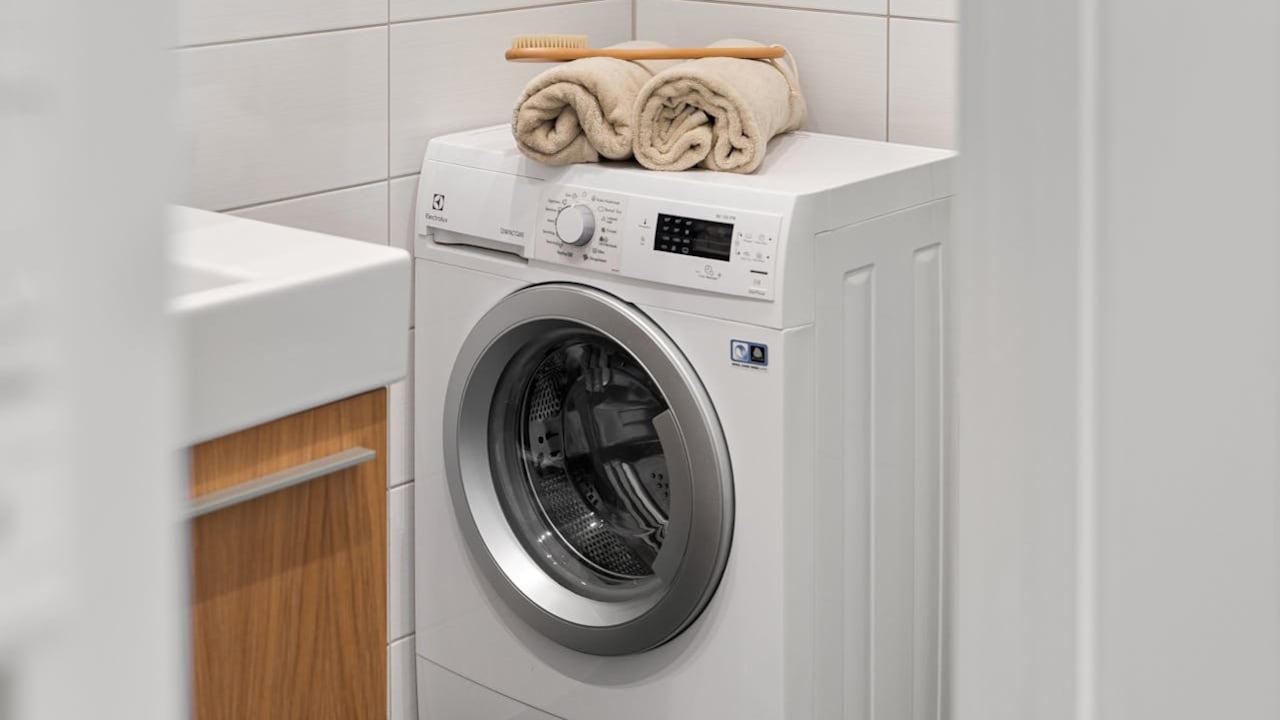
Most hesitation disappears through actual use rather than explanation. Similar doubts once surrounded automatic washing machines, yet few people today miss scrubbing clothes manually on stone slabs.
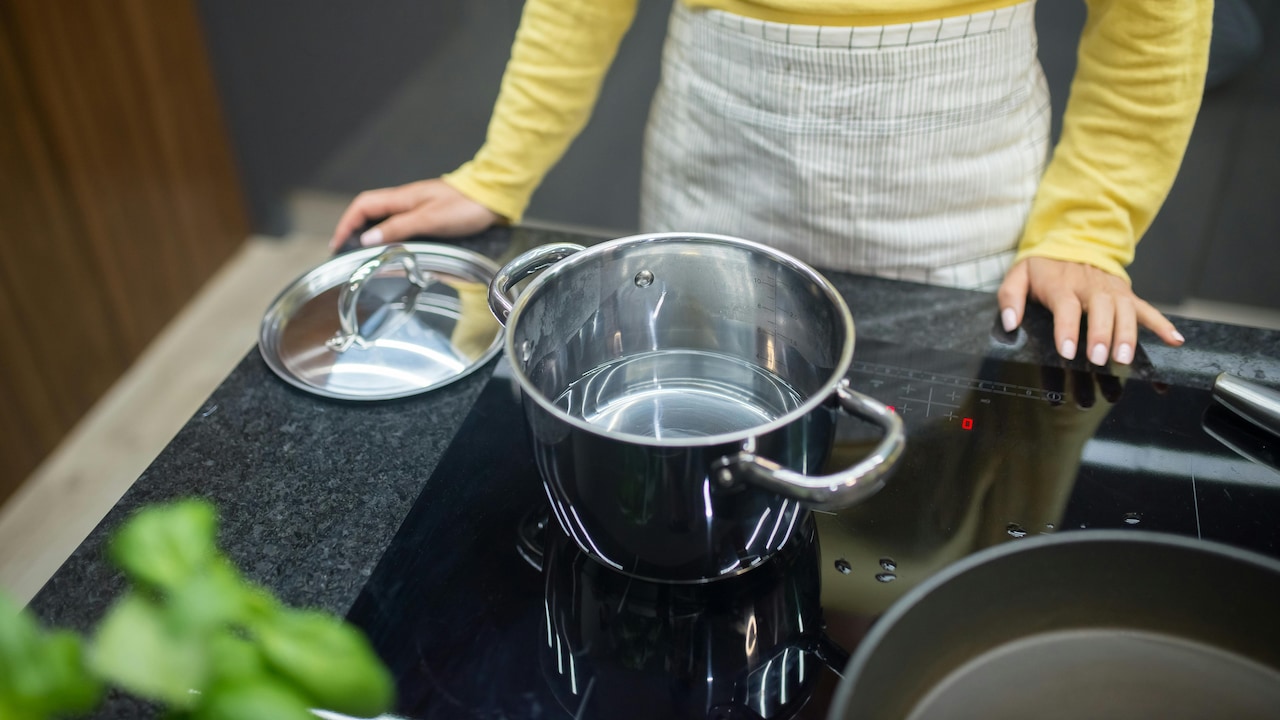
Many people think that cooking on induction is way too complicated and confusing; Photo Credit: Pexels
Induction Stoves Are Unsafe
Open flames have existed in kitchens for generations, so people rarely question their risks anymore. Yet gas leaks, accidental burns and fire hazards remain genuine concerns in countless homes.
Induction stoves actually offer several safety advantages. The cooktop itself does not generate heat directly. Instead, heat transfers to the cookware through electromagnetic energy. This means surrounding surfaces stay relatively cooler compared to gas burners.
Many induction systems automatically switch off when cookware is removed. Some include child-lock features and overheating protection. For homes with elderly residents or curious children running around during dinner preparation, these features matter greatly.
There is also no risk of forgetting to turn off the gas knob while distracted by a phone call or cricket match drama unfolding in the next room.
Another major benefit involves indoor air quality. Gas stoves release pollutants, including nitrogen dioxide, especially in poorly ventilated kitchens. Induction cooking avoids combustion entirely, helping maintain cleaner indoor air.
Safety concerns surrounding induction usually come from unfamiliarity rather than actual risk. Most users eventually realise the technology feels surprisingly secure once integrated into daily routines.
Special Utensils Make Induction Too Inconvenient
This myth survives partly because early induction stoves required very specific cookware. People worried about replacing entire kitchen collections overnight.
Modern induction-compatible cookware has become far more common and affordable. Many steel utensils already present in households work perfectly fine on induction surfaces. Simple magnet tests quickly reveal compatibility.
Even when replacements become necessary, the cost often spreads gradually over time rather than demanding immediate investment. Families typically upgrade cookware piece by piece according to need.
The cookware market has adapted rapidly. Today, almost every major utensil brand clearly labels induction compatibility. Pressure cookers, frying pans, saucepans and tawas designed for induction now appear everywhere from local markets to large retail stores.
Another overlooked advantage involves cleanliness. Induction cooking produces less burnt residue underneath vessels because heat stays concentrated at the base rather than spreading outward chaotically.
Some people initially grumble about flat-bottom cookware requirements. Yet those same flat surfaces often improve cooking consistency and reduce wobbling during stirring.
The transition feels much smaller once households realise most kitchens already contain at least some compatible utensils hiding quietly in the cabinets.
Induction Stoves Cannot Handle Heavy Cooking
Festival cooking, family gatherings and Sunday meal marathons often trigger doubts about induction capability. Many believe induction works only for quick snacks or bachelor cooking.
Modern induction stoves handle substantial cooking loads quite effectively. Larger models support heavy-bottom pressure cookers, deep kadais and extensive meal preparation without issue.
Restaurants, hotel kitchens and catering operations increasingly adopt induction systems precisely because they manage continuous cooking efficiently. The technology has evolved far beyond simple noodle-making machines for hostel rooms.
Heat control on induction often improves demanding recipes. Slow-simmering kormas or carefully tempered gravies benefit from stable temperatures instead of fluctuating flames.
Large households may still prefer combining induction with gas during peak cooking periods, especially when preparing multiple dishes simultaneously. But that reflects convenience rather than technological limitation.
Some families also discover unexpected benefits during festive seasons. Kitchens remain cooler despite prolonged cooking sessions. Cleaning afterwards becomes easier because spilt food does not char instantly onto burners.
The assumption that induction suits only minimalist lifestyles ignores how dramatically the appliances have improved over recent years.
Repairs And Maintenance Are Too Difficult
Electronic appliances naturally create fear about repair costs. Many assume induction stoves become useless the moment something malfunctions.
In practice, reputable induction brands now offer extensive service networks across cities and smaller towns. Spare parts availability has improved significantly. Warranty periods have also become more competitive.
Compared to gas stoves, induction systems actually involve fewer cleaning headaches. Burners do not clog. Food particles wipe away easily from smooth surfaces. There are no greasy corners trapping years of masala splatters like archaeological discoveries.
Most induction problems arise from voltage fluctuations or improper usage rather than constant mechanical failure. Using stabilisers in areas with unstable electricity helps prevent issues considerably.
Good-quality induction cooktops also tend to last several years comfortably under regular household use. Families often replace them due to upgrades rather than a complete breakdown.
Meanwhile, gas stove maintenance rarely receives equal scrutiny despite recurring burner servicing, ignition repairs and leakage concerns. Familiarity sometimes disguises inconvenience.
Like any appliance, durability depends heavily on product quality and handling habits. But the idea that induction stoves constantly break down feels increasingly outdated.
Gas Cooking Feels More Traditional And Reliable
Tradition carries emotional power, especially inside kitchens. Recipes pass through generations along with cooking habits, favourite utensils and little rituals impossible to measure scientifically.
For many households, the blue gas flame symbolises dependable home cooking. Switching away from it feels oddly personal, almost like abandoning something culturally familiar.
Yet kitchens have always evolved. Clay chulhas gave way to kerosene stoves. Kerosene disappeared gradually as LPG expanded. Every generation initially resisted change before eventually adapting.
Induction cooking does not erase tradition. Grandmother's biryani recipe still works beautifully. The masala proportions remain unchanged. The comforting aroma drifting through the house still announces dinner exactly the same way.
What changes is efficiency, convenience and environmental impact. Less wasted heat. Reduced indoor pollution. Easier cleaning after long cooking sessions.
Reliability today increasingly means practicality rather than emotional attachment alone. Younger families juggling work schedules, school timings and cramped urban kitchens often prioritise speed and simplicity.
The emotional bond with gas cooking deserves respect. But nostalgia alone should not prevent households from exploring technologies that may genuinely improve everyday life.
Products Related To This Article
1. Cadlec CookXpert 2000W Induction Cooktop
2. Pigeon by Stovekraft Cruise 1800 watt Induction Cooktop With Crystal Glass
3. Prestige PIC 20 1600 Watts Induction Cooktop
4. Philips HD4934/00 1300W Induction Cooktop With Triple MOV For 4Kw Surge Protection With Soft Touch Control
5. Lifelong 1800 Watt Induction Stove With Surge Protection
6. Cadlec HeatCraft 2200W Infrared Cooktop Stove with Grill Rack for Barbecue
7. iBELL 20YO Induction Cooktop 2000 W Double/Single Coil Electric Stove with Full Touch Control
Induction stoves continue to battle perceptions formed years ago when the technology felt unfamiliar and limited. Many myths survive simply because people repeat them confidently without revisiting whether they still hold true.
Modern induction cooking offers speed, efficiency, safety and convenience that fit naturally into contemporary households. That does not mean gas stoves will vanish overnight. Many kitchens may continue using both for different purposes.
But dismissing induction entirely because of outdated assumptions no longer makes much sense. Most concerns surrounding electricity bills, taste, safety or reliability weaken considerably once people spend real time using the appliances.
Kitchen habits change slowly because food carries emotion, memory and routine. Yet practical benefits eventually shape behaviour more strongly than old fears. Just as pressure cookers once seemed radical and mixer grinders once sounded suspiciously noisy, induction stoves may soon become another ordinary part of everyday cooking life.
And honestly, when tea boils before the morning newspaper even arrives, resistance tends to melt rather quickly.
(Disclaimer: This article may include references to or features of products and services made available through affiliate marketing campaigns. NDTV Convergence Limited (“NDTV”) strives to maintain editorial independence while participating in such campaigns. NDTV does not assume responsibility for the performance or claims of any featured products or services.)