Air Purifiers For Allergies: Filters To Check Before Blaming Dust Alone
Dust is not the only allergy trigger at home. Check HEPA, carbon and pre-filters before buying an air purifier that promises cleaner, easier breathing.
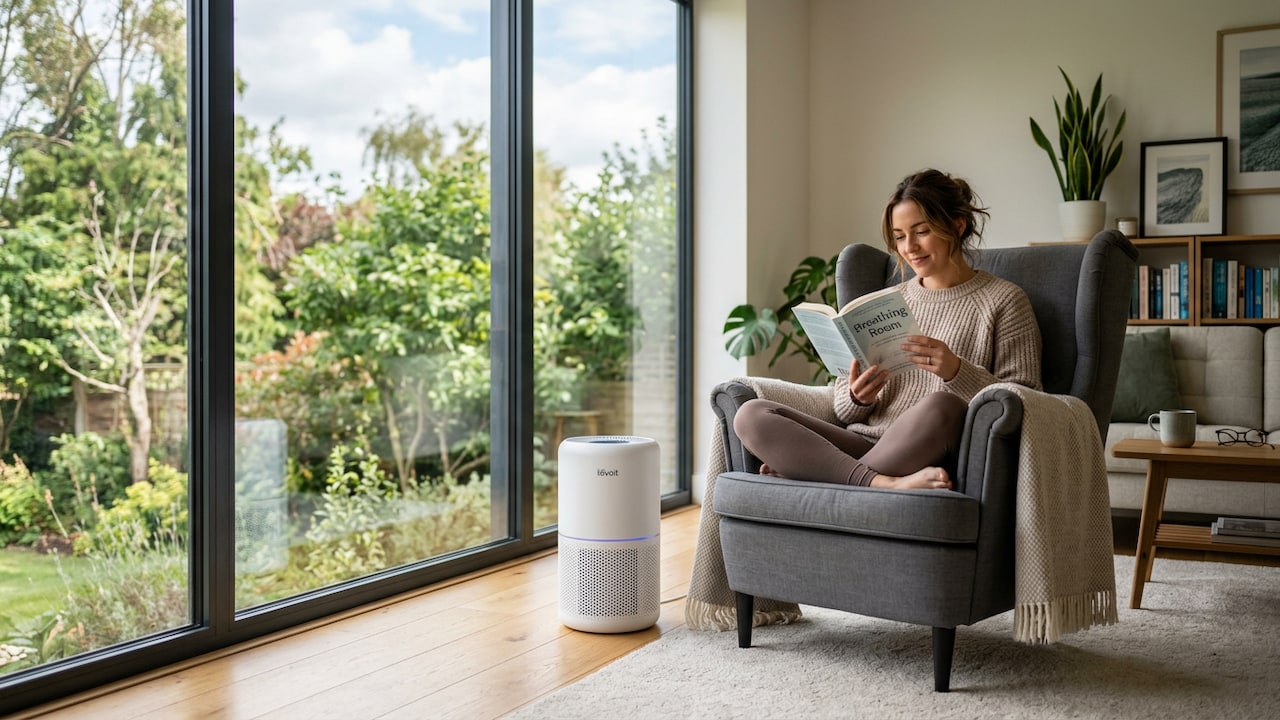
What are the key features you need in an air purifier to deal with stubborn allergies
Every home has a dust story. It gathers on ceiling fans, settles on TV units and returns to the centre table almost as soon as someone wipes it clean. Naturally, when sneezing starts, dust becomes the easiest villain. Yet allergies rarely follow such a simple plot. In many homes, the air carries far more than visible dust. Morning pollen enters through open windows. Pet hair hides in sofa corners. Damp walls release mould spores. Agarbatti smoke, cooking fumes, mosquito coils, traffic pollution and new furniture smells all join the mix. The result feels familiar: itchy eyes, blocked noses, dry coughs and restless sleep.
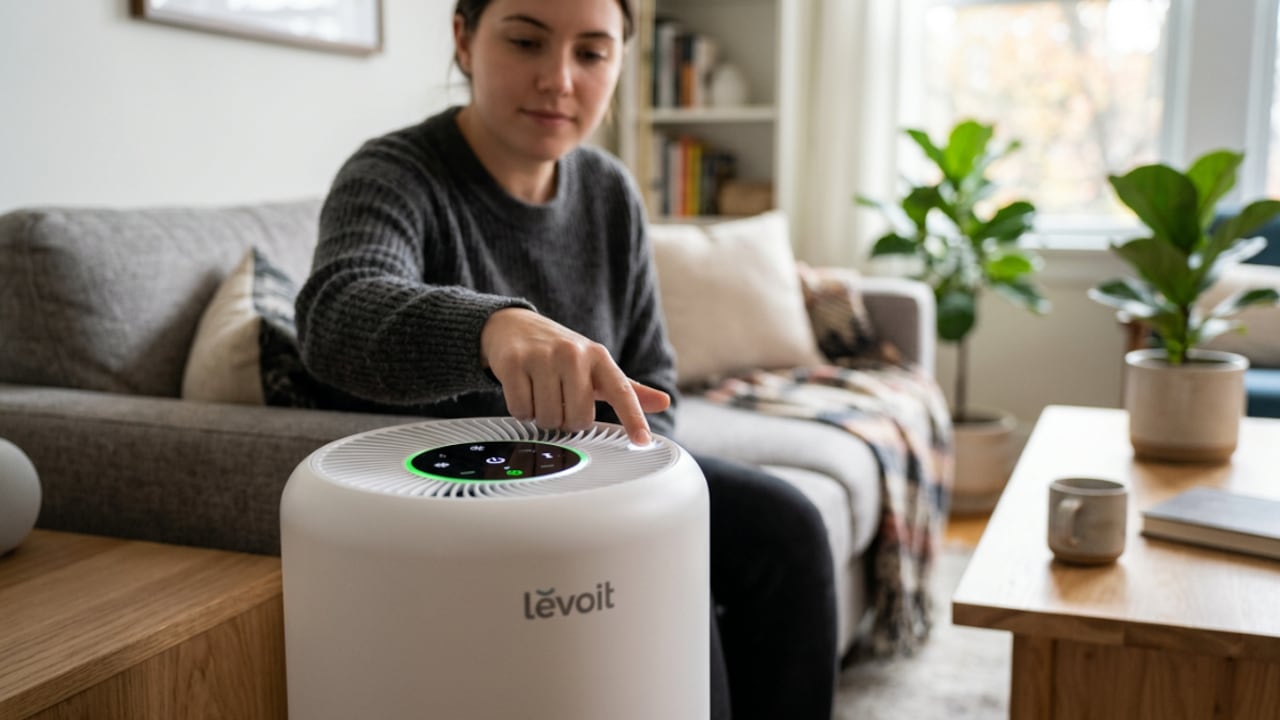
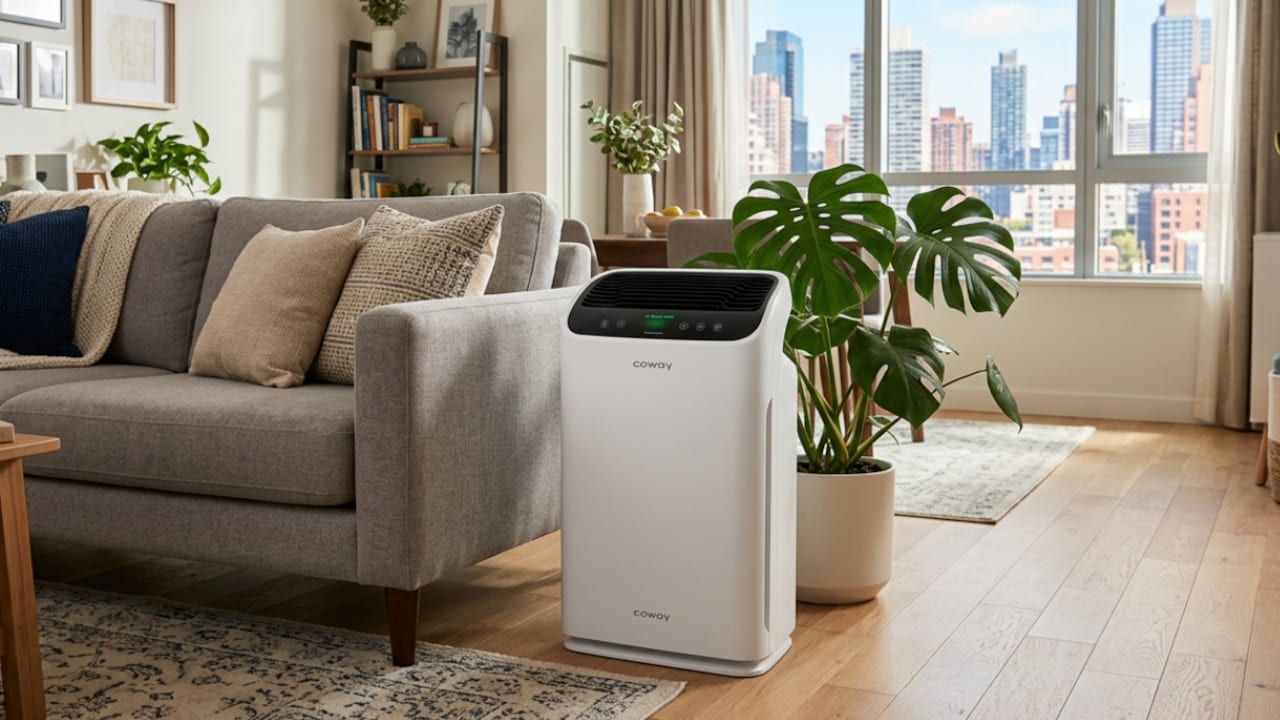
Key features to consider before buying an air purifier for allergies; Photo Credit: Gemini
Air purifiers can help, but only when the right filters sit inside them. A sleek machine with a weak filter may do little more than hum politely in the corner. Before blaming dust alone, it helps to know what each filter catches, what it misses, and whether it suits the room where someone actually sleeps, studies or works.
Also Read: 8 Best Air Purifiers Under ₹5000 for Indian Homes
Filters That Matter Before You Blame Dust
Why Dust Is Only Part Of The Allergy Puzzle
Dust looks guilty because it shows up in plain sight. A grey layer on the shelf feels like evidence. Still, visible dust forms only one slice of the allergy problem. The smaller irritants often create more chaos because the eyes cannot spot them.
A sneeze after sweeping may come from dust mites, pollen, pet dander or fine particles stirred into the air. In flats near busy roads, outdoor pollution sneaks indoors through balconies, window gaps and door frames. During festival seasons, smoke and fine ash can linger long after the celebrations end. In damp homes, mould may grow behind cupboards or near bathroom walls, quietly making it harder.
This is why an ordinary fan, open window or quick jhaadu round rarely solves allergy trouble. Cleaning removes settled dirt, but airborne particles keep floating around. A good air purifier targets those invisible particles. The real question is not whether the machine looks modern, but whether its filters can handle the specific triggers in the home.
The HEPA Filter Is The Main Hero
For allergies, the HEPA filter deserves the first check. It traps fine particles such as pollen, dust mite matter, pet dander and mould spores. These particles often cause the classic allergy parade: sneezing, watery eyes, stuffy nose and throat irritation.
A purifier that claims “HEPA-like” or “HEPA-type” may sound impressive, but those words can hide weaker performance. Look for a true HEPA filter or a clearly stated efficiency standard. The filter should sit snugly inside the purifier, without gaps around the edges. Even a strong filter loses value if air slips around it instead of passing through it.
In a typical bedroom, a HEPA filter can make the biggest difference at night, when closed doors and soft furnishings trap particles. Mattresses, curtains and pillows collect allergens like relatives collect wedding gossip. Running the purifier before bedtime and through the night can reduce the load in the breathing zone. Dust may still need regular cleaning, but HEPA handles the smaller troublemakers that cloth and broom miss.
Activated Carbon Filters Tackle Smells And Fumes
A HEPA filter catches particles, but it does not do much against gases, odours and chemical fumes. That is where activated carbon helps. This filter uses treated carbon to absorb smells and certain gaseous pollutants from the air.
Homes face plenty of these irritants. Cooking tadka, incense smoke, cleaning sprays, room fresheners, fresh paint, new wardrobes and roadside fumes can all trigger discomfort. Some people do not sneeze around dust but start coughing near strong fragrances. For them, a purifier without a carbon filter may feel incomplete.
The thickness and quality of the carbon layer matter. A thin black sheet may reduce mild odour, but it may not handle heavy smoke or persistent chemical smells. A heavier carbon filter generally works better, though it also needs timely replacement. Once the carbon fills up, it stops absorbing much. In busy kitchens, rooms near parking areas or homes where incense burns daily, this filter can become as important as the HEPA layer.
Pre-Filters Catch The Big Mess First
The pre-filter may not sound glamorous, but it works like the first doormat at the entrance. It catches larger particles such as hair, lint and coarse dust before they reach the main filter. This helps the HEPA filter last longer and perform better.
In homes with pets, long hair, heavy curtains or open balconies, the pre-filter earns its keep quickly. Without it, larger debris clogs the expensive inner filter faster. That means weaker airflow, more noise and higher maintenance costs. A washable pre-filter can save money over time, especially when replacement filters cost ₹1,500, ₹3,000 or more depending on the brand and model.
The pre-filter needs regular cleaning. A clogged one makes the purifier work harder and may reduce clean air output. Most homes can clean it every two to four weeks, though dusty neighbourhoods may need more frequent attention. Think of it as rinsing the chai strainer. Ignore it long enough, and even the best tea starts tasting like regret.
UV-C Light Sounds Fancy But Needs Caution
Many purifiers advertise UV-C light as a germ-killing feature. It can damage certain microbes under controlled conditions, but allergy relief does not depend on UV-C in most homes. Allergies usually come from particles and irritants, not just germs.
The main challenge lies in exposure time. Air moves quickly through a purifier. If microbes do not spend enough time near the UV-C lamp, the effect may be limited. Some low-quality machines add the feature mainly for marketing sparkle. A glowing blue light can look reassuring, but it does not replace a proper HEPA filter.
UV-C also needs a safe design. The light should remain sealed inside the machine because direct exposure can harm skin and eyes. Bulbs may lose strength over time and need replacement. For allergy-prone families, UV-C can count as a supporting feature, not the star performer. Choose it only after checking the basics: HEPA quality, carbon filter strength, room coverage and replacement cost.
Ensure that the UV-C light remains sealed inside the machine for safety; Photo Credit: Gemini
Ionisers May Not Suit Sensitive Noses
Ionisers release charged particles that attach to airborne pollutants and make them settle on surfaces. On paper, this sounds clever. In real life, allergy-prone people should approach ionisers carefully.
Some ionisers can produce ozone, a gas that may irritate the lungs and worsen breathing problems. Even low levels can trouble people with asthma, wheezing or sensitive airways. A room may smell “fresh” after ionisation, but freshness does not always mean safety. Clean air should not come with a sharp, swimming-pool-like scent.
Another issue is settled particles. Ionisers may pull pollutants out of the air, but those particles often land on walls, floors and furniture. Later, sweeping or movement can stir them up again. If a purifier includes an ioniser, check whether the feature can stay switched off. For allergy relief, a strong HEPA filter with good airflow usually offers a more dependable path than a fancy ioniser button.
CADR And Room Size Matter More Than Hype
A filter can only help if the purifier moves enough air through it. This is where CADR, or Clean Air Delivery Rate, becomes important. It tells buyers how quickly the machine can clean the air in a room.
A small purifier in a large living room may run all day and still struggle. A powerful unit in a tiny bedroom may clean fast but feel noisy or bulky. Match the purifier to the room where allergy symptoms hit hardest. For most families, that room is the bedroom, because people spend long hours there with pillows, mattresses and closed windows.
Room size claims on boxes can feel generous, so choose with a little margin. High ceilings, open doors and heavy pollution reduce performance. Also check noise levels. A purifier that roars like a mixer-grinder will not survive many nights beside the bed. The best machine balances filter quality, airflow and comfort, rather than winning only on brochure numbers.
Filter Replacement Costs Can Surprise Buyers
The purchase price tells only half the story. Filters need replacement, and those costs can sting later. A purifier sold at a tempting discount may demand costly filters every few months. Over two or three years, maintenance can exceed the original price.
Before buying, check the price and availability of each filter. Some models need separate HEPA and carbon replacements. Others use a combined cartridge. Replacement costs may range from around ₹1,000 to ₹6,000 or more, depending on size and brand. Imported models can create another headache if filters go out of stock.
Filter life also depends on air quality. A home near a main road, construction site or smoky area may exhaust filters faster than a quieter neighbourhood. Indicator lights help, but they often follow usage hours rather than actual dirt levels. A filter that looks dark, smells stale or reduces airflow deserves attention. A purifier with an old filter becomes like a water bottle with yesterday's tea left inside: technically present, but not helpful.
Placement Can Make Or Break Performance
Even the best purifier struggles from the wrong corner. Many people tuck it behind curtains, under tables or next to a wall to keep the room tidy. That blocks airflow and weakens performance.
Place the purifier where air can enter and leave freely. A bedroom unit works well near the bed, but not so close that the airflow feels chilly or noisy. Keep it away from curtains, large furniture and piles of laundry. In living rooms, avoid corners hidden behind sofas. Air needs space to circulate.
Doors and windows matter too. Running a purifier with open windows during heavy traffic or dusty weather can feel like filling a bucket with a hole in it. Ventilation has its place, especially after cooking or cleaning, but constant outdoor inflow makes the machine work harder. For allergy relief, use the purifier in a mostly closed room for steady periods. Let it build a cleaner bubble where the family spends the most time.
Cleaning Habits Still Matter Alongside Purifiers
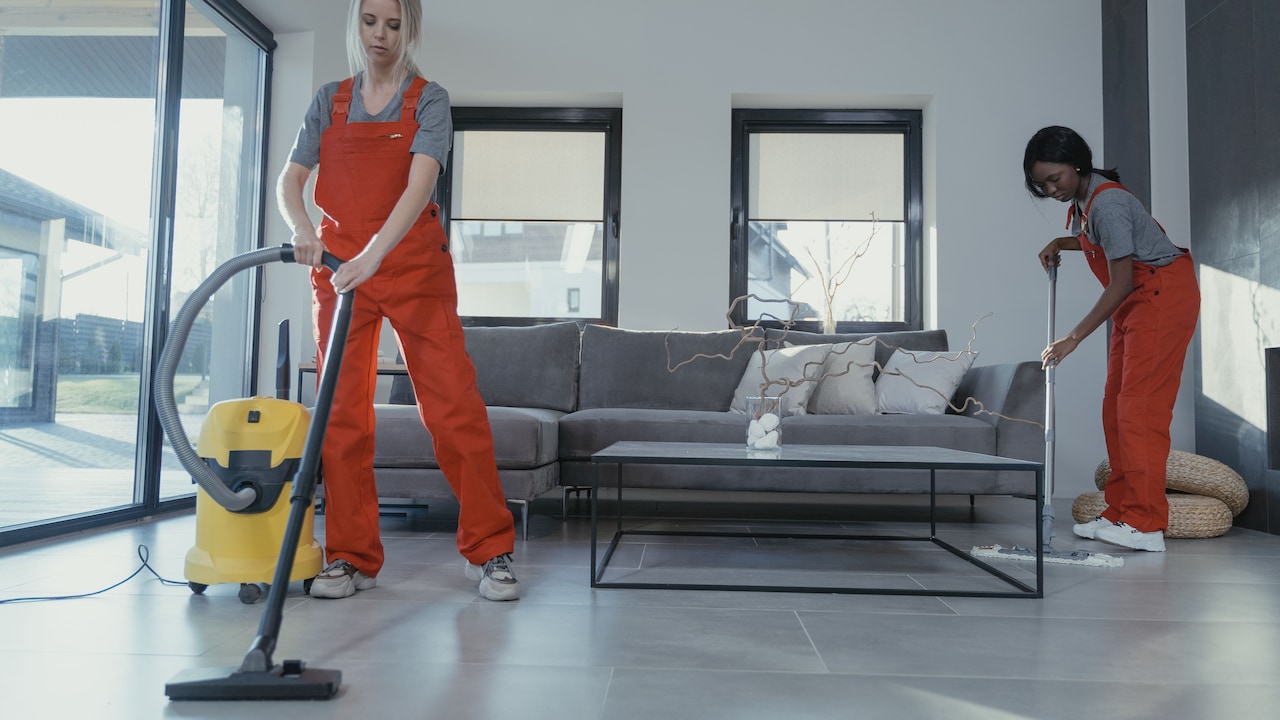
An air purifier helps, but it cannot replace basic cleaning. Allergens settle on bedsheets, curtains, carpets, toys and upholstery. When someone jumps on the sofa or shakes a blanket, the particles return to the air like an unwanted encore.
Wash bedsheets and pillow covers regularly in hot water when fabric care allows it. Vacuum mattresses and carpets with a good filter. Keep stuffed toys limited in allergy-prone bedrooms. Sun-drying bedding can help in many homes, especially during dry weather. Fix damp patches quickly, because mould loves neglect.
Avoid overusing strong fragrances. Room fresheners may mask odours, but they can irritate sensitive noses. The same goes for harsh cleaning sprays. A purifier with carbon can reduce some fumes, yet the better plan is to produce fewer fumes in the first place. Clean air comes from teamwork: sensible cleaning, source control and the right purifier filters doing their quiet job.
Smart Features Are Useful But Not Essential
Modern air purifiers often come with apps, colour displays, auto modes and air quality sensors. These features can help, especially for families who like visible feedback. A red light turning green feels satisfying, almost like watching a pressure cooker whistle at the right time.
Still, smart features should not distract from filter basics. Low-cost sensors may detect some particles but miss gases or odours. Auto mode may slow the fan too much at night, even when allergens remain in bedding and curtains. Manual control often works better during high-pollution days, cleaning sessions or after cooking.
Wi-Fi control, child lock and sleep mode add convenience. They do not clean the air by themselves. A purifier with modest smart features and excellent filters beats a flashy model with weak filtration. When budgets matter, spend first on HEPA quality, carbon strength, CADR and filter availability. Fancy displays can wait; breathing comfort should not.
Products Related To This Article
1. Coway Airmega 150 (Ap-1019C) Air Purifier For Home
2. Philips AC0920 Smart Air Purifier for Home
3. Honeywell Air Purifier for Home, 4 Stage Filtration
4. Dyson Hushjet Purifier Compact-HJ10
5. Eureka Forbes Air Purifier 355 With True Hepa H13 Filter
6. Qubo Smart Air Purifier Q200 by Hero
7. LEVOIT Core Mini Air Purifier for Coverage Area
Allergies deserve better than a quick blame game with dust. Dust plays a role, but many invisible irritants share the stage: pollen, dander, mould spores, smoke, fumes and fine pollution. A good air purifier can reduce that burden, provided the right filters sit inside it.
Start with a true HEPA filter for fine particles. Add activated carbon for smells, smoke and chemical fumes. Value the pre-filter because it protects the main filter and lowers maintenance stress. Treat UV-C and ionisers as optional features, not magic solutions. Then check CADR, room size, noise, placement and replacement costs before paying the bill.
A purifier cannot turn a home into a Himalayan meadow, especially beside busy roads or during smoky seasons. Yet the right one can make a bedroom feel calmer, mornings less sneezy and nights more restful. For allergy-prone families, that small pocket of cleaner air can feel like a quiet luxury worth choosing wisely.
(Disclaimer: This article may include references to or features of products and services made available through affiliate marketing campaigns. NDTV Convergence Limited (“NDTV”) strives to maintain editorial independence while participating in such campaigns. NDTV does not assume responsibility for the performance or claims of any featured products or services.)